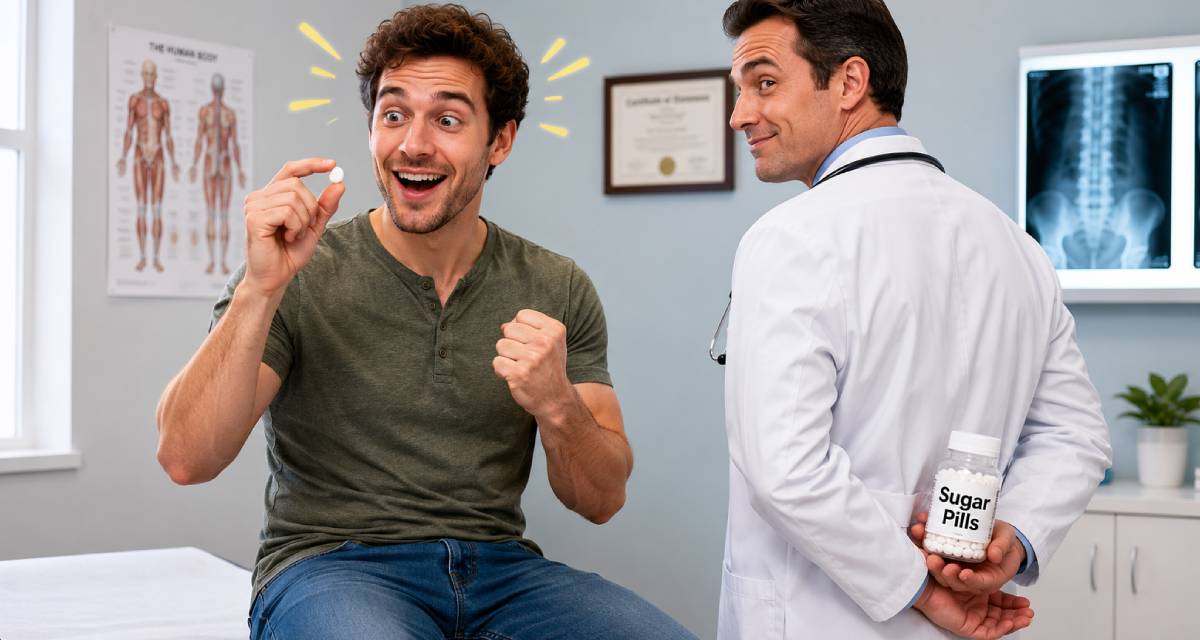
The placebo effect is one of the strangest and most fascinating phenomena in medicine and psychology. Sometimes people experience real improvements in symptoms even after taking a pill, receiving a treatment, or undergoing a procedure that has no active medical ingredient at all. On paper, that sounds impossible. In real life, researchers have documented versions of this effect for decades, and some of the results are surprisingly dramatic.
What makes the placebo effect so interesting is that it points to the power of expectation. When people believe they are receiving something that could help them, the brain and body may respond in measurable ways. Pain can feel less intense. Mood can improve. Physical performance may even shift. That does not mean placebos are magic, and it certainly does not mean they can replace real medical care. Placebos are not cures, and they do not work the same way for everyone.
Still, the results can be strange enough to make even skeptical people pause. In some studies, people improved after fake surgeries. Others felt side effects from pills that contained no active ingredients. Some people even responded to placebos after being told upfront that the pills were fake. The human brain is powerful, and belief can shape the way the body reacts in ways scientists are still trying to understand. Here are some of the weirdest placebo effects ever recorded.
1. Fake Knee Surgery

In one famous medical study, some patients with knee pain were given what is known as sham surgery. They were brought into an operating room, placed under anesthesia, and treated as though they were receiving a real corrective procedure. Doctors made incisions, but they did not actually perform the surgical repair that patients believed they were getting.
The results were surprising. Many of the patients who received the sham surgery reported improvements that mirrored the patients who had undergone the actual operation. Some said their pain went down. Others reported better mobility and a stronger ability to move around in daily life. For people dealing with chronic knee pain, even small improvements can feel significant, so the results stood out.
What made the study so strange was not simply that people felt better. It was that their improvement came after a procedure that was designed to have no direct medical effect on the knee itself. The ritual of surgery, the confidence of the medical setting, and the patients’ expectations may all have played a role. Researchers were shocked because the findings raised difficult questions about how much of certain treatment outcomes may be shaped by the body’s response to belief, expectation, and the experience of being cared for.
That does not mean fake surgery should replace real treatment. It does show, however, that the brain can influence pain and recovery in ways that are still not fully understood.
2. Placebo Painkillers That Worked
Patients given sugar pills have also reported significant reductions in pain, which is one of the best-known examples of the placebo effect. In some studies, participants were told they were receiving powerful pain medication. In reality, the pills contained no active pain-relieving ingredients. Even so, many people said they felt better after taking them.
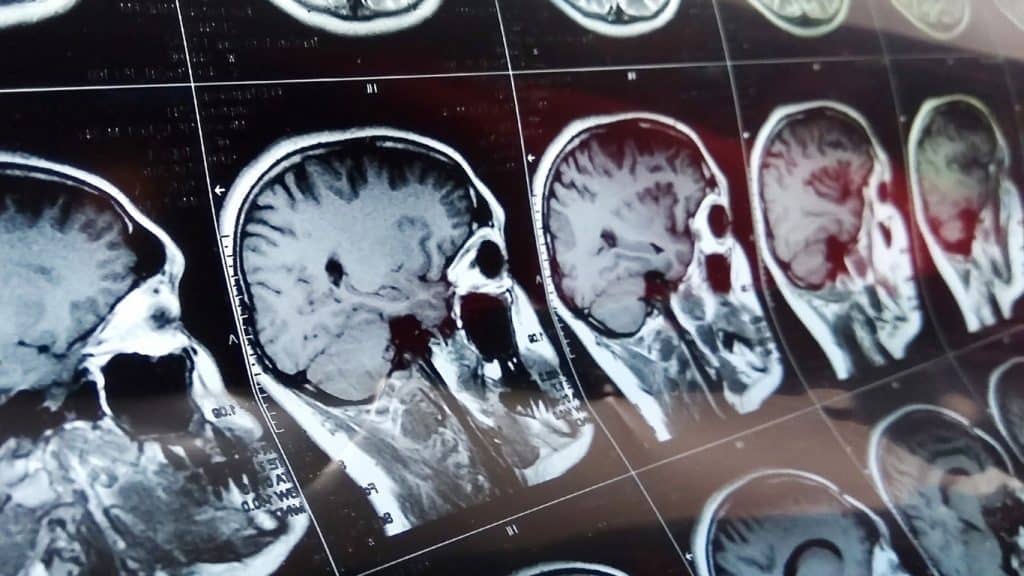
What makes this especially interesting is that the response does not seem to be purely imaginary. Pain is subjective, but it is also connected to real activity in the nervous system. In some placebo studies, brain scans have shown activity associated with pain relief after people took inactive pills. That suggests the expectation of relief may help trigger internal processes that change how pain is experienced.
For anyone who has ever felt a headache ease after taking medicine, this can feel both familiar and unsettling. We usually assume the active ingredient does the work. In many cases, it does. But the placebo effect suggests that the ritual of treatment also matters. Taking a pill, trusting a doctor, or believing a remedy will help can shape the way the body interprets discomfort.
This does not mean pain is “all in someone’s head,” which is a dismissive and inaccurate way to describe it. Pain is real. The weird part is that belief may influence how intense that pain feels. That makes the placebo effect one of the most unusual intersections between psychology and physical health.
3. Fake Energy Drinks
Researchers have found that people sometimes perform better after drinking beverages they believe will boost their energy. In these experiments, participants may be told they are consuming something designed to improve focus, stamina, or physical output. In reality, the drinks do not contain any special performance-enhancing ingredients.
Even without those ingredients, some participants still report feeling more alert, energetic, or motivated. In certain cases, measurable improvements have also shown up. People may push a little harder, stay focused longer, or feel more capable during a task simply because they believe the drink is helping them.
That is what makes this type of placebo effect so interesting. Energy is partly physical, but it is also tied to motivation, confidence, and effort. If someone expects to feel sharper or stronger, they may act in ways that make that expectation come true. They might concentrate more intensely, tolerate discomfort longer, or approach the activity with a different mindset.
This does not mean ordinary drinks can secretly replace real nutrition, hydration, sleep, or training. Those things still matter. But it does suggest that expectations can influence performance in subtle ways. The brain may not create energy from nothing, but it can affect how people use the energy they already have.
In everyday life, this helps explain why branding, routine, and belief can feel so powerful. Sometimes, the thing people think is giving them a boost may be less important than the belief that a boost is coming.
4. Imaginary Side Effects

Interestingly, placebos do not only create positive effects. They can create negative effects as well. Some participants in studies have developed headaches, nausea, fatigue, or other unpleasant symptoms after taking pills with no active ingredients. This phenomenon is known as the nocebo effect, and it is basically the darker mirror image of the placebo effect.
The nocebo effect generally occurs when people are told to expect side effects. If a participant is warned that a pill might cause dizziness or stomach discomfort, some people may begin to experience those symptoms even when the pill itself cannot physically cause them. The expectation becomes powerful enough to influence how the body feels.
That may sound strange, but it is not hard to understand on a human level. Many people have felt uneasy after reading a long list of possible side effects on a medication label. Others may start noticing every small ache or flutter after being told something could go wrong. The mind is not inventing the discomfort in a simple or fake way. Instead, attention, anxiety, and expectation can change how sensations are noticed and interpreted.
This is why the nocebo effect matters so much in medicine and psychology. Doctors have to warn patients about risks, but the way those warnings are presented may influence how people feel afterward. The mind can influence discomfort just as it can influence relief, which makes the nocebo effect one of the strangest and most frustrating examples of expectation shaping experience.
5. Expensive Placebos Work Better

Studies suggest people often experience stronger placebo effects when they are told a treatment is expensive. An inactive pill may seem more effective when it is presented as a costly medication rather than a cheap one. Even though the substance inside the pill has not changed, the way people respond to it sometimes does.
This may be because people unconsciously associate higher prices with greater quality. A more expensive treatment can feel more advanced, more powerful, or more trustworthy. That expectation may change how people evaluate what happens after taking it. If they believe the treatment is premium or cutting-edge, they may be more likely to notice improvement or interpret small changes as meaningful.
The effect is not limited to medicine. People often expect expensive products to work better in many areas of life, from skincare to food to technology. The placebo version of this idea is especially strange because the price is attached to something inactive. There is no stronger ingredient. There is no special formula. The perceived value itself may be part of what changes the response.
This does not mean expensive treatments are always better, or that cheaper options are less effective. In real medicine, the active ingredients and evidence matter far more than the price tag. But these studies reveal something important about human expectations. The story people are told about a treatment can influence how powerful that treatment feels, even when the treatment itself has no active medical ingredient.
6. Open-Label Placebos

Some of the strangest placebo studies involve people who know they are taking placebos. These are sometimes called open-label placebos. In these studies, researchers tell participants that the pills they are receiving contain no active ingredients. There is no deception, no hidden medication, and no suggestion that the pill is secretly a real drug.
Even then, some individuals still report improvements or reduced symptoms. That is what makes open-label placebos so puzzling. If people know the pill is inactive, the effect cannot be explained by the simple belief that they are taking a real medication. Scientists are still studying why this happens, and the answer may involve several factors working together.
One possibility is that the ritual of treatment still matters. Taking a pill at a certain time, participating in a study, and being monitored by researchers can all create a sense of care and structure. Another possibility is conditioning. If someone has spent years taking medicine and feeling better afterward, the act of taking a pill may trigger a learned response even when the person knows the pill is inactive.
The result is strange, but it also makes the placebo effect more interesting. It suggests that expectation is important, but it may not be the whole story. Habit, routine, body awareness, and the therapeutic setting may also play a role. Open-label placebos show that the mind-body connection is not as simple as “believe it and it works.” It is much weirder than that.
7. Fake Oxygen for Athletes

In certain experiments, athletes have been given ordinary air while being told they were receiving special performance-enhancing oxygen. Afterward, some athletes said they felt stronger, fresher, or more capable during exercise. A few even reported slightly improved performances, despite not receiving anything that should have directly improved their oxygen levels or physical ability.
This is one of the more striking placebo effects because athletes are usually very tuned in to their bodies. They know what fatigue feels like. They understand training, exertion, and performance. Yet even for people in strong physical condition, expectations appeared to affect results.
Part of this may come down to confidence. If an athlete believes they have received something that gives them an edge, they may push harder or tolerate discomfort for longer. They may also interpret normal sensations of fatigue differently. What might have felt like a warning sign before may suddenly feel manageable because they expect the treatment to help.
Of course, ordinary air is not the same as a real medical or performance intervention, and athletes should not rely on fake enhancements. Still, the study shows how powerful the mental side of performance can be. Physical ability matters, but mindset can influence how that ability is used in the moment.
That is what makes the placebo effect so strange in sports. The body may be doing the work, but belief can help decide how far someone is willing to push it.