Andrew Clemente
buzbuzzer / Getty Images
Maridav/Shutterstock
Eloi_Omella / iStock via Getty Images

siaga tegar / Shutterstock.com
MargJohnsonVA / Shutterstock.com
Victor Mulero / Shutterstock.com

Chay_Tee / Shutterstock.com
Dmytro Zinkevych / Shutterstock.com
marino bocelli / Shutterstock.com
Valentyn Volkov / Shutterstock.com
jacoblund / Getty Images
kali9 / Getty Images
nensuria / Getty Images
Hydromet / Getty Images





14 Things Tourists Do That Americans Find Strange
Travel is booming again, and more people are getting the chance to explore places that feel completely different from home. That also means more chances for small cultural habits to stand out. Sometimes they are surprising, sometimes they are funny, and sometimes they simply remind us how differently daily life works around the world.
Americans are used to hearing about the habits that make U.S. tourists stand out overseas, but this list flips the perspective. Instead, we are looking at the things international visitors do that many Americans find unusual, from travel customs and dining habits to everyday behaviors that can seem unexpected in the United States.
The point is not to criticize anyone. These differences are part of what makes travel interesting in the first place. What feels normal in one country can seem strange in another, and those little moments of confusion often say just as much about American culture as they do about the tourists visiting it.
Public Nudity
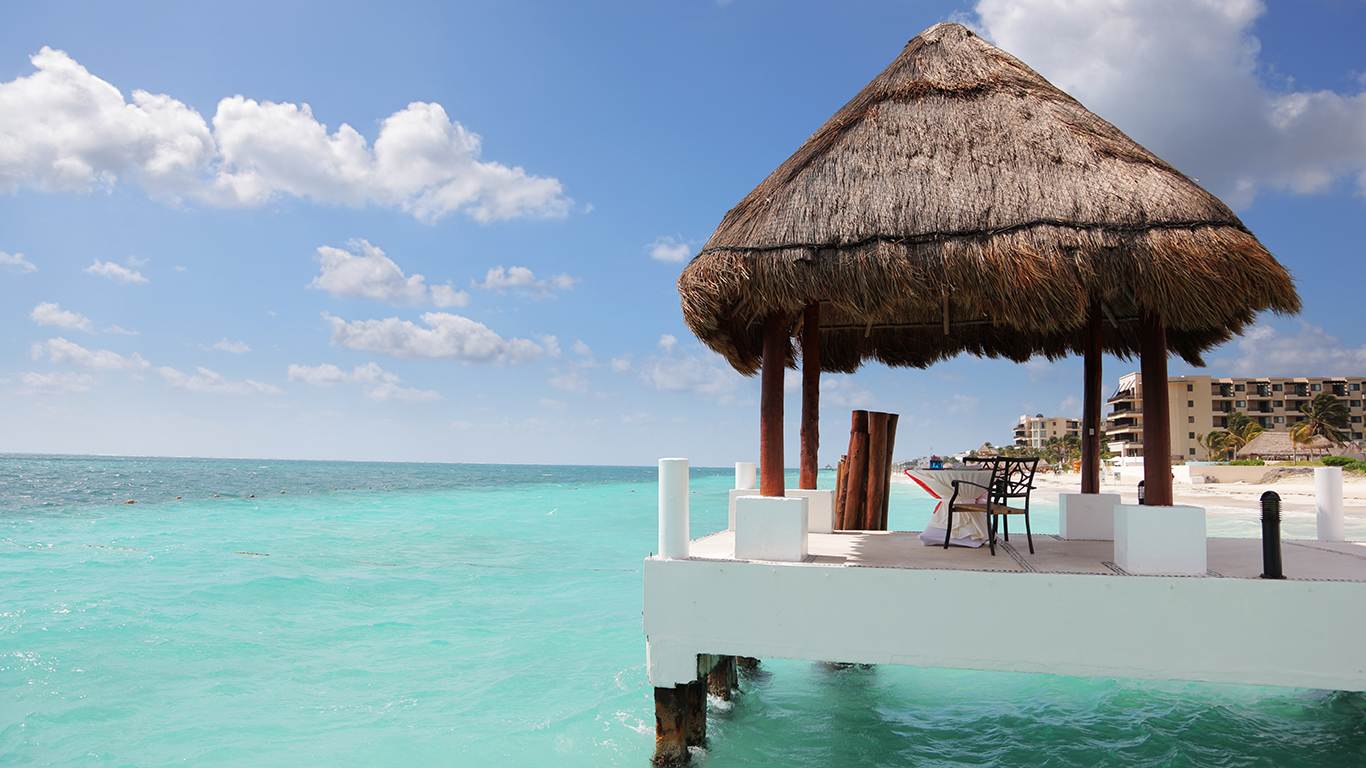
In the U.S., nudity is largely taboo. There are specific places to spend time in the buff, but most public swimming pools and beaches require guests to wear swimsuits. But in other parts of the world, nudity is not a big deal. For example, topless beaches are common in Europe and parts of Latin America. American tourists visiting other countries may be shocked to see bare skin at the beach, but it's a mundane thing elsewhere.
If you are a tourist visiting the U.S., be sure to check out which beaches are clothing-optional. There are not a lot, but some communities permit nude swimming and sunbathing. A good place to consult is the American Association for Nudist Recreation to find appropriate places to disrobe.
Crossing Protective Barriers
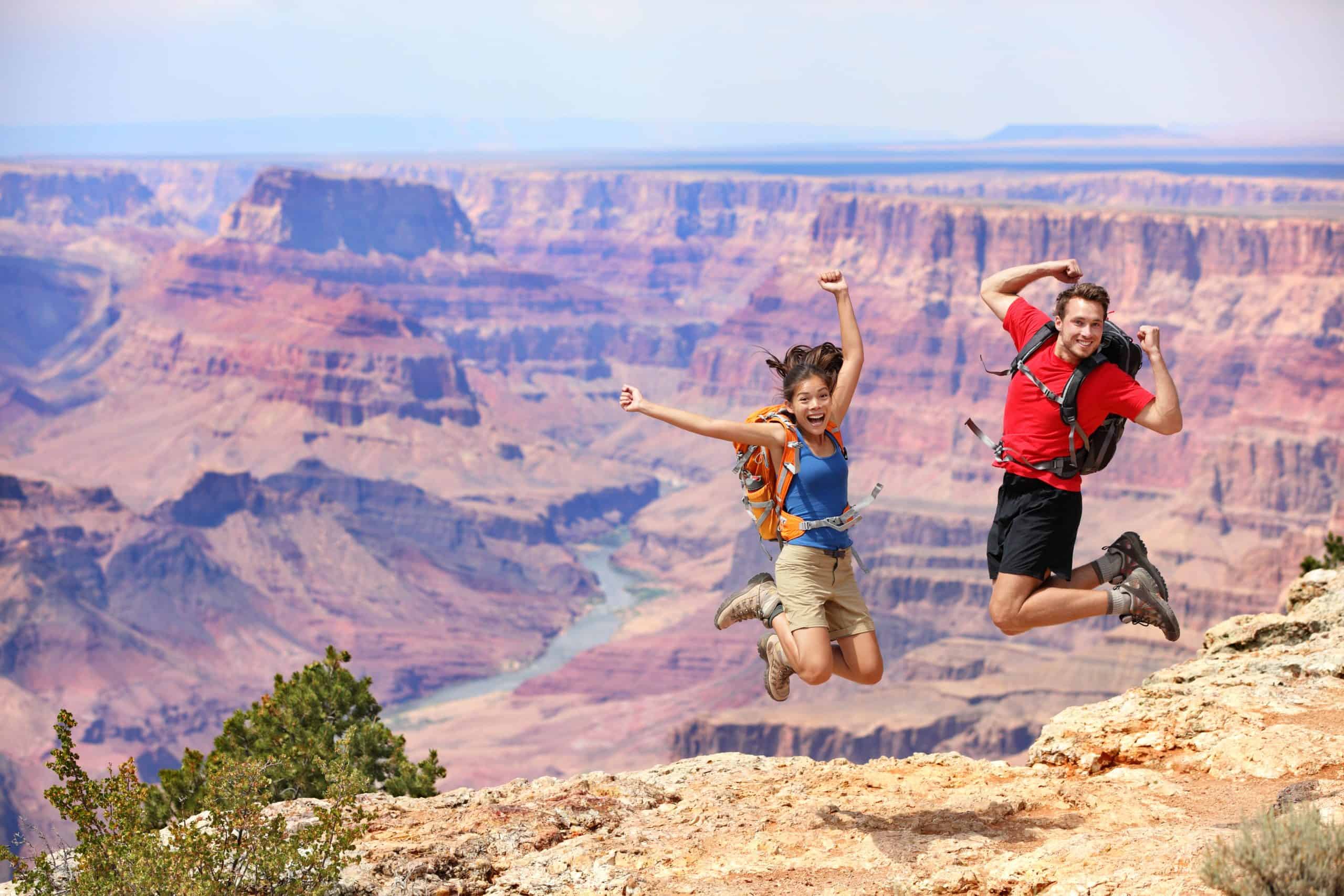
Safety signs and barriers are there to keep people safe and should not be ignored. Every year, in places like the Grand Canyon, Niagara Falls, and Yellowstone, tourists film themselves crossing protective barriers to get a closer look or take photos and end up in a sticky situation. Safety signs should be in many different languages to ensure tourists can read and understand the safety risks. Of course, English-speaking tourists are also guilty of ignoring protective barriers.
Walking Into Traffic
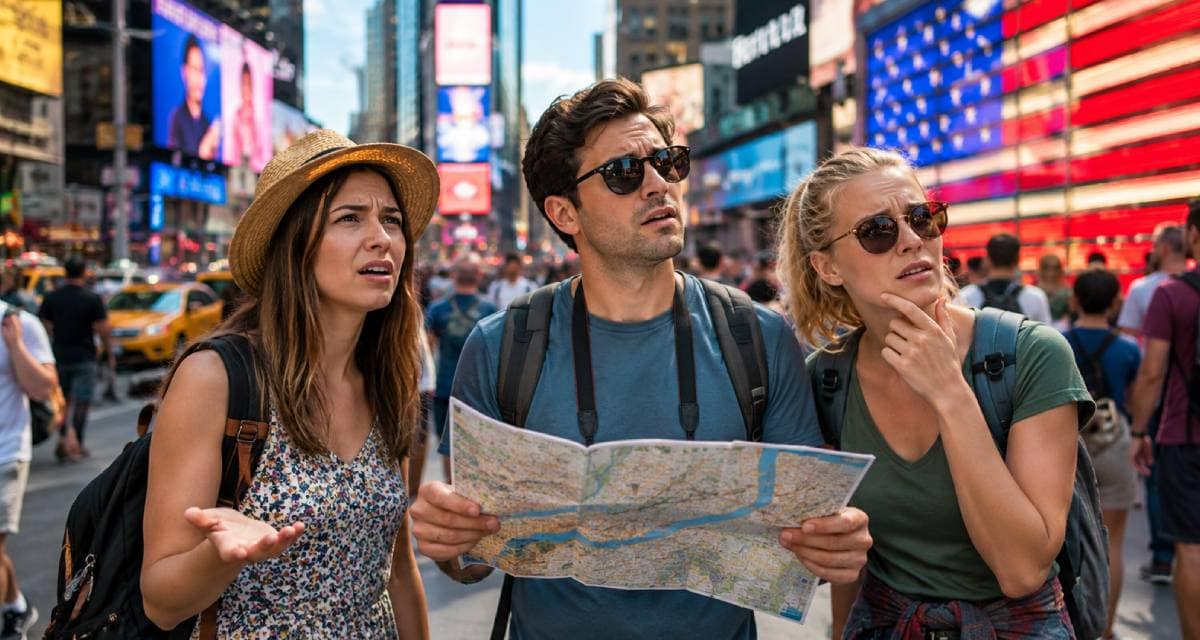
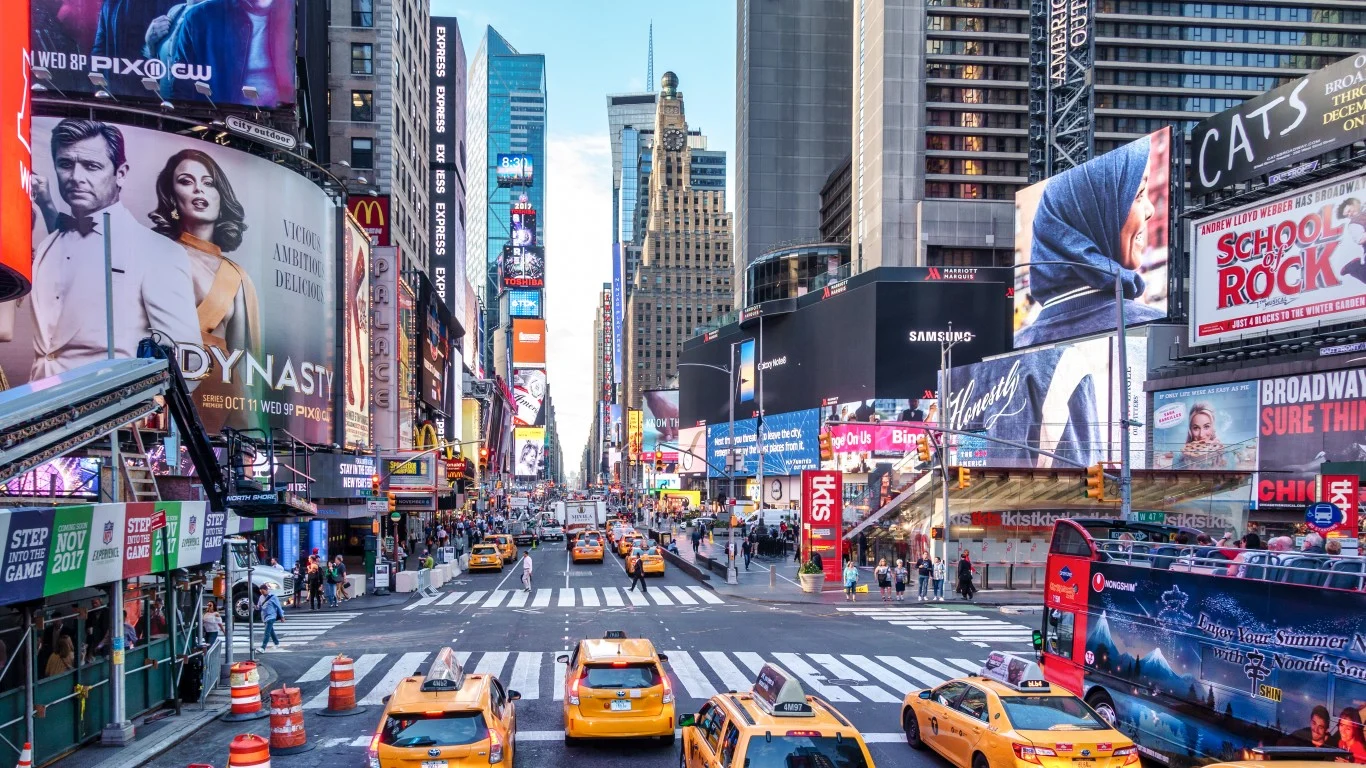
Traveling is exciting, and capturing new places on film is a great way to make memories to share with your family, friends, and followers. Many tourists want photos of iconic places like the apartment building from “Friends,” Times Square, or the Hollywood sign. Unfortunately, many tourists are too focused on pictures and don't pay attention to where they actually are, like in the middle of the street in traffic. Standing in a busy street during rush hour traffic is one thing tourists do that Americans find weird.
Speaking More Than One Language
Americans often find it odd that tourists speak more than one language. In the U.S., foreign languages are taught in most school curricula, but most students do not go beyond the basics of another language and remain monolingual. While in Europe, 65% of people can speak another language, in the U.S., only 20% speak a language other than their mother tongue. Hopefully, as the population becomes more diverse, it will be more common to speak more than one language.
Skipping the Tip
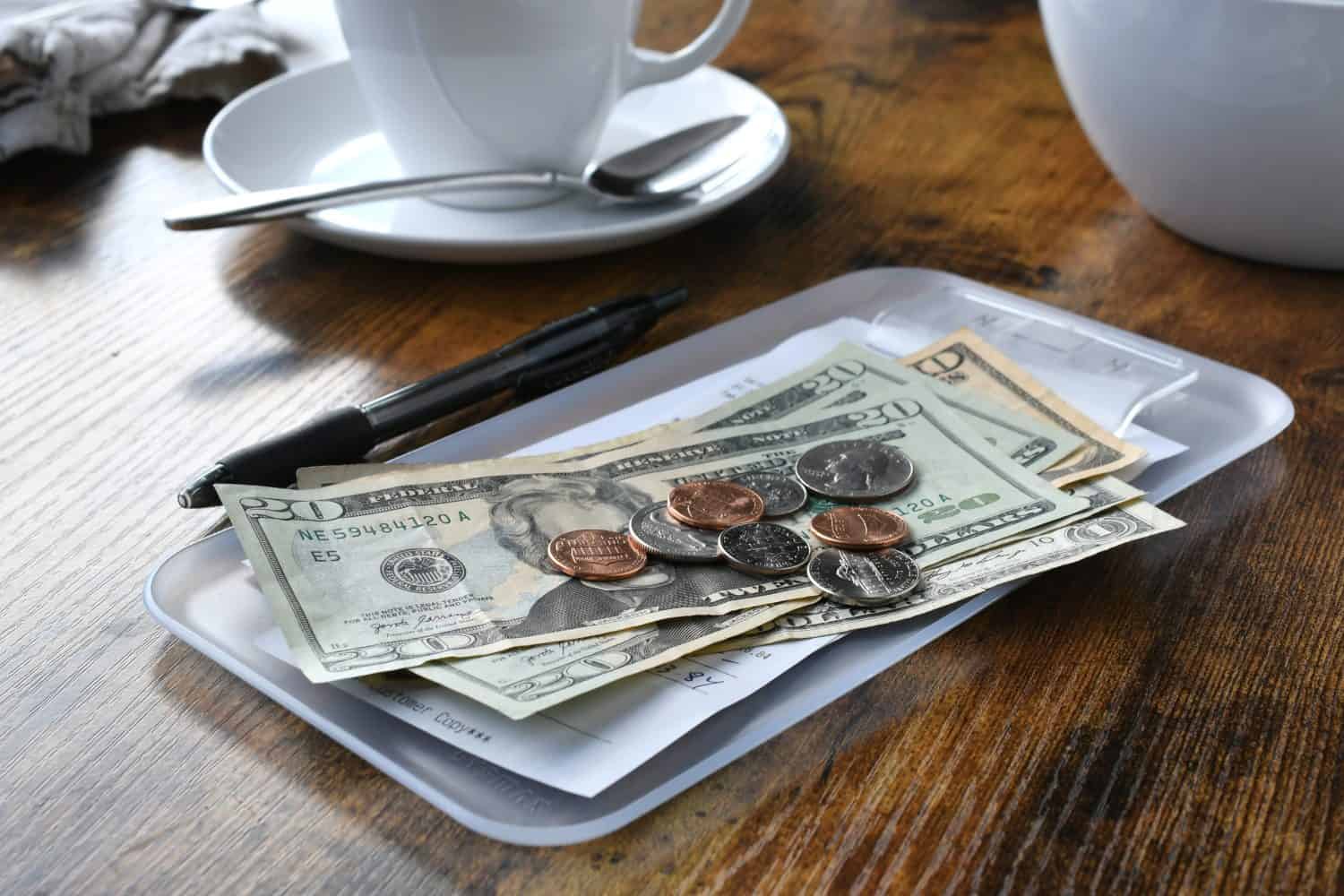
Tipping culture is alive and well in the U.S., and most people tip in restaurants, bars, hotels, and other service industries. The amount depends on the service and the overall customer experience, with some people tipping 10% or as high as 25%. However, in other parts of the world, tipping is considered rude and vulgar. Because of this cultural difference in tipping culture, some establishments that have a high number of tourists have started including the obligatory service charge or tip within the bill. It may seem weird that others don't tip, but chalk it up to cultural differences.
Not Talking to Service People
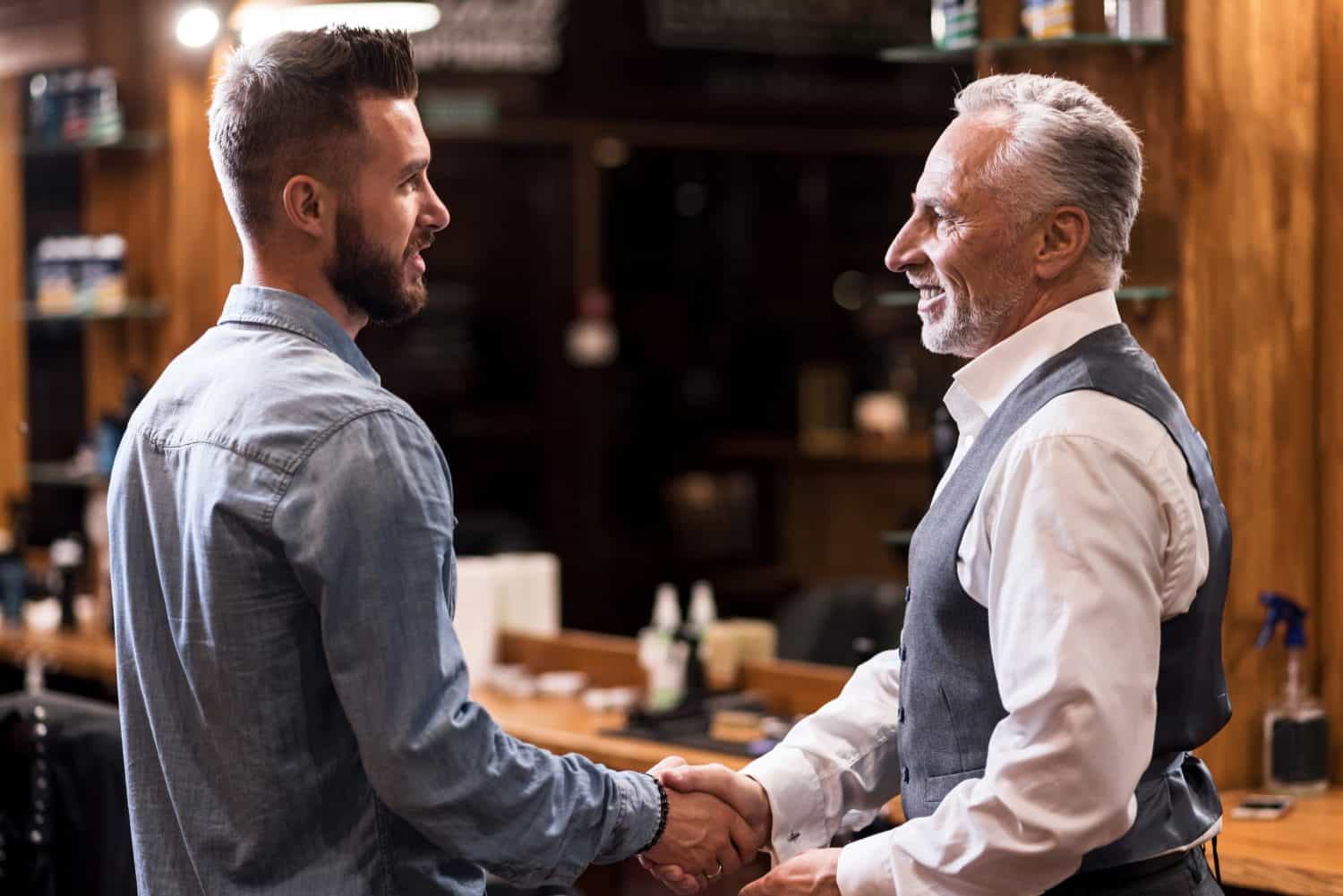
In the U.S., it is normal to chit-chat with the cashier at the supermarket, the teller at the bank, or the waitress at the restaurant. Being friendly and chatty is a part of the culture, but in many other places, people do not make small talk with service people. It is not about being rude or polite; it's just that talking with strangers is not the cultural norm. So, if you work in the service industry and serve tourists who are not into small talk, that may be the reason.
Taking Photos of Everything
In today's world of Instagram and TikTok, everybody wants their time in the spotlight, and taking photos and videos has become the norm. But some tourists take it even further and take photos of every single thing around them to document their trip, which some find odd.
Avoiding Eye Contact
Believe it or not, eye contact is a cultural thing. In the U.S., a person who does not make eye contact is considered shifty or secretive. The common perception is that if a person can't make eye contact with you, they are hiding something or have bad intentions. But in other parts of the world, maintaining prolonged eye contact with your conversation partner is actually considered rude and even aggressive. So, if you meet a tourist who doesn't make direct eye contact, do not jump to conclusions; instead, be aware that social norms about eye contact vary.
Eating Dinner Late in the Night
In the U.S., the work week runs from Monday through Friday, and most people follow a similar meal plan, eating breakfast around 7 am, lunch around noon, and dinner around 6 pm. But in many countries in Latin America and Europe, the meal times are quite different, and instead of dinner, lunch is the big meal of the day. Most shops, schools, and businesses will close between 2 pm and 4 pm so workers and students can go home for a lunch that often starts with soup, then a main dish, and finishes with fruit or something sweet.
The last meal of the day, dinner, isn't eaten until 9 or 10 pm, which may seem weird to some to eat so late. But a late dinner is not a steak and potato affair like in the U.S.; instead, it is a smaller, easy-to-digest meal.
Drinking Warm Beer
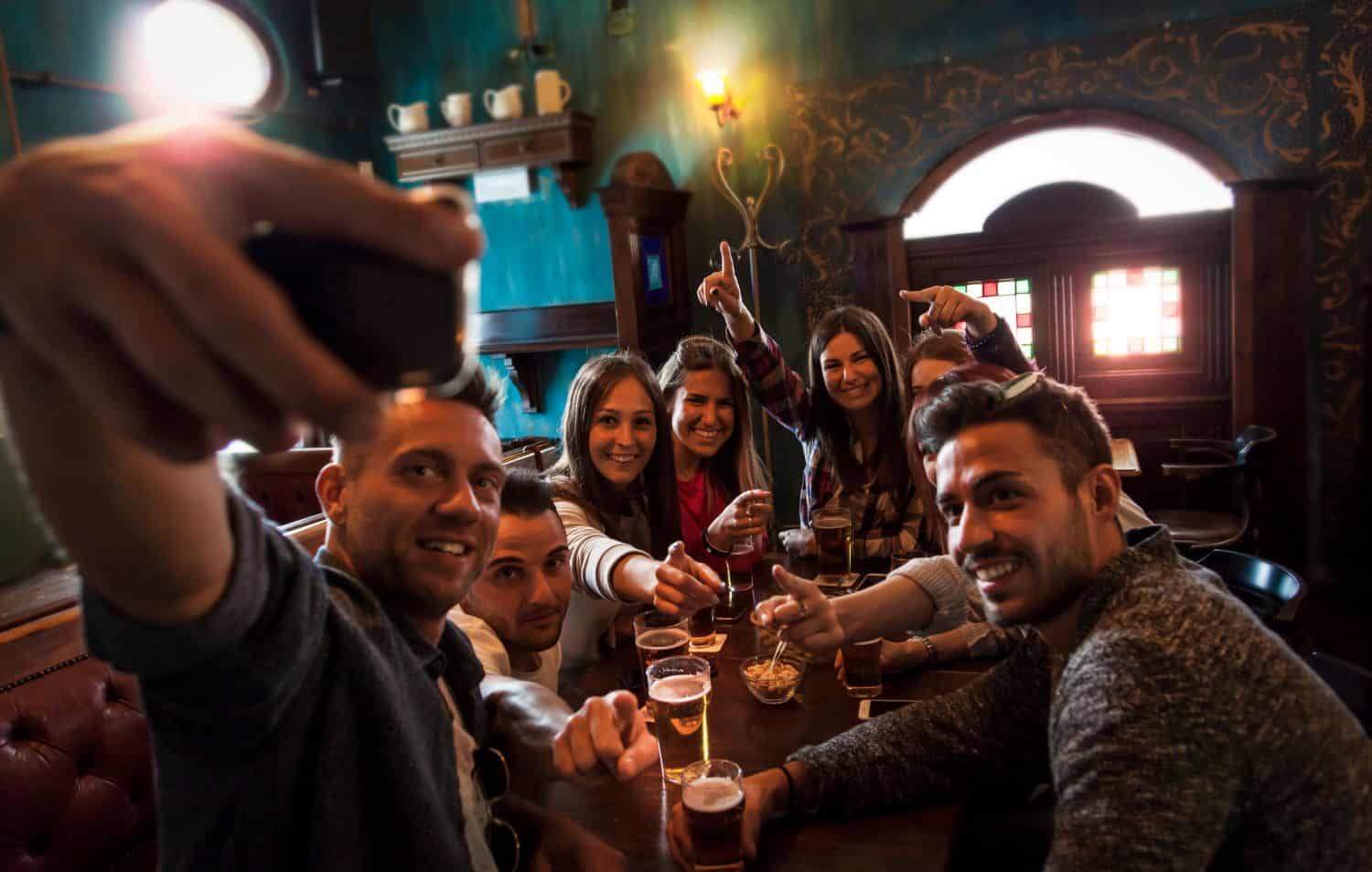
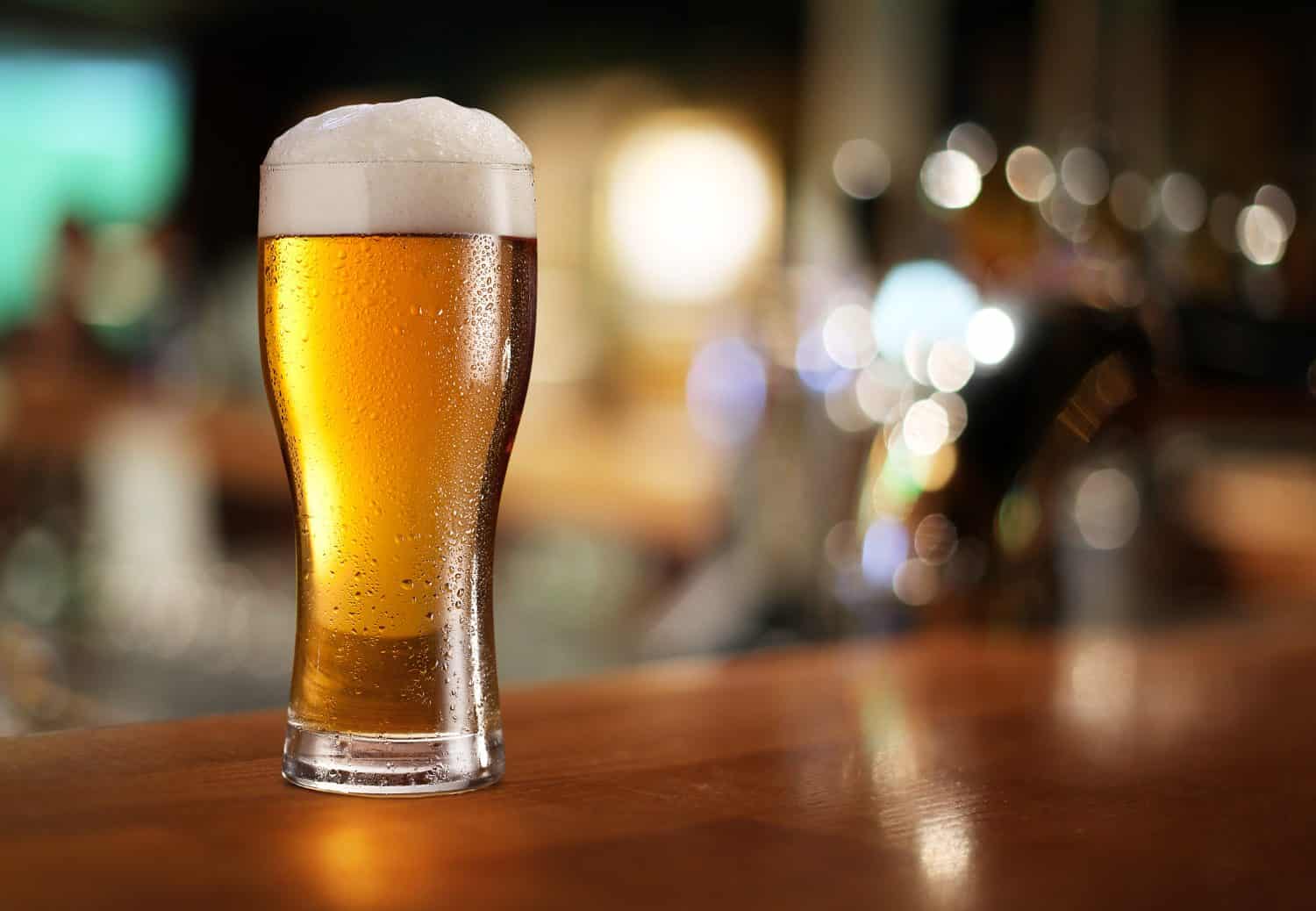
An ice-cold beer on a hot day is a classic beverage at a picnic, barbecue, or sporting event. But in some parts of the world, beer is served warm; yes, you read that right, warm. In England and Germany, drinking room temperature and warm beer is common, especially with certain craft beers. The idea is that if the beer is cold, the nuanced flavor and hoppiness are difficult to detect. However, warm beer loses its carbonation, giving it a flat taste. Warm beer may not ever become a popular way to drink a frothy beer in the U.S. But for those who like to experiment and try new things, it may be worth trying, especially if you really enjoy the flavor of beer.
Traveling Unprepared
Every year, tourists visit the United States. Many come to visit big cities, while others head straight to the open road to visit the National Parks and other outdoor recreational areas. Unfortunately, in many of these places, the climate can be extreme, from heat waves in the desert to cold snaps. It's important to understand the weather patterns when traveling to make sure you have the appropriate clothing and equipment. There are plenty of stories in the news over the years of foreign tourists getting lost on desolate roads without enough gas or hiking without enough water or gear. One widely known case of this is the German family that perished in extreme heat in Death Valley, and another is about a European family that took a back road during winter and got snowed in. These stories could have been prevented by being prepared and understanding the region.
Even if tourists plan to stay in more populated areas like cities and towns, it is still important to be prepared and know your surroundings. Certain neighborhoods are known to be dangerous and should be avoided, so it's important to be prepared and research the place before embarking on a trip.
Feeding the Wildlife at Parks
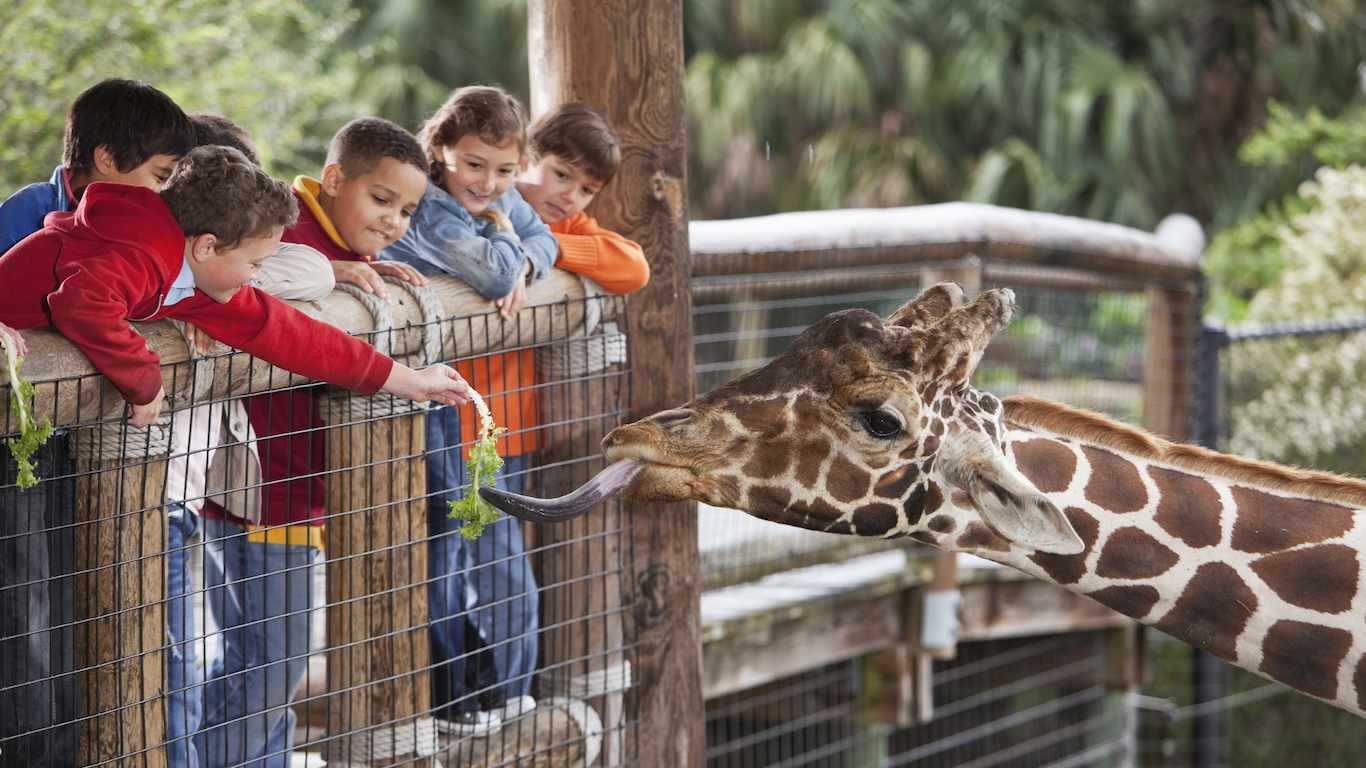
National and state parks are great places to take the family on vacation. The natural beauty and abundant wildlife make for a memorable trip. But sometimes tourists take it too far and actually try to interact with the wild animals. There are plenty of videos on social media sharing images of clueless tourists getting too close to bison, elk, and even bears. This is never a good idea because wild animals are, well, wild and should never be approached. We know the animals are cute, but they definitely are not cuddly, so stay back.
Negotiating Prices
Whether you call it bargaining, haggling, or just negotiating a better price, it is not the norm in the U.S. In many other countries, bargaining is part of the sales process. The prices are not listed, and the interaction between potential customers and sellers is like a routine where the price fluctuates, and each player makes their case for the price they want. While this process is normal in many parts of the world, it is not a regular practice in the U.S., and some even find it offensive.
The only exception to this rule against price negotiating is in the farmers' market or artisanal market towards the end of the day. Some vendors in these markets prefer to sell their products at a lower price rather than pack up and return home. So if you are at the farmers' market and it is near closing time, it's ok to offer a vendor of a perishable product like sourdough or produce for a lower price. Of course, they may or may not accept it, but it is one of the few places in the U.S. where a consumer may have luck with the practice of bargaining.
Standing Too Close
Personal space is different depending on where you are on the planet. In some countries, personal space is negligible, and people stand very close to one another in line and in other public spaces. This could be due to a large population and the fact that there is just physically less space. In the U.S., the idea of personal space is like a bubble around a person that tourists might not understand.