
pathdoc / Shutterstock.com

JeepersMedia / BY 2.0
OlyaSolodenko / iStock via Getty Images
Ariyani Tedjo/Shutterstock.com

redhumv / E+ via Getty Images

timo_w2s / BY-SA 2.0
Hero Images Inc / Shutterstock.com
kckate16 / Shutterstock.com

Kwangmoozaa / iStock via Getty Images

COD Newsroom / BY 2.0

izanbar / Getty Images

fizkes / Getty Images
Dusan Petkovic / Shutterstock.com
Traci Hahn / Shutterstock.com

MargJohnsonVA / Shutterstock.com
JacquesPALUT / Getty Images

LPETTET / Getty Images

Richard z / Shutterstock.com
Trong Nguyen / Shutterstock.com

Rawpixel Ltd / Getty Images

peeterv / iStock via Getty Images








20 Surprising Things About the U.S. That Foreigners Can't Comprehend
The United States may be known for its bold ideas, but it’s also a land of baffling inconsistencies, especially for international tourists. Many aspects of American life can seem puzzling or unbelievable to those from other countries, aspects that foreigners encounter whenever they choose to visit the U.S.
What seems perfectly normal to Americans can be confusing or even frustrating to people used to their home systems. The U.S. has developed its own set of norms shaped by its geography, history, and values, resulting in a cultural landscape with an incredibly steep learning curve for visitors.
To better understand this cultural gap, 247 Tempo has rounded up 20 surprising things about the U.S. that often leave foreigners scratching their heads. Sources include BBC Travel, The Atlantic, Pew Research Center, and first-hand accounts from expat forums. Let's check out what's so weird about what we do from an outside perspective.
Free Refills Everywhere
In many American restaurants, customers are offered unlimited refills on drinks like soda, coffee, and tea. But this is a practice that often surprises visitors from abroad because, in much of the world, each drink is charged separately. Despite the potential for confusion, some travelers see that it’s an unexpected cultural perk.
Tipping Culture
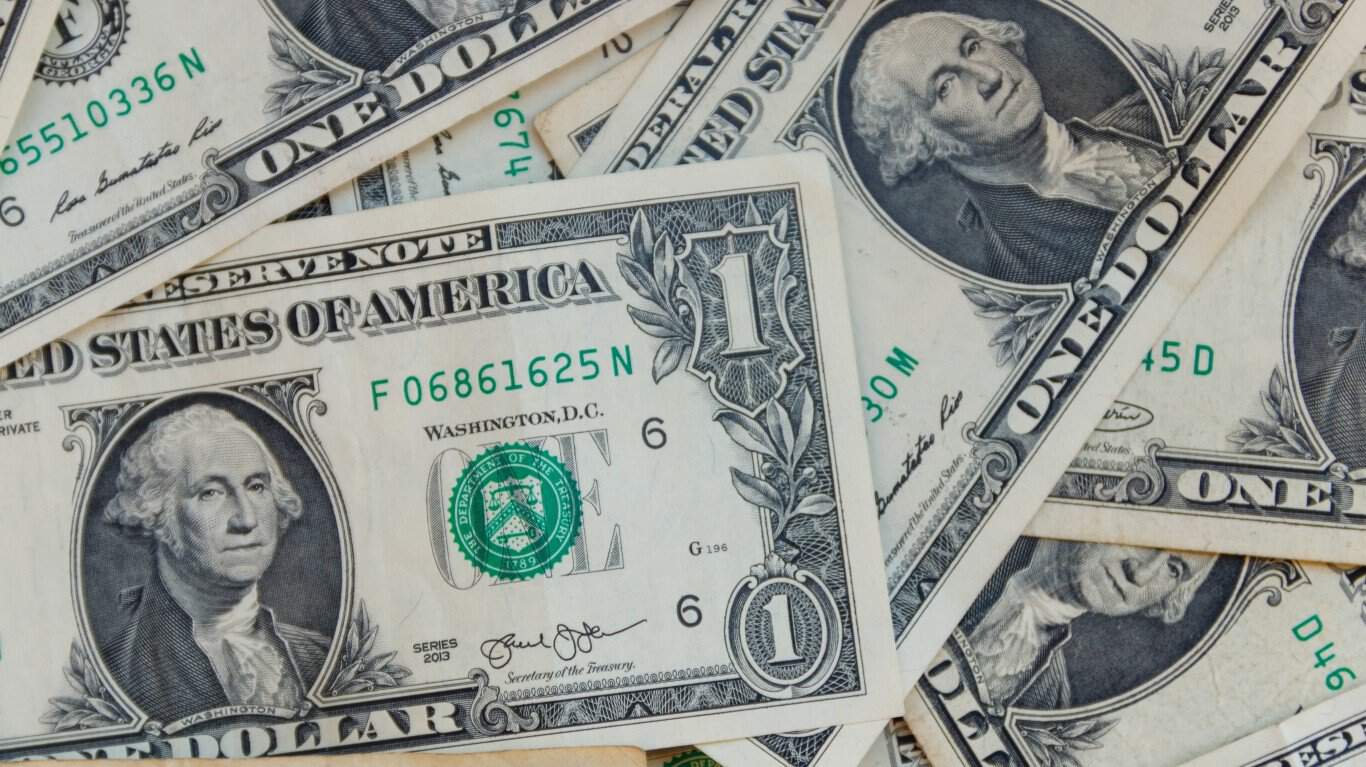
Tipping in the United States is an expected part of paying for many services. In restaurants, the standard tip ranges from 15% to 20% of the bill before tax, which can puzzle foreigners who come from countries where tips are rare or already included. Many visitors find themselves unsure when and how much to tip, especially outside of dining situations.
Massive Portion Sizes
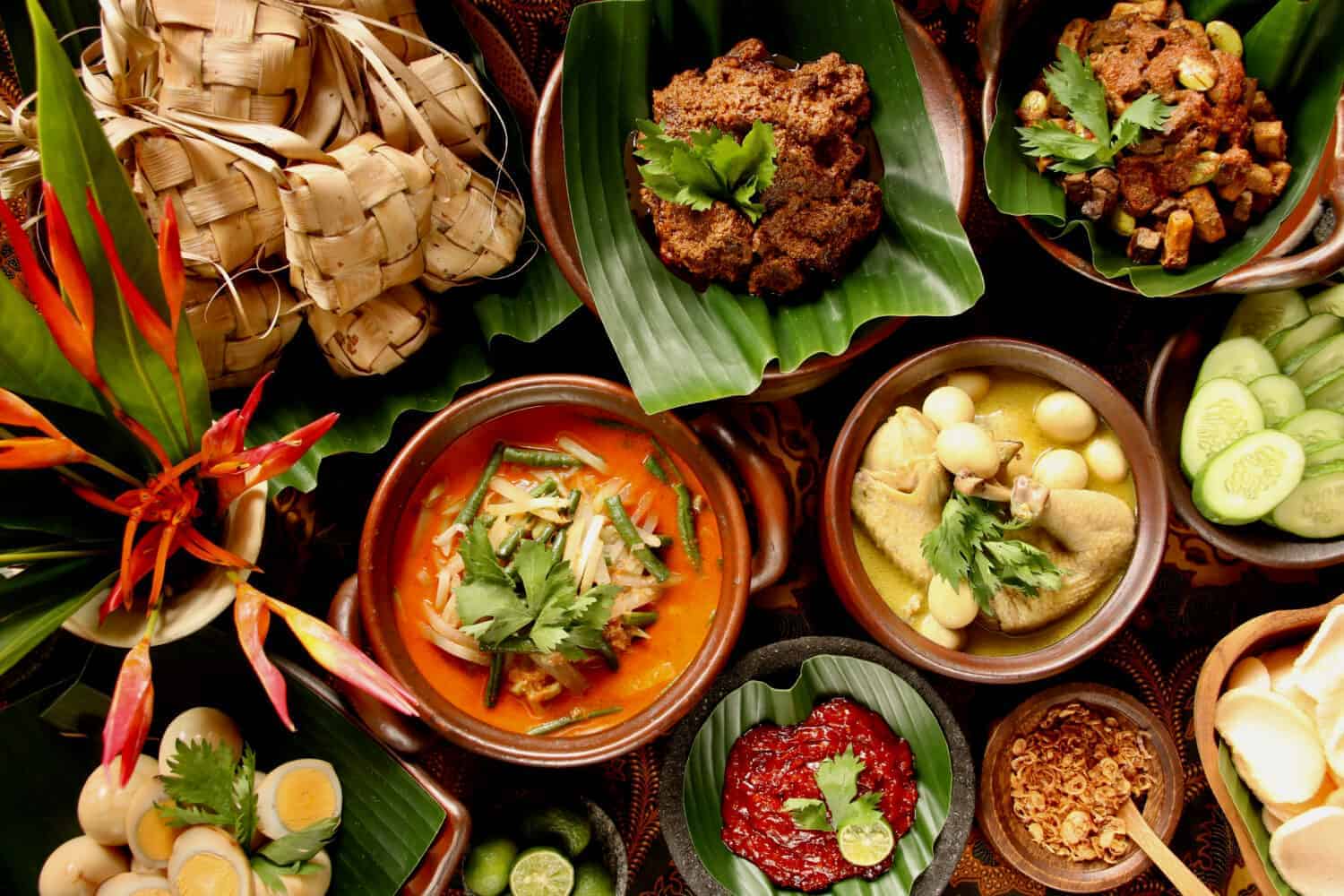
Restaurant portions in the U.S. are often much larger than those in other countries, leaving many travelers stunned after ordering. This tradition stems partly from our competitive pricing in this country, as well as our culture that values abundance. Leftovers are practically expected here in America, with many patrons taking food home for later.
Healthcare Costs
The high cost of healthcare in the United States can be a shock to visitors. Even routine medical visits can cost hundreds of dollars, and emergencies can run into the thousands with or without insurance. For those used to universal healthcare systems, which are common in most developed countries, the U.S. model feels both complex and financially daunting.
Huge Distances Between Cities
Foreign visitors often underestimate the sheer size of the United States. Traveling between major cities frequently requires hours of driving. In some cases, domestic flights are the only practical option. This vastness can make travel planning more challenging than in smaller countries, something most international travelers aren't ready for.
Obsessive Sports Culture
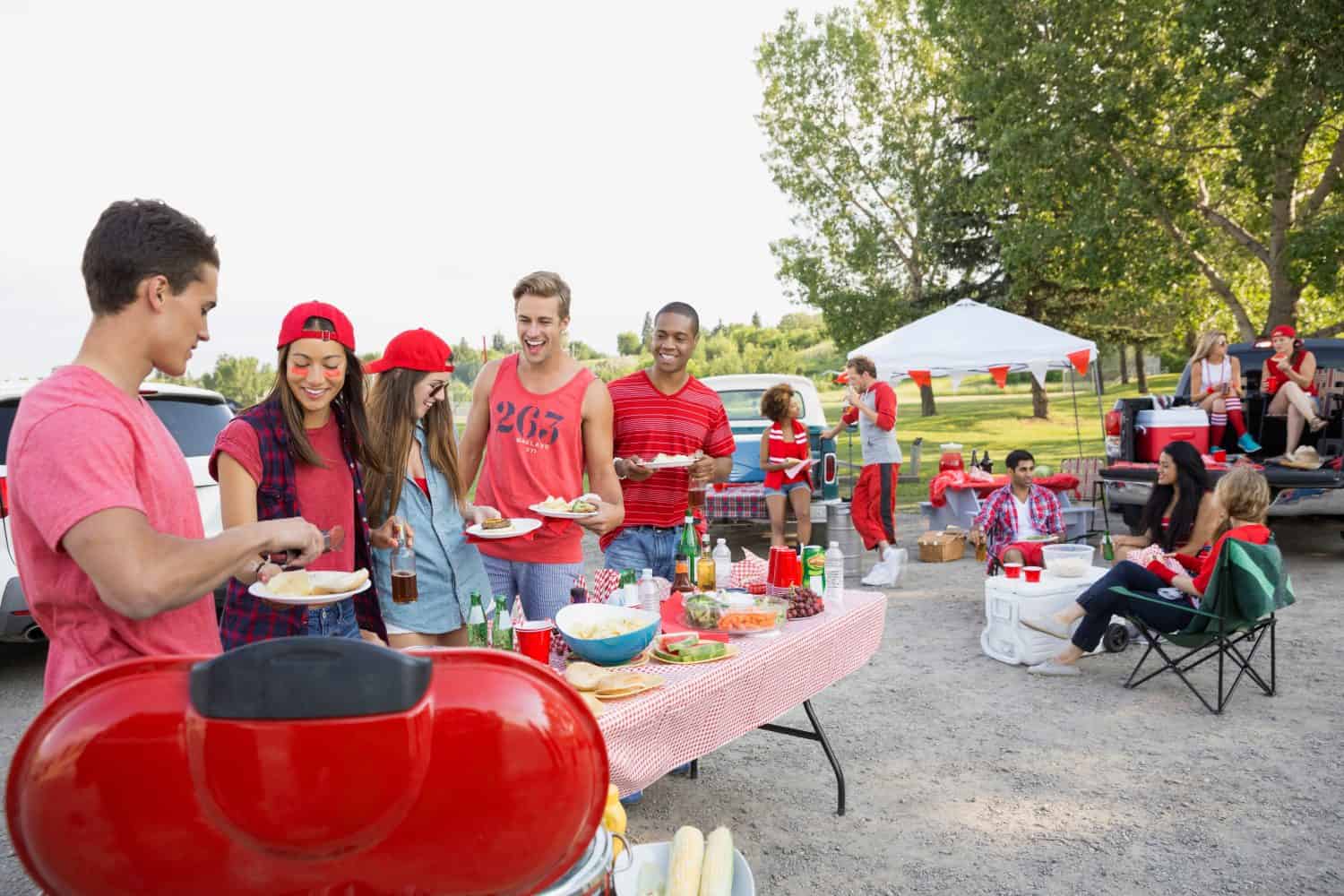
Sports occupy a huge role in American life, from professional leagues to college-level competitions that attract tens of thousands of fans. For many foreigners, the scale of sports devotion, complete with tailgating parties, elaborate stadiums, and school spirit, is hard to comprehend. Game days can feel like national events, uniting entire communities; how bizarre.
Drive-Thru Everything
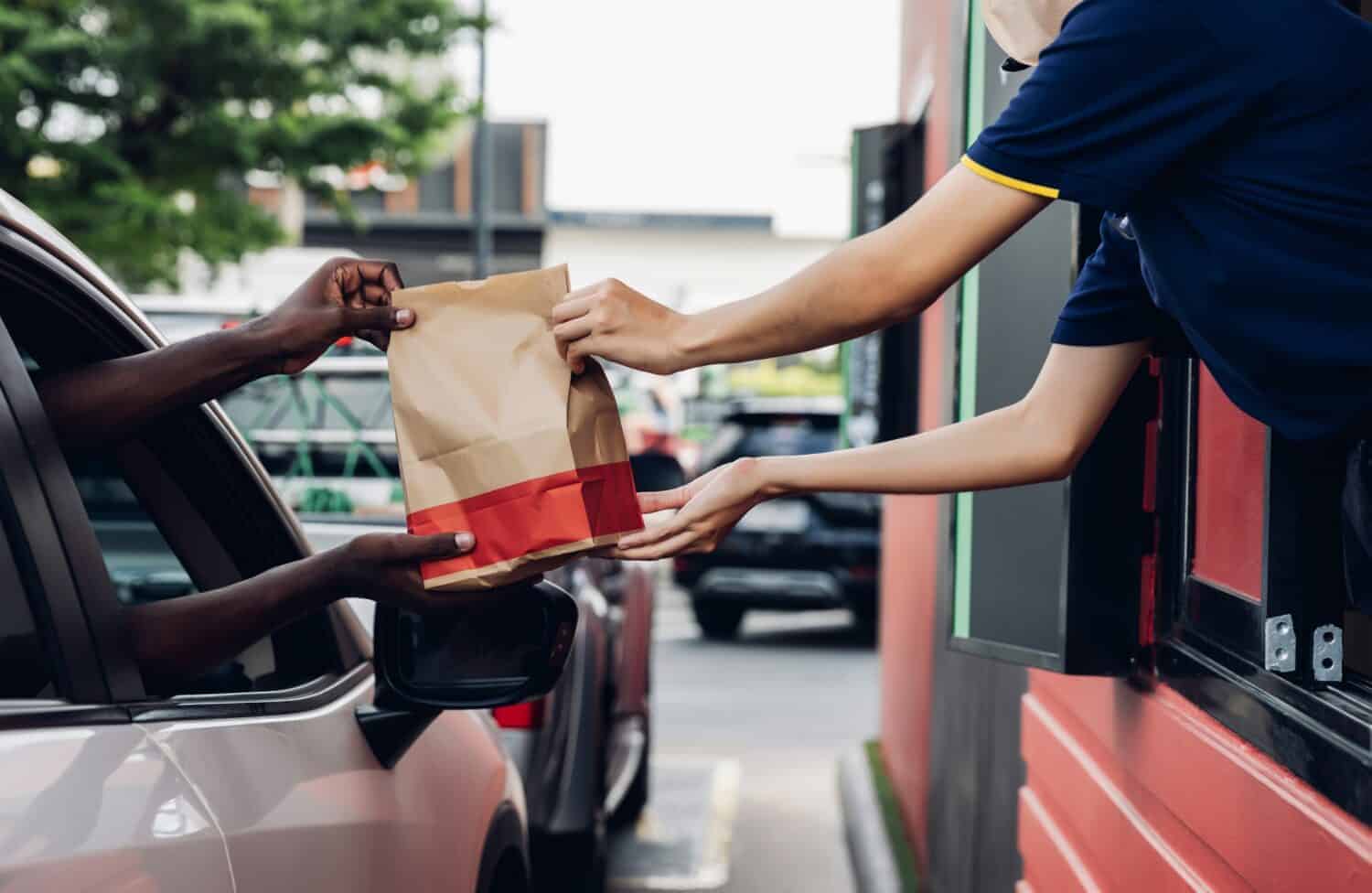
Drive-thru service in the U.S. extends far beyond fast food. Banks, pharmacies, and even wedding chapels offer services without ever leaving the car. Visitors from abroad often find the variety of drive-thru options both surprising and telling when it comes to America’s love of convenience.
Giant Grocery Stores
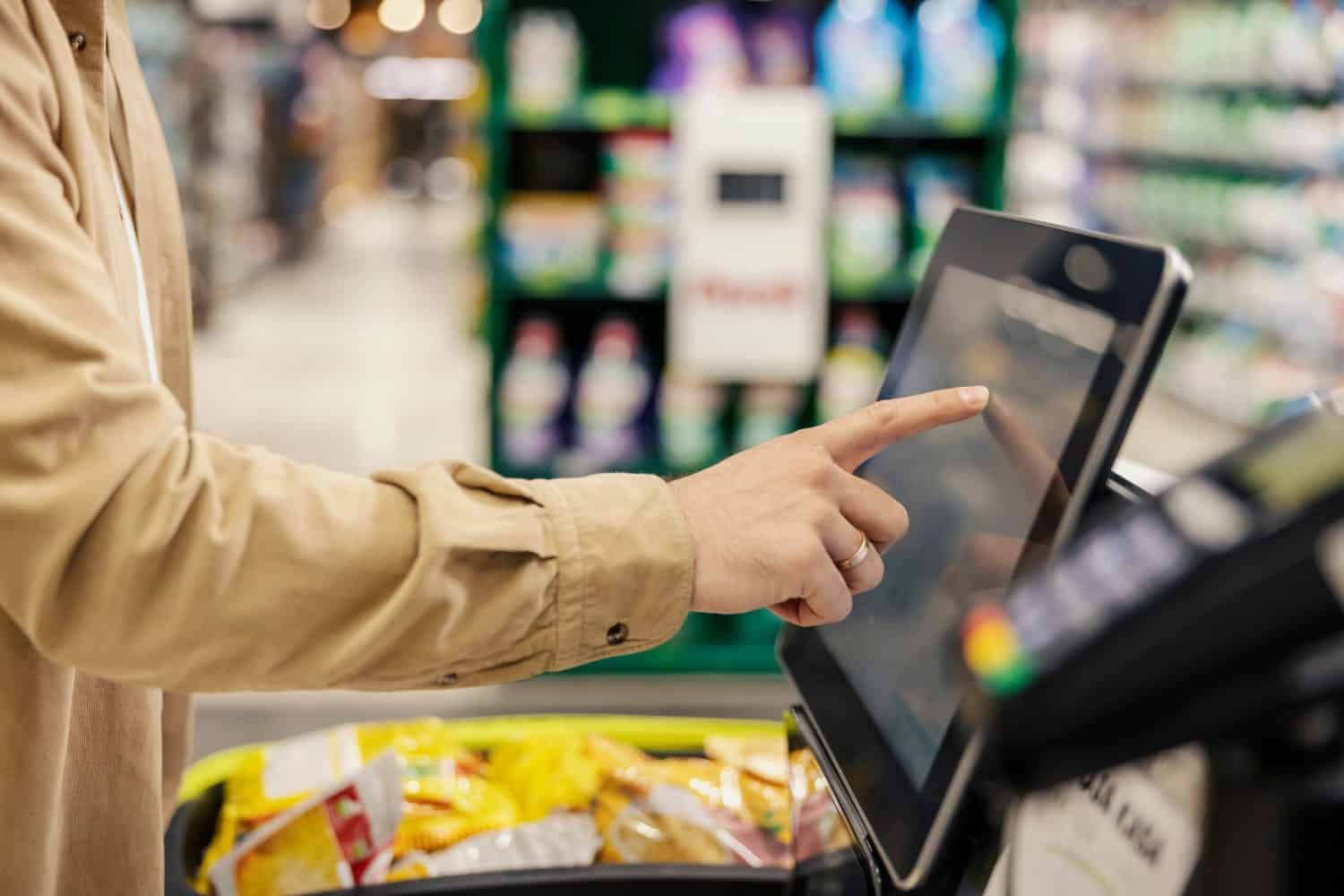
Stepping into an American supermarket can be an overwhelming experience for someone from overseas. Aisles are wide, products are abundant, and choices seem endless. Big-box retailers like Walmart and Costco offer a scale of shopping that many foreigners have never encountered, nor desire to encounter ever again. Talk about overwhelm.
College Tuition Costs
Higher education in the United States comes with an even higher price tag. Tuition fees can run into tens of thousands of dollars per year, leaving many students burdened with long-term debt and very little hope for relief. In countries where education is free or heavily subsidized, these costs are almost unimaginable.
Patriotism and Flag Displays
American flags are a common sight on homes, businesses, cars, and public buildings across the country. Patriotic rituals, such as singing the national anthem before sporting events, are also deeply ingrained. To many visitors, this level of national pride is both distinctive and intense, something that may even prove off-putting to them.
Air Conditioning Everywhere
Air conditioning is nearly universal in the United States, cooling homes, stores, offices, and public transportation. For some foreigners, the indoor chill during summer feels excessive, especially if they aren't accustomed to it. The commitment to comfort, however, reflects the U.S. investment in climate control.
Sales Tax Added at Checkout
Unlike other countries, sales tax in the U.S. is not included in the price displayed on the shelf. Instead, it is added at the register, and the rate can vary from state to state. This often catches foreign shoppers off guard when the total is higher than expected, especially if they venture across multiple states during their stay.
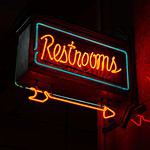
Free Public Restrooms
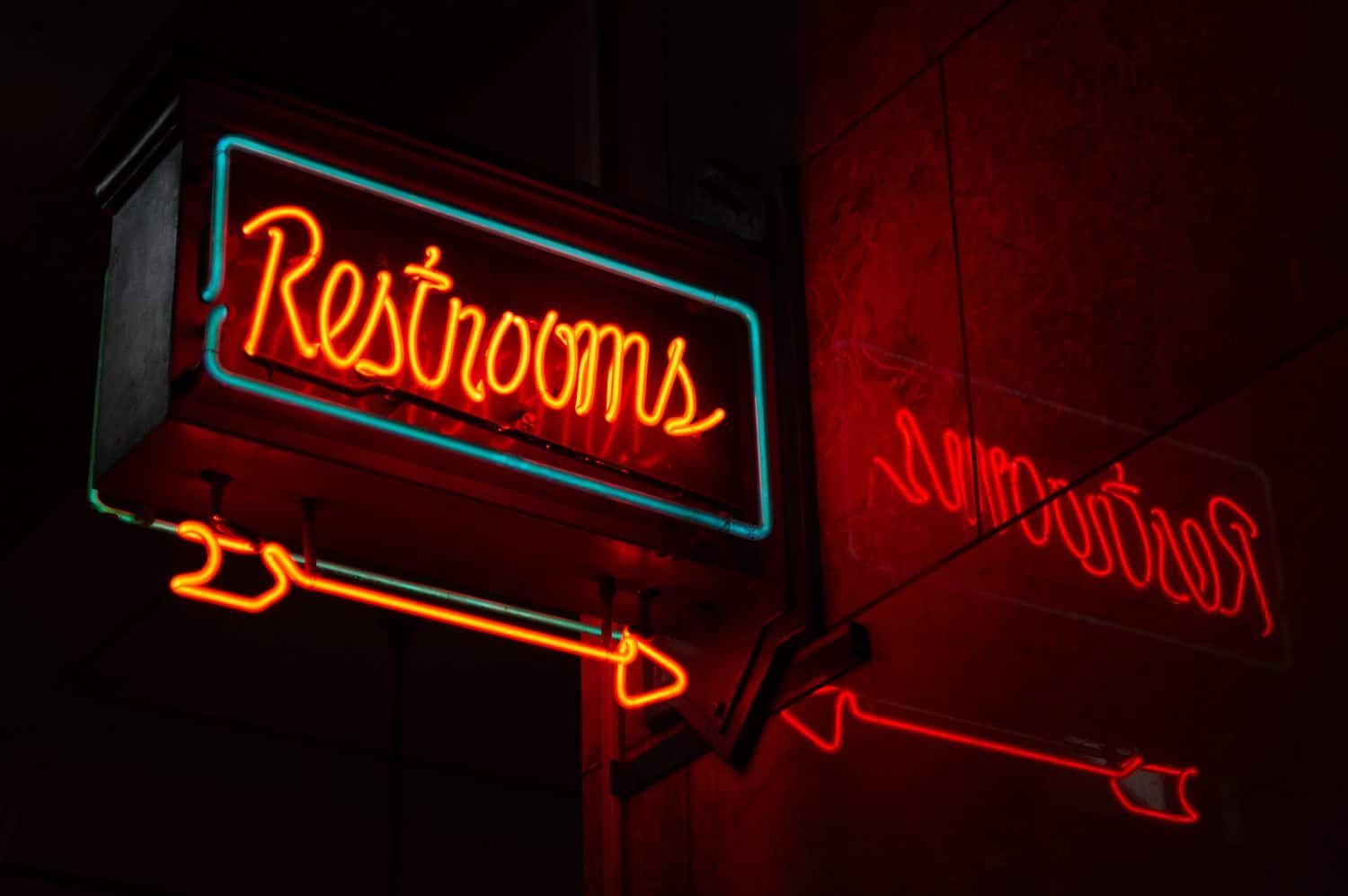
Travelers in the United States are often pleasantly surprised to find free public restrooms in many locations. In countries where toilets often require payment, this convenience is notable, even if the restrooms aren't always the cleanest. The prevalence of rest stops and facilities along our major highways reflects the country’s car-centric travel culture.
Prescription Drug Ads
In the United States, television and radio advertisements for prescription drugs are extremely common, a practice shared only with New Zealand. These commercials list potential side effects while simultaneously encouraging viewers to ask their doctors about the product. For many visitors, it is a strange mix of marketing and medicine, a process that isn't really necessary if you have a decent doctor.
24-Hour Businesses
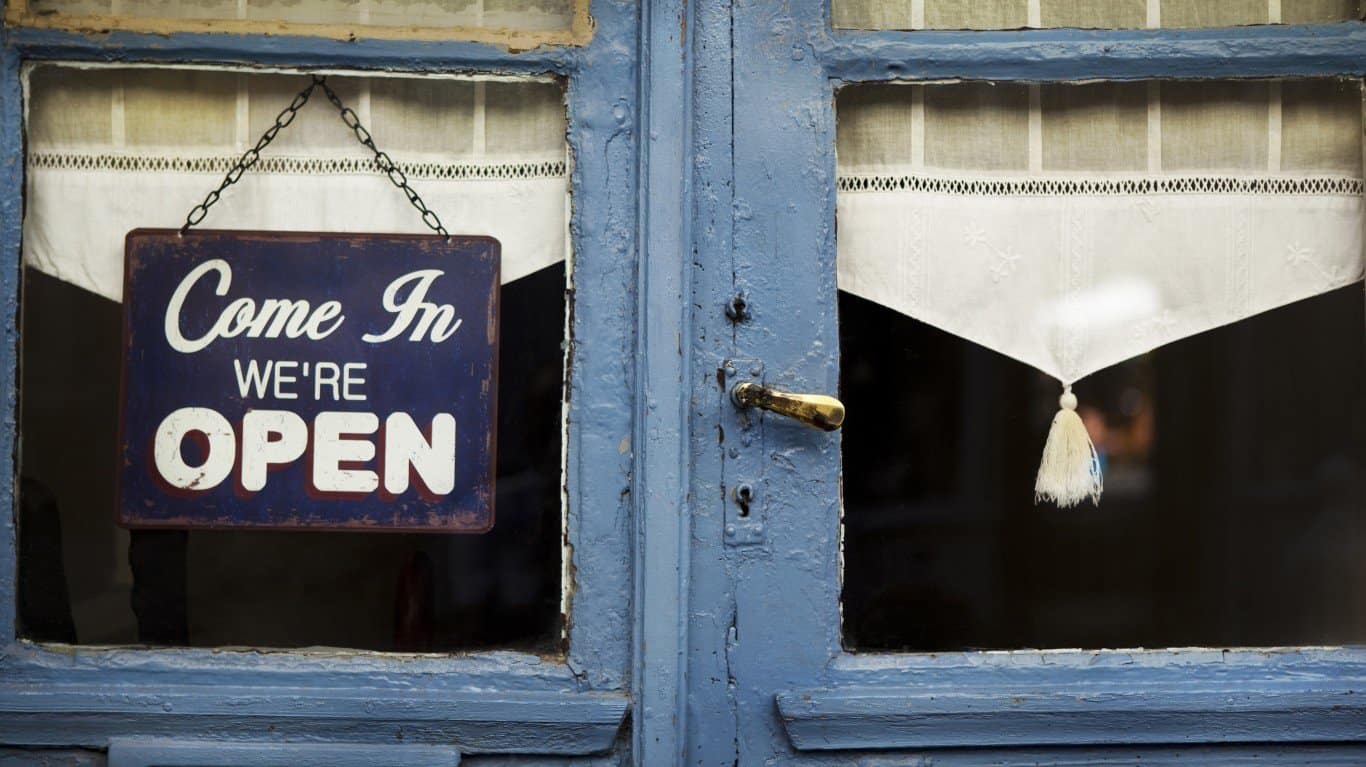
Many American cities have businesses that never close, from diners and convenience stores to gyms and pharmacies. For travelers from places with strict and observable closing times, this constant availability feels remarkable. It speaks to a culture that prioritizes accessibility at all hours, and many visitors opt to take advantage of it.
Ice in Every Drink
Americans often serve drinks filled to the brim with ice, across many types of drinks, and even in winter. For visitors from countries where beverages are typically served without ice, this habit can be surprising. This is especially true in certain foreign countries, as ice is often available in cups but as a separate purchase from your drink. Our preference is rooted in refrigeration technology and a cultural association of ice with freshness.
Complicated Measurement System
The United States uses the imperial measurement system, relying on miles, pounds, and Fahrenheit temperatures. For foreigners accustomed to metric units, conversions can be a constant challenge. Many wonder why the country has never made the switch, including Americans who have to battle to figure out what the temperature is outside when they visit a new country.
Gated Communities
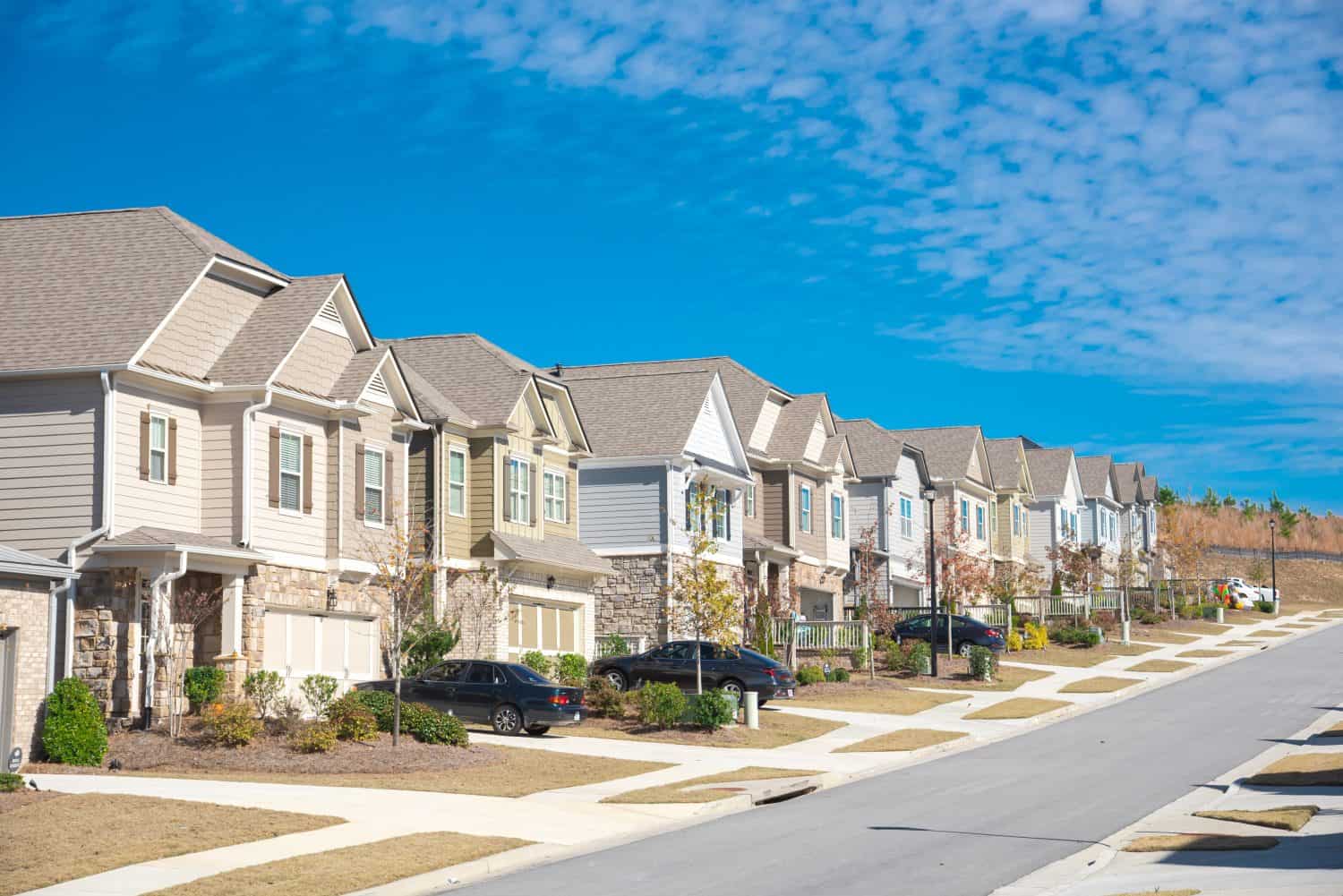
In many parts of the United States, people live in gated neighborhoods with restricted access. To outsiders, these communities can seem exclusive or overly security-conscious, but, in the U.S., they are often seen as desirable for privacy and safety. It all depends on what you're used to, though the U.S. does have a high number of gated communities overall.
Restaurant Servers Checking In Frequently
American restaurant servers typically check in with diners several times during a meal. While some guests appreciate the attention, others may find it disruptive.
Drive on the Right Side
The U.S. follows right-side driving, which can be disorienting for visitors from countries where the opposite is true. Road layouts, signage, and vehicle design all cater to this convention, making quick adaptation essential for foreign drivers. If only the U.S. were navigable without needing a vehicle!