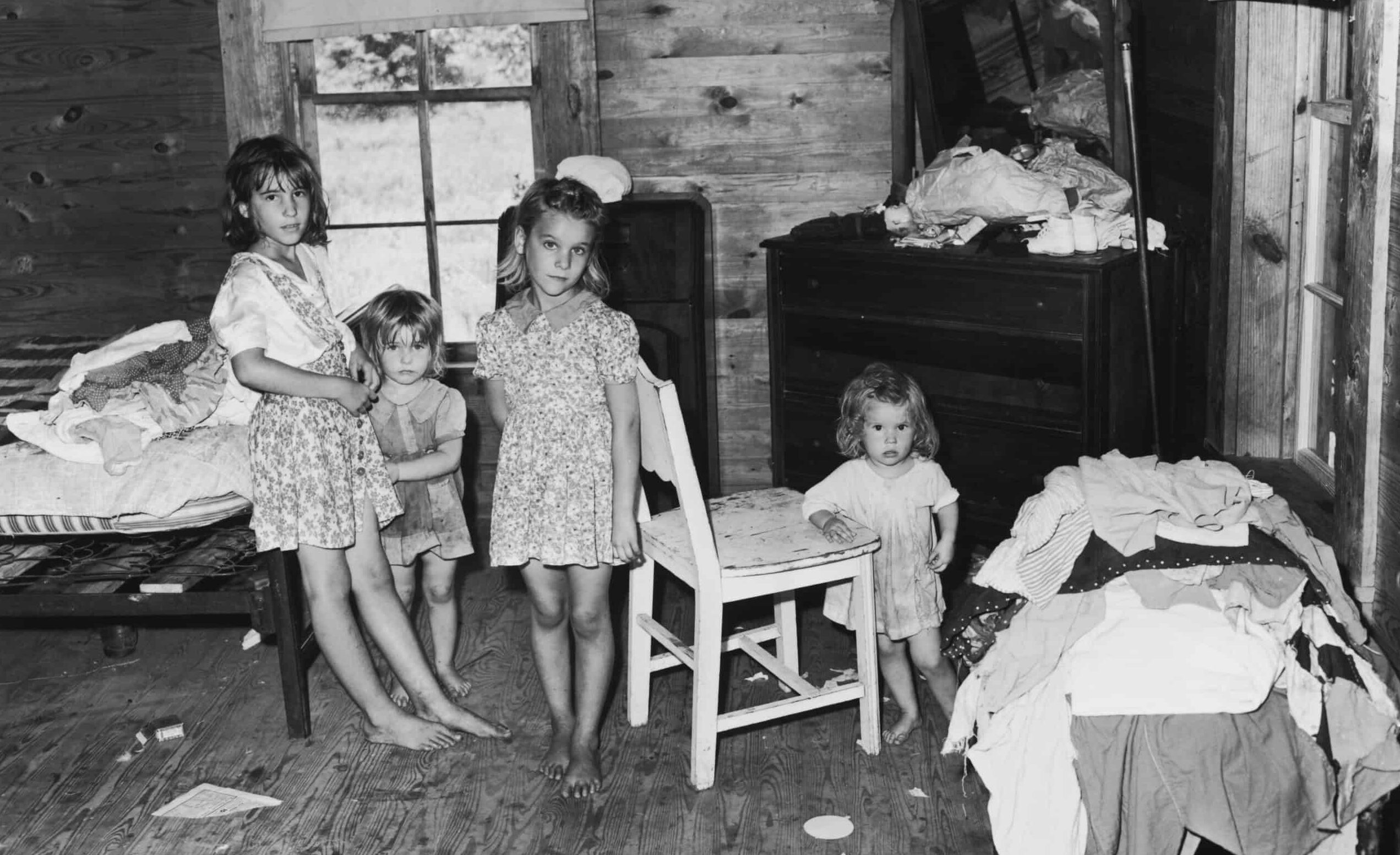
Home life in the 1930s was heavily influenced by the Great Depression, an era when abundance was almost unheard of. Frugality was the name of the game; resilience and working together defined daily routines. For many families, the home became the center of survival, where modest meals were cooked, clothes were mended rather than replaced, and every resource was used with care. Houses were often sparsely furnished, and families placed their focus on practicality rather than style or even comfort. Entertainment was simple and cheap: radio programs, board games, and shared conversations filled evenings.
These photos of home life in the 1930s offer a glimpse into one of America’s most trying times. During this period, families adapted to economic hardship while maintaining a sense of normalcy. Nothing in the home was wasted, and everyone came together to work and make life bearable. Despite the challenges, this era was marked by strong family bonds and a deep appreciation for present comforts, however small.
Photos from the era offer the clearest look at how people lived. To show what 1930s houses looked like, 24/7 Tempo reviewed historical sources including PBS, History.com, and the Library of Congress.
Enjoying Family Time Together
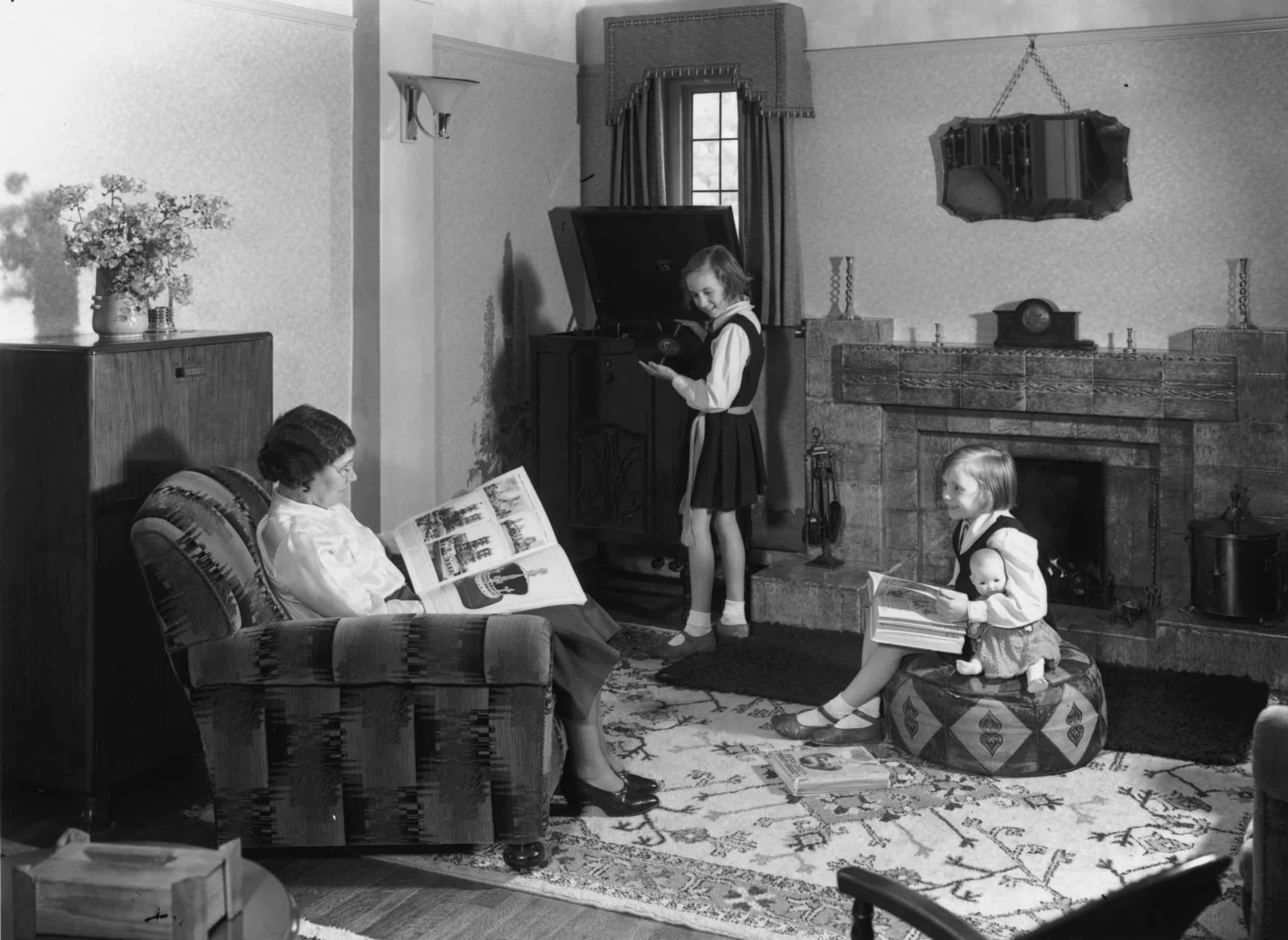
It is easy for modern family time to become a mix of television, phones, and everyone looking at a different screen. This family, however, is simply enjoying a quiet moment together. Life in the 1930s was hardly easy, but home entertainment involved fewer electronic distractions. Families might talk, read, play cards, sew, or gather around the radio for news, music, sports, and comedy.
By the end of the decade, radio had become the country’s dominant form of home entertainment. Technology has improved our lives in countless ways, but scenes like this are a reminder that it can also pull our attention away from conversation, rest, health, family, friends, and time set aside for faith or personal reflection.
Making the Best Use of Every Space
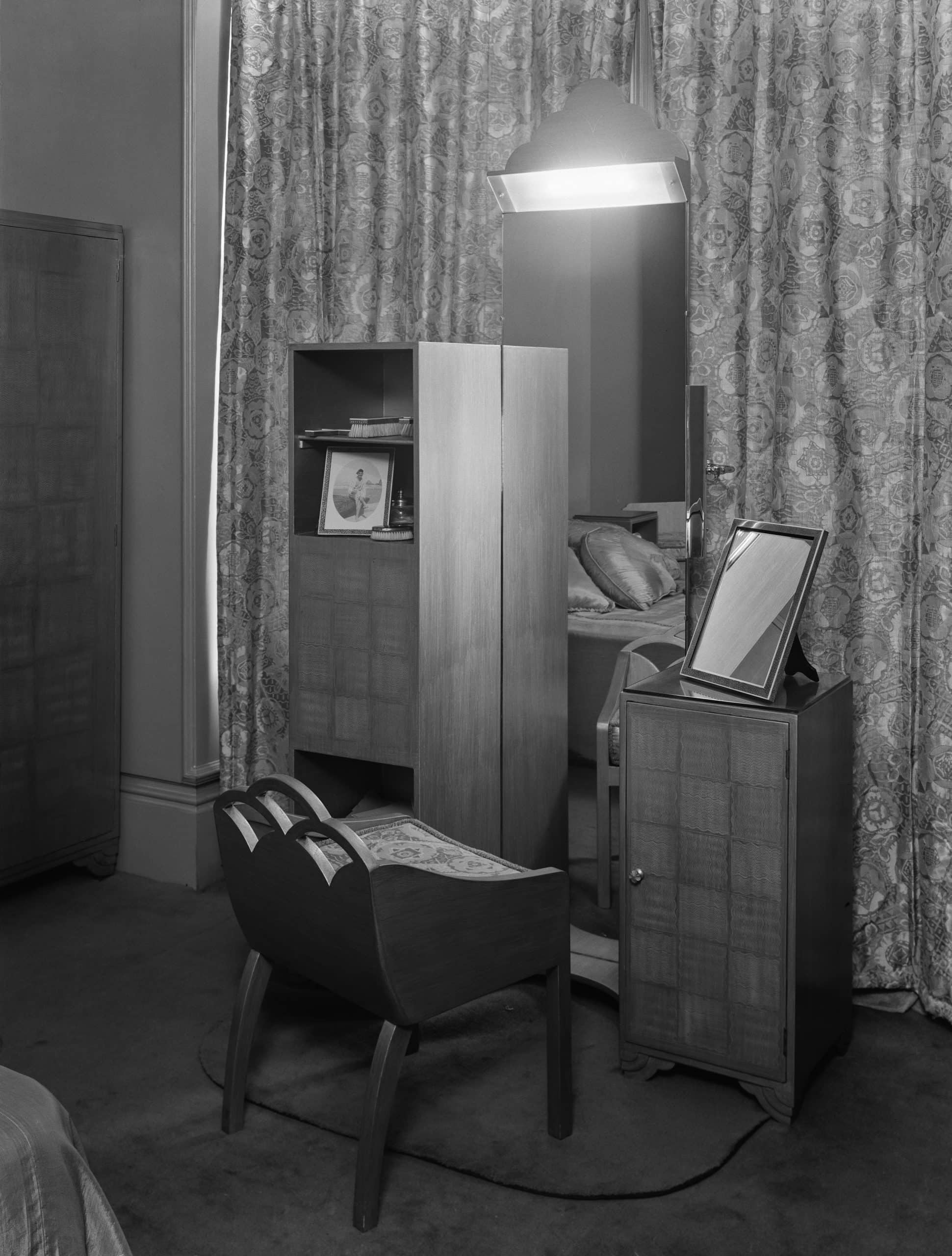
In the 1930s, people had to find creative ways to organize and decorate their rooms since homes were smaller than they are today. This small, lighted corner of a bedroom is a comfortable space to get ready in the morning.
Laundry was an All-Day Chore
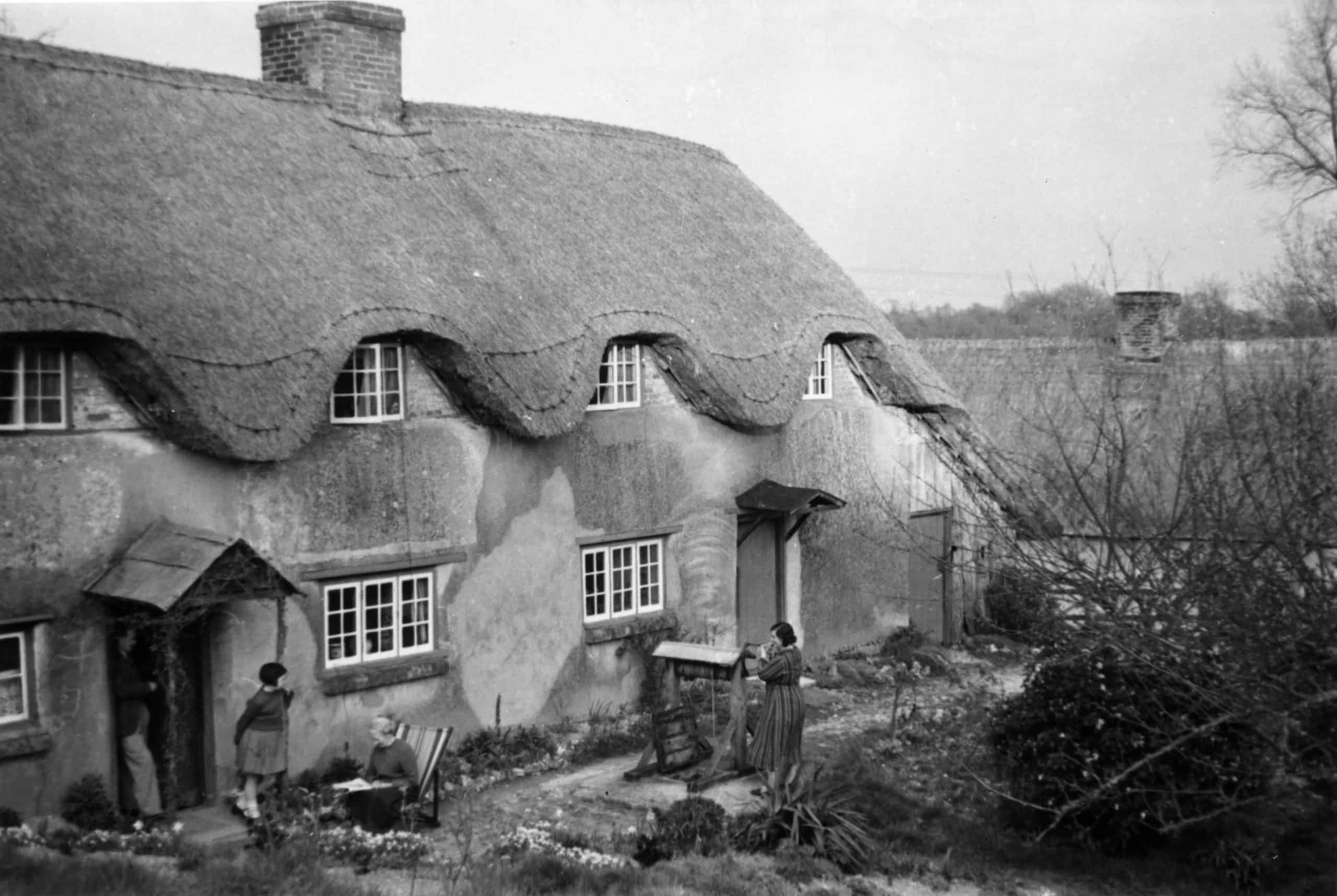
Washing and drying clothes in the 1930s looked very different from tossing a load into today’s automatic machines. Although some households had powered washers, many families still relied on tubs, washboards, heated water, and a great deal of physical effort. Once the clothing was clean, it often went through a wringer, a pair of rollers that squeezed out the excess water.
The word “mangle” was also used for certain pressing and wringing devices, though not every mangle performed the same job. Wet laundry was then hung on an outdoor clothesline or placed on an indoor drying rack. Washday could take hours, and the lifting, rinsing, ironing, and danger of catching fingers in the rollers made this ordinary chore much harder than it is for most families today.
Doing the Washing and Cooking in One Room
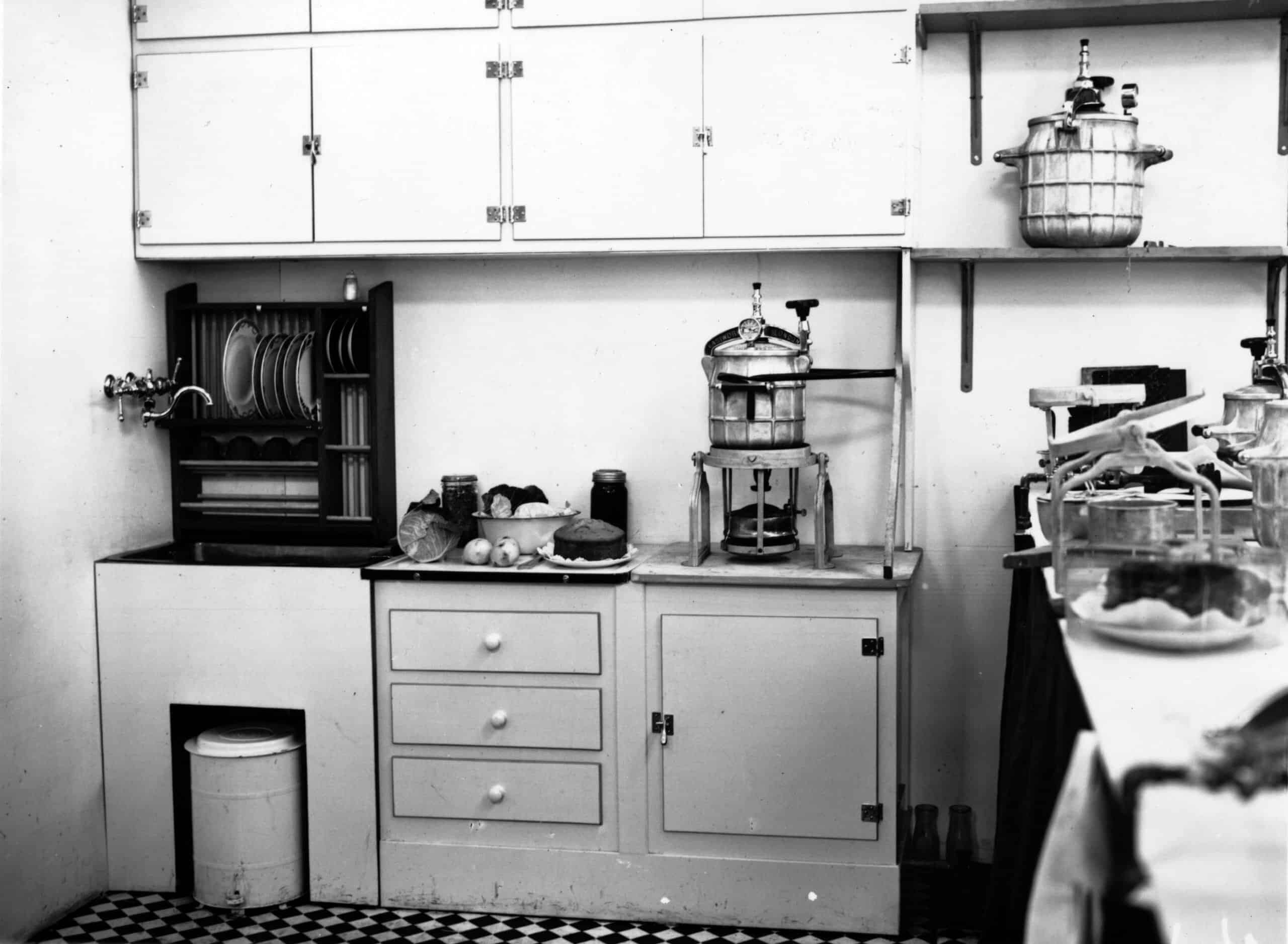
Homes that were built in the 1930s often included a new style of kitchen. These kitchens, although smaller than most kitchens today, provided a place for people to do both the cooking and washing in one convenient space. So, next time you think about how tiny your apartment’s kitchen is, chances are it is still much larger than these were.
New Homes Were Being Built All Over
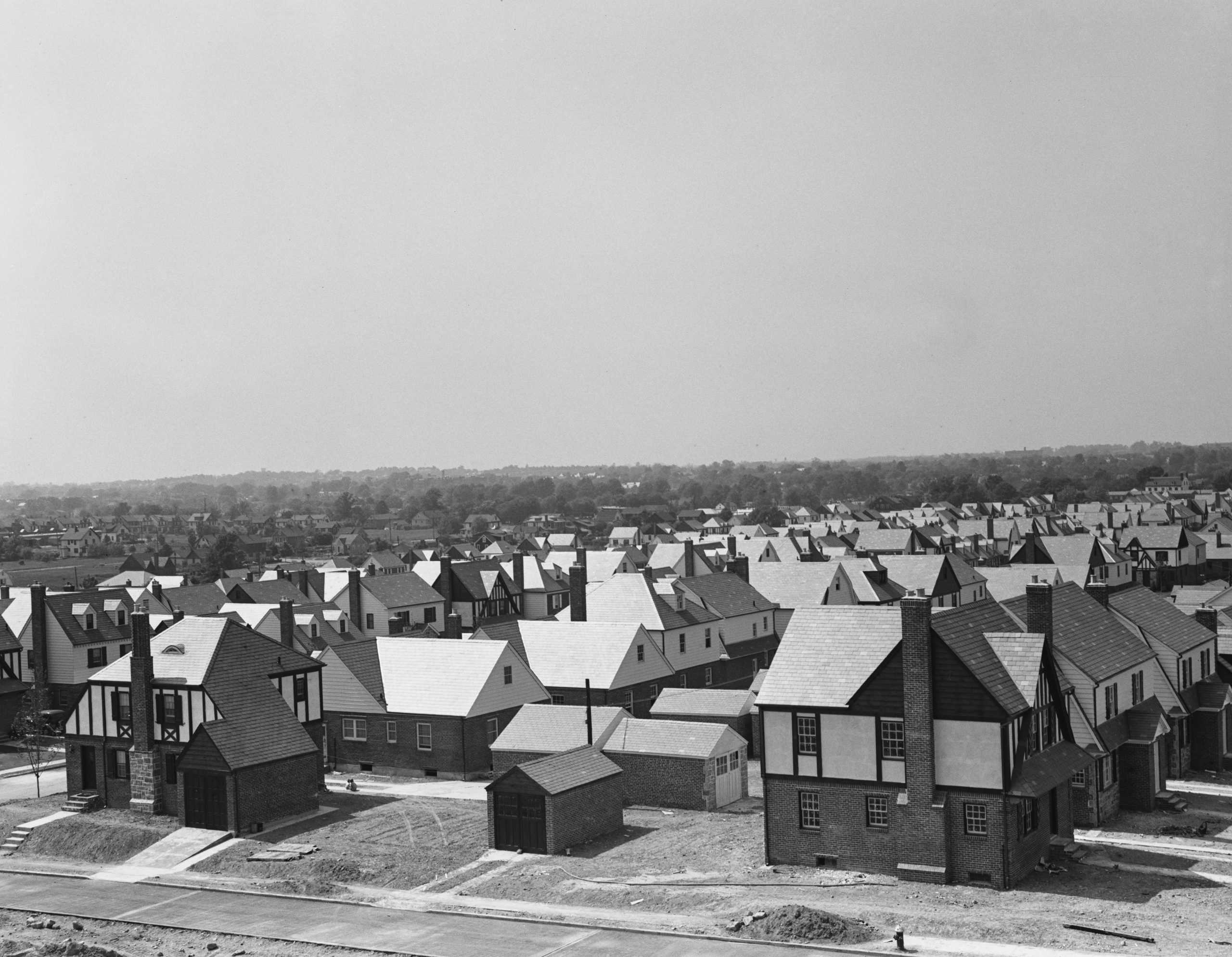
After a sharp slowdown early in the Depression, homebuilding recovered later in the 1930s. The style of houses also changed significantly, and Tudor-style houses, made with different materials including timber beams and stone facades, became increasingly popular.
Many Homes Were Overcrowded
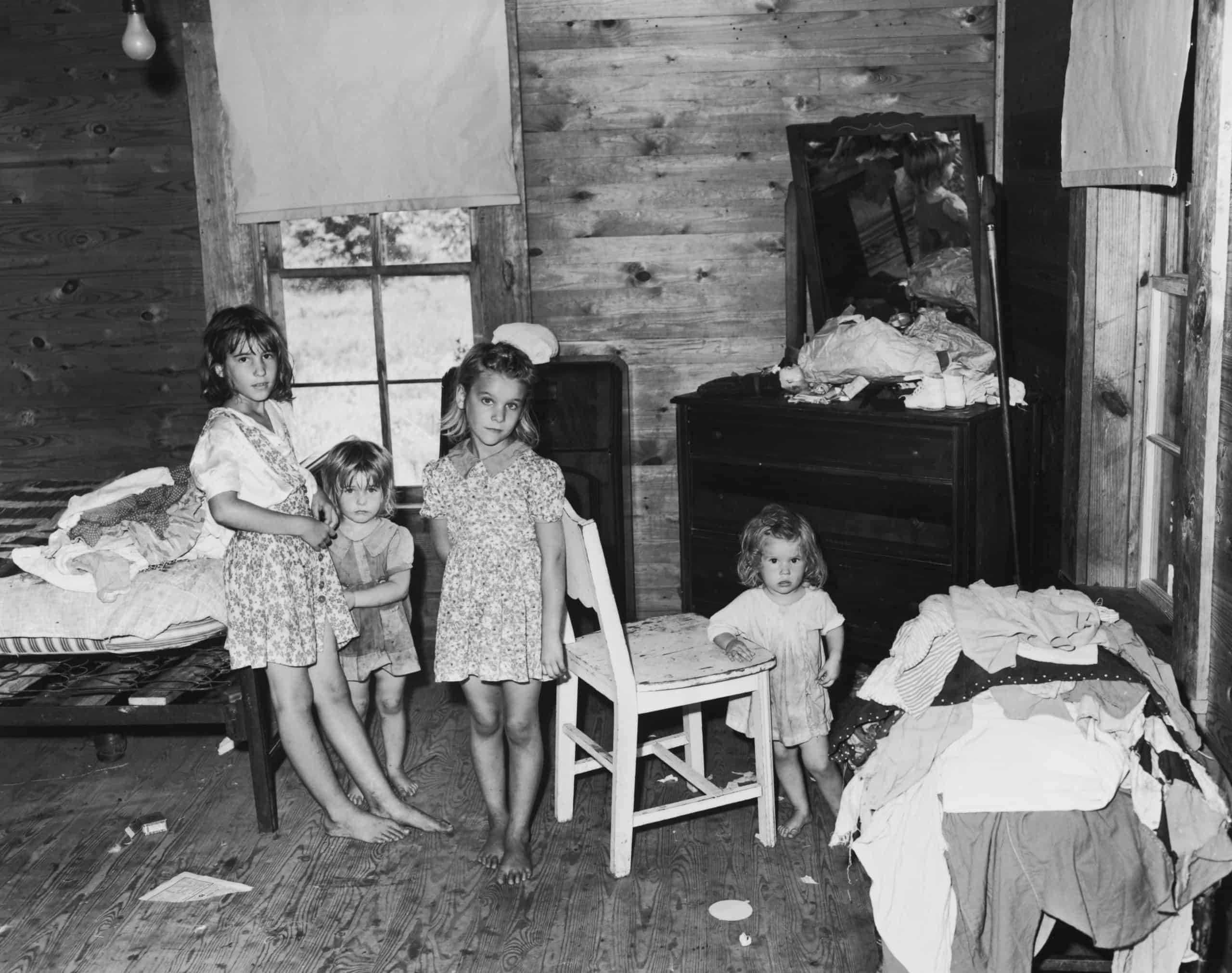
Not everyone could afford a large, comfortable home in the 1930s, and the Great Depression made stable housing even harder to maintain. Many Americans rented, doubled up with relatives, took in boarders, or moved into smaller quarters after losing income. Homeownership had risen during the prosperous 1920s, but the Depression reversed that progress and pushed the national rate down to 44 percent by 1940. Crowding was also widespread.
In 1940, about one in five occupied homes had more than one person per room. That does not mean most families lived in only one or two rooms, but cramped arrangements were common. Bedrooms were shared, living spaces served several purposes, and privacy was often a luxury rather than something people could take for granted.
Houses in the Suburbs Were Close Together
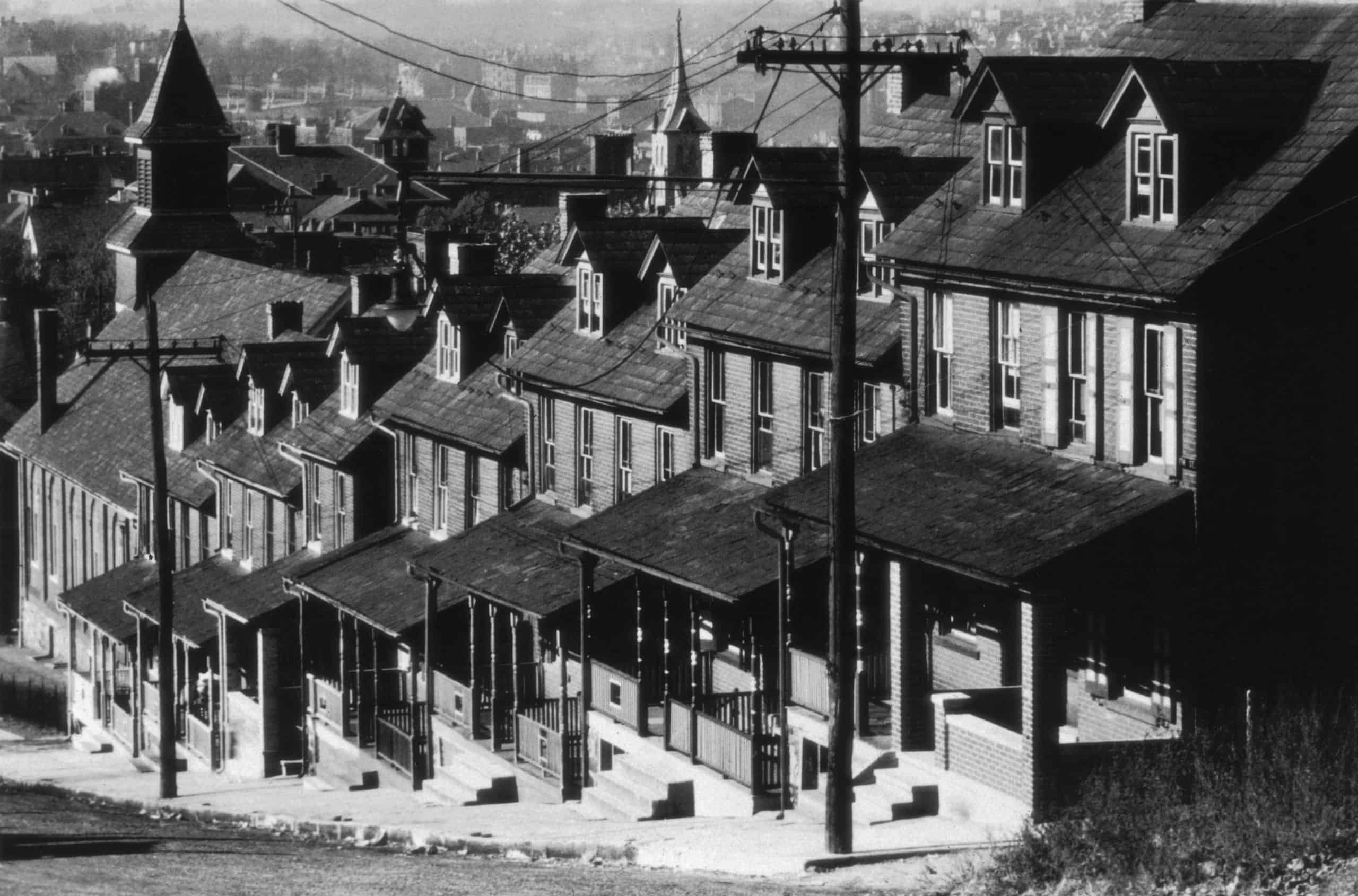
Many early suburbs featured closely spaced homes, especially near cities. As the number of families moving to suburban areas grew, living in this type of community became synonymous with the American dream.
Music Was Enjoyed in the Home
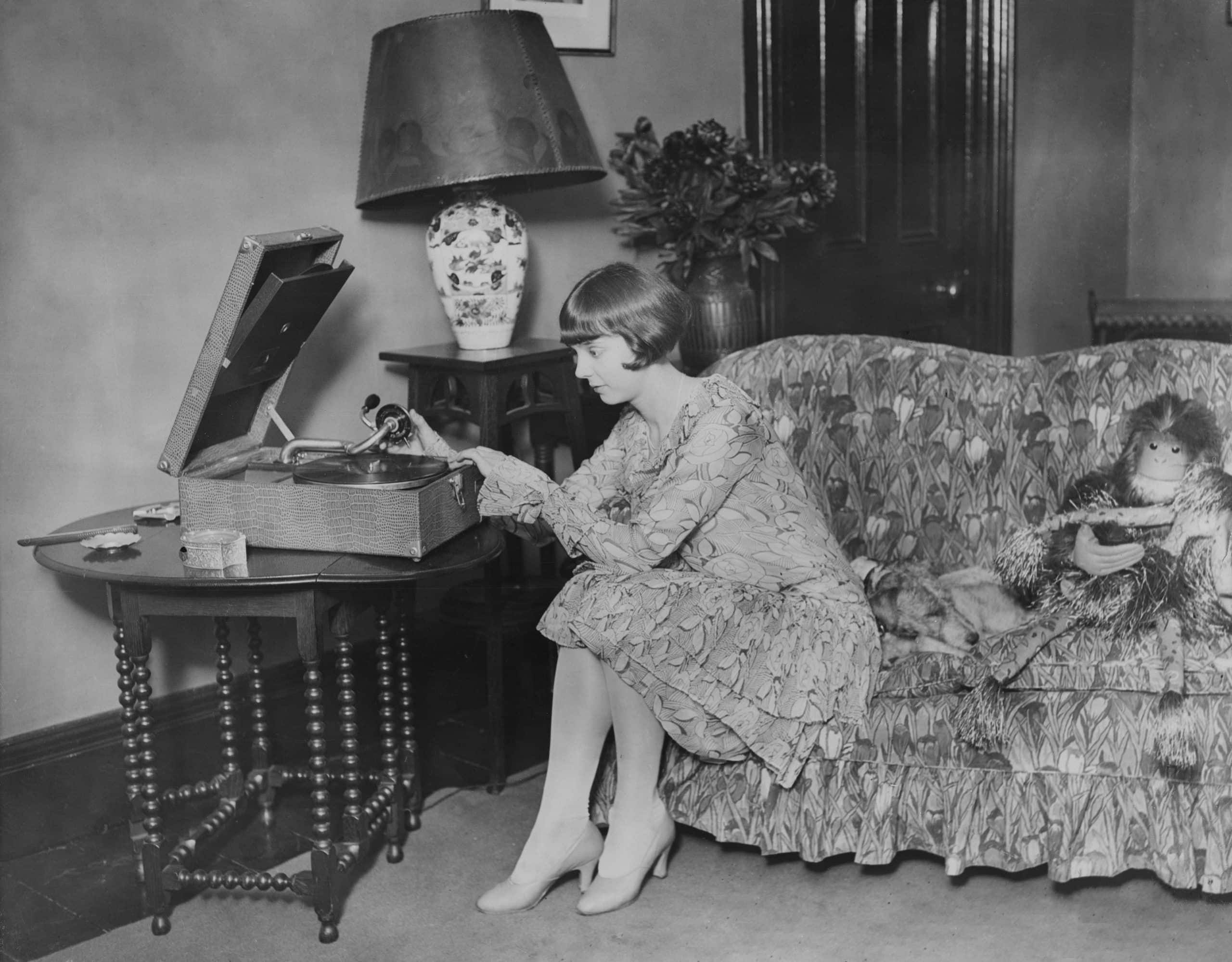
In modern times, it’s easy to put on music anywhere with the help of cell phones and blue tooth speakers. Back in the 1930s, record players were a popular way to enjoy music at home. After the radio boom, home systems that allowed people to play music and listen to the radio were a popular choice.
Families Gathered Around the Radio
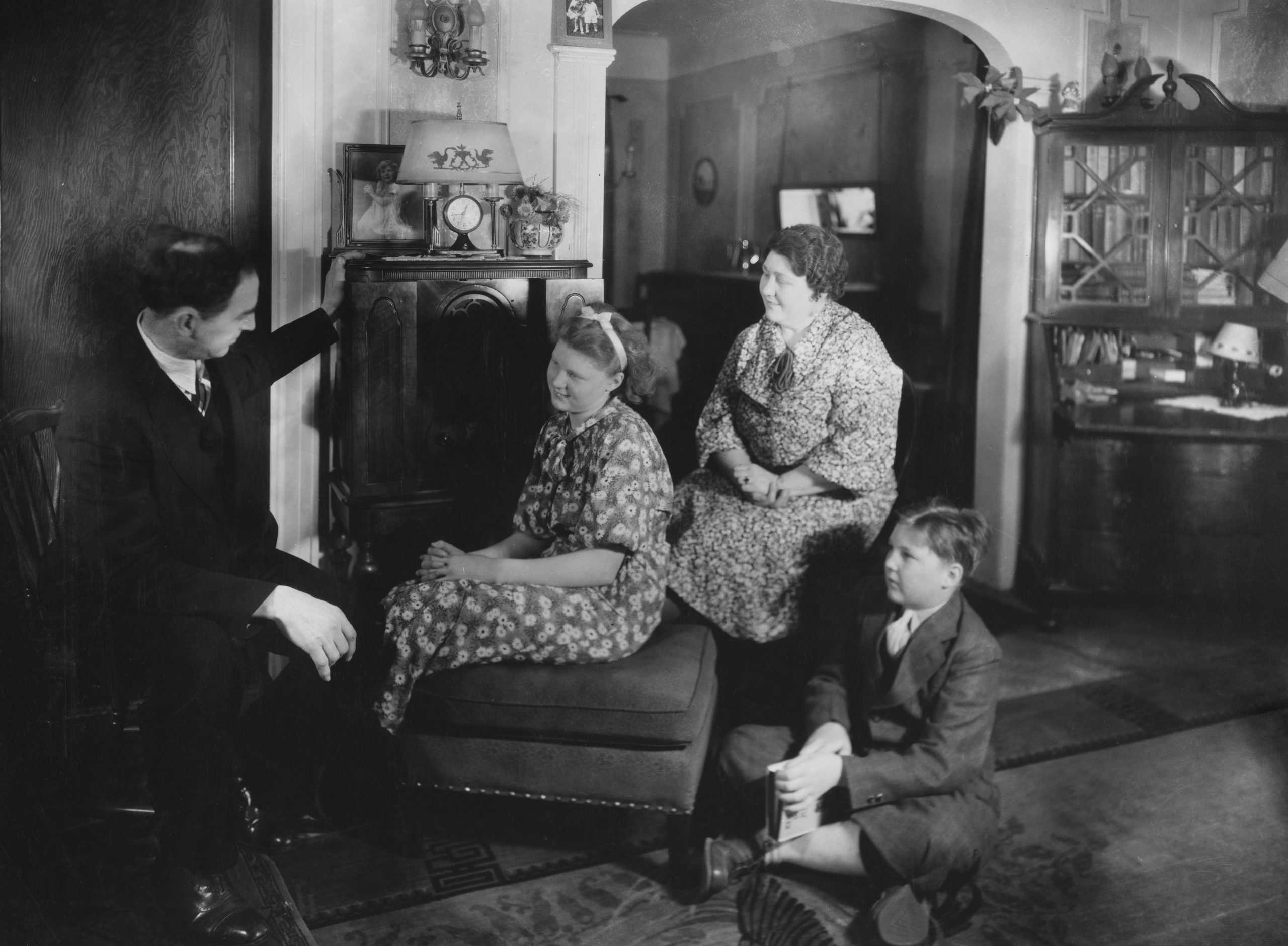
During the Golden Age of Radio, it was common for radios and radio cabinets to be the centerpiece of the living room. There were many different programs for people to listen to, and by the late ’30s, the majority of people owned a radio. Here, a family gathers together to listen to the radio.
Tudor Style Houses Were Popular
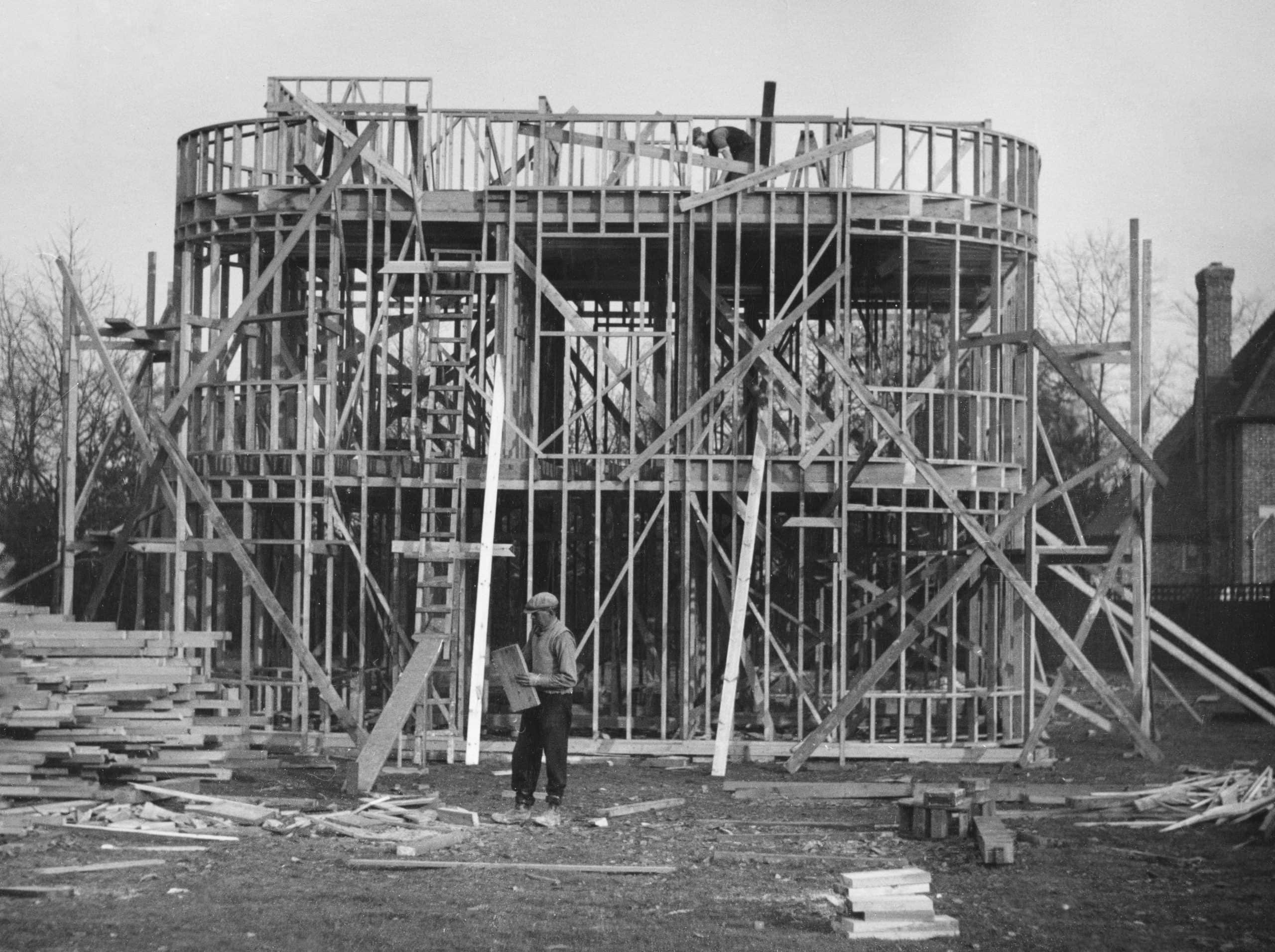
Many houses built during the 1930s appeared beyond the crowded centers of major cities. Land on the outskirts could be less expensive, and the growing popularity of the automobile made it easier for some families to live farther from work and shopping. The Great Depression slowed home construction, but suburban development did not stop completely.
Tudor Revival homes, already fashionable in the 1920s, remained popular into the 1930s. Their steeply pitched roofs, prominent chimneys, brick or stucco walls, arched entrances, and decorative half-timbering gave them the appearance of old English cottages. Builders also created smaller, simplified versions of the style, allowing its storybook look to appear in more modest neighborhoods as well as wealthier communities.
Cars Allowed Families to Move from the City
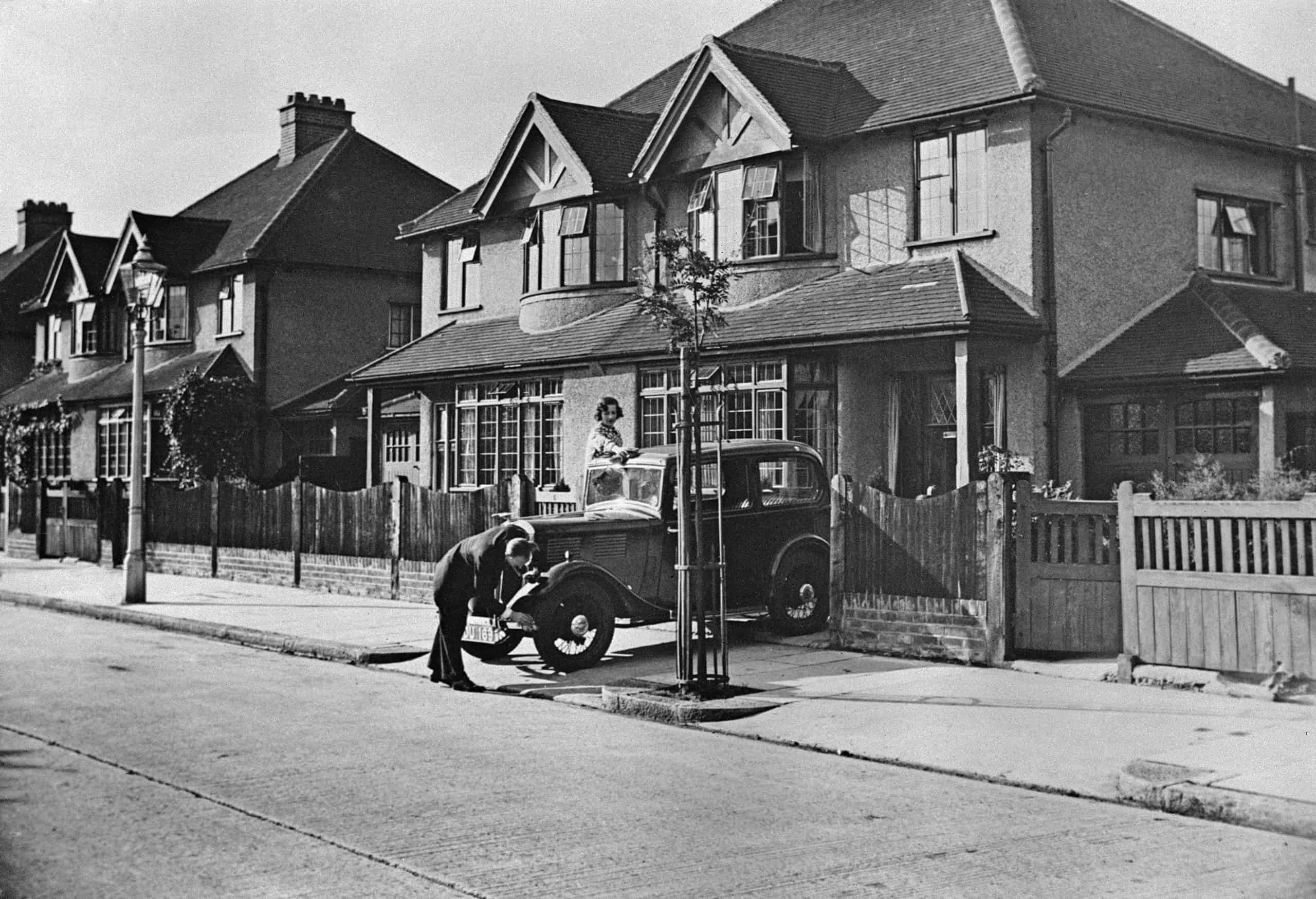
Many of the houses that were built during the 1930s were built just outside the cities where there was more land available. It was easier for families that owned cars to make this move since they could travel to and from the city as needed.
Suburbs Were Becoming More Popular
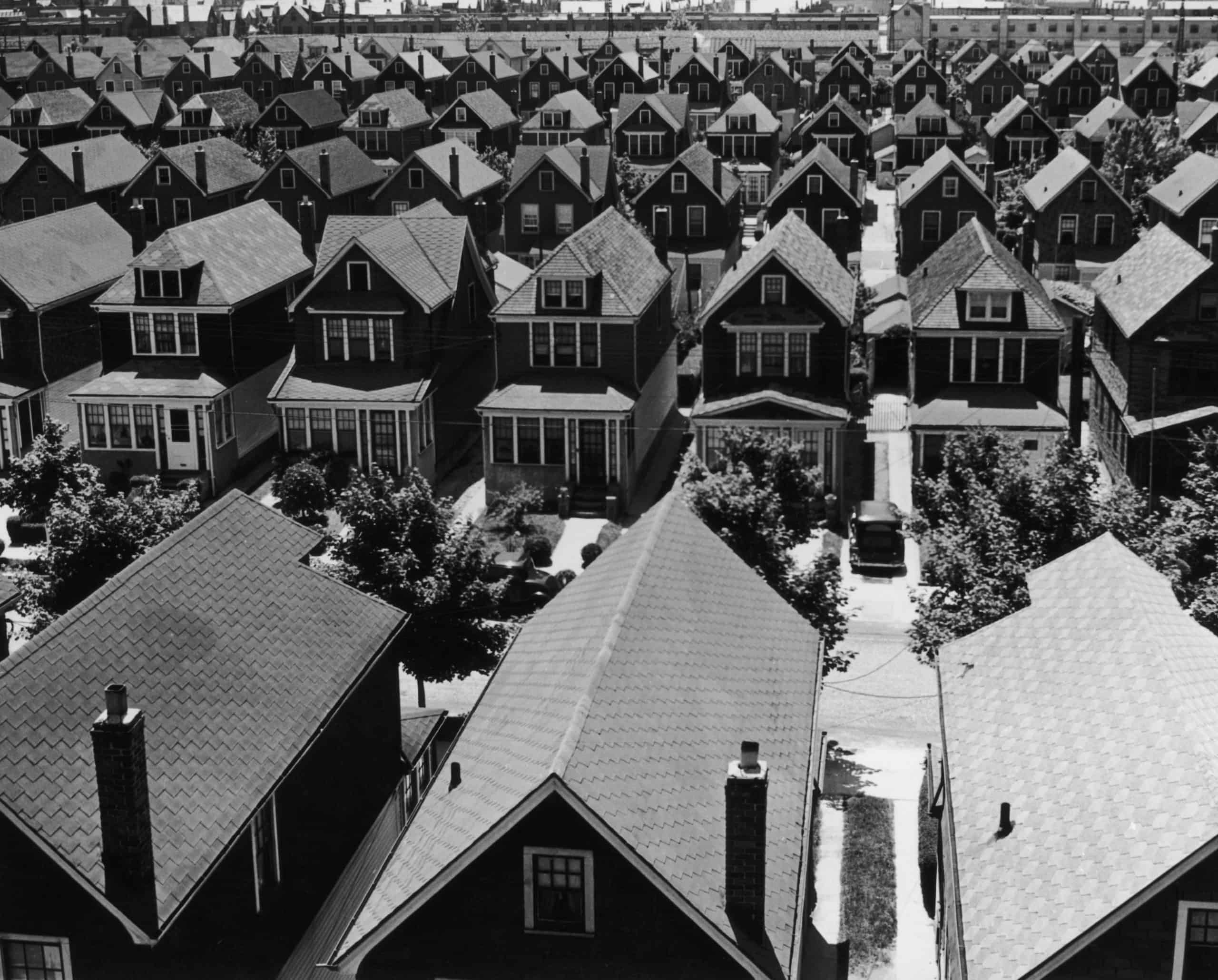
The suburban population rose between the 1920s and 1940s, with mass migration to the suburbs occurring after World War II. Compared to those in rural areas, families living in the suburbs relied more on automobiles and commuting.
Residential Segregation Was Still Rampant
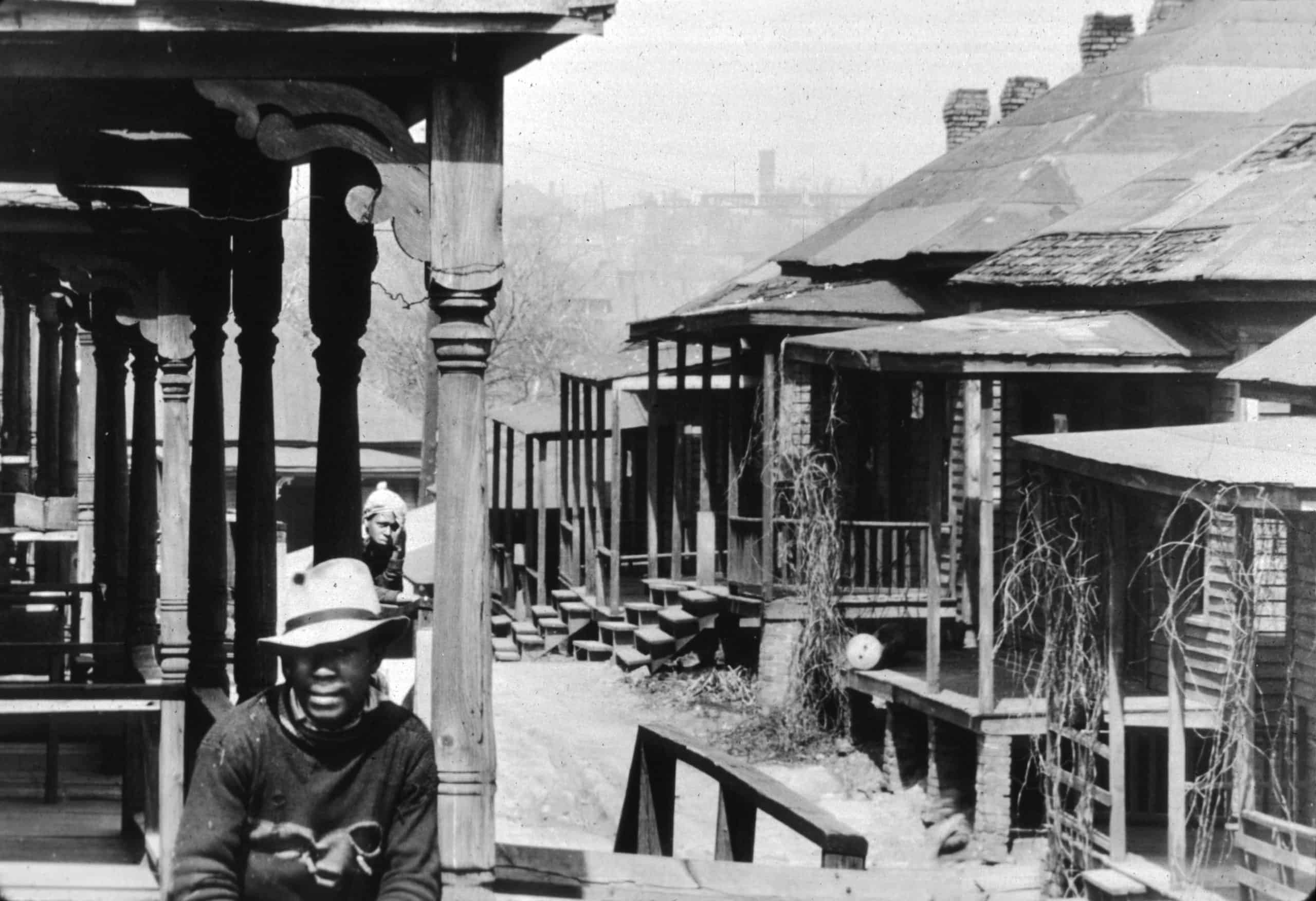
Legal segregation in the South wasn’t outlawed until the 1960s. In the 1930s, segregation, including residential segregation, was still commonplace. Additionally, the Great Depression first impacted Atlanta in the 1930s and this significantly impacted housing.
Rooms Were Used for Multiple Purposes
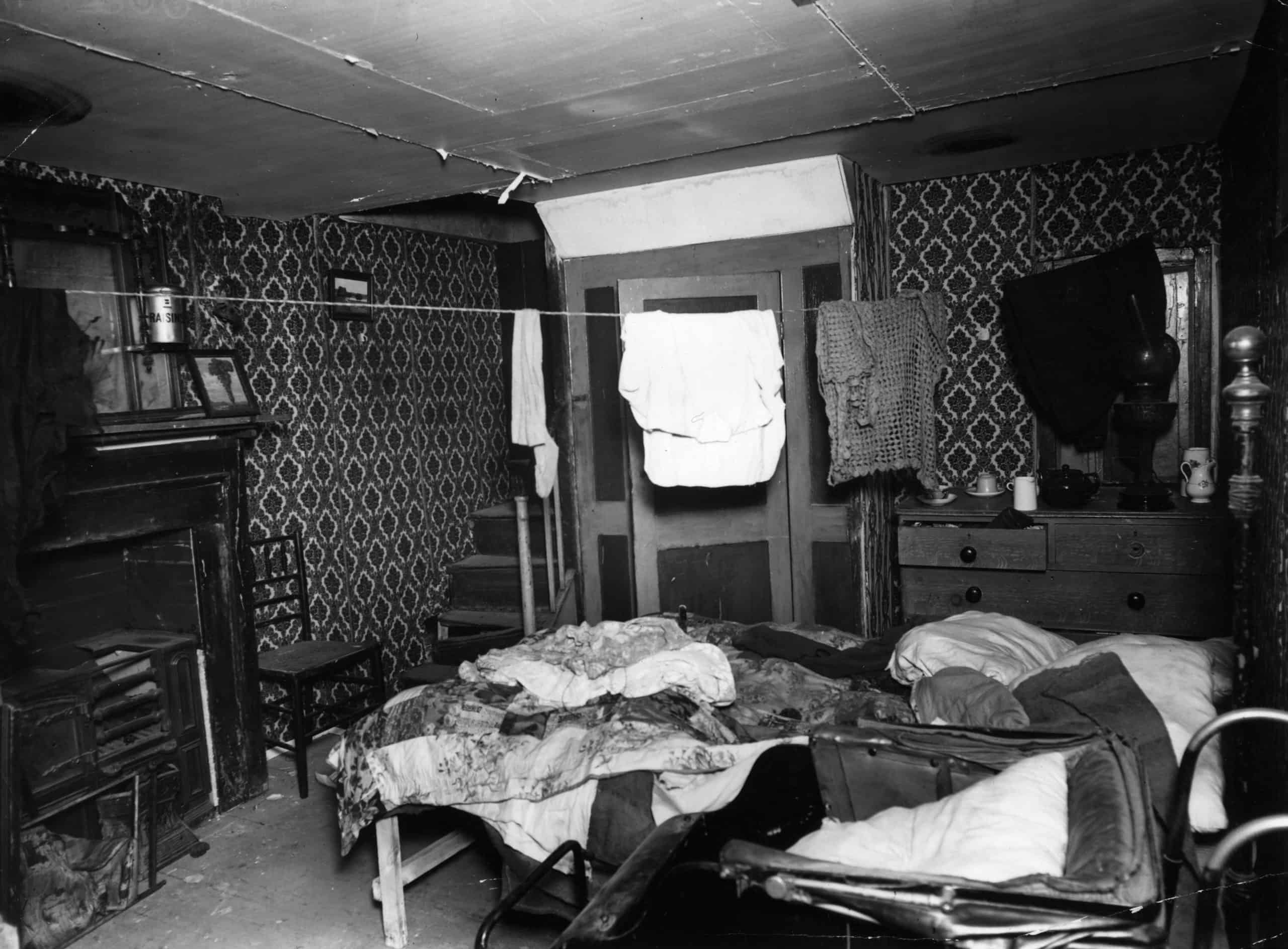
In lower-income and overcrowded homes, one room often had to perform several jobs. A bedroom might also be used for sewing, storage, or drying clothes, while a kitchen could double as the main gathering place for the entire family. Furniture and household items had to be arranged around whatever task needed to be done at the time.
These tight living conditions were far from unusual. By 1940, about 20 percent of occupied American homes had more than one person per room, the Census Bureau’s standard measure of crowding. For families sharing small houses, apartments, or rented rooms, privacy could be difficult to find. Making the most of every corner was not a decorating trend or a clever lifestyle choice. It was simply a necessary part of getting through daily life with the space and money available.
Bathrooms Had an Indoor Toilet and Bathtub
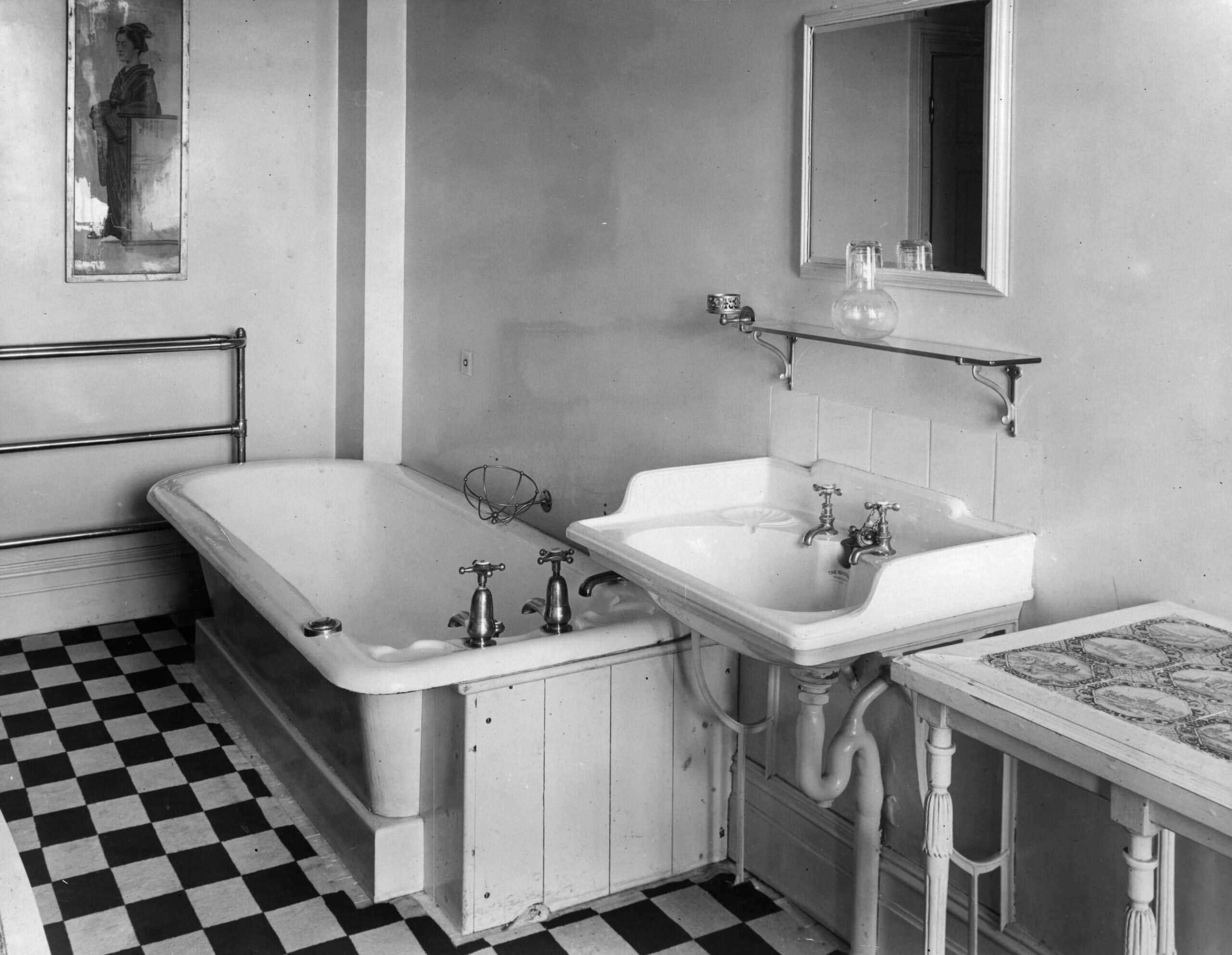
The first flush-style toilet was invented in the 1700s. However, most people didn’t start adding toilets inside their homes until the mid-1800s. At the time, only wealthy people could afford this luxury. By the 1930s, new homes had indoor toilets and bathtubs.
Children’s Furniture Had Different Standards
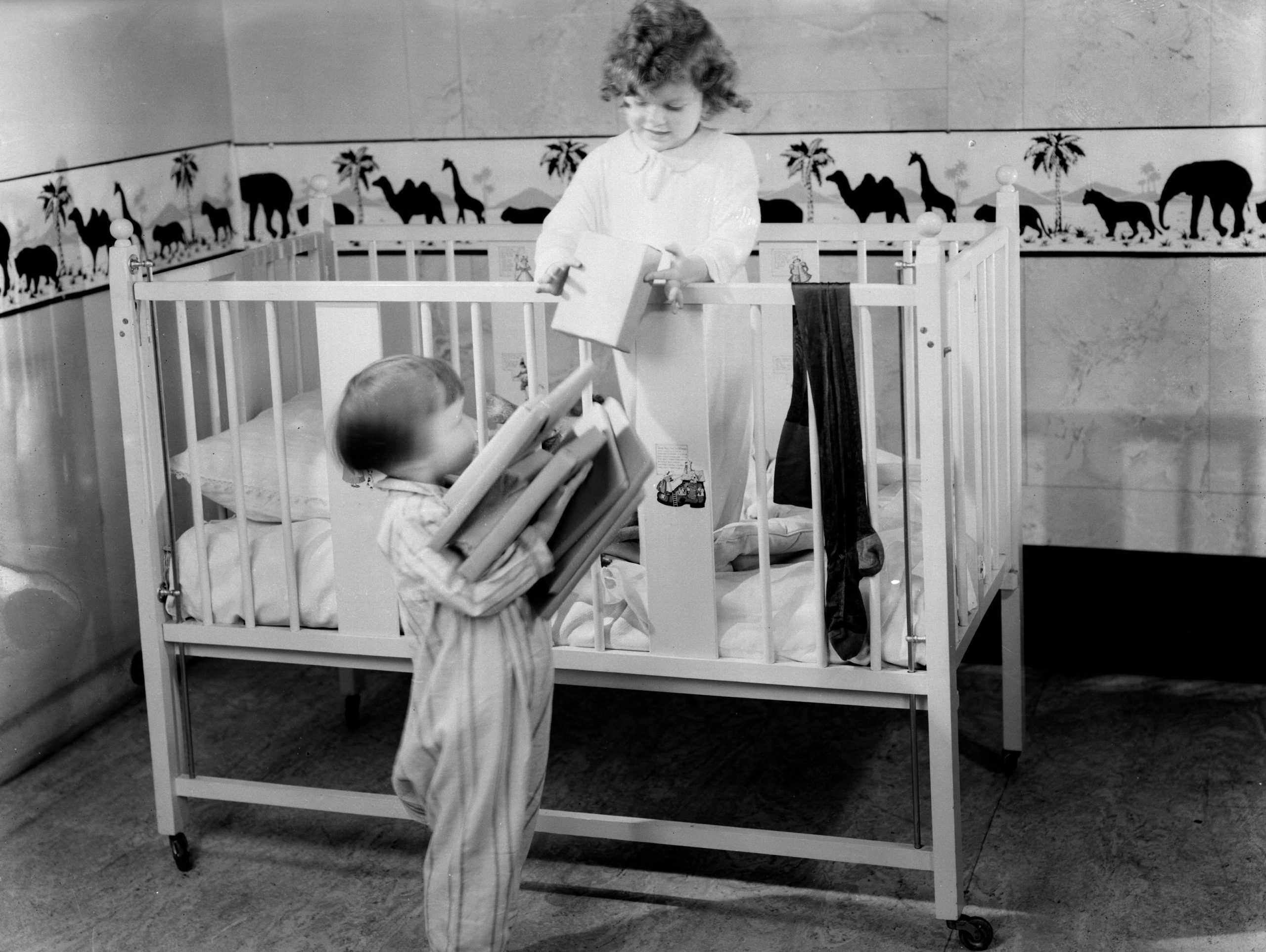
Today, children’s furniture has strict standards, especially when it comes to cribs and other furniture for infants. However, cribs weren’t regulated until the 1970s. Homes in the 1930s had children’s furniture that would be considered unsafe by today’s standards.
Some Kitchens Were More Modern
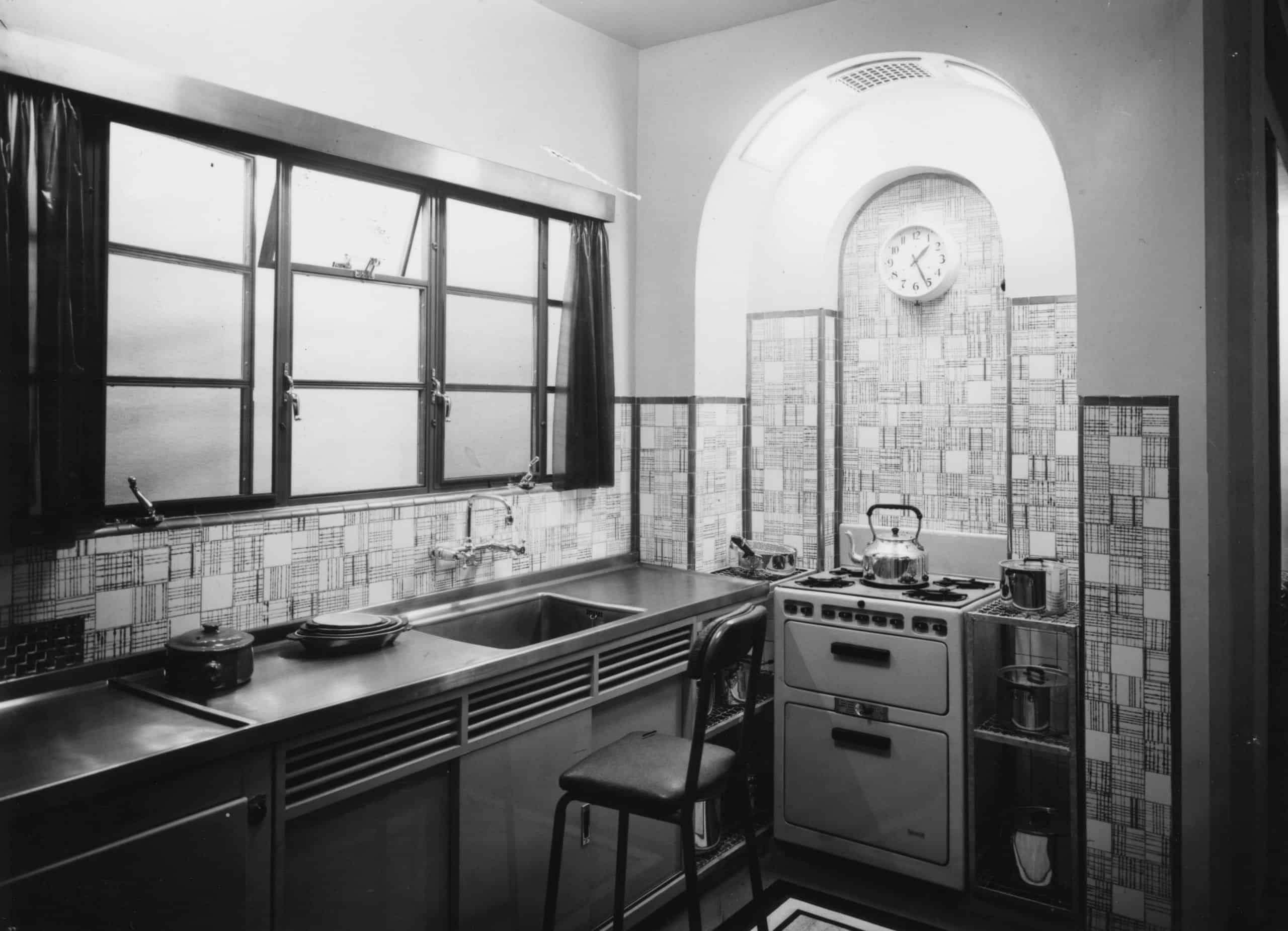
While it was a big deal to have a place to clean dishes and cook during the 1930s, some kitchen styles were more modern. Checkered patterns were popular during this time. Florals, polka dots, and fruit designs were also common.
Childcare Was a Challenge for Many Women
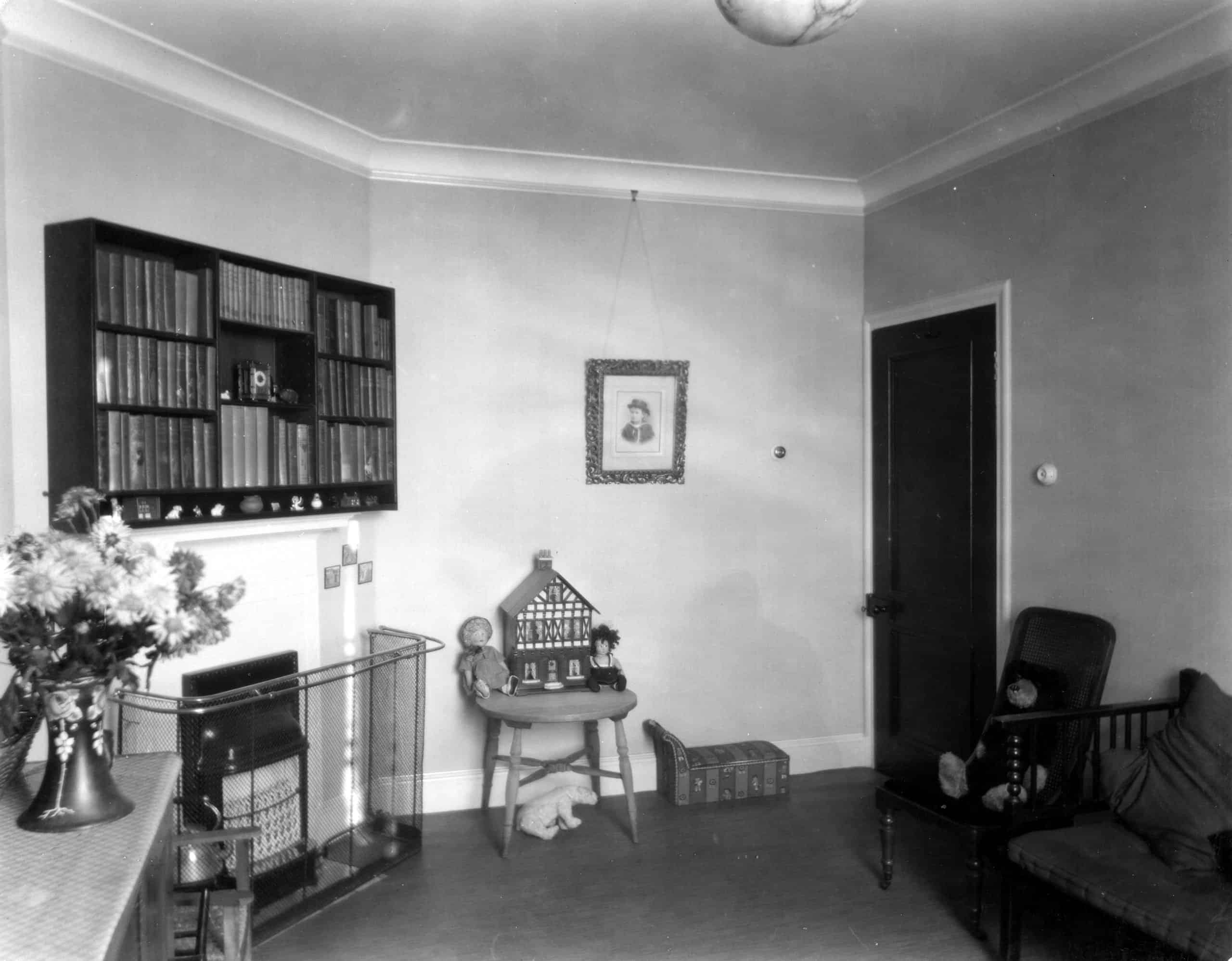
Despite the mothers’ and widows’ pensions for low-income mothers in the 1930s, it wasn’t enough for many families to survive on. This led to more mothers having to work outside the home and put their children in nursery schools.