Andrew Clemente

rarrarorro/Shutterstock.com

Aleksei Nikolaev/iStock.com
zimmytws/Shutterstock.com

National Interagency Fire Center / Public Domain

Haydn Blackey / Flickr

Beth Ruggiero-York/Shutterstock.com
Peter Hermes Furian/Shutterstock.com
Peter Hermes Furian/Shutterstock.com

Alexander Lukatskiy/Shutterstock.com
Alexander Lukatskiy/Shutterstock.com
klenger/iStock via Getty Images

Alexander Lukatskiy/Shutterstock.com

Alexander Lukatskiy/Shutterstock.com

ZuiRoman/Shutterstock.com

Alexander Lukatskiy/Shutterstock.com

David Aughenbaugh/iStock.com





11 U.S. States Where Wildfires Can Turn Dangerous Fast
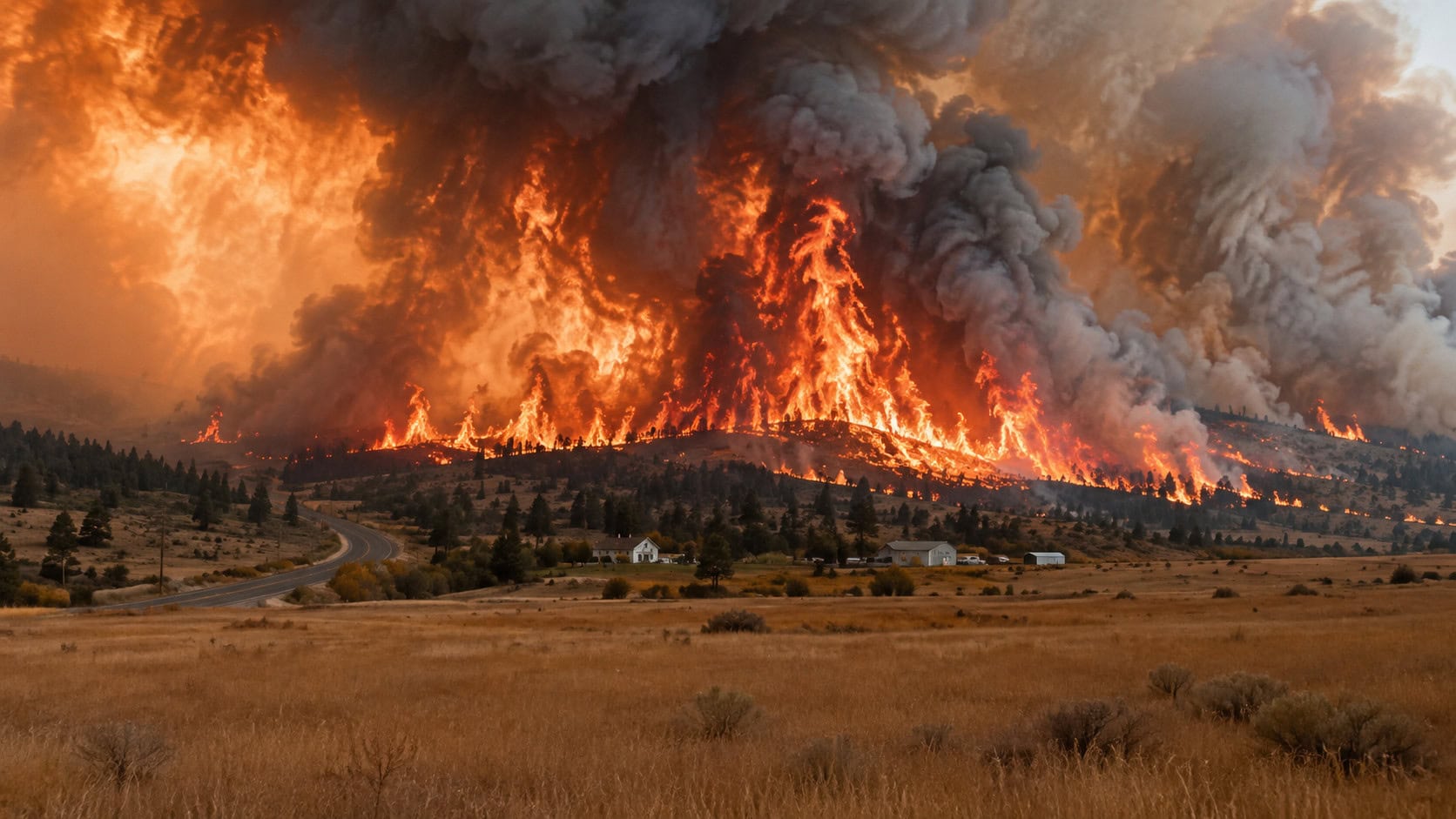
Wildfires are a natural part of many U.S. ecosystems, but they can become destructive when dry fuels, heat, low humidity, and strong winds line up near homes and communities. The latest complete National Interagency Fire Center data show 77,850 wildfires burned about 5.13 million acres nationwide in 2025. The year before, fewer fires burned a much larger 8.92 million acres, showing why the number of fires alone does not tell the whole story.
Ignitions come from both people and lightning, and the balance varies sharply by region. Human activity is especially important near population centers, while lightning can account for most acres burned in remote places such as Alaska. Long-term warming, fuel buildup, drought, and expanding development in the wildland-urban interface can also increase the odds that a fire becomes large or destructive.
Rather than treating this as a strict ranking, 24/7 Tempo is looking at 11 states where wildfire danger can become especially serious. The slides use recent state and federal data, along with major historic fires, to show how different landscapes face very different kinds of wildfire risk.
Kansas
Kansas is often associated with grass fires rather than the massive forest fires seen farther west, but its wildfire conditions can become extreme. Dry prairie grasses can carry flames quickly, especially when drought, low humidity, and strong winds arrive together. In February 2026, Kansas declared a state of disaster emergency after red-flag conditions developed across dozens of counties, with officials citing ongoing drought and dry vegetation.
More About Wildfires in Kansas
Wet periods can actually help set up later fire danger by producing more grass and other fine fuels. Once that vegetation cures, it can dry quickly and burn fast in windy weather. Kansas fire officials have long warned that most vegetation fires in the state are human-caused, with escaped burns and other preventable ignitions among the recurring problems.
Texas
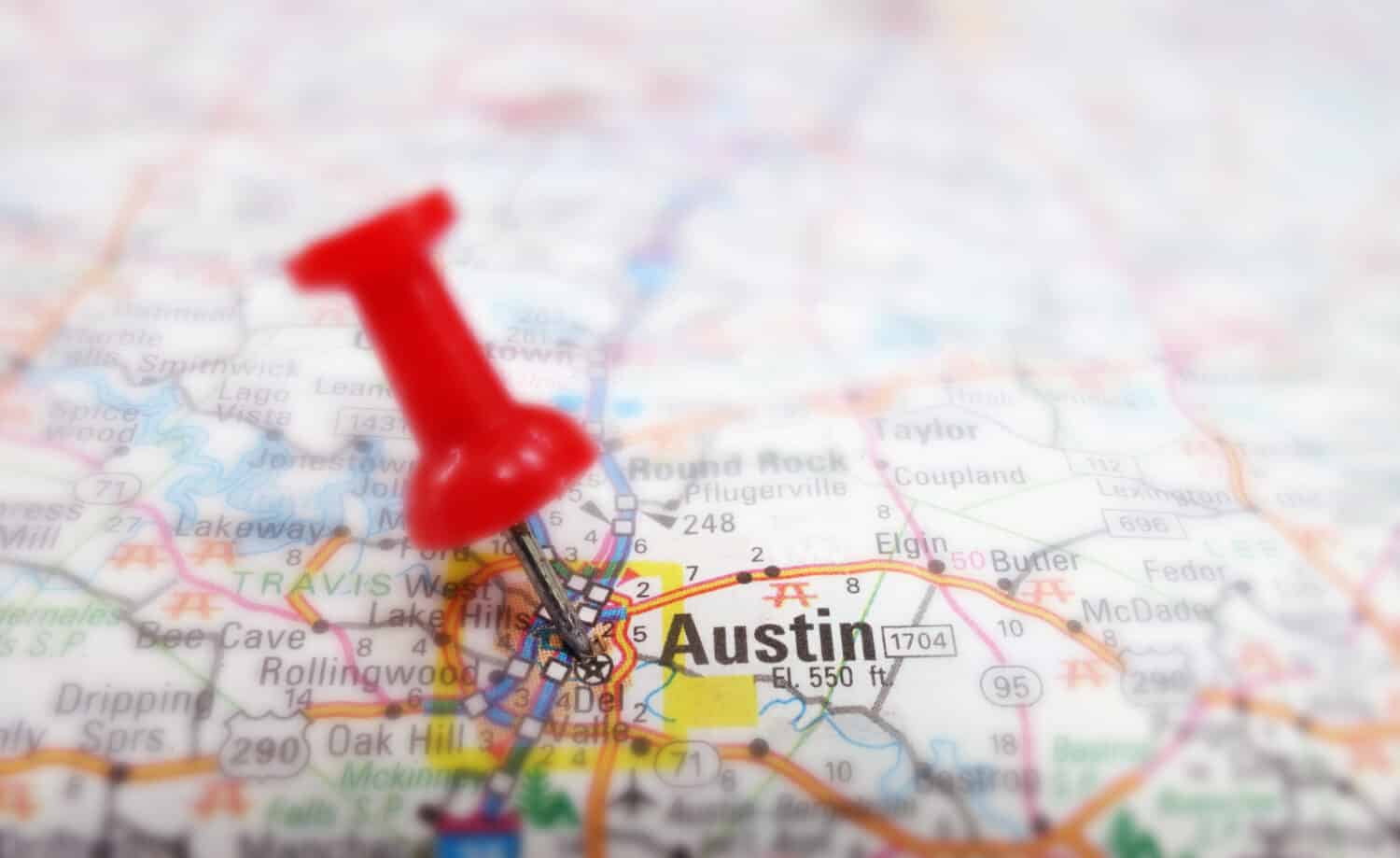
Texas showed just how extreme grassland wildfire can become in 2024. Texas A&M Forest Service and local departments responded to 5,187 wildfires that burned about 1.3 million acres that year. Seven Panhandle fires accounted for nearly 1.24 million acres, and the Smokehouse Creek Fire became the largest wildfire in state history. High winds, dry conditions, and continuous grass fuels helped the fires spread rapidly.
Texas Wildfire History
The East Amarillo Complex Fire burned about 907,000 acres in March 2006 and was long one of the benchmark fires in Texas wildfire history. It was surpassed in 2024 by the Smokehouse Creek Fire, which burned more than 1 million acres across the Texas Panhandle and Oklahoma and became the largest wildfire in Texas history. Investigators later linked the Smokehouse Creek ignition to a downed power line.
The 2011 Bastrop County Complex was smaller by acreage but far more destructive to homes. It burned roughly 34,000 acres, destroyed more than 1,500 residences, and killed two people. About 95% of Bastrop State Park was affected, leaving major damage across the Lost Pines ecosystem.
Alaska
Alaska's wildfire pattern is unlike most states. In 2025, 464 wildfires burned just over 1 million acres statewide. Lightning and other natural ignitions accounted for 251 of those fires but more than 1.005 million acres, while 210 human-caused fires burned fewer than 2,000 acres. That gap shows how remote lightning fires can grow very large even when human-caused fires are more common in populated areas.
More About Wildfires in Alaska
Alaska can post relatively modest fire counts while still ranking among the nation's leaders in acreage burned. In 2024, 377 fires burned about 667,000 acres statewide, according to NIFC figures; in 2025, the statewide total exceeded 1 million acres. Lightning is especially important because natural fires in remote parts of the state can spread across huge landscapes.
Alaska also does not try to put out every remote wildfire immediately. Fire managers use different protection levels based on threats to people, communities, infrastructure, and other values at risk. In less developed areas, allowing naturally caused fire to play its ecological role can be more practical than full suppression, while fires near populated areas receive a much more aggressive response.
Idaho
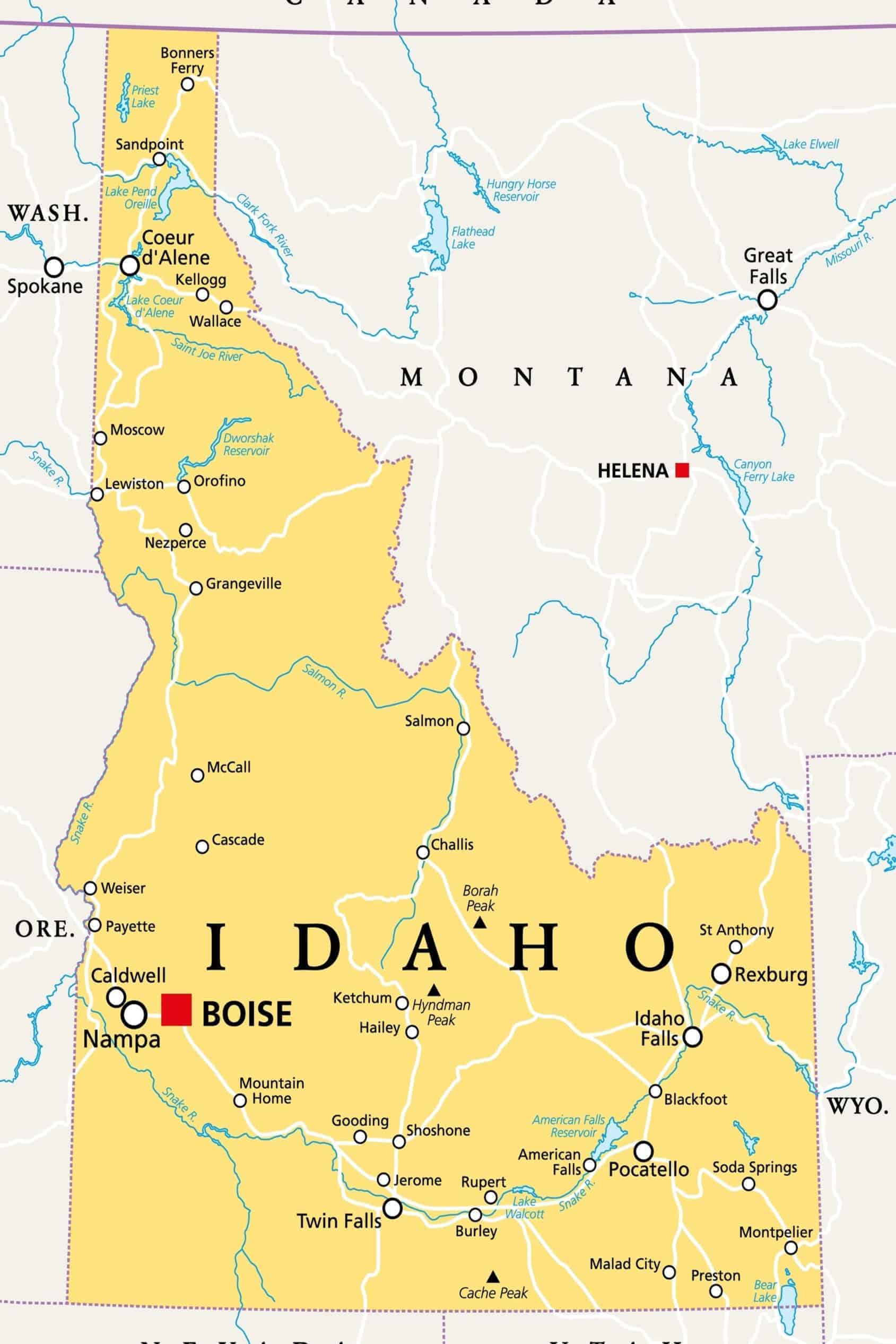
Idaho's forests and rangelands can support fast-moving fires from both lightning and human activity. On lands protected by the Idaho Department of Lands, 339 fires were reported in 2024, 17% above the 20-year average. The agency attributed 64% of those fires to human causes and 36% to lightning. Idaho officials have continued to expand fuel-reduction, detection, and response efforts as wildfire remains one of the state's biggest natural-resource challenges.
More About Wildfires in Idaho
Statewide data underline how severe a single Idaho fire season can become. NIFC reported 1,450 fires and nearly 997,000 acres burned in Idaho in 2024, the fourth-highest acreage total among states that year. Fire is a natural part of many Idaho ecosystems, but large, high-intensity fires can still threaten communities, watersheds, timber, and wildlife habitat.
Human ignitions remain a major prevention target. Idaho Department of Lands reported that 64% of the fires on lands it protected in 2024 were human-caused, with equipment and vehicles, debris burning, power generation, and campfires among the leading categories. That makes prevention especially important as more people live, work, and recreate near fire-prone landscapes.
California
California remains one of the nation's most wildfire-exposed states, but the scale changes dramatically from year to year. CAL FIRE recorded 8,232 wildfires and 507,817 acres burned in 2025, a year that also included the devastating January fires in Los Angeles County. As of Aug. 11, 2026, California had logged 4,536 wildland fires and 254,720 acres burned, below the five-year average for the same point in the year. Even in a quieter acreage year, California's large population in fire-prone areas means individual fires can be enormously destructive.
Arizona
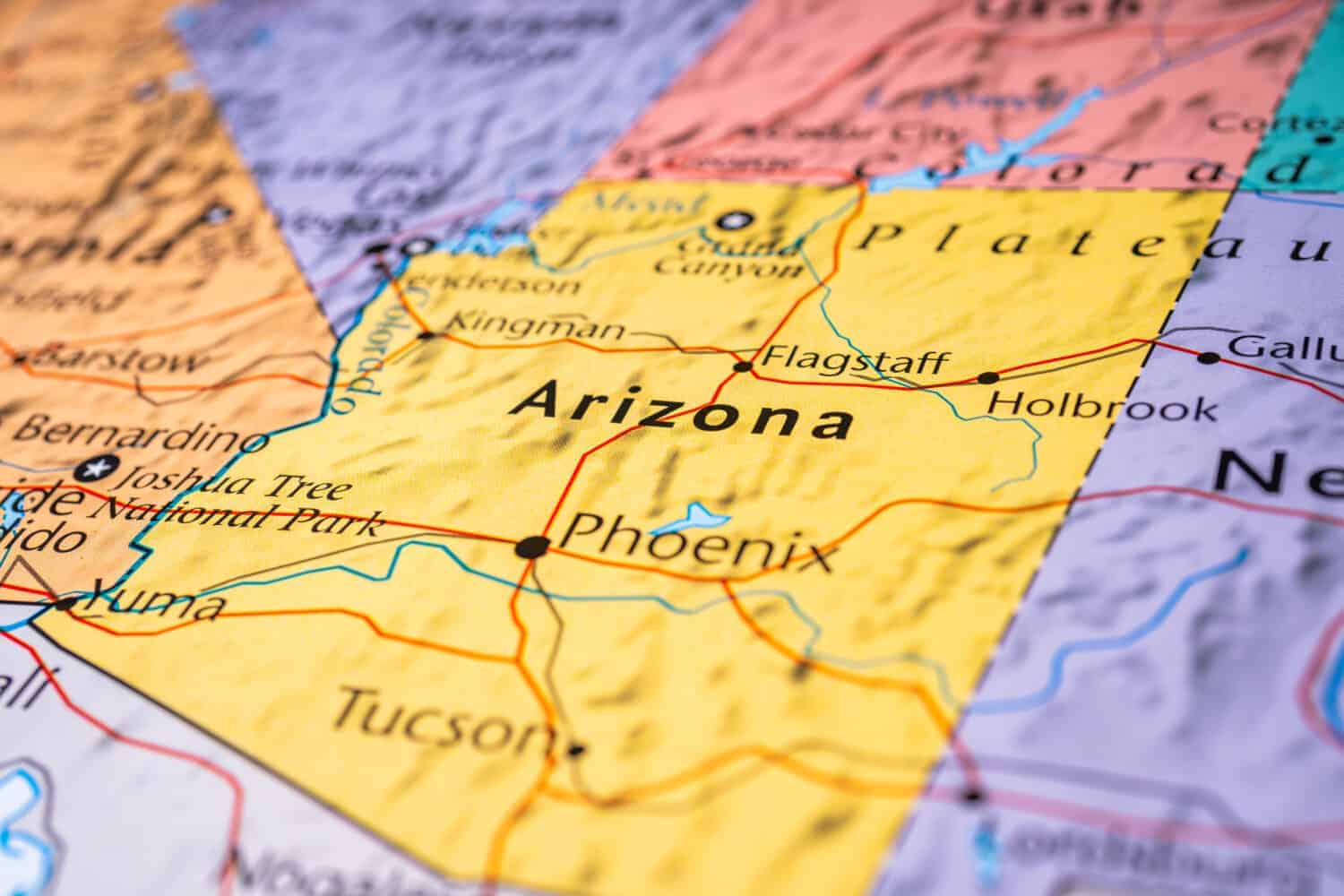
Arizona's fire agencies stress that wildfires can happen year-round. In 2024, 2,162 wildfires burned 282,507 acres across state, federal, and tribal lands, and more than 1,400 were determined to be human-caused. Vehicle problems, dragging trailer chains, debris burning, welding, and other spark-producing activities are all recurring ignition sources in the state's dry grasses and brush.
The annual total fell to 1,608 fires in 2025, but acreage rose to 331,629 acres, another reminder that fewer fires do not necessarily mean a less damaging season. Arizona officials also point to drought, invasive grasses, heavy fuel growth after wet periods, heat, and wind as factors that can make fires harder to contain.
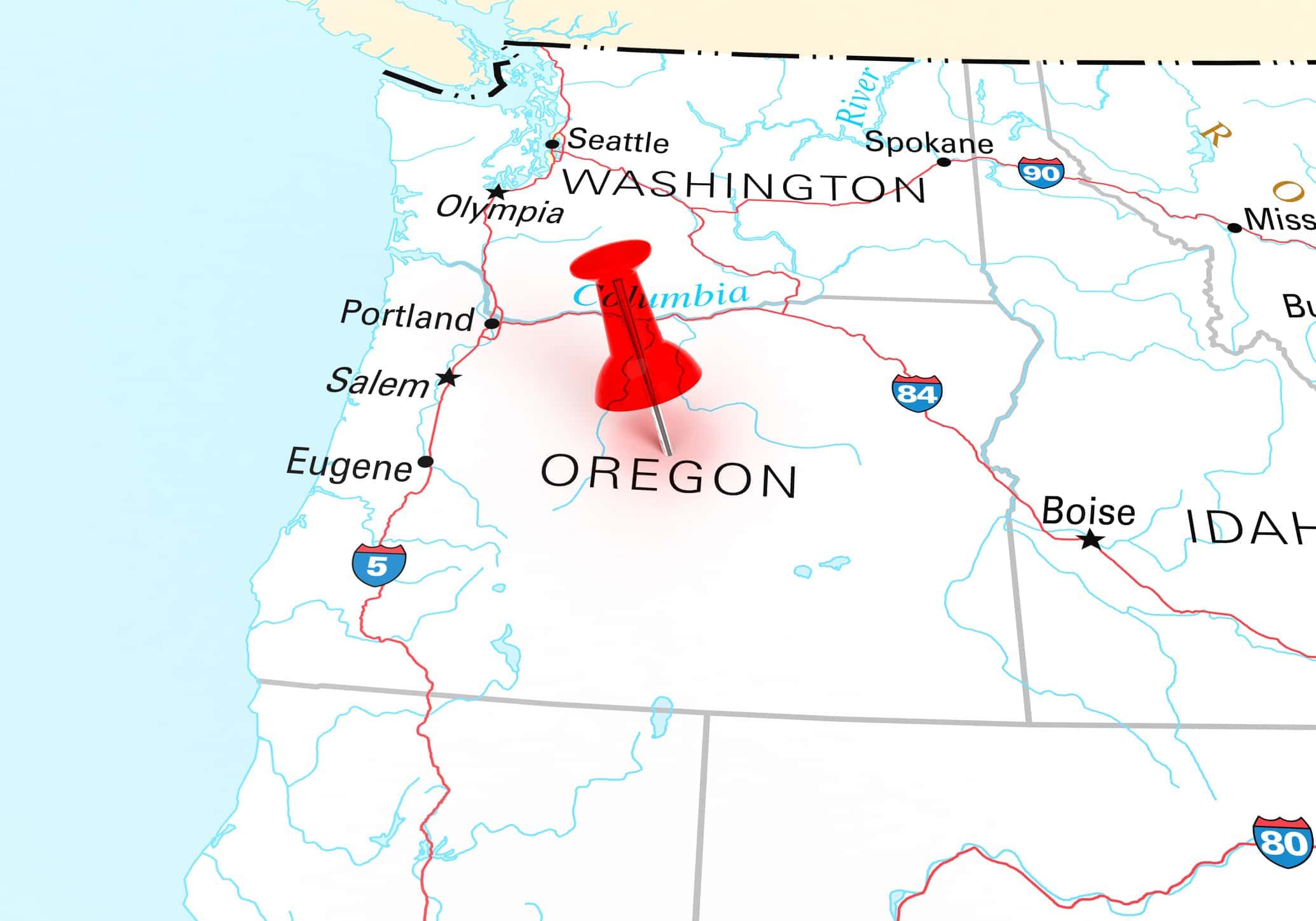
Oregon
Oregon's 2024 season was one of the most extreme in its modern history. More than 1.9 million acres burned statewide, the highest acreage total in Oregon's recorded fire history. On Oregon Department of Forestry-protected lands, human causes accounted for 767 of 1,005 fires reported through late October, while lightning ignited 238; dry lightning also helped drive hundreds of fires after repeated heat waves.
Oregon has a long record of major fires. The historic Tillamook Burn was a series of large fires beginning in 1933 and recurring through 1951, burning a combined 355,000 acres in what later became the Tillamook State Forest. More recently, 2024 produced several fires larger than 100,000 acres, including the Durkee Fire at roughly 294,000 acres, showing how dramatically a severe modern fire season can reshape statewide totals.
Colorado
Colorado's wildfire totals swing widely from year to year. NIFC reported 894 fires and about 60,500 acres burned in the state in 2024, well below some of Colorado's worst recent seasons. The risk, however, remains serious where drought, high temperatures, low humidity, strong winds, and dense or dry fuels overlap with growing communities in the wildland-urban interface.
The Marshall Fire remains a defining example. The December 2021 fire burned just over 6,000 acres and destroyed or damaged more than 1,000 homes and structures in Boulder County. Investigators later concluded that two separate ignitions merged: one came from a week-old residential burn that rekindled in extreme winds, and the other was most likely started by hot particles from arcing power lines. Two people died.
Washington
Washington's fire burden is concentrated heavily east of the Cascades, although western Washington is not immune. NIFC reported 1,806 fires and about 275,600 acres burned statewide in 2024. Washington DNR's own protected-land data counted 826 fires through Sept. 30 that year, with 513 on the east side and 313 on the west side.
One of Washington's landmark fires was the lightning-caused Carlton Complex in July 2014. The complex burned 256,108 acres in Okanogan County and destroyed 353 homes, becoming the largest fire in state history at the time. The following 2015 season went on to burn more than 1.1 million acres statewide, demonstrating how quickly Washington's fire totals can swing from one year to the next.
Montana
Montana regularly experiences a substantial wildfire load. NIFC reported 2,323 wildfires and about 352,500 acres burned in the state in 2024, putting Montana among the top 10 states that year for both number of fires and acreage. Lightning is a major natural ignition source, but human activity also starts many fires, particularly during the hot, dry, windy part of summer.
The Lodgepole Complex Fire burned about 270,000 acres in eastern Montana in 2017 after lightning ignitions. But the state's most famous wildfire disaster remains the Great Fire of 1910, or Big Burn, which swept across roughly 3 million acres of Idaho and Montana. The fire killed more than 80 people, including 78 firefighters, and helped reshape federal wildfire policy for decades.
New Mexico
New Mexico's combination of dry forests and grasslands, drought, low humidity, and strong winds can produce dangerous fire behavior from both lightning and human-caused ignitions. NIFC reported 823 wildfires and about 82,500 acres burned in the state in 2024. Those totals were far below 2022, when multiple major fires pushed the state into one of its most destructive wildfire years.
The Hermits Peak/Calf Canyon Fire remains the largest wildfire in New Mexico history. The two fires merged in 2022 and ultimately burned about 341,735 acres. Both were tied to U.S. Forest Service prescribed-fire operations: Hermits Peak escaped from a prescribed burn, while Calf Canyon was traced to a pile burn that had smoldered underground and reemerged months later. The disaster prompted federal reviews and changes to prescribed-fire practices.
Conclusion
Wildfire risk is not as simple as counting how many fires a state has. California and Texas can see thousands of ignitions, while Alaska can burn enormous acreage from a few hundred fires. Weather, drought, vegetation, fuel buildup, topography, lightning, and human activity all influence how quickly a fire spreads and how much damage it causes. Climate change is increasing the likelihood of larger and more severe fires across much of the western United States, but it is one factor among several.
For people living in or traveling through fire-prone areas, the most useful steps are practical ones: follow local restrictions, avoid activities that throw sparks on hot and windy days, fully extinguish campfires, keep vehicles and tow chains maintained, and create defensible space around homes where recommended. Wildfire is a natural part of many landscapes, but many dangerous ignitions and losses can still be prevented.