BernardBreton/iStock.com
OMP.stock/Shutterstock.com
Graphics Illuminate/Shutterstock.com
Vladimir Wrangel/Shutterstock.com
wrangel / iStock via Getty Images
Enrique Ramos/Shutterstock.com
David A Jahn / BY-SA 2.0
Iudex/iStock.com
berniedup / BY-SA 2.0
Elena Pochesneva/ via Getty Images
Bilby Summerhill / BY 2.0
BernardBreton/iStock.com
vladsilver/Shutterstock.com
Michael Potter11/Shutterstock.com
Henk Bogaard / Shutterstock.com

7 Animals With Real-Life Superpowers That Sound Made Up
Nature has produced some abilities that would sound ridiculous if we hadn't actually watched animals use them. There are fish capable of generating hundreds of volts of electricity, birds that can dive more than 1,800 feet below the ocean's surface, and insects strong enough to pull more than 1,000 times their own body weight.
None of these animals are superheroes, obviously, but their real-life adaptations come surprisingly close. From color-changing reptiles to inflatable fish, here are seven animals with abilities that seem like they belong in a comic book.
1. Chameleons
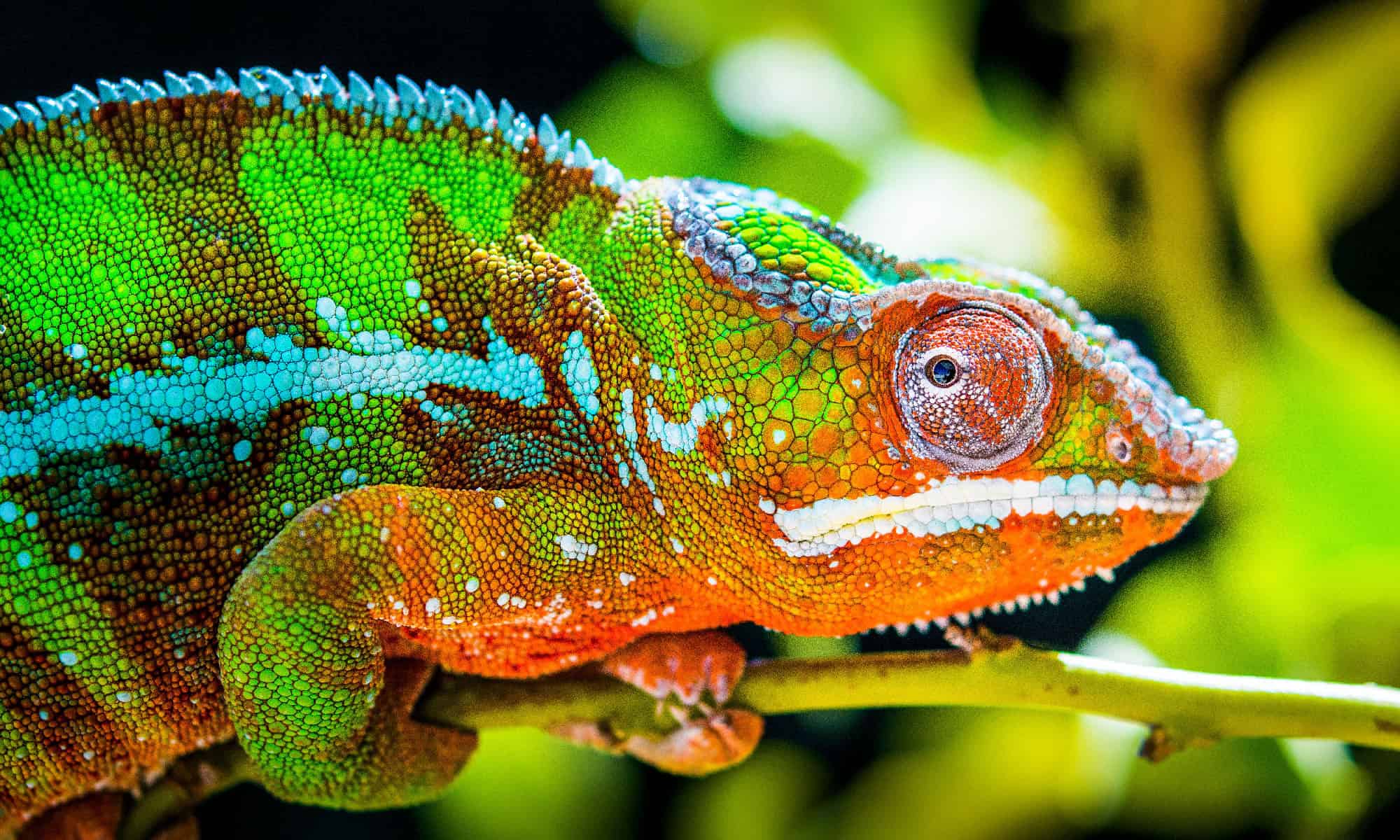
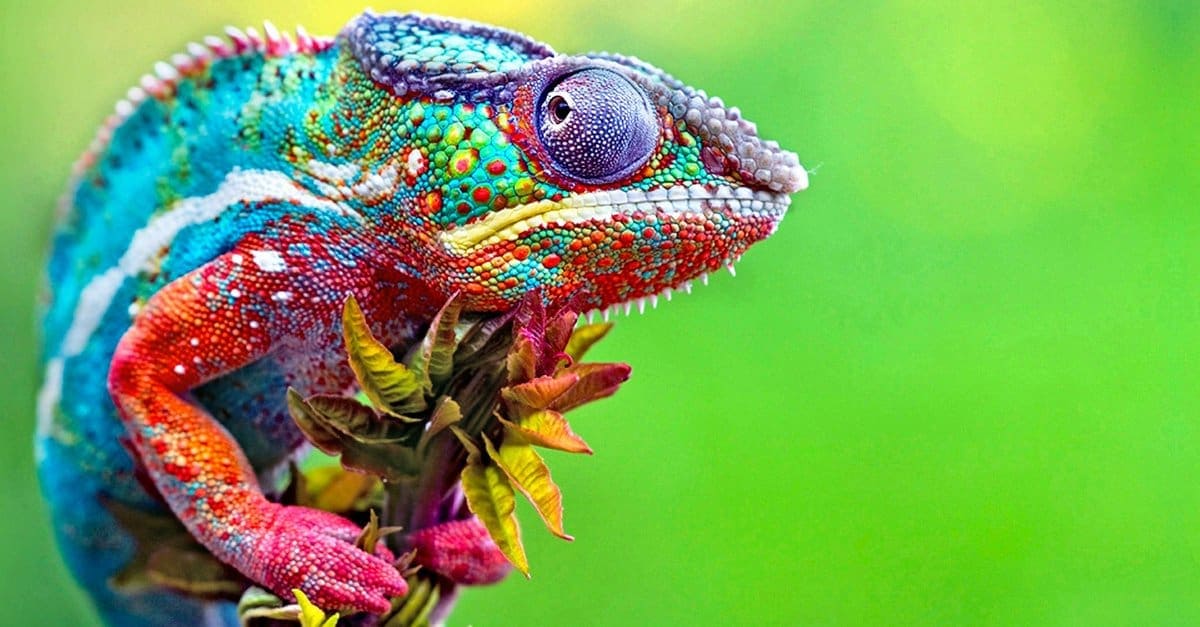
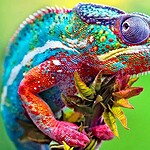
Chameleons are famous for changing color, but the trick is more complicated than simply matching whatever background happens to be behind them. Different species use color changes for a combination of communication, camouflage and thermoregulation. In panther chameleons, males can rapidly shift colors during courtship or confrontations with rivals.
Chameleons (continued)
The science behind the display is impressive on its own. Research has shown that panther chameleons can alter the spacing between tiny guanine nanocrystals in specialized skin cells called iridophores, changing which wavelengths of light are reflected. Their coloration can also help manage heat, with darker and lighter appearances affecting how much energy the animal absorbs or reflects.
2. Electric Eels
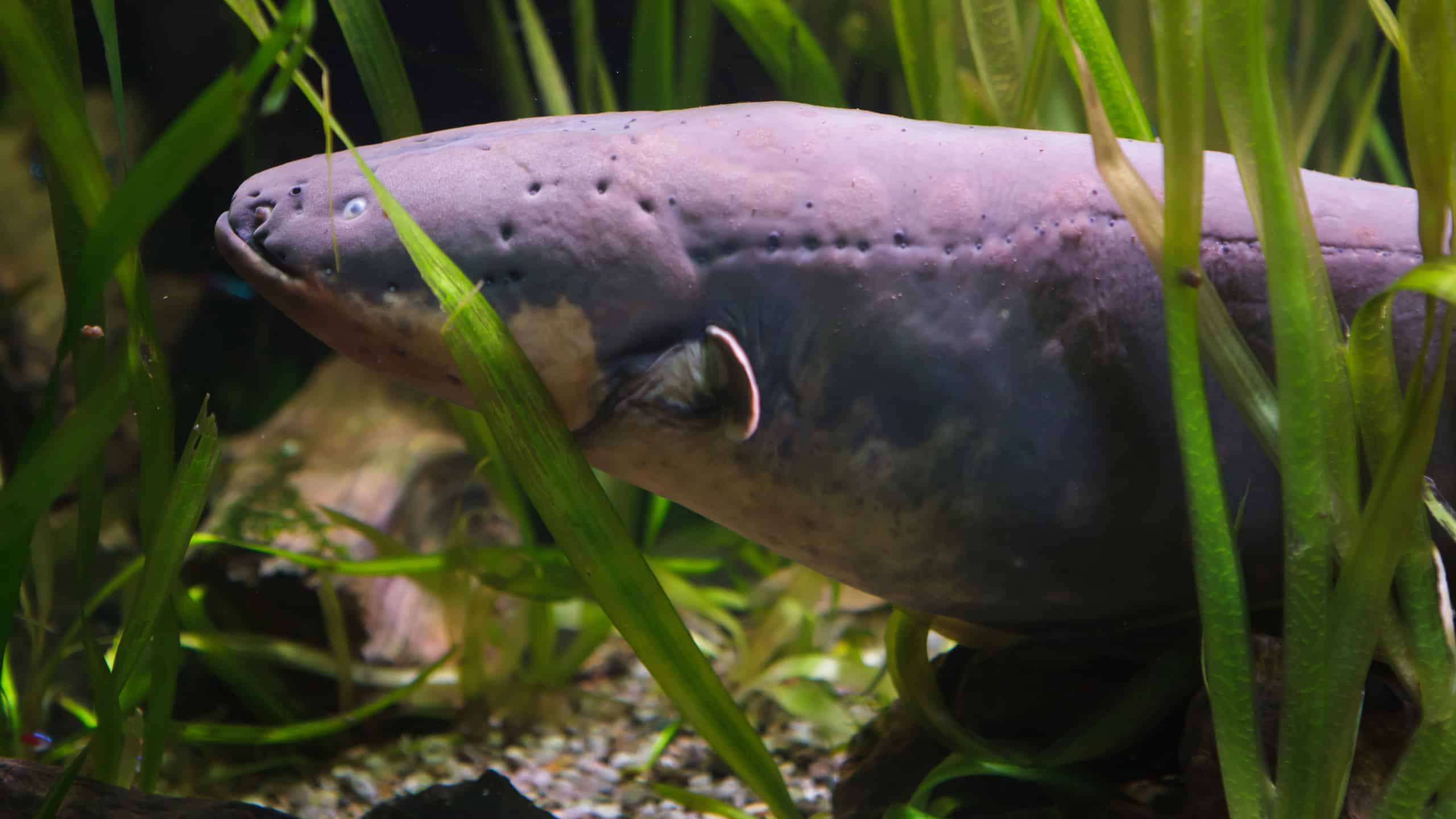
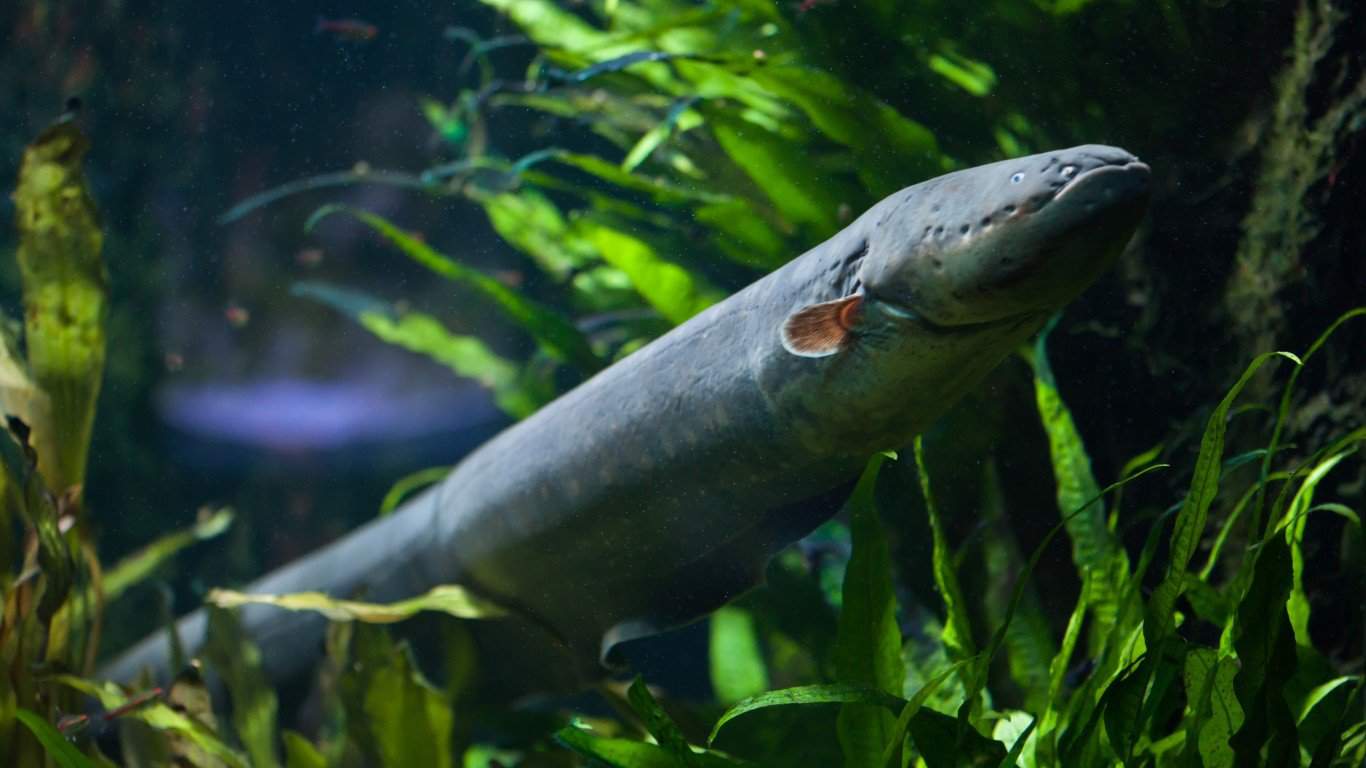
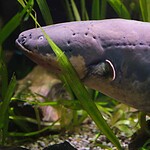
Electric eels have a superpower that requires very little exaggeration. These South American fish generate electricity using specialized organs packed with thousands of electrocytes, cells that work together somewhat like the individual units in a battery.
Electric Eels (continued)
Different electric eel species produce different maximum discharges. Scientists recorded 860 volts from Electrophorus voltai, the strongest bioelectric discharge yet documented from a living animal. Electric eels use powerful pulses to stun prey and defend themselves, while weaker electrical signals help with navigation and communication in the dark, murky waters where they live.
3. False Coral Snakes
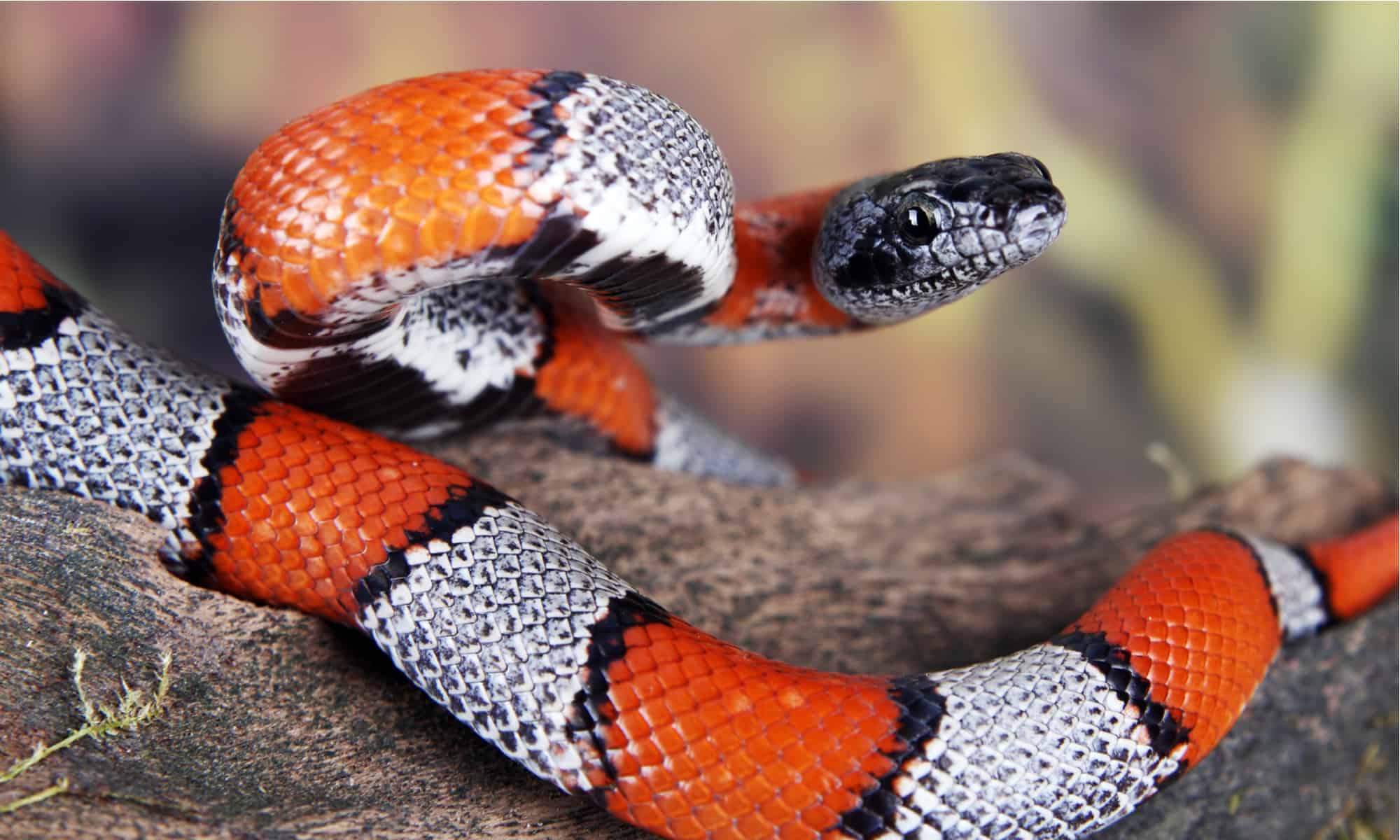
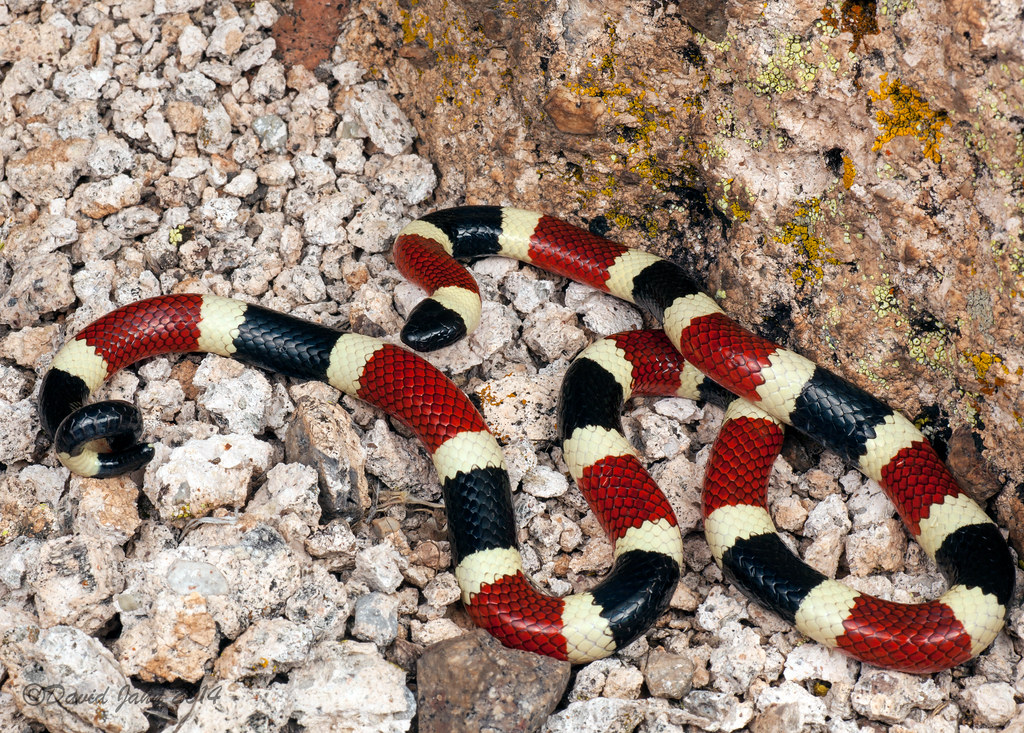
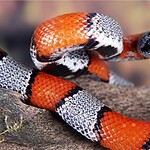
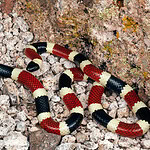
Sometimes the best defense is convincing everyone that you're considerably more dangerous than you really are. That's the strategy behind many snakes commonly called false coral snakes. Their bright red, black and yellow or white patterns resemble those of highly venomous New World coral snakes.
False Coral Snakes (continued)
the term "false coral snake" actually applies to a number of different species, so it is misleading to describe all of them as completely nonvenomous. Some are harmless, while others possess mild venom that is very different from the medically significant venom of true coral snakes. What many share is the visual resemblance. Research supports the idea that this coral-snake-like coloration can discourage predators from attacking, giving the look-alikes an impressive defensive advantage before a fight even begins.
4. Porcupinefish
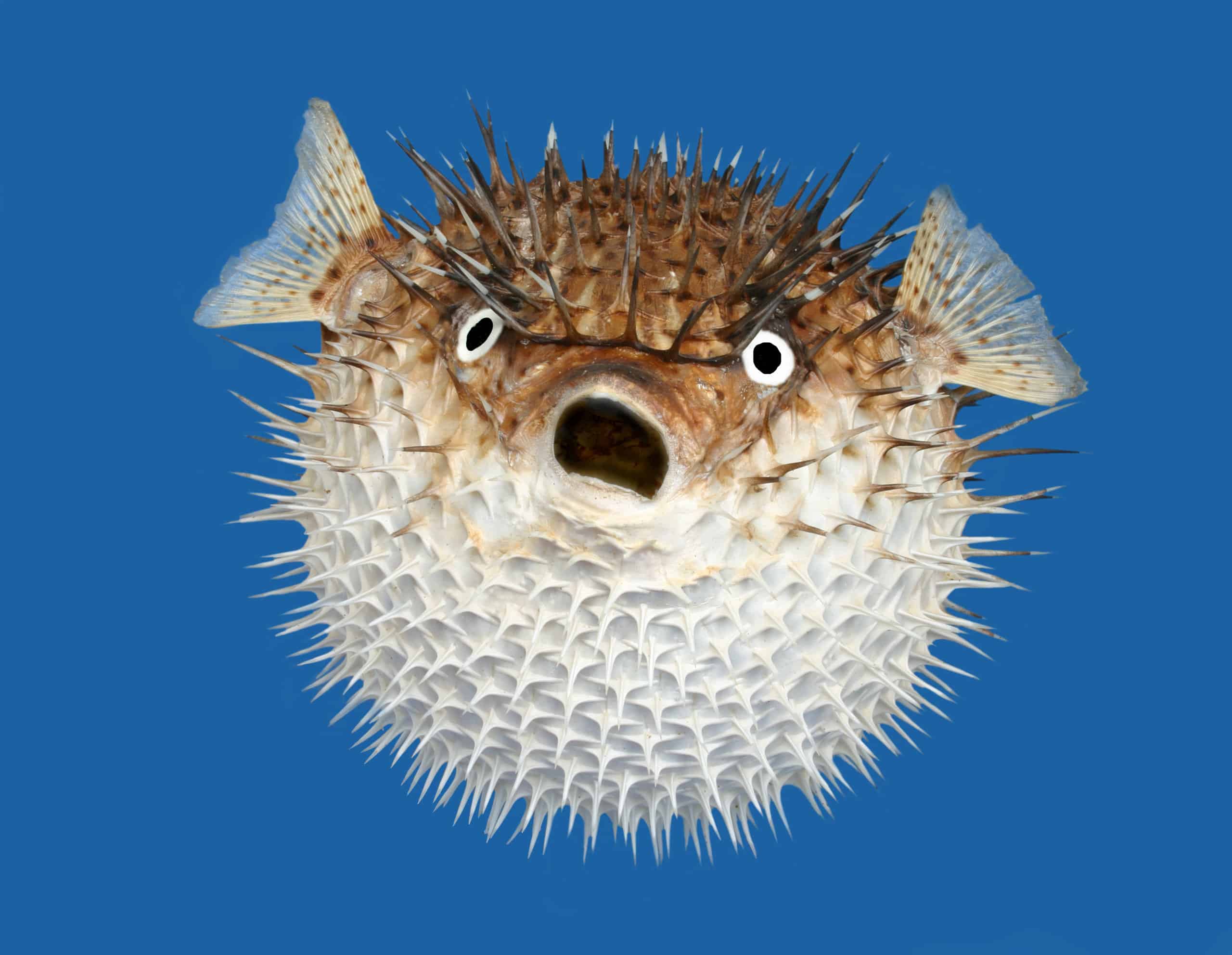
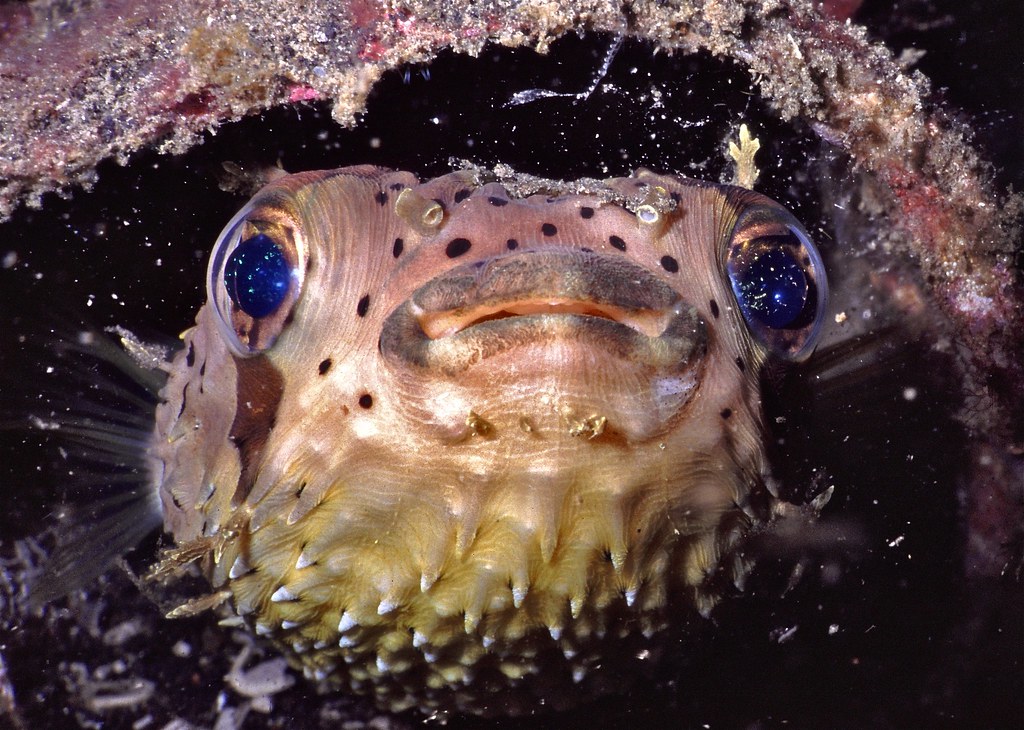
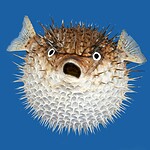
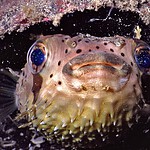
Porcupinefish have one of nature's more dramatic emergency modes. When threatened, they swallow water and inflate their bodies, making themselves much harder for a predator to swallow. At the same time, the long spines covering the fish become far more prominent, turning what looked like a potential meal into a prickly problem.
Porcupinefish
Porcupinefish are closely related to pufferfish, but they belong to a separate family, Diodontidae. Species such as the spot-fin porcupinefish can grow to roughly three feet long even before inflation enters the equation. They are found mainly in tropical and subtropical seas and commonly feed on hard-shelled animals such as sea urchins, snails and other mollusks using powerful, beak-like jaws.
5. Kangaroos
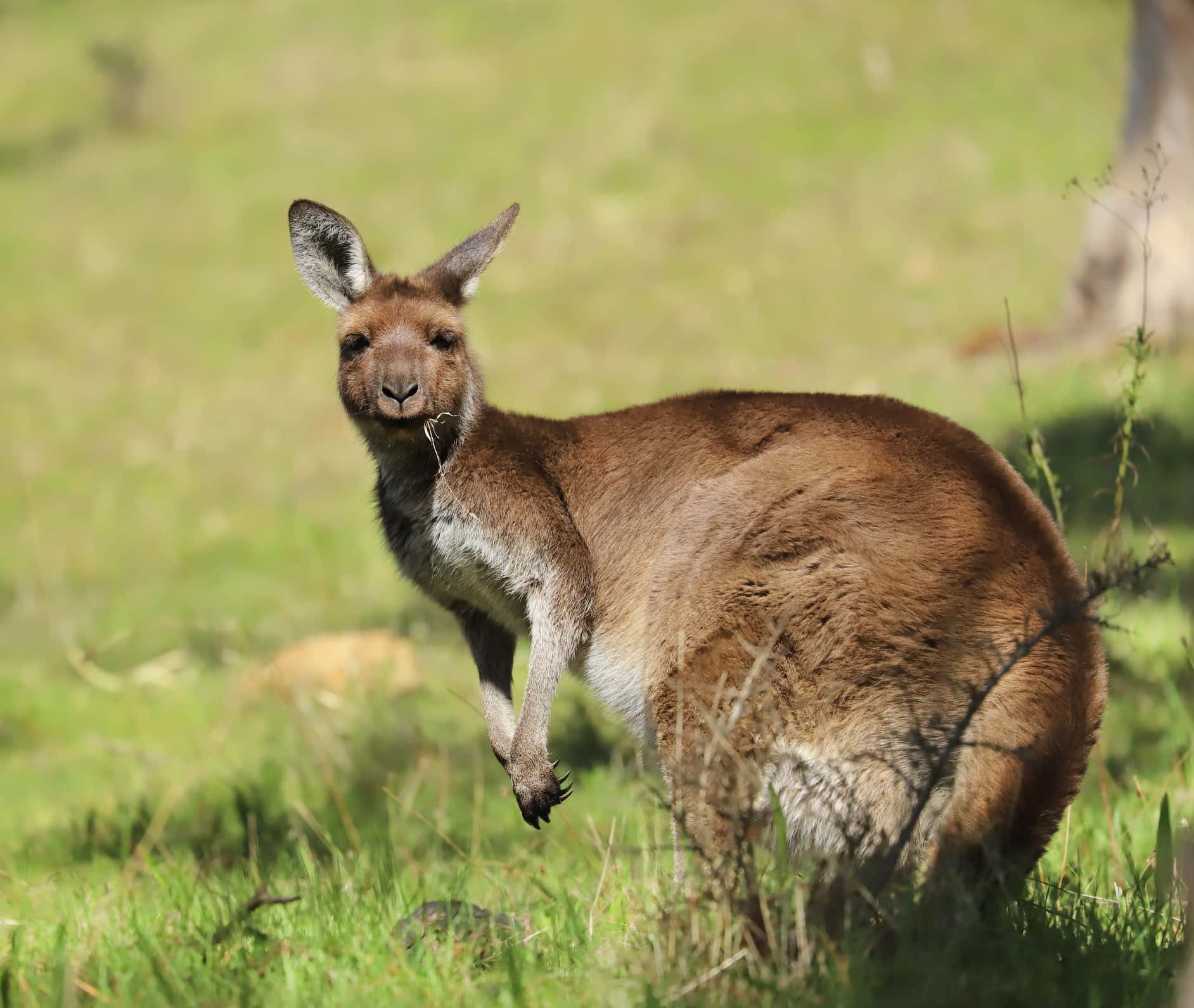
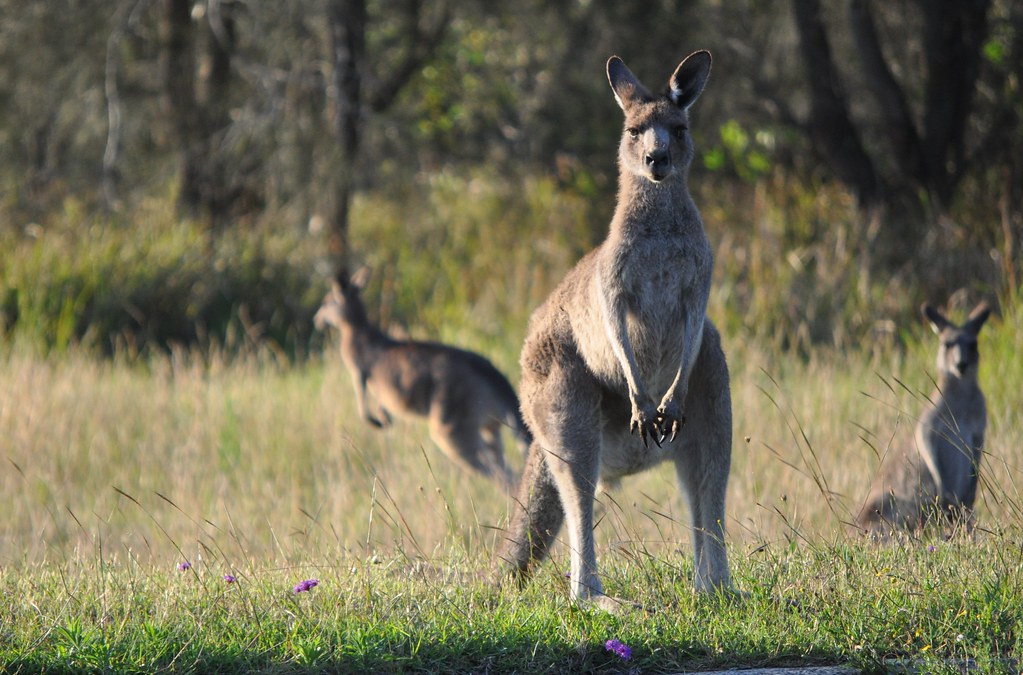
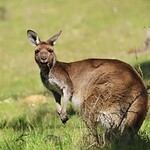
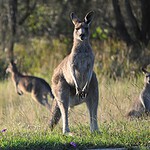
Kangaroos don't need flight to cover an impressive amount of ground. Large species such as red and western gray kangaroos can bound more than 25 feet in a single hop when moving quickly, and speeds above 30 mph are possible over short distances.
Those giant hind legs aren't used to chase prey, since kangaroos are herbivores. They are built for efficient movement and can also become formidable weapons. Male kangaroos spar over access to females by grappling with their forelimbs and balancing on their muscular tails while delivering powerful kicks with their hind legs. Calling it "boxing" undersells what is actually going on.
Kangaroo (continued)
Those giant hind legs aren't used to chase prey, since kangaroos are herbivores. They are built for efficient movement and can also become formidable weapons. Male kangaroos spar over access to females by grappling with their forelimbs and balancing on their muscular tails while delivering powerful kicks with their hind legs. Calling it "boxing" undersells what is actually going on.
6. Emperor Penguins
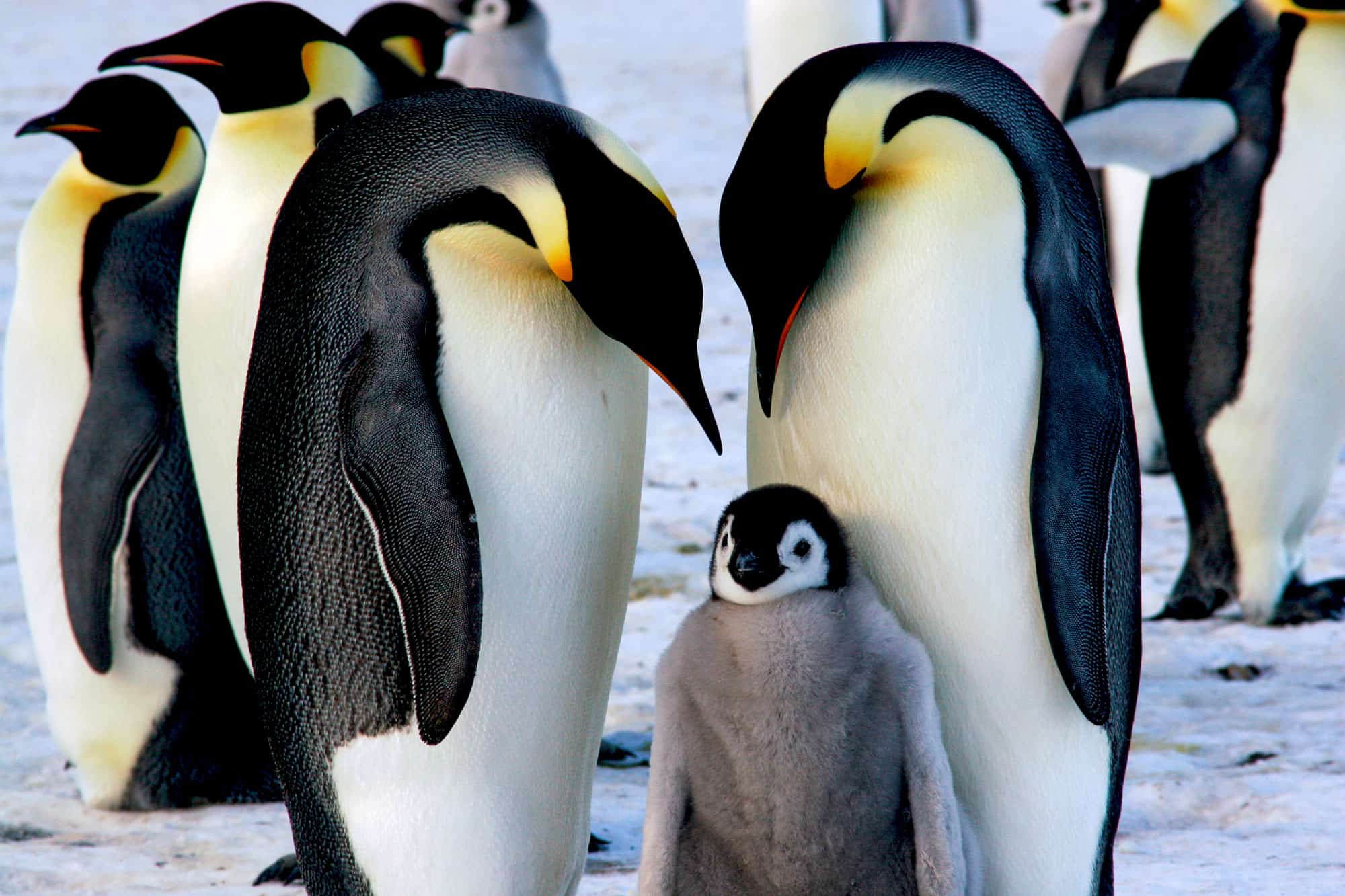
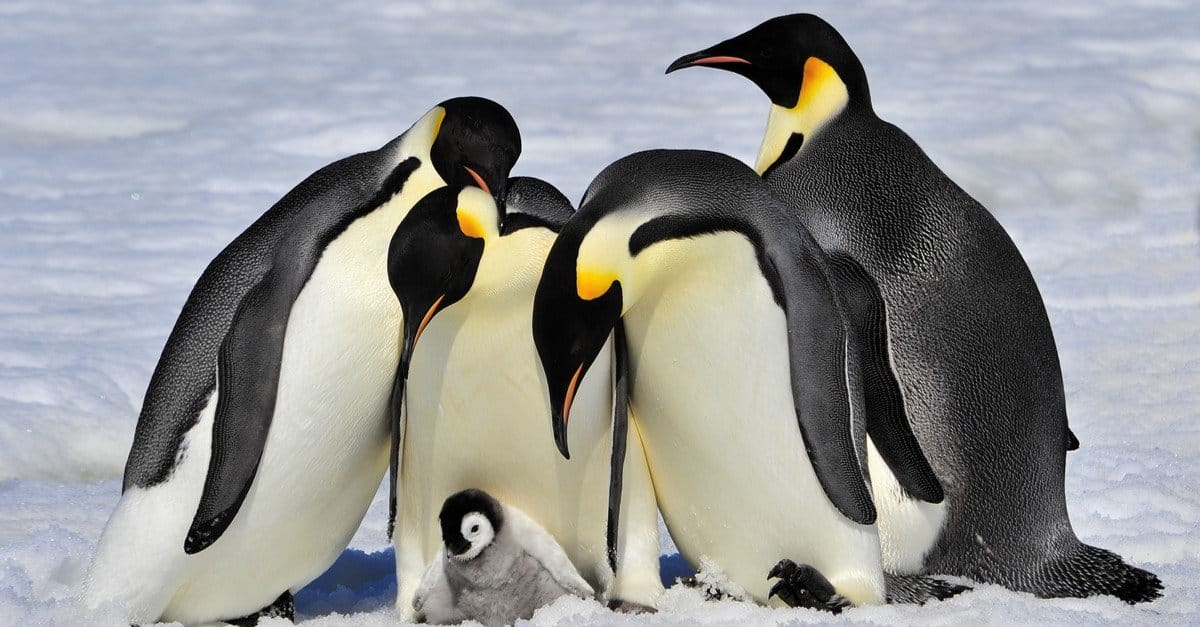
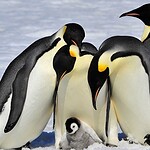
Emperor penguins may look a little awkward waddling across Antarctic ice, but put them in the ocean and everything changes. They are the deepest-diving birds known to science. A documented emperor penguin dive reached roughly 565 meters, or about 1,850 feet below the surface.
Emperor Penguin (continued)
They're also capable of staying submerged for an extraordinary amount of time. Most feeding dives last only a few minutes, but researchers have recorded an emperor penguin remaining underwater for 32.2 minutes. These birds accomplish those dives on a single breath, using physiological adaptations that conserve oxygen while they hunt fish, squid and krill in frigid Antarctic waters.
7. Dung Beetles
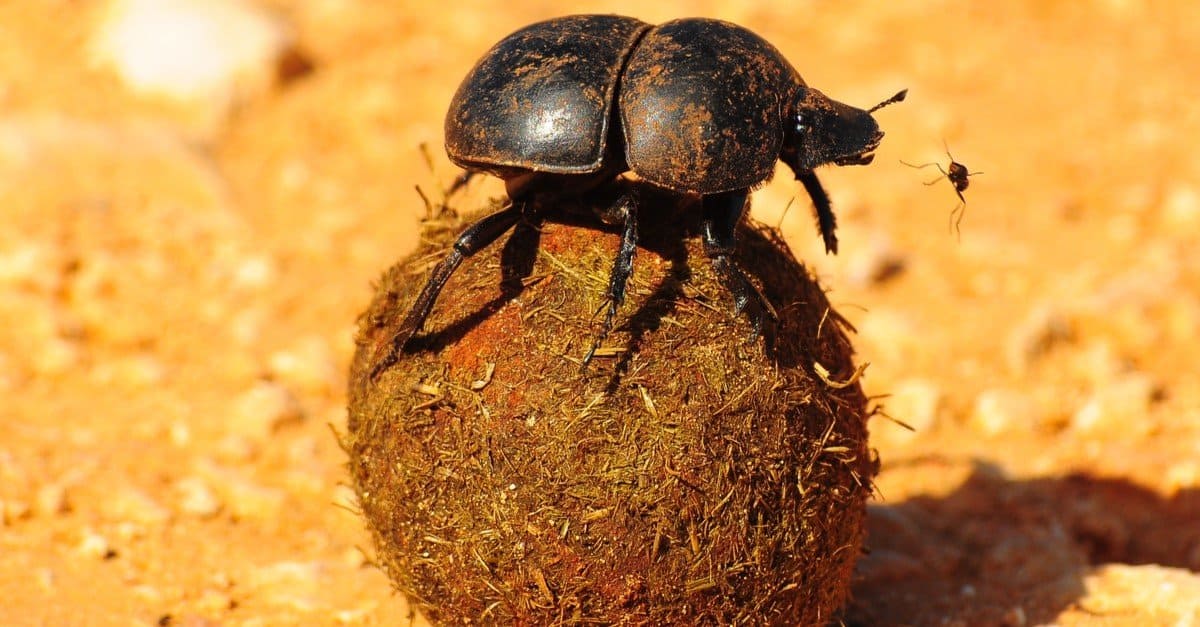
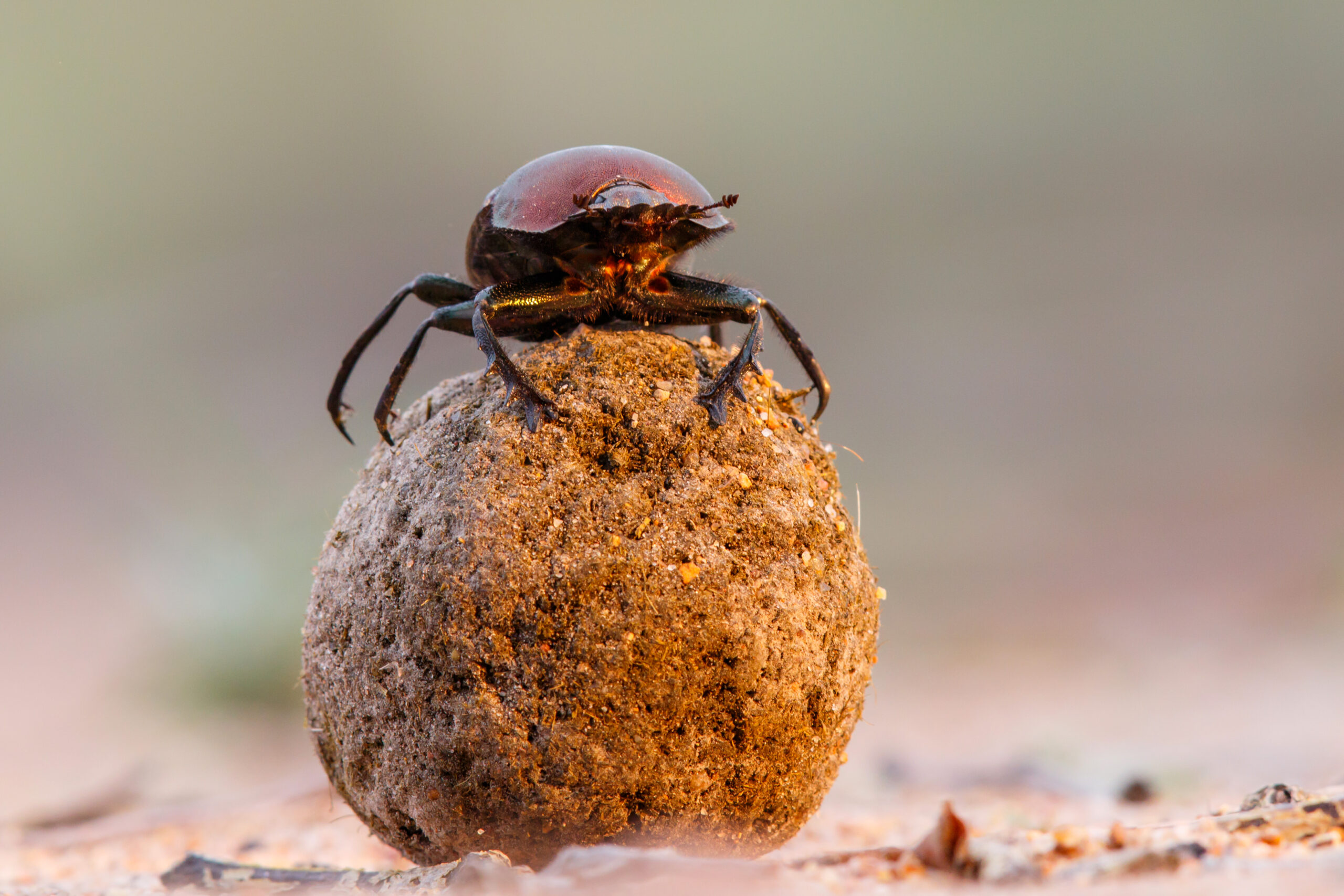
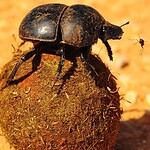
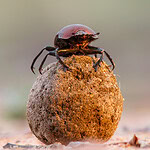
You don't need to be big to qualify for this list. One particular dung beetle, Onthophagus taurus, has been measured pulling an astonishing 1,141 times its own body weight. Scaled up to human proportions, that's roughly equivalent to a person dragging several fully loaded double-decker buses.
Dung Beetle (continued)
That figure describes pulling strength rather than a beetle routinely rolling a ball of dung 1,000 times its weight. Rollers typically transport much smaller loads, although those can still be enormous relative to the beetle. Dung beetles also vary greatly in size. Some species measure only a few millimeters, while the largest members of the group can approach 70 millimeters, or roughly 2.75 inches, in length. Depending on the species, they may roll dung into balls, bury it beneath a pile or simply live inside it.