Harry Collins Photography/Shutterstock.com
Michal_K/Shutterstock.com
Leonid Andronov / Shutterstock.com
Gerald G Gantar/iStock.com
smodj
David Osborn/Shutterstock.com
Loco Steve / BY 2.0
Mike Casella/iStock / Getty Images Plus via Getty Images
Oleg Kovtun Hydrobio / Shutterstock.com
Alif Mauladani 17 / Shutterstock.com
Keiki/Shutterstock.com
Layne V. Naylor / Shutterstock.com
Anthony Quintano / BY 2.0

12 U.S. States Where You Can Legally Hunt Moose in 2026
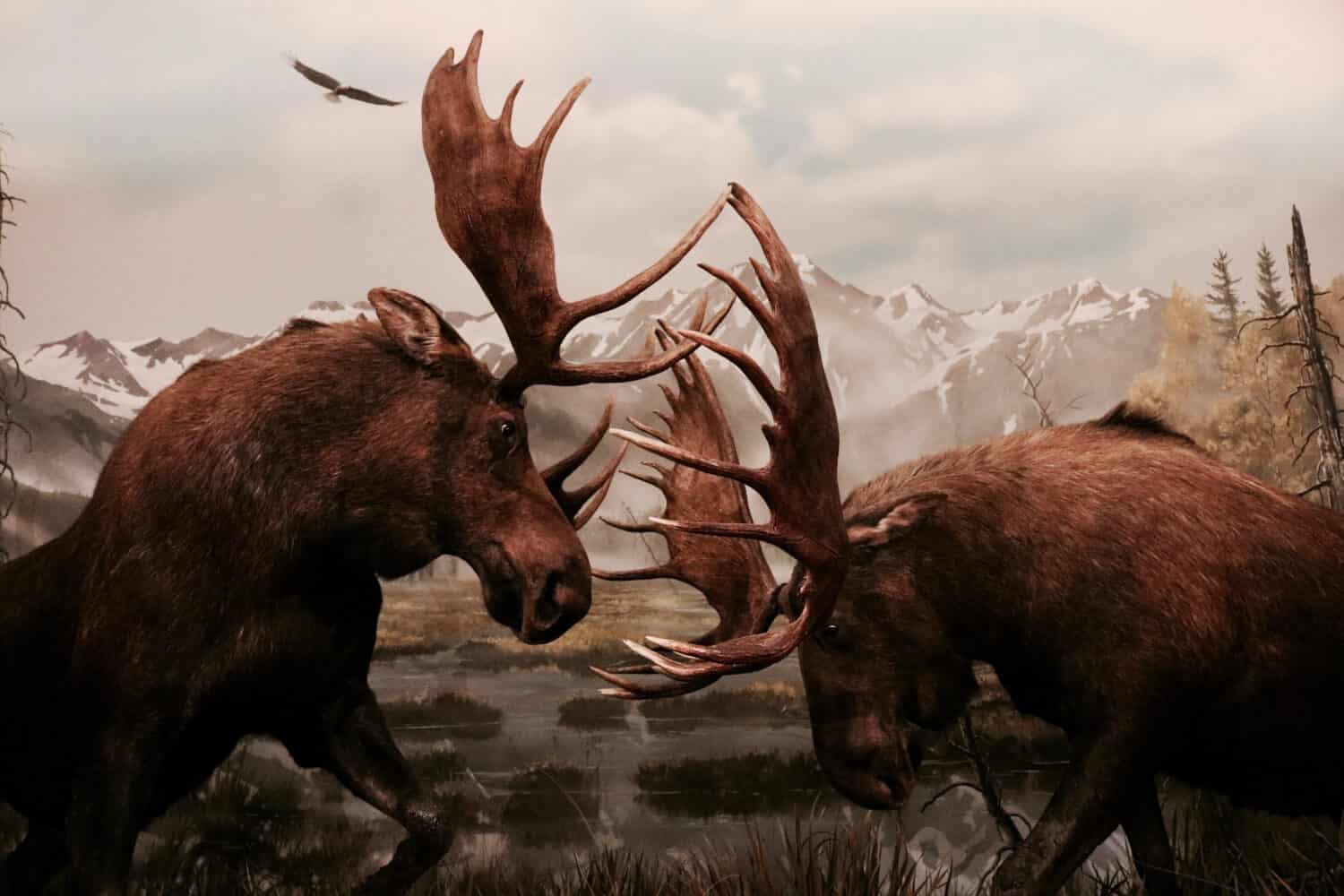
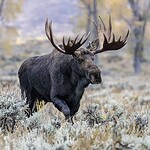
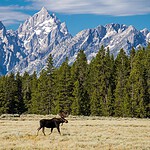
Moose hunting is legal in 12 U.S. states in 2026, but “legal” definitely does not mean easy. Alaska offers the widest range of opportunities, including some general-season hunts, while most states rely on lotteries, controlled hunts, or extremely limited special permits. In a few places, the odds of drawing a tag can make the hunt itself seem like the easy part.
Moose regulations can change from one season to the next, and the details are often tied to a specific hunt area. Permit numbers, boundaries, legal animals, weapon rules, season dates, residency requirements, and reporting rules can all vary. Outside of some Alaska hunts, this generally is not a species where you can simply buy a tag and head into the woods. Always check the current regulations from the state wildlife agency before spending money on travel, lodging, guides, or equipment.
Alaska
Alaska is in a category of its own when it comes to moose hunting. The Alaska-Yukon moose is the largest recognized moose subspecies, and the state offers far more hunting opportunities than anywhere else in the country. Depending on the Game Management Unit, hunters may encounter general-season harvest tickets, registration hunts, drawing permits, targeted hunts, or subsistence opportunities.
That variety also means there is no single set of statewide rules you can rely on. Some hunts are open to residents and nonresidents, while others are restricted to Alaska residents. Legal animals may range from any bull to animals meeting specific antler-width or brow-tine requirements. Season dates also vary significantly by unit. Alaska gives hunters more options than the Lower 48, but it also makes reading the regulations especially important.
Maine
Maine is home to the largest moose population in the Lower 48, but getting permission to hunt one takes some luck. The state issued 3,705 permits through its 2026 moose lottery. Maine also distributes limited opportunities through its annual permit auction and a small allocation for qualifying hunting lodges.
Statewide, at least 90% of permits are reserved for Maine residents, with up to 8% going to nonresidents and up to 2% to qualifying hunting lodges. Lottery applicants choose Wildlife Management Districts, seasons, and permit preferences. A permit holder can designate a subpermittee, although the permit still carries a combined bag limit of one moose. Winning also comes with a cooldown period. Anyone who has held a Maine moose permit within the previous three years is generally not eligible to receive another one.
New Hampshire
New Hampshire's moose hunt is short, tightly controlled, and extremely competitive. The 2026 season runs for nine consecutive days, from October 17 through October 25. The state issued 33 permits through its computerized lottery, with two additional charitable permits associated with the Wildlife Heritage Foundation and Dream Hunt Program.
Lottery winners are assigned to specific Wildlife Management Units, and New Hampshire uses a bonus-point system that improves an applicant's chances after consecutive unsuccessful years. More than 5,900 people entered the 2026 drawing for those 33 lottery permits, which gives you some idea of the demand. After a successful hunt, the animal must be registered and inspected so state biologists can collect health and population data.
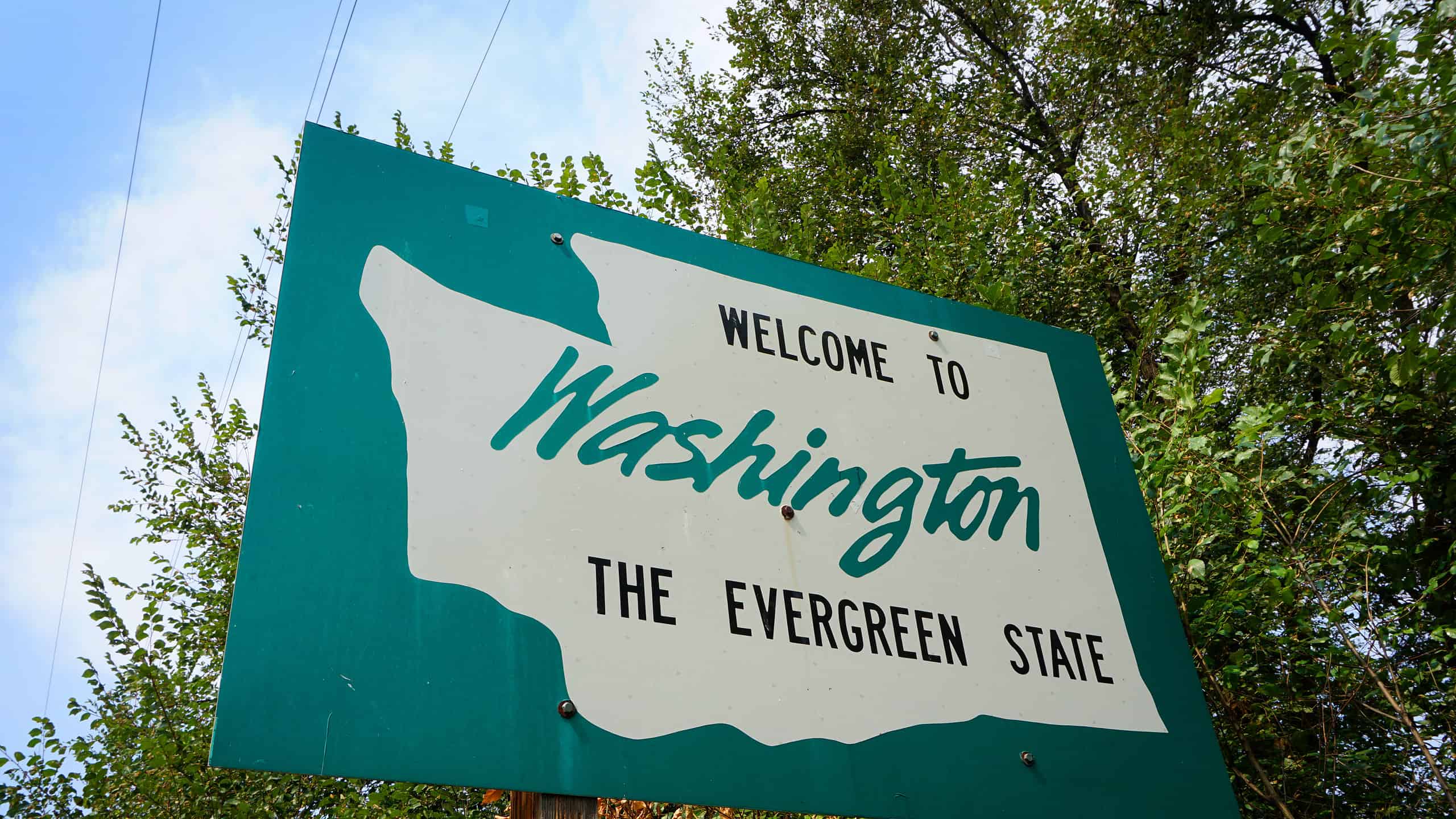
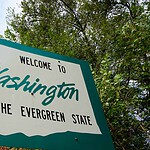
Washington
Washington does not have a general moose season. Hunting is allowed through a limited number of special permits, with most opportunities concentrated in northeastern Washington. The state offers categories for antlered bulls, antlerless moose, and certain youth, senior, disabled, and Master Hunter applicants.
One important wrinkle is that hunters do not have to purchase the moose hunting license before submitting a special-permit application. If selected, they must then buy the required license within the deadline set by the Washington Department of Fish and Wildlife. The antlered-bull opportunity carries a lifetime restriction, while antlerless categories follow different eligibility rules. Demand greatly exceeds the number of permits available, so drawing one is an achievement before the hunt even begins.
Idaho
Idaho manages moose almost entirely through controlled hunts. Hunters first need an Idaho hunting license and then apply for a limited moose tag tied to a specific hunt area. Unlike most once-in-a-lifetime systems, Idaho separates antlered and antlerless moose when determining a hunter's lifetime limit.
Under Idaho's rules, a person may harvest one antlered moose and one antlerless moose during their lifetime. There are exceptions. Super Hunt winners and hunters who obtain qualifying leftover tags can hunt regardless of a previous Idaho moose harvest. If controlled-hunt tags go unclaimed, the state may also make them available through a later application period. Moose numbers differ substantially across Idaho, so tag levels and hunting opportunities vary by area.
Montana
Montana offers moose licenses through a special drawing, with permits assigned to individual hunting districts and legal-animal categories. Residents can apply for available moose licenses, while nonresident participation is limited. Across Montana's special drawings, nonresidents are generally capped at no more than 10% of the available quota, although the exact allocation can vary with permit numbers and drawing rules.
Drawing a regular Montana moose license also carries a major consequence for future applications. A successful applicant cannot apply for or receive another regular moose license for the next seven years. Montana's SuperTag program is an exception to that waiting period and provides a separate lottery opportunity. With relatively few licenses and plenty of applicants, most Montana moose hunts remain difficult draws even before hunters start worrying about where to find the animal.
Wyoming
Wyoming issues moose licenses according to hunt area, season, and sex restrictions, with residents and nonresidents competing in separate allocations. State law directs 90% of available moose licenses to residents and 10% to nonresidents. Bull and any-moose licenses are generally much more difficult to draw than antlerless opportunities in many areas.
Wyoming also distinguishes between its main license types. A Type 1 moose license is once in a lifetime. Hunters who receive a Type 4 antlerless license face a five-year wait before they can receive another Type 4 license. Both residents and nonresidents can build moose preference points, which improve their position in the draw, although Wyoming also reserves a portion of licenses for a random drawing. So yes, years of points help, but they do not turn a coveted bull tag into a sure thing.
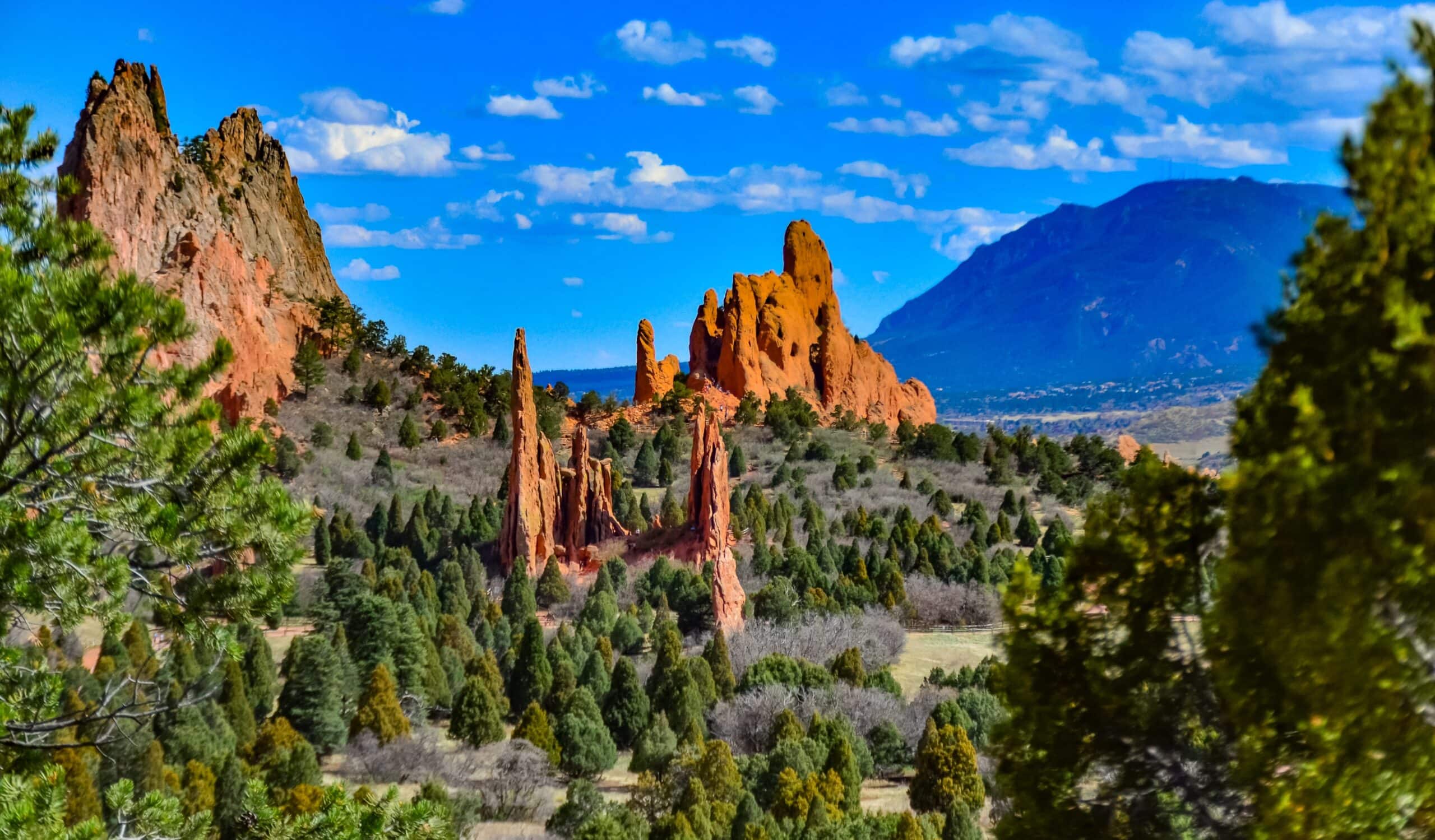
Colorado
Colorado has become a major moose state despite not having an established breeding population when wildlife officials began a reintroduction program in the late 1970s. The first 24 animals were transplanted to North Park in 1978, followed by additional releases elsewhere. Colorado Parks and Wildlife now estimates the statewide population at more than 3,000 moose, with animals spread through much of the state's mountainous country.
Every Colorado moose license is limited and distributed through the primary draw. Applicants choose hunt codes based on unit, season, sex, and method of take. Colorado also has a lifetime bag limit of one antlered moose, with narrow exceptions for certain auction, raffle, and special-management licenses. Anyone who has harvested a bull generally cannot later apply for another antlered or either-sex license. Demand for the better bull hunts is intense, making preference points an important part of the process for many applicants.
Nevada
Nevada is the newest state on this list. Its first modern moose hunting season took place in 2024 after moose naturally expanded into northeastern Nevada from neighboring populations. The opportunity remains about as limited as a big-game hunt can get.
For 2026, the Nevada Board of Wildlife Commissioners approved just three resident antlered-moose tags. The season runs from September 1 through November 30 in a large unit group covering portions of northeastern Nevada. Wildlife officials conservatively estimated the state's adult moose population at roughly 130 animals when recommending the quota. Successful hunters must also present the animal's skull and antlers, when applicable, to the Nevada Department of Wildlife within five days of harvest. With three tags available, this is very much a lottery before it is a hunting trip.
North Dakota
North Dakota's regular moose lottery is open only to state residents, and a lottery license is a once-in-a-lifetime opportunity. Anyone who has already received a North Dakota moose lottery license generally cannot enter the regular lottery for the species again.
The state authorized 296 total moose licenses for 2026 across its regular lottery, landowner-gratis licenses, and special allocations. Regular lottery permits are divided among designated hunting units and include both any-moose and antlerless licenses. North Dakota's moose have expanded into new areas over the years, and wildlife officials reported in 2026 that statewide numbers appeared generally stable even though densities remained lower in some traditional strongholds. For residents lucky enough to draw, there is good reason to make the opportunity count.
Utah
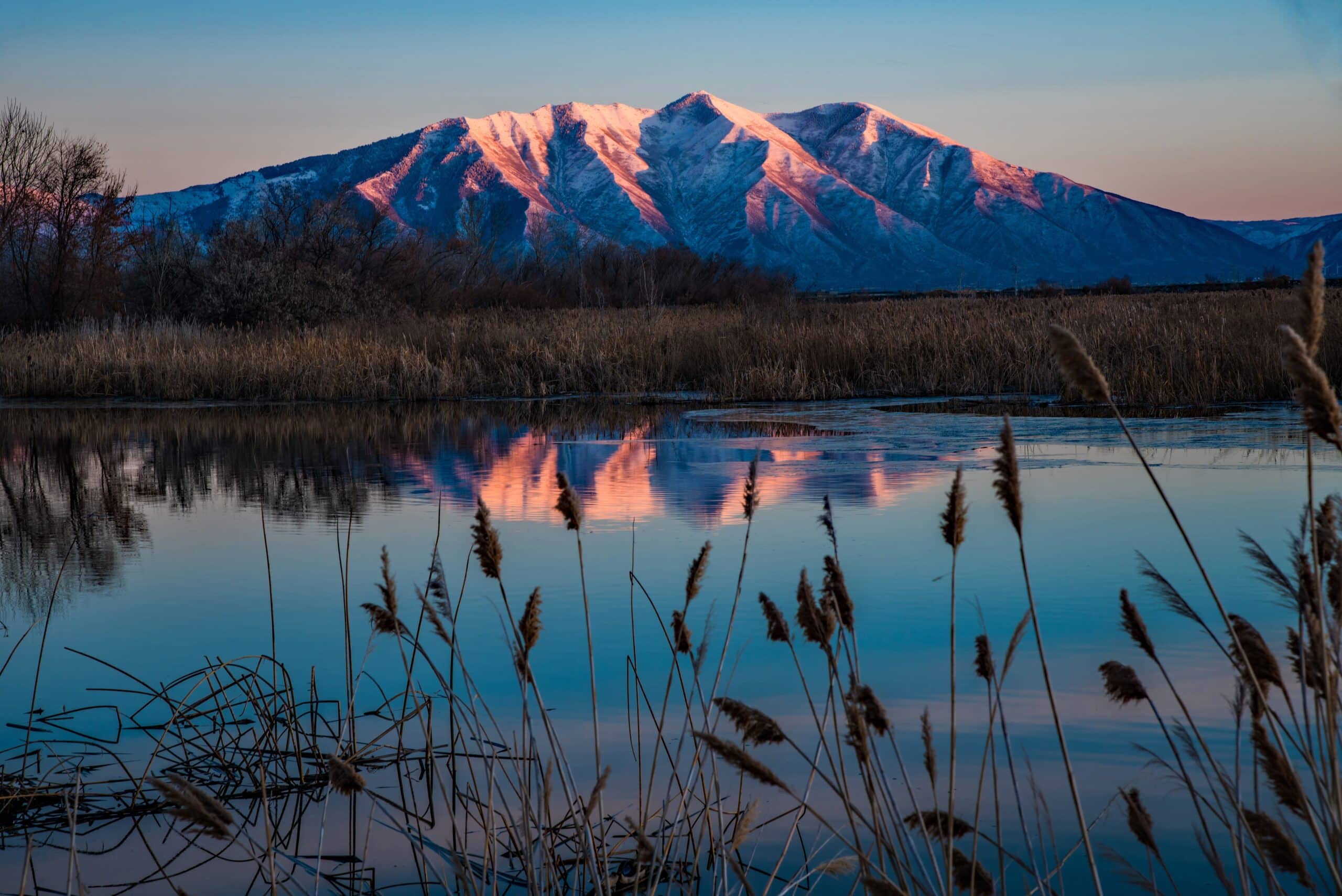
Utah puts bull moose in its once-in-a-lifetime big-game category. Hunters apply through the state's drawing system and build species-specific bonus points when they are unsuccessful. Those points improve an applicant's chances over time, although they do not guarantee a permit.
The important distinction is that Utah's once-in-a-lifetime rule is tied to obtaining the bull moose permit, not successfully harvesting an animal. Once a hunter obtains one through the applicable drawing process, that hunter generally cannot draw another bull moose permit in the future. Utah also issues a much smaller number of antlerless moose permits when managers need to reduce animals in particular areas. Those permits are managed separately from the once-in-a-lifetime bull system. Moose permit holders must also submit required harvest reports, even when they do not take an animal.
Vermont
Vermont still has a moose hunt, but in 2026 it is limited entirely to Wildlife Management Unit E in the northeastern corner of the state. The Vermont Fish and Wildlife Board approved 85 permits for the year, including 65 either-sex permits and 20 antlerless permits.
The limited hunt is being used as a management tool rather than an attempt to expand hunting opportunity statewide. Vermont biologists say moose density in WMU E remains high enough to support heavy winter-tick loads, which can reduce calf survival and hurt overall herd health. Lowering moose density is intended to reduce the number of hosts available to the ticks. Residents and nonresidents can enter the permit lottery, although no more than 10% of permits may go to nonresidents. Hunters who have held a Vermont moose permit within the previous five years are not eligible to apply.