DiamondGalaxy/iStock.com
Dan Olsen/iStock via Getty Images
AllaboutDesign/Shutterstock.com
W. Scott McGill/Shutterstock.com
bigjo5/ via Getty Images
Perfectgemstore/Shutterstock.com
Gmerritt
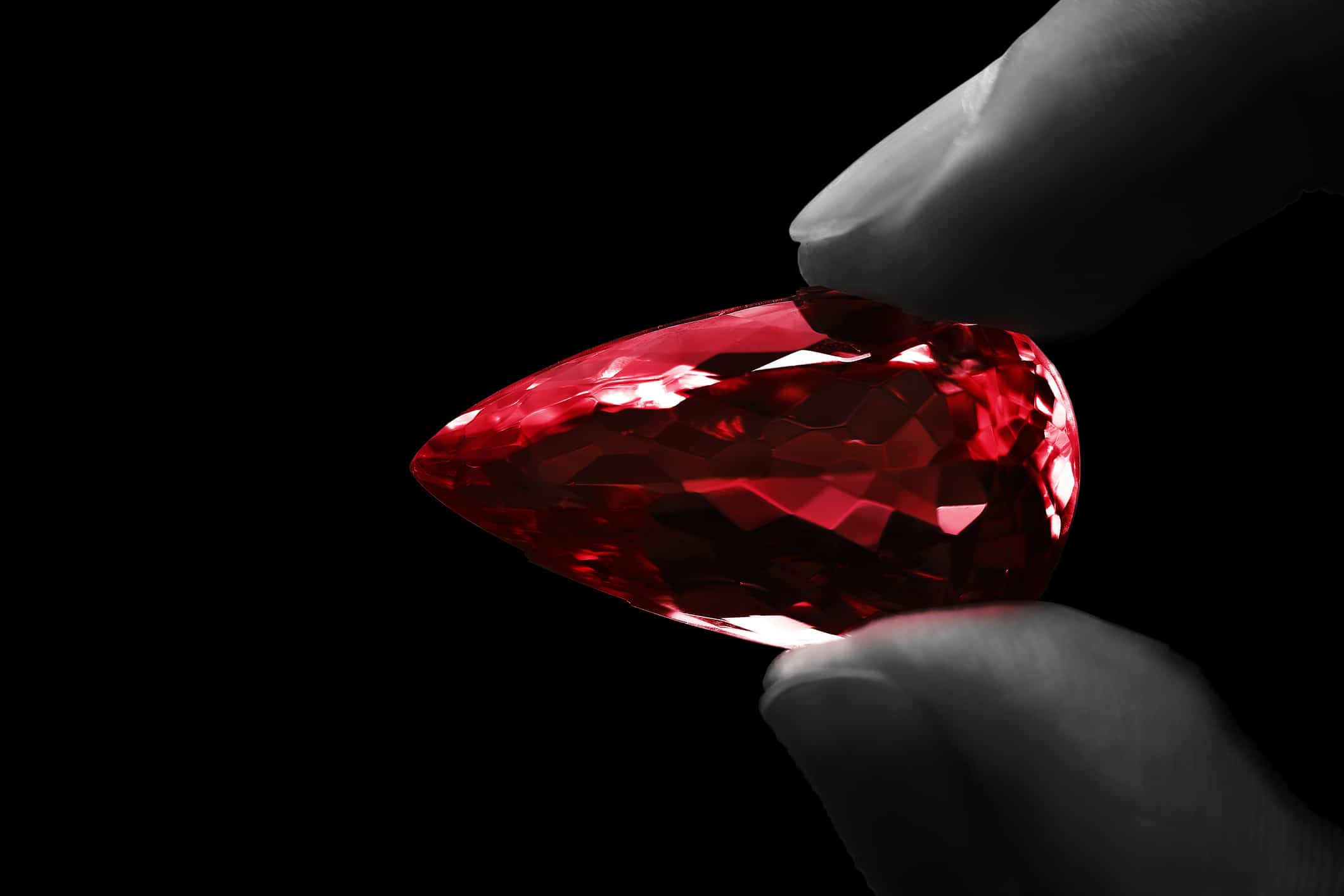
photo-world/iStock.com
osinko/Shutterstock.com
TinaImages/Shutterstock.com
Finesell/Shutterstock.com
Miroslav Halama/Shutterstock.com
11 Rare Gemstones That Can Be Harder to Find Than Diamonds
Diamonds dominate the jewelry world, but rarity is a little more complicated than the marketing would have you believe. Natural diamonds exist across a huge range of qualities, and some exceptional diamonds are extraordinarily scarce. At the same time, certain colored gemstones, varieties, and famous geographic origins occur in quantities so limited that even experienced collectors may rarely encounter a fine example.
What diamonds unquestionably have going for them is hardness. Diamond ranks 10 on the Mohs scale, making it exceptionally resistant to scratching and one of the reasons it works so well in engagement rings and other jewelry worn every day. That does not make a diamond indestructible, however. A hard blow can still chip or fracture one, and hardness is only one part of a gemstone's overall durability.
The stones below show just how strange the gemstone world can get once you venture beyond the jewelry-store standards. Some come from a single small mining region. Others are prized only when they display an unusually specific color, level of transparency, or geographic origin. Rarity alone does not determine price, since color, clarity, size, treatment, provenance, and demand all matter. Still, fine examples of these 11 gems can be exceptionally difficult to find, and each has something that sets it apart from an ordinary diamond.
1. Paraiba Tourmaline
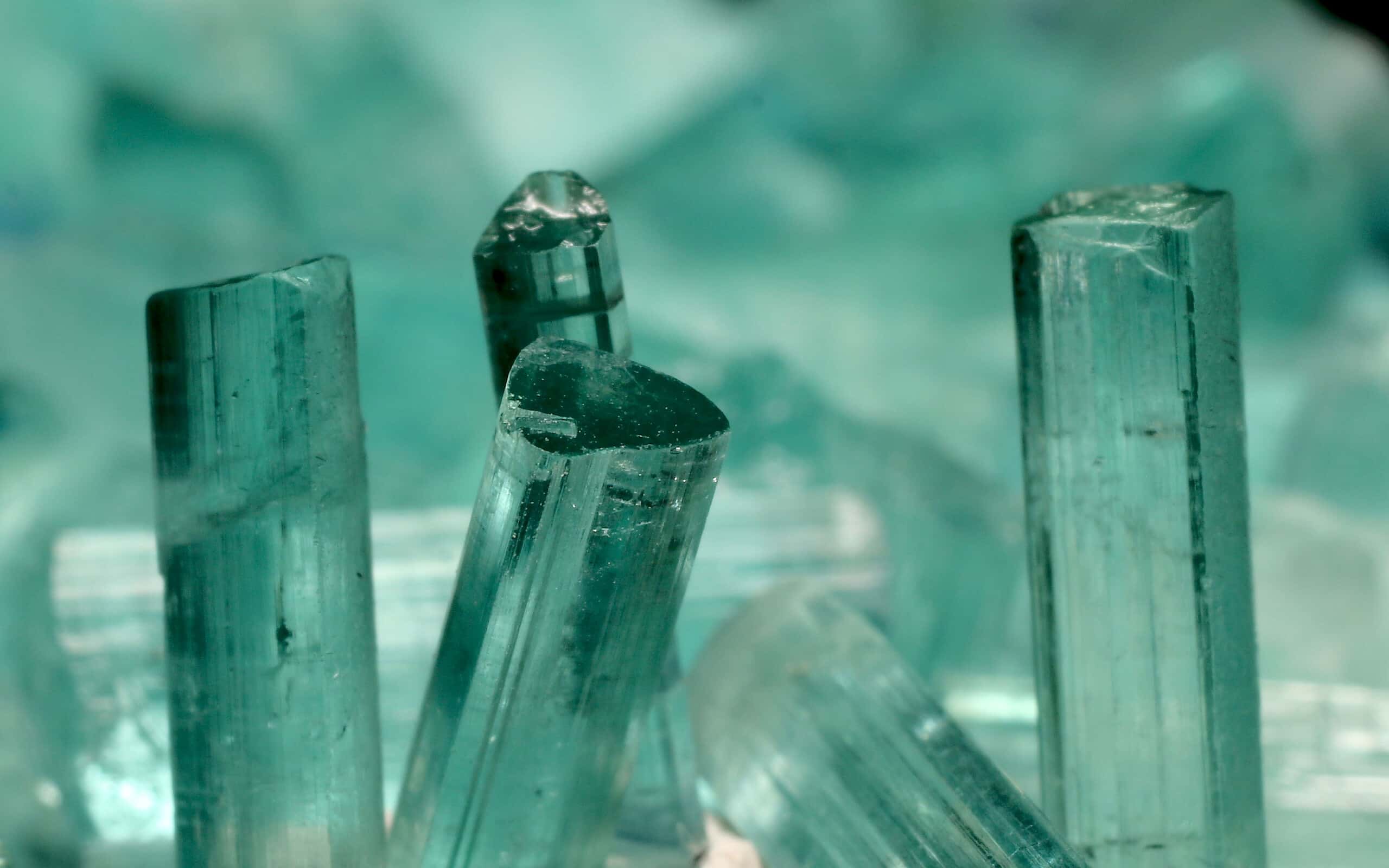
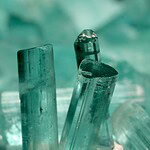
- Tourmaline itself is not particularly rare, but Paraíba tourmaline is a very different story. These copper-bearing gems are famous for intensely saturated blue, green-blue, and green colors that can look almost electric. The material first became famous after discoveries in northeastern Brazil in the late 1980s, and similar copper-bearing tourmalines were later found in Nigeria and Mozambique. Fine Brazilian stones are especially sought after, and large examples are uncommon. With Paraíba tourmaline, color matters enormously. A small stone with vivid saturation can be far more desirable than a larger example with weaker color.
2. Tanzanite
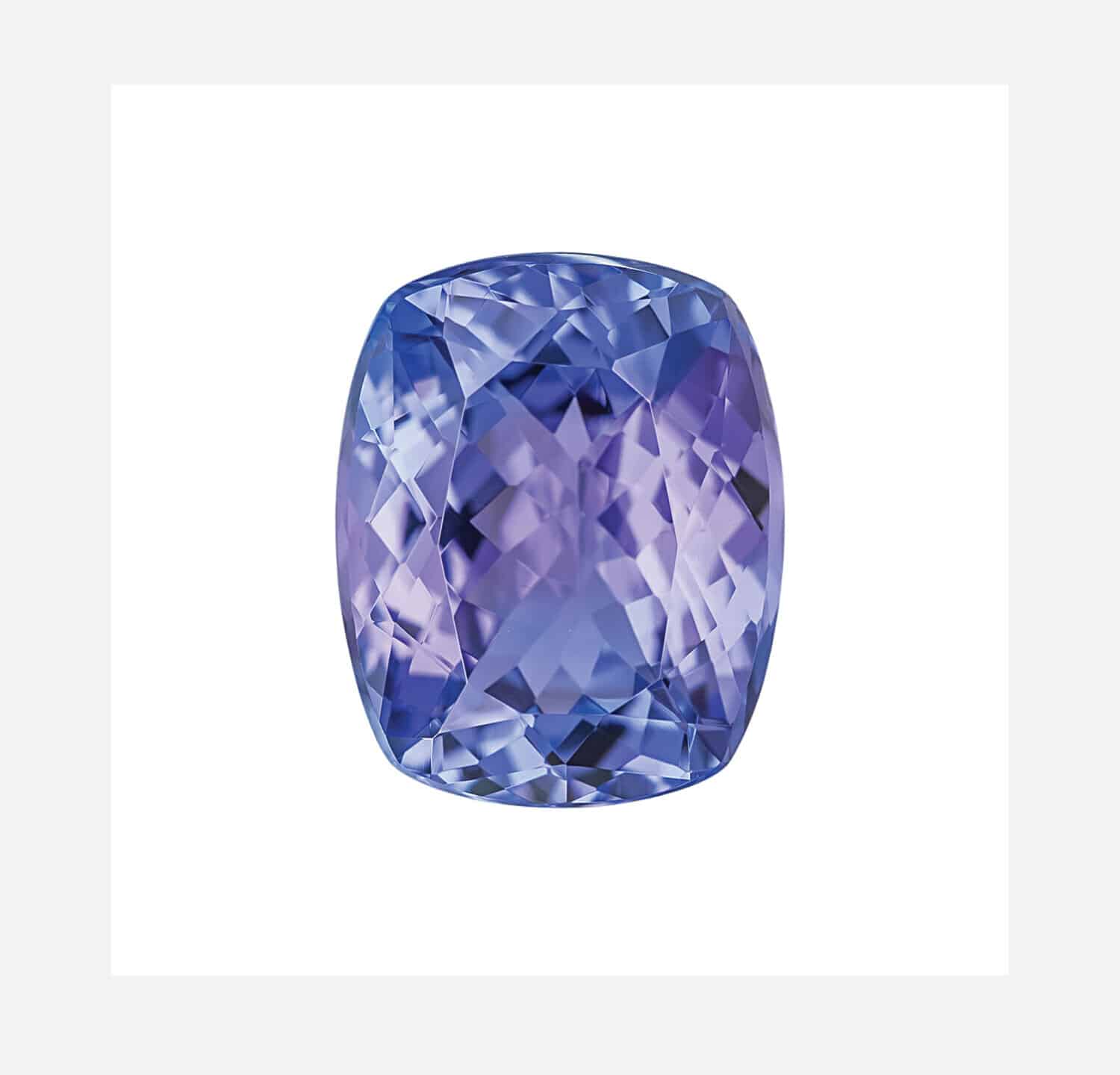
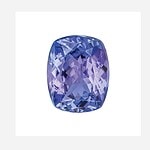
- Tanzanite gets both its name and its rarity from Tanzania. This blue-to-violet variety of the mineral zoisite is commercially mined from only one small area, the Merelani Hills of northern Tanzania near Mount Kilimanjaro. The first crystals were identified in the 1960s, making tanzanite a relative newcomer to the modern gem trade. It is also pleochroic, meaning the crystal can show different colors when viewed from different directions. Fine stones are generally prized for rich violetish-blue or bluish-violet color. Claims that the world's supply will definitely be exhausted within a certain number of years are speculation, but having one commercial source obviously puts tanzanite in a very different category from gemstones mined across several continents.
3. Jadeite
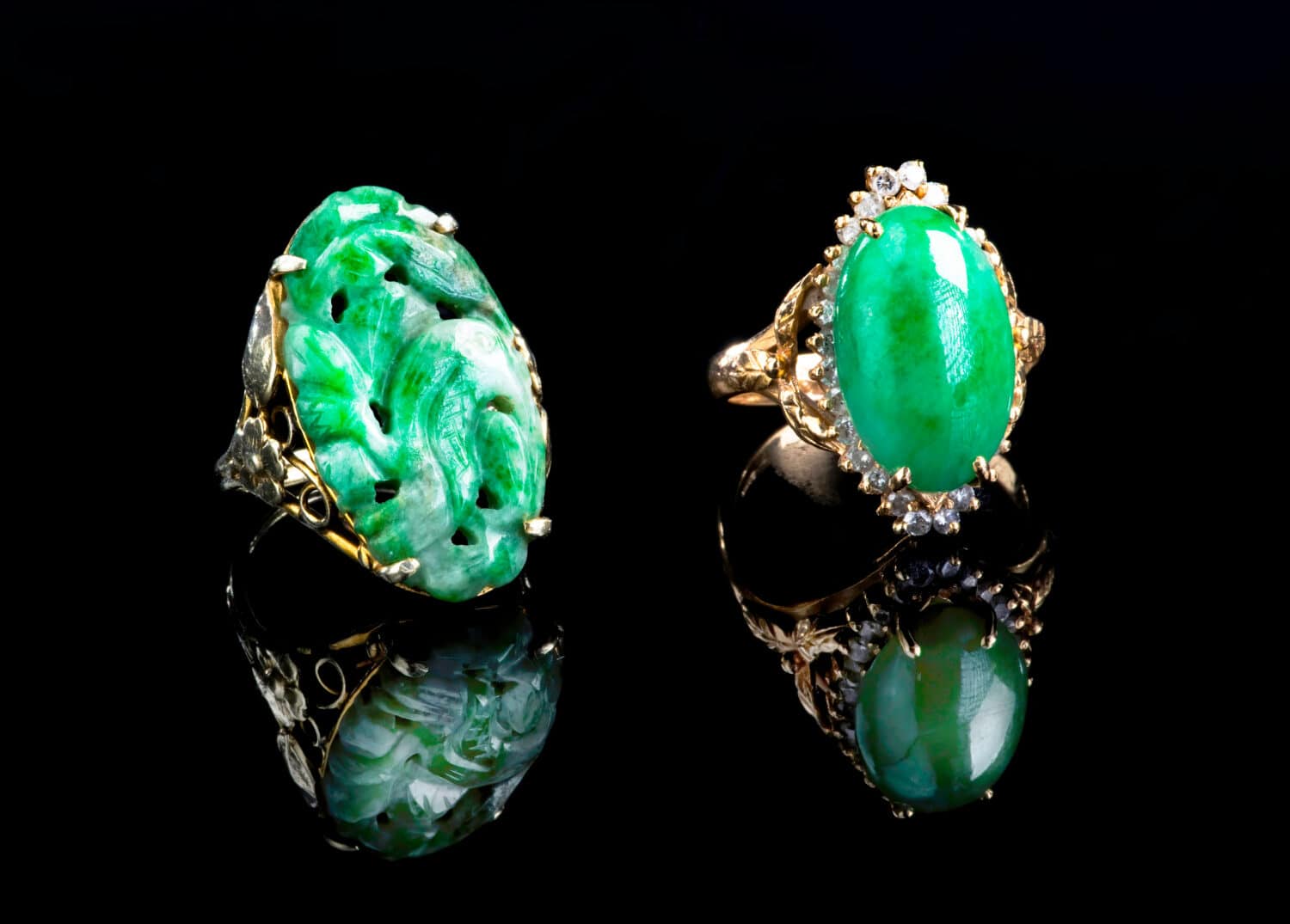
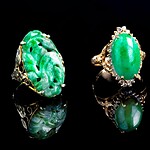
- "Jade" is actually an umbrella term for two different gem materials: jadeite and nephrite. Both have exceptionally long histories, and both are famously tough, but fine jadeite can reach a level of rarity and value far beyond ordinary jade. Jadeite measures about 6.5 to 7 on the Mohs hardness scale, while nephrite generally falls between 6 and 6.5. The most celebrated material is often called imperial jade, a highly translucent jadeite with a rich, even green color. Jadeite reached China from what is now Myanmar in the late 1700s and quickly became enormously important to Chinese carving and jewelry. Fine green jadeite remains one of the most coveted colored gems in the market.
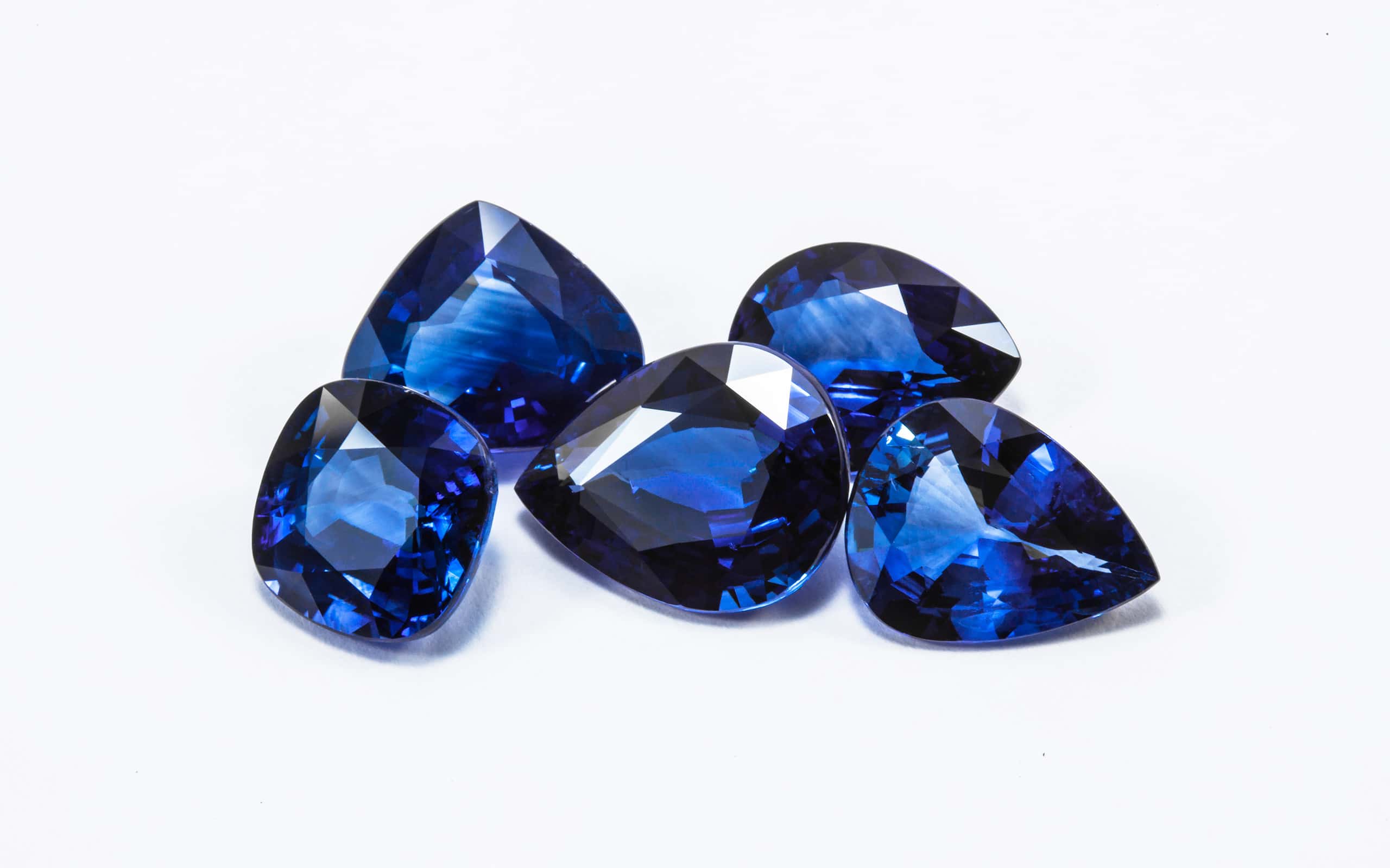
4. Kashmir Sapphire
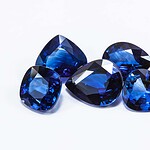
- Kashmir sapphires are prized not simply because they are blue, but because the finest examples have an unusually rich, velvety appearance. The historic deposit was discovered around 1881 high in the Himalayas in the Pádar region of Kashmir. The most productive period was remarkably short, with many of the legendary stones recovered during the 1880s before the original deposit was largely exhausted. Later work produced comparatively little material. Their slight haziness is not necessarily a flaw. Microscopic inclusions can help create the soft, velvety appearance collectors associate with the finest Kashmir sapphires. Genuine origin is important enough that major gemological laboratories use inclusions and chemical analysis to help determine whether a stone actually came from Kashmir.
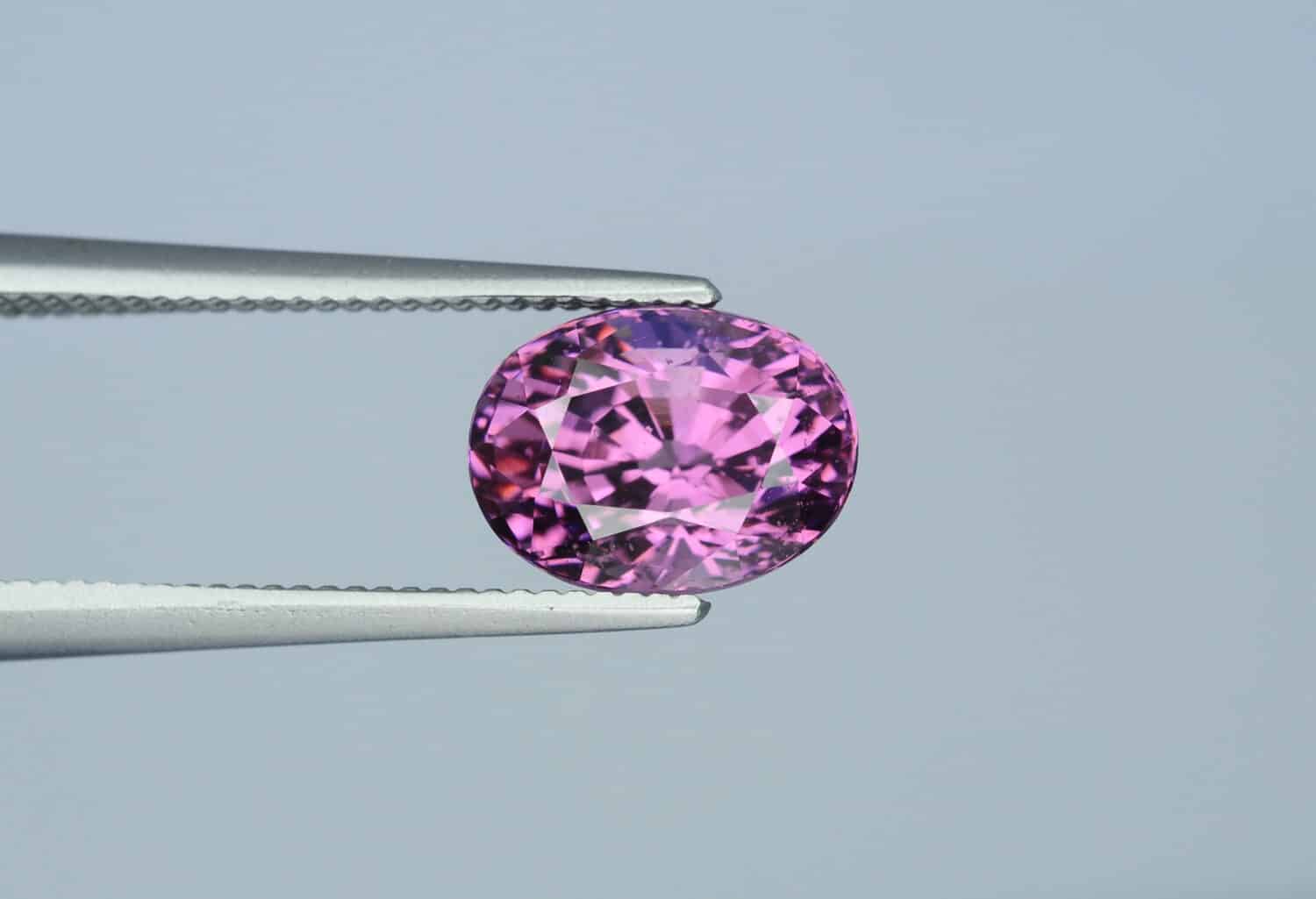
5. Taaffeite
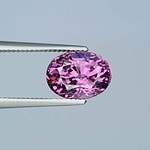
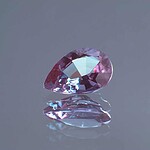
- Taaffeite is one of those gemstones most people could go their entire lives without seeing. It was not even recognized as a distinct mineral until 1945, when gemologist Richard Taaffe noticed something unusual about a cut stone that had been sold as spinel. Unlike spinel, which is singly refractive, the mysterious stone showed double refraction. Further testing confirmed that Taaffe had stumbled across a previously unknown gem mineral. GIA describes taaffeite as one of the rarest gemstone minerals in the world. Gem-quality examples are associated particularly with Sri Lanka, although material has also been identified elsewhere. Colors can range from pale violet and mauve to pinkish or purplish red.
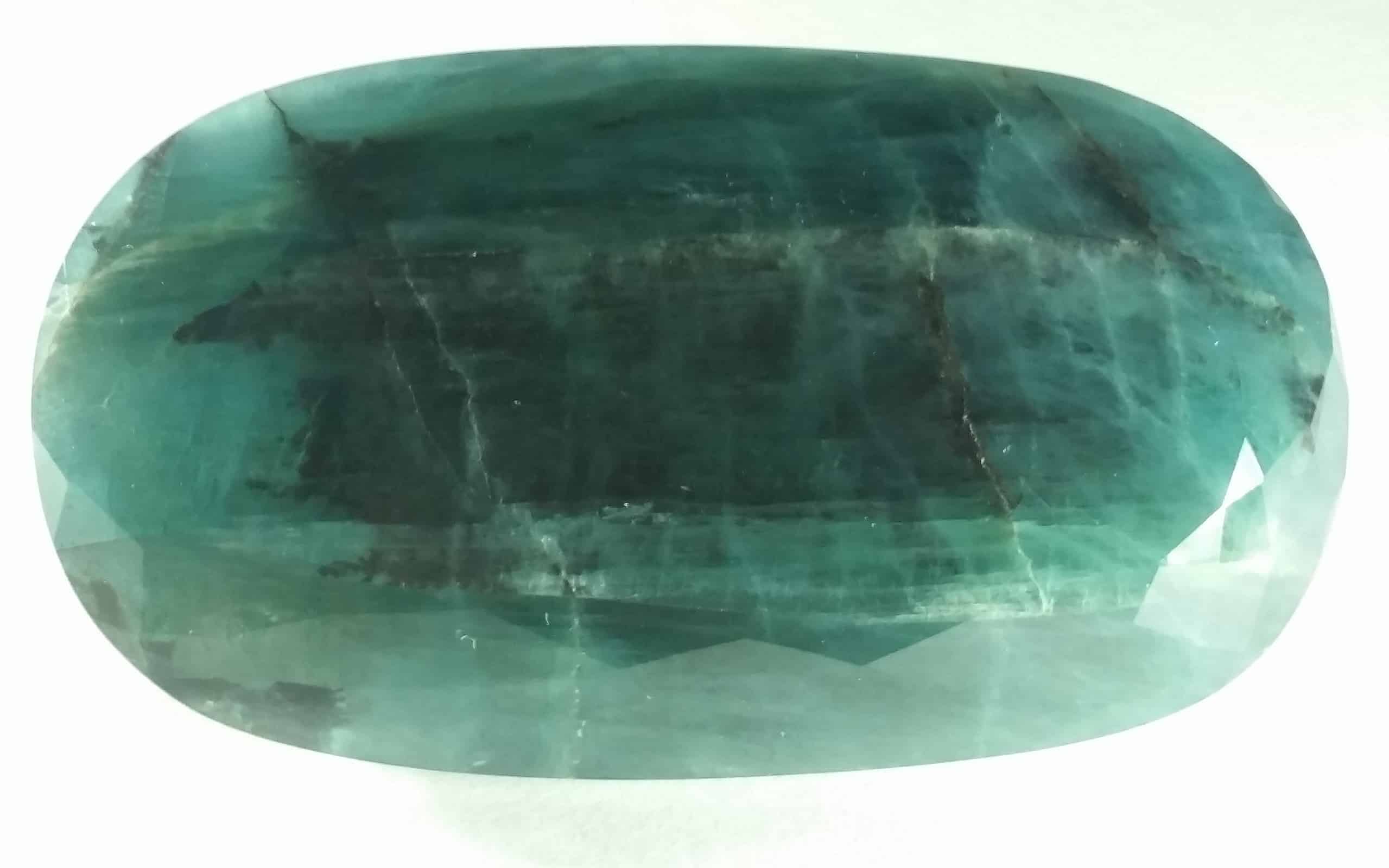
6. Grandidierite
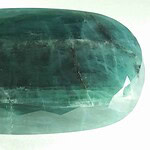
- Grandidierite was first described from southern Madagascar in 1902, but facetable gem-quality material remained almost unheard of for more than a century. That changed somewhat after a new deposit was discovered near Tranomaro, Madagascar, in 2014, although fine transparent stones are still extremely rare. Grandidierite is best known for bluish-green to greenish-blue colors, and much of the material found is translucent rather than fully transparent. The mineral itself has been identified in several countries, but gem-quality crystals suitable for faceting have been exceptionally scarce. Madagascar remains the source most closely associated with the gemstone, with a handful of gem-quality material also documented from Sri Lanka.
7. Burmese Ruby
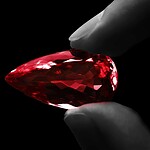
- Myanmar, historically known as Burma, has produced rubies for centuries, with the Mogok region becoming legendary for exceptionally fine stones. Burmese rubies are not all one shade or quality, and being from Myanmar does not automatically make a ruby extraordinary. The finest examples, however, can display intense red color along with fluorescence that gives the stone a glowing appearance. The famous trade description "pigeon's blood" traditionally refers to a highly desirable red to slightly purplish or pinkish-red color, not to every ruby mined in Myanmar. Today, Mogok and Mong Hsu are the country's two major ruby-producing regions, and confirmed geographic origin can significantly affect the market for top-quality stones.
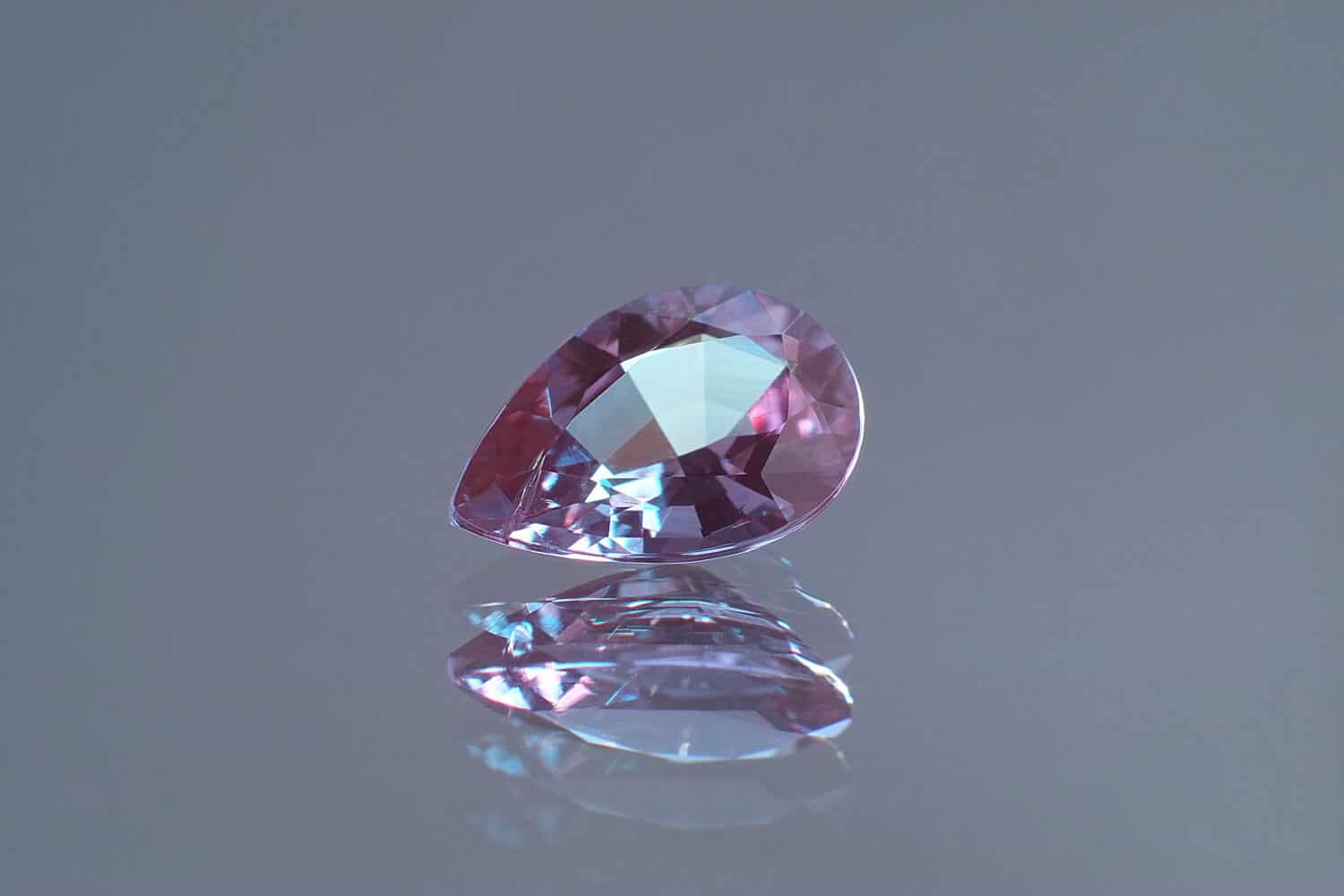
8. Alexandrite
- Alexandrite performs one of the better tricks in the gemstone world. Fine examples can appear green to bluish green in daylight or fluorescent light, then shift toward red or purplish red under incandescent light. Alexandrite is a rare color-changing variety of chrysoberyl, and the first major deposits were discovered in Russia's Ural Mountains in 1830. The gem was named for the future Czar Alexander II. Those original Russian deposits produced some spectacular stones but eventually declined. Alexandrite has since been found in places including Brazil, Sri Lanka, and East Africa, yet specimens with strong color, good clarity, and a dramatic color change remain exceptionally rare.
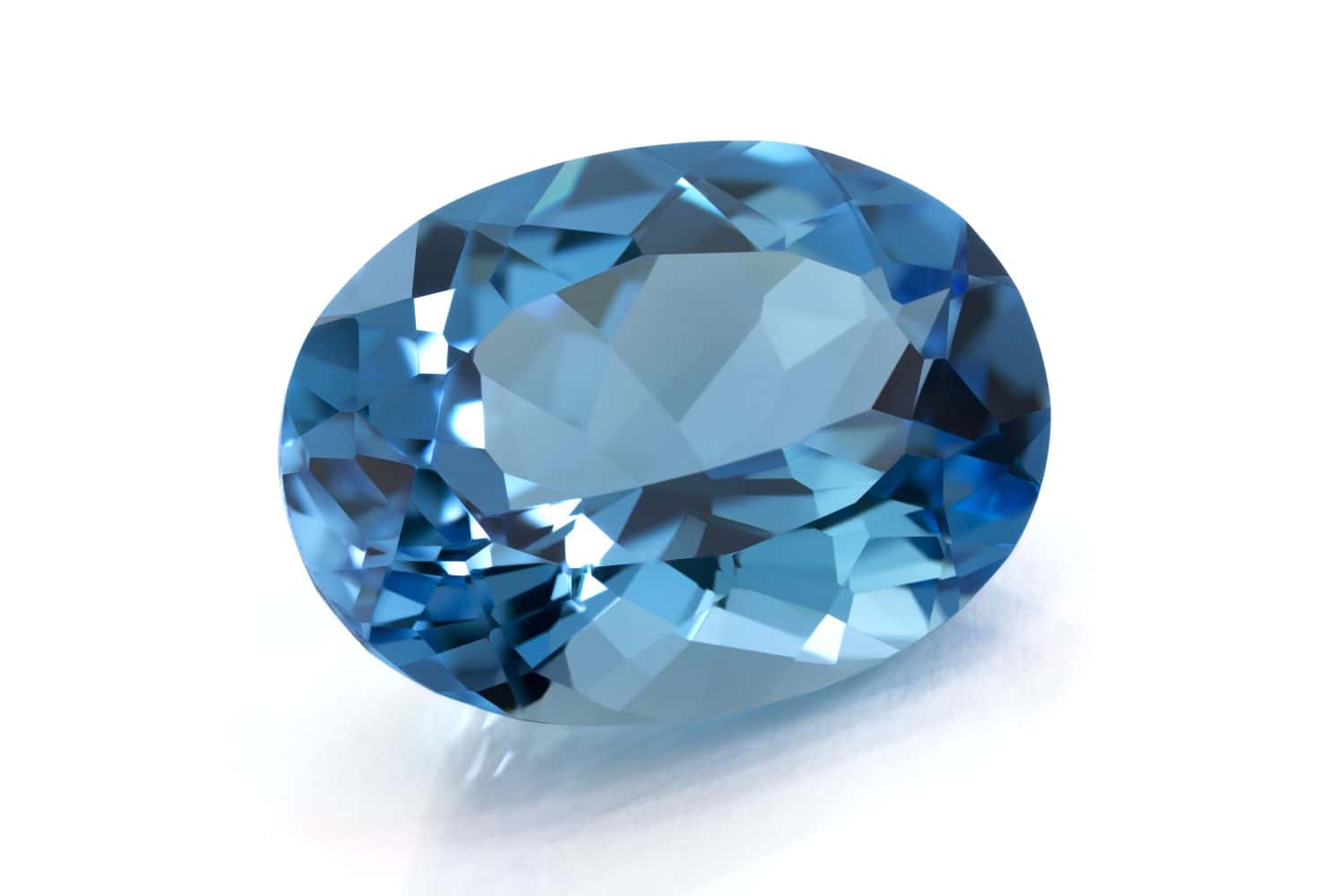
9. Dark Blue Aquamarine
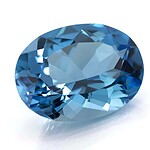
- Aquamarine ranges from extremely pale blue to much richer shades of blue and slightly greenish blue. The deeper, moderately strong blue colors generally command more interest because saturated color is harder to find, particularly in smaller stones. Brazil has produced some famously fine aquamarine, including material associated with the celebrated Santa Maria color, but dark blue aquamarine is not exclusive to Brazil. The gem is mined in several parts of the world. In fact, GIA notes that geographic origin by itself is not a major factor in aquamarine's value. What matters much more is the individual stone's color, clarity, cut, and size. A beautiful deep-blue specimen is special because of its quality, not simply because of the country written on the label.
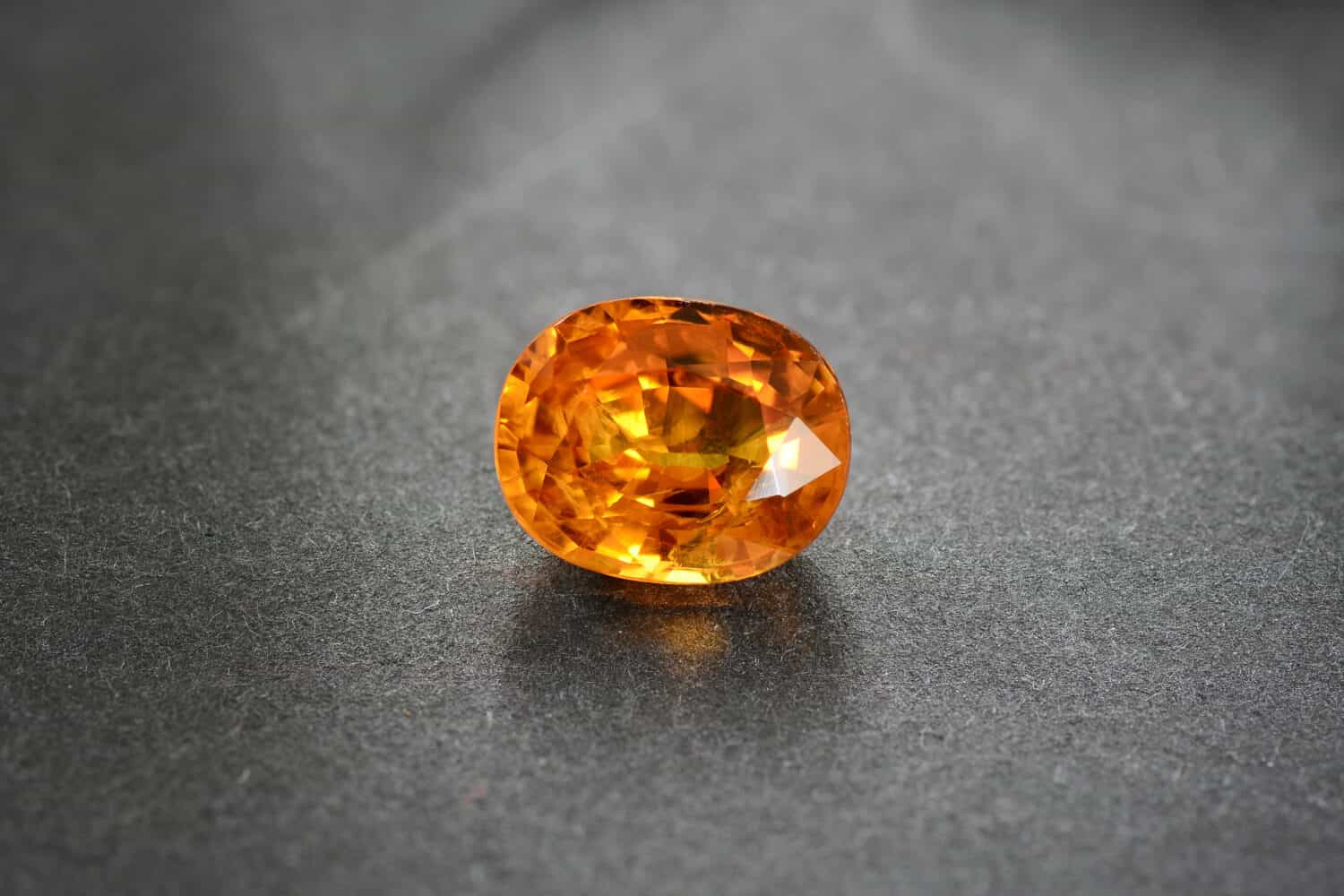
10. Padparadscha Sapphire
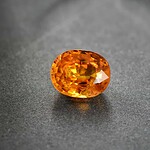
- Padparadscha is an exceptionally rare and collectible variety of sapphire known for combining pink and orange in the same stone. The exact boundaries of what qualifies have been debated for decades, but GIA describes typical examples as light to medium pinkish orange to orange-pink. The name refers to the color of a lotus blossom, which is a pretty good description once you see a fine one. Laboratory-grown sapphires can also be produced in similar colors, and synthetic sapphire has essentially the same basic chemical and physical properties as natural sapphire. For collectors, though, a natural padparadscha with attractive color, good clarity, and proper laboratory identification occupies a very different part of the market.
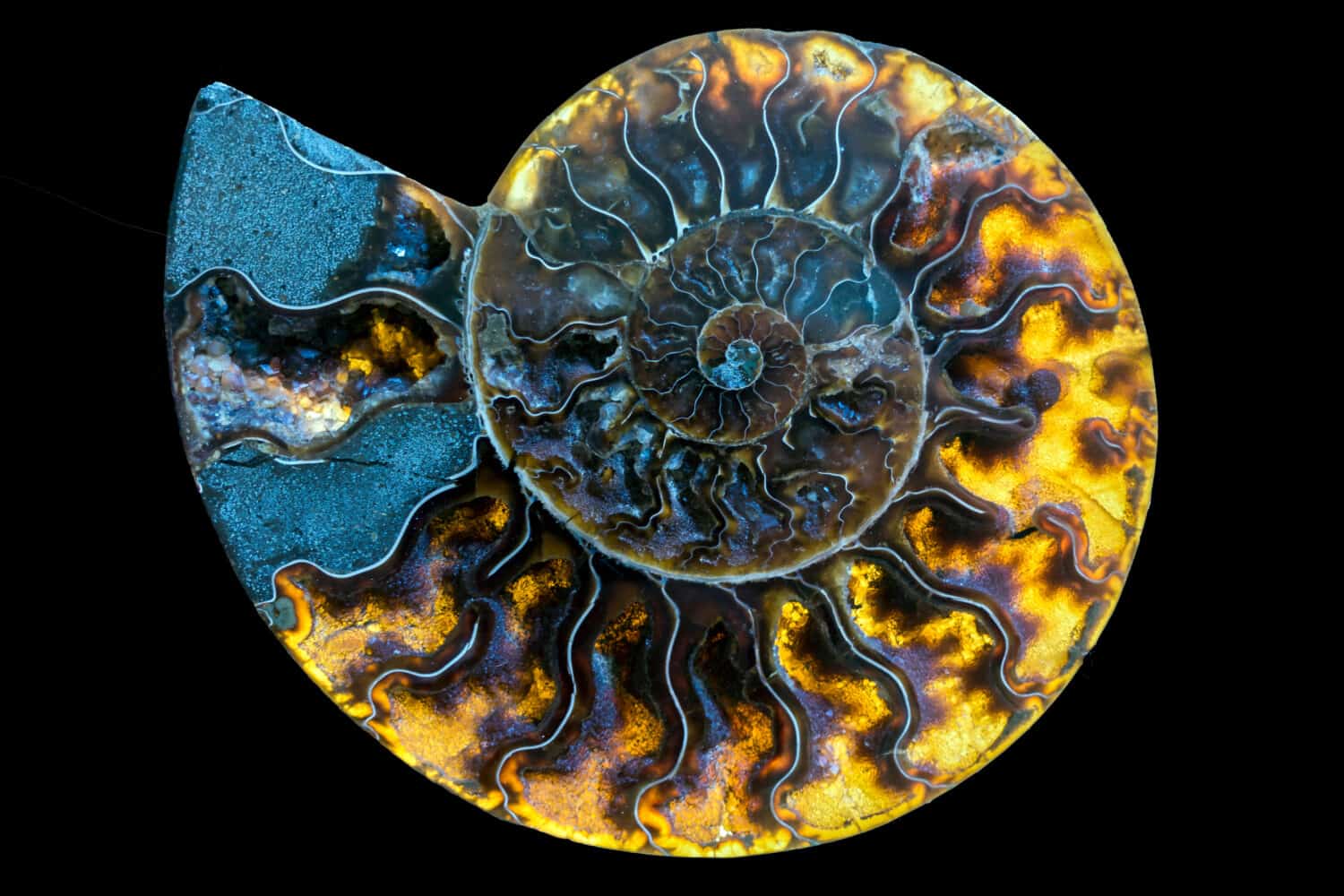
11. Ammolite
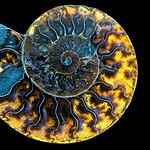
- Ammolite is different from nearly everything else on this list because it began as part of a living animal. The gem is produced from the iridescent fossilized shells of ammonites, extinct marine mollusks that lived tens of millions of years ago. The best-known gem material comes from specific layers of the roughly 70- to 75-million-year-old Bearpaw Formation in southern Alberta, Canada. Its shifting reds, greens, blues, and other colors come from the structure of the fossilized shell interacting with light. That colorful layer is usually thin and fragile, so ammolite is often stabilized or fashioned into doublets and triplets before being used in jewelry. The result looks almost unreal, but the color comes from a very real prehistoric shell.