
Courtesy of USPS
Pixel-Shot / Shutterstock.com

Spencer Platt / Getty Images
Courtesy of USPS

Caroline McCredie / Getty Images
Getty Images / Getty Images News via Getty Images
Sergey Ryzhov / Shutterstock.com

dusanpetkovic / Getty Images
Igor Pavluzhenkov / Shutterstock.com
Iryna Mylinska/Shutterstock.com
Public domain / Wikimedia Commons
alberto clemares exposito / Shutterstock.com

Ian Waldie / Getty Images

Kevin Tichenor / Shutterstock.com
tawanroong / Shutterstock.com
FPG/ via Getty Images





15 Vintage Collectibles That May Be Worth Money Today
Remember the baseball cards, records, toys, and other things that ended up in boxes when we got older? A few have become serious collector's items. Most, of course, are still just old stuff. That's the tricky part: two things that look almost identical can have wildly different resale values depending on their condition, scarcity, and history.
Before you donate everything in the attic, it may be worth checking what you actually have. An original box, a recognizable maker's mark, or documentation connecting an item to a famous person can make a difference. And a spectacular auction headline doesn't mean the average version sitting in your closet is worth anywhere near that much. Here are 15 kinds of vintage collectibles that still attract buyers, along with examples of what collectors have paid for exceptional pieces.
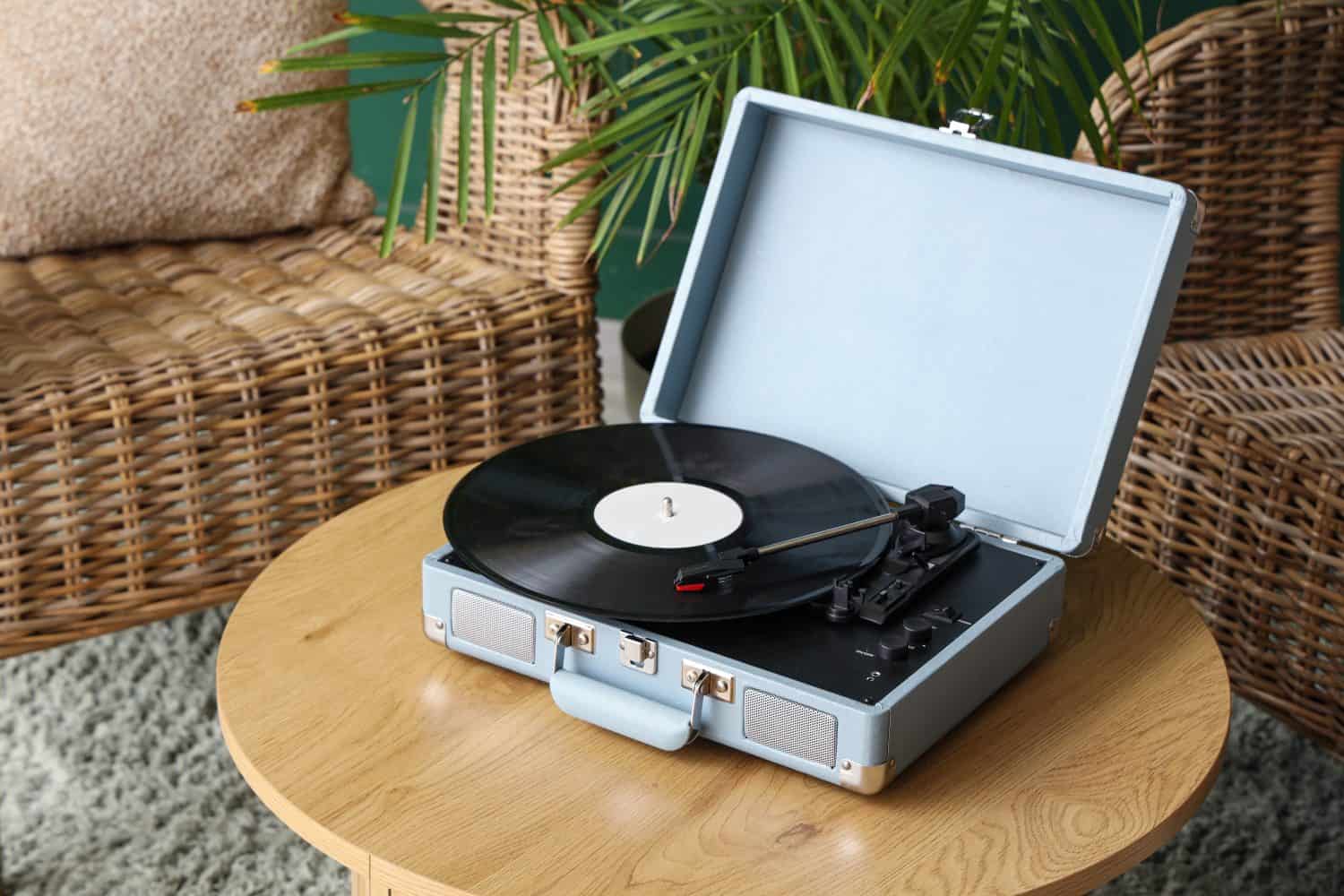
Vinyl Records
There's a difference between an old record and a valuable one, and the dusty copy of Rumours sitting in your closet probably isn't paying off your mortgage. Collectors pay attention to the pressing, label variations, condition, original sleeves, and whether an album has a remarkable history. For a spectacular example, Ringo Starr's personal copy of the Beatles' 1968 White Album, numbered 0000001, sold for $790,000 at a 2015 auction. That was a rare early copy with an extraordinary connection, not a typical secondhand LP. Most records sell for far less, but unusual first pressings, promotional copies, and well-preserved releases can still be worth investigating before you unload a whole collection for a few dollars.
Military Memorabilia
Old military uniforms, unit patches, photographs, letters, and authenticated equipment can appeal to collectors and historians, particularly when an item's owner or wartime history can be established. A documented World War II grouping, for instance, can tell a much richer story than a random helmet without any background. But don't confuse an ambitious online asking price with a confirmed sale; the original article's six-figure eBay photograph wasn't evidence of actual value. There's a legal wrinkle, too: U.S. federal law restricts the sale and exchange of certain military medals and decorations except as authorized. If a relative's belongings include medals, get advice about the specific items and preserve the family history before considering a sale. A photograph and a name attached to it can sometimes matter more than the object itself.
Coins and Stamps
It's easy to assume every old coin or stamp must be valuable, but age alone doesn't do much. Collectors look at rarity, condition, mint marks, printing errors, and whether an item has been authenticated. At the extreme end, the only privately legal 1933 Double Eagle gold coin sold for about $18.9 million at Sotheby's in 2021. That doesn't mean there were only two coins made; hundreds of thousands were struck, with nearly all later melted and most survivors held by the government. Stamps have their own headline sales, including the British Guiana One-Cent Magenta, which fetched $8.3 million in that same 2021 auction. For an ordinary inherited album, a reputable coin or stamp dealer can help separate common material from pieces worth grading.
Designer Clothes and Accessories
That jacket you were told was too expensive in 1985 might still have a following, but a designer label isn't a guarantee of appreciation. Vintage Chanel, Hermès, and other luxury pieces attract buyers for particular collections, craftsmanship, and hard-to-find designs. Condition is critical: stains, alterations, damaged hardware, or missing accessories can shrink the resale price quickly. Handbags usually have different markets from clothing, and a sought-after bag in its original packaging can outperform an older outfit from the same brand. Before listing anything, look for recently completed sales of the exact model, not just another seller's hopeful asking price. And if you have an unusual piece, professional authentication can be worth the trouble; counterfeits and misidentified items are common in the resale market.
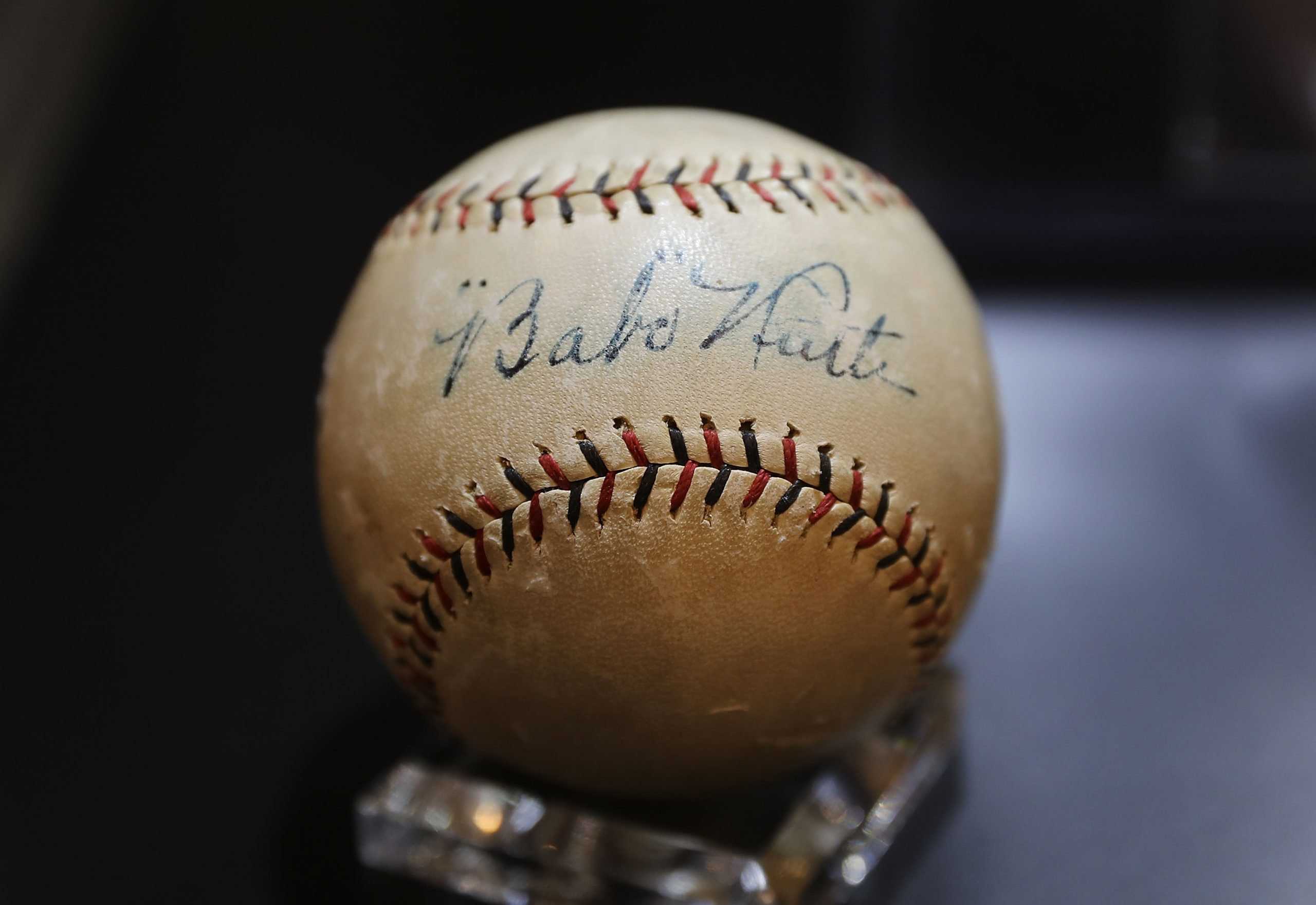
Sports Memorabilia
You probably don't have Babe Ruth's uniform hanging in the closet, but you might have an old signed baseball, game program, ticket stub, or player-issued item worth a closer look. Collectors care about who used or signed it, whether the autograph is genuine, and how clearly its history can be documented. For an eye-opening example, a Yankees jersey matched to Ruth's legendary 1932 World Series 'called shot' sold for $24.12 million at Heritage Auctions in August 2024. That's an exceptional museum-level artifact, not a useful price guide for the average sports souvenir. An autograph from a popular player can still be valuable, but an authentication opinion and comparable sales are much more useful than the fact that the item is old.
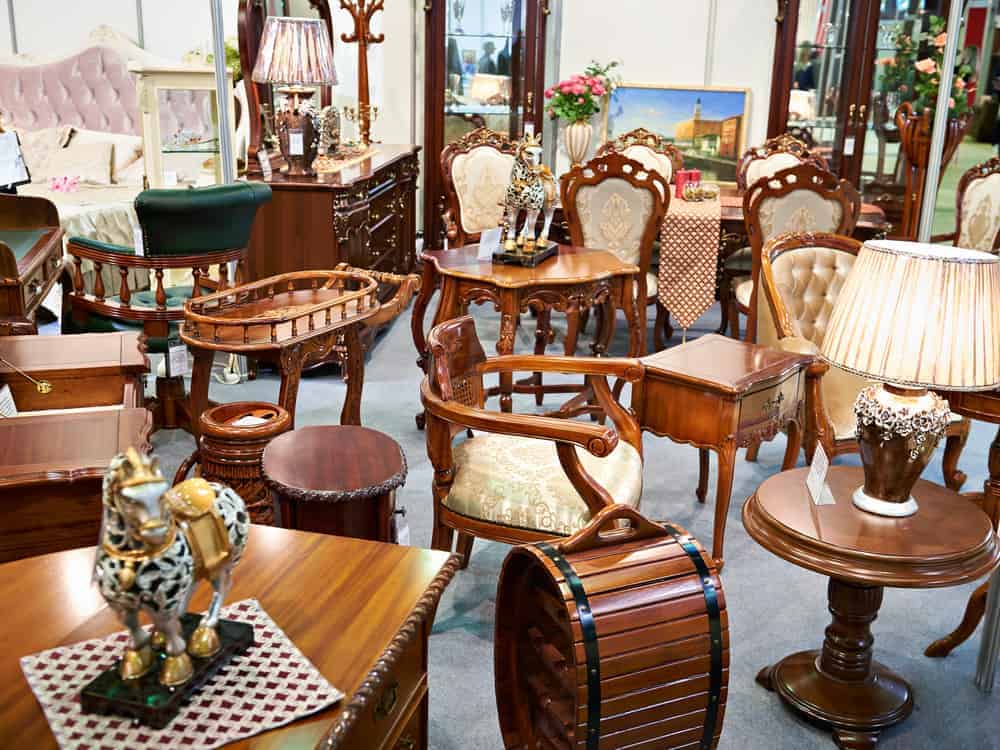
Antique Furniture
That heavy cabinet nobody wants to move might deserve another look before it ends up on the curb. Collectors seek out certain period furniture, recognizable makers, rare designs, and pieces that retain their original finish and hardware. But plenty of perfectly nice antiques have modest resale values, especially when they're enormous, expensive to transport, or out of fashion. One very different example is the ornate 18th-century Badminton Cabinet, which sold at Christie's in London for about $36.7 million in 2004. It was an extraordinary historic object, not a typical piece of household furniture. If you're evaluating something inherited, check for maker's marks and evidence of age, and be cautious about refinishing it before finding out what it is. A well-intentioned restoration can sometimes hurt its value.
First Edition Books
Before tossing a box of old books into the donation pile, check the copyright pages. A genuine first edition can command a premium, especially when it's a first printing, in good condition, and still has its original dust jacket. But 'first edition' doesn't automatically mean 'rare'; plenty of first editions were printed by the hundreds of thousands. Consider an early hardcover copy of J.K. Rowling's Harry Potter and the Philosopher's Stone, from a first printing of just 500: one sold for £18,000 at a February 2025 auction, according to reporting on the sale. More ordinary books may be worth only a few dollars. Check the publisher, printing line, condition, and completed auction prices before assuming a surprisingly high internet listing reflects a real buyer's willingness to pay.
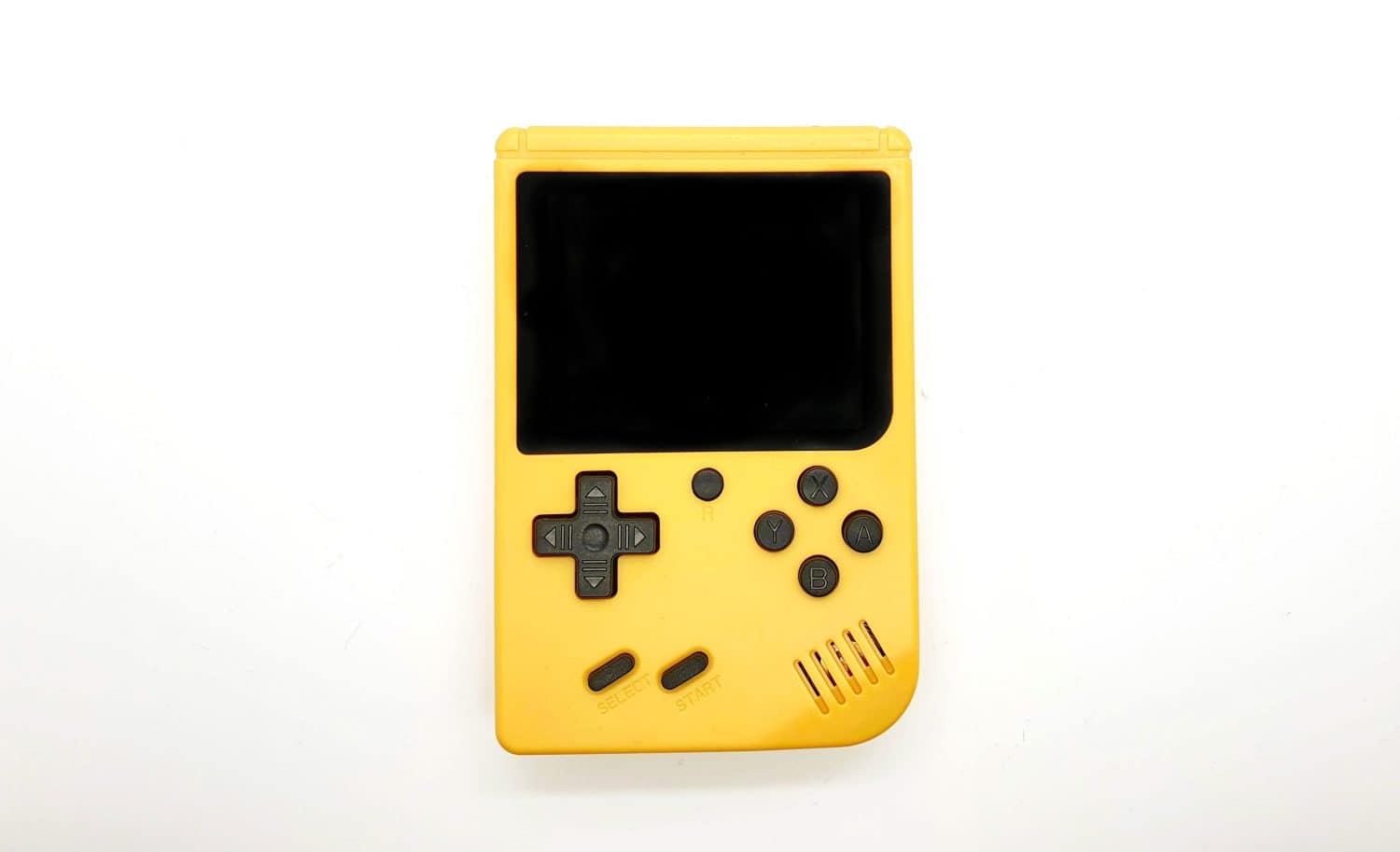
Vintage Electronics
Old technology can be collectible even after its practical usefulness has mostly disappeared. Early home computers, original video game systems, calculators, portable music players, and certain audio components all have dedicated followings. What matters is the exact model, whether it works, whether the case or screen has been altered, and whether the original box and manuals survived. An unopened handheld game console can be worth more than a heavily used one, although prices move around and condition descriptions aren't always reliable. Don't assume that every outdated gadget is a jackpot, either; many were manufactured in huge numbers. If you discover an old system, identify its model and check completed sales rather than treating a high-priced listing as an appraisal. And avoid powering up damaged vintage electronics without checking their condition first.
Jewelry and Watches
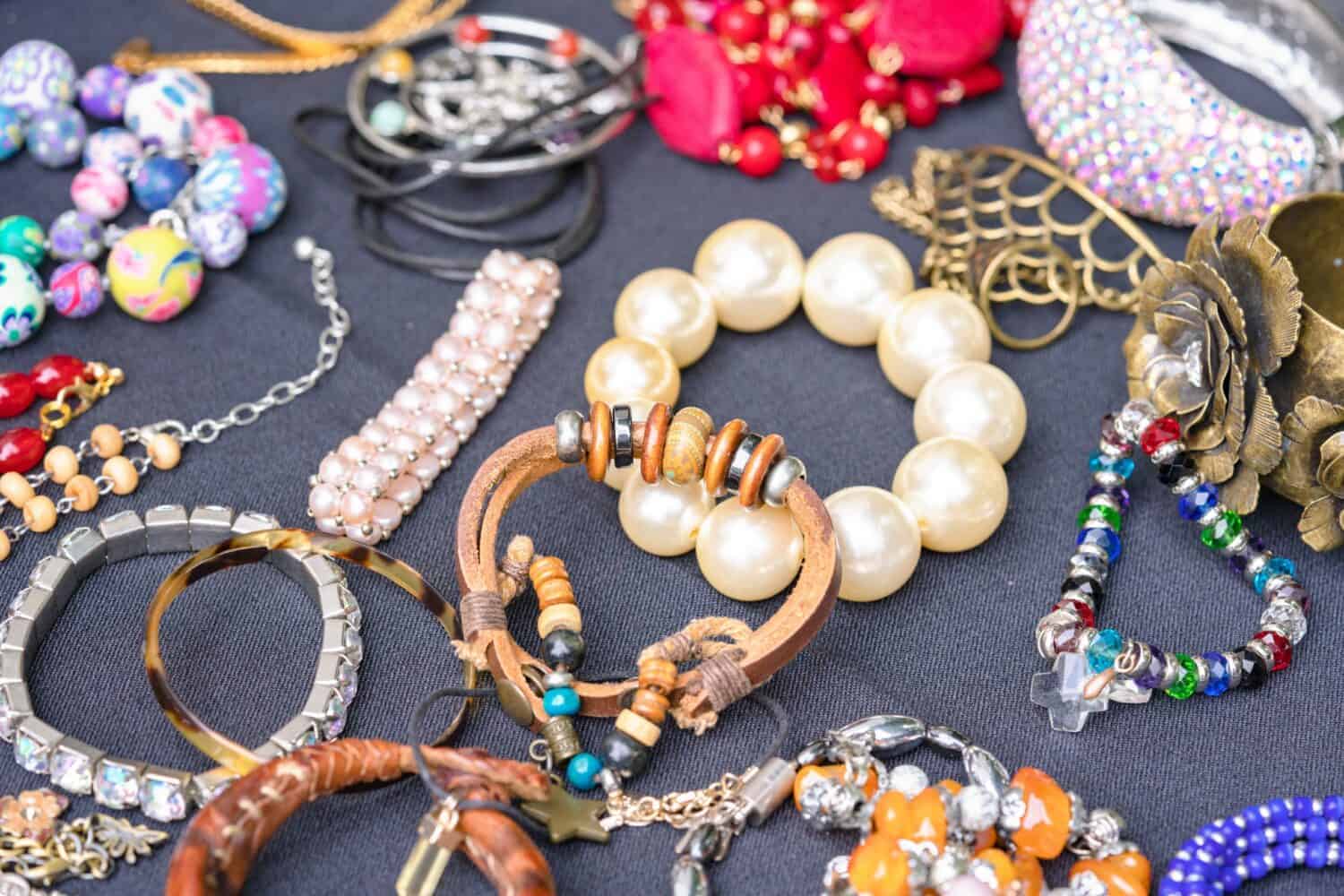
It's worth looking carefully at Grandma's jewelry box or Dad's watch drawer, especially if nobody remembers exactly what's in there. Precious metals and gemstones can have value on their own, but maker, design, rarity, and condition may matter even more to collectors. A signed vintage piece from a recognized jewelry house may be worth considerably more than an unbranded item made from similar materials. Watches add another complication: original dials, matching components, service history, and documentation can make an enormous difference. Resist the urge to polish or replace parts before getting an opinion, since collectors sometimes prefer original surfaces and components. If something looks promising, a qualified appraiser or reputable specialist can help establish what it is before you decide whether to insure, sell, or keep it.
Artwork
A painting picked up years ago at a flea market might deserve some research, but most thrift-store discoveries won't turn out to be lost masterpieces. Artist, provenance, condition, originality, and demand all matter, and a signature alone doesn't settle who made a work. The original article claimed that Teri Horton sold a $5 painting attributed to Jackson Pollock for $50 million. She didn't. The attribution remained disputed, and Horton died without selling it. That's a useful cautionary tale about confusing an owner's hoped-for price with an actual transaction. If a piece catches your eye, photograph any signatures, labels, and markings on the reverse, then consult a qualified art specialist. An informed assessment is more helpful than speculation about a famous name.
Presidential Memorabilia
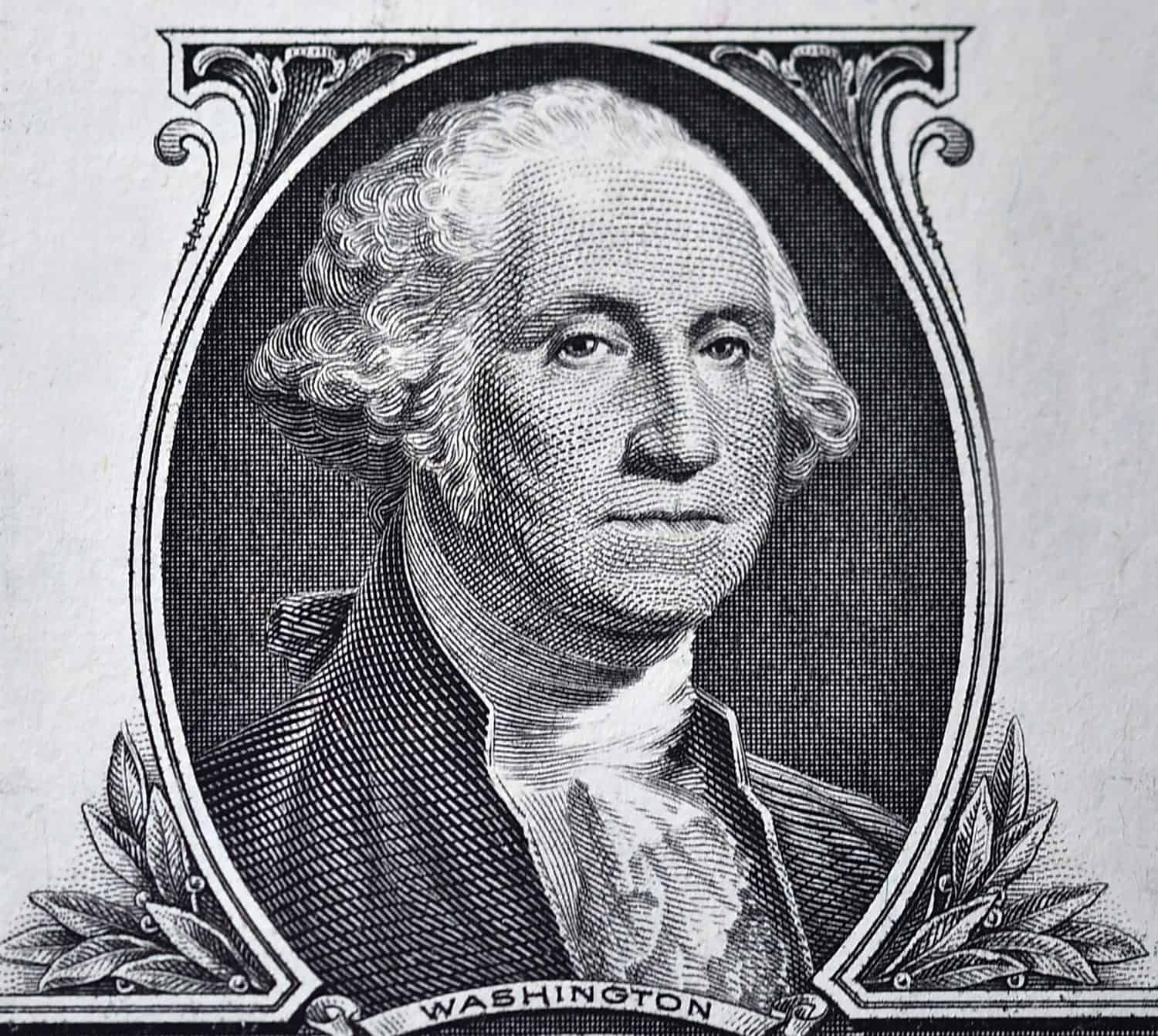
Presidential collectibles can be anything from campaign buttons and inauguration programs to handwritten letters and books owned by a president. A common mass-produced souvenir may cost only a few dollars, while a documented personal artifact can attract serious attention. In 2012, George Washington's annotated copy of the Acts of Congress, containing the Constitution and the proposed Bill of Rights, sold for $9,826,500 at Christie's. The Mount Vernon Ladies' Association purchased it and returned it to Washington's estate. That kind of provenance is about as strong as it gets. If you have older political materials, look for dates, printing details, signatures, and records of ownership. Historic importance helps, but it's the specific object's rarity and authenticity that usually determine its value.
Vintage Toys
A toy you actually played with for years may have a lot of sentimental value, but collectors often pay the most for examples that somehow escaped childhood intact. Early Barbie dolls, uncommon action figures, vintage trains, and limited-production sets can bring strong prices with their original boxes and accessories. The original article mentioned a $302,500 Barbie auction, but that was a one-of-a-kind 2010 doll designed by jeweler Stefano Canturi and adorned with diamonds, not a normal vintage toy. That's an important distinction. A well-preserved first-generation doll or a hard-to-find accessory is a more realistic thing to look for in an old toy collection. Check for identifying marks and make sure the box and parts belong to the same release before estimating a price.
Classic Cars
Most cars depreciate, and an ordinary old sedan usually doesn't become valuable just because it reached its 40th birthday. Certain classics are different, particularly rare performance models, historically important cars, and examples with matching numbers or unusually complete records. The outer limits of that market are astonishing: one of only two 1955 Mercedes-Benz 300 SLR Uhlenhaut Coupés sold at a private auction organized with RM Sotheby's in 2022 for €135 million, roughly $143 million at the time. The buyer was paying for a unique piece of automotive history, not simply an older vehicle. For anything more attainable, originality, rust, maintenance records, and the cost of restoration all deserve a close look before you assume you've found a fortune on four wheels.
Old Trading Cards
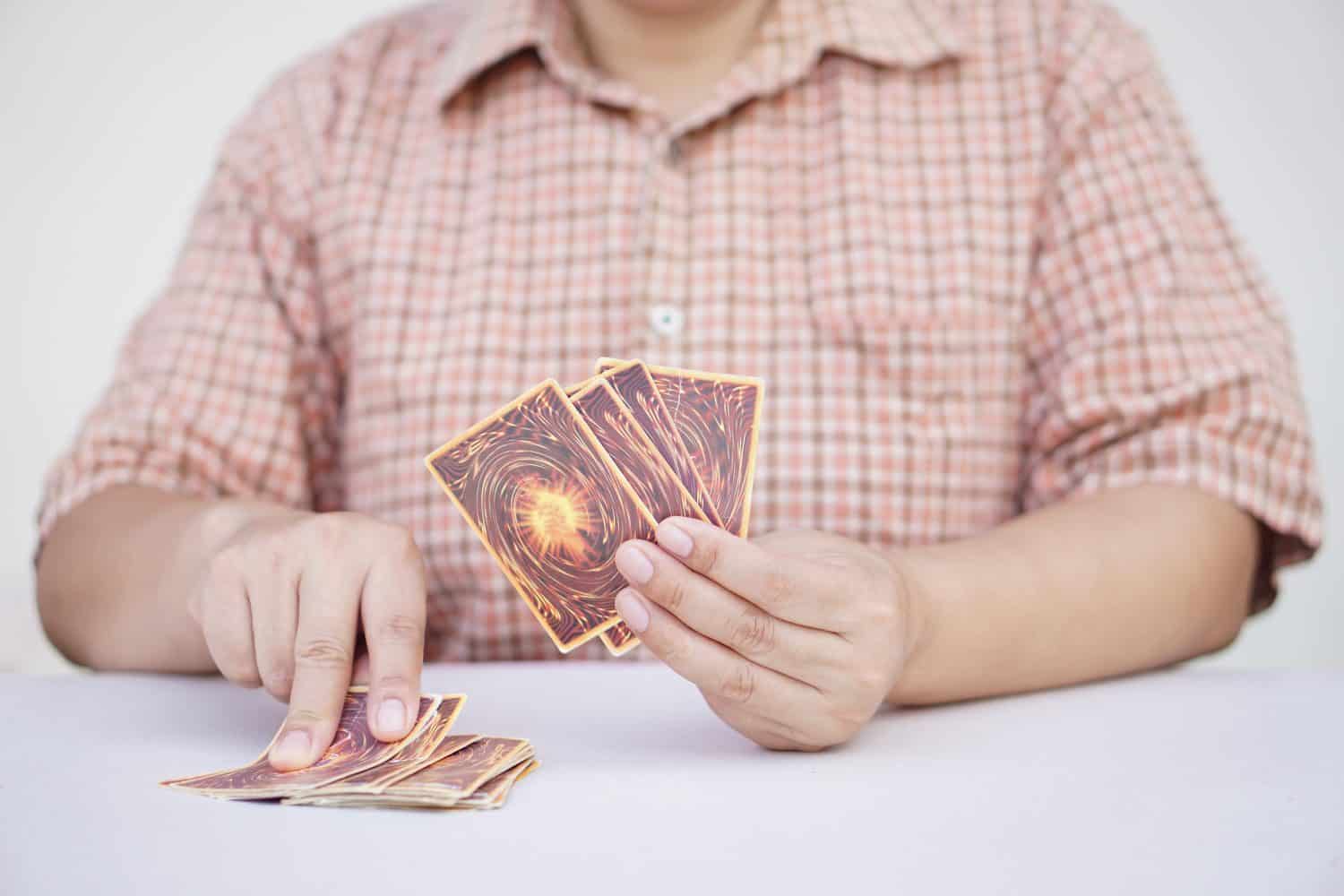
Trading cards have come a long way from being tucked into bicycle spokes or tossed into shoeboxes. Sports cards and collectible game cards can sell for serious money when they're genuinely rare and in exceptional condition, but millions of others are worth very little. The market also changes, so old price guides aren't always helpful. For a striking recent example, a PSA Gem Mint 10 Pikachu Illustrator card from a 1998 Pokémon illustration contest sold for $16,492,000 through Goldin in February 2026, according to Guinness World Records. The same card had been acquired in a 2021 private transaction valued at $5.275 million. Those numbers are extraordinary exceptions. If you have an old collection, check the exact year, set, edition, and professional grade before getting excited about an online headline.
Old Comic Books
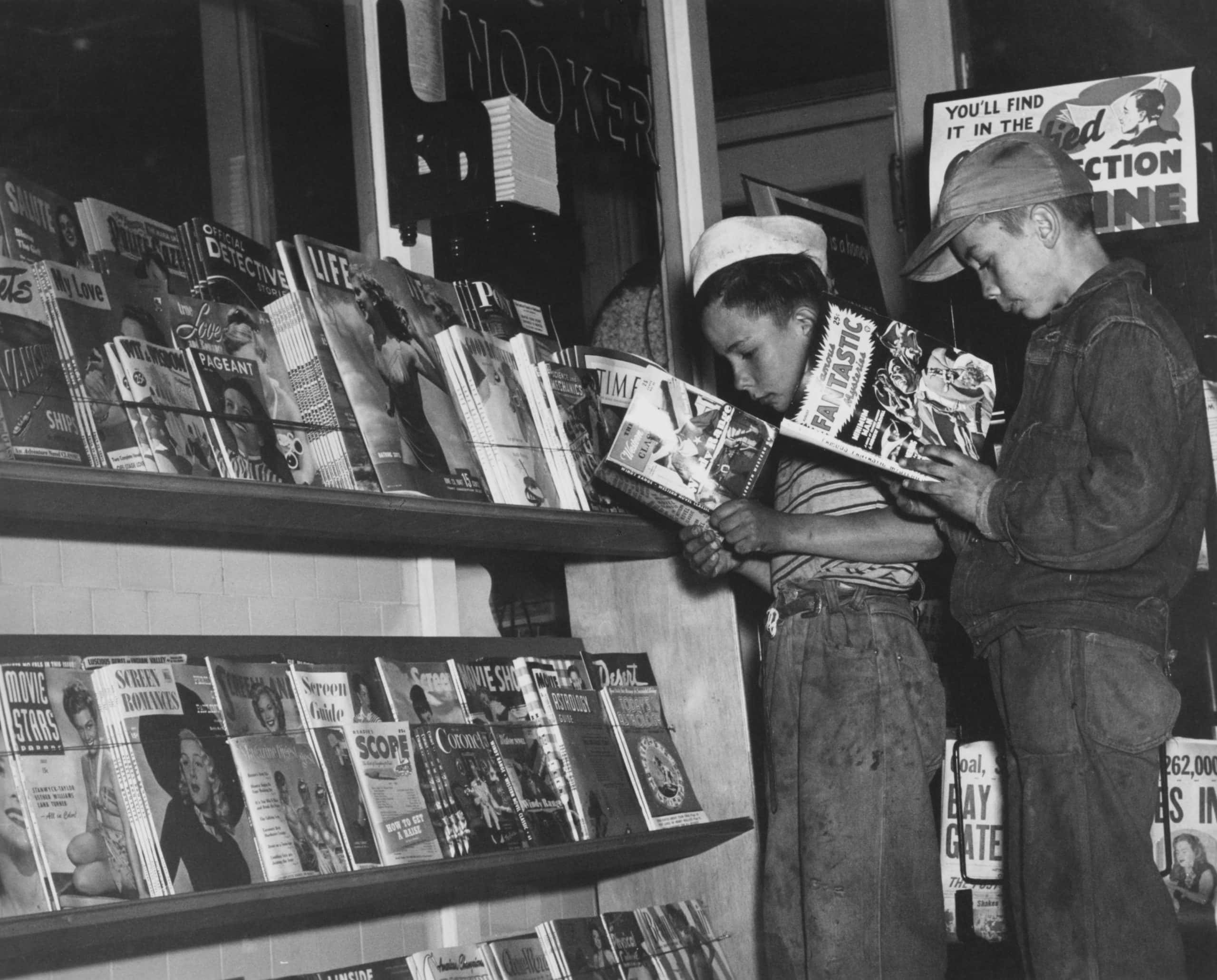
That old stack of comics may have more history than you think, but a cover price of 10 or 12 cents doesn't guarantee a valuable book. Collectors look at first appearances, important storylines, rarity, condition, and whether a comic has been restored. In April 2024, a well-preserved 1938 copy of Action Comics No. 1, featuring Superman's debut, sold for $6 million at Heritage Auctions. Here's the catch: the issue originally had a substantial print run, and the scarcity comes largely from how few copies survived in collectible condition, not because almost none were printed. Most childhood comics won't approach that price, but a notable issue in good shape is worth identifying before you give the whole pile away. Store potentially valuable copies carefully rather than trying to repair them yourself.