Professional Coin Grading Service
Professional Coin Grading Service
Professional Coin Grading Service
Professional Coin Grading Service
Professional Coin Grading Service
Professional Coin Grading Service
Professional Coin Grading Service
Professional Coin Grading Service
Professional Coin Grading Service
Professional Coin Grading Service
Professional Coin Grading Service
Professional Coin Grading Service
Professional Coin Grading Service
Professional Coin Grading Service
Professional Coin Grading Service
Professional Coin Grading Service
15 Valuable U.S. Coin Errors and Varieties
A penny with doubled lettering. A nickel whose buffalo appears to have lost a leg. A quarter with an extra leaf that wasn't supposed to be there. Some of the most collectible U.S. coins stand out because of tiny differences most people would never notice.
The catch is that the ordinary versions of these coins are usually common. What collectors pay extra for are specific minting mistakes, scarce design varieties, and, in a few cases, special Proof coins made for collector sets. The most dramatic auction prices often come from professionally authenticated coins in exceptional condition, not pocket change.
These 15 examples span 1937 through 2004, presented from oldest to newest. We'll explain what makes each one different, what to look for, and a documented sale that shows why collectors take the details seriously. Auction results are historical examples, not guaranteed values for a coin you find today.
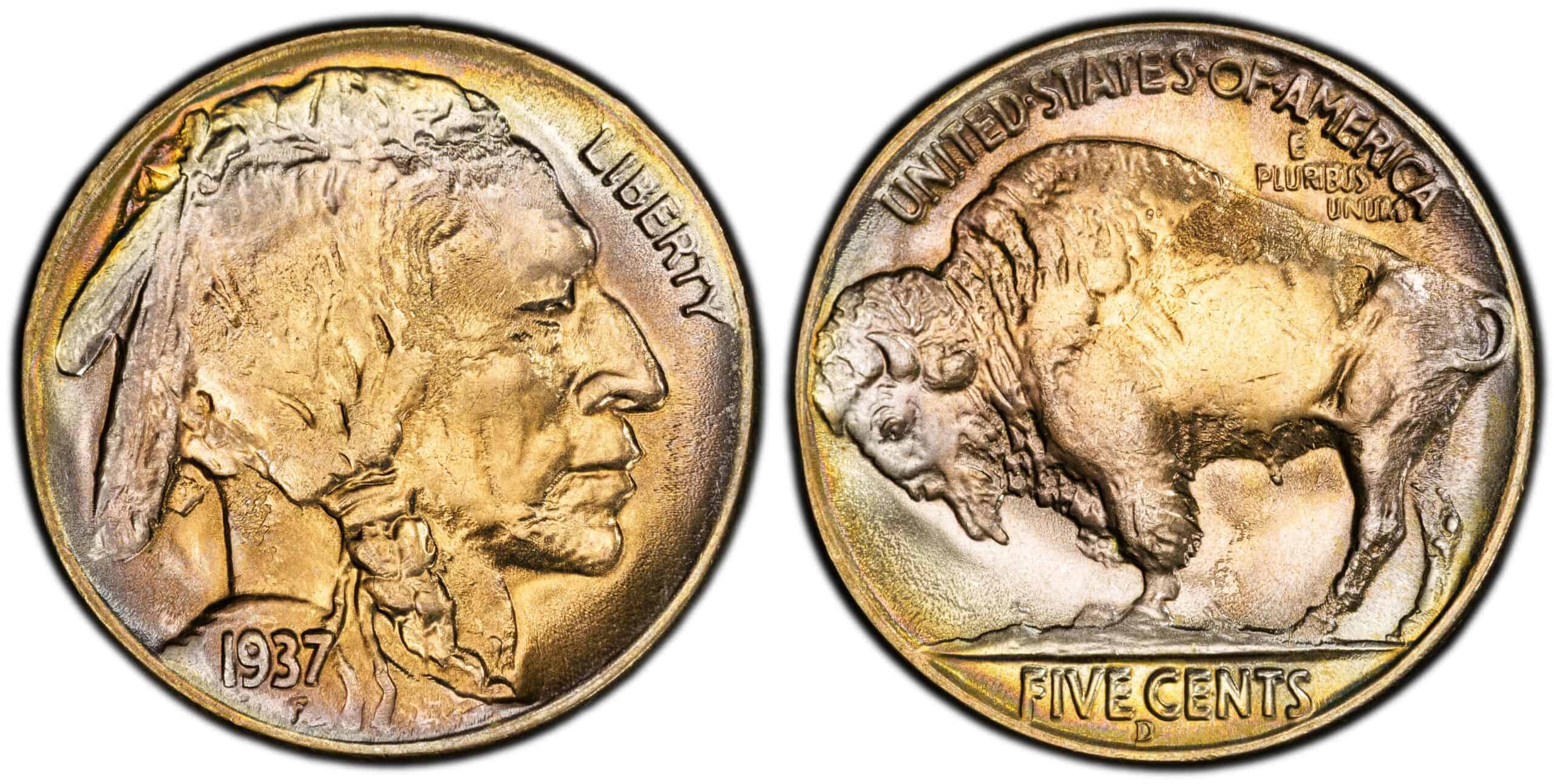
1937-D Three-Legged Buffalo Nickel
A buffalo with only three legs sounds like a joke, but the 1937-D Three-Legged Buffalo nickel is one of the best-known U.S. coin varieties. Excessive polishing of a damaged die removed most of the bison’s front leg on the reverse. You can still see part of the hoof, so a completely smooth-looking missing leg is not proof you have the real thing. A PCGS MS66+ example sold for $99,875 at Legend Rare Coin Auctions in October 2021. Since this variety has been famous for decades, altered coins and counterfeits are a genuine concern. Collectors compare other die markers before paying a premium.
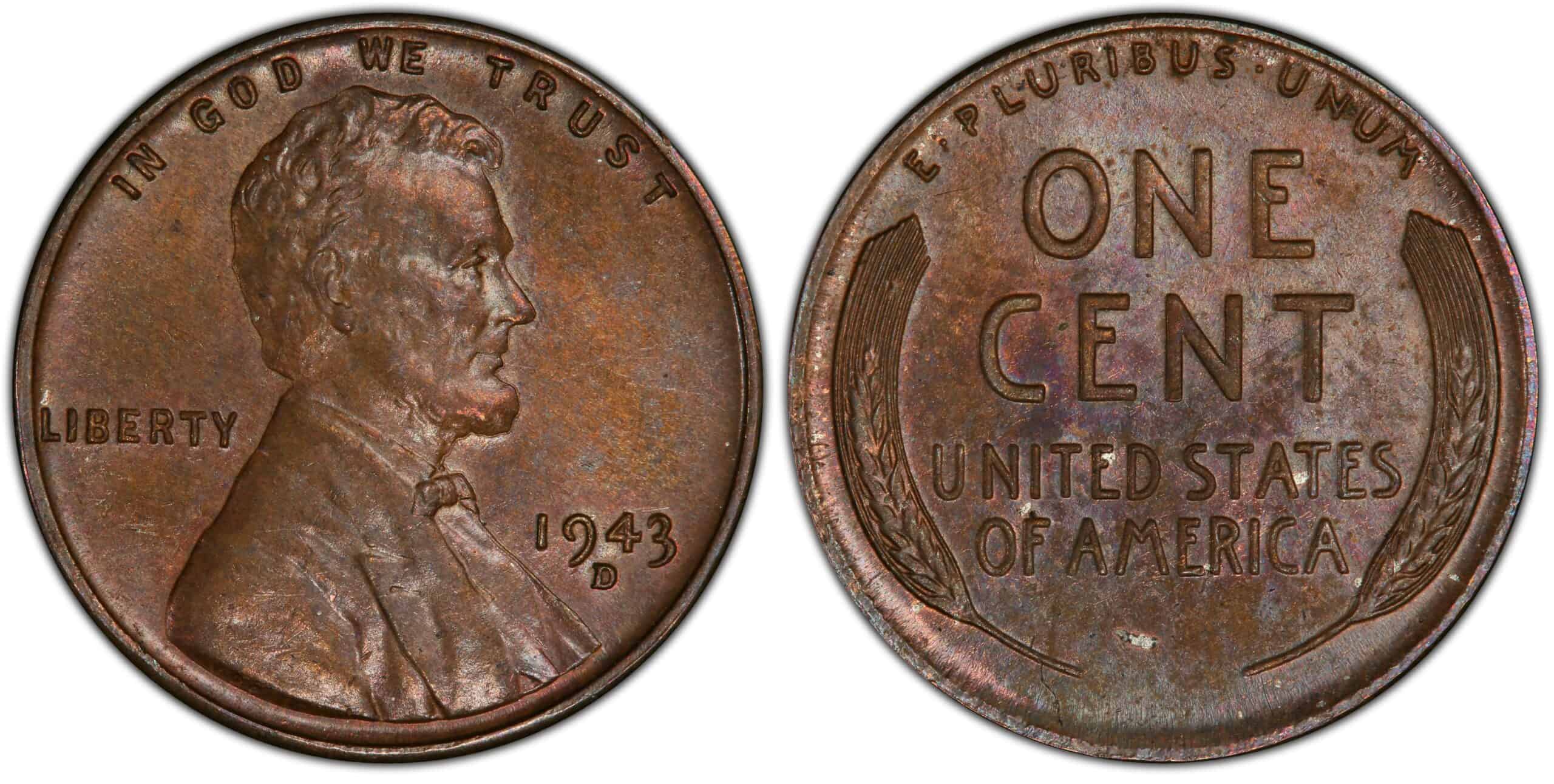
1943-D Bronze Lincoln Cent
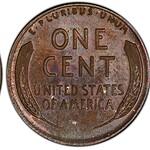
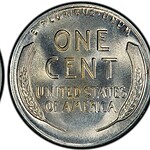
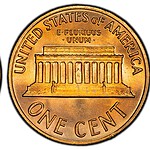
In 1943, the U.S. Mint switched from bronze to zinc-coated steel cents to conserve copper during World War II. But one known penny struck in Denver that year was made from bronze instead. That single authenticated 1943-D bronze cent sold privately for $1.7 million in 2010 and later brought $840,000 at Heritage Auctions in January 2021. A copper-colored 1943 penny is not automatically valuable: some ordinary steel cents have been plated with copper, and altered dates are another familiar trick. Genuine bronze examples weigh about 3.11 grams, compared with roughly 2.7 grams for 1943 steel cents. With this much money involved, professional authentication is essential.
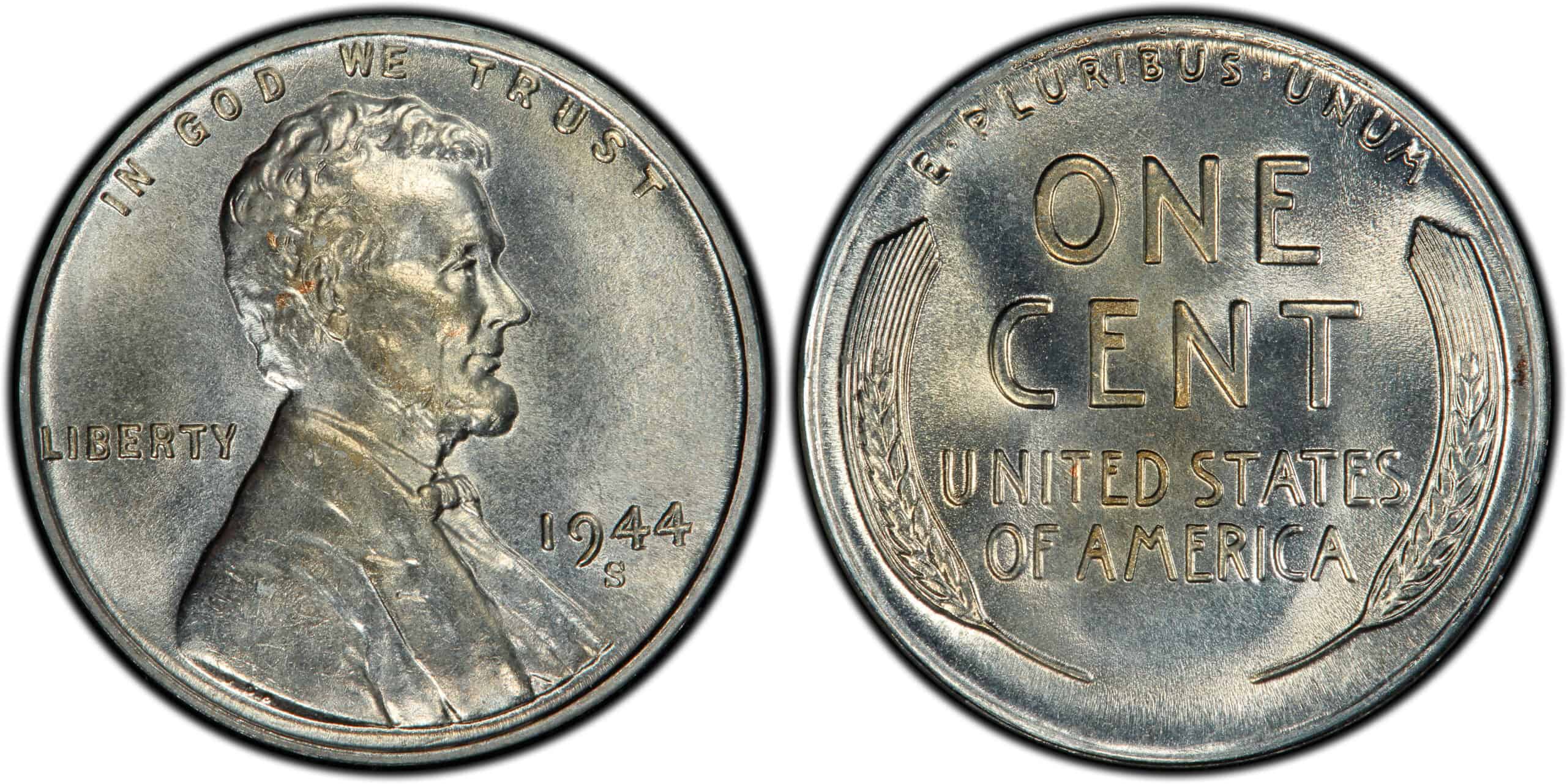
1944-S Steel Lincoln Cent
The penny story flipped the following year. Regular 1944 cents returned to a bronze composition, but a few were struck on leftover steel blanks. The 1944-S steel cent, made in San Francisco, is particularly rare: PCGS identifies only two known examples. The finer of the two, graded MS66, sold for $408,000 in 2021 and then for $490,500 through GreatCollections in January 2025. It looks like a gray wartime penny, but the date makes all the difference. Genuine examples require careful testing because plated copper cents, altered coins, and other imitations can create expensive confusion.
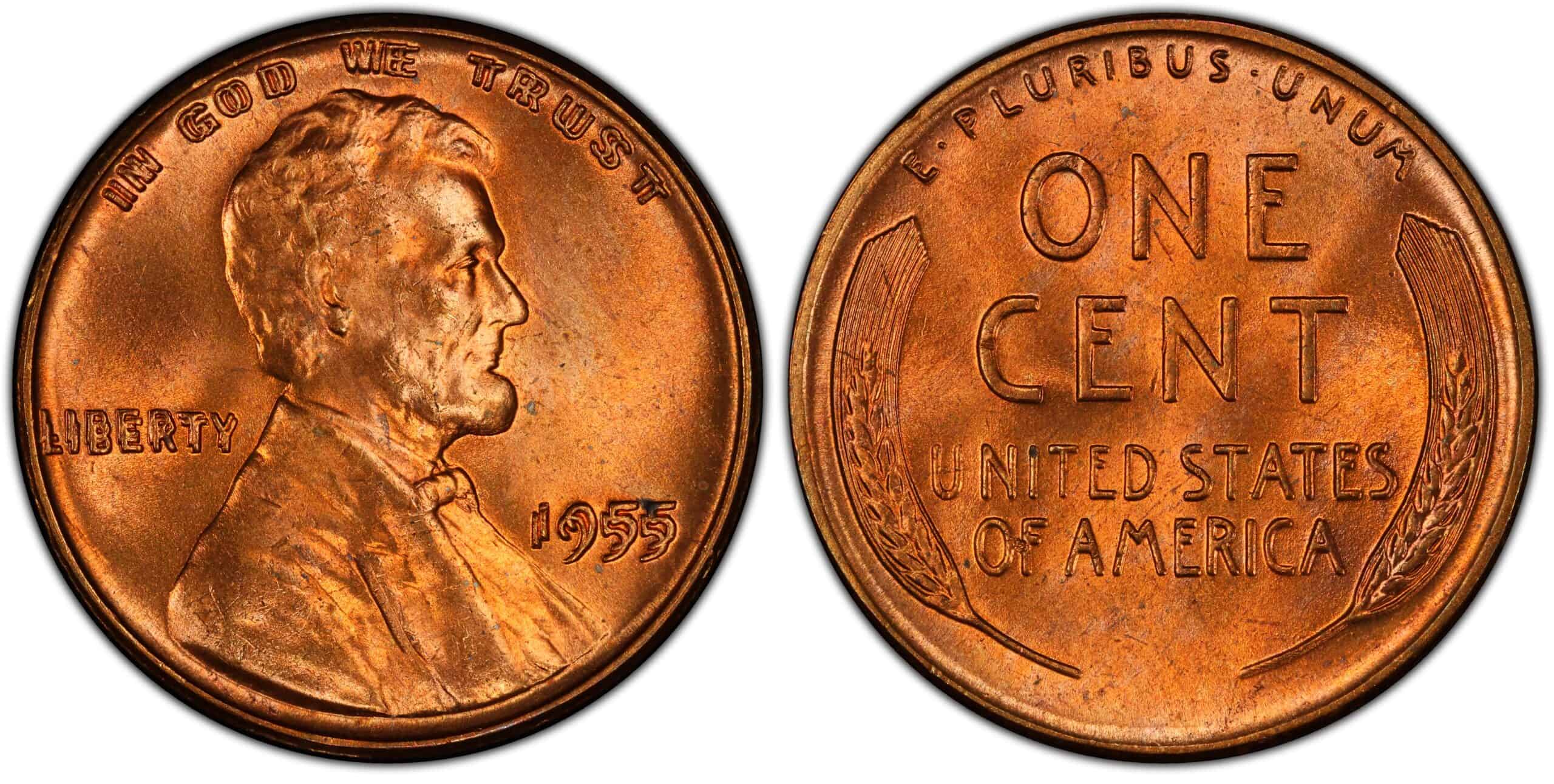
1955 Doubled Die Lincoln Cent
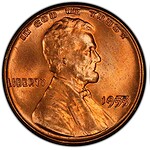
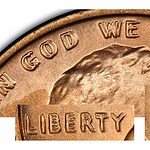
This is the classic doubled-date penny. On the famous 1955 Doubled Die Obverse Lincoln cent, the date and the words LIBERTY and IN GOD WE TRUST show distinct, widely separated doubling. It is a die-making variety, not a coin that was simply struck twice. Even circulated examples can command substantial premiums, but exceptionally preserved red examples are in a different league. A PCGS MS65+ Red coin sold for $114,000 in 2018; another example of the same grade brought $287,156.25 at GreatCollections in January 2023. Don't confuse genuine doubled-die lettering with ordinary machine doubling, which does not carry the same value.
1968 No-S Proof Roosevelt Dime
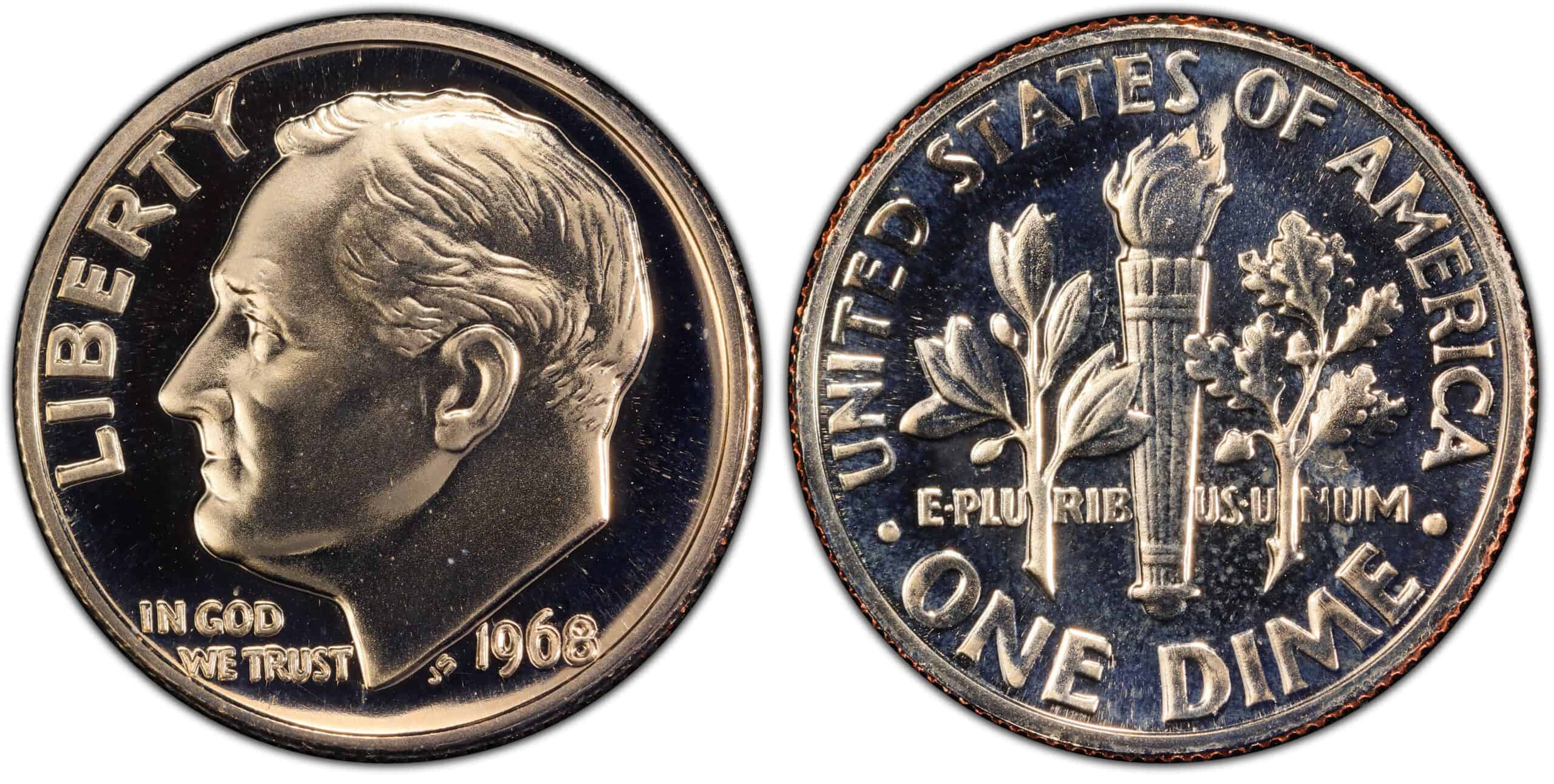
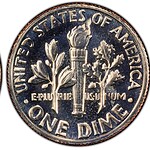
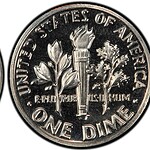
The first of the modern No-S Proof mistakes appeared on Roosevelt dimes dated 1968. San Francisco Proof dimes were supposed to carry an S mintmark, but a small number were struck from a die lacking the letter. These were specially made collector coins, not ordinary pocket-change dimes. PCGS has documented a PR67 example selling for $40,250 in 2008, while a PR68 Cameo brought $48,875 in 2006. The important distinction is the Proof finish, with unusually reflective fields and carefully struck details. A circulated 1968 dime with no S is not the same rarity. If you have a 1968 Proof set, however, it is worth knowing exactly what to check.
1969-S Doubled Die Lincoln Cent
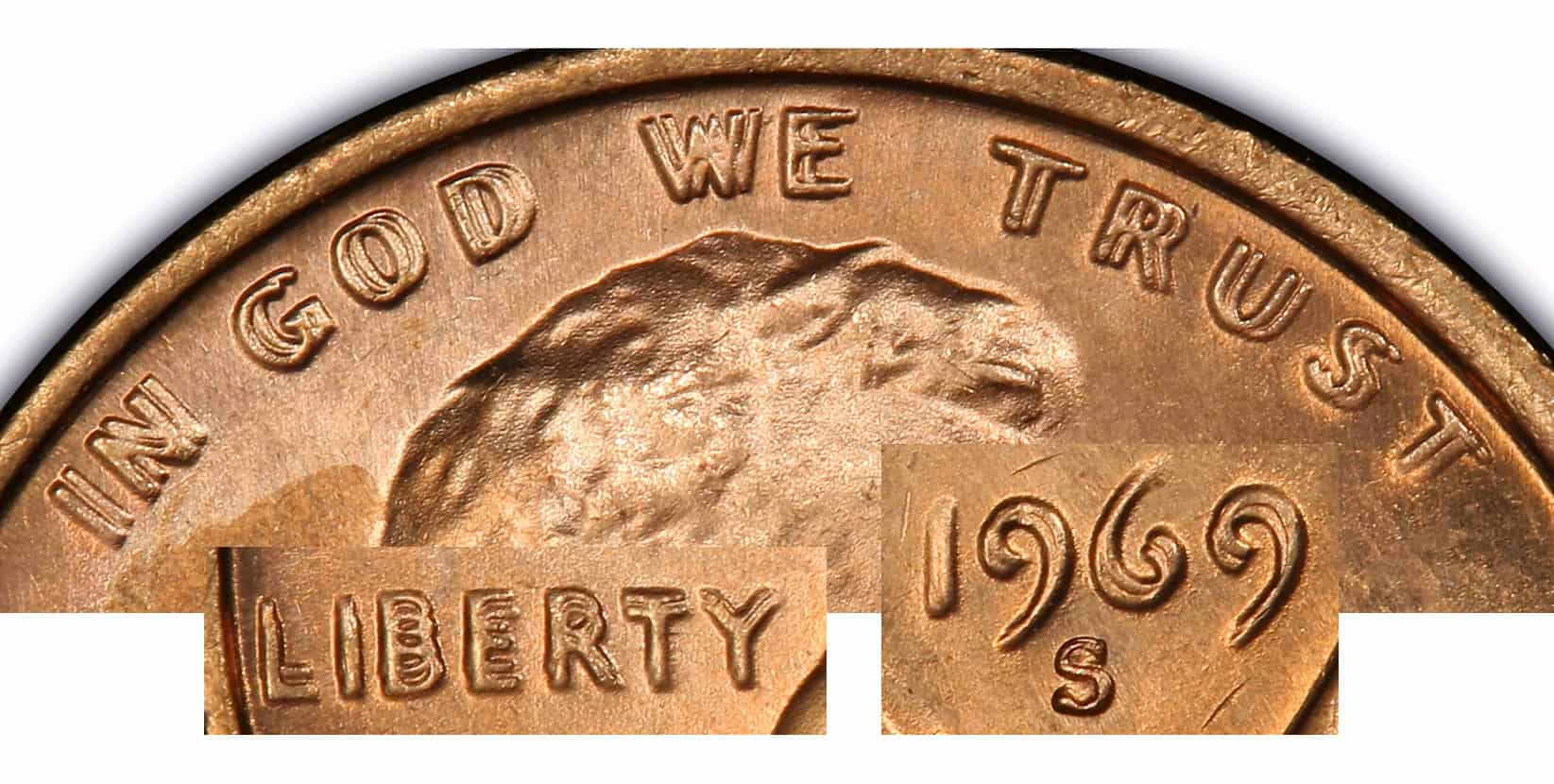
The 1969-S Doubled Die Obverse penny has an unusually dramatic history. Counterfeit doubled-die cents appeared around the same period, and the genuine variety initially became caught up in that investigation. Authentic pieces show strong doubling in the date and obverse lettering, but the S mintmark itself is not doubled in the same way. PCGS lists a January 2026 Heritage Auctions sale of $97,600 for an MS64+ Red example. Ordinary 1969-S cents are common, and wear or machine doubling can fool the eye. If you think you have found one of these, compare it with certified examples before making any assumptions about value.
1972 Doubled Die Lincoln Cent
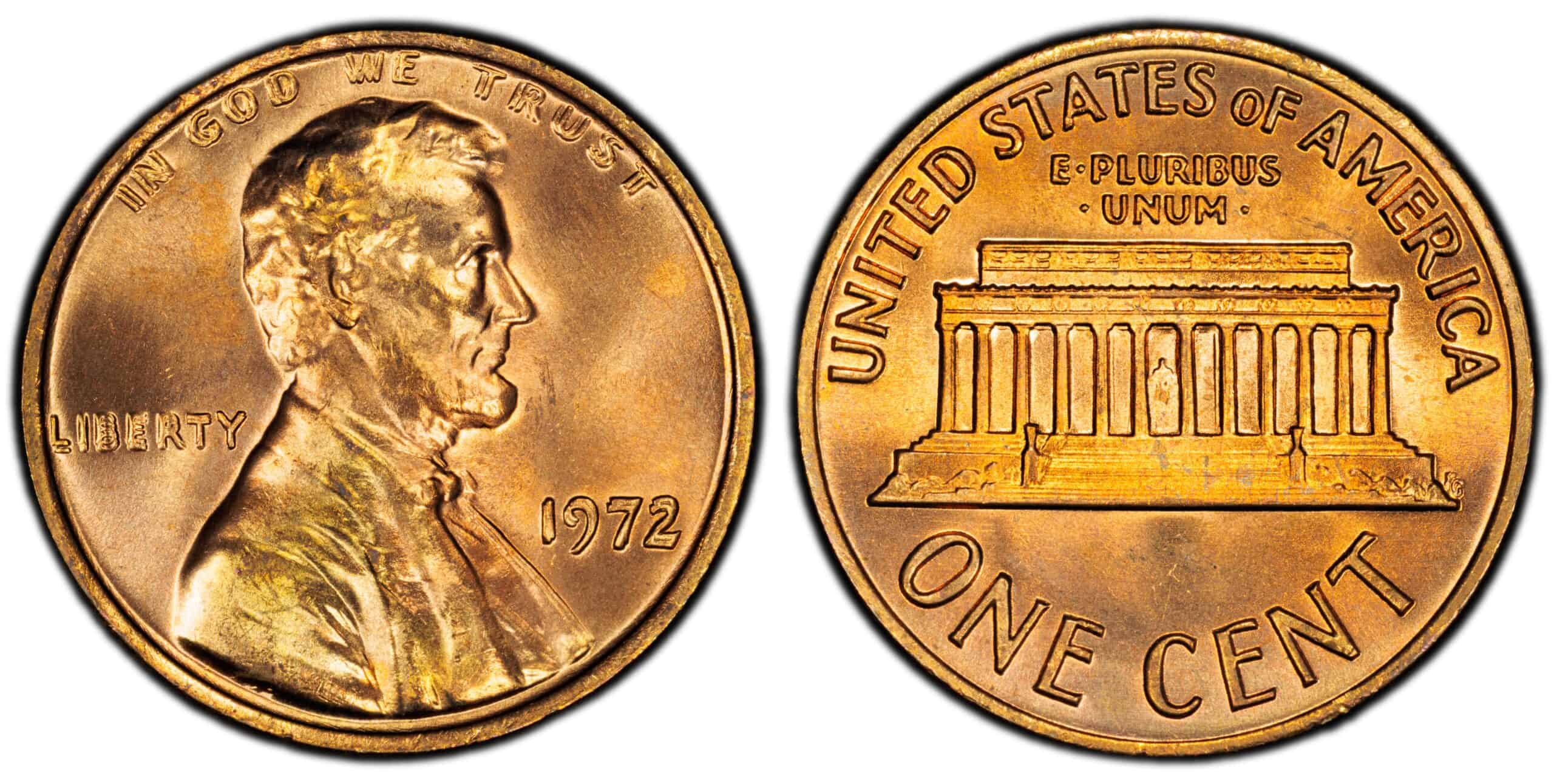
Not every valuable doubled die needs a magnifying glass. The major 1972 Doubled Die Obverse Lincoln cent has visible doubling in the date, LIBERTY, and IN GOD WE TRUST. The best-known version is the FS-101 variety, but there are other doubled dies from that year, so a coin that merely looks a bit blurry is not enough. In June 2019, a PCGS MS67+ Red example sold for $14,400 at Heritage Auctions. Most 1972 pennies are worth only a cent, and even authentic varieties vary widely in price depending on grade. Still, this is one of the more practical dates to check in a collection of older cents.
1972 Type 2 Eisenhower Dollar
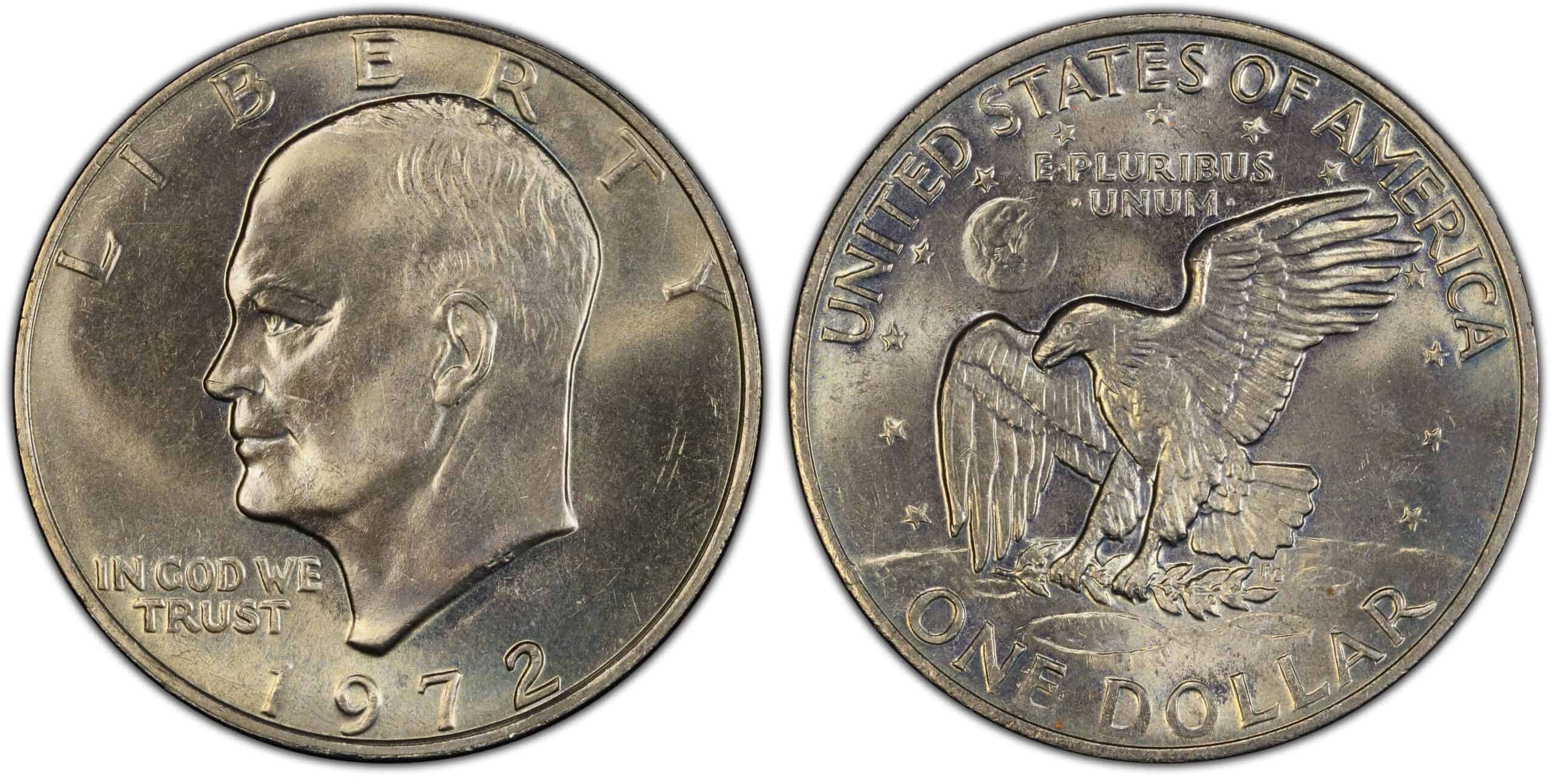
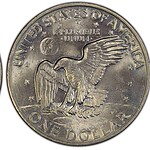
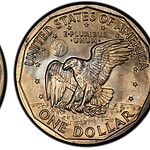
At first glance, a 1972 Eisenhower dollar looks like any other big, copper-nickel dollar from the era. The rare Type 2 reverse is identified by the small image of Earth above the eagle on the back. The islands south of Florida appear unusually flat and indistinct compared with the other 1972 reverse designs. PCGS explains that this version was struck with a reverse die intended for Proof production. A certified MS66 example brought $14,400 at Heritage Auctions in August 2022. The date alone does not make an Eisenhower dollar valuable; you need to compare that tiny Earth design and consider the coin's condition.
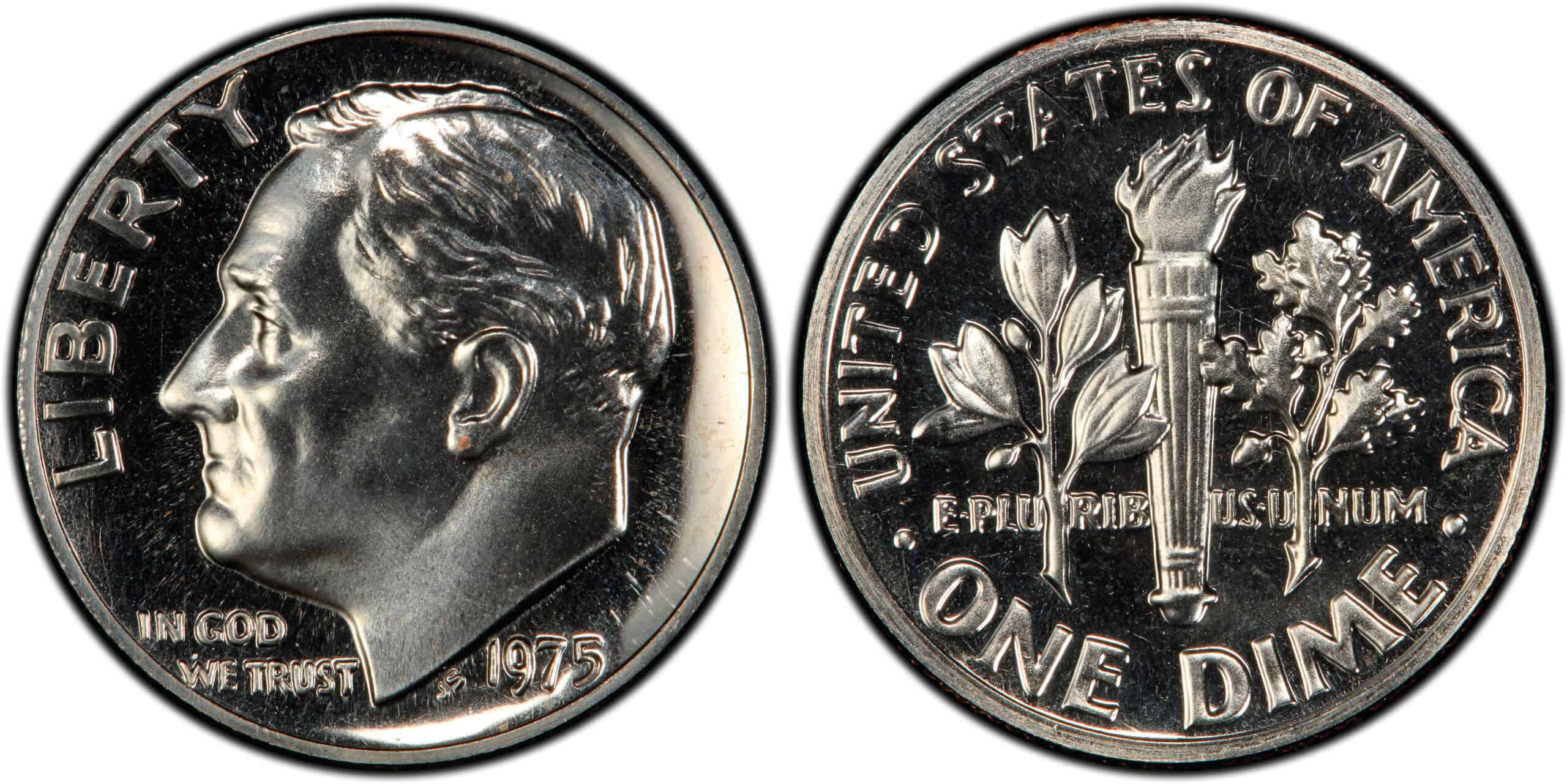
1975 No-S Proof Roosevelt Dime
Here is why the word Proof matters so much in coin collecting. Hundreds of millions of regular 1975 dimes were struck in Philadelphia without a mintmark, and those are common. But San Francisco Proof dimes were supposed to show an S. Only two genuine 1975 No-S Proof dimes are known. One sold for $456,000 in 2019, and the other brought $506,250 through GreatCollections in October 2024. The latter was graded PCGS PR67. These coins were found in collector Proof sets, not identified by grabbing an ordinary 1975 dime from a cash register. Nearly every online claim about a fortune hiding in a mintmark-free 1975 dime leaves out that crucial distinction.
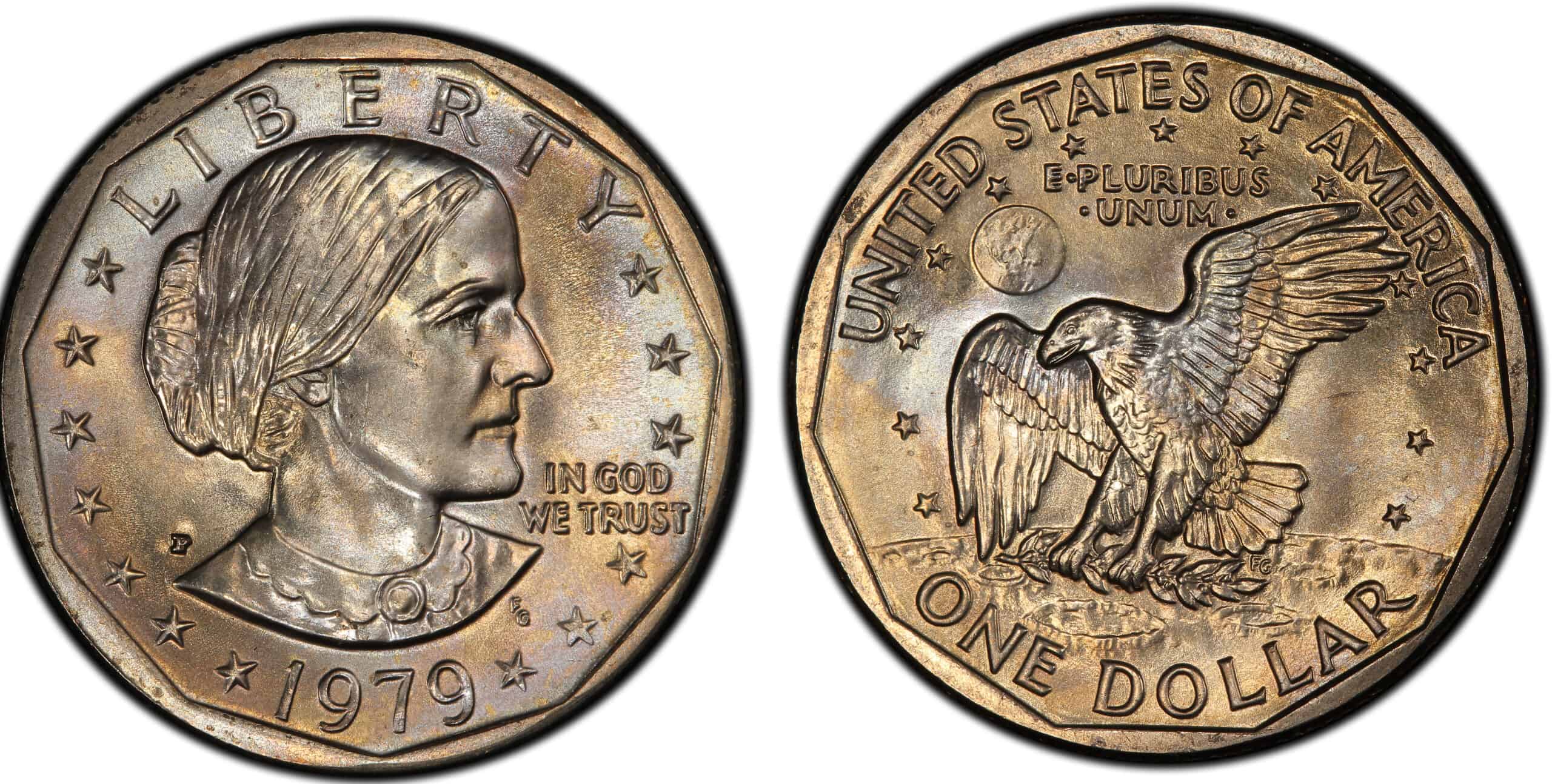
1979-P Wide Rim Susan B. Anthony Dollar
Not every 1979 Susan B. Anthony dollar is unusual, but the Philadelphia Wide Rim variety deserves a closer look. Also called the Near Date, it has a thicker, more rounded rim that comes very close to the date. On the common Narrow Rim, or Far Date, there's a more obvious space between the date and edge. A particularly well-preserved PCGS MS67+ Wide Rim sold for $8,268.75 at GreatCollections in April 2025. That is an exceptional-condition price, not what a typical dollar from a change drawer will bring. For a quick first check, compare the date-to-rim spacing with clear examples of both varieties.
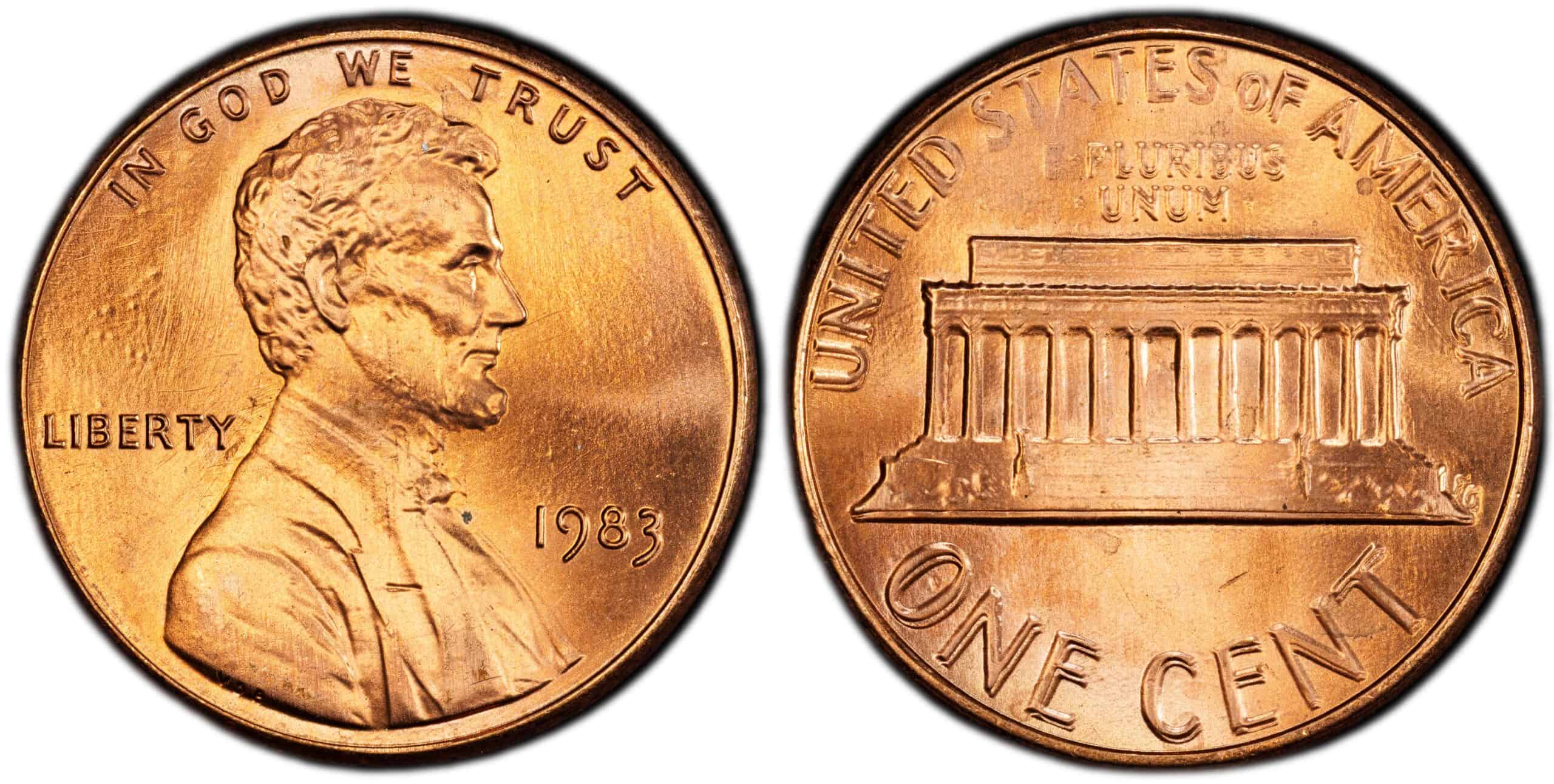
1983 Doubled Die Reverse Lincoln Cent
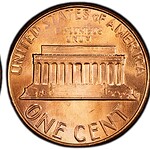
The giveaway on this 1983 cent is on the back, not the front. Look at UNITED, E PLURIBUS UNUM, and ONE CENT. The recognized Doubled Die Reverse variety shows strong doubling in that lettering, and PCGS considers it one of the standout reverse doubled dies in the Lincoln cent series. A PCGS MS68 Red example sold for $7,050 at Heritage Auctions in July 2017. Most 1983 pennies, of course, are ordinary copper-plated zinc cents and have no such premium. The trick is identifying the specific doubled-die pattern, rather than confusing it with flat, shelf-like machine doubling or damage from circulation.
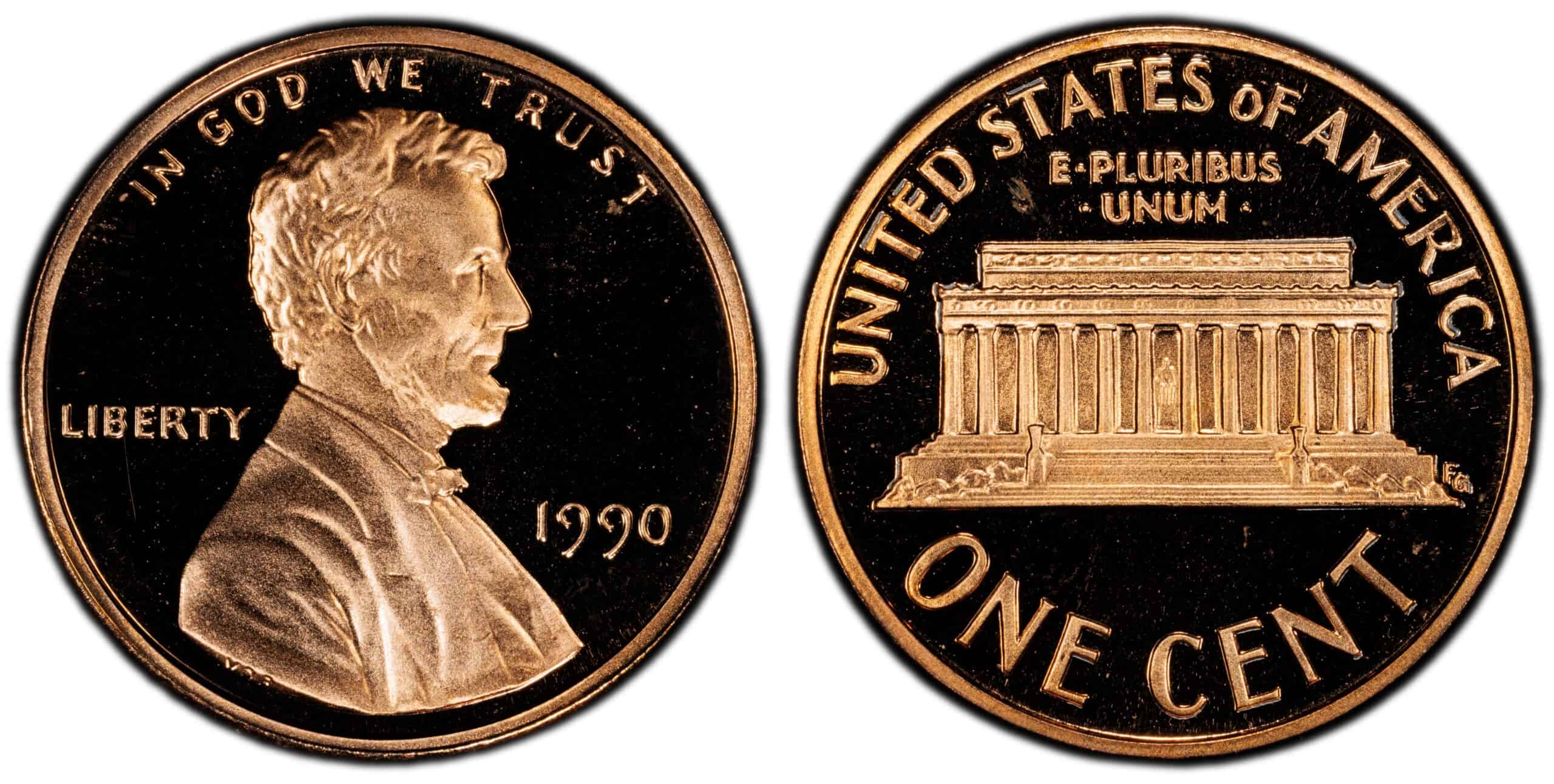
1990 No-S Proof Lincoln Cent
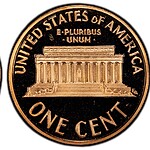
A regular 1990 penny with no mintmark is normal: Philadelphia did not put a mintmark on its circulating cents that year. The scarce coin is the 1990 No-S Proof penny, made for collector sets but missing the S that San Francisco Proofs were supposed to display. PCGS reports that fewer than 200 have surfaced, and an example graded PR69 Deep Cameo sold for $20,700 through Bowers & Merena in August 2007. Its reflective Proof surfaces are as important as the absent letter. If you are searching old 1990 Proof or Prestige sets, this is the version to know. Ordinary circulation pennies are not equivalent.
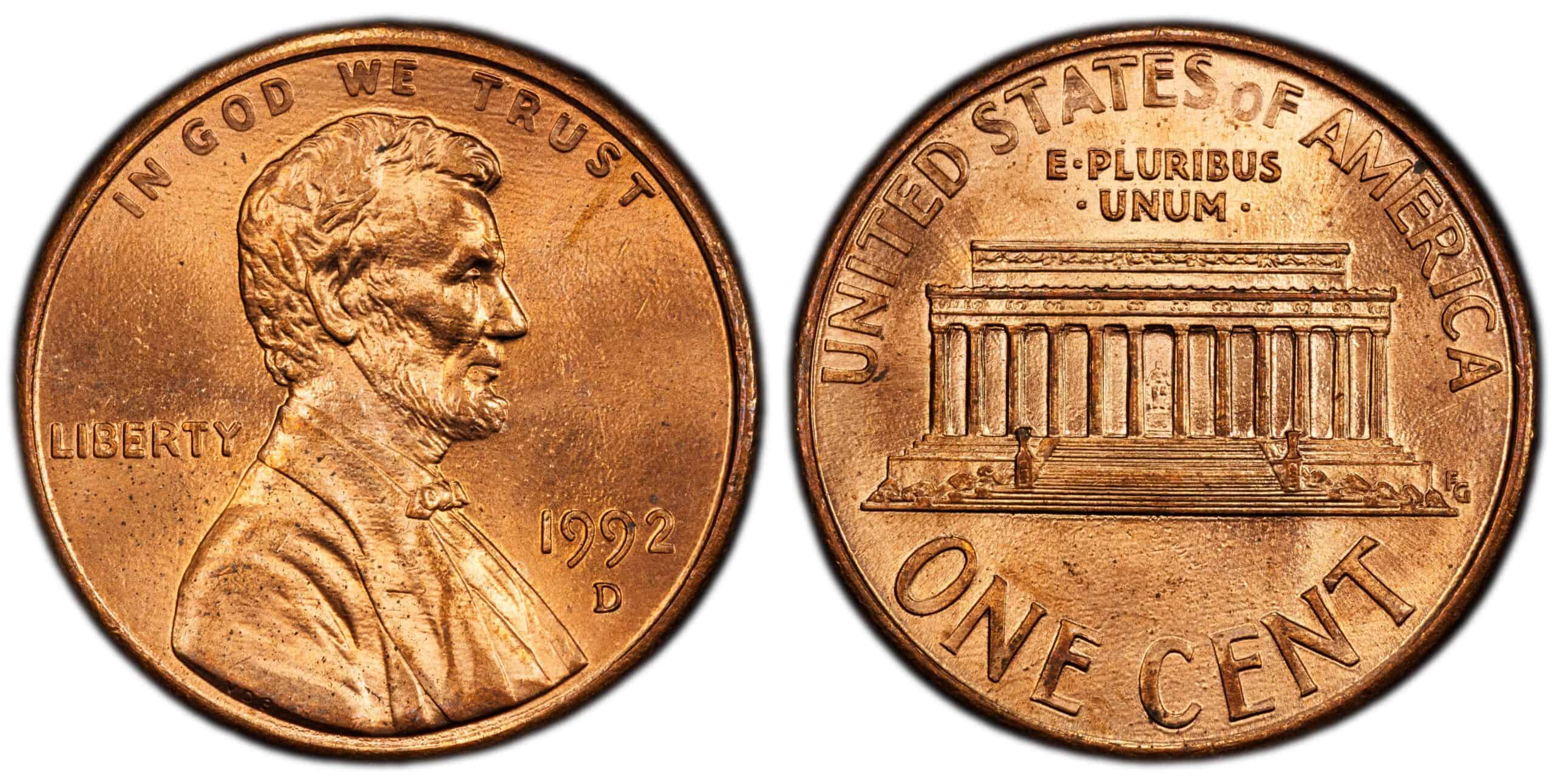
1992-D Close AM Lincoln Cent
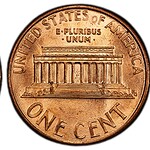
Sometimes a valuable variety comes down to the gap between two letters. On the rare 1992-D Close AM Lincoln cent, the A and M in AMERICA on the reverse nearly touch. Most 1992-D pennies have a much wider gap. The position of the designer's FG initials near the Lincoln Memorial also helps specialists confirm the reverse die. A PCGS MS65 Red coin sold for $14,100 at Heritage Auctions in February 2014. That price reflects an authenticated, high-grade example. If you find a promising 1992-D penny, compare both the AM spacing and the initials against a trusted variety reference before deciding what you have.
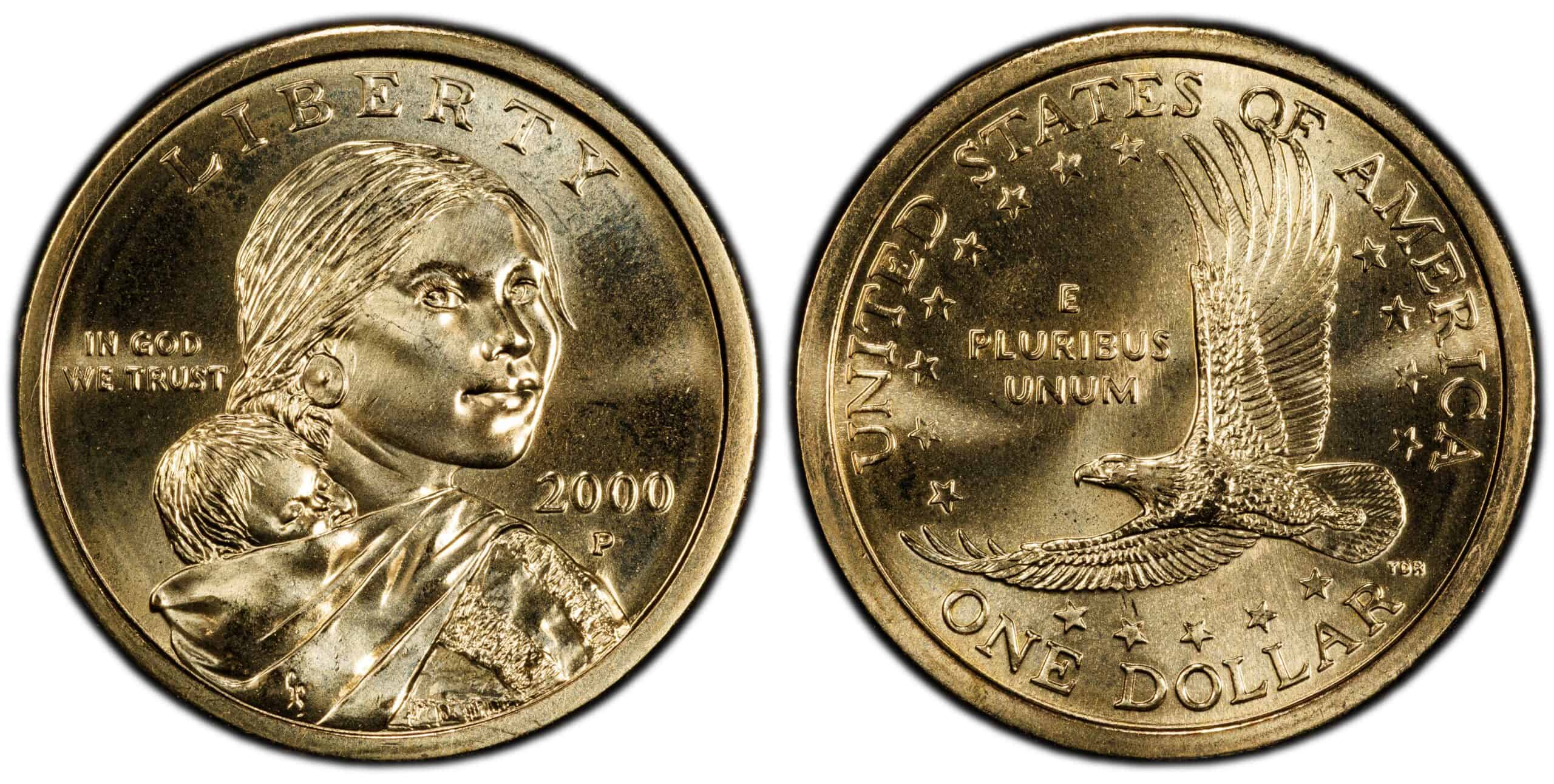
2000-P Cheerios Sacagawea Dollar
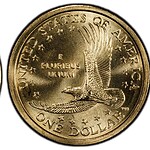
One of the strangest modern dollar stories began in a cereal box. To promote the new Sacagawea dollar, the U.S. Mint supplied 5,500 coins for a Cheerios giveaway around the coin's 2000 launch. Some carry a prototype-style reverse with unusually sharp detail in the eagle's tail feathers. These are the collectible Cheerios Dollar variety; a regular 2000-P dollar does not qualify simply because it has the same date. A PCGS MS68 example sold for $10,200 at Heritage Auctions in April 2020. The key detail is the tail-feather design, not an imagined connection to a cereal promotion that cannot be verified.
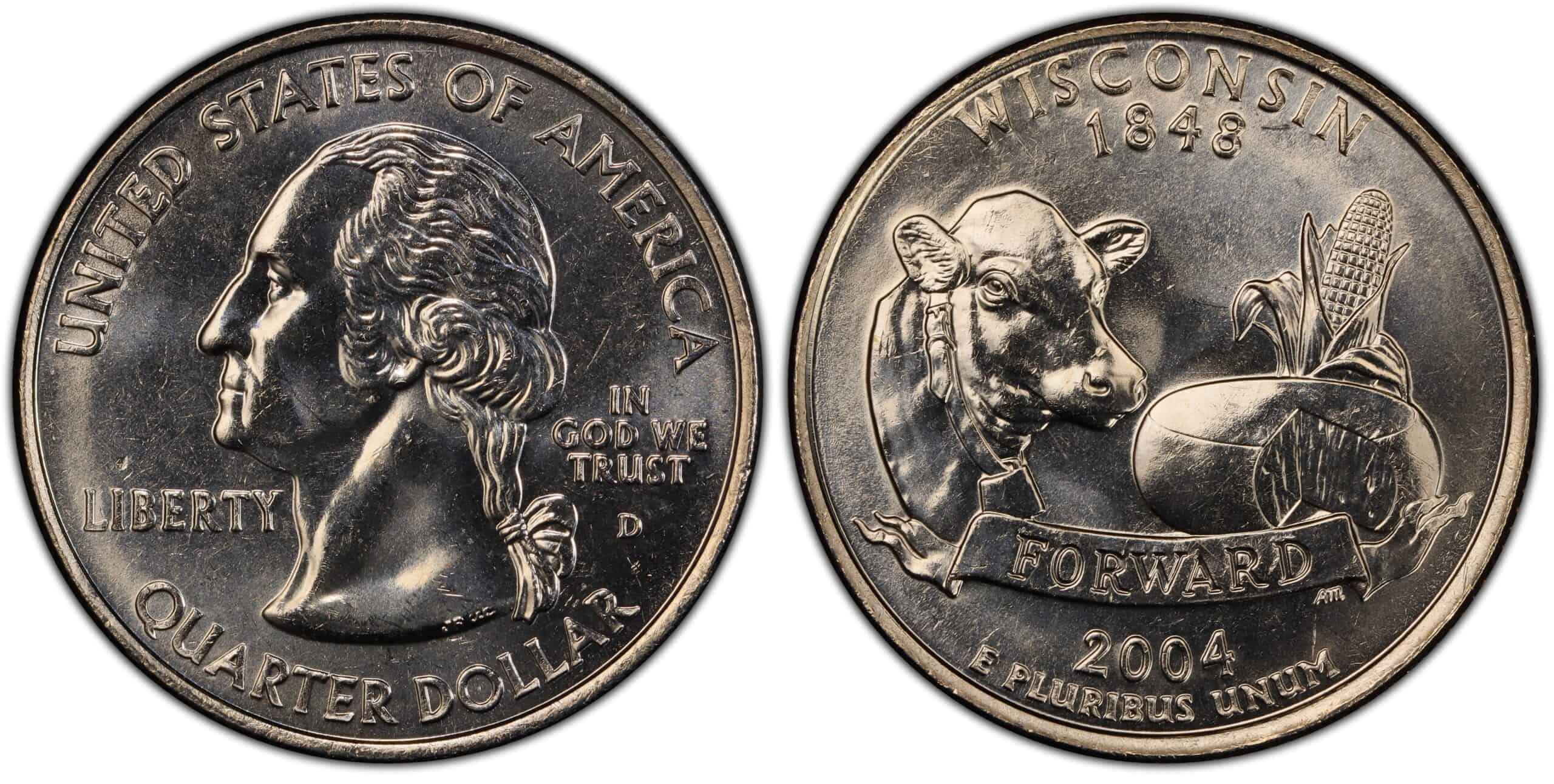
2004-D Wisconsin Extra Leaf High Quarter
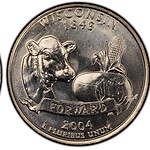
Wisconsin state quarters became an unexpected collector favorite after two unusual 2004-D varieties were discovered. On the reverse, near the ear of corn, look for an extra raised line resembling another leaf. Collectors recognize both Extra Leaf High and Extra Leaf Low versions. An MS67 Extra Leaf High quarter sold for $2,280 at Heritage Auctions in January 2019, according to PCGS, while many lower-grade examples trade for far less. That is still a remarkable premium over 25 cents, but it is not evidence that every Wisconsin quarter is a five-figure find. The extra leaf needs to match a recognized variety, and condition matters.