Flywheel Publishing
Professional Coin Grading Service
Professional Coin Grading Service
Professional Coin Grading Service
Professional Coin Grading Service
Professional Coin Grading Service
Professional Coin Grading Service
Professional Coin Grading Service
Professional Coin Grading Service
Professional Coin Grading Service
Professional Coin Grading Service
Professional Coin Grading Service
Professional Coin Grading Service
Professional Coin Grading Service
Professional Coin Grading Service
Professional Coin Grading Service
15 Coins You Might Overlook That Can Be Worth Serious Money
Most loose change is exactly what it looks like. A quarter buys 25 cents' worth of something, a penny is still a penny, and that old dollar sitting in a drawer may not be worth much more than its face value. But every once in a while, one tiny detail changes everything.
An extra leaf, a missing mintmark, unusual lettering, or even the wrong metal can turn an otherwise ordinary-looking coin into something collectors will pay thousands of dollars to own. The trick is knowing what separates the valuable version from the millions of common ones that look almost identical. These 15 coins prove that some of the biggest surprises in collecting can hide in very small details.
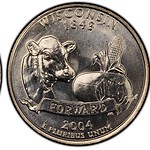
The Wisconsin Quarter With an Extra Leaf
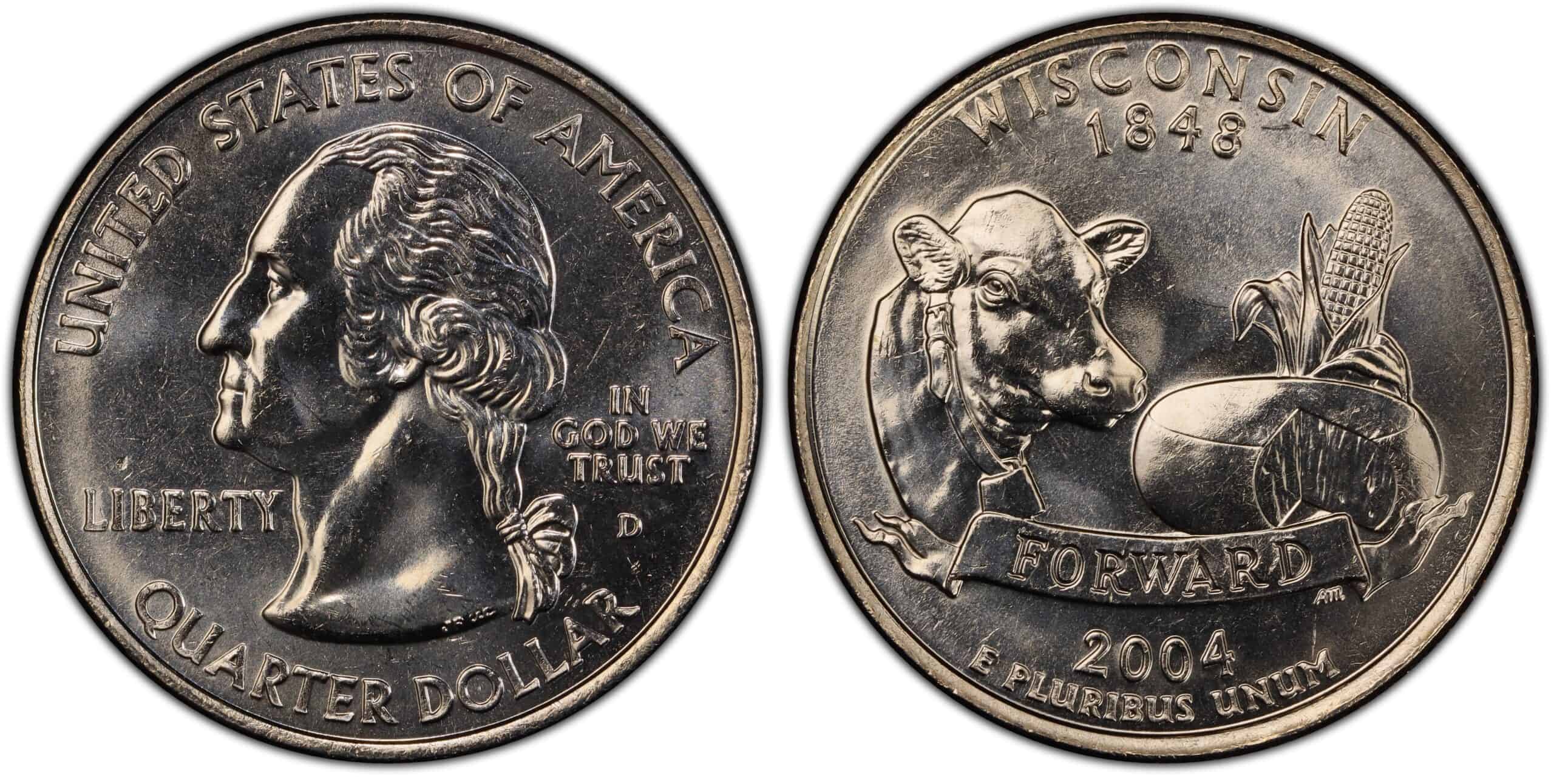
Millions of Wisconsin state quarters were tossed into change jars and cup holders, but a small number of 2004-D quarters have a feature worth checking. Look at the corn stalk on the reverse. The valuable varieties have an extra raised leaf on the left side, with collectors recognizing both a Low Leaf and a scarcer High Leaf version.
In September 2020, a PCGS-graded MS65 Extra Leaf High quarter sold for $18,000 at Heritage Auctions. That does not make every Wisconsin quarter valuable. The normal version is common, and condition matters enormously, so the extra leaf needs to match authenticated examples before you start thinking about a five-figure payday.
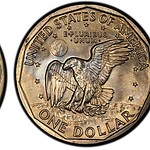
The Susan B. Anthony Dollar With the Wider Rim
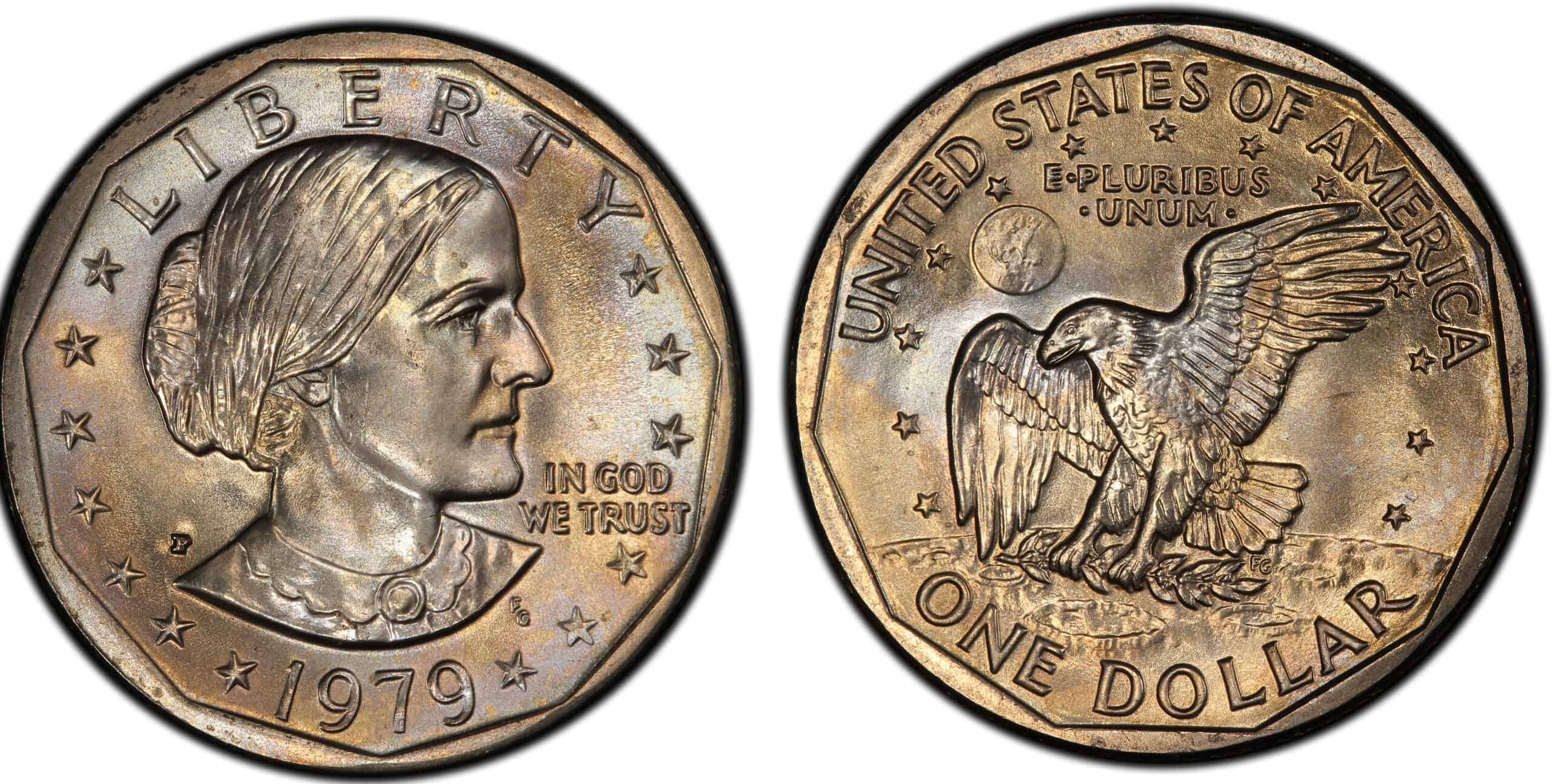
If you have a 1979 Susan B. Anthony dollar, take a close look at how the date sits against the edge. The scarcer Philadelphia Wide Rim variety, also known as the Near Date, has a thick rounded rim that comes noticeably closer to the numbers than it does on the common Narrow Rim version.
The difference can be easy to overlook, but it matters. A PCGS MS67+ example sold for $8,268.75 through GreatCollections in April 2025. Most 1979-P Anthony dollars are the common variety, and even genuine Wide Rim coins need an exceptional grade to approach that price.
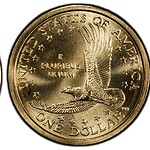
The Sacagawea Dollar That Came in Cheerios
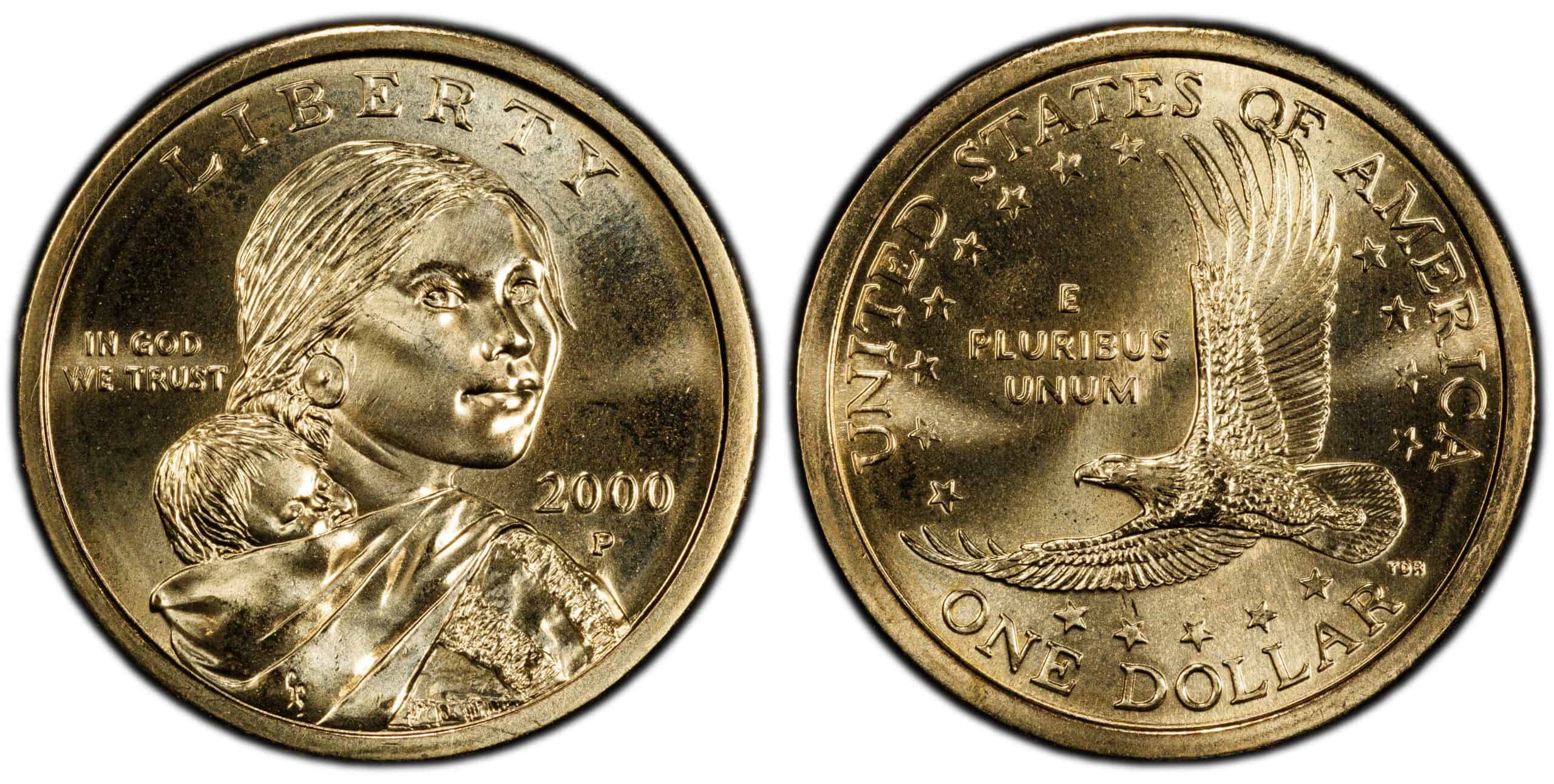
Before Sacagawea dollars were fully released in 2000, the U.S. Mint supplied 5,500 of them to General Mills for a Cheerios promotion. Years later, collectors discovered that some of those promotional coins were different from the dollars that followed, with extra detail visible in the eagle's tail feathers on the reverse.
Those special coins became known as Cheerios Dollars. A PCGS MS68 example sold for $10,200 at Heritage Auctions in April 2020. The catch is that not every 2000-P Sacagawea dollar, and not even every coin associated with the promotion, has the special reverse. The tail-feather details are what matter.
The 1983 Penny With Doubling on the Back
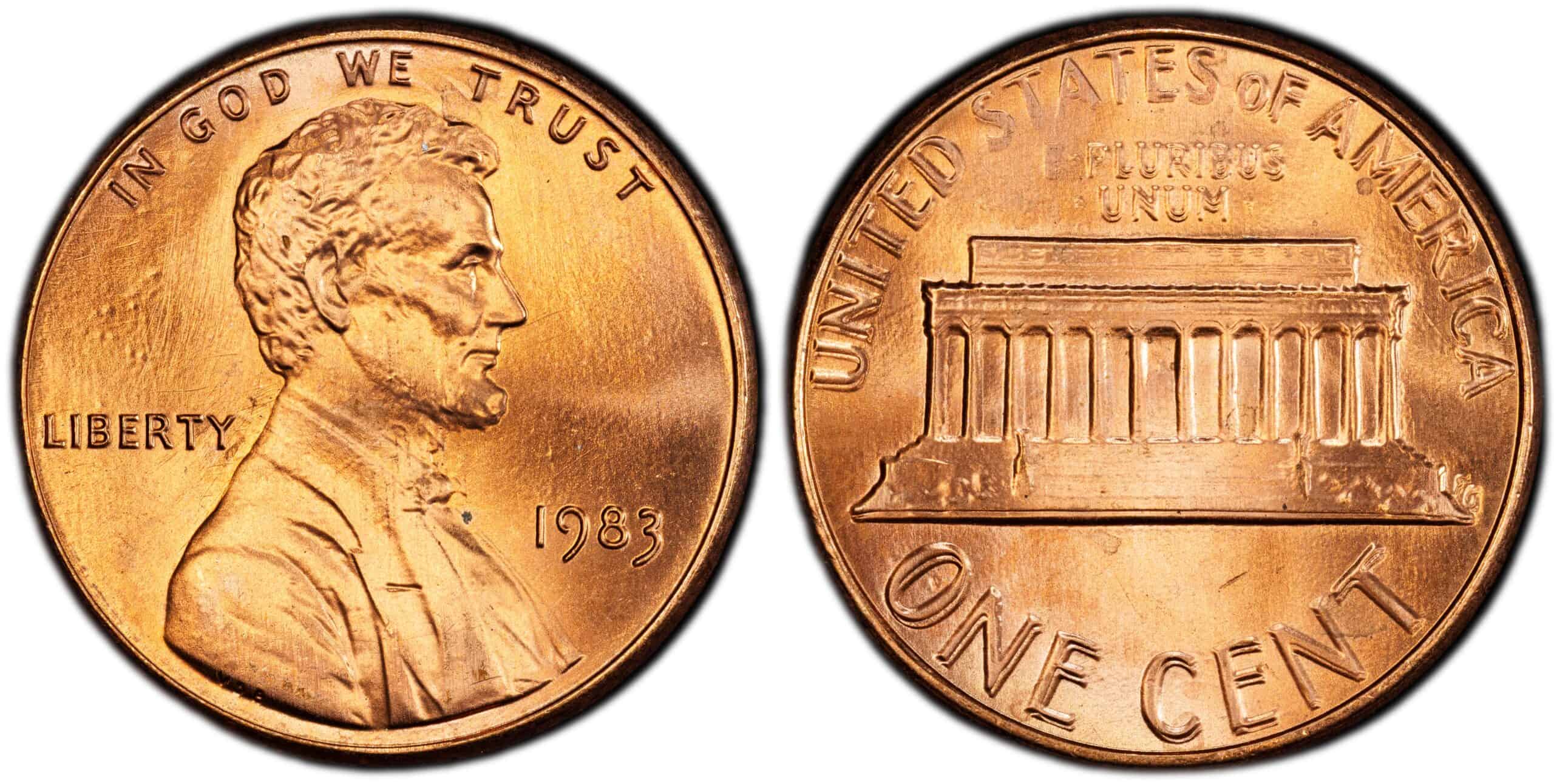
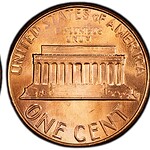
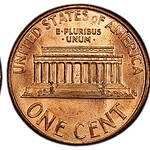
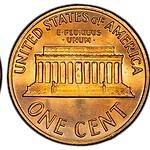
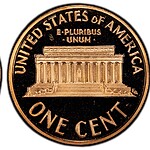
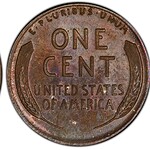
A 1983 penny might not get a second glance, which is exactly why this variety is so easy to miss. Flip it over and look closely at UNITED, E PLURIBUS UNUM, and ONE CENT. On the recognized Doubled Die Reverse variety, the doubling can be striking enough that PCGS calls it one of the strongest doubled die reverses in the Lincoln cent series.
A PCGS MS68 Red example sold for $7,050 at Heritage Auctions in July 2017. Most 1983 pennies are common, of course, and ordinary machine doubling is not the same thing. What makes this one interesting is that the genuine variety can be noticeable enough for an observant collector to spot without laboratory equipment.
The Eisenhower Dollar With the Odd-Looking Earth
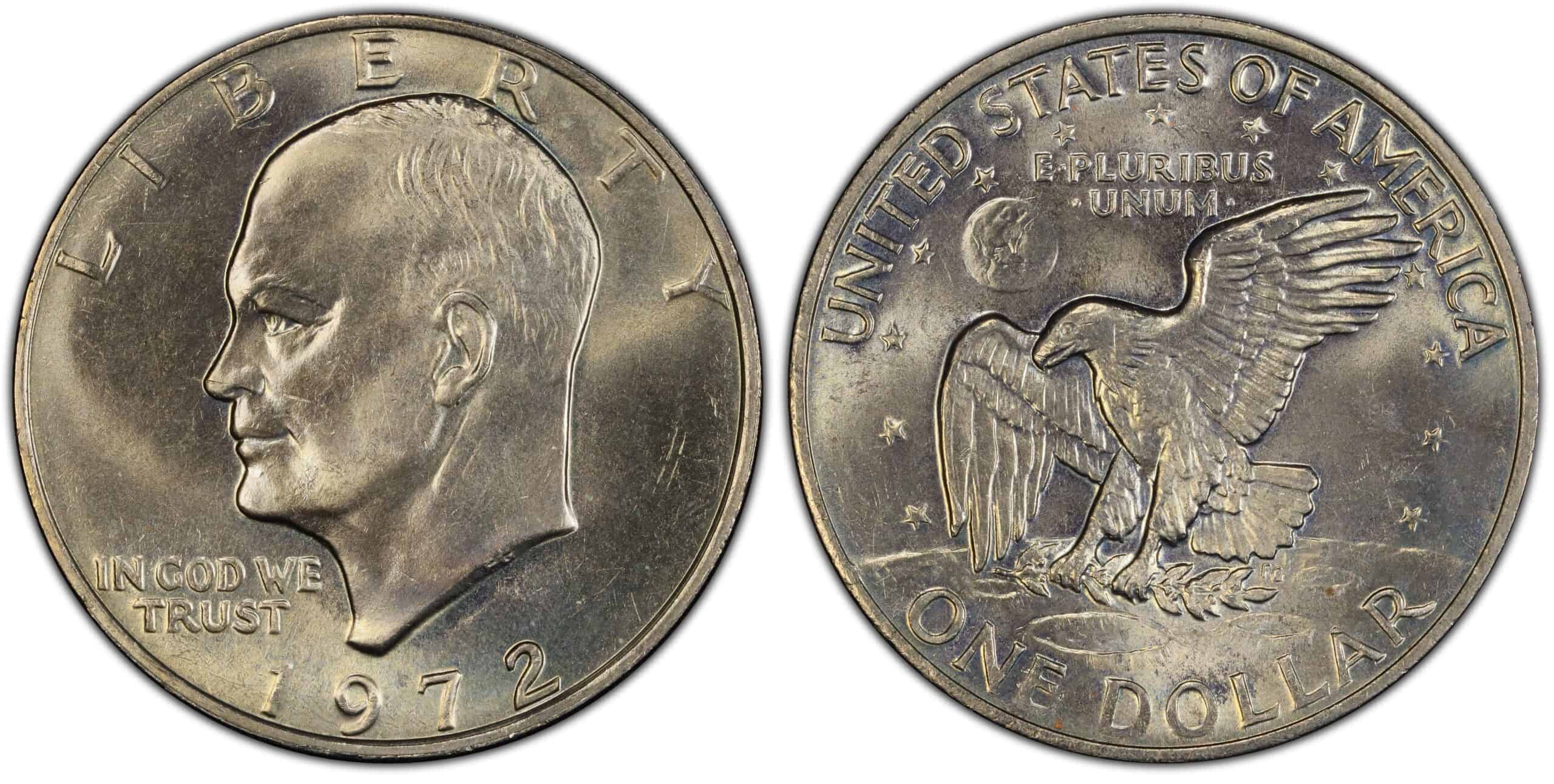
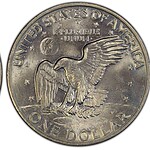
Most 1972 Eisenhower dollars are not particularly rare, but the Type 2 reverse is the exception collectors watch for. The giveaway is the tiny image of Earth above the eagle on the reverse. On the Type 2, the islands beneath Florida look unusually flat and indistinct compared with the other versions.
PCGS identifies the Type 2 as the key variety of the series and says it was produced using a reverse die intended for Proof coins. A PCGS MS66 example sold for $14,400 at Heritage Auctions in August 2022. The date alone will not tell you anything, so this is one where knowing what Earth is supposed to look like can make all the difference.
The 1992-D Penny Where the A and M Nearly Touch
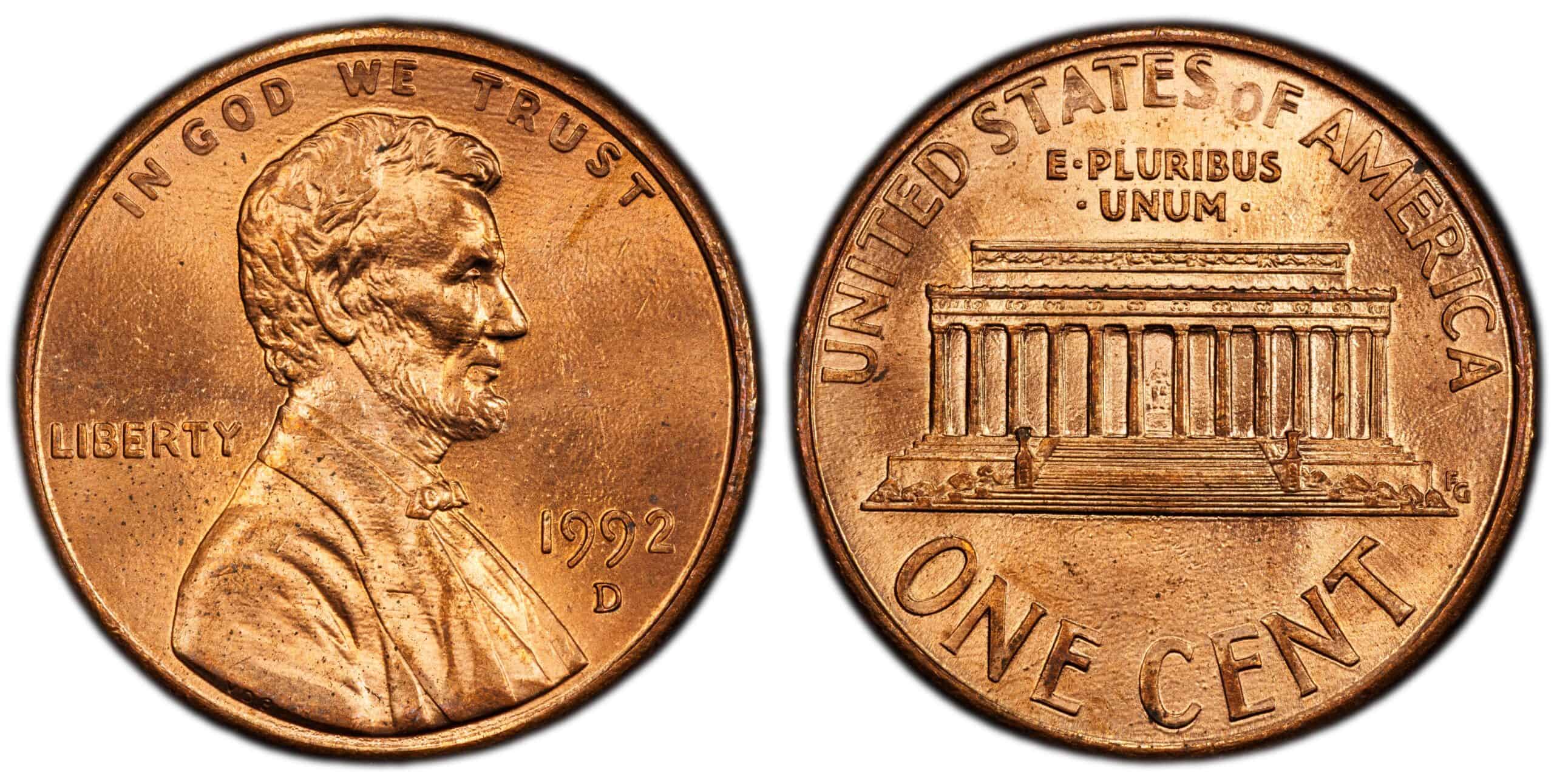
Here is a good example of just how small the difference between common and valuable can be. On the rare 1992-D Close AM Lincoln cent, the A and M in AMERICA on the reverse sit extremely close together. On an ordinary 1992-D penny, the gap is noticeably wider.
PCGS says just over 100 examples of the Denver Close AM variety have been discovered. A PCGS MS65 Red example sold for $14,100 at Heritage Auctions in February 2014. Collectors also check the placement of the FG designer initials near the Lincoln Memorial, another clue that helps distinguish the rare reverse from the common one.
The 1972 Penny With Doubling You Can Actually See
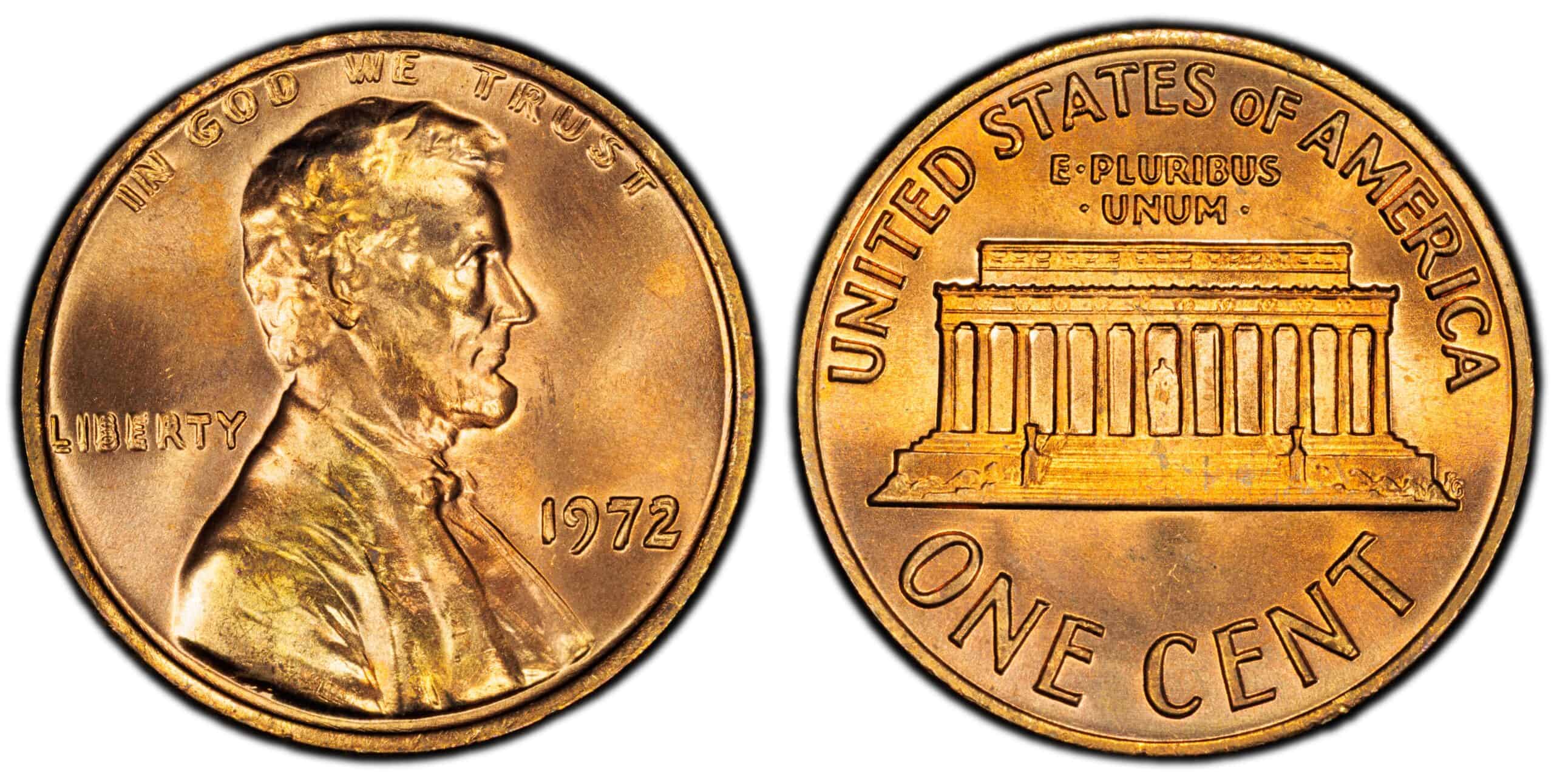
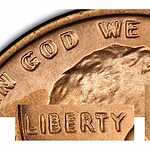
You do not always need a microscope to spot a valuable coin variety. The major 1972 Doubled Die Obverse Lincoln cent shows strong doubling on the date, LIBERTY, and IN GOD WE TRUST. PCGS notes that the effect on the major Type 1 variety can be strong enough to see with the naked eye.
A PCGS MS67+ Red example sold for $14,400 at Heritage Auctions in June 2019. There are several doubled dies from 1972, however, and machine doubling can also fool an inexperienced eye. Matching the lettering to the recognized major variety is far more important than simply finding a penny that looks a little blurry.
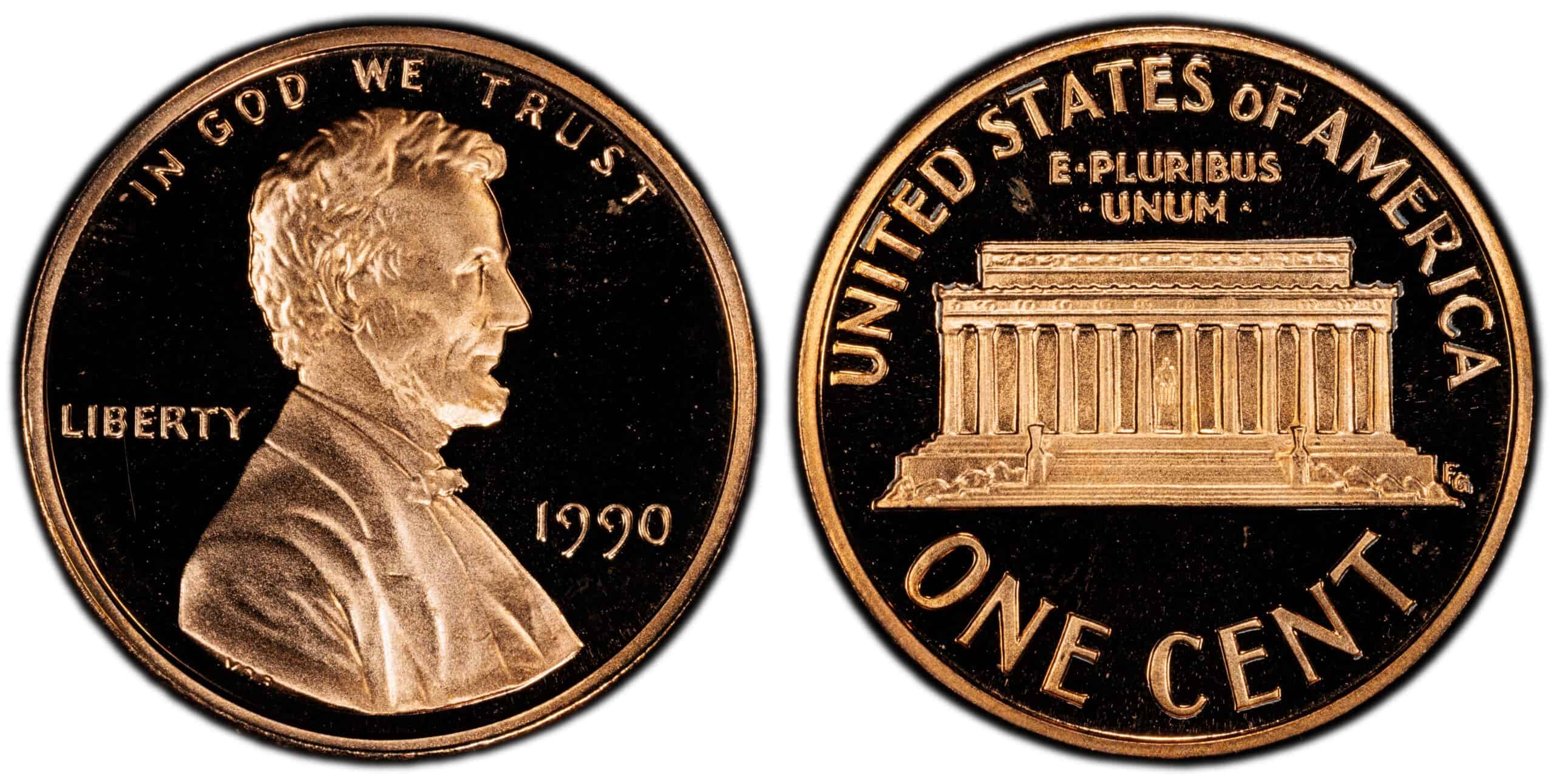
The 1990 Proof Penny Missing Its "S"
This is one of those rare-coin stories where one missing detail changes the whole picture. A regular 1990 penny with no mintmark is completely normal because Philadelphia cents did not carry one. The valuable mistake is a Proof penny, made for collectors, that should have had an S for San Francisco but somehow left the Mint without it.
PCGS says fewer than 200 examples of the 1990 No S Proof cent have surfaced. A PCGS PR69 Deep Cameo example sold for $20,700 in August 2007. The shiny, sharply struck Proof appearance is crucial here. A regular 1990 penny from your change without an S is not the rare version.
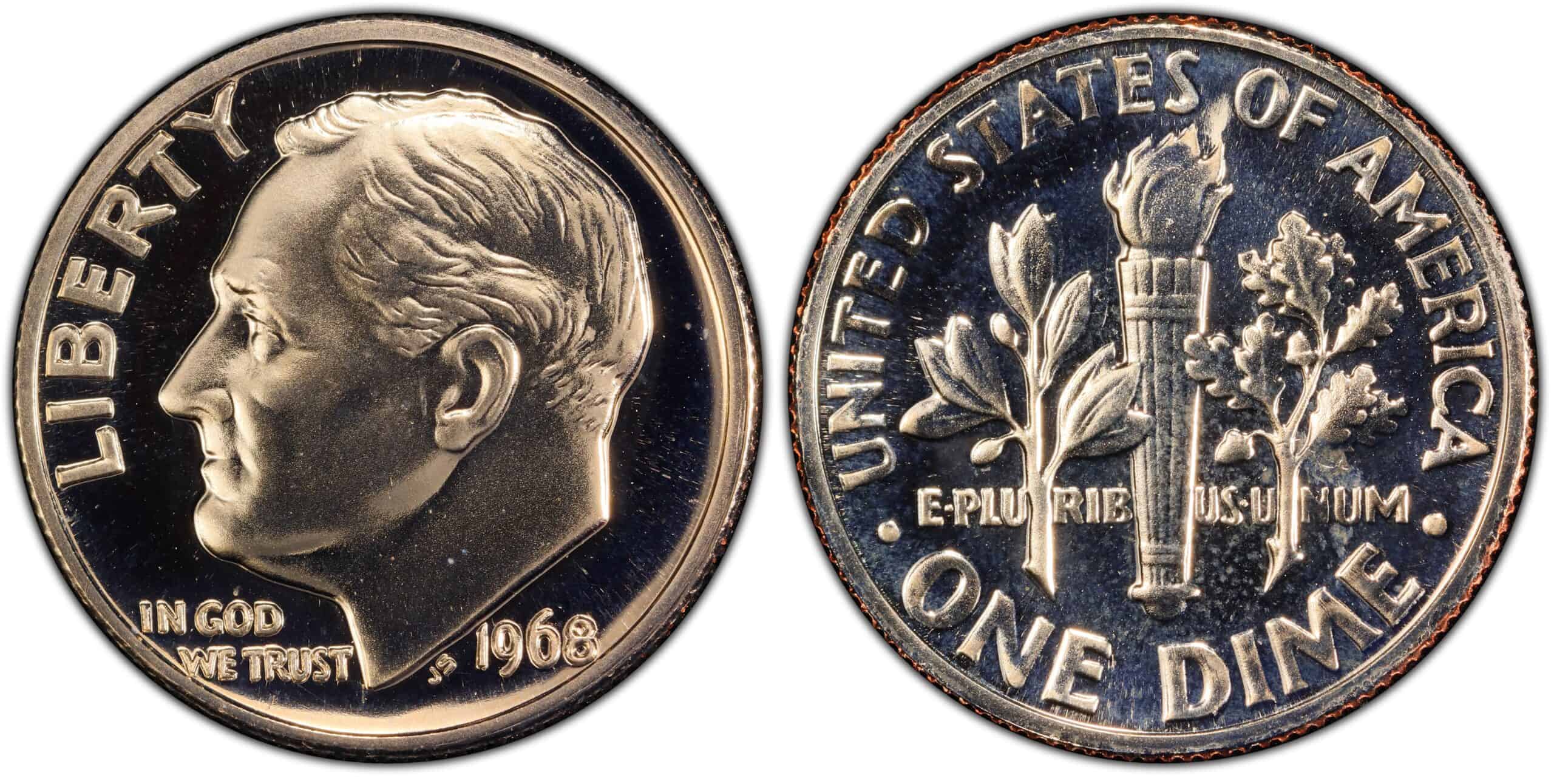
The 1968 Proof Dime Missing Its Mintmark
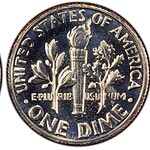
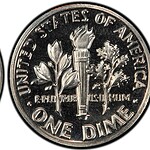
The same kind of mistake created one of the most famous Roosevelt dime varieties. Proof dimes made in San Francisco in 1968 were supposed to carry an S mintmark, but a small number escaped without one. PCGS describes it as the first Proof coin accidentally struck without the S.
Only a few dozen examples are known across all grades, according to PCGS. A PR67 example sold for $40,250 at Heritage Auctions in July 2008. Again, the word Proof is everything. A normal circulation dime lacking an S is not automatically rare; the valuable coin has the distinctive sharp strike and reflective surfaces of a Proof.
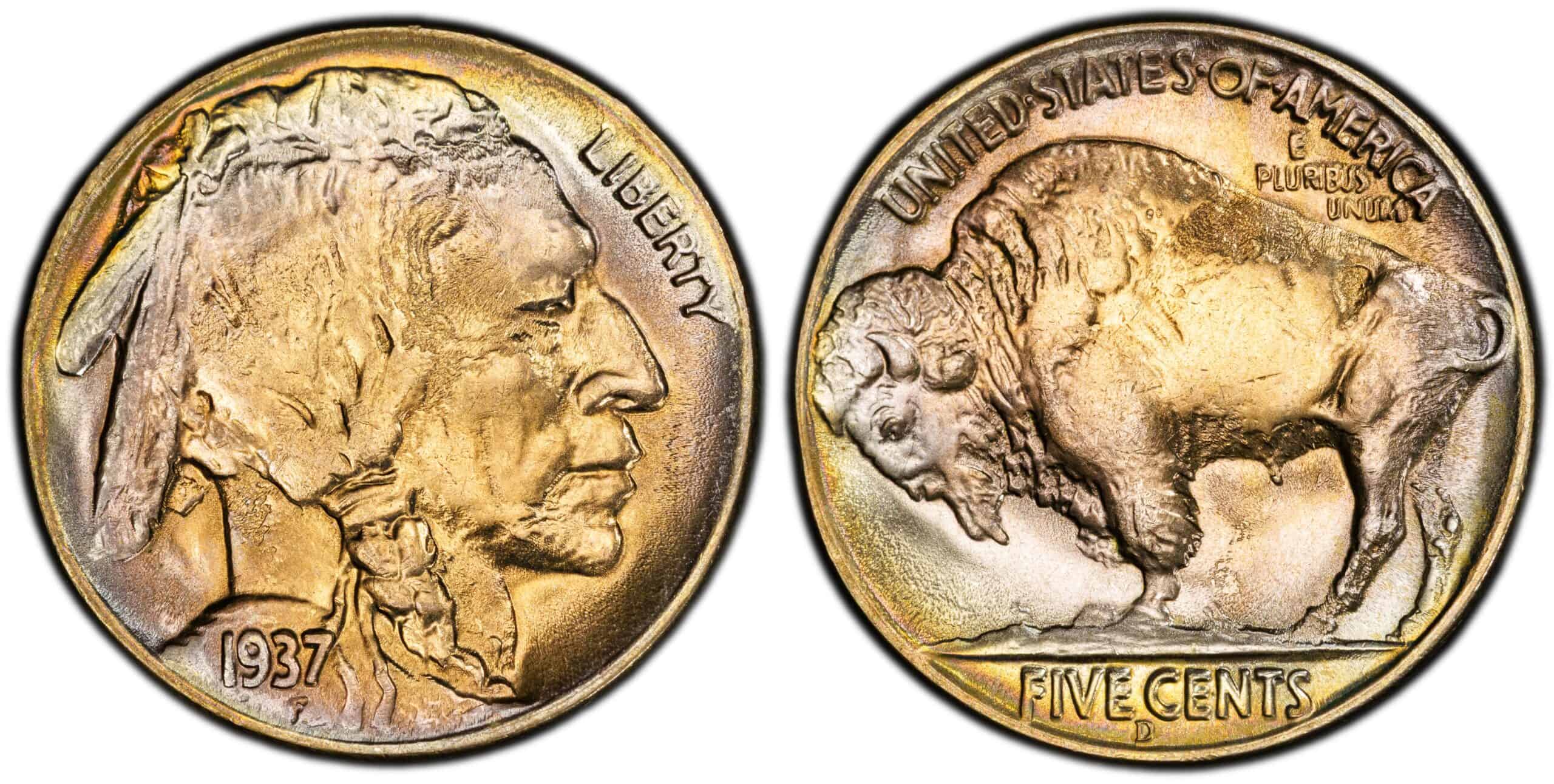
The Famous Three-Legged Buffalo Nickel
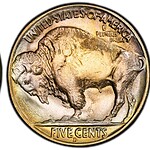
A Buffalo nickel already looks like the kind of coin worth setting aside, but the 1937-D Three-Legged variety has something especially strange going on. Excessive polishing of the die removed most of the bison's front right leg, leaving it looking as though the animal is standing on only three.
A PCGS MS66+ example sold for $99,875 at Legend Rare Coin Auctions in October 2021. The variety has been famous for decades, which also makes it a favorite target for altered counterfeits. Experts look for additional die markers instead of relying only on the missing leg, especially because part of the hoof can remain visible on genuine examples.
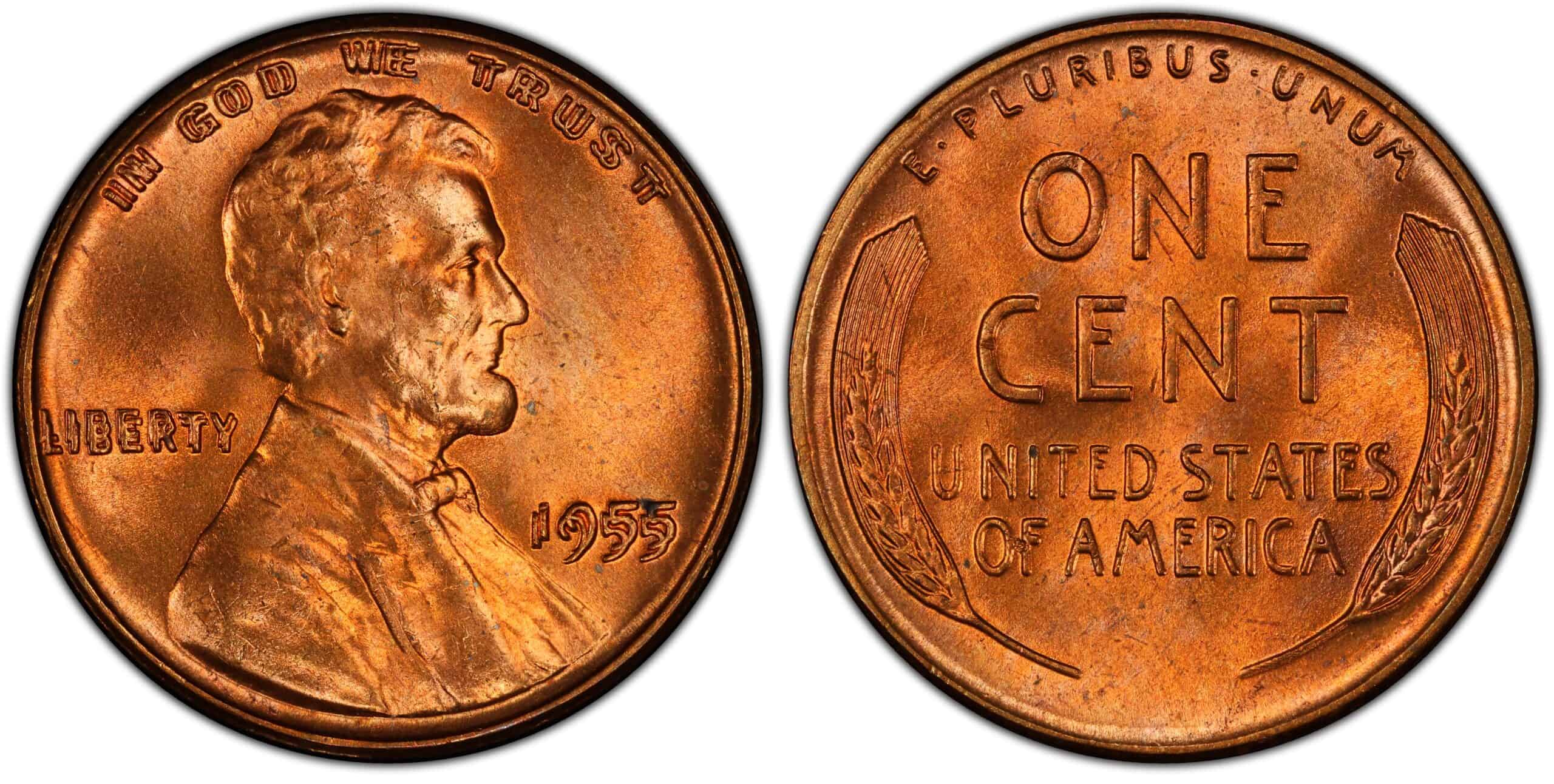
The 1955 Penny With Double Lettering
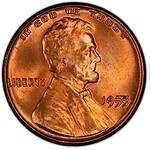
This may be one of the easiest famous coin errors to understand once you see it. On the 1955 Doubled Die Lincoln cent, the date, LIBERTY, and IN GOD WE TRUST have bold, clearly separated doubling. The effect is dramatic enough that people can spot it without magnification.
The best examples can be extremely valuable. A PCGS MS65+ Red coin sold for $114,000 at Stack's Bowers in March 2018. Circulated examples are much more attainable and do not carry six-figure price tags, but this remains one of those pennies worth examining closely when an old collection or jar of cents turns up.
The 1969-S Penny That Was Mistaken for a Fake
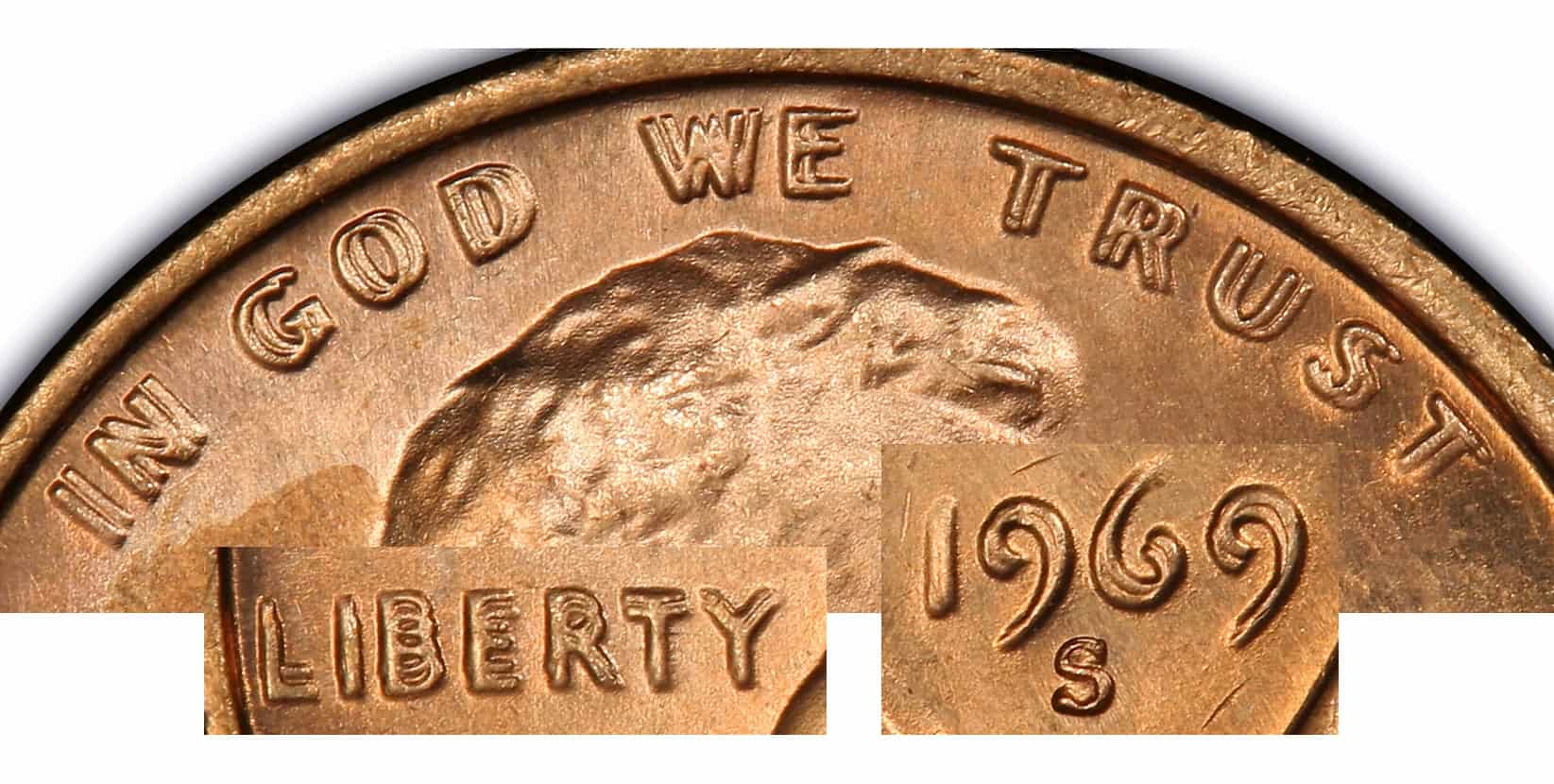
The 1969-S Doubled Die Lincoln cent has a backstory almost as unusual as the coin itself. Counterfeit doubled dies appeared around the same time, and genuine examples initially became tangled up in the confusion. The authentic variety shows strong doubling across the date and obverse lettering.
Today, PCGS describes genuine examples as extremely scarce. A PCGS MS64+ Red coin sold for $97,600 at Heritage Auctions in January 2026. Ordinary 1969-S pennies are common, and machine doubling can be deceptive, so this is not a coin to identify or value from a fuzzy cellphone photo.
The 1944-S Penny Made From the Wrong Metal
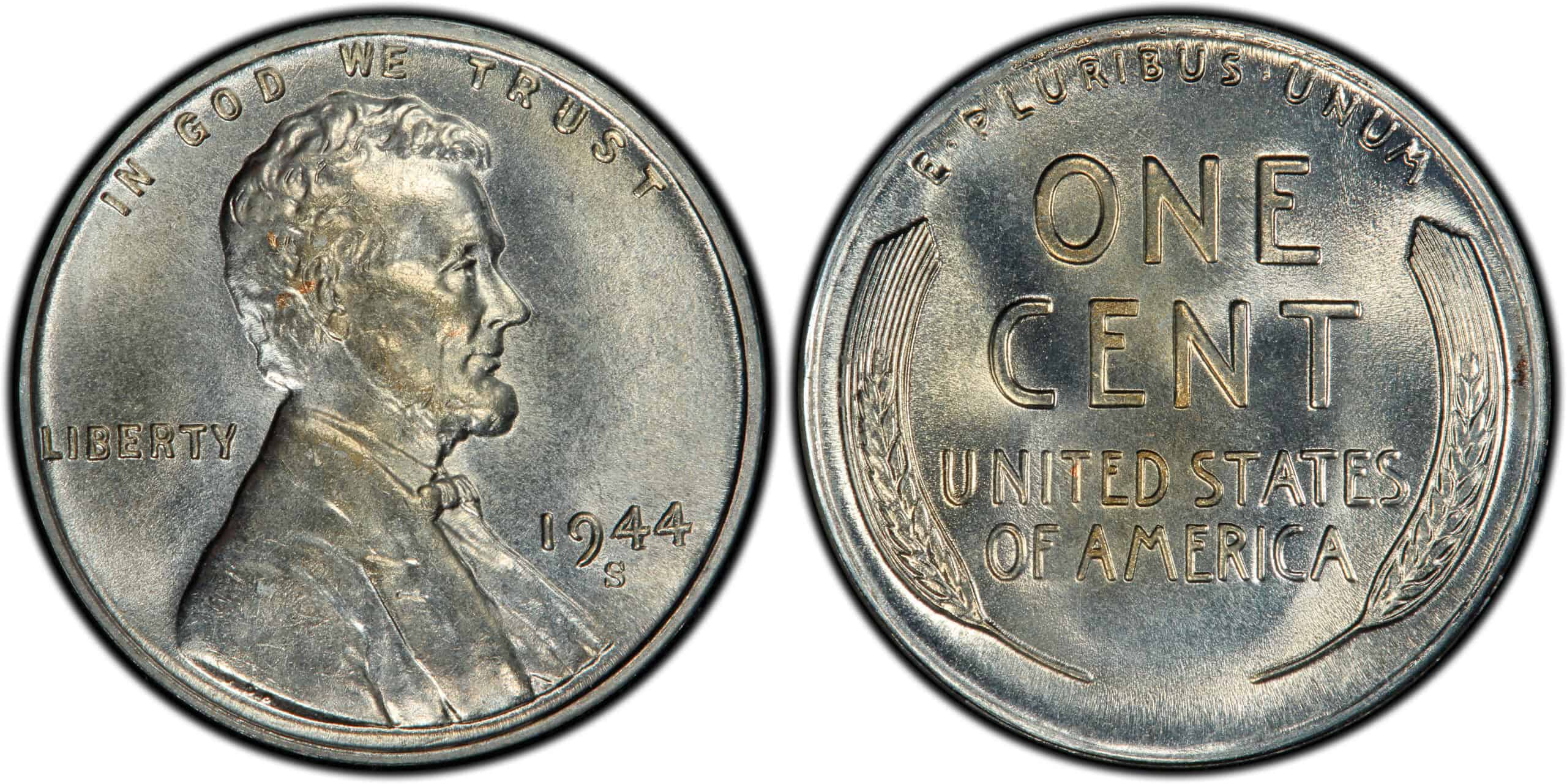
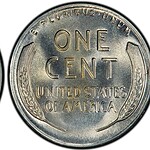
American pennies were normally struck on zinc-coated steel in 1943 as copper was conserved during World War II. The Mint returned to bronze cents in 1944, but a tiny number were accidentally struck on leftover steel planchets. The 1944-S version is especially rare.
PCGS says only two 1944-S Steel Cents are known. One PCGS MS66 example sold for $408,000 at Heritage Auctions in August 2021, and PCGS later reported a $490,500 GreatCollections sale in January 2025. A genuine example can resemble a simple gray penny, but plated and altered coins exist, so metal composition and professional authentication are essential.
The 1975 Proof Dime With No "S"
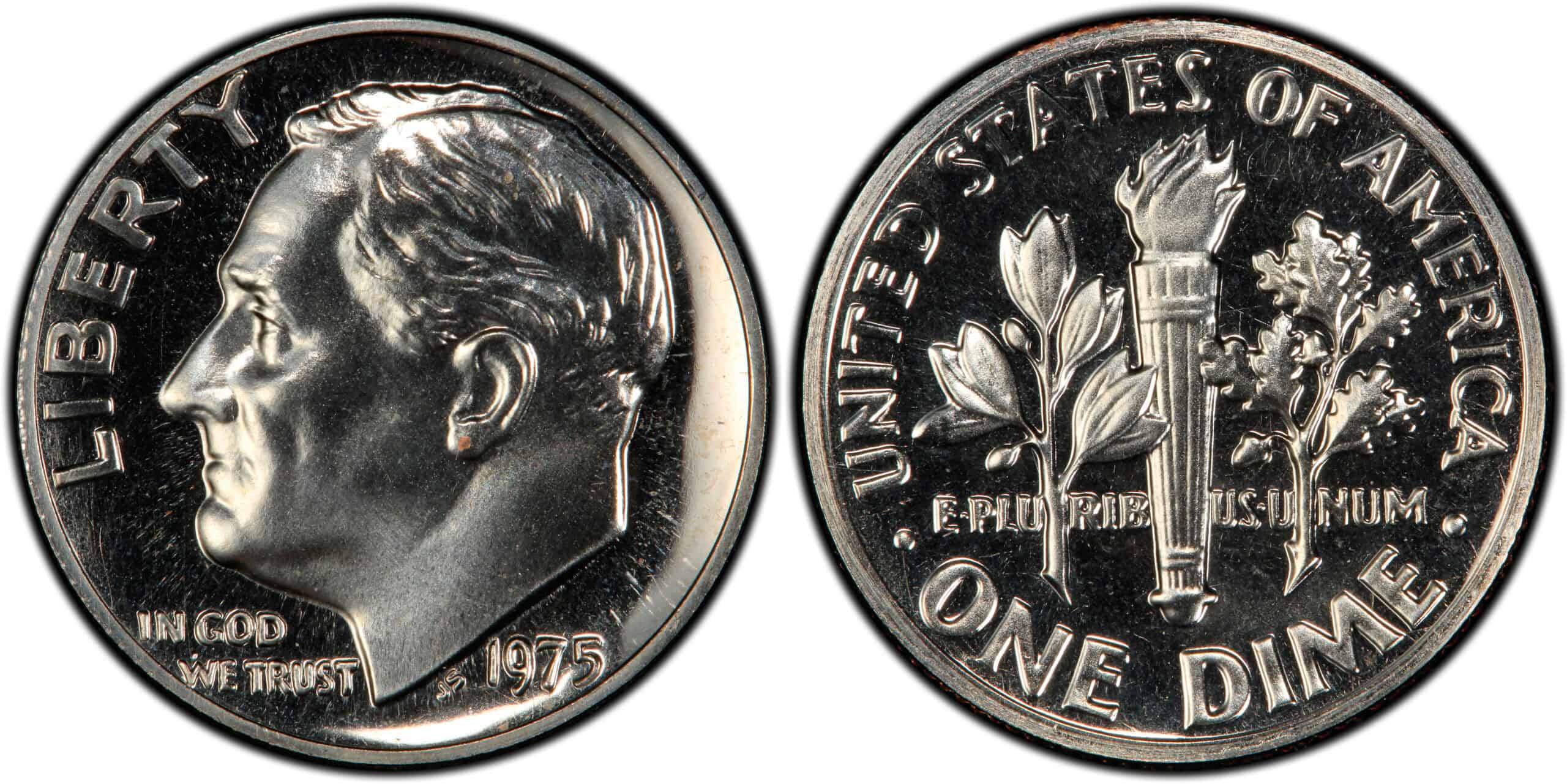
A 1975 dime without a mintmark is usually worth exactly what you would expect. Philadelphia made hundreds of millions of circulation dimes that year without one. But a Proof dime without an S is an entirely different story because Proofs made for collectors in San Francisco were supposed to carry that mintmark.
PCGS says only two genuine 1975 No S Proof dimes are known. One PCGS PR68 example sold for $456,000 at Heritage Auctions in 2019, while the other brought $506,250 at GreatCollections in October 2024. It is an astonishing rarity, but also a good reminder of how misleading coin stories can become when someone leaves out the word "Proof."
The One-of-a-Kind 1943-D Bronze Penny
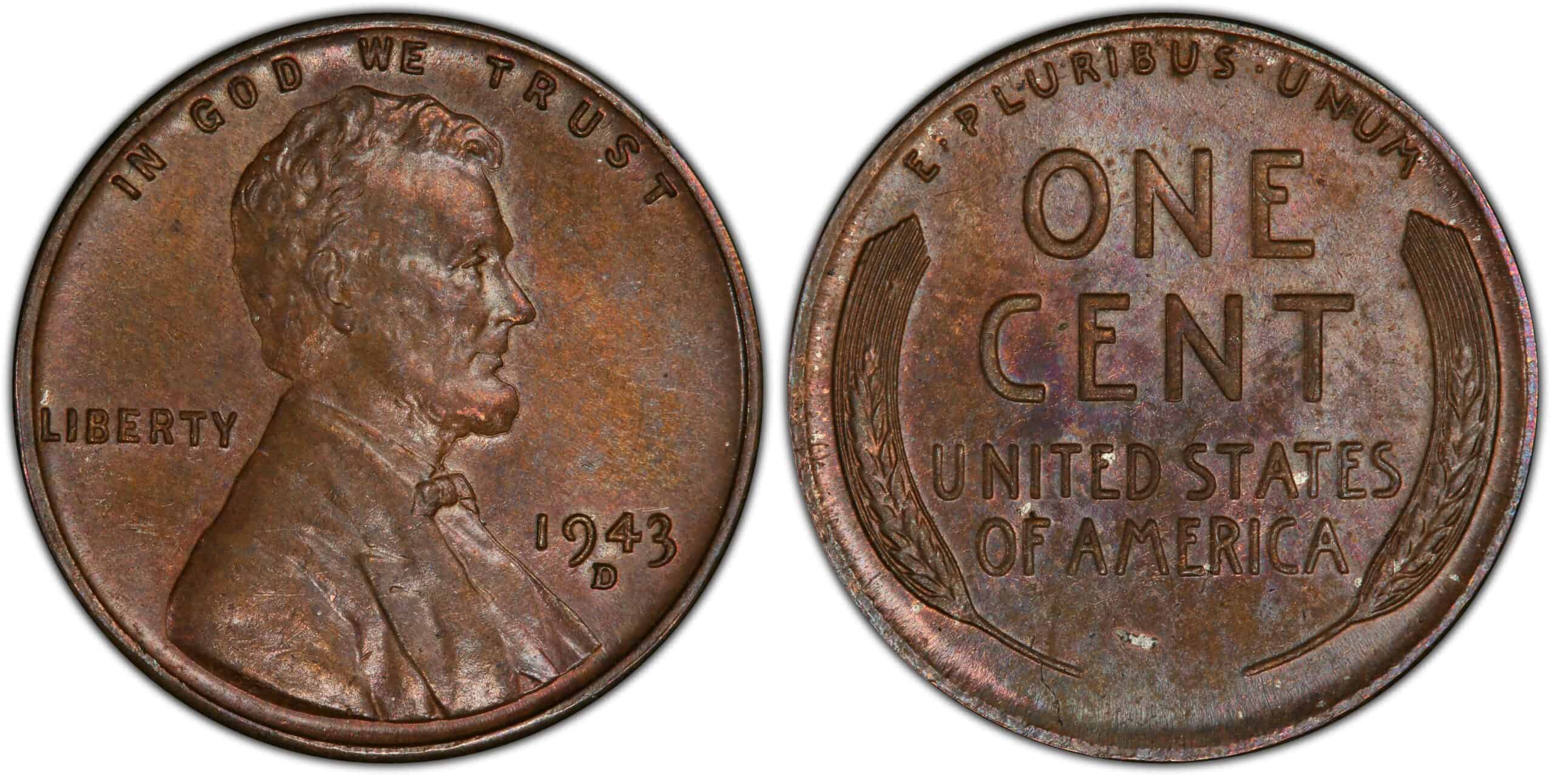
Most pennies made in 1943 were supposed to be zinc-coated steel, but somehow one known Denver cent was struck on a bronze planchet instead. That mistake created the unique 1943-D Bronze Lincoln cent, one of the most famous and valuable error coins in American numismatics.
PCGS says only one is known. It sold privately for $1.7 million in 2010 and later brought $840,000 at Heritage Auctions in January 2021. That does not mean every copper-colored 1943 penny is a jackpot. Altered dates and copper-plated steel cents exist, and the genuine bronze coin weighs about 3.11 grams compared with roughly 2.7 grams for a normal steel cent. For something with this kind of potential, professional authentication is non-negotiable.