Gameplay screenshot
Mass Effect 3 key art
Reddit Gaming
Halo 2 key art
Art Fasion / Shutterstock.com
Gameplay screenshot
Reddit Gaming
Sega Corporation
Wikimedia Commons
Electronic Arts Inc.
Reddit Gaming

10 Video Game Endings Players Still Hate
Some games earn their place in history for all the right reasons. Others earn it because millions of players sat through dozens of hours of storytelling, built real emotional connections with the characters, and then watched the credits roll, feeling cheated. A bad ending doesn't always ruin a great game, but it can linger for years, sometimes decades.
The more a game engages us and keeps us hooked, the harder the landing has to be. That’s why the ending is so important in gaming. More than with a movie or book, a video game ending can feel personal. Players do not just watch the story unfold. They spend hours fighting through challenges, making choices, and investing real effort into reaching the finish.
There is a lot a gamer can forgive, like clunky mechanics or thin side quests. But when a story spends thirty or forty hours earning the player’s trust before failing to deliver where it should have, that’s just unforgivable. These are the endings that did just that. Players are still talking about them years later.
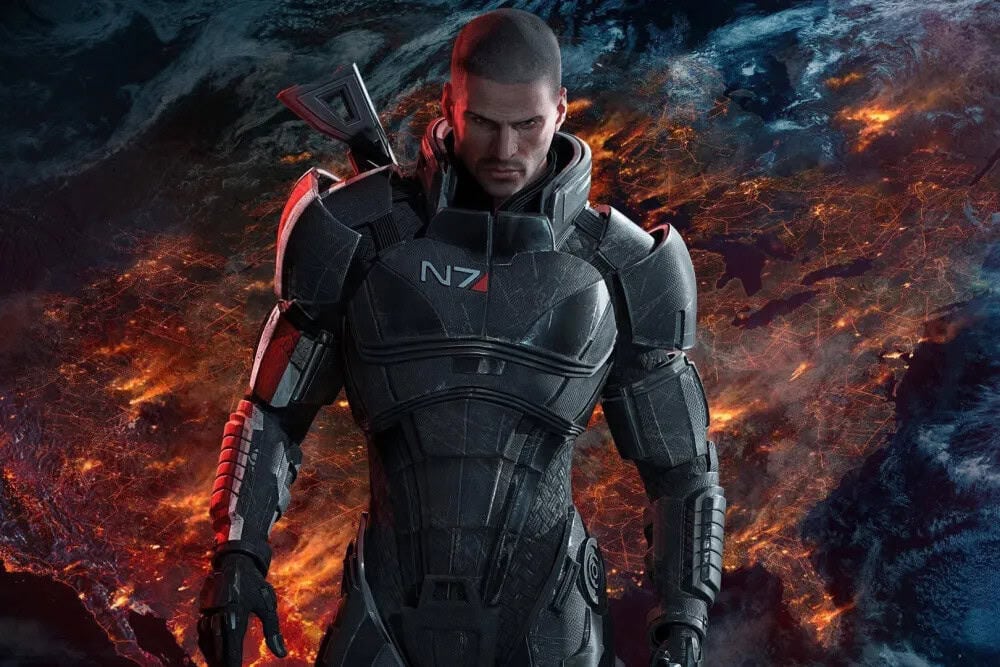
Mass Effect 3
Five years and three games. During that time players shaped Commander Shepard, making hundreds of decisions that felt like they mattered. Then came the ending. Players were provided with three color-coded options which ignored almost everything that they had done.
Never before had there been a backlash of this magnitude in gaming. Fans organized online campaigns and a charity fundraiser managed to raise $80,000 within two weeks to protest the conclusion. A survey conducted on BioWare's website revealed that nearly 90% of the respondents wanted a completely new ending.
BioWare responded to the backlash by releasing a free "Extended Cut" DLC, but most players felt it treated the symptoms without even coming close to touching the actual problem.
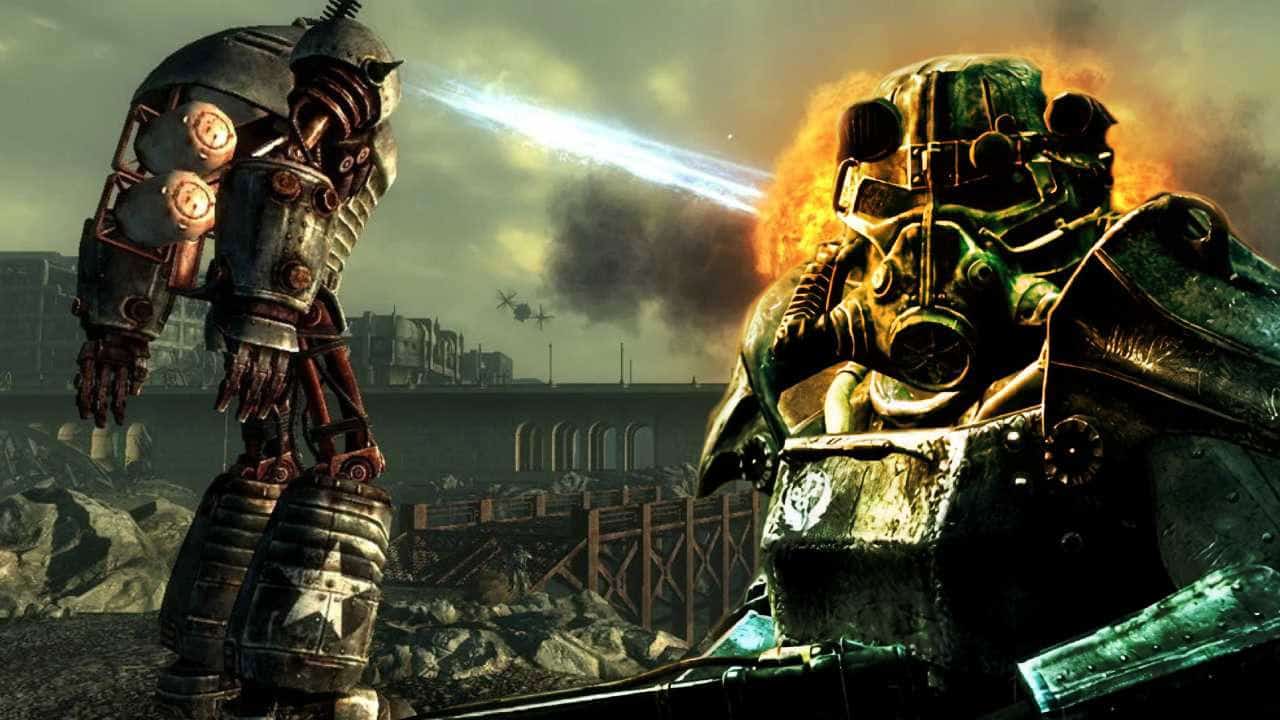
Fallout 3
Fallout 3 was a massive open-world game that ate up hundreds of hours of players' time which made the ending where the protagonist has to walk into a highly radioactive control room all the more baffling. It’s baffling because they have to do it themselves, even if they have a radiation-immune companion standing right there who could have done it. Ask Fawkes to do it for you. He will refuse and give an explanation so thin that players were left scratching their heads in disbelief.
Bethesda released the Broken Steel DLC to patch in more logical choices and allow players to continue playing past the credits. Bethesda succeeded with the fix. But the fact that you had to pay for it to correct what felt like a basic plot oversight left a sour taste. During interviews, Todd Howard said that people were more upset with the fact that it ended than with the ending itself. That’s a fair point, but the radiation logic hole was still hard to forgive.
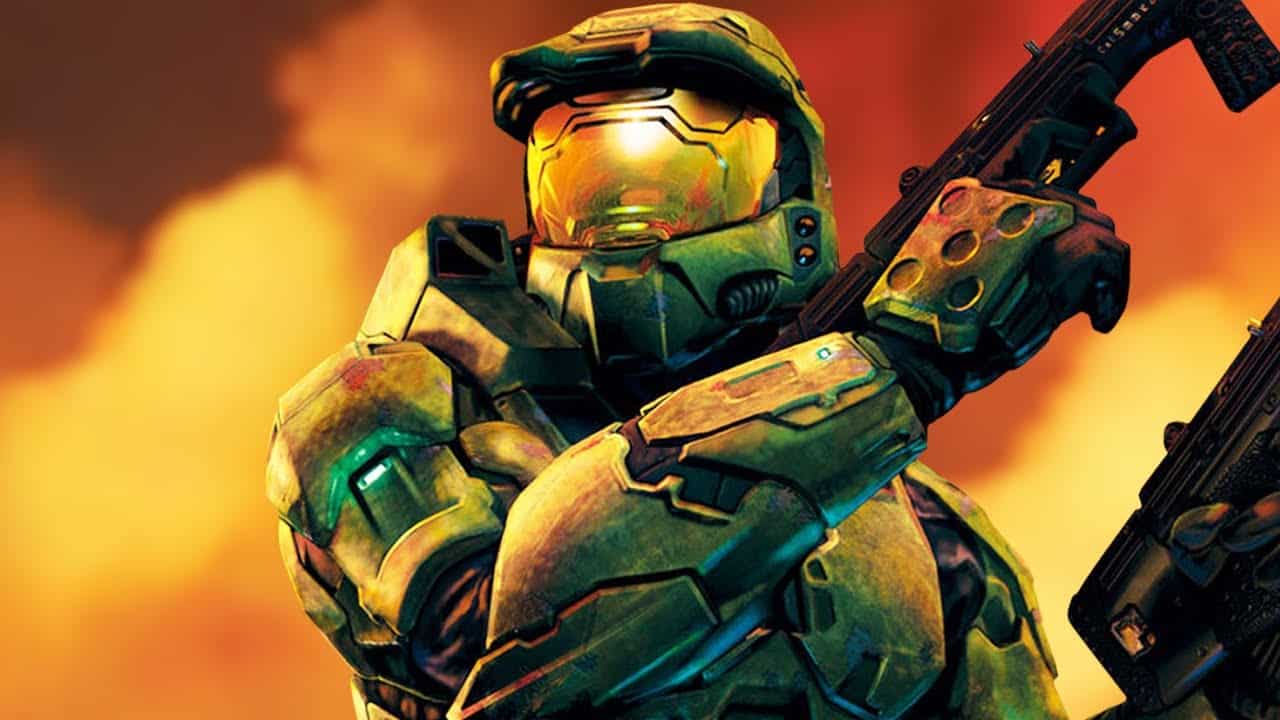
Halo 2
Halo 2 built its story across an entire campaign and two playable protagonists, and what felt like a collision course toward a massive, satisfying finish. And then Master Chief tells us he is going to finish the fight, the screen cuts to black, and that's it. No resolution or payoff. Just a cliffhanger. A cliffhanger that felt like someone had physically cut the last reel of film.
What was even more infuriating was learning later that the original final level had been removed so the game could be released for the holiday season. All the content was already done but they left it out. The game still managed to sell more than eight million copies, so the market did not punish Microsoft, but players who showed up expecting an ending walked away with something closer to a "to be continued" card. Halo 3 eventually delivered the conclusion, but the players still remember what they felt back in 2004.
Assassin's Creed 3
The whole game builds toward Connor finally catching up with Charles Lee, the man at the center of his family's suffering. It's a revenge story wrapped in Revolutionary War history, and by the time the showdown arrives, players can barely hold in their anticipation. But then Lee flees, Connor chases him into the tavern, Lee gets stabbed in a cutscene, then stumbles out into the snow where he dies quietly. That’s it. Then there was Desmond's storyline. It is woven throughout the modern framing of the series and ends with him sacrificing himself in a way that felt abrupt after years of buildup. The franchise survived, but the third installment's ending is one of the biggest letdowns in gaming history.
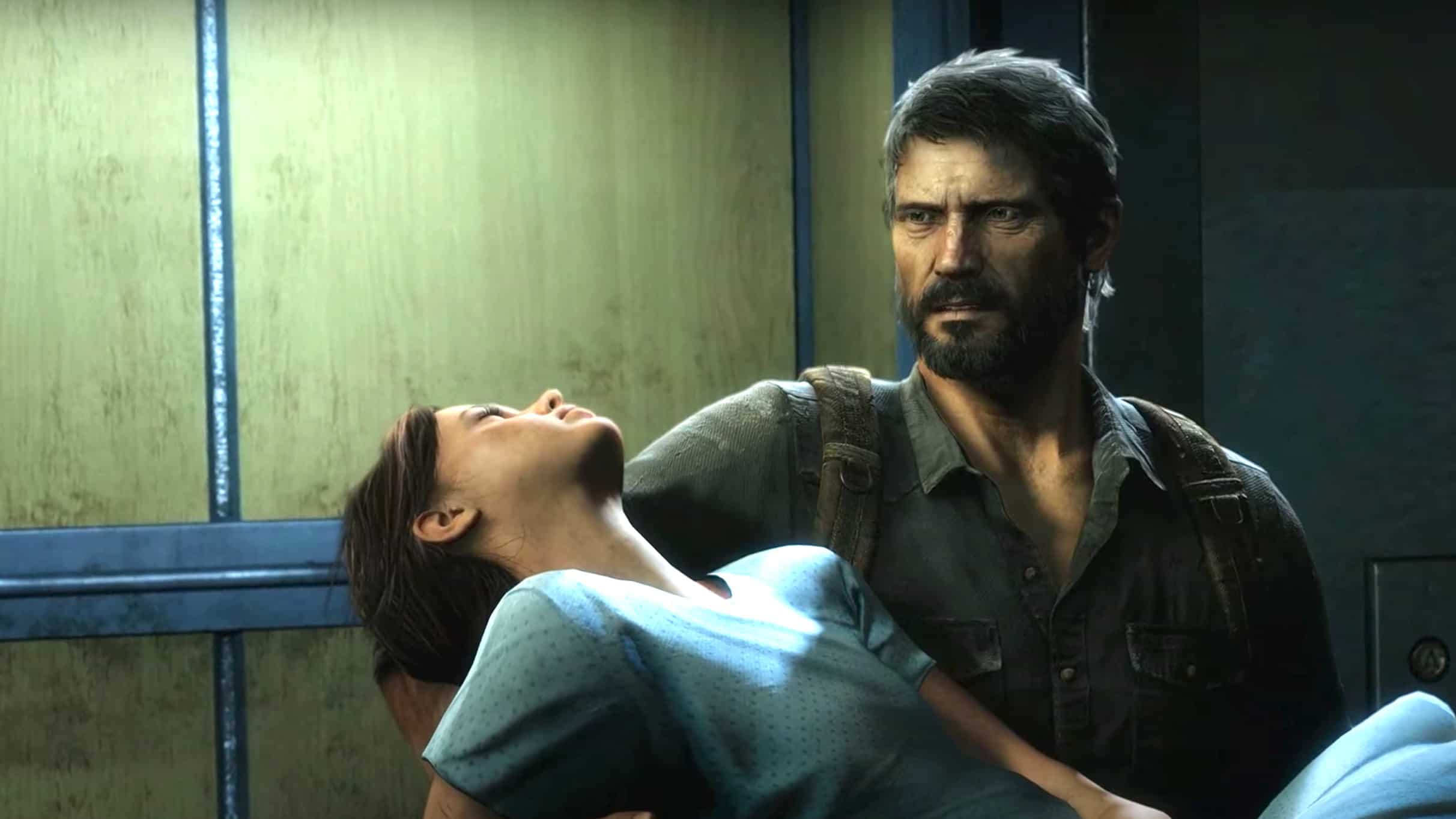
The Last of Us Part II
Few games in recent memory split a fanbase as cleanly as The Last of Us Part II. Players spent hours pursuing the woman responsible for killing Joel, building toward what felt like an inevitable confrontation. Then Ellie stops. She lets Abby go. For many players, this was a powerful decision, but a significant number of players felt as though the rug had been thoroughly pulled out from underneath them.
The backlash got ugly fast. Metacritic's user score got review bombed to a 3.4 within days of release, despite critic reviews being near perfect. Laura Bailey, the actress who voiced Abby, received harassment to the point where the game's director had to speak out. Years later, the ending is still debated with real heat. It shows how deeply players were invested in these characters, even when the investment turned to frustration.
Fable II
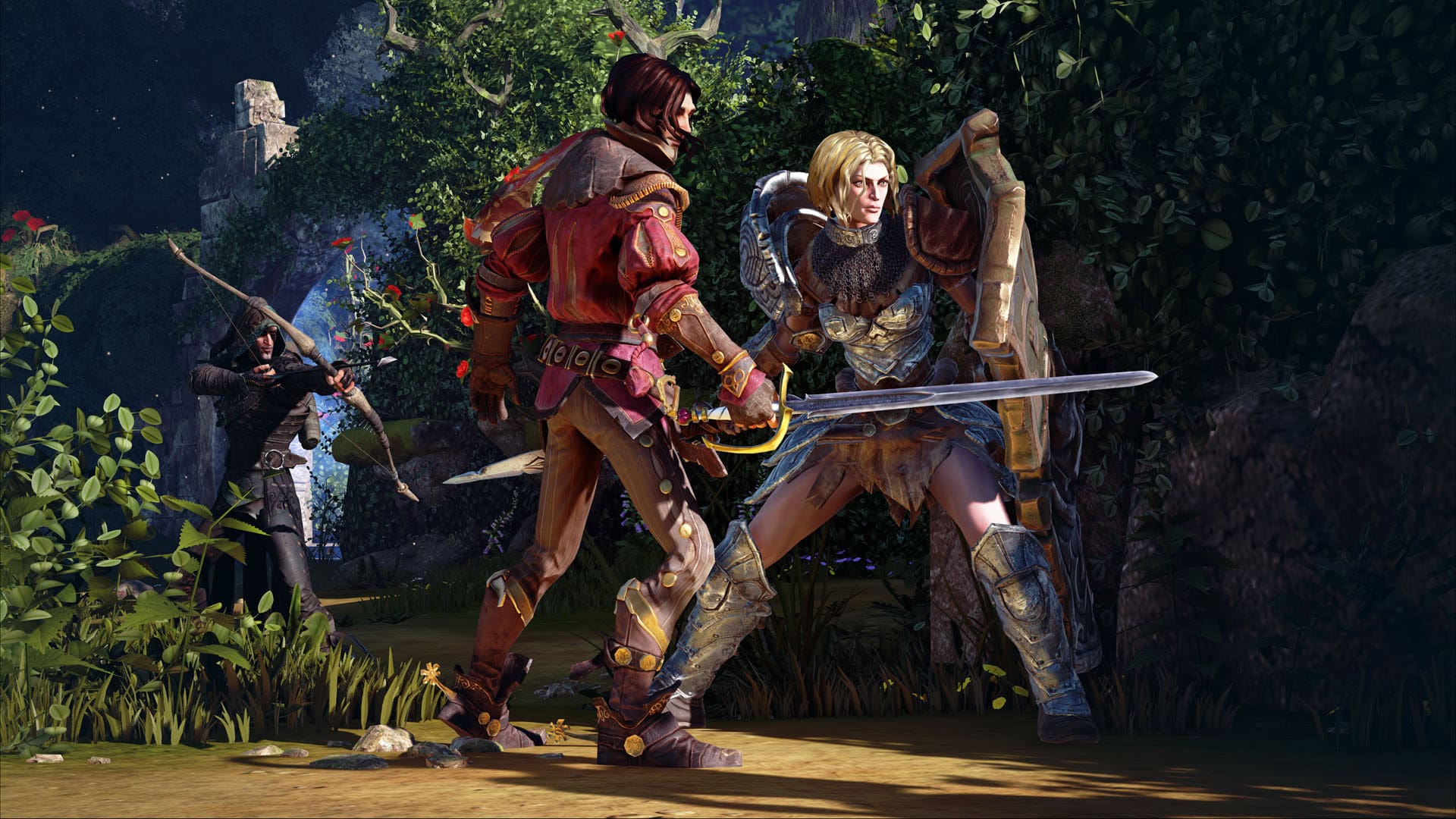
Fable II is a bloved classic. But the storyline built Lucien as a menacing villain that players were looking forward to confronting, then the moment came and passed in about ten seconds. One bullet, one cut-scene, and Lucien crumples. No boss fight. No dramatic standoff. Just a brief interaction that felt closer to a tutorial than a finale.
The three choices that follow do not help the game either. Players could resurrect loved ones, revive all those killed during the story, or take a cash reward. Each choice had a compelling argument behind it, but the emotional impact is somehow disproportionate to everything that preceded it.
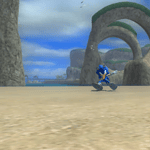
Sonic the Hedgehog (2006)
Sonic the Hedgehog is remembered for its messy time-travel plot. The ending ties it up with a reset of the entire timeline. Events get erased. Characters forget what happened. The relationship at the center of the story that players spent the whole game watching develop, is wiped from existence as if it never existed. The time reset ending felt like a way to undo a narrative that was too chaotic to begin with. The game also shipped in a broken condition, riddled with bugs and long load times. The finale is often cited as the cherry on top of a very difficult experience.
Dragon Age: Inquisition
Dragon Age: Inquisition was crowned "Game of the Year" in 2014, a deep, rich RPG that gave players a powerful organization to lead and a world full of consequence. The conclusion of the main story was already regarded as a disappointment, however, it got even more frustrating when the Trespasser DLC was released.
In spite of everything the Inquisition achieved, the organization is disbanded in a political summit and the game closes on a revelation about Solas that reframes everything but resolves nothing.
It's a cliffhanger designed to set up a sequel that arrived nearly a decade later in Dragon Age: The Veilguard. That game had its own complicated reception. Players who had invested years in the Inquisitor's story were disappointed to say the least. The Trespasser ending is bold in what it attempts, and there are people who appreciate it, but for many, watching the disbandment of the Inquisition felt like being handed a "thanks for playing" note at the end of a story they weren't done with.
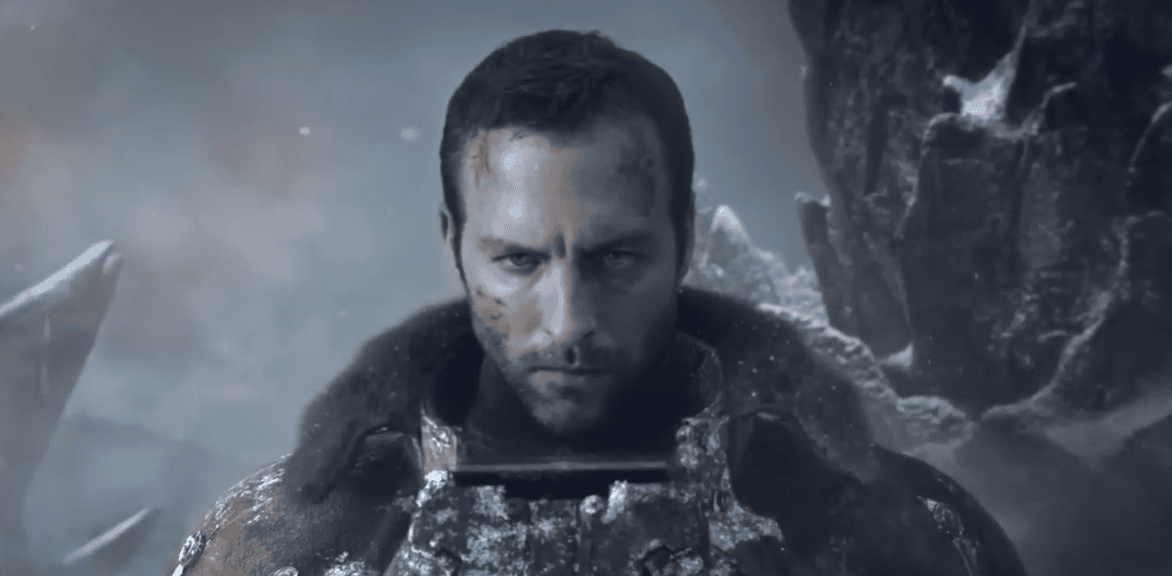
Dead Space 3
What the first two installments of Dead Space achieved is rare. They created a survival horror atmosphere so powerful that players were almost too scared to play the game. But as Dead Space 3 progressed, it slowly traded that tension for a more action-heavy experience, and by the time of the conclusion, the tone had changed completetly. What should have been a harrowing conclusion of the journey of Isaac Clarke became nothing but a blockbuster action set piece that felt airdropped in from a different franchise.
The Convergence Event ending ignored the quiet terror style the series was built on. Players felt it, and so did the sales. Dead Space 3 underperformed commercially and Visceral Games shut down in 2017. The franchise eventually returned with the 2023 remake of the original.
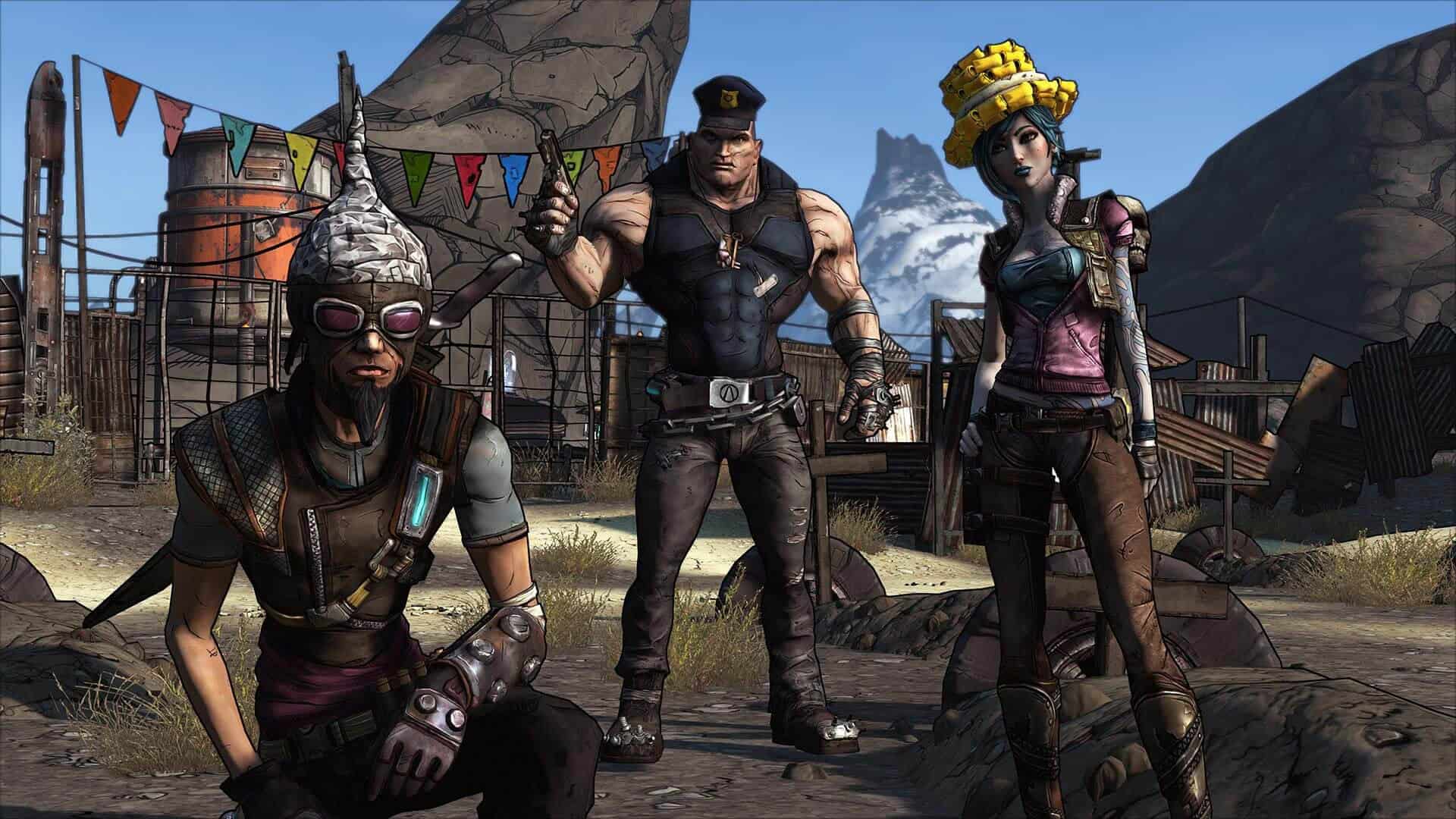
Borderlands
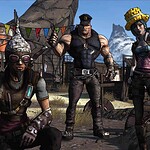
Borderlands was released in 2009. It was a cooperative loot shooter with a sharp sense of humor and a near-infinite supply of guns. The whole premise revolved around a mythical alien cache, the treasure vault located on planet Pandora. Players would be trying to get there throughout the entire game. Once they managed to open this vault, a giant tentacled creature appeared out of it, and you shoot it for about two minutes with whatever weapons you happen to be carrying, and the credits roll.
The players who spent 20 or 30 hours on the game got a boss battle with a monster the game hadn't even hinted at, followed by a cliffhanger. Gearbox took the feedback to heart and the sequels handled their endings considerably better, but the original vault opening is still thought of as one of the most anticlimatic endings a game has ever had.