Andrew Clemente
Reddit Gaming
Reddit Gaming
Reddit Gaming
Reddit Gaming
Reddit Gaming
Reddit Gaming
Reddit Gaming
Reddit Gaming
Reddit Gaming
Reddit Gaming
Reddit Gaming
Reddit Gaming
Reddit Gaming


13 Video Game Endings That Left Players Disappointed
Not every video game delivers a satisfying conclusion. After hours spent exploring, leveling up, and investing in the story, the ending is where everything comes together—or falls apart. When a finale feels rushed, confusing, or disconnected from the rest of the experience, it can leave a lasting impression for all the wrong reasons.
This list looks at some of the most talked-about video game endings that didn’t meet expectations. Drawn from critic reviews and long-running player discussions, these are finales that sparked debate, overlooked key story elements, or failed to deliver a payoff that matched the journey. Even some otherwise great games have struggled to land the ending, proving just how difficult it is to finish strong.
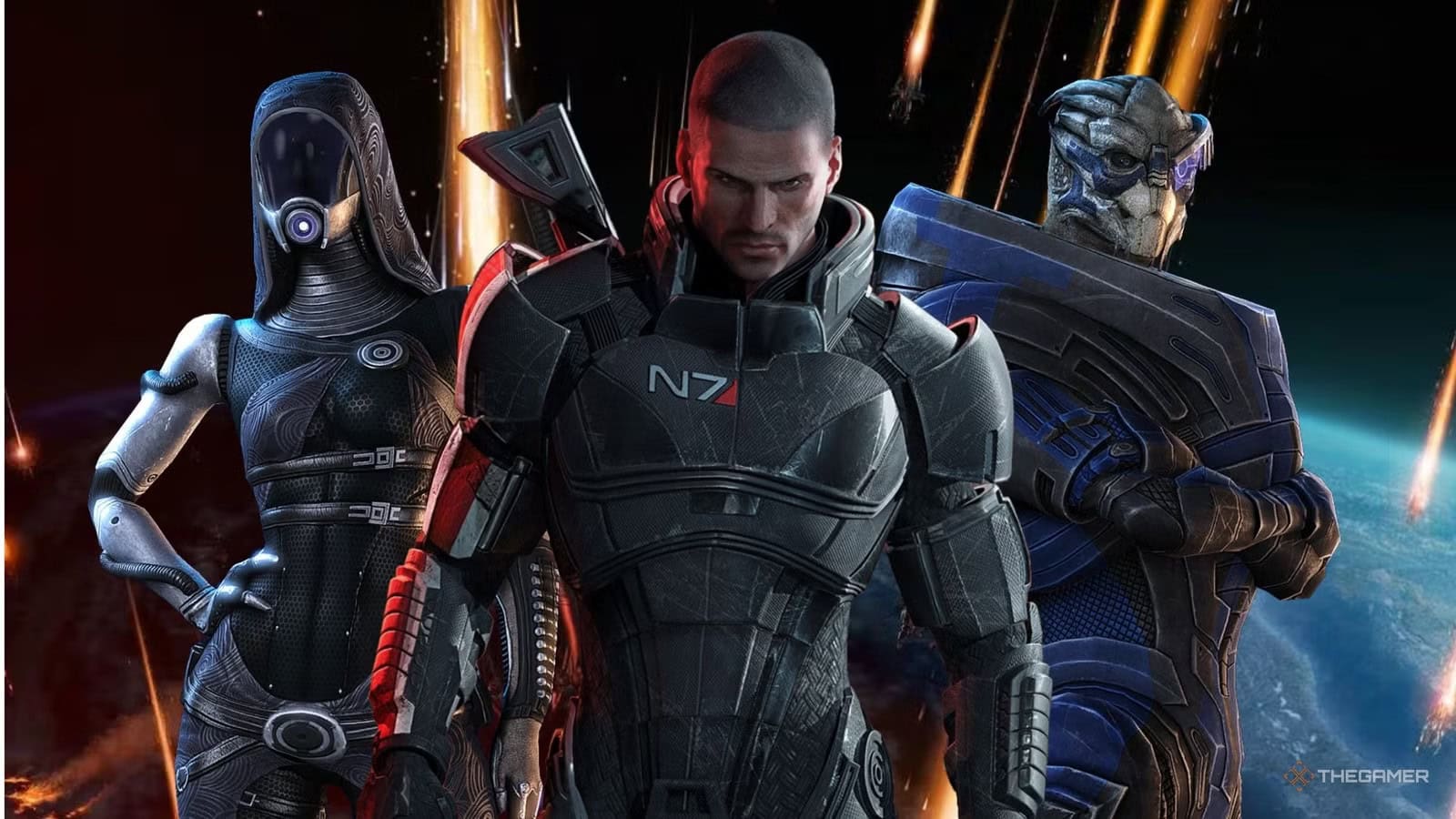
Mass Effect 3 (2012)
Few endings in gaming history sparked as much controversy as Mass Effect 3. After three games promising that player decisions would shape the galaxy, the finale boiled everything down to a handful of nearly identical color-coded choices. Many players felt their dozens of major decisions across the trilogy barely mattered in the end. Critics also pointed out plot holes and a sudden final character reveal that felt like a deus ex machina. The backlash was so intense that BioWare eventually released an extended cut DLC to try to add closure.
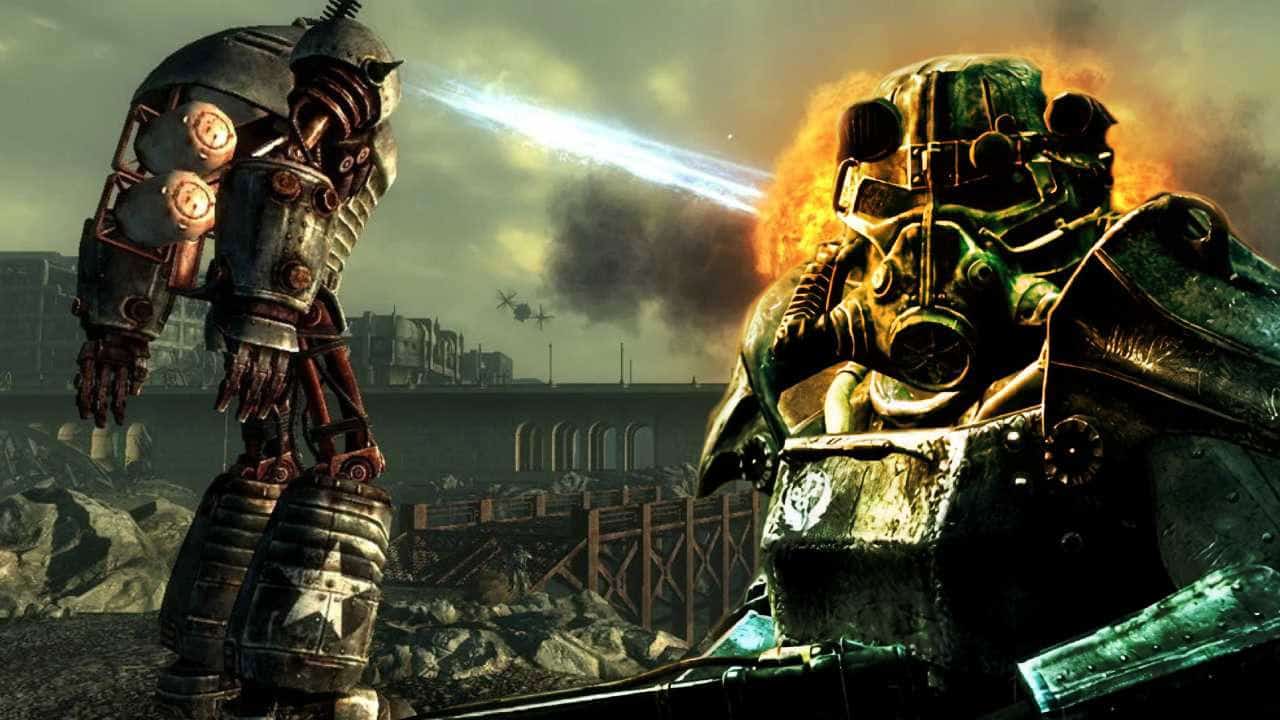
Fallout 3 (2008)
Fallout 3’s original ending frustrated players because it forced the protagonist to sacrifice themselves, even if they had companions immune to radiation standing right beside them. The moment felt illogical and railroaded, stripping players of agency after a massive open-world adventure built around choice. Fans quickly called out the glaring plot hole, and Bethesda later added alternate endings through DLC. While the expansion helped soften the criticism, many players still remember the original finale as a baffling design decision.
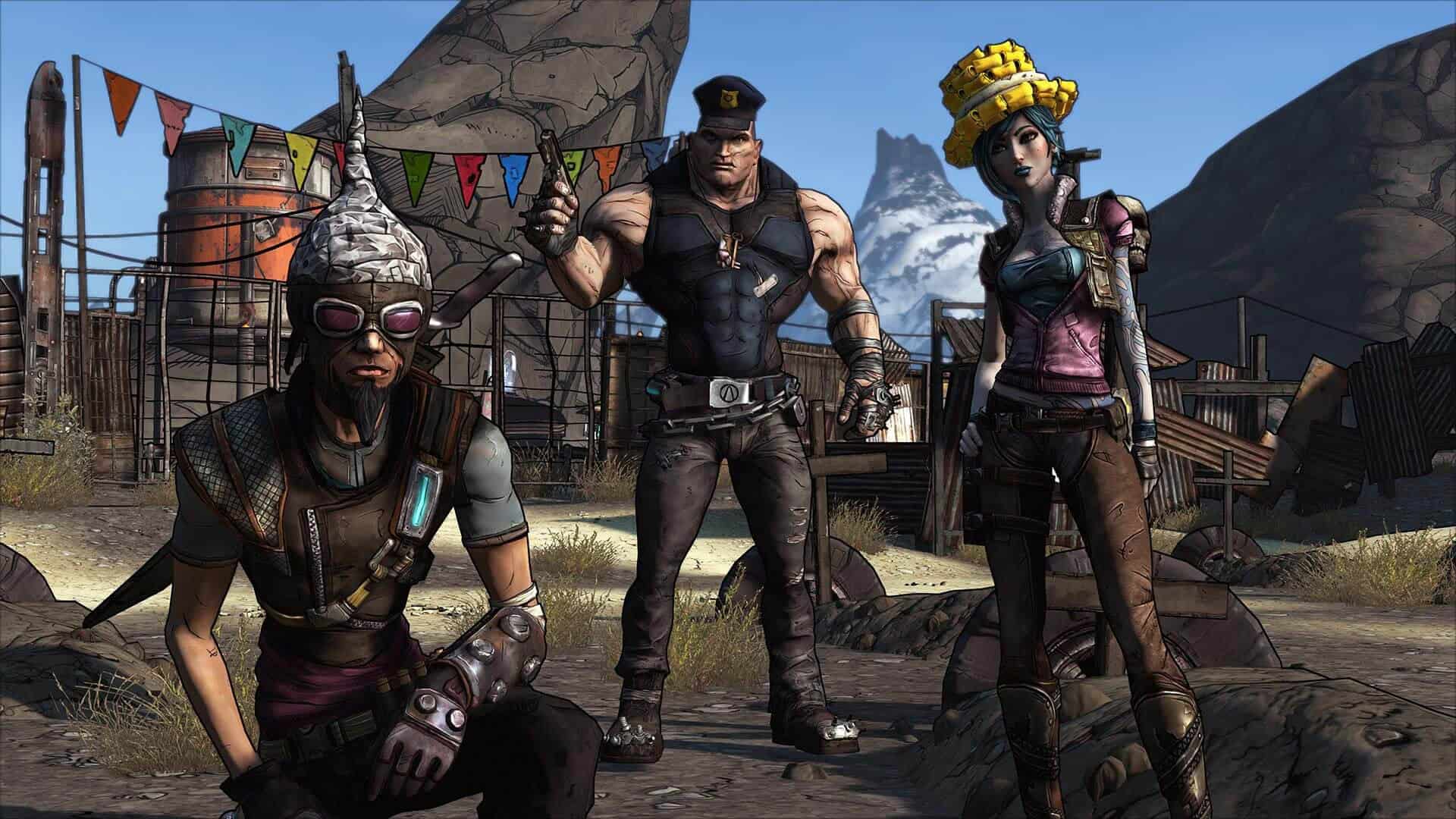
Borderlands (2009)
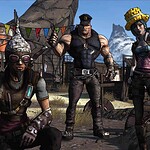
After hours of chaotic looting and shooting, Borderlands ended with a surprisingly anticlimactic twist. Players finally open the mysterious Vault they’ve been chasing all game, only to release a giant monster that serves as the final boss. Once defeated, the story simply ends with little explanation about the Vault or the larger lore. Fans expected huge narrative revelations but instead got a brief fight and a quick fade-out. The abrupt conclusion made the journey feel unfinished.
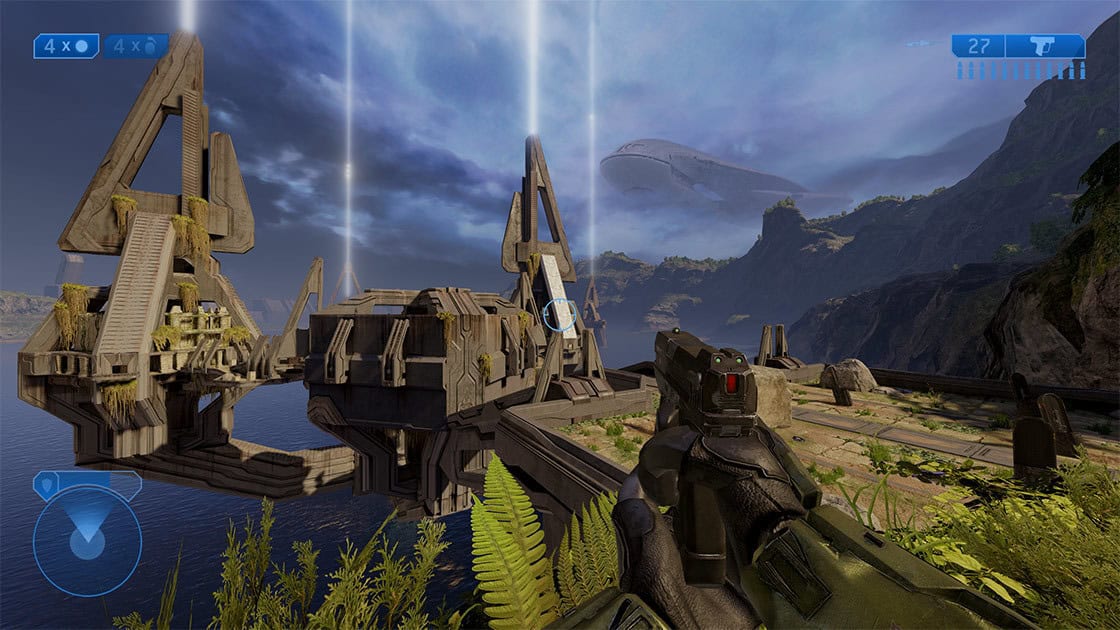
Halo 2 (2004)
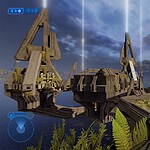
Halo 2 is remembered fondly today, but its ending left players stunned for the wrong reasons. Just as the story builds toward an epic final confrontation, the game suddenly cuts to black with Master Chief saying the famous line about finishing the fight. The problem is that the fight actually happens in the next game. Many players felt the story simply stopped rather than concluded, making the ending feel incomplete rather than exciting.
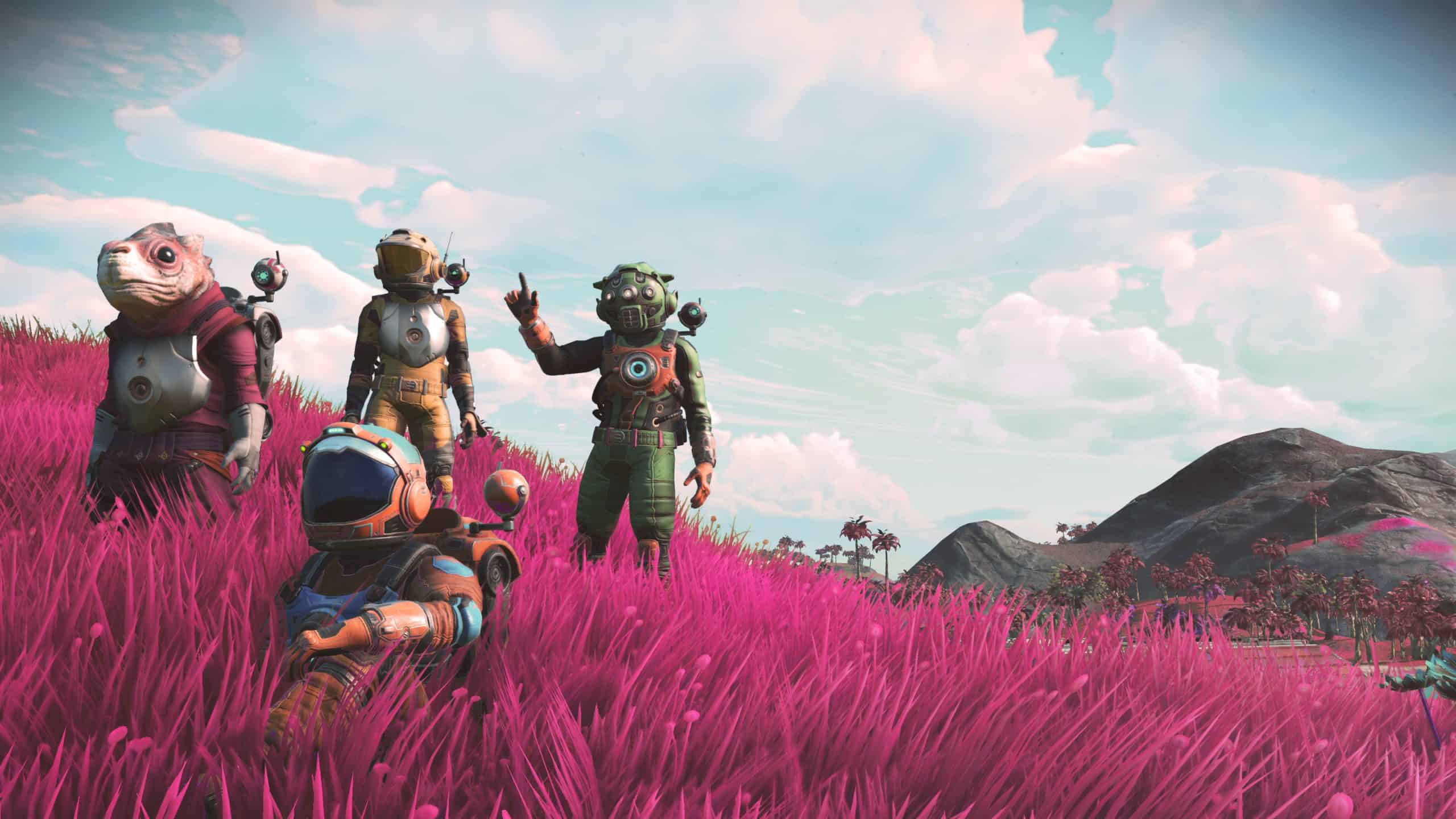
No Man’s Sky (2016)
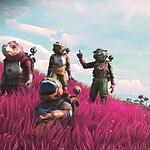
When players finally reached the center of the galaxy in No Man’s Sky, they expected a huge narrative payoff. Instead, the ending essentially resets the universe and sends players into a new galaxy with minimal explanation. For a game that built up mystery around the Atlas and the universe’s purpose, the finale felt vague and unsatisfying. Combined with the game’s rocky launch, the ending left many explorers scratching their heads.
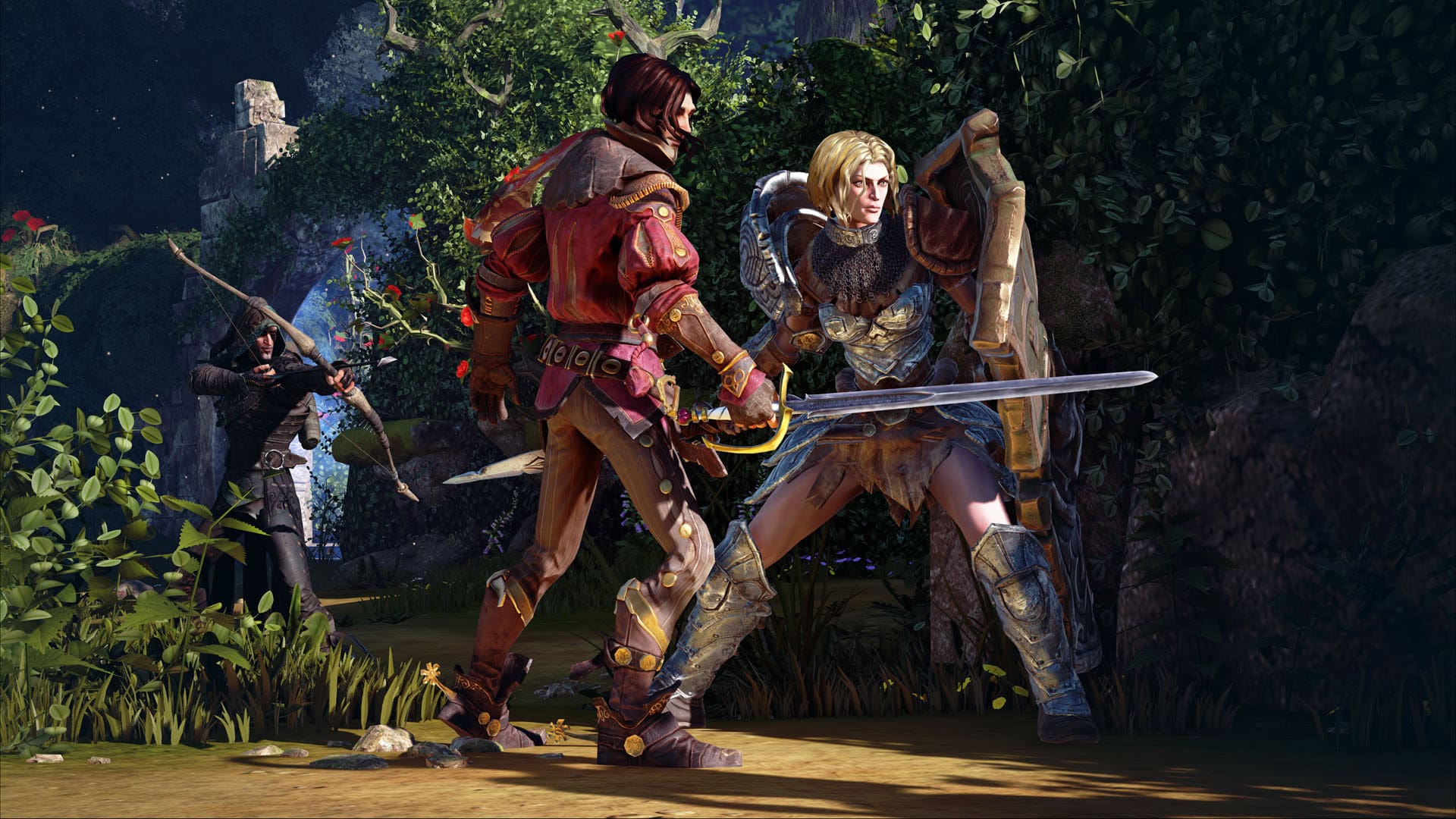
Fable II (2008)
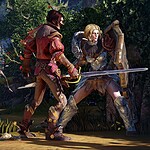
Fable II builds up the villain Lucien as a powerful and terrifying antagonist throughout the entire game. Yet when the final confrontation arrives, the moment feels shockingly anticlimactic. Instead of a dramatic boss battle, Lucien can literally be defeated with a single gunshot during a brief cutscene. The lack of a real showdown made the climax feel rushed and underwhelming for a game that otherwise focused heavily on storytelling.
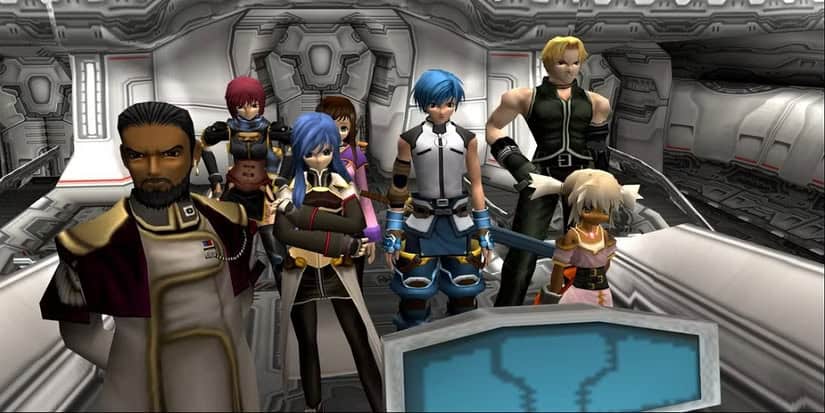
Star Ocean: Till the End of Time (2003)
This RPG delivered one of the most controversial twists in gaming history. Late in the story, players learn that the entire universe is actually part of a simulation created by higher-dimensional beings. While the idea was ambitious, many fans hated the reveal because it made the series’ previous events feel meaningless. Critics argued the twist undermined the emotional stakes of the entire narrative. To many players, it felt less like a storytelling cop-out.
Ghosts ‘n Goblins (1985)
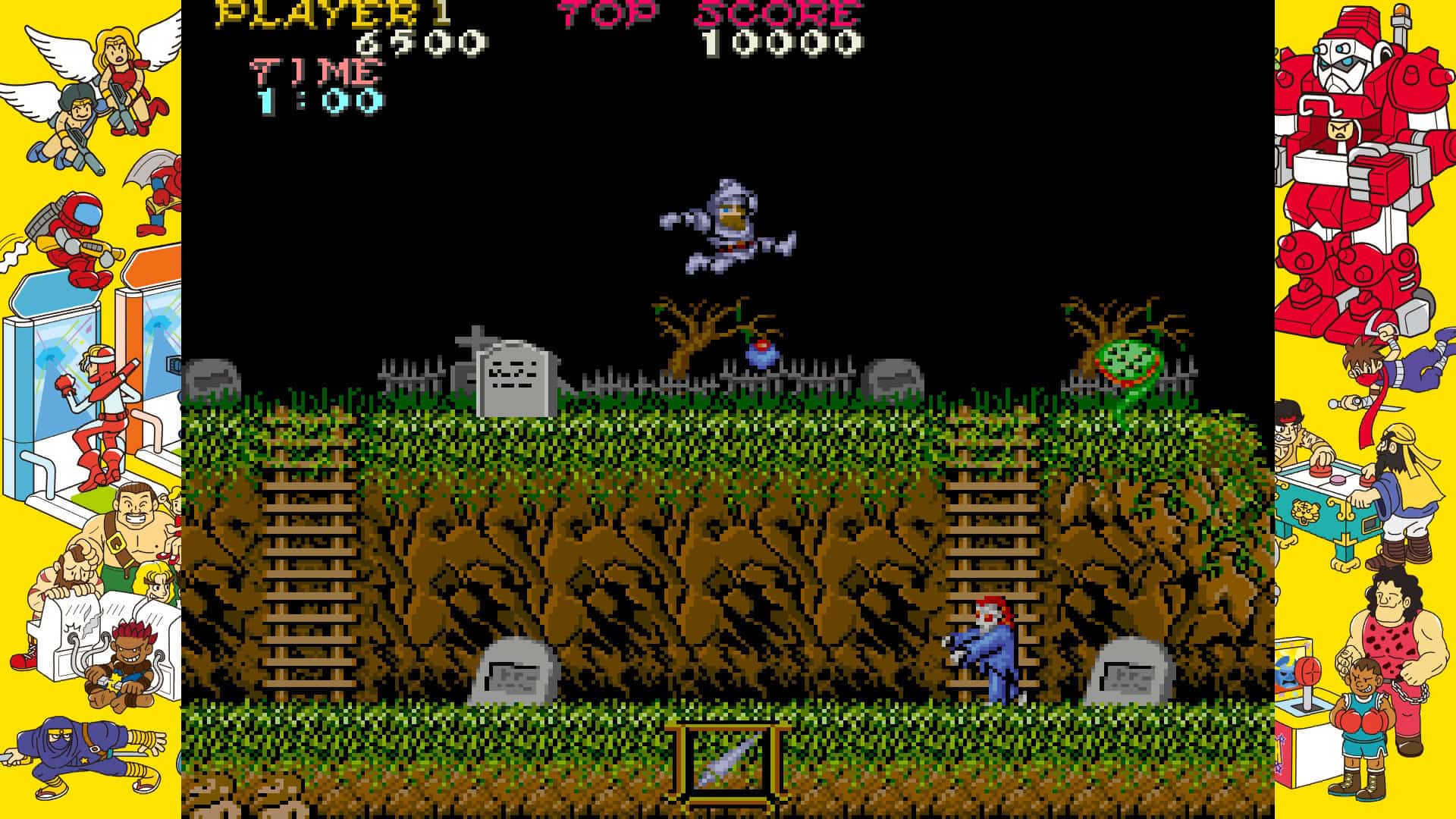
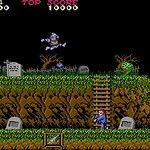
One of the most infamous endings in retro gaming belongs to Ghosts ‘n Goblins. After battling through brutally difficult levels and defeating the final boss, players are told the entire adventure was an illusion. Then the game instructs them to play the whole thing again to reach the true ending. For players who had already suffered through the game’s legendary difficulty, this twist felt more like punishment than a reward.
Metal Gear Solid V: The Phantom Pain (2015)
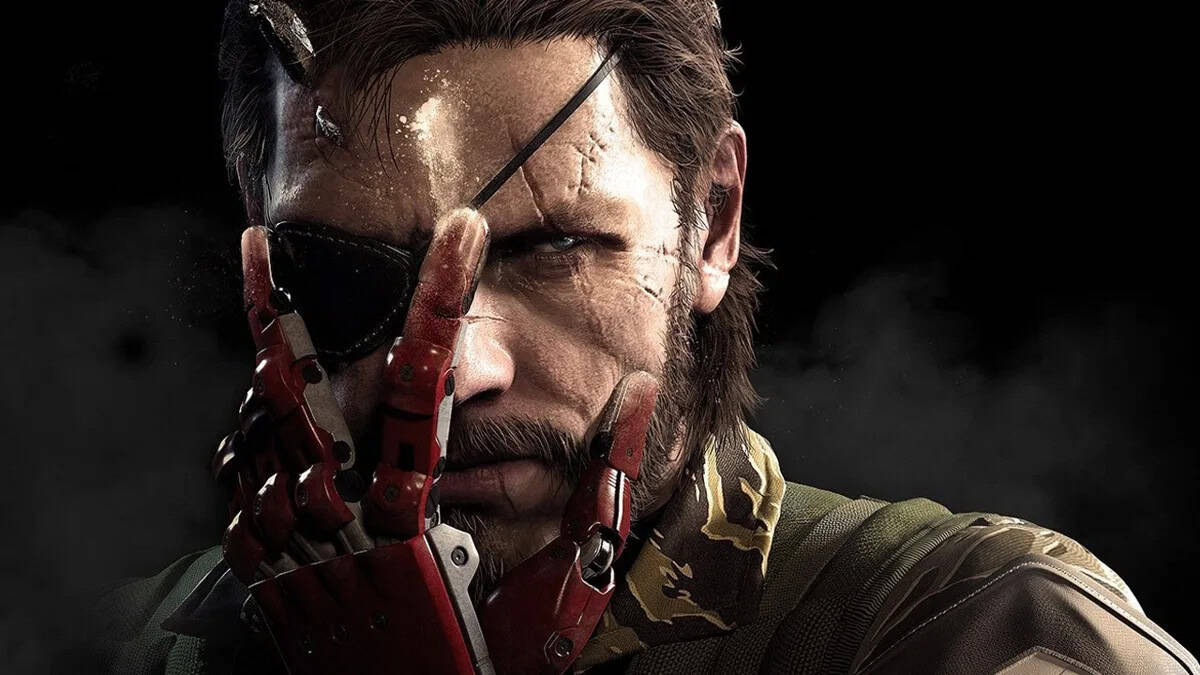
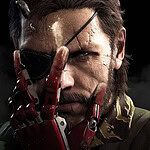
Metal Gear Solid V is praised for its gameplay, but its ending left fans feeling like the story simply stopped mid-development. Major plot threads involving key characters are barely resolved, and a crucial final mission was famously cut during development. The unfinished narrative made the finale feel incomplete. Many fans blamed the troubled relationship between Hideo Kojima and Konami for the game’s abrupt conclusion.
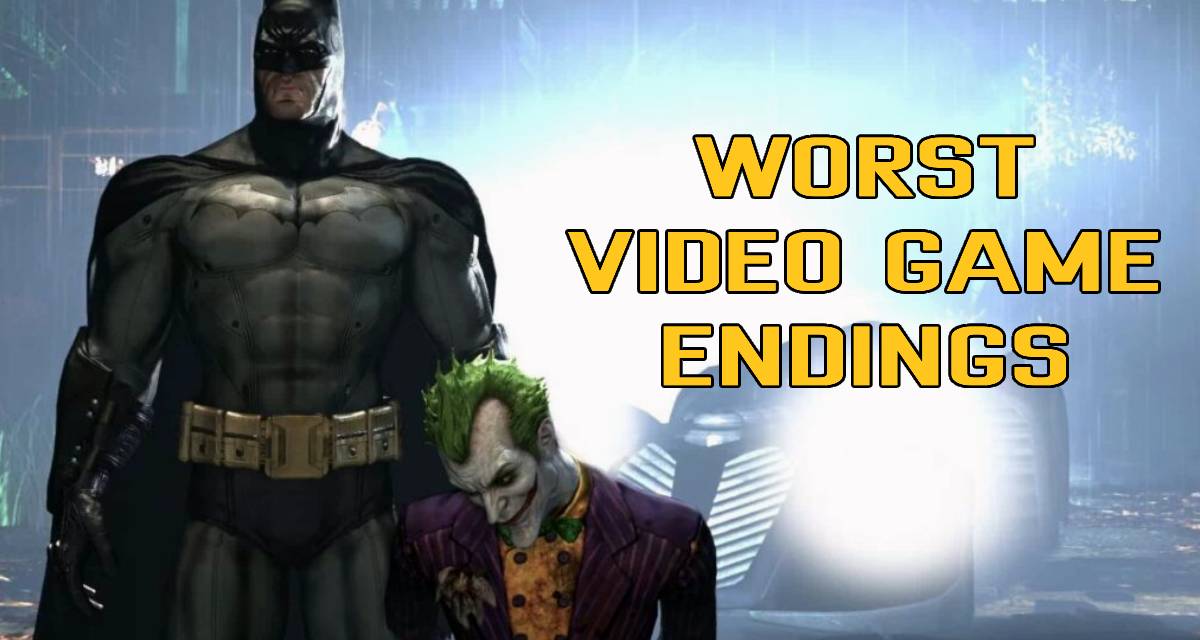
Batman: Arkham Asylum (2009)
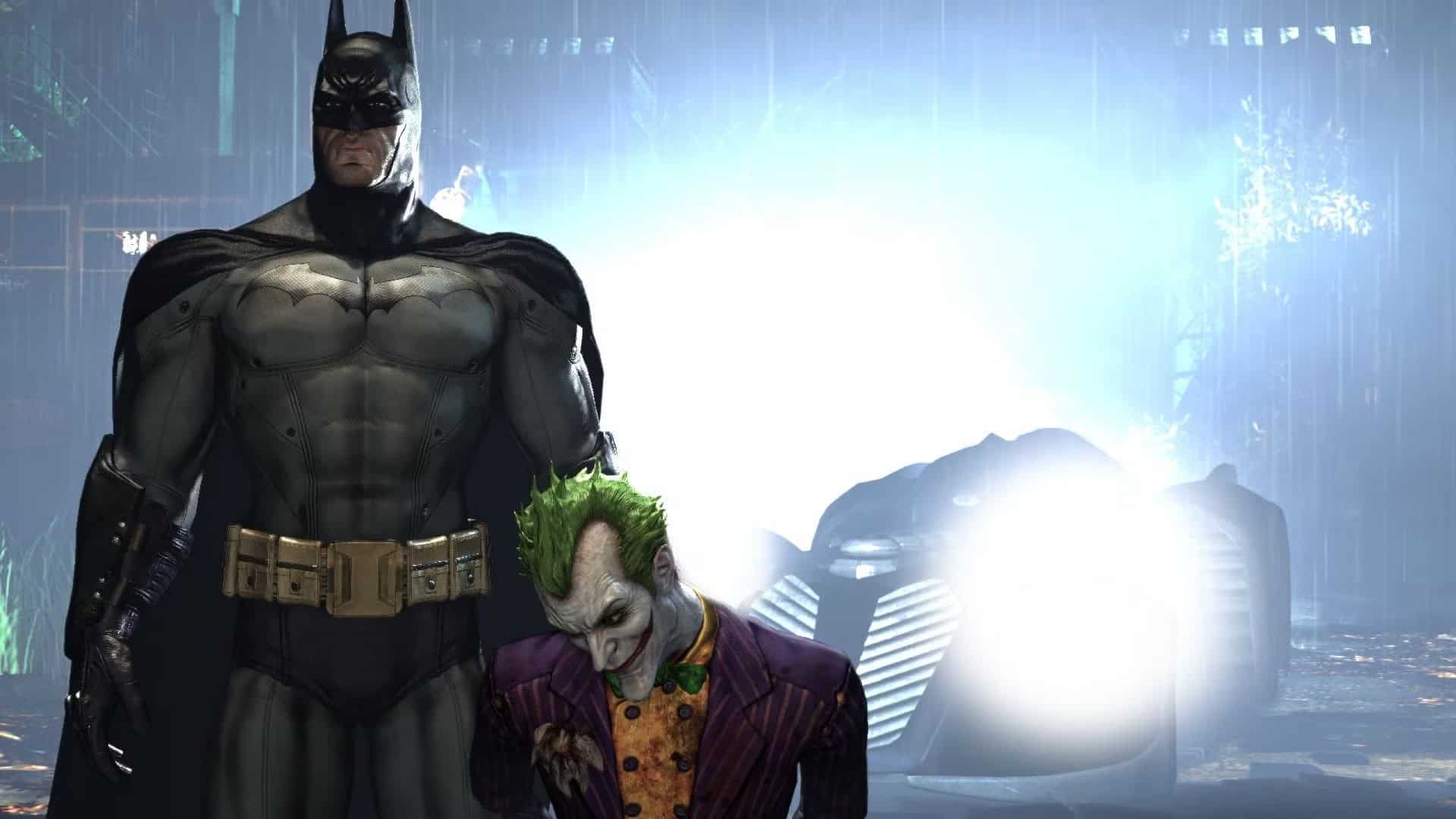
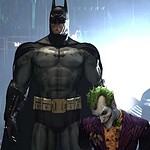
Batman: Arkham Asylum was widely praised, but its final boss battle drew criticism from fans. Instead of a strategic fight against the Joker, the villain transforms into a giant monster after injecting himself with Titan formula. The resulting fight feels more like a generic brawler encounter than a clever showdown between Batman and his greatest enemy. Many players felt the finale ignored the psychological tension that defined the rest of the game.
Far Cry 5 (2018)
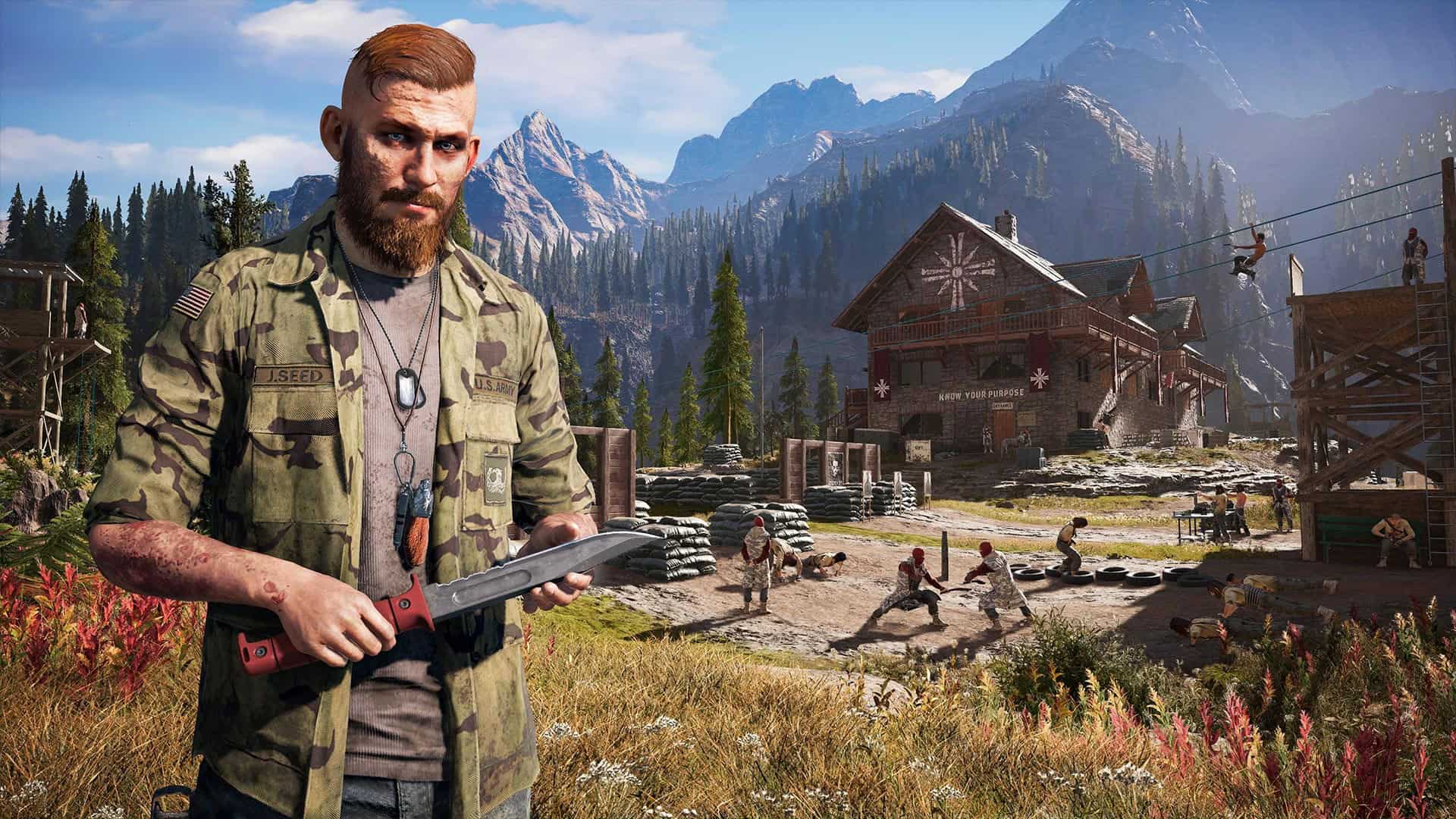
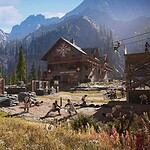
Far Cry 5 builds toward a climactic showdown with cult leader Joseph Seed, but the ending takes a shocking turn. Regardless of what the player does, the story concludes with a nuclear apocalypse that wipes out everything you fought for. While some appreciated the bold twist, many players felt it invalidated the entire journey. The lack of a traditional victory left fans debating whether the ending was clever or simply frustrating.
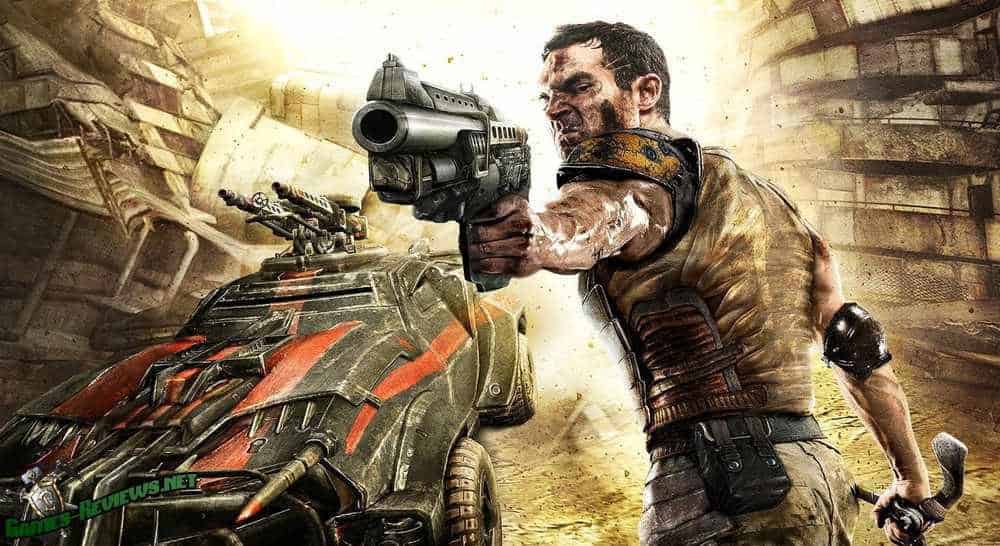
Rage (2011)
Rage spends the entire game building toward a large-scale battle against the oppressive Authority. But when the final mission finally arrives, players simply activate a device that wipes out enemies in a quick cutscene. The game then immediately rolls credits with almost no narrative closure. Many players described the ending as abrupt and unfinished. For a big-budget shooter, the finale felt more like a placeholder than a true ending.
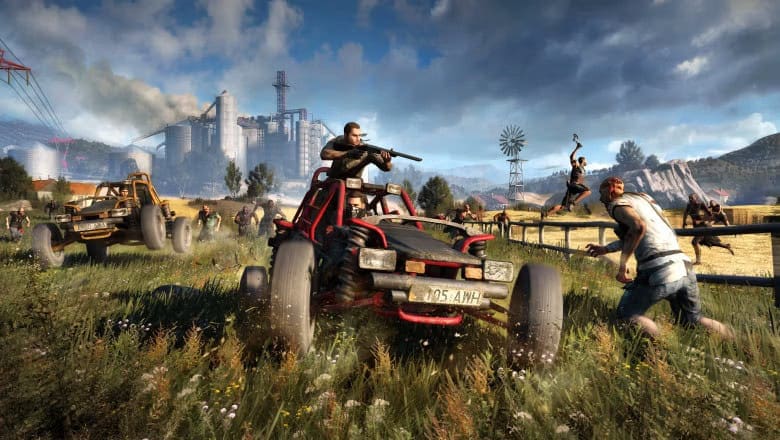
Dying Light (2015)
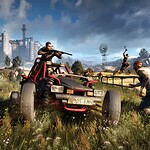
Dying Light ends with one of the most infamous quick-time events in modern gaming. After an intense story about survival and betrayal, the final confrontation with the villain is reduced to a brief QTE sequence. Players expected a challenging boss fight that tested their parkour and combat skills. Instead, the climax feels more like an interactive cutscene. For many fans, the ending felt disappointingly anticlimactic.