
Thinkstock
Anastasia Denia / Shutterstock.com

urbazon / Getty Images

nungky soerya / Shutterstock.com

Thinkstock
Voronin76 / Shutterstock.com

bluestocking / Getty Images

Goskova Tatiana/Shutterstock.com

senerdesign / Getty Images







Weird Social Rules Everyone Follows Without Realizing It
Society is filled with unwritten rules. Unlike laws, these expectations are rarely directly communicated or explained outright, yet most people follow them automatically. Violating these social norms can lead to awkwardness, confusion, and judgment, even when no actual rule has been broken. Many of these social rules are subconsciously ingrained and we barely notice them. They help human interactions flow smoothly, but they also remind us how much of our behavior is guided by psychology and expectations. Here are eight weird social rules that most people follow without even knowing it.
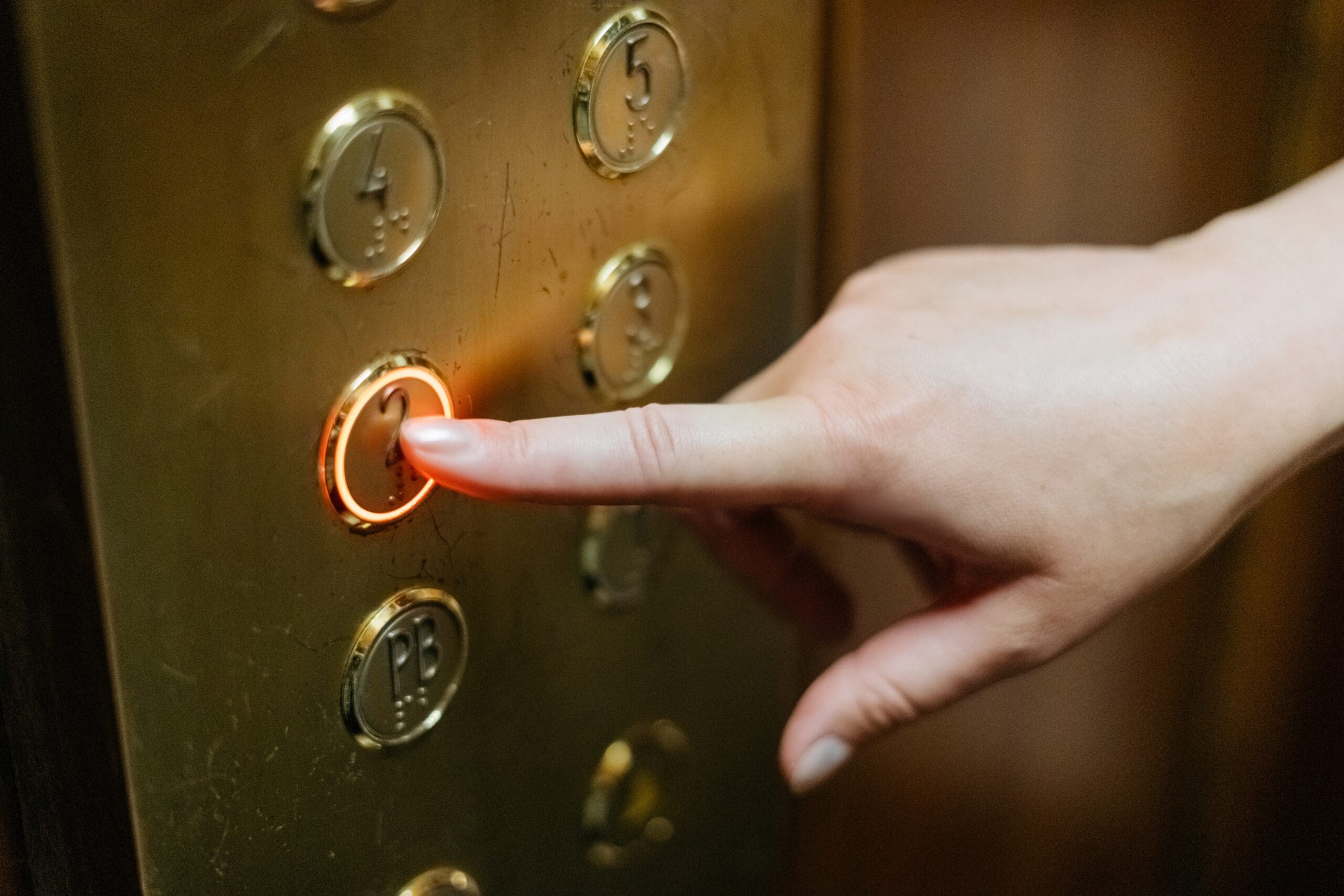
1. Facing Forward in an Elevator
Most people automatically face the doors when entering an elevator. There is no official rule requiring this behavior; after all, you are simply standing in a box waiting for it to stop, so it doesn't matter which direction you face. Yet almost everyone silently agrees on the "correct" direction to face. Turning around and facing the other passengers or wall would feel bizarre and uncomfortable for both the daring individual and the rest of those on board. The norm likely developed because it minimizes unnecessary eye contact and makes the close quarters with strangers less awkward.
2. Pretending Not to Hear Nearby Conversations
As humans, we get lost in discussions with friends, often talking louder than we mean to. People frequently overhear conversations in public places. However, even when someone is sitting just a few feet away, most of us pretend not to hear what is being said. It is a silent agreement that everyone seems to take part in, helping to instill a sense of privacy in crowds. Breaking this illusion by suddenly commenting on a stranger's statement would be considered jarring and maybe even rude. The social contract depends on everyone playing this "I can't hear you" game.
3. Leaving an Empty Seat Between Strangers
When given the opportunity of multiple chairs, people avoid the seat directly next to a stranger. This is true in a movie theater, bus, or waiting room. When reasonably possible, we often leave at least one seat of separation. This behavior respects personal space. Sitting right beside someone when the room is half empty will immediately elicit discomfort. This unwritten rule exists in cultures around the world.
4. Asking "How Are You?" Without Expecting an Honest Answer
Asking "how are you?" is basically the same as saying hello. When this question is asked, the most detailed response we expect is "good", "fine", or something else equally brief and positive. And even though none of us answer this question sincerely, it is still considered rude not to ask. The expected response is usually something brief and positive. Replying to this pleasantry by giving a lengthy explanation of every problem in your life would be breaking a major unspoken social rule.
5. Quickly Looking Away During Accidental Eye Contact
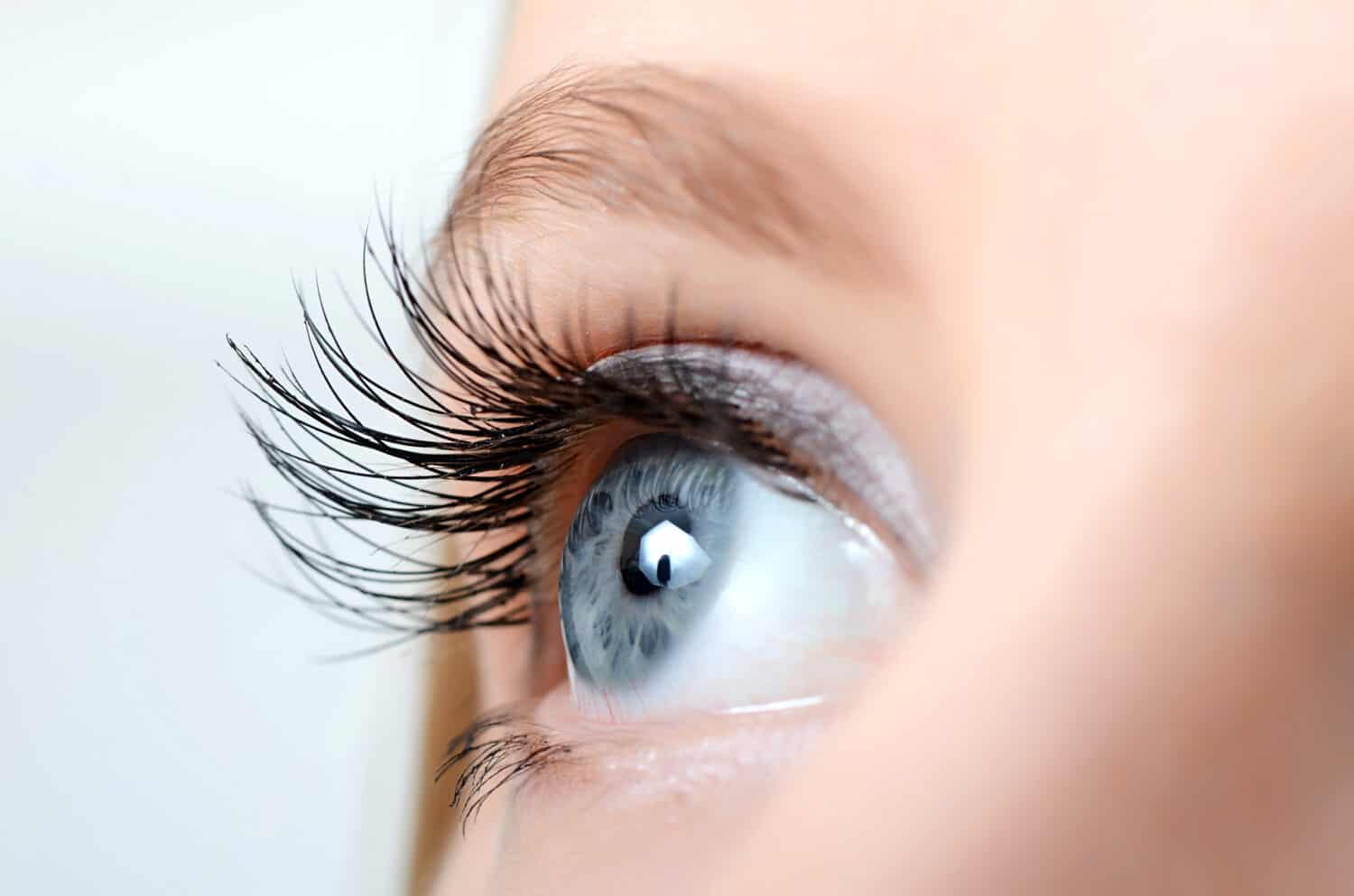
When two strangers accidentally make eye contact, both people usually look away almost immediately. Holding the gaze feels intrusive, embarrassing, and unsettling. This reaction happens so quickly that many people never consciously think about it. The behavior may have more evolutionary origins, helping to communicate that no threat or challenge is intended. It may be one of the fastest social behaviors humans engage in.
6. Acting Stunned by a Surprise Birthday Party
Many people know a surprise birthday celebration is coming long before it actually happens. Friends become suspiciously secretive or family members start behaving oddly distant. Nevertheless, social expectations mean playing the part of the surprised guest of honor. This includes a shocked expression and plenty of gratitude following the reveal. Everyone understands the big reaction is likely a performance, but no one says anything and a good time is had by all.
7. Avoiding the Last Piece of Shared Food
A plate of shared food eventually contains one final piece that nobody wants to take. Multiple people may secretly want it, yet everyone waits for someone else to claim it first. We are all just being polite. Taking the last item simply feels selfish, like you're somehow announcing that you matter more than the other snackers at the table. Ultimately, everyone insists that someone else should have the last piece. It's the same social dance at every gathering.
8. Pretending to Read Menus You've Already Memorized
Many restaurant regulars already know exactly what they plan to order before sitting down. Yet when handed a menu, they often open it and study it anyway. It's as though they feel obligated to read the menu simply because that's how a restaurant works: first you're seated, then you look at the menu, then you order. It feels like skipping a step in the script is not acceptable restaurant etiquette. Another reason may be simple politeness. Immediately announcing you know what you want can make others feel rushed. The brief performance helps maintain the rhythm of the familiar dining experience.