The second half of the 1970s proved that the decade still had plenty of unforgettable moments left. Scientific advances, major international crises, huge sporting events, and technological innovations hit newspaper headlines around the world. Some incredible inventions made Americans feel like the future had finally arrived, while other technological breakthroughs inspired doubt and anxiety. Looking back, these events helped close out an incredibly fascinating decade. Here are eight of the stories that defined the final years of the 1970s.
1. Apple Introduced the Personal Computer
Although Apple Computer had been founded in 1976, it was the release of the Apple II in 1977 that got everyone’s attention. Unlike earlier computers that appealed to a very niche portion of the population, the Apple II was designed with ordinary people in mind. It was meant to be used by regular consumers in everyday schools and businesses. Its color graphics, relatively straightforward operation, and growing selection of software made owning and using a computer feel accessible and even commonplace. This was the start of computers moving out of labs and into homes. The Apple II helped launch the personal computer revolution.
2. The Iran Hostage Crisis Dominated Headlines
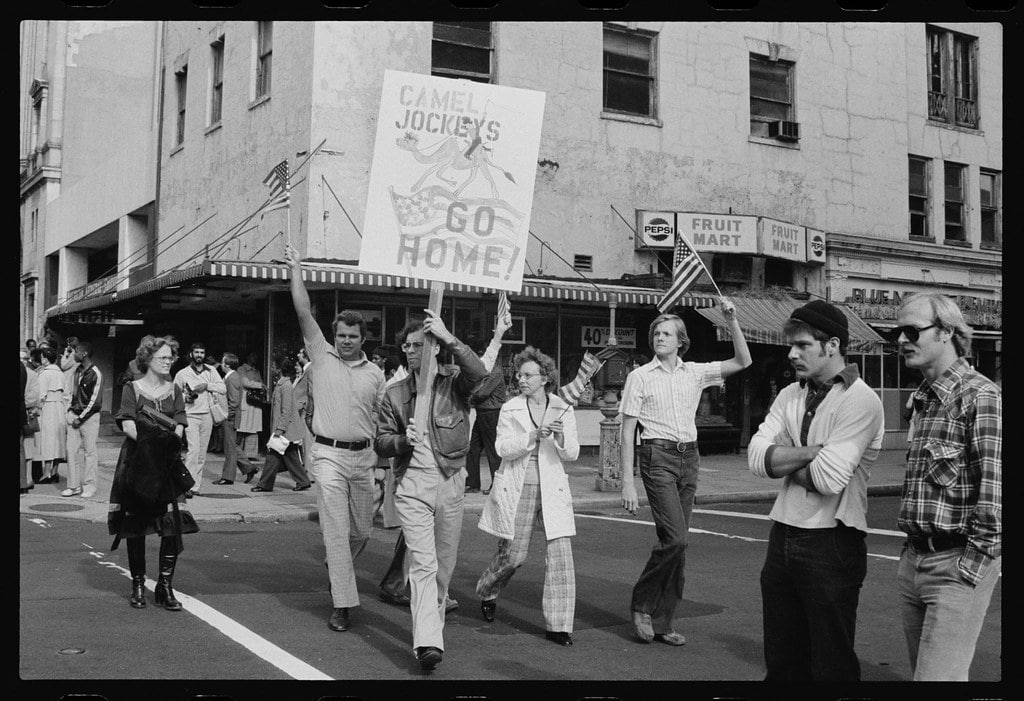
One of the biggest headlines of 1979 began when Iranian students rushed into the U.S. Embassy in Tehran and took dozens of Americans hostage. The unprecedented crisis quickly became international news. Weeks turned to months as negotiations went on and on, and television networks gave viewers frequent updates. Americans grew more and more anxious as each day passed without a plan to get the hostages back safely. The harrowing event increased tensions between the United States and Iran. It was on everyone’s mind heading into the 1980 presidential election. Finally, in 1981, the victims were released mostly unharmed, but the saga permanently changed relations between the two countries.
3. The Bicentennial Celebrated America’s 200th Birthday

In 1976, communities across the United States celebrated the nation’s bicentennial in a big way. Americans attended parades, concerts, and historical reenactments, while firework displays were bigger and brighter than ever before. Red, white, and blue decorations seemed to be everywhere as America reached two centuries of history. Commemorative coins, stamps, and collectibles were even released. For many patriotic families, the bicentennial was a memorable moment.
4. The First Test-Tube Baby Was Born

In 1978, Louise Brown became the world’s first baby born through in vitro fertilization, now commonly known as IVF. The medical breakthrough amazed people and gave hope to countless couples facing infertility. While plenty of people celebrated the miraculous achievement, others questioned the ethics of the new technology, wondering if scientists had begun playing God. Today, millions of people have become parents thanks to IVF, making the once-astonishing procedure a regular part of medicine.
5. The Three Mile Island Accident Sparked Nuclear Fears
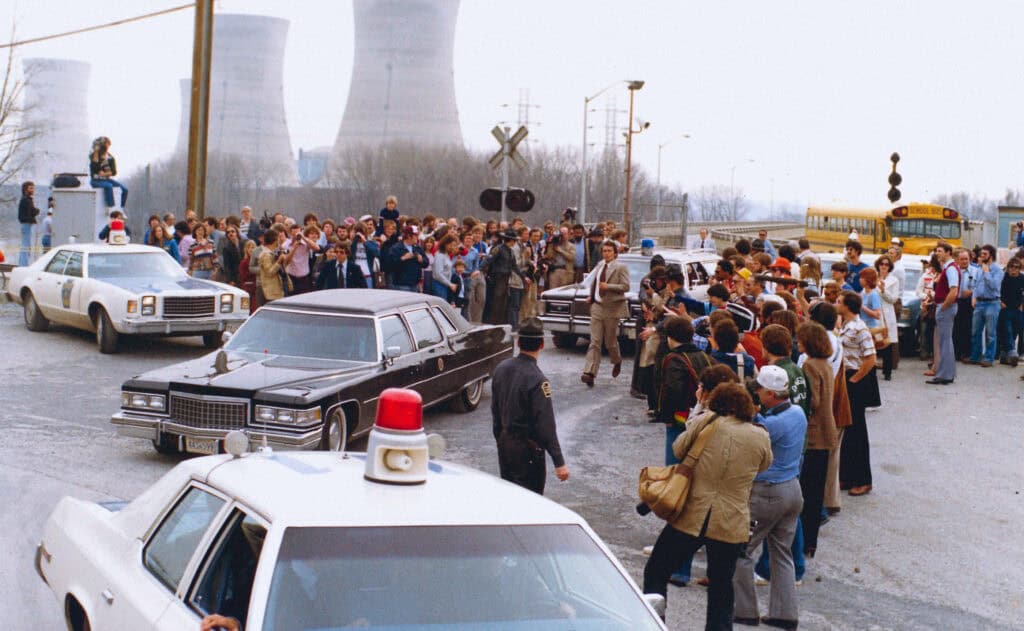
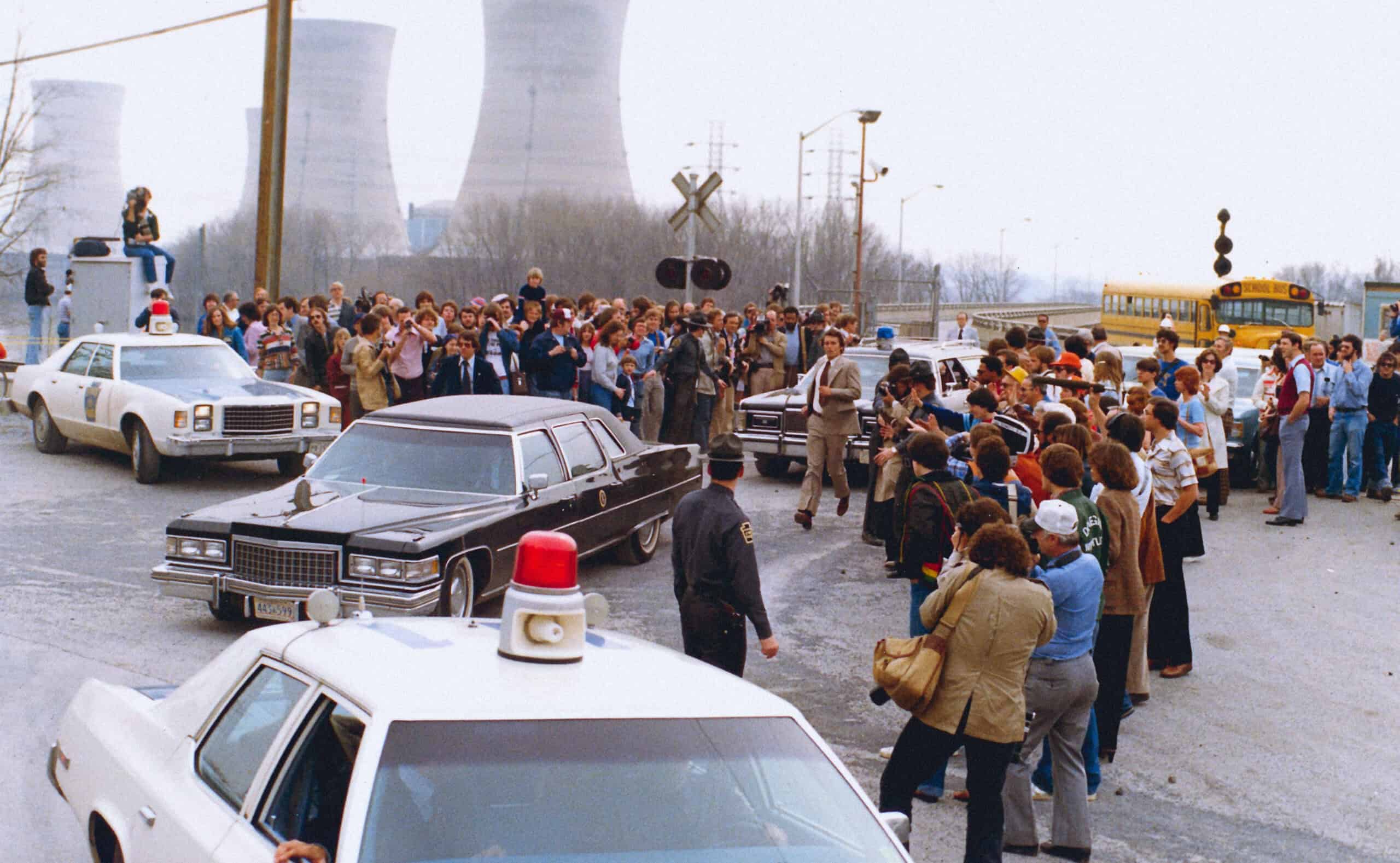
In March 1979, a partial meltdown occurred at the Three Mile Island nuclear power plant in Pennsylvania. Fortunately, only small bits of radiation escaped, and no immediate deaths occurred due to the accident. However, the incident gained enormous media attention. Confusing reports and widespread public anxiety created a perfect storm of concerned Americans who feared nuclear energy was ultimately unsafe. The accident is still the most serious nuclear power plant incident in U.S. history.
6. Disco Peaked

By the late 1970s, disco music had become impossible to ignore, whether you liked it or not. The Bee Gees, Donna Summer, and Chic completely consumed radio stations, while movies like Saturday Night Fever helped push disco into a worldwide phenomenon. Glittering dance floors, flashy outfits, platform shoes, and contagious energy were all part of the hip music and dance craze. Although the genre’s immense popularity faded, its influence is heard and felt even in modern-day music.
7. The First GPS Satellite Was Launched

Today, we are used to seeing satellites anytime we gaze up at the night sky, but before the late ‘70s, satellite navigation was still in its infancy. In 1978, the United States launched the first satellite in what would eventually become the Global Positioning System, or GPS. At the time, people didn’t really pay much attention to the technology because it was used mainly for military purposes. However, as additional satellites were implemented in the decades to follow, GPS transformed into one of the most useful technologies ever developed. Today, billions of people use it every day for navigation, mapping, and numerous apps.
8. ESPN Changed Sports Television
When ESPN premiered in September 1979, it became the first television network dedicated entirely to sports. Many people questioned whether there would be enough interest and content to fill a 24-hour schedule, but the answer was soon apparent as the network saw widespread success. The network was a true gift to sports fans who suddenly had access to way more sporting events, highlights, interviews, and analysis than they had ever dreamed of. ESPN permanently changed sports broadcasting and helped create the coverage that millions of viewers love so much.