Andrew Clemente
Juicero Press Packs
TechGeek
Reddit Tech Nostalgia
Apple
Coke
Tech Archives
Tim Evanson / BY-SA 2.0
Tech Archives
TechGeek
HP.com
Missing attribution
GeekShadow / BY 2.0
Samsung
15 Overhyped Products That Flopped Spectacularly
Technology never stops changing, and every year brings bold announcements about upgraded products and groundbreaking inventions. These launches often arrive with enormous promises, flashy advertising, and predictions that they will transform everyday life. Sometimes, however, the reality falls far short of the hype. From New Coke to Google Glass, these 15 highly anticipated products were undone by fatal flaws, baffling prices, missing features, or competitors that did it better.
Google Stadia
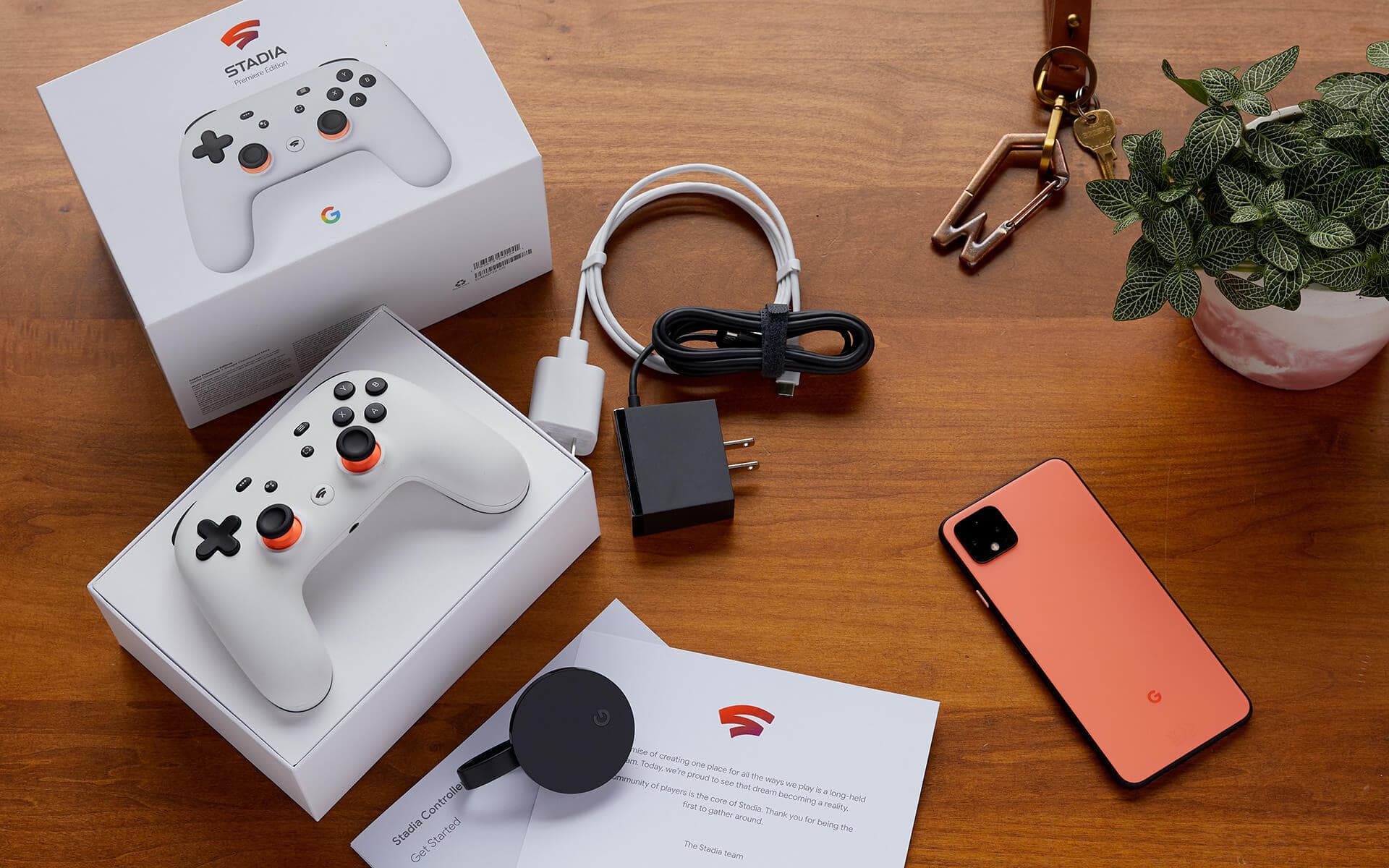
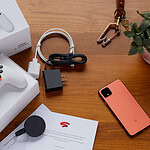
Google pitched Stadia as the future of gaming when the cloud service launched in November 2019. Players could stream games to compatible screens without buying a traditional console, but the sales model muddied that appealing idea. A Stadia Pro subscription offered some included titles, while many major games still had to be purchased separately. The platform also lacked enough exclusive hits to pull players away from PlayStation, Xbox, Nintendo, or PC. Confidence sank further when Google closed its internal Stadia game studios in 2021. In September 2022, Google admitted the service had not gained the traction it expected. Stadia shut down on January 18, 2023, and Google refunded hardware bought through its store along with game and add-on purchases.
Juicero
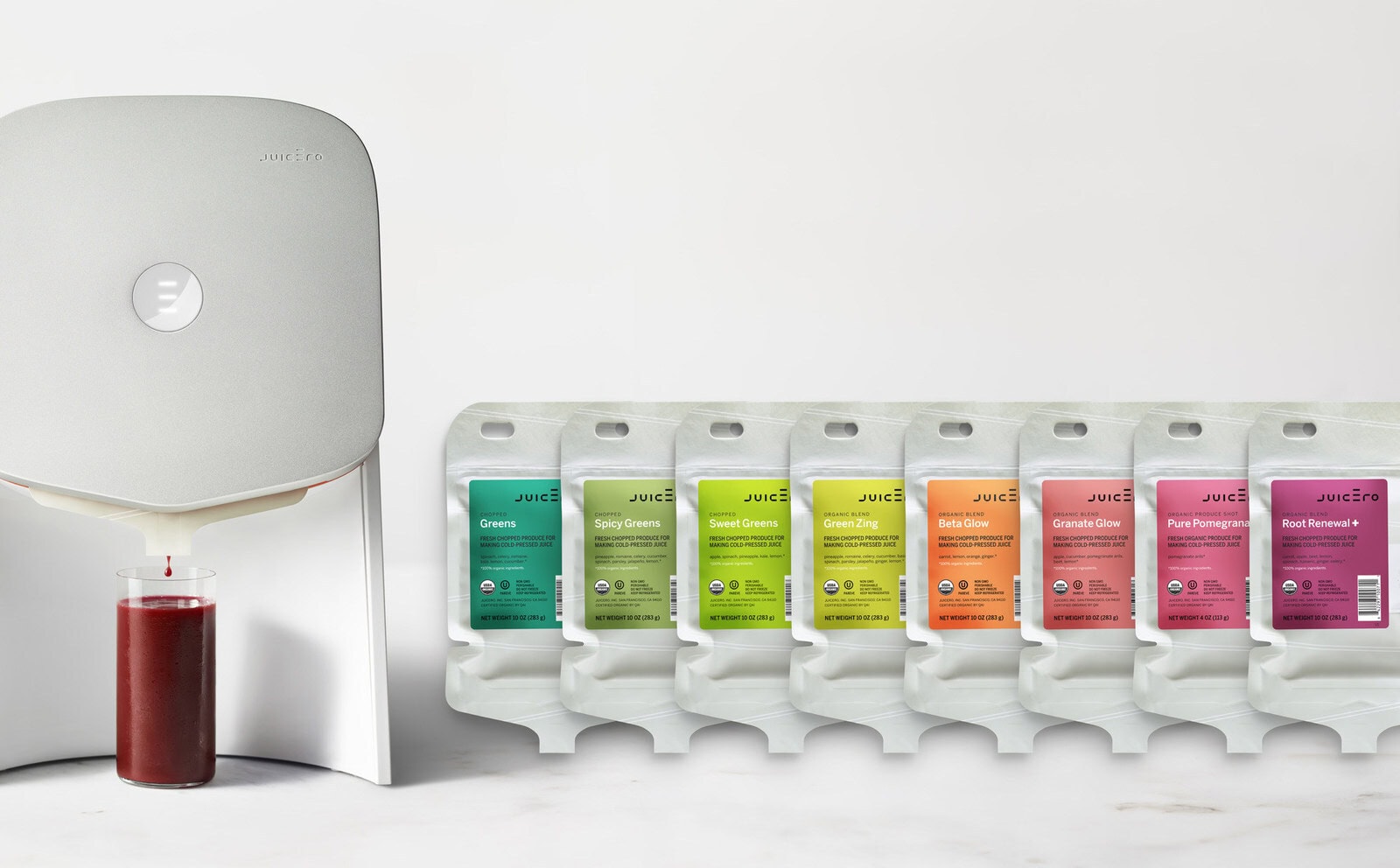
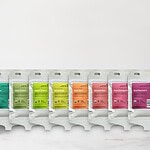
Juicero attracted elite investors with a vision of bringing fresh, app-connected juice into upscale kitchens. Its Wi-Fi-enabled press initially cost $699 and worked only with proprietary produce packs that generally cost several dollars each. The machine scanned each pack before squeezing it, creating an elaborate system for a very simple task. Juicero had raised roughly $120 million and promoted the press as a major feat of engineering. Then a 2017 report showed that people could squeeze the packs by hand and get nearly the same result without the expensive machine. The revelation turned Juicero into an instant symbol of Silicon Valley excess. After lowering the machine's price and struggling to secure more funding, the company shut down in September 2017 and offered refunds.
Amazon Fire Phone
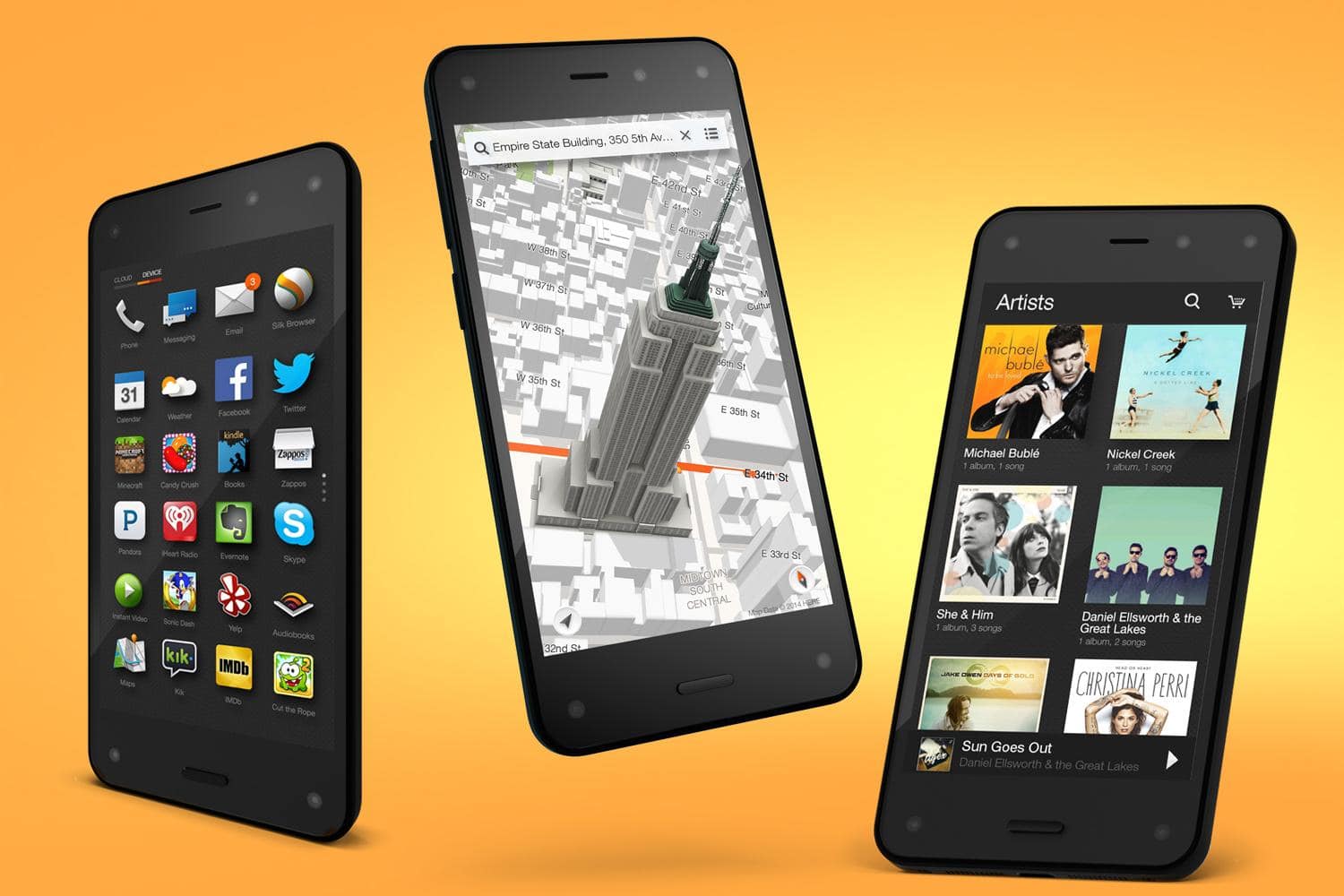
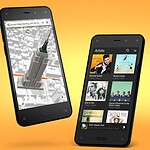
Amazon entered the smartphone battle in 2014 with a device designed to keep shoppers inside its ecosystem. The Fire Phone launched at $199 with a two-year AT&T contract, putting it near established flagships from Apple and Samsung. Its Dynamic Perspective cameras created a 3D-like interface, while Firefly could identify products and make them easy to buy. Reviewers found those headline features gimmicky, and the phone lacked the full Google Play app selection that Android users expected. Amazon cut the contract price to 99 cents only weeks after launch. The company later recorded a $170 million charge tied largely to Fire Phone inventory and supplier commitments, with $83 million in phones still sitting unsold. Amazon stopped selling the model in 2015 and never released a successor.
Humane AI Pin
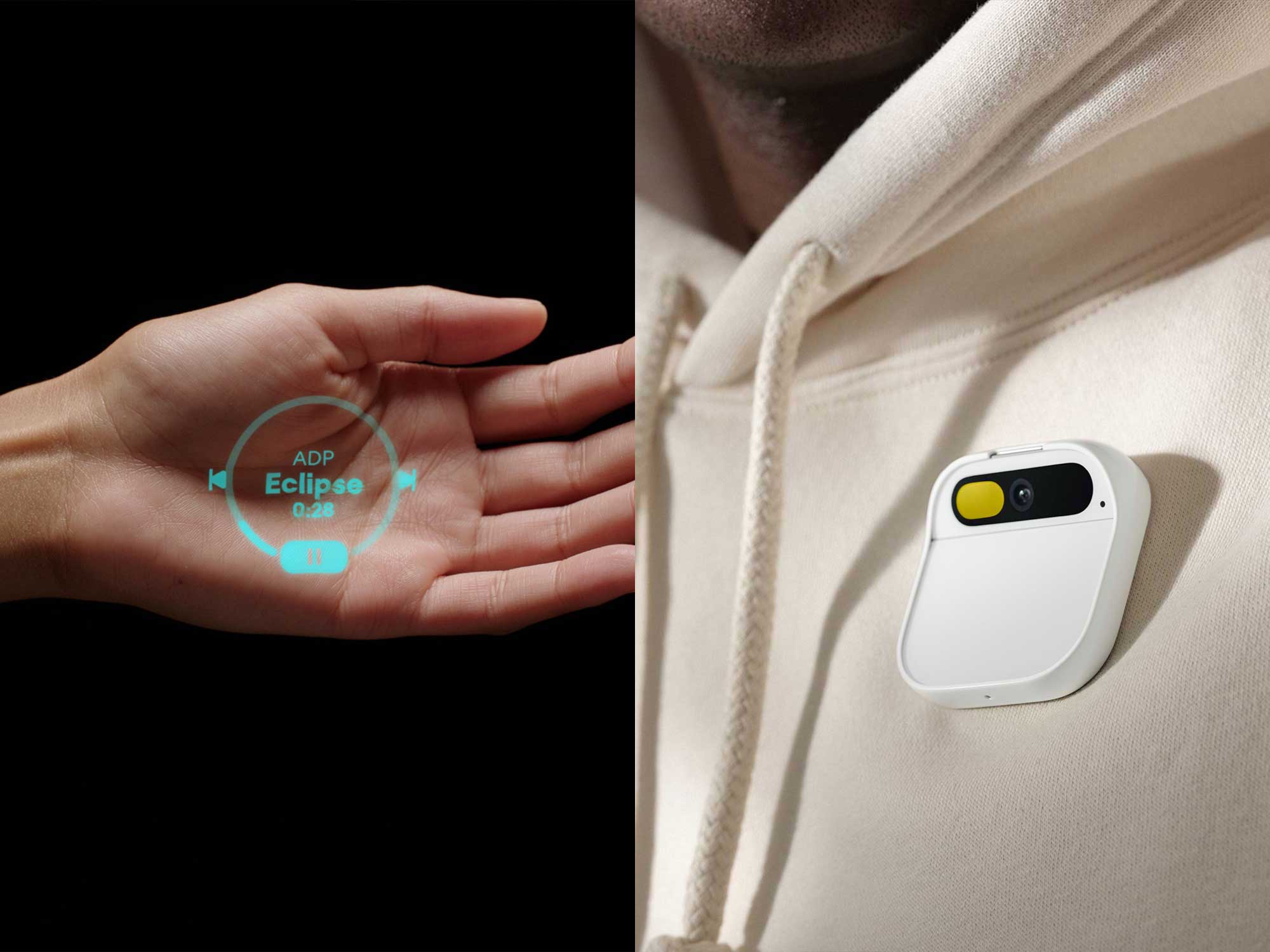
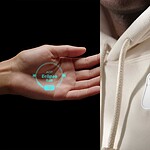
The Humane AI Pin was promoted as a screen-free glimpse of life after smartphones. Created by former Apple employees, the wearable launched in 2024 for $699 plus a $24 monthly subscription. It could answer spoken questions, use a laser display on the wearer's palm, and handle messages, but reviews found it slow, unreliable, warm to wear, and burdened by weak battery life. Humane even warned customers to stop using its charging case because of a battery safety concern. The company reportedly raised more than $230 million, yet returns briefly outpaced new sales in 2024. HP agreed to buy much of Humane's technology and team for $116 million in February 2025. Cloud services were switched off days later, leaving most of the Pin's signature functions unusable less than a year after launch.
Apple Bandai Pippin
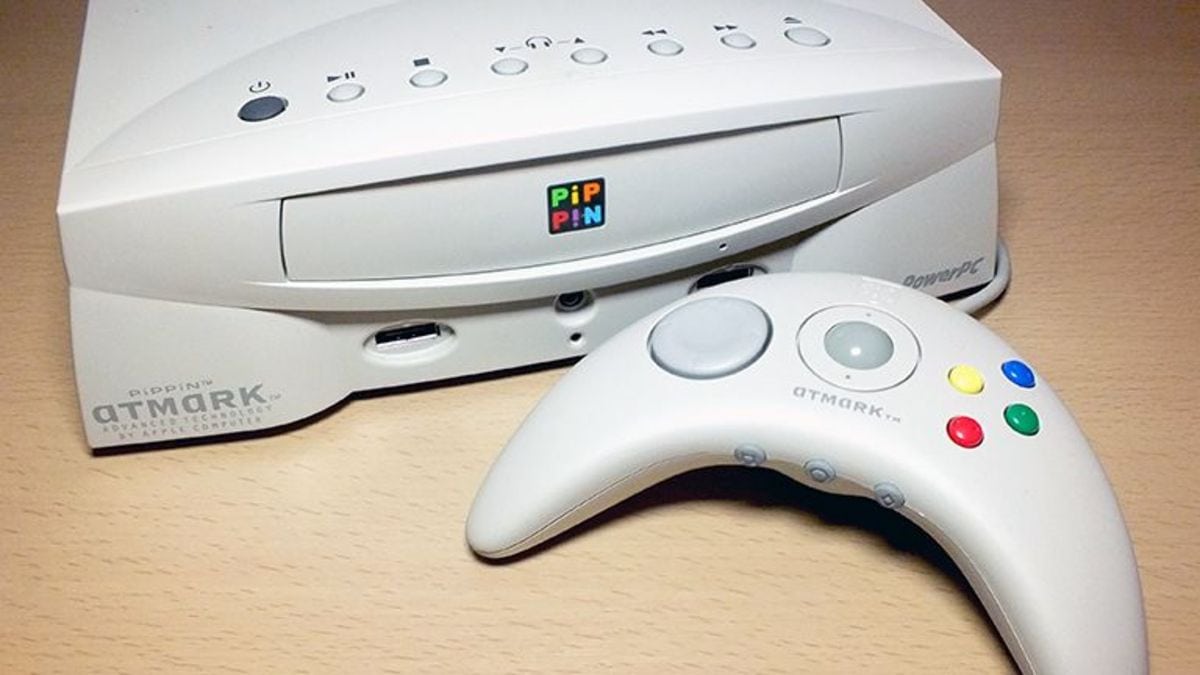
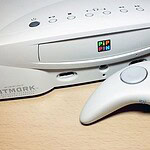
Long before the iPhone made Apple a gaming powerhouse by accident, the company licensed its Pippin platform to Bandai. The $599 Bandai Pippin @WORLD reached the United States in 1996 as a mix of game console, CD-ROM player, and internet appliance. That identity sounded futuristic, but consumers could buy more capable computers or cheaper consoles with stronger game libraries. The Pippin was also slow, arrived with limited software, and faced the original PlayStation, Nintendo 64, and Sega Saturn. Only about 42,000 units reportedly sold across the United States and Japan. Apple ended the platform after Steve Jobs returned and began cutting unfocused projects. The Pippin tried to do several jobs at once and failed to give buyers one compelling reason to choose it.
New Coke
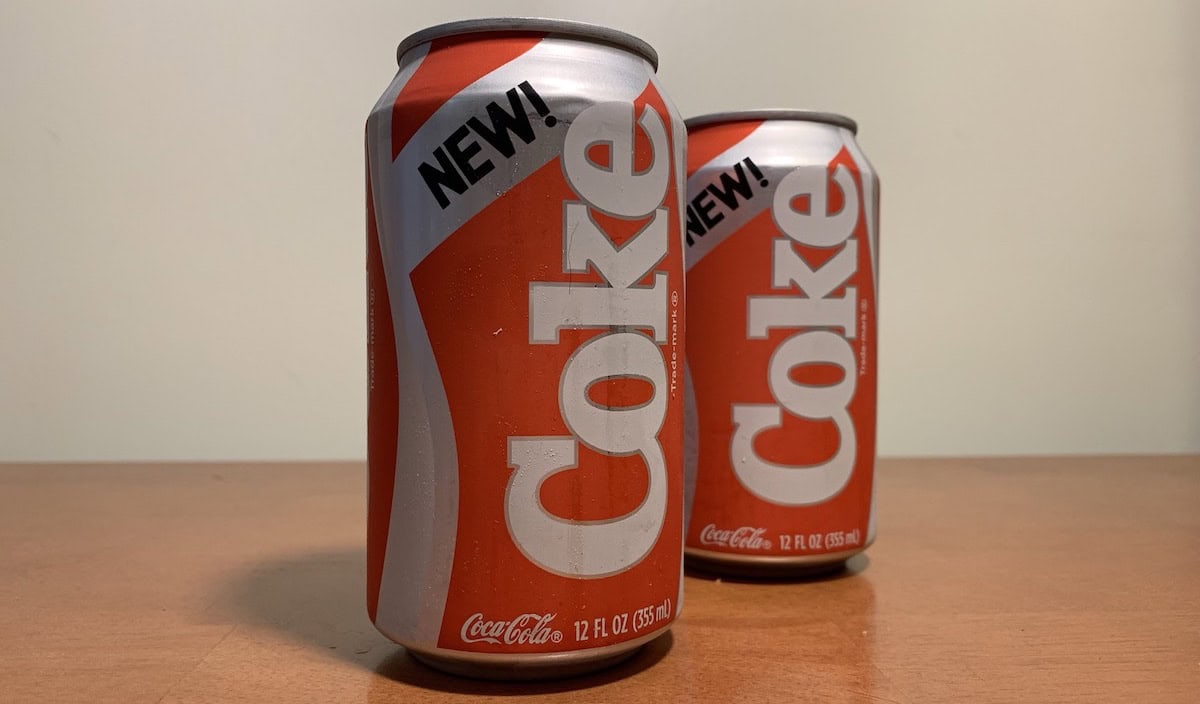
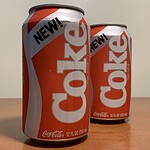
Coca-Cola made one of the boldest brand decisions in American business when it replaced its flagship formula in April 1985. The sweeter New Coke had performed well in blind taste tests and was intended to counter Pepsi's growing challenge. What the testing missed was the emotional value consumers placed on the original drink. Calls and letters poured into the company as loyal customers treated the change like the loss of a cultural institution. Just 79 days after the launch, Coca-Cola announced that the old formula would return as Coca-Cola Classic. New Coke remained available in some markets for years under different branding, but the grand replacement strategy was finished. The episode proved that a product can win a sip test and still lose badly once history, identity, and customer loyalty enter the equation.
Microsoft Kin
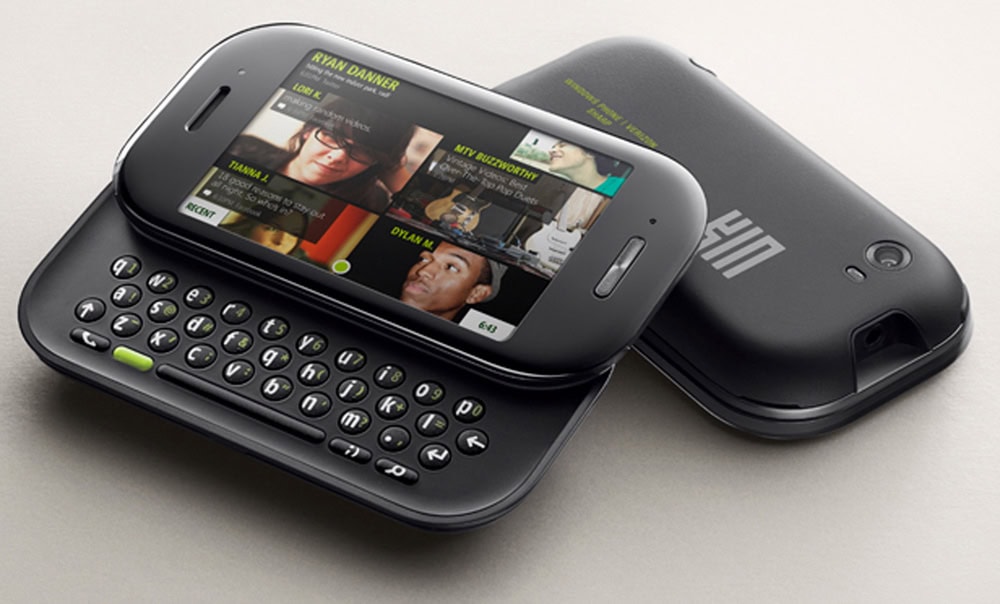
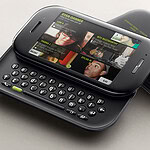
Microsoft aimed the Kin One and Kin Two at young users who lived through social networks, photos, and messaging. Released through Verizon in May 2010, the phones featured an always-updating home screen and automatic online photo storage. Yet the supposedly social devices launched without an app store, a calendar, or support for popular instant-messaging services. Their mandatory smartphone data plans also made the stripped-down phones difficult to justify next to an iPhone, Android device, or BlackBerry. Reviews were lukewarm, sales were reportedly dismal, and Verizon quickly cut the prices. Microsoft pulled the Kin from the market after only about seven weeks. The phones were built from technology connected to Microsoft's reported $500 million acquisition of Danger, making the rapid retreat especially painful.
Google Glass
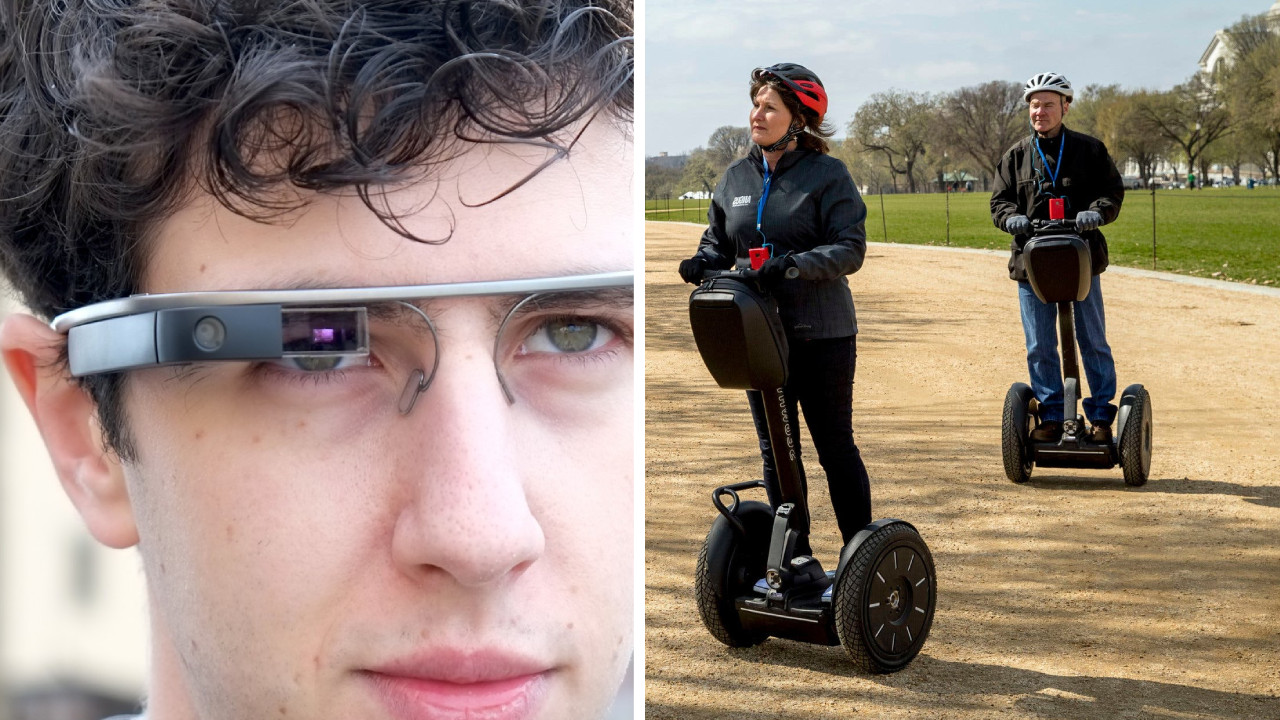
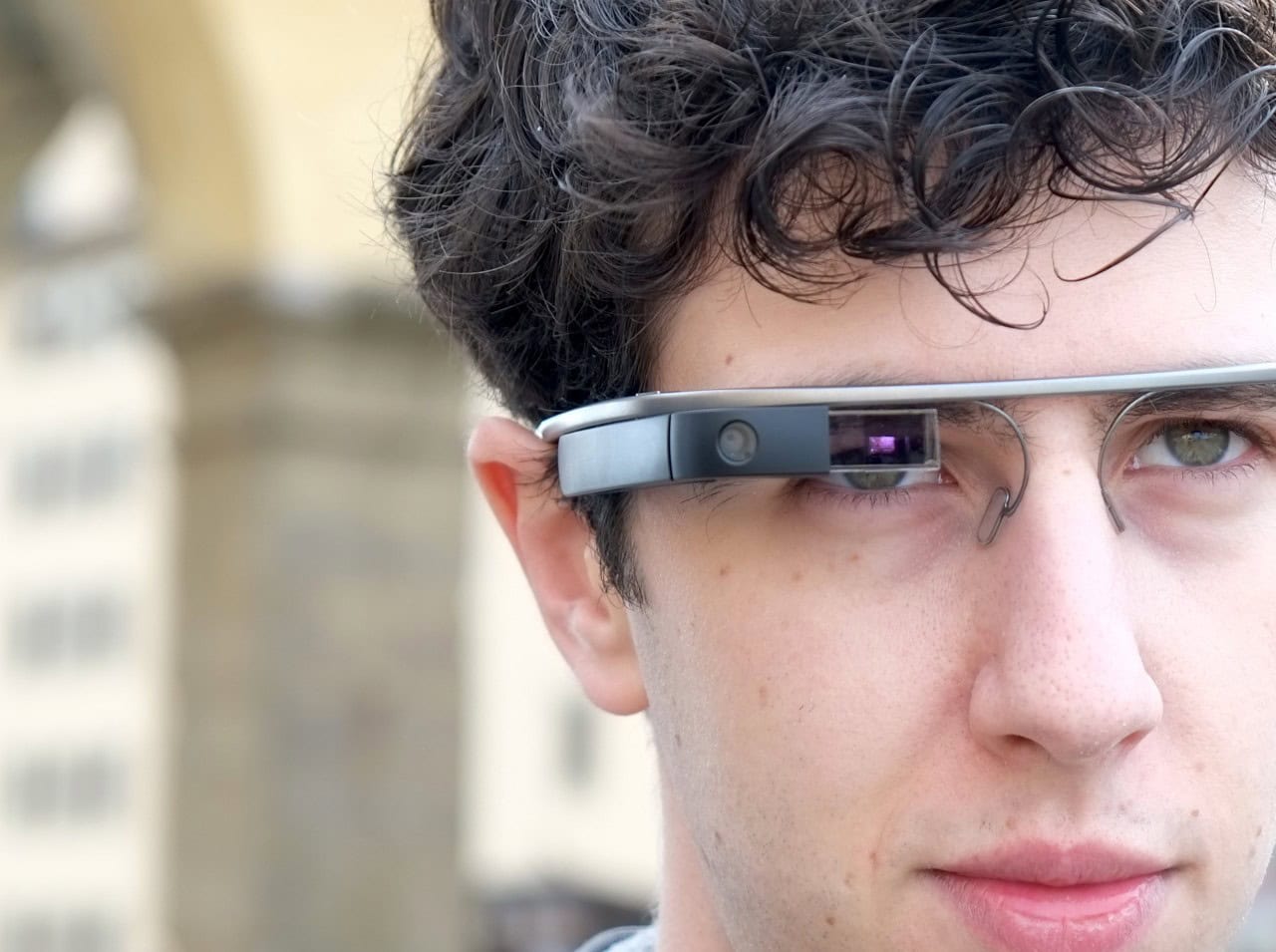
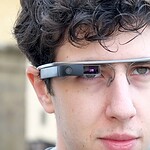
Google Glass produced enormous buzz by putting a camera, tiny display, and voice-controlled computer directly in front of the wearer's eye. Developers and early adopters could buy the Explorer Edition for $1,500 beginning in 2013. The device looked futuristic, but its short battery life, limited everyday usefulness, and conspicuous design made it difficult to treat like normal eyewear. Its built-in camera also created immediate privacy concerns in bars, theaters, workplaces, and public spaces. The nickname given to inconsiderate users became almost as famous as the product itself. Google stopped selling the consumer-focused Explorer version in January 2015 without ever delivering the broad public launch many expected. Glass technology later found narrower enterprise uses, but the dream of making the headset the next smartphone collapsed under its price, social friction, and unfinished feel.
DMC DeLorean
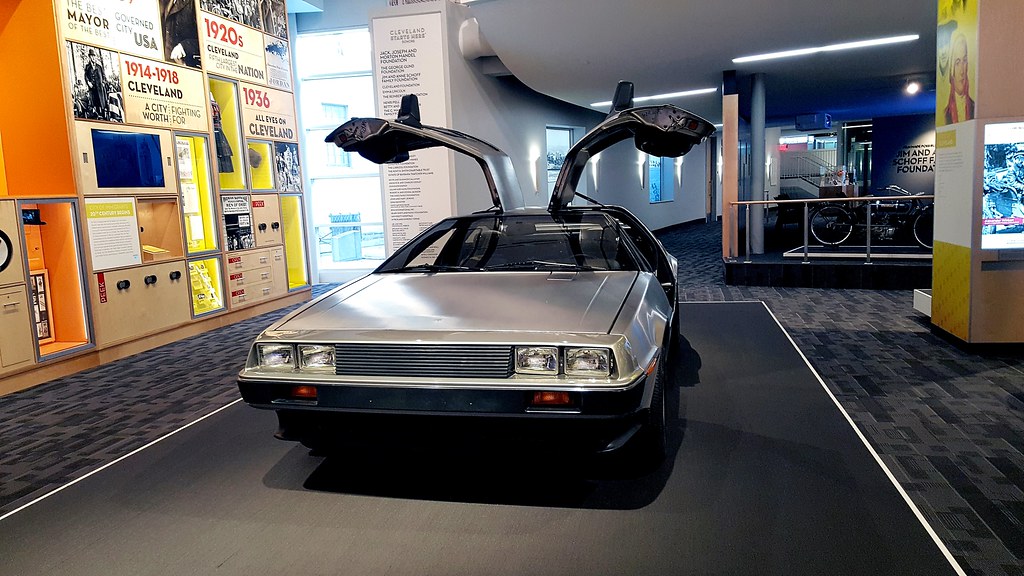
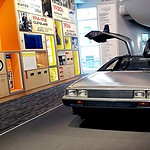
The stainless-steel DeLorean looked like a car from the future even before Hollywood turned it into a time machine. Production began in Northern Ireland in 1981, with gull-wing doors and a design by Giorgetto Giugiaro helping justify a price near $25,000. Under the dramatic body, however, buyers found modest performance from its 130-horsepower V6, uneven build quality, and a price that climbed well above early expectations. A weak economy and slower-than-needed sales deepened the company's cash crisis. DeLorean Motor Company entered receivership in 1982 after producing roughly 9,000 cars. The 1985 release of Back to the Future made the car immortal, but that fame arrived too late to save the manufacturer. Few failed products have ever become more recognizable after disappearing from showrooms.
Microsoft Zune
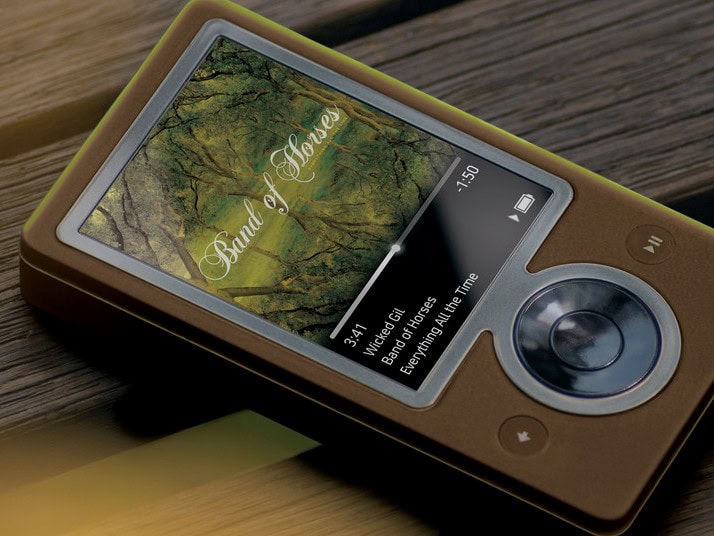
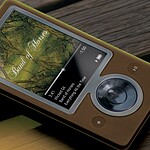
Microsoft launched the Zune in November 2006 with heavy promotion and a direct mission to challenge Apple's iPod. The player offered Wi-Fi sharing and a subscription music service, and later versions earned genuine fans. During its first few days at retail, Zune captured about 9% of portable media player unit sales, while Apple held roughly 63%. That gap exposed the larger problem: Apple already had a beloved device, the iTunes Store, broad accessory support, and enormous cultural momentum. Zune's much-advertised wireless song sharing also came with restrictions that made it less exciting in practice. Microsoft sold a reported one million units by May 2007, but it never came close to dislodging the iPod. Zune hardware was discontinued in 2011, although parts of its design influenced later Microsoft products.
Segway PT
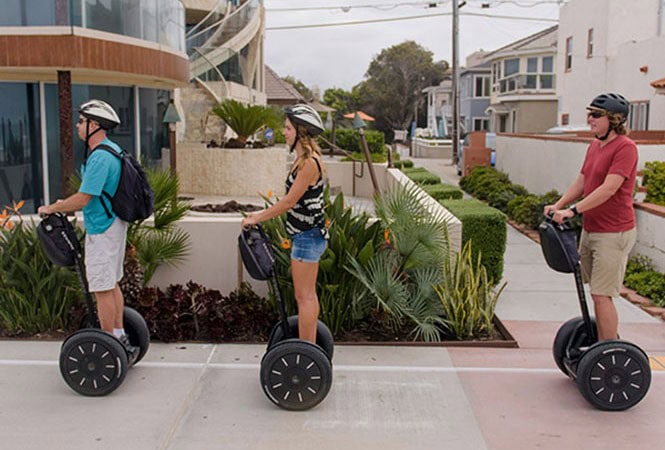
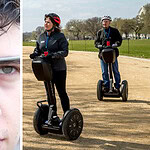
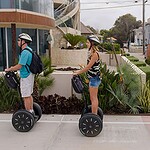
Before its 2001 unveiling, the mystery invention behind the Segway inspired predictions that cities would be redesigned around it. The self-balancing transporter was undeniably clever, but its roughly $5,000 launch price put it far beyond an ordinary pedestrian purchase. Riders also faced an awkward patchwork of rules because the Segway did not fit neatly on roads, sidewalks, or bike lanes. It was too large to carry casually and solved a short-distance problem that walking or a bicycle handled more cheaply. Police departments, tour companies, and security workers found practical uses, but the mass market never arrived. About 140,000 Segway PTs reportedly sold over nearly two decades, close to what the company once hoped to sell in its first year. Production ended in 2020, leaving the original Segway as a durable niche machine rather than a transportation revolution.
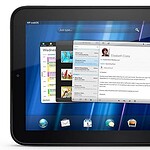
HP TouchPad
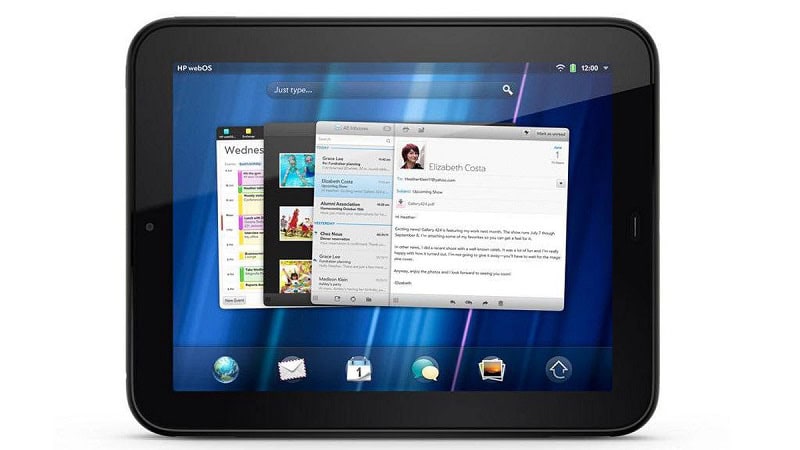
HP entered the tablet race with the TouchPad in July 2011 after paying about $1.2 billion to acquire Palm and its webOS software. The tablet started at $499, matching the entry-level iPad despite weaker hardware, fewer apps, and far less consumer enthusiasm. Retail sales disappointed almost immediately. On August 18, only 49 days after launch, HP announced that it would stop making webOS devices. The company then slashed the 16GB model to $99, triggering the demand the original price never produced and clearing inventory in a frenzy. That fire sale made the failure even more revealing because buyers wanted the TouchPad when it was treated like a bargain, not an iPad equal. HP eventually took massive charges related to winding down the webOS hardware business, turning a promising platform into one of tech's fastest retreats.
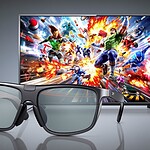
3D Television
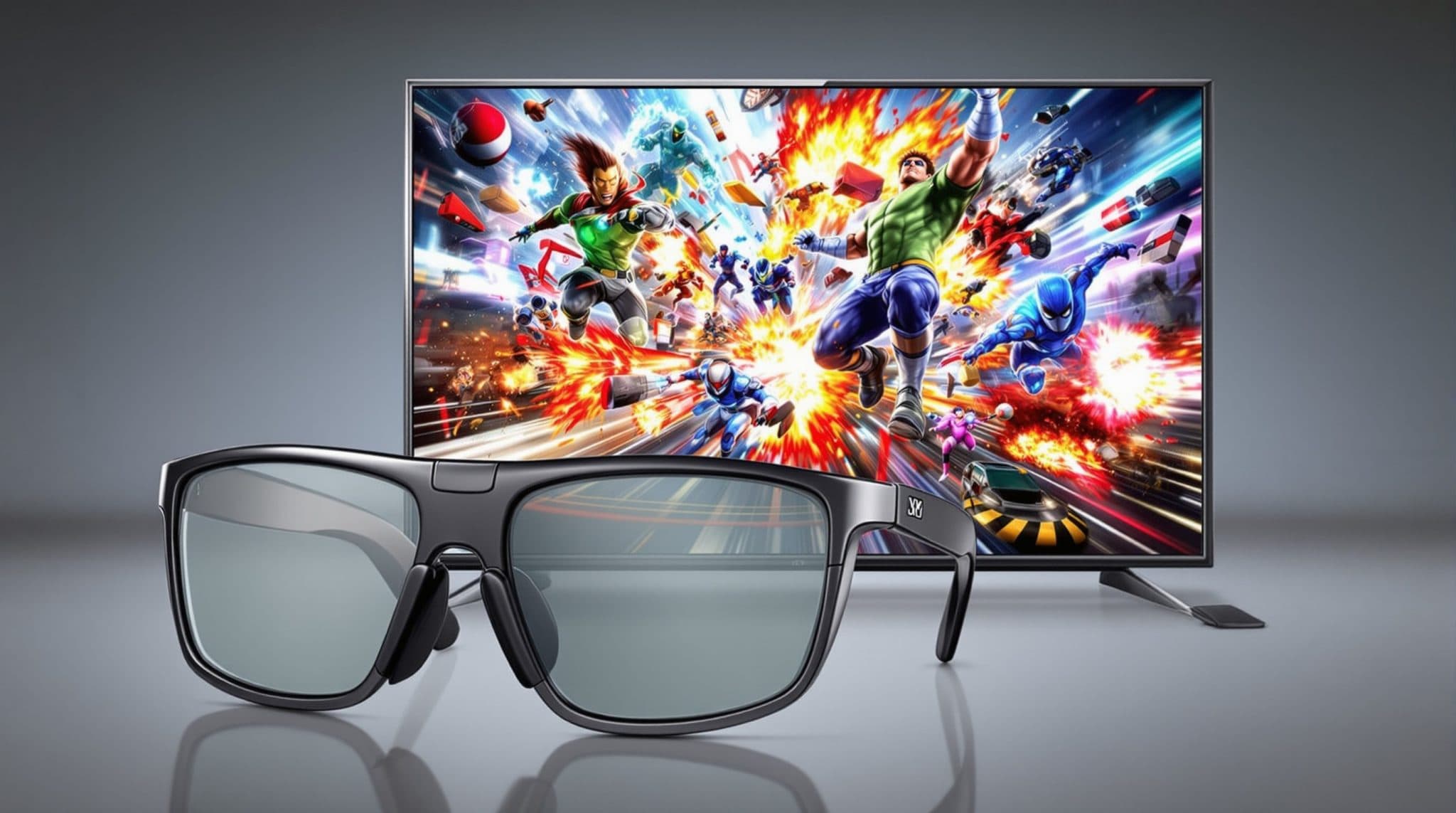
After Avatar became a global sensation, television makers treated 3D viewing as the next essential home-entertainment upgrade. Expensive new sets promised sports, movies, and games that appeared to leap into the living room. In practice, viewers often needed special glasses, had to sit in the right position, and sometimes experienced eyestrain or nausea. Families also discovered that 3D programming was limited and that buying enough glasses for everyone added cost and clutter. Broadcasters pulled back as audiences failed to materialize, with ESPN ending its dedicated 3D channel in 2013. Meanwhile, 4K resolution and HDR offered picture improvements that worked with ordinary programming and required nothing on the viewer's face. By 2017, the last major television brands had dropped 3D from new sets, ending a heavily promoted feature that many owners barely used.
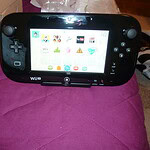
Nintendo Wii U
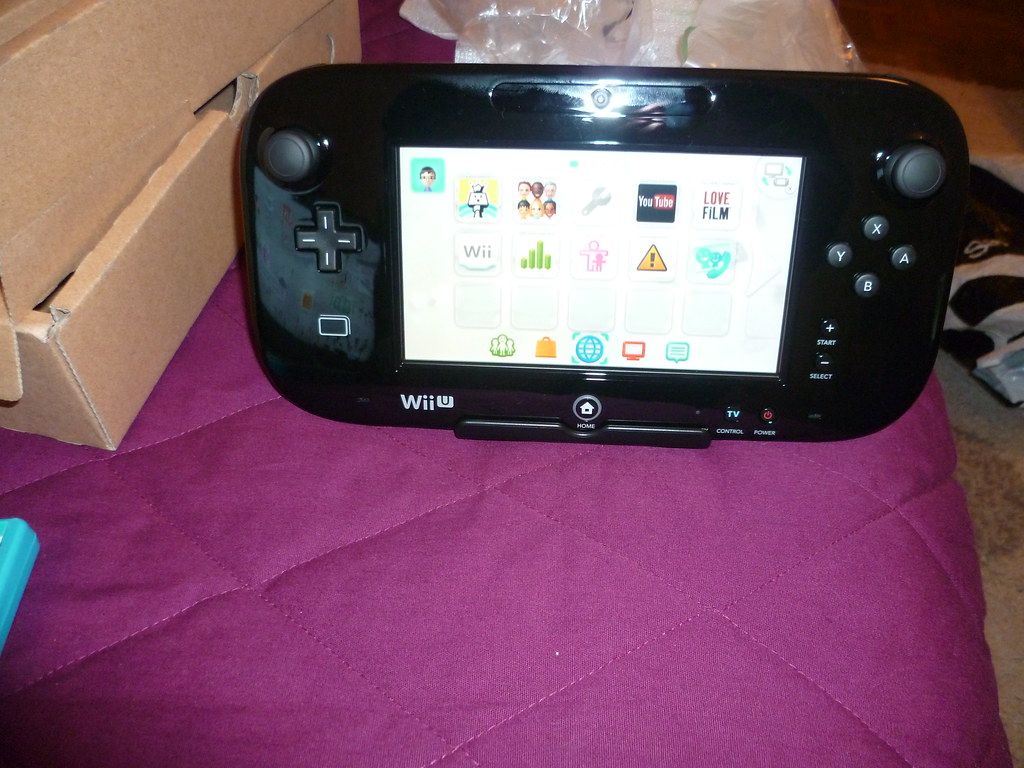
Nintendo followed the blockbuster Wii with the Wii U in 2012, but even the name created confusion. Some shoppers thought the new GamePad was merely an accessory for the older Wii rather than part of a new console. The controller's built-in screen offered clever second-screen play, yet it was bulky, had limited range, and often needed recharging. Slow menus, uneven third-party support, and long gaps between major releases made the system harder to recommend. Nintendo ultimately sold 13.56 million Wii U consoles, compared with 101.63 million original Wii systems. Its best ideas did not disappear, however. The far more successful Switch refined the concept of playing on a television or a portable screen, while several excellent Wii U games received a second life on that platform.
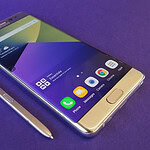
Samsung Galaxy Note 7
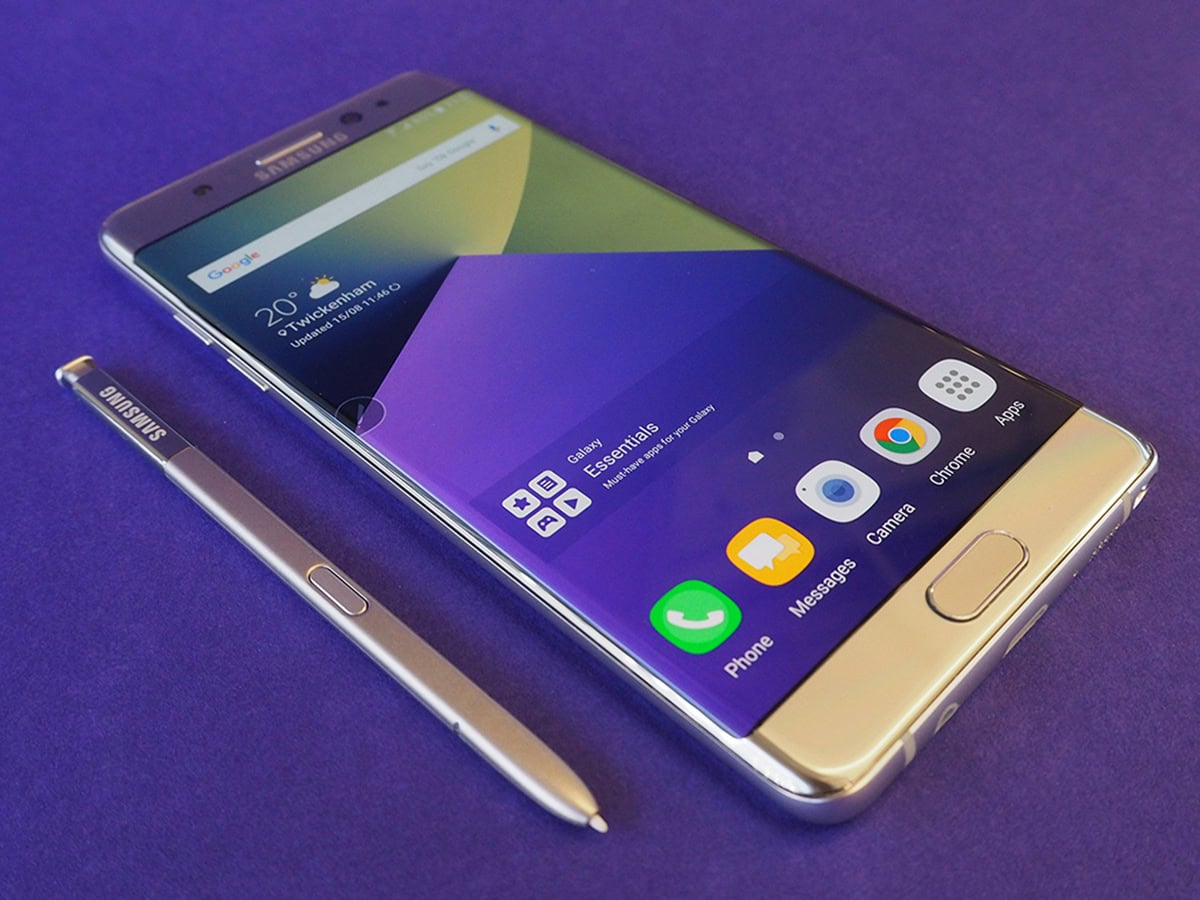
Samsung's Galaxy Note 7 launched in August 2016 to glowing reviews and looked ready to become the year's definitive premium Android phone. Reports of batteries overheating and catching fire quickly transformed that triumph into a crisis. Samsung recalled the first devices and issued replacements, but some replacement phones also overheated. Airlines warned passengers about the model, and U.S. transportation officials ultimately banned it from flights. Samsung permanently stopped production and sales in October, roughly two months after release. The company estimated that ending the Note 7 would reduce operating profit by about $5.3 billion over several quarters. Samsung recovered with later Galaxy models, but the Note 7 remains a textbook example of how a safety defect can destroy even a highly praised product almost overnight.