



20 Experiences That Shaped the Baby Boomers
Born between 1946 and 1964, during the population surge that followed World War II, Baby Boomers make up the second-largest generation in the United States, outnumbered only by Millennials. They grew up in an era when America was thriving: the economy was strong, technology was advancing at breakneck speed, and the dawn of space exploration captured the world's imagination. It was also a period of sweeping cultural and social change, with countless events and innovations leaving a lasting mark on this generation.To highlight 20 key moments that shaped the Baby Boomer experience, 24/7 Tempo drew on a wide range of entertainment and lifestyle publications. We looked at defining habits, once cutting-edge technologies that are now outdated, and distinctive cultural traits tied to this generation. We also turned to respected news outlets and historical archives to verify the details, ensuring every item on the list reflects well-documented history.
This post was updated September 5th, 2025, to reflect additional information.
Drive-In Movies
Boomers had more limited opportunities for watching movies before the era of DVDs and streaming. Their favorite pastime was to head to the drive-in. This concept was invented in the 1930s but exploded in popularity in the 1950s all over the U.S. This is how most boomers spent their Friday and Saturday nights.
Understanding Rotary Phones
To the generations raised on cell phones and even on push-button phones, a rotary phone can seem a bit confusing. That is not the case for boomers who used this type of telecommunication for years. They mastered the technique of twirling the dial with their finger—often at great speed.
Then all you have to do is release the dial so that it resets before you spin the next number. It may be time-consuming, but it gives you the chance to think about what you are going to say.
Talking to a Phone Operator
Long-distance phone calls could not always be made directly. Many boomers will recall a time when they had to speak to an operator to put them through to who they wanted to speak to. This generation saw huge changes in the telecommunications network.
They may also have lived in a home that shared a "party line" with other houses. Bad luck if you all wanted to make a call at the same time—someone would end up waiting.
Using a Phone Book
How did people find local services before the internet? They used a phone directory. Boomers will have been familiar with looking up individuals or businesses in a huge book containing thousands of numbers. They were laid out in alphabetical order, but it could still take some time to find who you were looking for.
Smoking on Airplanes
Have you ever wondered why there is a no smoking sign on planes that lights up? This is because smoking was allowed on planes. In fact, smoking was not completely banned on all planes until the 1990s. On some planes, there was a smoking section at the back, and non-smokers could select a seat near the front.
Doordash for Milk
Whilst most of us now grab a bottle of milk from the store, that was not the case for boomers. They were far more likely to get their milk delivered by a milkman every morning. All they had to do was open their front door to get fresh milk for their cereal. These days deliveries are more likely to be by Doordash or Ubereats.
The Cold War
The standoff between America and the Soviet Union defined the political environment of the boomer generation. While there were no outright hostilities, the rising tensions could not be ignored. It was the era of espionage, suspicion, and a hefty dose of paranoia that brought the world to the brink of catastrophe.
Duck and Cover Drills
Tied in with the Cold War was the proliferation of atomic weapons. Due to the threat of a nuclear attack, the boomer generation was taught to be prepared. Somewhat bizarrely, this included a duck and cover drill where school kids were taught to duck under their desks if there was a nuclear launch. Exactly how this would keep them safe from a powerful nuclear bomb was not clear.
Tobacco Advertisements
Boomers would not have had a problem with smoking. During their childhood and younger adult lives, it was perfectly acceptable to smoke, and exposure to tobacco smoke was not considered a risk to health. Therefore, the use of tobacco was encouraged and tobacco products were widely advertised on billboards. Smoking was seen as sophisticated and glamorous; there was no mention of lung cancer.
Gas Shortages
Gas was not always in plentiful supply for boomers. Decisions made by the international oil cartel OPEC resulted in a gas crisis in both 1973 and 1979. Boomers will recall waiting in long lines in their parents' cars at gas stations. There were also limits on when gas could be purchased.
Using the Sears Catalog
Boomers were no strangers to mail orders, but they didn't use the internet to do it. Long before giant online retailers like Amazon were thought of, other names dominated the retail space. They advertised their goods in catalogs, and this is how boomers will have made many of their purchases. One name dominating the catalog market was Sears, who sold anything from baby clothing to kitchen appliances.
Cursive Handwriting
Think about when you last wrote a sentence—with an actual pen. We spend most of our time either typing or dictating what we want to communicate. Things were very different for boomers who lived in a time when handwriting was considered an important skill.
This generation was taught a flowing, neat way of writing where the letters were all connected in a special way. Cursive writing may be making a comeback.
Newspapers
Boomers would not have received their news via 24-hour TV, social media, or phone alerts; they learned what was going on in the world through newspapers. Print media was the quickest and most efficient way to disseminate information in the post-war period. Boomers will have needed their daily newspaper fix like we turn to the internet.
TV Test Patterns
When boomers were younger, TV used to end. There was no such thing as 24-hour broadcasting or streaming. If they flicked on their TV when there were no shows being broadcast, they would be presented with the test pattern. This was normally made up of a geometric pattern or figures. The idea was that you could use it to tune in your TV to get the best signal possible before the shows started.
Beatlemania
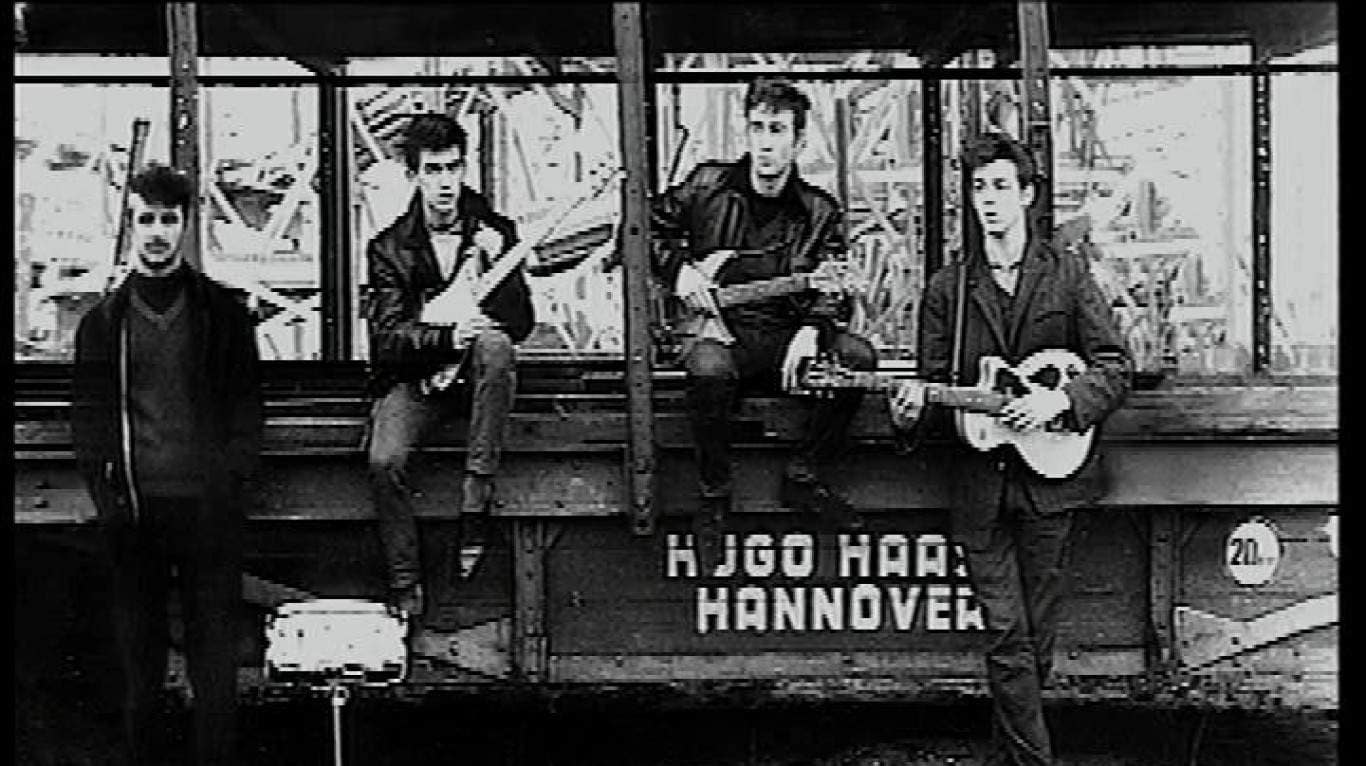
There may have been different tastes in music during the boomer era, but there is no doubt that their generation was defined by the Beatles. The unique phenomenon of Beatlemania reached its peak between 1963 and 1966. Starting out in the U.K., this talented group of young men from Liverpool soon took America by storm.
Typewriters
Before word processors and printers, boomers used typewriters to create documents. Office work places resounded to the sound of the clicking keys, and typing was a skill taught in schools. Making a mistake, however, was a problem. You needed to use liquid paper to hide it before typing over it again.
Using Maps
If you need someone to read a paper map, ask a boomer. These guys found their way around way before digital maps and GPS were ever thought of. They needed to figure our direction and scale and track their journey with their fingers. They may have gotten lost sometimes, but so do we.
Disco
If you were alive in the 1970s, you would have gone to a disco. Films, fashion, and music were all influenced by this trend that everyone wanted to join in with. Baby boomers knew how to show their moves on the dance floor before many of us were born.
Writing Checks
Paying for things is super quick these days—you just wave your card in front of a machine and it's done. This was not the case for baby boomers. They had to write out a paper check for what they wanted. You could wait for ages in a line while the person ahead of you completed the date, payee, amount, and signature. Some boomers would still prefer this method of payment.
Never Switching Jobs
For boomers, a 'job for life' was important. They showed great loyalty not only to their profession but also to their individual employer. Once you had started working with a company as a teen, the chances were that you would still be working there when you retired.