Stokkete / Shutterstock.com

Cast Of Thousands / Shutterstock.com
F01 PHOTO / Shutterstock.com
pathdoc / Shutterstock.com

fizkes / iStock via Getty Images
PeopleImages.com - Yuri A / Shutterstock.com
fotosipsak / Getty Images
SIphotography / Getty Images
Ground Picture / Shutterstock.com
PeopleImages / Getty Images
STUDIOGRANDOUEST / Getty Images
Ground Picture / Shutterstock.com










Nearly Half of Americans Say People Are Getting Ruder. Here’s What the Research Shows
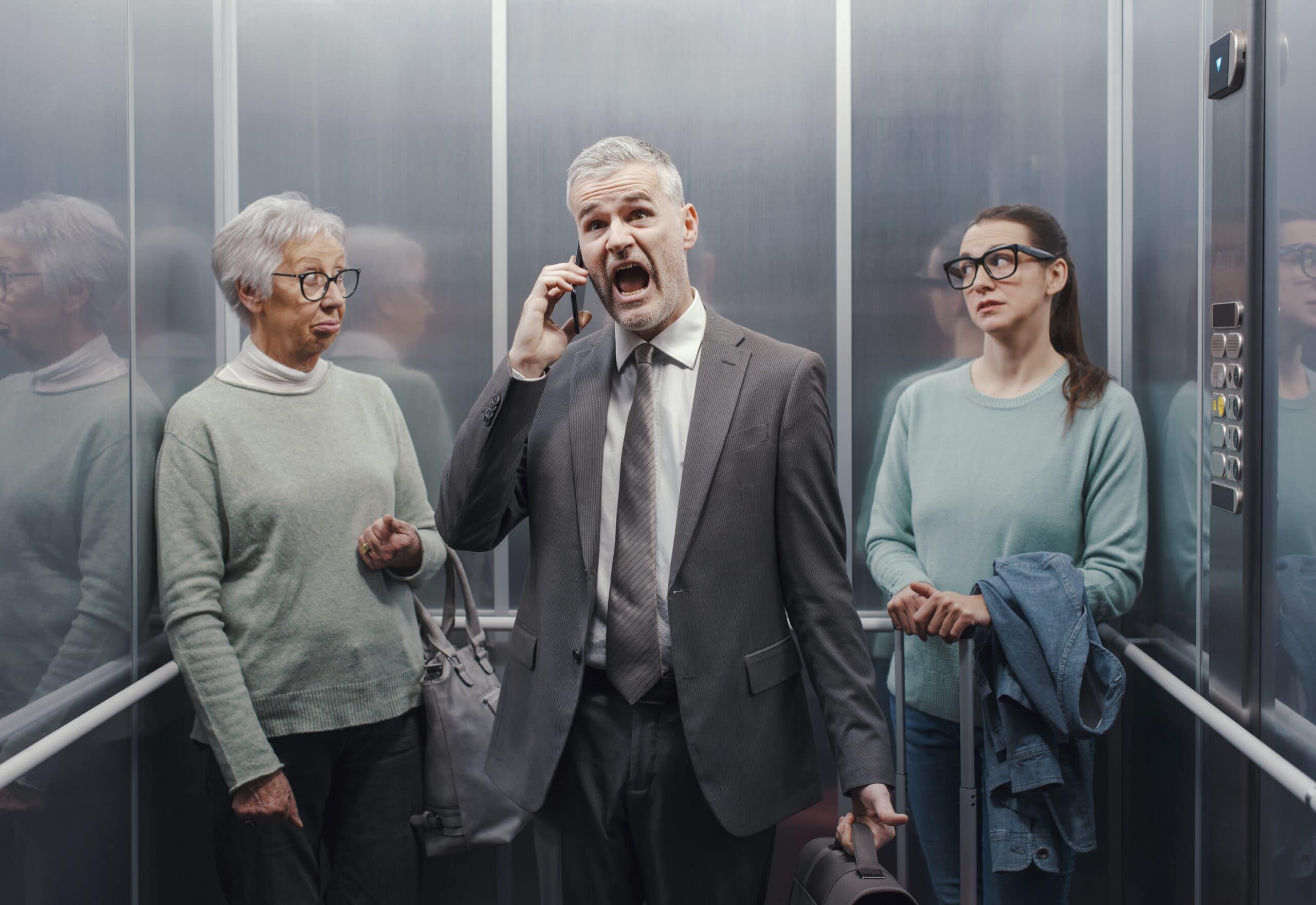
Does it feel like people are less patient or polite in public than they used to be? You are far from the only person who thinks so. Recent polling shows that a sizable share of Americans believe public behavior has gotten worse since before the COVID-19 pandemic.
A Pew Research Center survey found that 47% of U.S. adults think people behave more rudely in public than they did before the pandemic. Workplace research has found similar perceptions among people dealing with customers, with many respondents saying that bad behavior toward employees has become more common in recent years.
So what is going on? There is no single proven cause, and rudeness itself is subjective. Researchers studying incivility have pointed to several possible factors, including stress, weakened social ties, technology, behavioral norms, and major generational differences in what people consider acceptable.
For this slideshow, 24/7 Tempo reviewed surveys and research on public behavior and incivility, including findings from the Pew Research Center. The results help explain both why so many Americans feel people are getting ruder and why different generations may not always agree on what counts as rude in the first place.
Pew Research Center Survey
In a Pew Research Center survey conducted Nov. 12-17, 2024, among 9,609 U.S. adults, 47% said the way people behave in public is ruder than it was before the COVID-19 pandemic. That includes 20% who said public behavior is a lot ruder. Another 44% said behavior is about the same, while 9% said people are behaving more politely.
How Often Are People Rude?
According to the same Pew survey, 34% of U.S. adults say they almost always or often see people behaving rudely when they go out in public, while another 46% say they sometimes see it. Those results measure people's experiences and perceptions rather than independently counting incidents of rude behavior, which is important because people do not always agree on what qualifies as rude.
What Are Rude Behaviors?
Pew asked respondents about eight different public behaviors. The two that drew the most disapproval were smoking around other people, which 77% said is rarely or never acceptable, and taking a photo or video of someone without asking permission, which 74% considered rarely or never acceptable.
Other behaviors also crossed the line for many Americans. About 69% said it is rarely or never acceptable to bring a child into a place typically intended for adults, such as a bar or upscale restaurant. Another 66% said the same about visibly displaying swear words in public, while 65% considered cursing out loud rarely or never acceptable.
Harvard Business Review
Pew is not the only source to find widespread concern about rudeness. In 2022, Georgetown University professor Christine Porath published research on incivility in the Harvard Business Review. Her survey drew responses from more than 2,000 people working in more than 25 industries and various roles around the world, representing every major region except Antarctica. Respondents included frontline employees as well as people who had observed them at work.
Harvard Business Review Results
Porath's survey found that 73% of respondents said it was not unusual for customers to behave badly. Another 78% believed bad behavior from customers toward employees was more common than it had been five years earlier, while 66% said bad behavior from customers toward other customers had also become more common. The findings reflected respondents' experiences and perceptions of incivility across numerous industries and countries.
So, Why Are People Being More Rude?
There is no single proven explanation for why people may be experiencing more incivility. Researchers have identified several factors that could contribute, and some have been studied more directly than others. The following possibilities offer a better look at what may be influencing how people treat one another.
Stress
Stress is one of the clearest factors identified in research on incivility. Porath said stress has consistently been the leading driver of rudeness in her research. In her 2022 survey, 73% of respondents who said they had been rude to a coworker blamed stress, while 61% cited being overloaded with work. A separate 2018 survey commissioned by the Mental Health Foundation and conducted by YouGov found that 74% of 4,619 U.K. adults had felt so stressed at some point during the previous year that they felt overwhelmed or unable to cope.
Lack of Community
Weaker social connections may also play a role. Porath has pointed to a broader fraying of community and workplace relationships as one possible contributor to incivility. When people feel less connected to those around them, there may be fewer opportunities for the everyday interactions that help reinforce social expectations and relationships.
In a Harvard Business Review discussion, Porath said an earlier survey she conducted with Tony Schwartz, which eventually included roughly 20,000 respondents, found that 65% reported having no sense of community at work. She also cited later data from the Conferences for Women in which respondents reported a 37% decline in their sense of community since the pandemic.
Technology
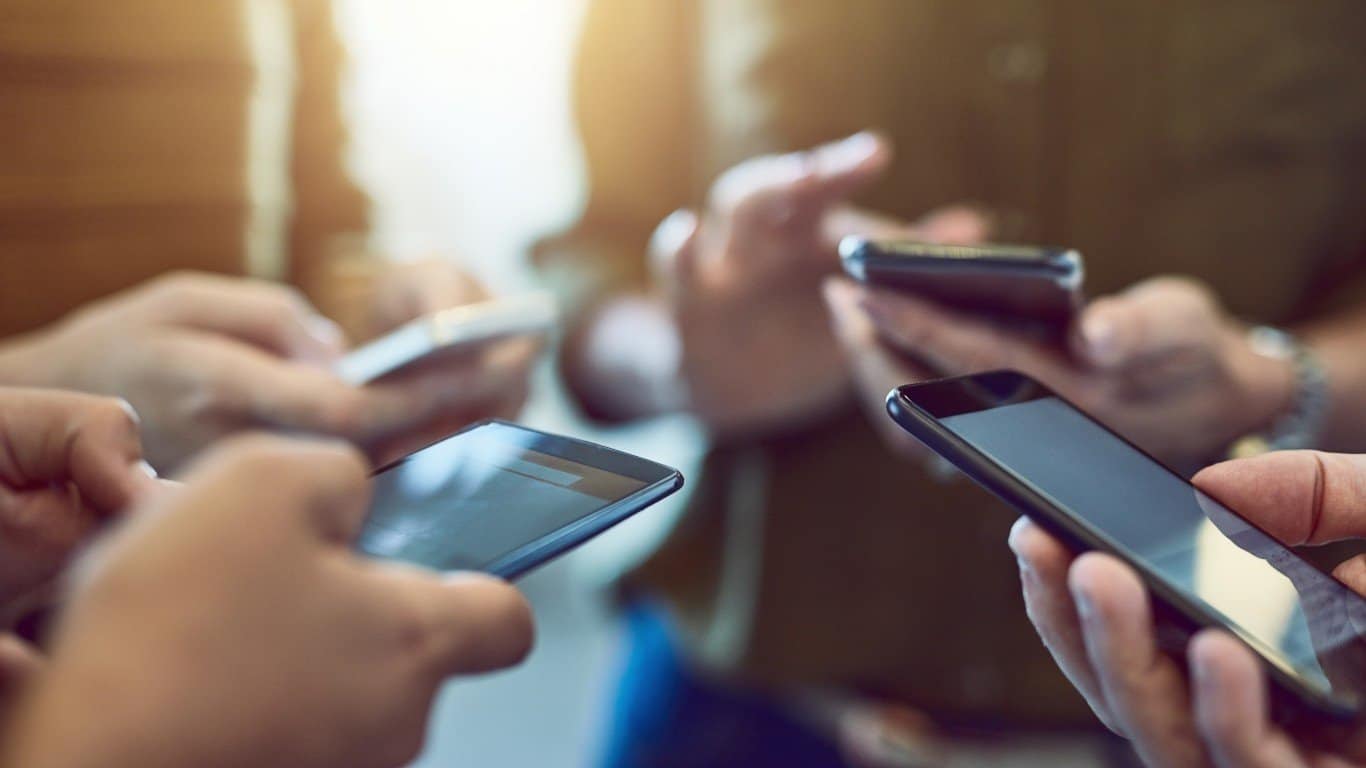
Technology's role is more complicated than simply saying smartphones make people rude. Phones can help people maintain relationships, but research has also found that divided attention during face-to-face conversations can make the other person feel ignored or less connected. Even Pew's survey found a generational divide over whether wearing headphones while speaking to someone in person is acceptable.
Online communication presents another challenge. Researchers studying the "online disinhibition effect" have found that people may behave more intensely online than they would face to face. Anonymity, physical distance, reduced social cues, and limited accountability are among the factors researchers have linked to toxic or hostile behavior online.
Porath has also identified technology and the constant stream of negative material people encounter online as possible contributors to incivility. That does not mean technology alone is making society ruder, but it can change the circumstances in which people interact and the social cues they receive from one another.
Lack of Consequences
Clear expectations and consequences can also influence behavior. Research on customer and workplace incivility suggests that organizations can help by establishing standards for acceptable conduct, supporting employees when someone crosses the line, and responding consistently to repeated mistreatment. Harvard Business Review researchers have even argued that companies should sometimes end relationships with customers who repeatedly abuse employees.
Research on workplace culture has similarly found that policies and practices designed to discourage mistreatment are associated with lower exposure to it. That does not prove that declining consequences are responsible for a broader rise in rudeness, but it does support the idea that clear boundaries and accountability can help shape how people behave toward one another.
Generations
Some of what people interpret as growing rudeness may reflect changing social norms between generations. Pew found substantial age differences on every public behavior it asked about. For instance, 89% of adults 65 and older said cursing out loud in public is rarely or never acceptable, compared with just 38% of adults ages 18 to 29.
The difference is similarly large when it comes to wearing headphones or earbuds while talking to someone in person. Pew found that 76% of adults 65 and older considered that behavior rarely or never acceptable, compared with 36% of adults ages 18 to 29. In other words, at least part of the disagreement over whether people have become ruder may come down to generations having different ideas about what good public manners look like.