
Tero Vesalainen / Shutterstock.com

Cast Of Thousands / Shutterstock.com
F01 PHOTO / Shutterstock.com
pathdoc / Shutterstock.com
fizkes / iStock via Getty Images
PeopleImages.com - Yuri A / Shutterstock.com
fotosipsak / Getty Images
SIphotography / Getty Images
Ground Picture / Shutterstock.com
PeopleImages / Getty Images
STUDIOGRANDOUEST / Getty Images

Ground Picture / Shutterstock.com










Are People Getting Ruder? What the Research Shows
Ever have someone snap at you in a checkout line, ignore a friendly hello, or turn a minor inconvenience into a full-blown public argument? Moments like those can leave you wondering whether people have forgotten how to behave. Between viral confrontations, tense customer-service calls, and arguments online, it certainly can feel that way.
There's research behind that impression, but it's not quite the open-and-shut case the internet makes it out to be. A Pew Research Center survey found that 47% of American adults believed public behavior had gotten ruder since the COVID-19 pandemic. Nearly as many said it had stayed about the same. Other researchers have documented growing reports of disrespect toward customer-facing workers, although public manners and workplace incivility aren't exactly the same thing.
For this slideshow, 24/7 Tempo reviewed Pew's findings, research on workplace behavior published in Harvard Business Review, and additional studies on social trust and online conduct. We'll look at what people call rude, how often they say it happens, and several factors that could be contributing. It's a more interesting question than simply declaring that nobody has manners anymore.
What Pew Found About Public Rudeness
In a national survey of 9,609 U.S. adults conducted November 12-17, 2024, Pew Research Center found that 47% thought people were behaving more rudely in public than before the COVID-19 pandemic. Of those surveyed, 20% said behavior was a lot ruder. But there is another side to the story: 44% said manners were about the same, and 9% thought people had become more polite. That's a substantial share of Americans who don't see a decline. The takeaway is that nearly half perceive a problem, not that a scientific study proved everyone has gotten meaner.
How Often Do Americans Encounter Rudeness?
The same Pew survey found that 34% of adults almost always or often notice rude behavior when they go out in public, while another 46% encounter it sometimes. That leaves roughly one in five who say they rarely or never see it. If you have ever watched someone berate a cashier over a coupon or blast music on a crowded train, these numbers probably sound familiar. But the survey asked people to describe their experiences; it didn't follow strangers around with a clipboard to count every impolite interaction. Perception matters, but it isn't the same thing as a measured rise in bad behavior.
What Counts as Rude in the First Place?
Here's where things get interesting: We don't always agree about what crosses the line. In Pew's survey, 77% said smoking around other people was rarely or never acceptable, and 74% said the same about photographing or filming someone without permission. Bringing a child into a place typically meant for adults bothered 69%, while 65% objected to cursing out loud in public. Playing music for everyone to hear and wearing headphones while talking to someone also drew criticism. The disagreement helps explain why two people can watch the same interaction and have completely different reactions.
What Workplace Research Adds to the Picture
In a 2022 Harvard Business Review article, Georgetown University researcher Christine Porath looked at the rise in incivility faced by frontline workers. Her survey included more than 2,000 people in over 25 industries across different parts of the world, including employees who dealt directly with customers and people who observed those interactions. That broader view is useful because retail employees, health care workers, and airline crews often see the less charming side of human behavior. Still, this wasn't a nationally representative poll of every person on the planet, and its focus was workplace experiences rather than everyday manners everywhere.
Customers Behaving Badly: The Numbers
Porath's 2022 research found that 73% of respondents said badly behaved customers were not unusual, and 78% believed customers were treating employees more rudely than five years earlier. Another 76% said they personally experienced incivility at least once a month. For perspective, 61% had said bad customer behavior was not unusual in a comparable survey from 2012. More recent workplace research has raised similar concerns: a 2025 Society for Human Resource Management report said reported incidents of workplace incivility had increased 30% since early 2024. These findings support concern about workplace treatment, though the surveys use different methods and aren't a single continuous measure of public politeness.
Why Does It Feel Like People Are More Irritable?
The studies offer plenty of evidence that people are frustrated, but there isn't one tidy explanation for every rude customer, angry commuter, or unpleasant online exchange. Researchers have pointed to stress, isolation, online communication, and shifting expectations about public behavior. Some of those connections are supported by research; others remain reasonable possibilities rather than proven causes. And it is worth remembering that a single ugly encounter can stick with us longer than ten ordinary, polite ones. With that in mind, here are several factors that may be contributing to the sense that everyone is running out of patience.
Stress Can Make Patience Run Thin
Bad days happen. Bills pile up, schedules get crowded, and sometimes the smallest inconvenience feels like the final straw. In Porath's workplace research, 73% of respondents who acknowledged being rude to a coworker attributed their behavior to stress, while 61% pointed to having too much work. That is a more useful finding than simply declaring that stress is worse than ever. Pressure can make people quicker to snap or less careful about how they speak, but it doesn't excuse taking those frustrations out on a stranger doing their job. The important distinction is between understanding the pressure and accepting the behavior.
Feeling Disconnected From Other People
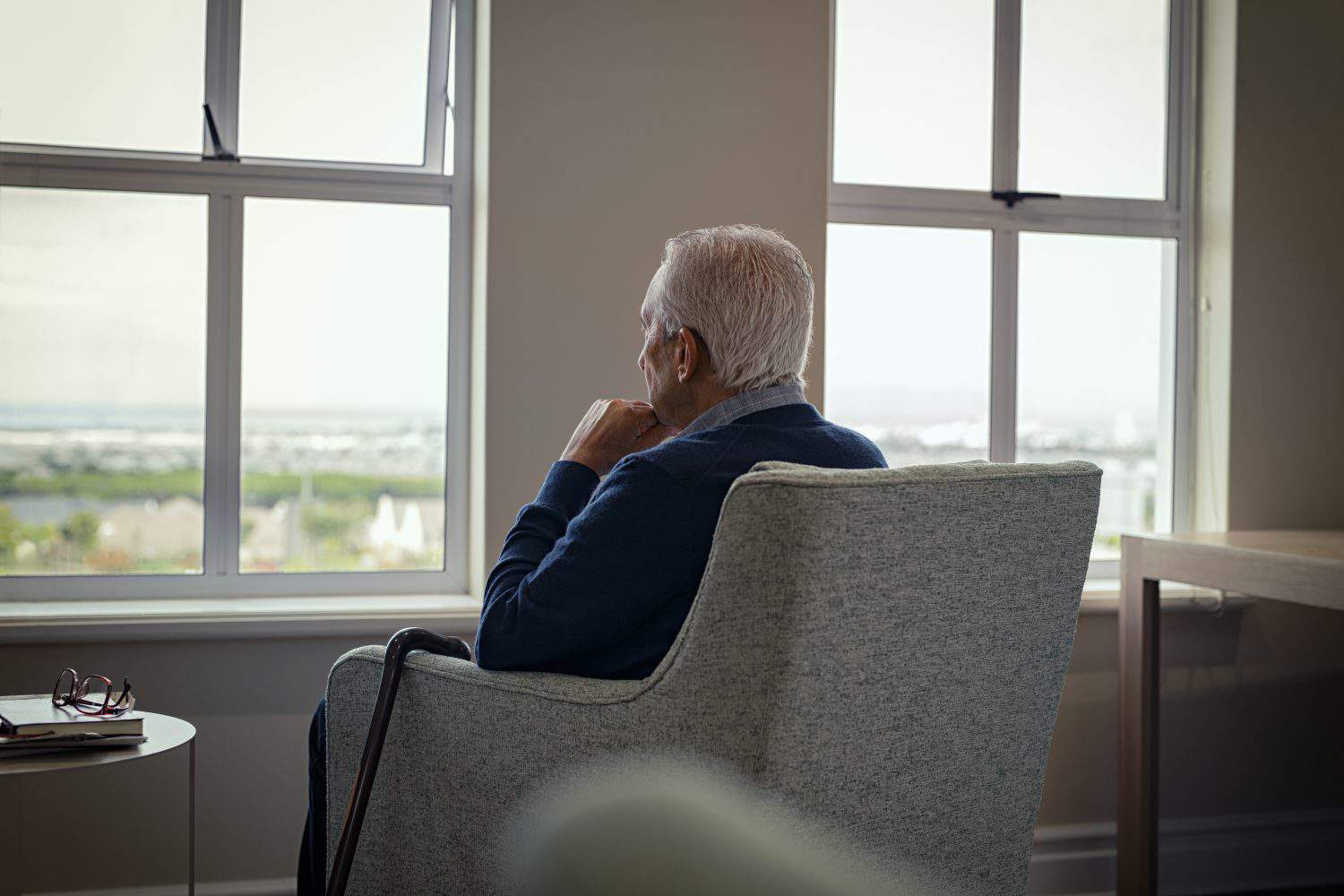
A sense of community can make it easier to see the person behind the counter, on the phone, or in the car ahead of you as, well, a person. In a 2014 study of 20,000 people cited by Porath, 65% said they didn't feel a sense of community. Pew Research Center's later work found that only about a third of Americans said most people could be trusted in a 2023-24 survey. That suggests social connection and trust deserve attention, but it doesn't prove loneliness causes rudeness. Pew also found that broad levels of social trust had been fairly stable since 2018, so claims that the country suddenly lost all its manners after COVID-19 oversimplify the picture.
Phones, Social Media, and Online Behavior
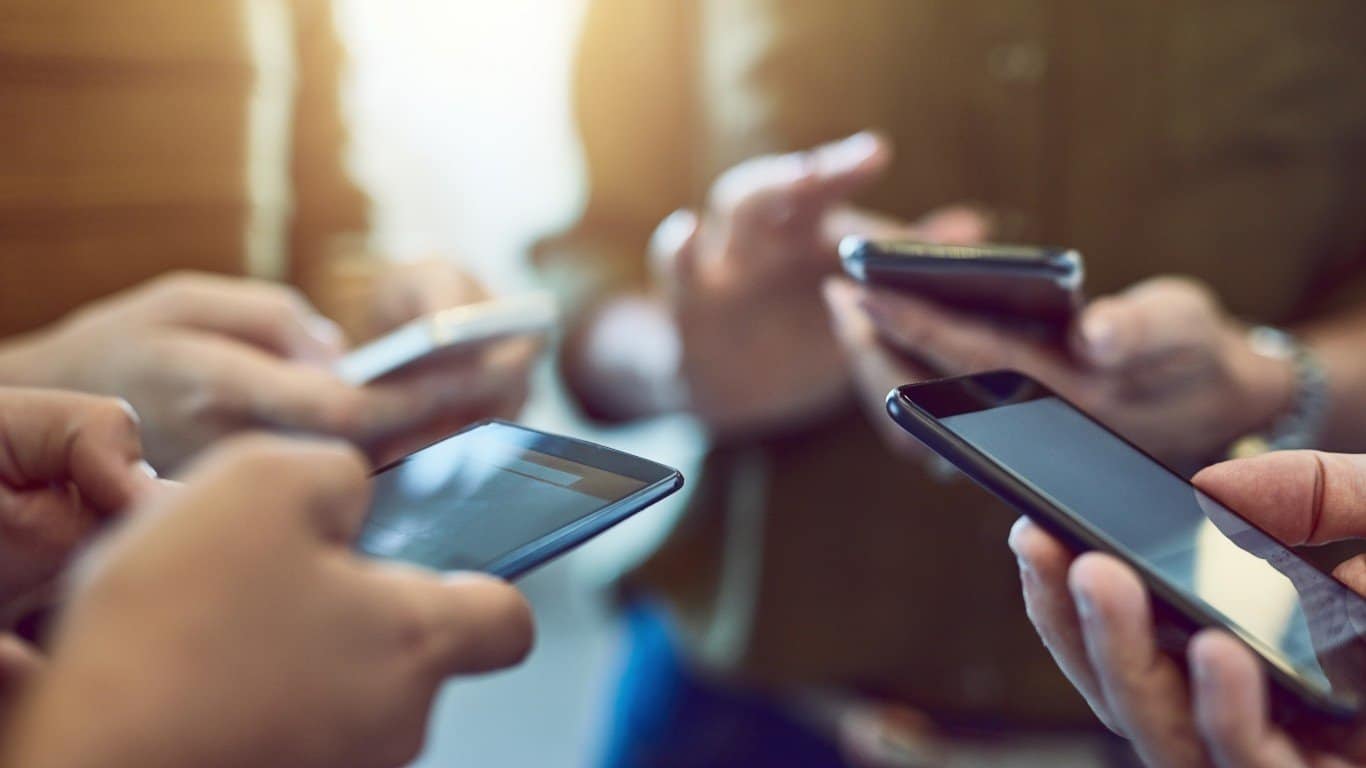
Technology makes it easier than ever to stay in touch, but it can also make an ordinary conversation feel strangely impersonal. You've probably watched someone scroll through their phone while a cashier tries to speak to them, or read a comment online that the writer might hesitate to say face-to-face. Researchers call part of this the online disinhibition effect. A 2026 review of dozens of studies found associations between anonymity, online disinhibition, and aggressive behavior on the internet. That doesn't mean smartphones automatically make people rude, or that online behavior explains every public confrontation. It does help explain why our digital habits belong in the conversation.
When Rude Behavior Goes Unchecked
If an employee gets yelled at and the customer walks away with a refund, it's tempting to conclude that bad manners are being rewarded. But there is no solid evidence that a general disappearance of consequences is the main reason people seem ruder. Porath's research offers a more grounded explanation: people are sometimes unaware of how disrespectful their words, tone, or behavior can sound to someone else. Clear expectations, managers who back up employees, and consequences for harassment can all help make a workplace more respectful. Employees shouldn't have to accept abuse as just another part of customer service.
Different Generations, Different Standards
One person's harmless joke can be another person's example of terrible manners, and age plays a role in those judgments. Pew found that 89% of adults 65 and older said cursing out loud in public was rarely or never acceptable, compared with 38% of adults ages 18 to 29. On wearing headphones while speaking to another person, the numbers were 76% and 36%, respectively. Those are big differences, but they don't establish that younger adults behave more rudely. They show that different generations often draw the line in different places. Perhaps the most useful lesson is that being considerate means paying attention to the people around you, even when your personal rules are different.