IMDB

Courtesy of American Movie Classics (AMC)

Courtesy of American Movie Classics (AMC)

Courtesy of CBS

Courtesy of CBS

Courtesy of FX Network

Courtesy of FX Network

Courtesy of Home Box Office (HBO)

Courtesy of Home Box Office (HBO)

Courtesy of Home Box Office (HBO)

Courtesy of Home Box Office (HBO)

Courtesy of Home Box Office (HBO)

Courtesy of Home Box Office (HBO)

Courtesy of Home Box Office (HBO)

Courtesy of Home Box Office (HBO)

Courtesy of American Movie Classics (AMC)

Courtesy of American Movie Classics (AMC)

Courtesy of Home Box Office (HBO)

Courtesy of Disney-ABC Domestic Television

Courtesy of National Broadcasting Company (NBC)

Courtesy of Crackle

Courtesy of American Broadcasting Company (ABC)

Courtesy of National Broadcasting Company (NBC)

Courtesy of National Broadcasting Company (NBC)

Courtesy of CBS

Courtesy of Hulu

Courtesy of National Broadcasting Company (NBC)

Courtesy of USA Network

Courtesy of Fox Network

Courtesy of Netflix

Courtesy of Fox Network

Courtesy of Fox Network

Courtesy of Fox Network

Courtesy of FX Network

Courtesy of BBC

Courtesy of Warner Bros. Television

Courtesy of Starz

Courtesy of Netflix



37 Memorable TV Antiheroes and Villains
Television has always had room for complicated characters, but some of its most memorable ones are people you probably wouldn't want living next door. Mob bosses, con artists, drug dealers, serial killers, and power-hungry rulers have given audiences plenty of reasons to keep watching, even when their behavior is impossible to defend. A few earn our sympathy. Others are entertaining precisely because they're so awful.
There is an important distinction here: An antihero is usually a central character whose questionable choices make the story morally complicated. A villain is generally an antagonist whose actions drive the conflict. Some characters move between those roles, while others never come close to redemption. Putting Tony Soprano, Earl Hickey, and Ramsay Bolton under the same label would be a stretch, so we're giving the lineup a more accurate description.
These 37 characters span crime dramas, comedies, thrillers, fantasy, and science fiction. They aren't ranked, and this isn't a claim that crime actually boosts a show's ratings. Instead, it's a look at the memorable performances and storylines that made these fictional troublemakers such compelling television. A warning before you start: Several entries mention major plot developments and character reveals.
Walter White
In Breaking Bad, Bryan Cranston plays Walter White, a chemistry teacher who begins making methamphetamine after a cancer diagnosis. He insists he is doing it to provide for his family, a justification that grows harder to believe as his ambition and appetite for control take over. Watching Walter transform from an anxious schoolteacher into a ruthless drug kingpin is one of television's more uncomfortable experiences. You may understand how he got started, but that doesn't mean you can defend where he ends up.
Gus Fring
Giancarlo Esposito's Gus Fring looks like the model local businessman in Breaking Bad. He runs Los Pollos Hermanos, supports his community, and rarely raises his voice. Behind that carefully maintained image is a calculating drug distributor who treats people as expendable when they threaten his operation. Better Call Saul later explores the years leading up to his conflict with Walter White, making Gus even more intimidating. The scariest thing about him isn't a temper. It's how little he seems to need one.
Dexter Morgan
Michael C. Hall's Dexter Morgan spends his days working as a blood-spatter analyst and his nights pursuing people he believes deserve to die. Dexter gives its serial-killer protagonist a personal code, but that doesn't make him a hero, and the damage surrounding his secret life is considerable. Viewers have followed him beyond the original series through Dexter: New Blood and Dexter: Resurrection. Whatever the setting, Dexter keeps asking the same uncomfortable question: Does targeting other killers make his own murders acceptable?
The Trinity Killer / Arthur Mitchell
John Lithgow's Arthur Mitchell, better known as the Trinity Killer, arrives in Dexter as a seemingly ordinary family man with a respectable public life. That image masks a brutal pattern of murders and a deeply abusive home. His interactions with Dexter are particularly unsettling because Arthur represents a possible future Dexter fears for himself. Lithgow makes Mitchell horrifying without relying on constant outbursts. Sometimes the most disturbing television villains are the ones who can blend into a neighborhood without anyone suspecting a thing.
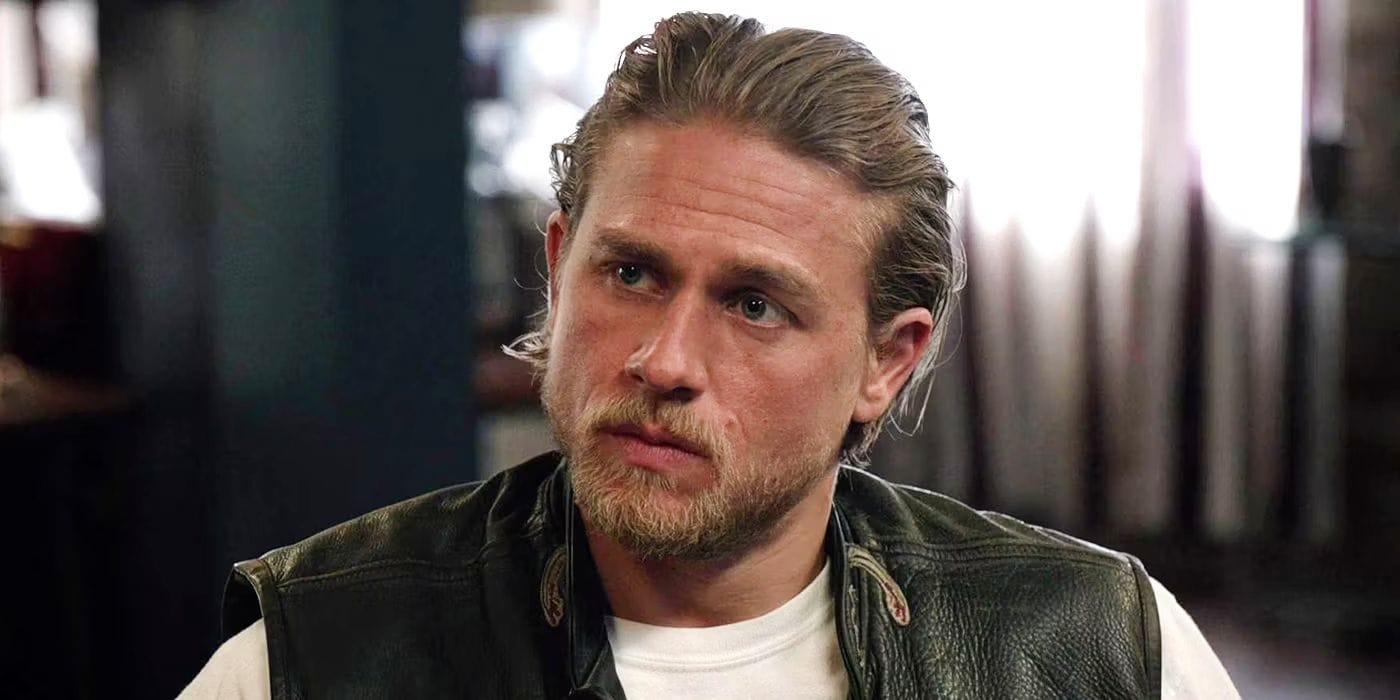
Jax Teller
Charlie Hunnam plays Jax Teller, the increasingly conflicted motorcycle-club leader at the center of Sons of Anarchy. Jax talks about improving the club and protecting his family, but those goals collide with gunrunning, violence, and the cycle of revenge surrounding SAMCRO. He makes decisions that are understandable in the moment and disastrous a few episodes later. It's easy to root for Jax to escape the life he inherited. It's much harder to ignore how often he helps keep that life going.
Boyd Crowder
In Justified, Walton Goggins turns Boyd Crowder into a criminal who can deliver a sermon, plan a robbery, and talk his way out of trouble without missing a beat. Boyd begins as an extremist and outlaw, then tries on a series of new identities, including preacher and businessman. What rarely changes is his talent for finding a profitable angle. His complicated connection with U.S. Marshal Raylan Givens makes him more than an ordinary bad guy. You never quite know whether Boyd is having a revelation or setting up his next scheme.
Nucky Thompson
Steve Buscemi's Nucky Thompson is a political power broker in Prohibition-era Atlantic City in Boardwalk Empire. In public, he's a well-dressed official who knows everyone worth knowing. In private, he's involved in bootlegging, bribery, and increasingly violent struggles for control. The character draws inspiration from a real Atlantic City political boss, but the series fictionalizes much of his life. Nucky is charming enough to make corruption look like another business expense, right up until the consequences arrive at his door.
Tony Soprano
James Gandolfini gave television one of its defining antiheroes as Tony Soprano, the New Jersey mob boss at the center of The Sopranos. Tony can be funny, vulnerable, and surprisingly relatable during his therapy sessions. Then he returns to running a criminal organization, threatening rivals, and betraying people close to him. That tension is the point. The show gives viewers plenty of reasons to understand Tony, but very few to excuse what he does.
Gyp Rosetti
Bobby Cannavale's Gyp Rosetti arrives in the third season of Boardwalk Empire and almost immediately becomes everybody's problem. A gangster with an explosive temper, he can interpret an innocent remark as an insult serious enough to justify violence. His feud with Nucky Thompson drives much of the season's bloodshed. Rosetti has flashes of humor, but they don't make him any less dangerous. He's the sort of character who makes everyone in a room watch their words, and even that usually isn't enough.
Avon Barksdale
Wood Harris plays Avon Barksdale, the Baltimore drug kingpin whose operation anchors much of The Wire's early story. Avon understands the streets, values loyalty, and believes that protecting his reputation is as important as making money. Those priorities also keep his organization locked in dangerous conflicts with rivals and police. Even when he's behind bars, the consequences of his decisions continue to reach people outside. The Wire never lets viewers forget that the business Avon runs is built on a great deal of human suffering.
Marlo Stanfield
Jamie Hector's Marlo Stanfield enters The Wire as a younger rival to Avon's established crew and becomes one of its most chilling figures. Marlo isn't especially interested in charm, speeches, or friendships. He wants control, and he expects everyone to recognize his name. As his organization expands, intimidation and murder become routine business tools. What makes Marlo unsettling is how little satisfaction he seems to get from anything other than power. Even when money is on the table, respect is the thing he refuses to negotiate.
Cersei Lannister
Lena Headey's Cersei Lannister is one of Game of Thrones' sharpest political operators. She will manipulate allies, undermine rivals, and make devastating choices in the name of protecting her children and her family's power. The series also gives her moments of humiliation and grief that complicate an otherwise ruthless character. Cersei can be sympathetic for a scene or two without suddenly becoming admirable. Few television villains are better at turning a personal grudge into a kingdom-wide disaster.
Joffrey Baratheon
Jack Gleeson plays Joffrey Baratheon, the spoiled young king in Game of Thrones whose unchecked power becomes a threat to nearly everyone around him. The show reveals that his biological parents are Jaime and Cersei Lannister, but his cruelty can't be explained away by his parentage. Joffrey humiliates enemies, abuses those with less power, and makes terrible decisions simply because nobody can easily stop him. He isn't a misunderstood antihero. He's a reminder of what happens when a bully gets a crown.
Ramsay Bolton
Iwan Rheon's Ramsay Bolton takes the cruelty of Game of Thrones to another level. He tortures Theon Greyjoy, abuses Sansa Stark, and uses fear to keep allies and enemies under control. Ramsay's unpredictable behavior makes nearly every scene with him uncomfortable, because he seems to enjoy suffering for its own sake. There isn't much moral ambiguity to unpack here. He's a villain, plain and simple, and Rheon's performance makes him one of the show's hardest characters to forget.
Negan
Jeffrey Dean Morgan introduces Negan to The Walking Dead as the swaggering leader of the Saviors, armed with a barbed-wire baseball bat called Lucille and an appetite for intimidation. The damage he causes to Rick's group is impossible to overlook. Later seasons show him struggling with his past and making choices that complicate the original villain label. Negan's story continues in The Walking Dead: Dead City, where his uneasy relationship with Maggie remains central. Redemption, however, is not the same thing as erasing what he did.
The Governor
David Morrissey's Governor initially presents himself as the reassuring leader of Woodbury in The Walking Dead. Underneath that polished image is a controlling, violent man who will sacrifice nearly anyone to protect his authority. His conflict with Rick Grimes and the prison community exposes just how dangerous he becomes when challenged. The Governor is frightening because he doesn't see himself as a villain. He's convinced that whatever he does can be justified as protecting the people who follow him.
Al Swearengen
In Deadwood, Ian McShane plays Al Swearengen, a foul-mouthed saloon owner who runs much of the camp's criminal business. Al is manipulative, threatening, and perfectly willing to use violence when he thinks it serves his interests. He's also capable of loyalty and surprisingly pragmatic decisions that benefit the town. The character is based on a real Deadwood figure, though the series takes substantial liberties. McShane makes Al impossible to mistake for a good man and just as difficult to dismiss as a simple monster.
Wilson Fisk
Vincent D'Onofrio's Wilson Fisk, also known as Kingpin, is a formidable adversary in Daredevil. He presents himself as a man trying to improve New York while building power through intimidation, corruption, and murder. His relationship with Matt Murdock, the vigilante Daredevil, gives their conflict a personal edge. In Daredevil: Born Again, Fisk's ambitions extend into City Hall, where his public authority becomes another weapon. He insists he's saving the city. The people in his way might disagree.
Dr. Hannibal Lecter
Mads Mikkelsen's Hannibal Lecter is a brilliant psychiatrist and a serial killer in Hannibal. He develops a complicated relationship with FBI profiler Will Graham, whom he advises, manipulates, and draws into increasingly dangerous situations. Hannibal is cultured, soft-spoken, and seemingly capable of understanding everyone around him. None of that changes the fact that he's a murderer and cannibal. The show's most unsettling trick is making his elegant manners feel almost comforting until you remember what's on the menu.
Moriarty
Andrew Scott's Jim Moriarty is the self-described consulting criminal who keeps Sherlock Holmes on his toes in Sherlock. He treats elaborate criminal schemes as entertainment, using intelligence and showmanship to turn investigations into personal contests. Where Sherlock wants to solve puzzles, Moriarty seems to enjoy making people suffer inside them. Scott plays him with enough charm and unpredictability that even a conversation can feel dangerous. He's the rare television villain who makes being clever look like a particularly nasty hobby.
Benjamin Linus
Michael Emerson's Benjamin Linus enters Lost as a mysterious, soft-spoken figure who becomes central to the conflict between the plane-crash survivors and the island's Others. Ben lies, manipulates, and makes decisions that put even his closest allies in danger. As the series reveals more of his past, his desperation to be accepted and remain important becomes easier to understand. That doesn't excuse the harm he causes, but it does make him one of the show's more complicated antagonists.
Nicole Wallace
Olivia d'Abo plays Nicole Wallace, a recurring adversary of Detective Robert Goren in Law & Order: Criminal Intent. A skilled con artist and manipulator, Nicole uses aliases, elaborate stories, and an exceptional ability to read people to stay ahead of investigators. Her appearances turn Goren's usual confidence into something closer to an obsession, making their encounters feel personal rather than procedural. The character is memorable not because of an easily counted body tally, but because she's one of the few criminals who can genuinely unsettle him.
Sylar
Zachary Quinto's Sylar becomes one of Heroes' most dangerous figures by hunting people with extraordinary abilities and trying to acquire their powers. His gift for understanding how things work takes a horrifying turn when he begins studying other people's brains to reproduce their abilities. The series later explores whether he might be capable of changing, although his past makes redemption a difficult sell. Sylar is frightening because his hunger for more power never seems satisfied, no matter how much he already has.
J.R. Ewing
Larry Hagman's J.R. Ewing helped make Dallas an appointment-television phenomenon. A wealthy Texas oil executive, J.R. relies on blackmail, manipulation, and dirty business tactics as readily as other people reach for a handshake. His schemes routinely damage the people closest to him, yet his charisma keeps the character entertaining. The famous 'Who shot J.R.?' storyline showed how far viewers had become invested in this thoroughly untrustworthy man. He could be awful, and you still wanted to know what he'd try next.
Vinnie O’Neill
Joe Gilgun plays Vinnie O'Neill, the small-time criminal at the center of the British comedy-drama Brassic. Vinnie and his friends keep finding increasingly ridiculous ways to make money, usually creating several new problems along the way. Beneath the schemes is a fiercely loyal character dealing with family pressures and bipolar disorder, which the show treats as part of his life rather than an explanation for his crimes. Brassic concluded with its seventh series, but Vinnie's mixture of chaos and heart remains its defining feature.
Earl Hickey
Jason Lee's Earl Hickey starts My Name Is Earl as a petty crook with a long history of treating people badly. After a lucky break and a sudden realization about karma, he decides to make amends by working through a list of everyone he's wronged. That makes Earl a different kind of entry here: He's a former offender genuinely trying to do better, even if he frequently makes a mess of the process. The comedy works because good intentions don't suddenly turn him into a perfect person.
Neal Caffrey
Matt Bomer's Neal Caffrey brings a much more polished kind of lawbreaking to White Collar. An accomplished con artist and forger, Neal is recruited to help the FBI's white-collar crime unit in exchange for a supervised release from prison. His charm and ability to think like a criminal make him useful, but they also leave his handlers wondering when he's telling the whole truth. Neal is proof that television doesn't need a body count to make a rule-breaker entertaining.
Doug Judy
Craig Robinson's Doug Judy, better known as the Pontiac Bandit, is a recurring thief in Brooklyn Nine-Nine and one of Detective Jake Peralta's most entertaining headaches. Jake is supposed to arrest him, but their shared interests and growing friendship keep complicating the job. Doug can be genuinely likable while still being an unapologetic criminal with a talent for slipping away. Their playful rivalry turns a police pursuit into an ongoing buddy-comedy routine, and the show's writers clearly know how much fun it is to watch.
Piper Chapman
Taylor Schilling plays Piper Chapman, whose comfortable life unravels in Orange Is the New Black when she's imprisoned for a past role transporting drug money. She initially seems unprepared for prison, but her experiences reveal a more calculating and self-serving side. Piper isn't the most dangerous person on this list, and that's partly what makes her interesting. The show gradually challenges viewers to question how much of her behavior comes from survival, privilege, fear, or plain old selfishness.
Lincoln Burrows
Dominic Purcell's Lincoln Burrows begins Prison Break on death row for the supposed murder of the vice president's brother. The central twist is that he's been framed for that crime, even though his past isn't spotless. His brother Michael devises an elaborate plan to break him out, setting off the series' central escape plot. Lincoln belongs among complicated television lawbreakers, but describing him as a straightforward murderer would get the story wrong. Much of his appeal comes from how desperately he fights an unjust conviction.
Nina Myers
Sarah Clarke's Nina Myers initially appears to be a dependable colleague of Jack Bauer in 24. Then the show's first season reveals that she's been working against the counterterrorism team all along. Her betrayal has devastating personal consequences for Jack and becomes one of the series' defining twists. Nina isn't merely a spy who fooled her coworkers; she's a character who forces viewers to rethink many of the scenes that came before the reveal. Few television double agents have made quite such an unpleasant impression.
The Gravedigger / Heather Taffet
Deirdre Lovejoy plays Heather Taffet, the criminal known as the Gravedigger in Bones. Posing as a lawyer involved in the case, Taffet conceals her role in a series of kidnappings in which victims are buried alive for ransom. She even targets FBI agent Seeley Booth before her identity is exposed. The crimes make her particularly disturbing because they turn the passage of time into a weapon. Lovejoy's matter-of-fact performance helps make Taffet one of the procedural's most memorable recurring villains.
Constance Langdon
Jessica Lange's Constance Langdon is a central presence in American Horror Story's Murder House season. She can appear welcoming or even maternal, but the history of the house reveals a series of terrible acts and betrayals. Constance murdered her husband and the housekeeper Moira, and she was involved in events leading to the death of her son Beau. Lange gives her flashes of grief and vulnerability without disguising her cruelty. With Constance, every family secret seems to lead to another one.
The Master
Sacha Dhawan plays one incarnation of the Master, the Doctor's longtime Time Lord rival in Doctor Who. Across the show's history, the character has taken on several faces and repeatedly used deception, grand schemes, and a dangerous ego to challenge the Doctor. Dhawan's version brings a volatile energy to the role during Jodie Whittaker's era. The Master's motivation is more complicated than a simple desire to take over Earth; the rivalry with the Doctor is personal, obsessive, and often destructive.
Metatron
Curtis Armstrong's Metatron is an angel and former scribe of God in Supernatural, not an archangel as he's sometimes described. With knowledge of heavenly rules and a major grievance against his fellow angels, he becomes a manipulative adversary to Castiel and the Winchester brothers. His plans create chaos in Heaven and leave others paying the price for his ambition. Metatron isn't the biggest or strongest supernatural threat in the series. He's dangerous because he knows exactly which rules can be bent.
Black Jack Randall
In Outlander, Tobias Menzies plays both Frank Randall and his ancestor Jonathan 'Black Jack' Randall, a British Army officer encountered by Claire after she travels back in time. The shared face makes the contrast between the two characters especially unsettling. Black Jack uses his authority to intimidate, torture, and brutalize people he controls, becoming one of the series' most disturbing antagonists. The performance works because a familiar appearance offers absolutely no reassurance about the person underneath.
Paul Spector
Jamie Dornan's Paul Spector in The Fall is a husband, father, and grief counselor who secretly stalks and murders women in Belfast. The audience knows about his double life early, making the tension less about identifying the killer than watching detective Stella Gibson try to catch him. Spector's calm professional manner makes his crimes more chilling, not less. The show resists turning him into a misunderstood romantic figure, even when it explores the circumstances of his life.