Flywheel Publishing
Chicago Bureau / Public Domain
U.S. Federal Prison Officials / Public Domain
Federal Bureau of Investigation / Public Domain
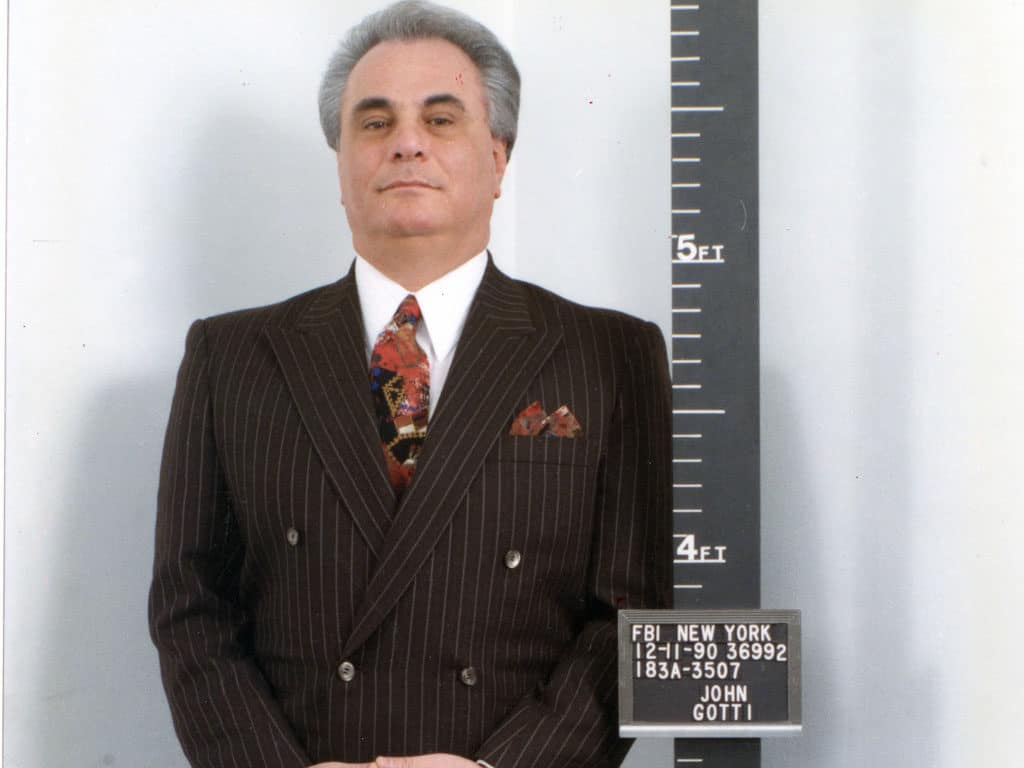
FBI New York / Public domain
Italian Police / Public Domain
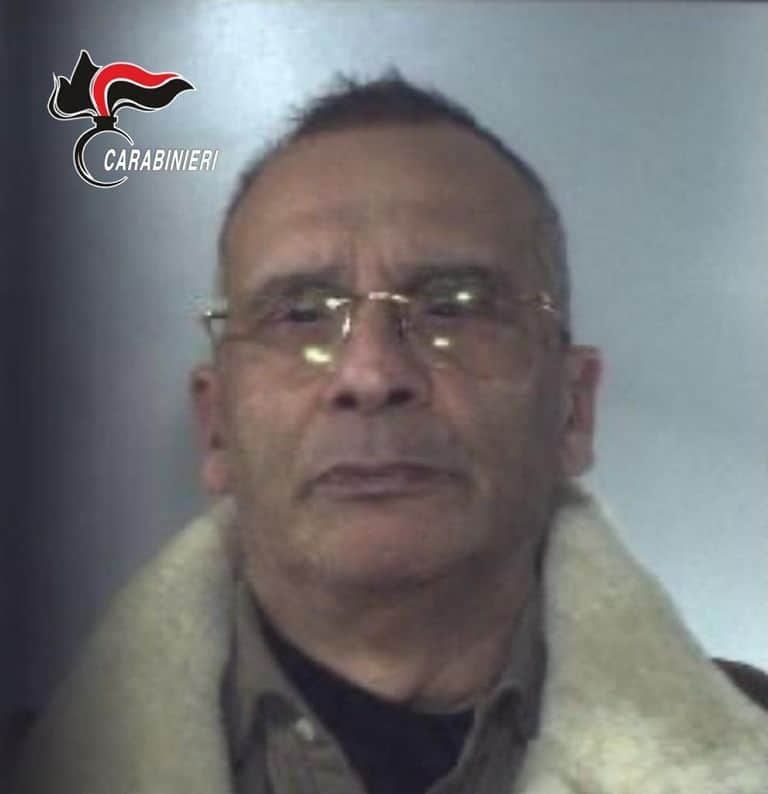
Arma dei Carabinieri / Public domain
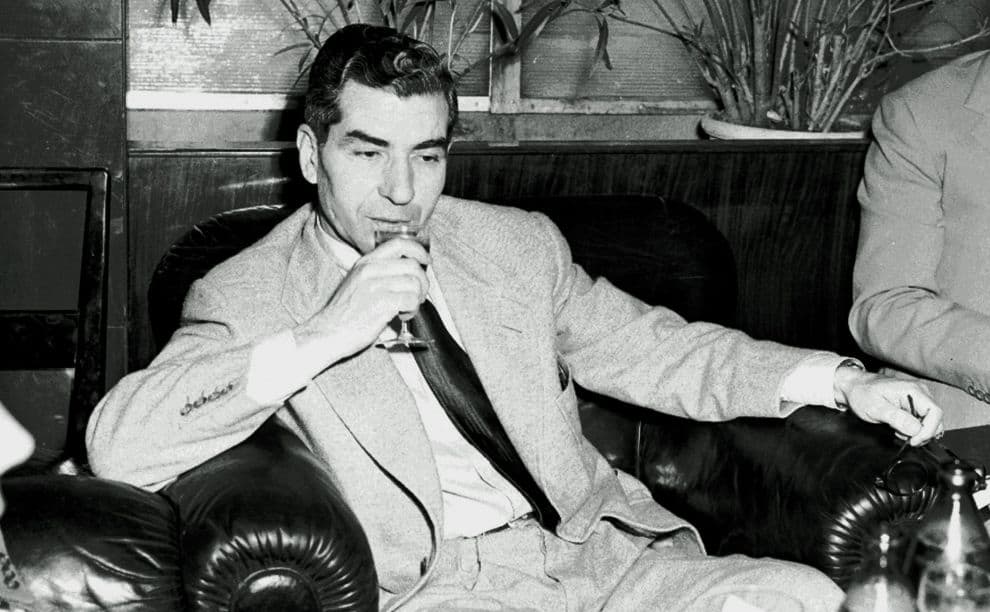
Remo Nassi / Public Domain
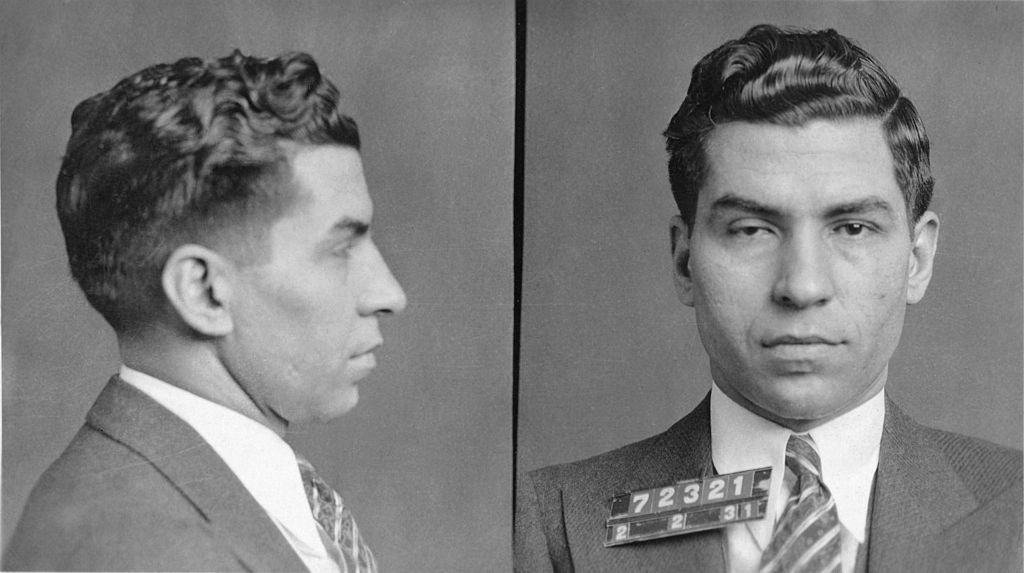
New York Police Department / Public Domain
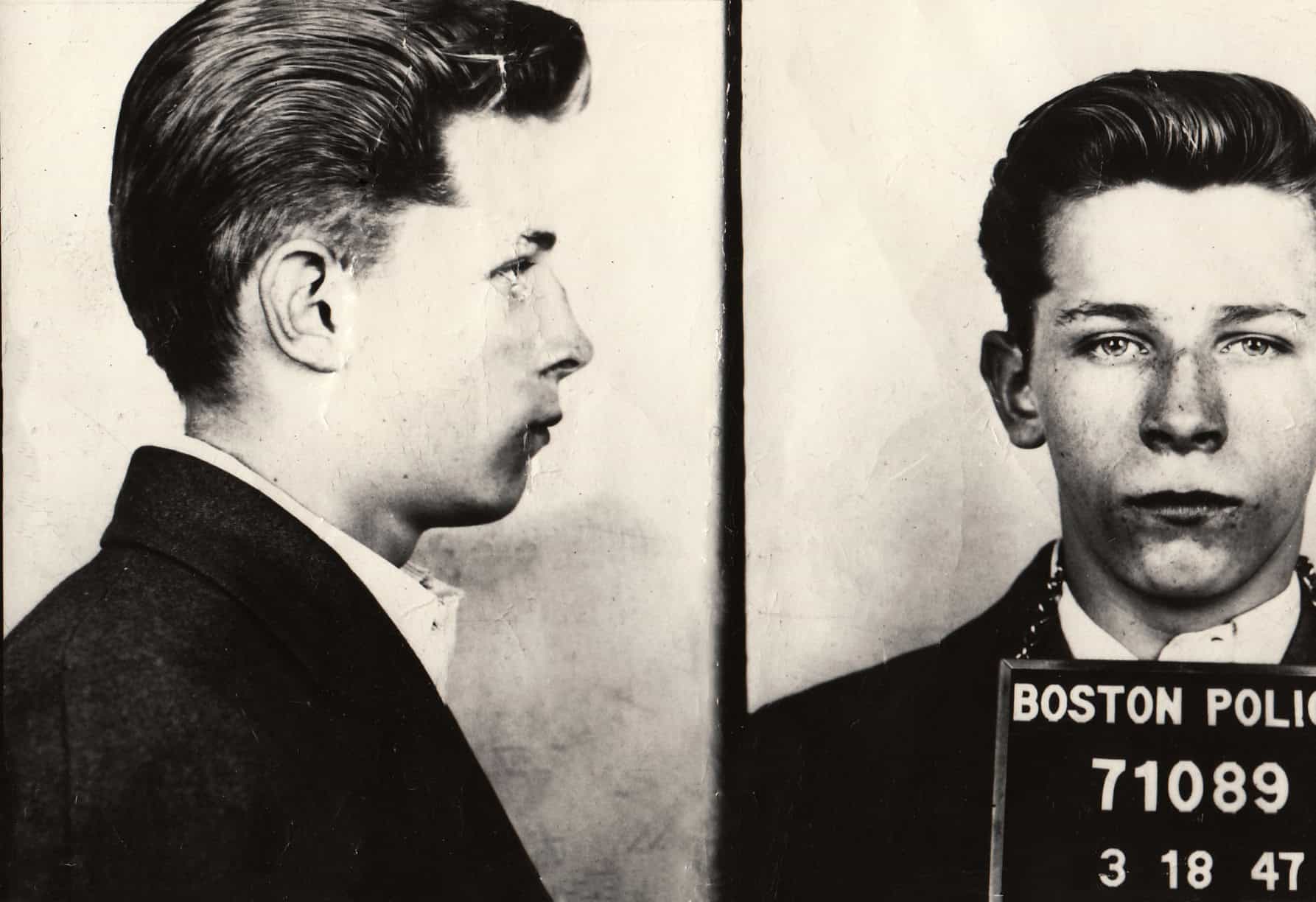
Boston Police Department / Public Domain
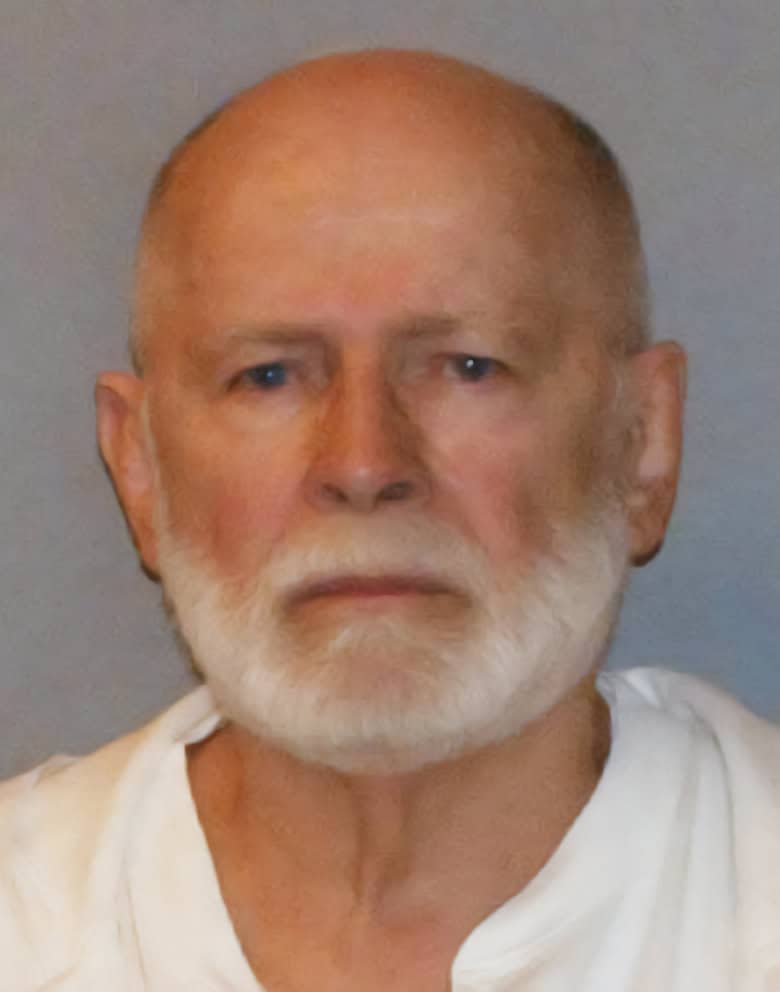
United States Department of Justice / Public Domain
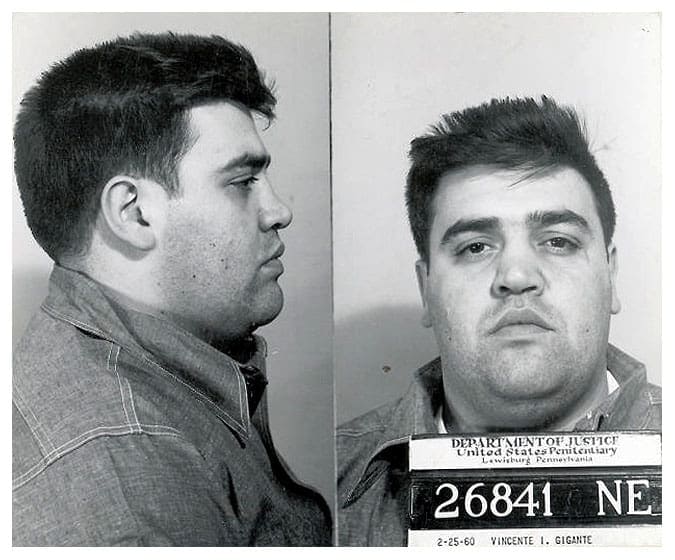
United States Department of Justice / Public Domain
Federal Bureau of Investigation / Public domain
New York Police Department / Public Domain
United States Government / Public domain

breakermaximus/Shutterstock.com
Andrei Kobylko/Shutterstock.com
Phil Stanziola / Public Domain
Bureau of Prisons / Public domain
Haru photography/Shutterstock.com

LightField Studios/Shutterstock.com
Al Aumuller / Public domain
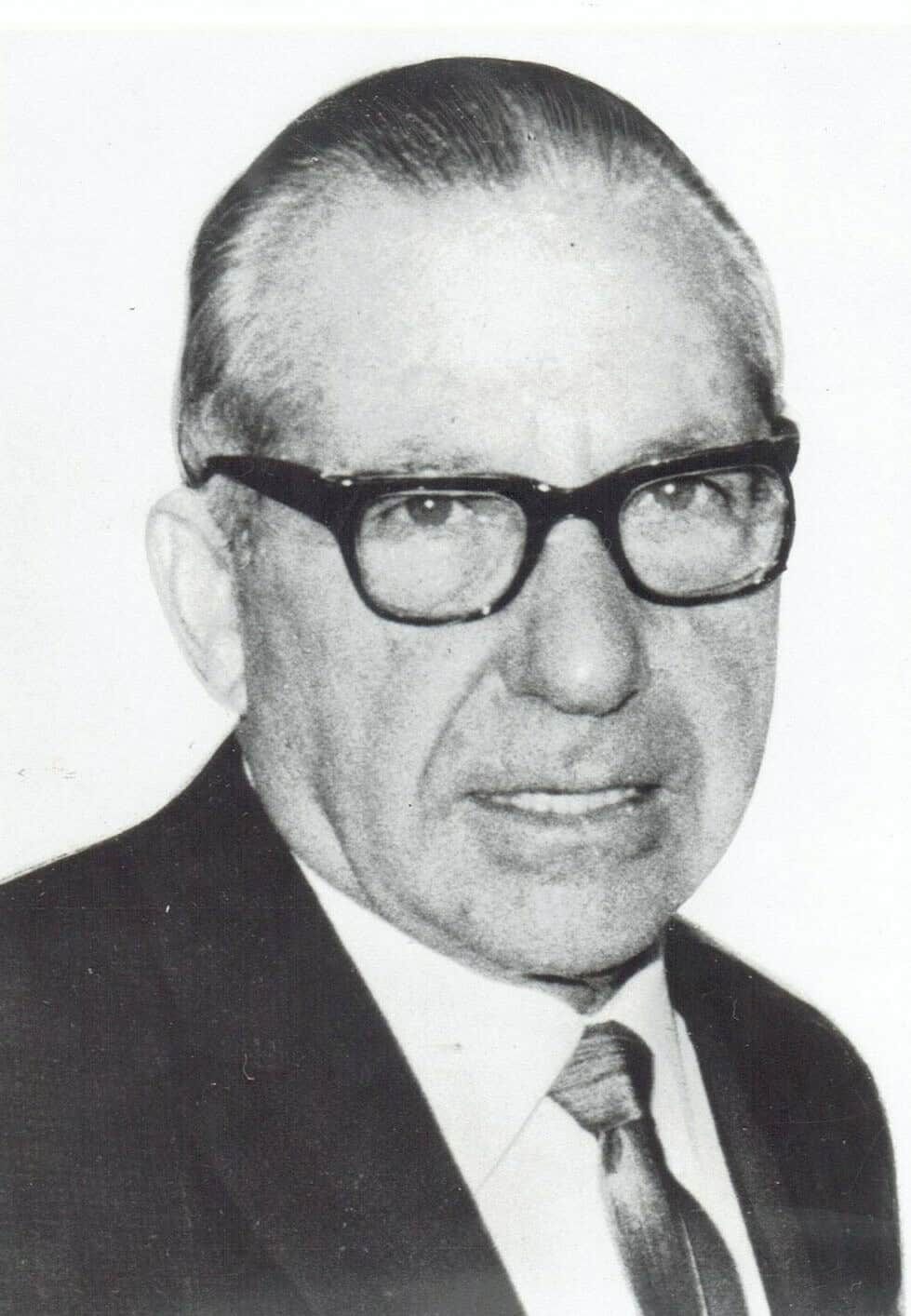
Unknown Author / Public domain

Federal Bureau of Investigation / Public Domain
Federal Bureau of Investigation / Public Domain
New York Police Department / Public domain
Stokkete/Shutterstock.com
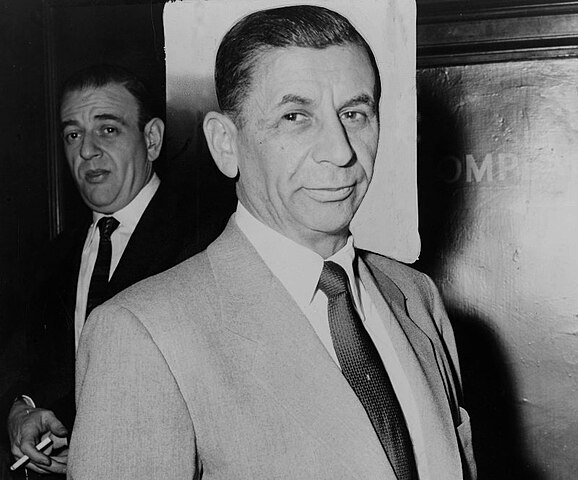
Al Ravenna / Public domain
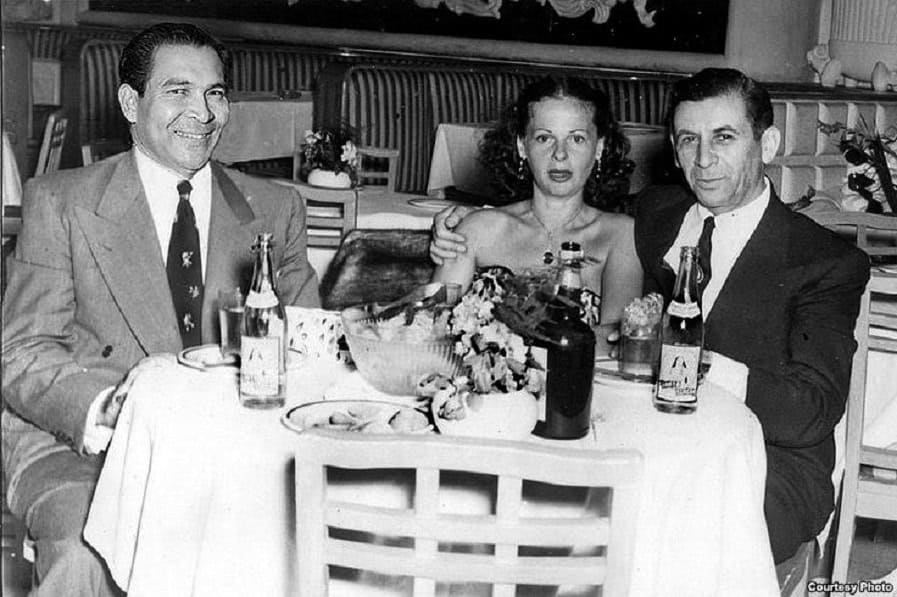
Unknown Author / Public Domain
alexmilesi/Shutterstock.com
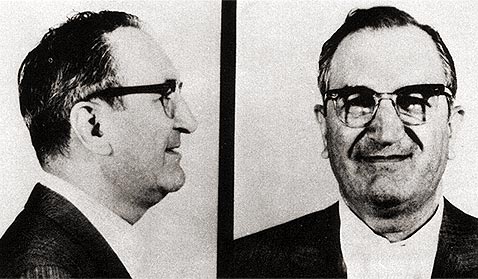
US Federal Government / Public domain
Associated Press / Public Domain
Everett Collection/Shutterstock.com

Morta Mikutyte/Shutterstock.com
United States Department of Justice / Public domain










17 Infamous Crime Bosses and the Stories Behind Them
For decades, organized crime leaders controlled gambling rings, extortion rackets, illegal businesses, and networks of people willing to use violence to protect their interests. Some became celebrities in their own right, appearing in newspapers and even inspiring Hollywood characters. Others preferred to operate quietly, accumulating power while avoiding the spotlight.
But behind the expensive suits and larger-than-life reputations were criminal organizations whose activities left real victims. And while some notorious figures eventually faced lengthy prison sentences or violent deaths, others managed to retain influence for years without facing the same consequences.
From Al Capone and John Gotti to international crime figures and long-sought fugitives, these 17 stories reveal how some of the underworld's most recognizable names rose to power, how their organizations operated, and what eventually happened to them.
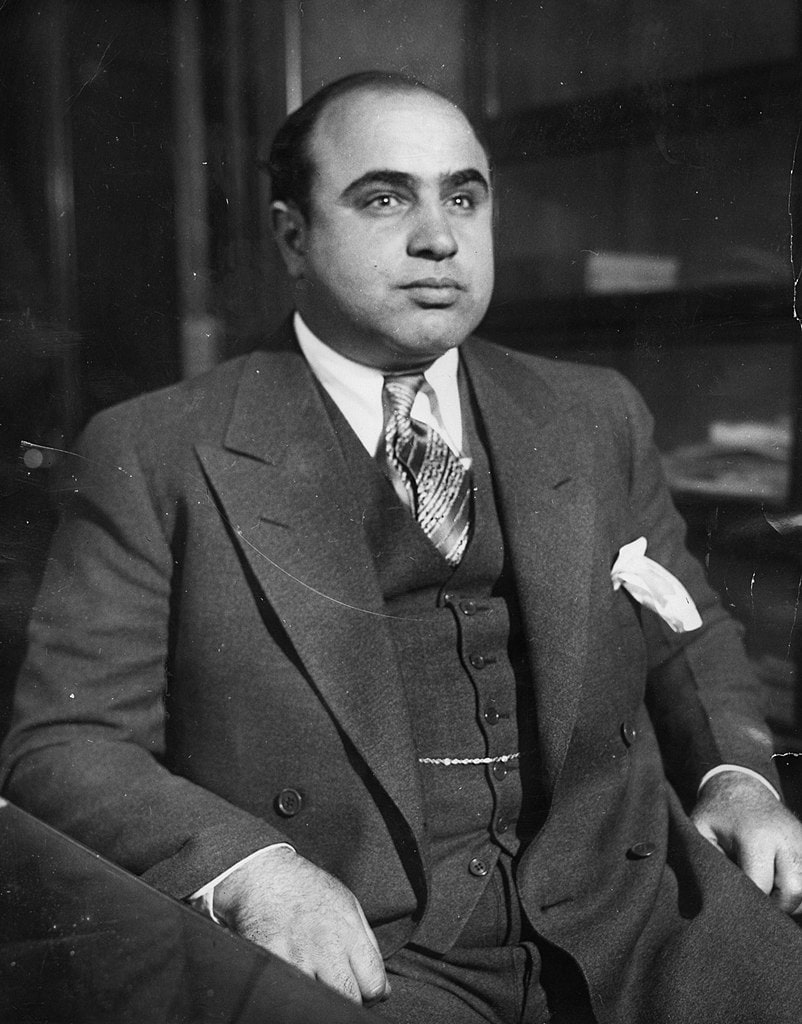
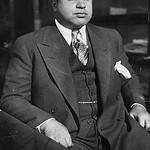
Al Capone: Chicago's Prohibition Kingpin
Few American gangsters became household names quite like Al Capone. During Prohibition, the Brooklyn-born mobster rose through Chicago's underworld and took control of the Chicago Outfit after Johnny Torrio stepped aside in 1925. His criminal organization profited from illegal alcohol sales, gambling, and other rackets while using bribery and violence to protect its interests. Capone cultivated an image of wealth and celebrity, but the bloodshed connected to Chicago's gang wars told a far darker story. His organization was widely blamed for the 1929 St. Valentine's Day Massacre, although Capone was in Florida at the time.
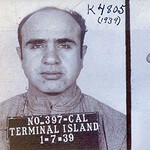
How the IRS Finally Brought Capone Down
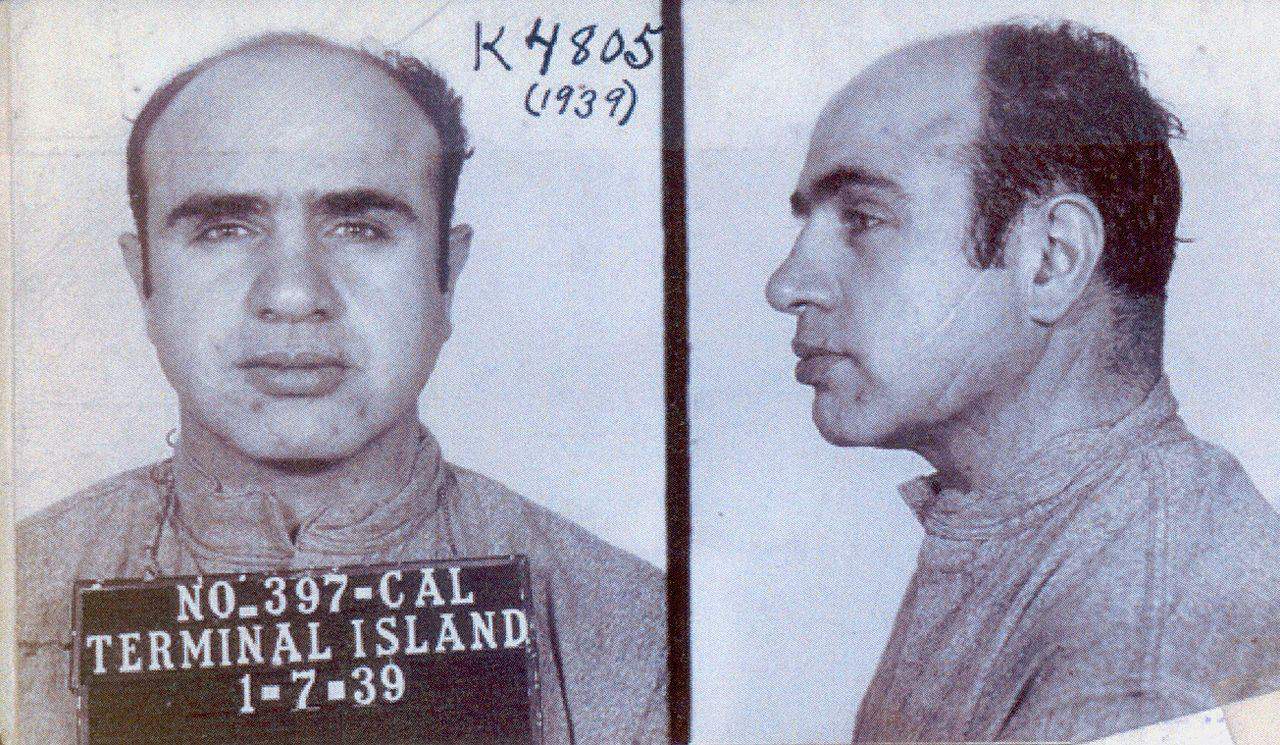
Investigators struggled to build a criminal case that would end Capone's reign, but federal tax charges proved decisive. In 1931, he was convicted of income tax evasion and sentenced to 11 years in federal prison. He served time in Atlanta and at Alcatraz before being released in 1939, by which point serious health problems had diminished his influence. Capone died in Florida in 1947. For all the money and intimidation associated with his criminal empire, it was the government's ability to trace unpaid taxes that helped bring one of America's most notorious mob bosses to justice.
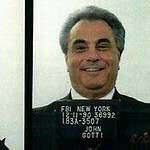
John Gotti: The Dapper Don
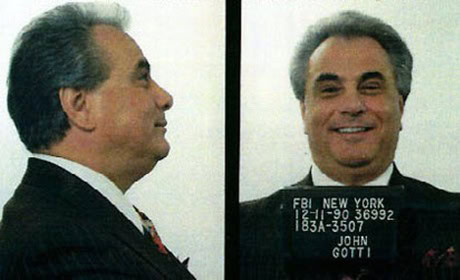
John Gotti brought unusual visibility to the New York Mafia during the 1980s. Known for his expensive suits and love of attention, he became head of the Gambino crime family after boss Paul Castellano and underboss Thomas Bilotti were murdered outside a Manhattan steakhouse in December 1985. Federal investigators say Gotti ordered the killings. Unlike leaders who preferred staying out of the spotlight, he became a frequent subject of newspaper coverage and television cameras. His public confidence made him famous, but behind the polished appearance was a violent criminal enterprise tied to racketeering, extortion, and murder.
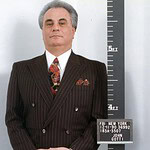
Why the Teflon Don Finally Went to Prison
Gotti earned the nickname the Teflon Don after several high-profile prosecutions ended in acquittals. Those outcomes did not mean investigators had stopped watching him. Court-authorized recordings, extensive surveillance, and testimony from former underboss Salvatore Sammy the Bull Gravano helped prosecutors build a stronger case. In April 1992, a federal jury convicted Gotti on 13 counts, including racketeering and murder-related charges. He received a life sentence and died of cancer in prison in 2002. His downfall showed how damaging an insider's testimony could be to a mob boss who once appeared nearly untouchable.
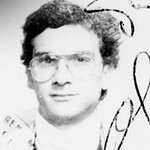
Matteo Messina Denaro: Sicily's Longtime Fugitive
Matteo Messina Denaro became one of the most feared figures in Sicily's Cosa Nostra and spent decades evading Italian authorities. He disappeared in 1993 as prosecutors pursued the Mafia figures responsible for a wave of deadly violence. Courts convicted him in absentia of numerous crimes, including involvement in the 1992 bombings that killed anti-Mafia magistrates Giovanni Falcone and Paolo Borsellino. His ability to remain hidden for almost 30 years reflected the networks of people willing to shelter a fugitive. Still, authorities cautioned against assuming he personally controlled every part of the Sicilian Mafia.
A Clinic Visit Ended 30 Years on the Run
On January 16, 2023, Italian police arrested Messina Denaro at a medical clinic in Palermo, where he was receiving treatment under an assumed identity. Investigators had tracked clues connected to his cancer care, finally closing a manhunt that began in the early 1990s. He was taken into custody without a prolonged confrontation, ending one of Italy's most famous fugitive cases. Messina Denaro died from cancer in September 2023, only eight months after his capture. Although his arrest was an important victory for Italian law enforcement, the criminal networks associated with Cosa Nostra did not disappear with him.
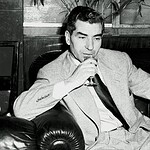
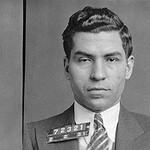
Lucky Luciano: Architect of the Modern American Mafia
Charles Lucky Luciano helped reshape organized crime in New York during the early 1930s. After the bloody Castellammarese War and the killings of rival Mafia leaders, Luciano emerged as a powerful boss and promoted a governing body known as the Commission. The idea was to establish a structure for settling disputes and dividing criminal interests among major families rather than allowing constant wars to destabilize business. His rise belonged to the Prohibition era and its aftermath, not the years before World War I. Luciano's organizational influence lasted far beyond his personal time at the top.
Luciano's Conviction, Deportation, and Final Years
Luciano's dominance did not protect him from prosecution. In 1936, he was convicted in New York on charges connected to a compulsory prostitution operation and sentenced to a lengthy prison term. He was released in 1946 on the condition that he be deported to Italy, where he spent much of the remainder of his life. Although accounts differ on how much influence he retained abroad, he never legally returned to live in the United States. Luciano died in Naples in 1962, leaving behind a criminal organizational model that influenced American Mafia leadership for decades.
Whitey Bulger: Boston's Feared Gang Leader
James Whitey Bulger led the Winter Hill Gang, a violent criminal organization rooted in the Boston area. His story is especially troubling because he also provided information to the FBI while participating in serious criminal activity. Federal reviews later exposed corruption involving an FBI handler and failures that helped Bulger avoid scrutiny. His reputation inspired books and films, with elements of his career influencing Martin Scorsese's The Departed. But the real story was far less glamorous: prosecutors linked the gang to killings, extortion, and a long-running network of intimidation that harmed people throughout the region.
A 16-Year Manhunt and a Murder in Prison
Bulger fled in 1995 before authorities could arrest him and remained a fugitive for more than 16 years. An FBI publicity campaign helped generate the tip that led to his capture in Santa Monica, California, in June 2011. Two years later, a jury convicted him in a case involving 11 murders and other federal crimes, and he received a life sentence. On October 30, 2018, Bulger was beaten to death at a federal prison in West Virginia shortly after being transferred there. He was 89. His violent death prompted a federal investigation into both the killing and the circumstances of the transfer.
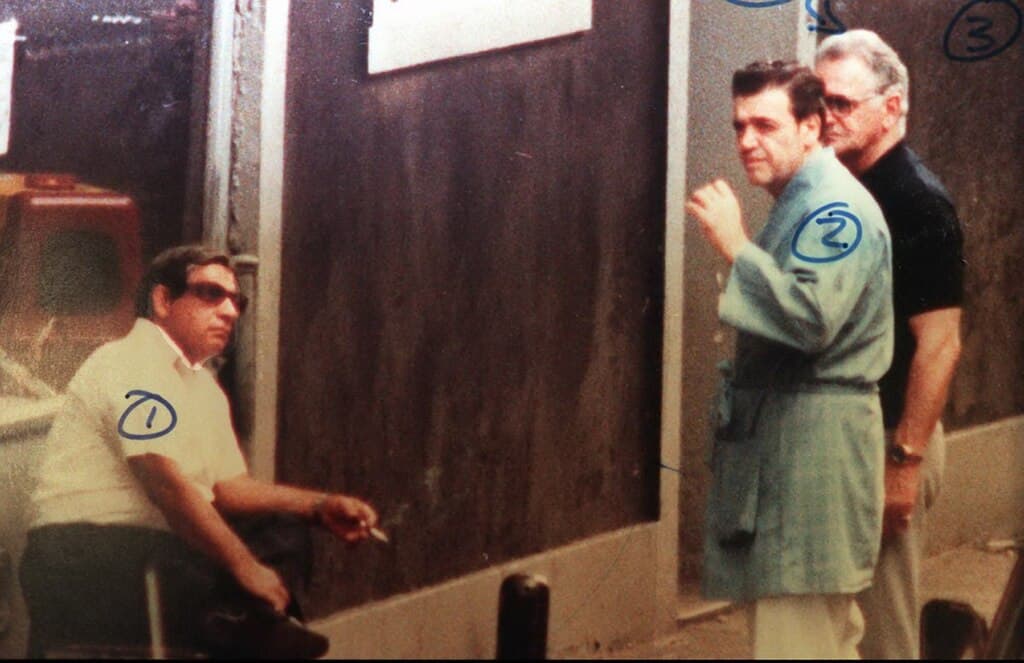
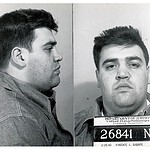
Vincent Gigante: The Mob Boss in a Bathrobe
Vincent the Chin Gigante spent years cultivating one of the strangest public images in organized crime. A leading figure in the Genovese family, he was often seen walking around Greenwich Village in a bathrobe or pajamas, sometimes appearing confused or disoriented. Investigators said the behavior was a deliberate effort to make him seem mentally unfit to face criminal charges. Away from those performances, prosecutors portrayed Gigante as a powerful Mafia leader involved in racketeering and the corruption of major New York businesses. His low-key street appearances became a memorable contrast to the influence federal authorities said he wielded.
The Act That Could Not Keep Gigante Out of Prison
Gigante's unusual behavior helped delay legal proceedings, but it could not stop them indefinitely. In 1997, he was convicted of racketeering and related crimes and sent to federal prison. Prosecutors continued pursuing his organization, and in 2003 he entered another guilty plea and acknowledged the deceptive portrayal of mental illness. For years, that performance had complicated efforts to bring the case to trial. Gigante died in federal custody in 2005. His story is a reminder that organized crime leaders were not always flashy public personalities; some attempted to remain in control by convincing everyone they were incapable of leading anything.
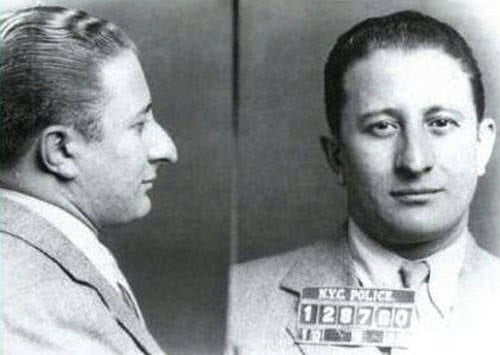
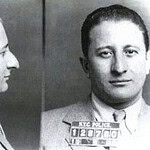
Carlo Gambino: The Quiet Power in New York
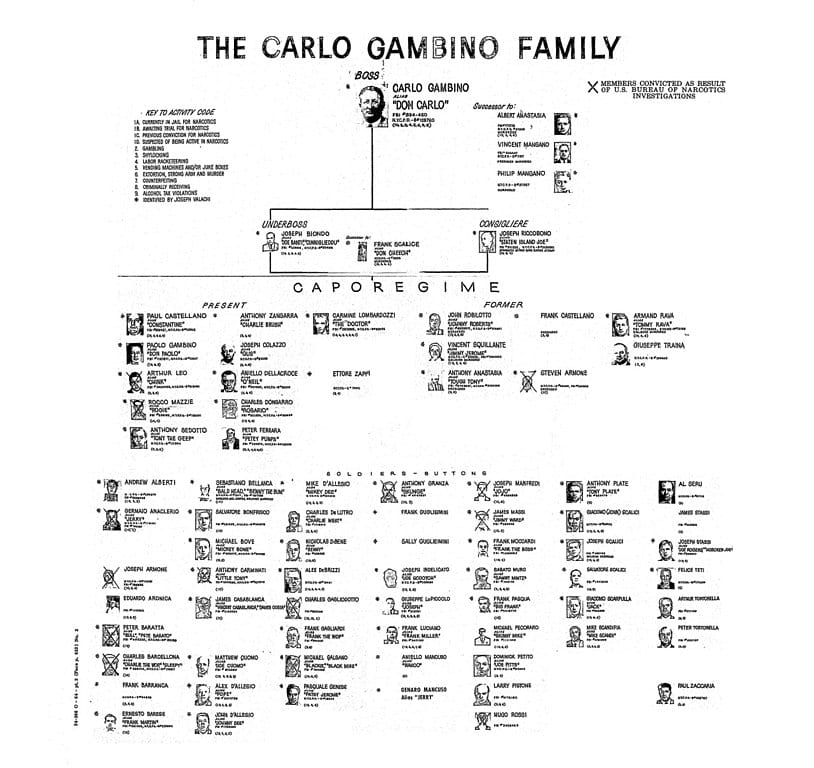
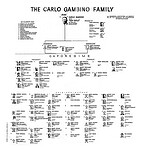
Carlo Gambino became the leader of the New York crime family that still bears his name in 1957, following the murder of Albert Anastasia. Unlike mob bosses who sought headlines, Gambino cultivated a comparatively restrained public image while building influence inside one of the city's major Mafia organizations. Federal investigators and historians connect his family to illegal gambling, loan-sharking, and racketeering. Stories sometimes present him as a direct model for the fictional Vito Corleone in The Godfather, but that character drew on multiple influences. Gambino's quieter style should not be mistaken for an absence of involvement in organized crime.
Gambino Died in Power, Not Behind Bars
Gambino retained leadership of his crime family until his death from a heart attack in 1976. Despite years of law enforcement attention, he avoided the type of long federal prison term that eventually ended the careers of several later bosses. That outcome helped reinforce his reputation for operating discreetly and delegating responsibilities. After his death, control passed to Paul Castellano, whose own killing in 1985 would eventually clear the way for John Gotti. Gambino's name remains attached to one of New York's Five Families, a sign of how deeply that organization became associated with his years in power.
Joe Colombo: A Crime Boss in the Public Spotlight
Joseph Colombo became head of a New York Mafia family in the 1960s, but he attracted attention for something unusual among organized crime leaders: public activism. In 1970, he founded the Italian-American Civil Rights League, an organization that protested stereotyping and federal investigative practices affecting Italian Americans. The League drew support from people with a range of motives, including some with no connection to organized crime. Colombo's public leadership created controversy because it placed an active Mafia boss at the center of a movement that also addressed legitimate concerns about discrimination.
Colombo Was Shot at His Own Rally
The Italian-American Civil Rights League held well-publicized events, including fundraising activities that featured Frank Sinatra. On June 28, 1971, Colombo was shot at a rally in New York City's Columbus Circle. He survived but was left severely disabled, and he never resumed his position as an active mob leader. Colombo died in 1978 from complications associated with the shooting. The episode became one of organized crime's more startling public moments: a man who had spent years seeking power behind closed doors was attacked in front of crowds and news cameras. The motive behind the shooting remains a subject of speculation.
Vito Genovese: A Ruthless Bid for Control
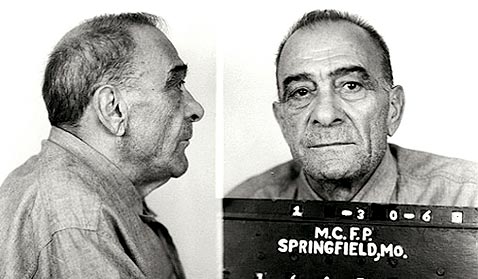
Vito Genovese was a major figure in the American Mafia long before the crime family bearing his name emerged. He worked alongside Lucky Luciano in the New York underworld and served as a senior figure in Luciano's organization. Genovese later fled to Italy while facing a murder allegation, then returned to the United States after the case fell apart. In 1957, he moved to seize control of the family from Frank Costello, who survived an assassination attempt. The FBI identified Genovese as the man who ultimately took charge of the organization that came to be known as the Genovese family.
A 15-Year Sentence Did Not End His Influence
Genovese's position at the top was short-lived. In 1959, he was convicted of conspiracy involving narcotics laws and sentenced to 15 years in federal prison. Authorities believed he continued to exert influence through associates even while incarcerated. He never completed the term: Genovese died in prison in 1969. His career reveals how changes in Mafia leadership often depended less on orderly succession than on intimidation, internal rivalries, and sudden attacks. It also shows why prosecutors increasingly focused on criminal conspiracies rather than waiting to prove every violent act separately.
Shigeharu Shirai: The Fugitive Linked to Japan's Yakuza
Shigeharu Shirai belonged to the world of Japan's yakuza, organized crime syndicates with elaborate internal hierarchies and longstanding regional factions. Reporting on his arrest identified him as a former leader of a smaller gang affiliated with the powerful Yamaguchi-gumi organization, not the boss of the entire syndicate. Japanese authorities sought him over an alleged role in the 2003 killing of a rival gang figure. Rather than face questioning, Shirai fled to Thailand, where he lived quietly for more than a decade. His case became internationally known for the unusual clue that ultimately revealed his identity.
The Tattoos That Exposed Shirai
Photos posted on Facebook showed Shirai sitting with other people while his elaborate full-body tattoos were clearly visible. The images spread widely online and eventually helped authorities identify him. Thai police arrested Shirai in January 2018 after years on the run, and officials announced plans to return him to Japan to face the outstanding allegations. Some original accounts claim a later murder conviction, but the reporting establishing that outcome is not sufficiently clear to state it as fact. The remarkable part of the case is well documented: an apparently ordinary social media photo helped expose a long-sought fugitive.
Frank Costello: The Mafia's Prime Minister
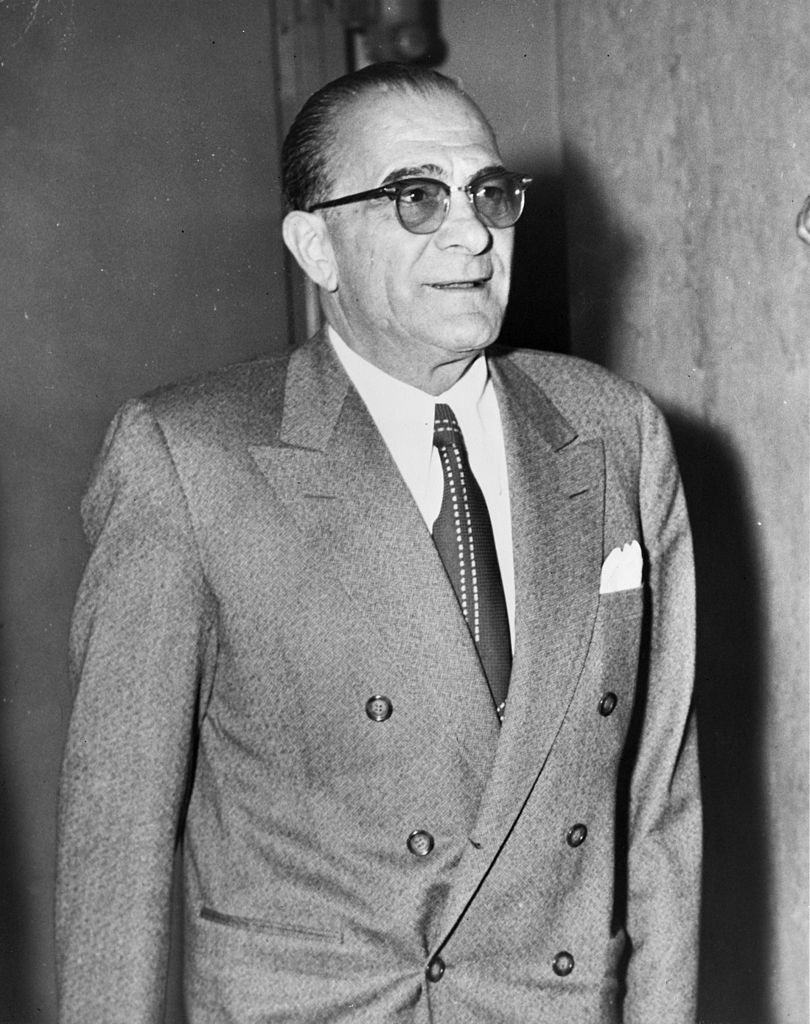
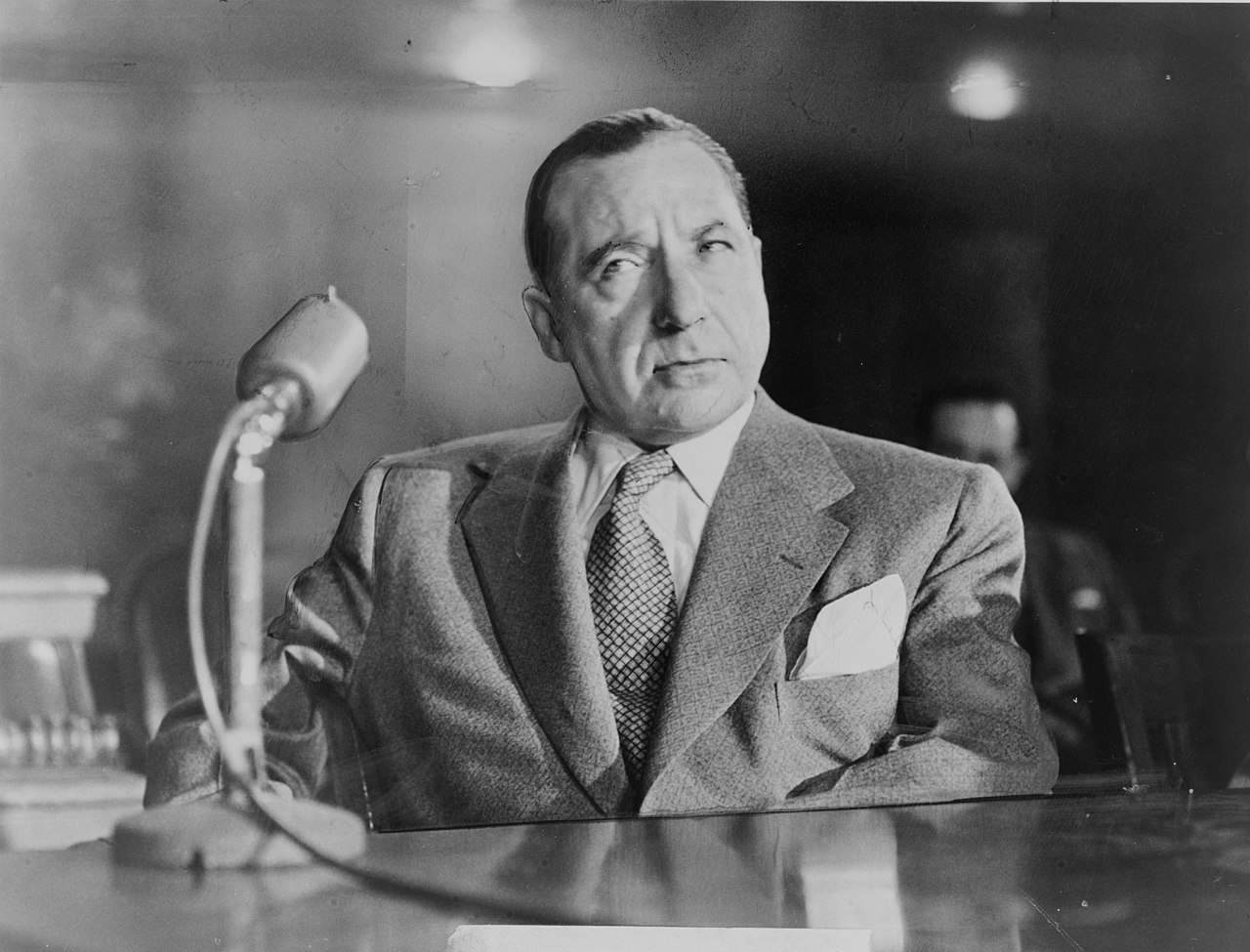
Frank Costello earned the nickname Prime Minister of the Underworld because his reputation centered on diplomacy, connections, and political influence rather than public displays of violence. Born in Italy and raised in New York, he became a senior figure in Lucky Luciano's criminal organization. When Luciano went to prison in 1936 and Vito Genovese left the country, Costello assumed control of the family. His carefully cultivated relationships and ability to negotiate made him a distinctive Mafia boss. Congressional hearings on organized crime in the early 1950s later brought Costello and the wider underworld into millions of American homes.
The Failed Shooting That Ended Costello's Rule
In 1957, Costello survived an assassination attempt attributed to Vincent Gigante, acting in the interests of rival Vito Genovese. The shooting wounded Costello but did not kill him. Afterward, he stepped aside from leadership, allowing Genovese to take control. Costello remained a recognizable figure but no longer held the same position at the top of the family. He died in 1973 at age 82. His survival and retirement were unusual compared with the violent endings of other Mafia bosses, though he had still spent decades at the center of an organization built on criminal activity.
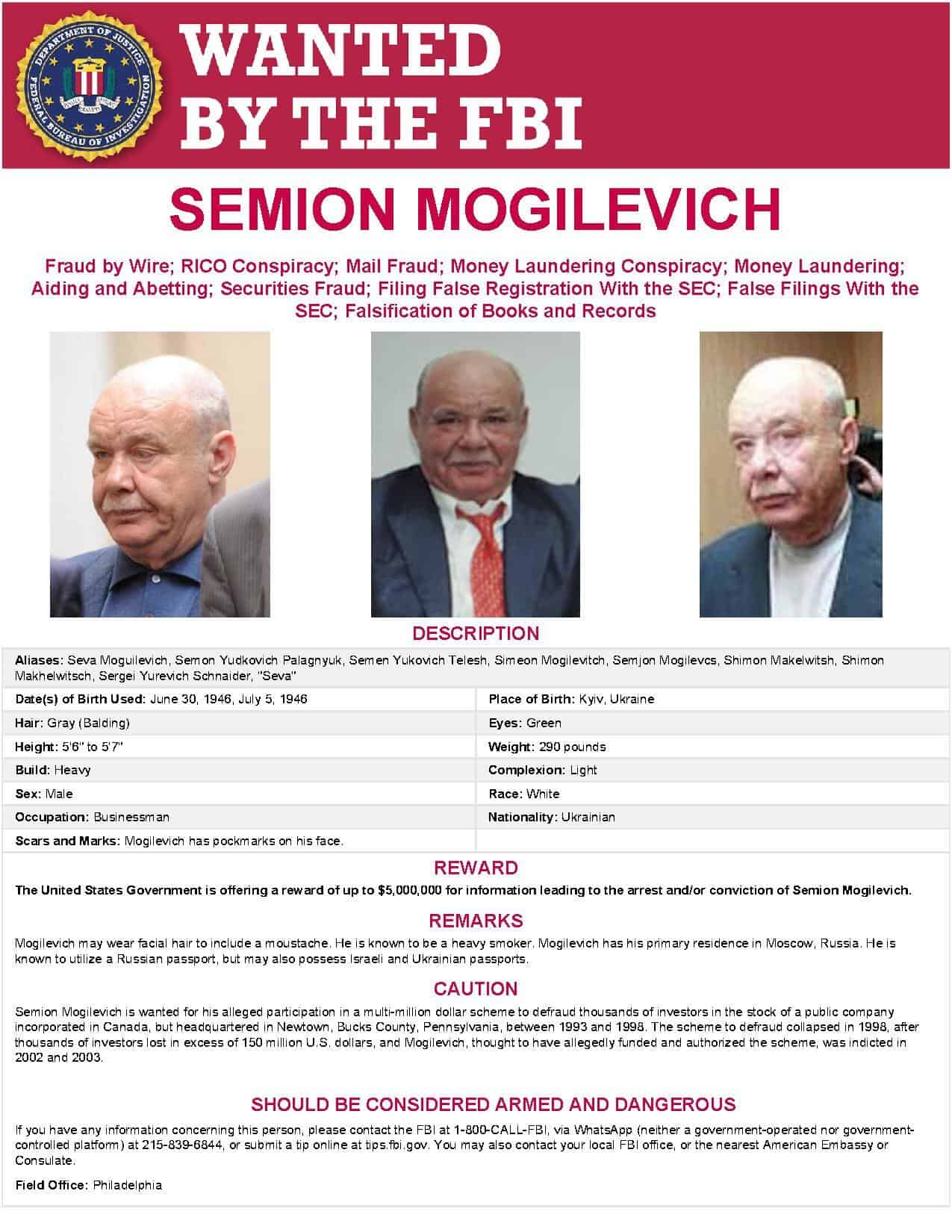
Semion Mogilevich: An International Wanted Figure
Semion Mogilevich is an unusual inclusion because his reputation concerns alleged transnational organized crime rather than one of America's traditional Mafia families. U.S. authorities have long sought him in connection with an alleged multimillion-dollar financial fraud scheme involving investors in a public company. The FBI says the alleged scheme operated during the 1990s and that investors lost more than $150 million when it collapsed. Mogilevich was indicted in the early 2000s, but an indictment is an accusation, not a conviction. The agency's wanted notice identifies Moscow as his primary residence.
The FBI's $5 Million Reward
As of October 2026, the FBI maintains a wanted notice for Mogilevich, and the U.S. government offers up to $5 million for information leading to his arrest or conviction. That does not mean anyone who merely provides a tip automatically receives the full amount. The reward is subject to specific conditions, and the allegations must still be handled through the legal process. Unlike historical Mafia bosses whose court records and deaths are well established, Mogilevich's case is an ongoing fugitive matter. It is important to distinguish the FBI's claims and criminal charges from findings established by a completed trial.
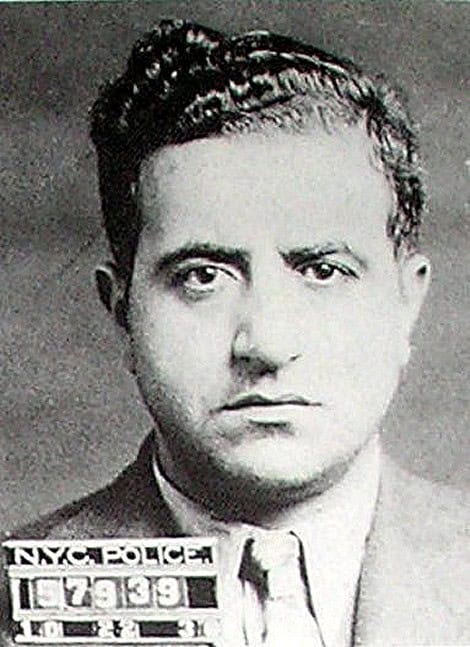
Albert Anastasia: The Lord High Executioner
Albert Anastasia became notorious for his association with Murder, Inc., the violent enforcement network linked to organized crime in the 1930s and 1940s. He was feared for his reputation and eventually led the New York family that would later become known as the Gambino family. His rise reflected an era when internal Mafia power struggles could end in assassinations rather than negotiations. Although popular accounts sometimes portray Anastasia as personally responsible for countless killings, exact totals and individual attributions are often difficult to verify. His reputation for violence was nevertheless central to his place in organized crime history.
Anastasia Was Murdered in a Barber's Chair
On October 25, 1957, Anastasia entered the barbershop at Manhattan's Park Sheraton Hotel. While seated for a haircut, he was shot and killed by gunmen whose identities were never conclusively established in court. The killing became one of the most famous gangland assassinations of the twentieth century. Historians have linked the plot to power struggles among New York Mafia leaders, and Carlo Gambino emerged as Anastasia's successor. Despite his reputation as a feared criminal boss, Anastasia died in a moment when he was exposed and apparently unprepared to defend himself.
Meyer Lansky: The Underworld's Money Man
Meyer Lansky was not a traditional Italian-American Mafia boss, but his influence on organized gambling made him an important figure in the history of organized crime. A longtime associate of Lucky Luciano and Benjamin Bugsy Siegel, Lansky helped build gambling interests in the United States and abroad. His name became especially associated with casino operations in places such as Florida, Las Vegas, and Cuba. He was frequently described as the Mob's Accountant because of his reputation for understanding numbers and complicated business arrangements. That nickname captures his financial influence, although the scale of his personal fortune has often been exaggerated.
Casinos, Cuba, and Lansky's Final Years
Lansky developed substantial gambling interests during the years before the Cuban Revolution of 1959, when Havana casinos attracted wealthy visitors and organized crime investment. After the revolution, his Cuban interests collapsed. He remained a subject of federal investigations and faced gambling and tax-related charges, but not every high-profile case ended in a conviction. A 1973 federal tax-evasion trial, for example, resulted in acquittal. Lansky spent his later years in Florida and died in 1983. His story differs from that of gunmen and street bosses: his enduring notoriety came largely from the ways criminal networks moved and managed money.
Joseph Bonanno: Boss of One of the Five Families
Joseph Joe Bonanno took charge of a New York Mafia organization in 1931, while still in his twenties, and gave his name to one of the city's Five Families. He remained influential for decades, but internal rivalries and conflicts with other bosses eventually undermined his position. During the 1960s, a struggle known as the Banana War divided members of his organization. Bonanno ultimately withdrew from active leadership and settled in Arizona. His long career and relatively unusual longevity made him one of the best-known figures associated with the older generation of American Mafia leadership.
The Mob Boss Who Published His Own Story
In 1983, Bonanno published A Man of Honor, an autobiography that offered his version of the Mafia's culture, traditions, and internal structure. The book also attracted criticism for its selective and self-justifying account of organized crime. It appeared long after Bonanno had left day-to-day leadership. Unlike many notorious mob figures, he lived well into old age, although he did spend time in prison in the 1980s for obstruction of justice and contempt of court. Bonanno died in Tucson in 2002 at age 97. His book remains a revealing, if hardly impartial, look at how a Mafia boss wanted history to remember him.
Tony Accardo: From Capone Associate to Chicago Power Broker
Tony Accardo spent much of his criminal career inside the Chicago Outfit, developing a reputation as a trusted and influential figure after the heyday of Al Capone. He rose through the organization during the Prohibition era and later held major leadership roles. Popular accounts connect Accardo to the 1929 St. Valentine's Day Massacre, but his precise involvement has not been conclusively established, so it should not be presented as a proven fact. He was not Capone's immediate successor. Several leaders occupied important positions after Capone's imprisonment before Accardo became an official boss during the 1940s.
Decades of Influence After Leaving the Spotlight
Accardo became a leading Chicago Outfit boss in the 1940s and remained influential even after stepping away from its most visible leadership role in the 1950s. Investigators and organized crime historians describe him as a behind-the-scenes power broker whose connections and authority outlasted those of several more conspicuous associates. Unlike Capone and Gotti, he did not end his life serving a long federal prison sentence. Accardo died in 1992, decades after he first became prominent in Chicago's underworld. His career reflects a recurring pattern in organized crime: keeping a low profile could be as valuable as controlling an army of enforcers.
Matthew Madonna: A Modern Lucchese Leader
Matthew Matty Madonna became an important figure in New York's Lucchese crime family, an organization with roots reaching back to the early decades of the American Mafia. Federal prosecutors identified him as an acting boss during a period when the family continued conducting racketeering and other criminal activities. Far from being a relic of the Prohibition era, the case showed that established organized crime groups could continue operating in the twenty-first century. Madonna's leadership role eventually became a major focus of a federal prosecution involving the 2013 killing of Michael Meldish, a figure tied to the city's underworld.
Madonna's Murder Conviction and Life Sentence
A federal jury convicted Madonna and several associates in November 2019 of crimes connected with the murder of Michael Meldish, racketeering conspiracy, and other offenses. In July 2020, Madonna received a life sentence in federal prison. The Justice Department described him as an acting boss of the Lucchese family, not as the unchallenged ruler of every Mafia group in New York. The case was another reminder that the Five Families continued to draw federal attention long after their most celebrated and notorious historical leaders had died. Modern organized crime prosecutions often rely on evidence gathered over years rather than one dramatic arrest.