Topical Press Agency / Hulton Archive via Getty Images
Sanchos303 / Shutterstock.com
Suzuki Kinsen, Public domain, via Wikimedia Commons
Haru photography / Shutterstock.com
Amazon Prime Video
Stephen Bridger / Shutterstock.com

serpeblu / Shutterstock.com

Melnikov Dmitriy / Shutterstock.com
Andy.LIU / Shutterstock.com
Getty Images / Getty Images News via Getty Images
Public Domain / Wikimedia Commons

PeopleImages.com - Yuri A / Shutterstock.com

Getty Images / Getty Images News via Getty Images
Getty Images / Getty Images News via Getty Images

Public Domain / Wikimedia Commons









9 Powerful Crime Families and Syndicates That Shaped the Modern Underworld
Popular films and television shows have made Mafia figures feel larger than life, but many of those stories draw from real people, real crime families, and real organizations. The history is also much broader than the Italian American mob. Organized crime networks have developed in Japan, China, Russia, Italy, the United States, and elsewhere, sometimes with roots stretching back centuries.
Some of these organizations are still active today, although their size, structure, and influence have changed dramatically over time. Their histories are often tangled up with migration, political upheaval, underground economies, and plenty of mythology. In this piece, 24/7 Tempo looks at several of the best-known organized crime groups and families, how they developed, and the roles they have played in the criminal underworld.
The Yakuza
Location: Japan
Origins: Roots date to Japan's early modern period
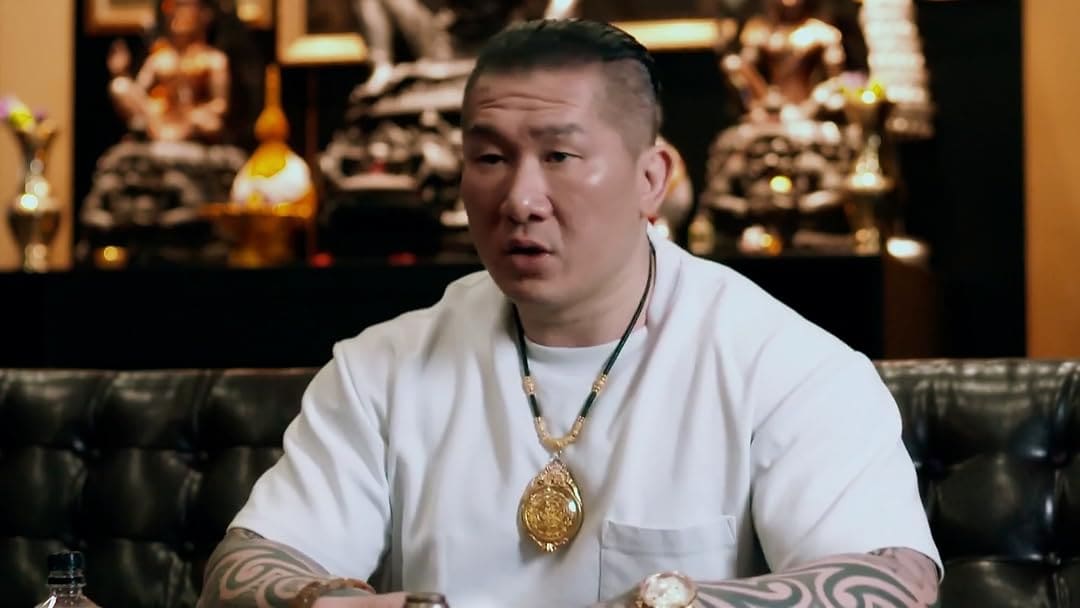
The Yakuza is not one enormous crime family. It is an umbrella term commonly used for Japan's traditional organized crime groups, known officially as boryokudan. These organizations are typically hierarchical, with major syndicates overseeing numerous affiliated groups. Japan's National Police Agency continues to classify boryokudan as organized groups likely to facilitate habitual or collective acts of violence.
Yakuza (continued)
There is no single confirmed date when the Yakuza began. Its historical roots are commonly associated with groups such as bakuto, or gamblers, and tekiya, itinerant merchants and peddlers that existed in Japan long before the modern syndicates took shape. Stories portraying early Yakuza as Robin Hood-style protectors or linking them directly to masterless samurai have become part of the mythology surrounding the groups, but the actual history is considerably more complicated.
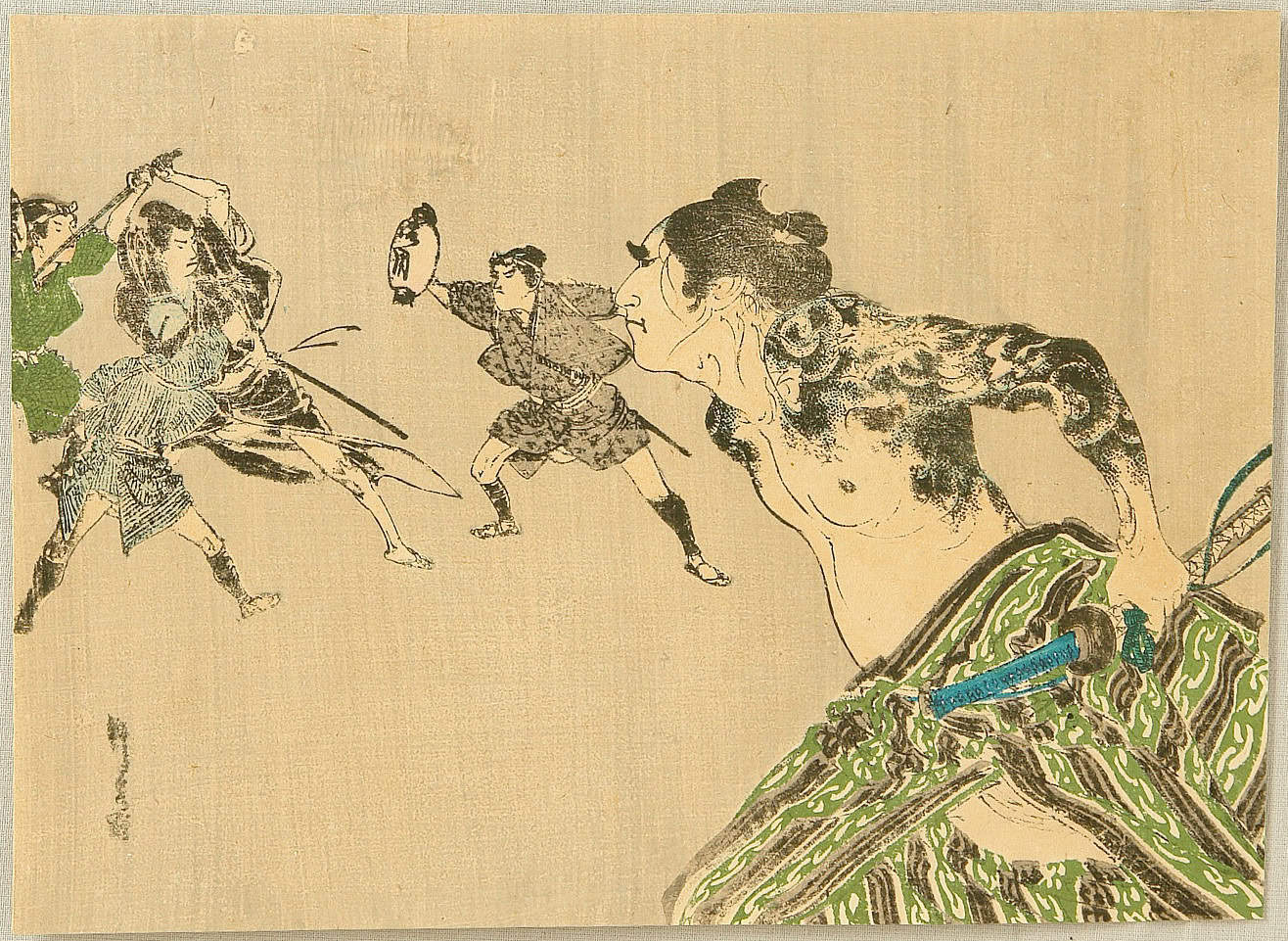
Some Yakuza traditions have included elaborate initiation rituals, strict internal hierarchies, and extensive irezumi tattoos, although those practices are not universal. Japanese and U.S. authorities have linked Yakuza groups to extortion, illegal gambling, drug trafficking, fraud, prostitution and human trafficking, money laundering, and other crimes. They have also used legitimate businesses and front companies to conceal or generate revenue.
The Triads
Location: China, Hong Kong, and international Chinese communities
Origins: Roots date back several centuries
"Triads" does not describe one single criminal organization. The term covers a number of Chinese secret societies and organized crime groups whose histories reach back centuries. Many trace traditions to secret societies that existed during China's Qing dynasty, although historians disagree about exactly when the first recognizable triad organizations emerged. The often-repeated story that five surviving Shaolin monks founded the movement after their temple was destroyed belongs more to triad legend than established history.
Triads (continued)
Some of the secret societies associated with early triad traditions had political or mutual-aid purposes, but modern triad groups are primarily associated with organized crime. Hong Kong police continue to investigate triad societies involved in activities such as drug trafficking, illegal gambling, prostitution, loan-sharking, extortion, and other organized criminal enterprises. Triad-linked networks have also operated outside China and Hong Kong, although not every Chinese organized crime group is a triad.
Sicilian Mafia
Location: Sicily, Italy
Origins: 19th century
"Mafia" is now routinely used as a general term for organized crime, but the word is most closely associated historically with Sicily and the Sicilian Mafia, or Cosa Nostra. The American La Cosa Nostra developed from Sicilian and southern Italian criminal traditions, eventually producing the famous Five Families of New York along with other crime families around the United States.
The precise beginnings of the Sicilian Mafia are still debated, but historians generally place its emergence in the 19th century. Sicily went through enormous political and social upheaval before, during, and after Italian unification in 1861.
Sicilian Mafia (continued)
Weak government authority in parts of the island created an environment in which private groups could sell protection, enforce agreements, and use violence to build influence.
Landowners, estate managers, farmers, and businesses sometimes relied on private guards and intermediaries in places where the state struggled to provide reliable security. Over time, some of those protection arrangements developed into systems of intimidation, extortion, political influence, and criminal control. Historians have proposed several explanations for the Mafia's rise, including Sicily's landholding system, the profitable citrus trade, political instability, and the weakness of government institutions. There probably was not one neat origin story.
Russian Mafia
Location: Russia and the former Soviet Union
Origins: 20th-century roots
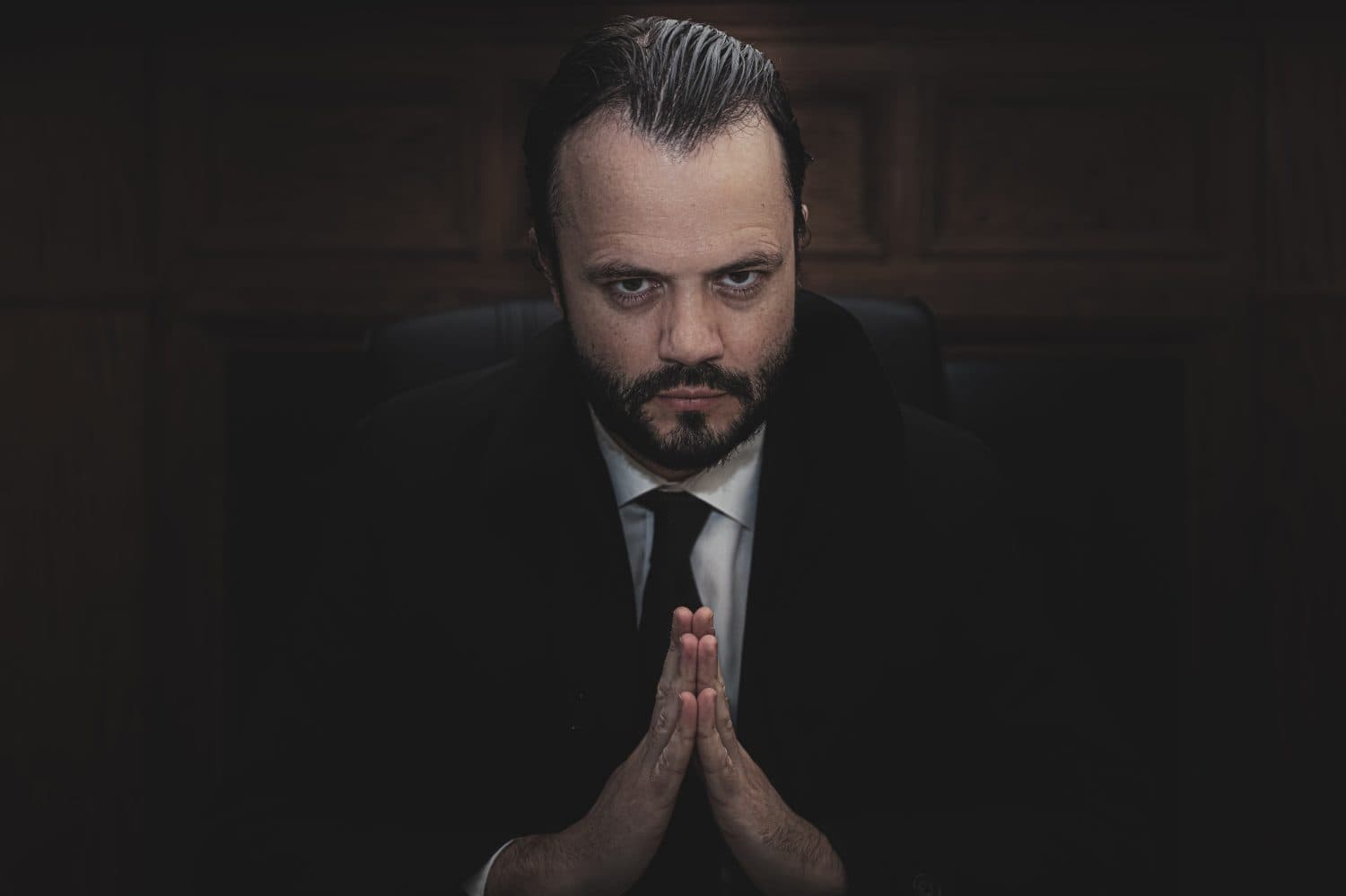
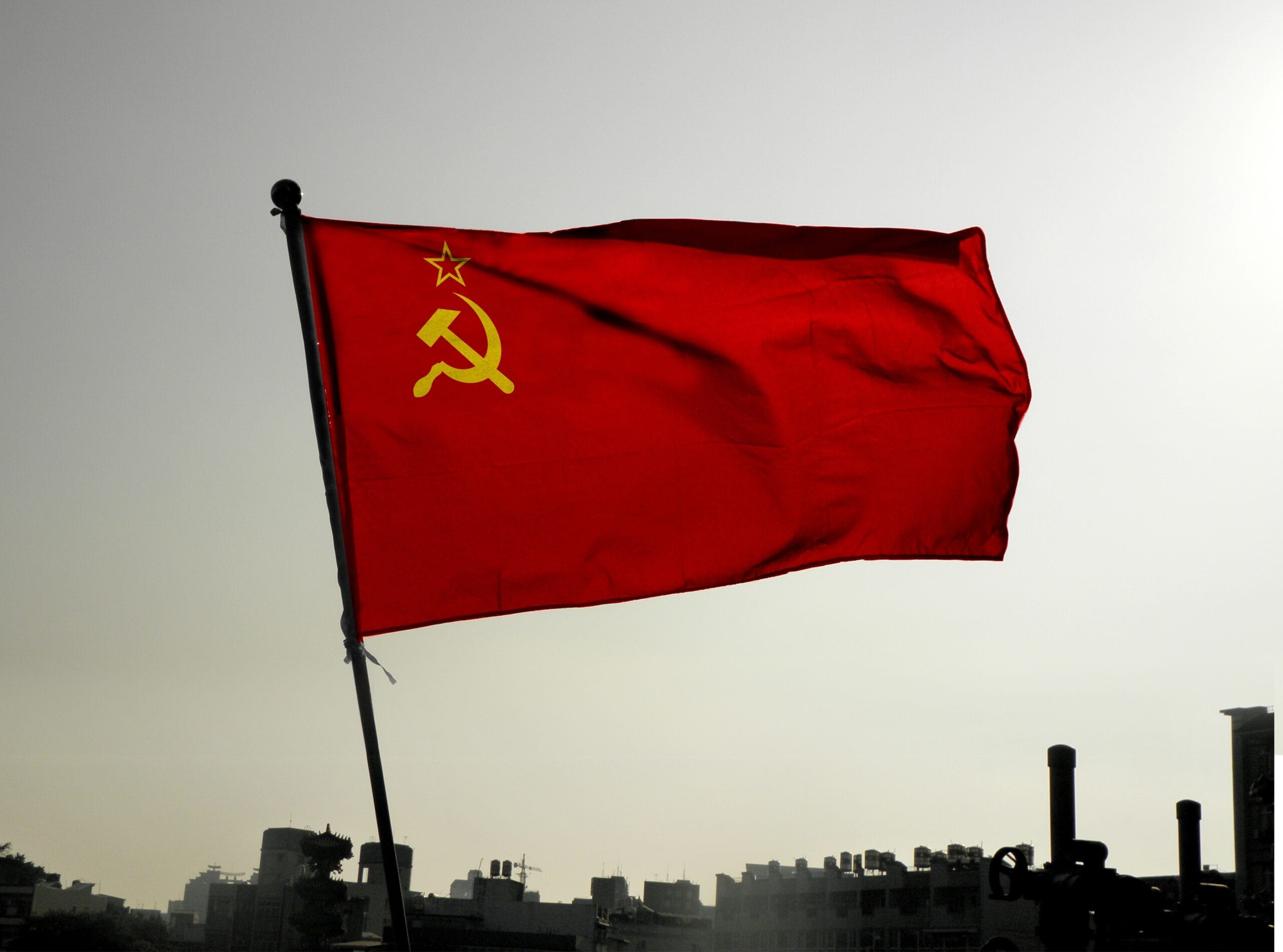
The "Russian Mafia" is another umbrella term rather than the name of a single organization. The word bratva, meaning "brotherhood," is sometimes used for Russian criminal groups, while the vory v zakone, or "thieves-in-law," developed into an elite criminal caste within the Soviet underworld.
Russian Mafia (continued)
That tradition became particularly associated with Soviet prisons and labor camps during the 20th century, rather than beginning as one unified Mafia organization in imperial Russia.
Organized crime expanded rapidly during the final years of the Soviet Union and after its collapse in 1991, when economic disruption, privatization, corruption, and weak institutions created opportunities for criminal groups. Networks originating in Russia and other former Soviet republics later became transnational. U.S. federal prosecutors continue to bring cases involving former Soviet organized crime figures, including individuals holding the title vor v zakone.
Genovese Crime Family
Location: New York City
Modern structure established: 1931
The Genovese crime family is one of New York City's Five Families of La Cosa Nostra and has long been regarded by law enforcement and organized crime historians as one of the most powerful. Its predecessors operated before the modern Five Families system was established, but the organization recognizable today took shape during the major restructuring of New York's Mafia in 1931.
After Salvatore Maranzano reorganized New York's Mafia into five families, Charles "Lucky" Luciano became the first boss of the organization that would eventually carry the Genovese name. Luciano was convicted in 1936 on prostitution-related charges and received a 30-to-50-year prison sentence.
Genovese Crime Family (continued)
His sentence was commuted in 1946 and he was deported to Italy. Frank Costello led the organization afterward, but Vito Genovese moved against him in 1957. Vincent "The Chin" Gigante shot and wounded Costello in an attempted killing, after which Costello stepped aside and Genovese took control.
The family has historically been involved in illegal gambling, extortion, loan-sharking, labor racketeering, narcotics, and other criminal enterprises. It remains an active law enforcement target. In 2024, federal prosecutors announced guilty pleas from Genovese members and associates in a case involving long-running illegal gambling operations and attempted extortion.
Bonanno Crime Family
Location: New York City
Modern structure established: 1931
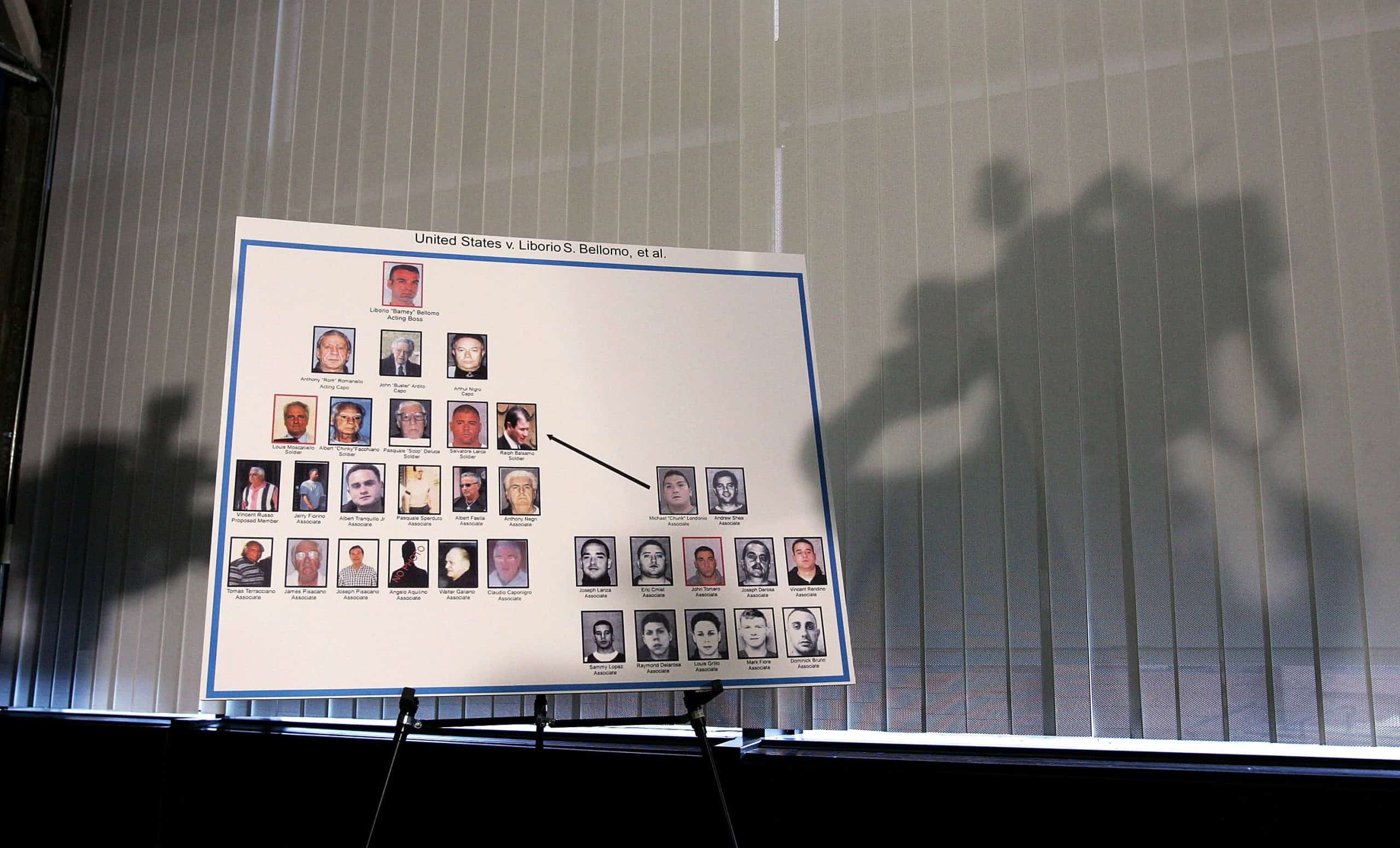
The Bonanno crime family developed from the New York organization led by Salvatore Maranzano during the Castellammarese War. After Maranzano was murdered in 1931, Joseph Bonanno became boss of the family that would eventually take his name. Bonanno remained one of New York's most powerful Mafia bosses for more than three decades, although an internal conflict known as the "Banana War" and his disputes with the Mafia Commission weakened his control during the 1960s.
The Bonanno family has been tied to racketeering, illegal gambling, loan-sharking, extortion, narcotics trafficking, and other crimes during its long history. It did not disappear with the old generation of Mafia bosses. Federal prosecutors were still bringing cases against Bonanno members in 2025, including the sentencing of a family soldier for the extortionate collection of credit.
Colombo Crime Family
Location: New York City
Established: Late 1920s
The Colombo crime family is the youngest of New York's Five Families. Its modern history begins with Joseph Profaci, who established his organization in the late 1920s and remained its boss until his death in 1962. His brother-in-law and longtime underboss Joseph Magliocco then took control.
Magliocco joined Bonanno boss Joseph Bonanno in a plot against several rivals on the Mafia Commission. Joseph Colombo, who had been assigned a role in the planned killings, instead exposed the plot. Magliocco was forced out, and Colombo was eventually placed in charge of the family that now bears his name. The organization did not cease operating after the major Mafia arrests of 2011. A later federal racketeering case resulted in guilty pleas from 14 defendants, including members of the Colombo leadership, and prosecutors described the convictions as a major blow to the family rather than the end of the organization.
Gambino Crime Family
Location: New York City
Origins: Early 1900s; reorganized in 1931
The Gambino crime family's roots stretch back to the early 20th century. Salvatore D'Aquila became one of New York's leading Mafia bosses before he was murdered in 1928. Frank Scalise briefly followed him, and Vincent Mangano became boss when New York's Five Families structure was formalized in 1931. Albert Anastasia succeeded Mangano in the early 1950s before Anastasia was murdered in 1957. Carlo Gambino then took control, and the family eventually became known by his name.
Gambino became one of the most influential Mafia bosses in the country, and the family has been linked over the decades to racketeering, extortion, illegal gambling, labor corruption, money laundering, and other crimes. The Gambino family remains active enough to draw major federal prosecutions. In February 2026, the Justice Department announced that the final defendant in a 2023 case involving Gambino members and associates had pleaded guilty, with the case covering crimes including racketeering conspiracy, extortion, money laundering, and witness retaliation.
Lucchese Crime Family
Location: New York City
Origins: 1920s; reorganized in 1931
The Lucchese crime family's predecessor was led by Gaetano "Tommy" Reina by the 1920s. Reina was murdered in 1930 during the Castellammarese War, and Thomas Gagliano eventually emerged as boss when New York's Five Families were reorganized in 1931. Thomas "Three-Finger Brown" Lucchese succeeded Gagliano in 1951, and the family later took Lucchese's name.
The Lucchese family became deeply involved in labor racketeering and businesses connected to New York's garment, trucking, and air-freight industries. Federal authorities have documented Lucchese and Gambino influence over Teamsters locals serving John F. Kennedy International Airport. The family's criminal orbit also included the infamous 1978 Lufthansa heist at JFK, when a crew centered on Lucchese associate James "Jimmy the Gent" Burke stole more than $5 million in cash and roughly $1 million in jewelry. Participants and proceeds were linked to members and associates of more than one Mafia family. The Lucchese organization remains active. In 2025, a federal judge sentenced a Lucchese captain for racketeering, money laundering, and illegal gambling connected to a large-scale sports betting operation.