Vintage Crime Pics
Everett Collection / Shutterstock.com
Wikimedia Commons
Wikimedia
Encyclopedia Britannica
Public Domain / Wikimedia Commons
Public Domain / Wikimedia Commons
WLFA DC NEWS
Wikimedia Commons
Oakland Times
News 10 ABC


10 Crime Bosses Who Went From Feared to Finished
Some of America’s most notorious crime bosses spent years making themselves seem untouchable. They survived gang wars, government investigations, betrayals, rival crews, and witnesses who either disappeared or refused to talk. For a while, it looked like nothing could knock them out of power.
Then, almost overnight, everything changed. Some were arrested in sweeping federal cases. Others were killed, betrayed, or pushed aside by the very people who once feared them. Their endings were rarely quiet, and they were almost never simple. But each one proved the same thing: in organized crime, power could vanish in a single day.
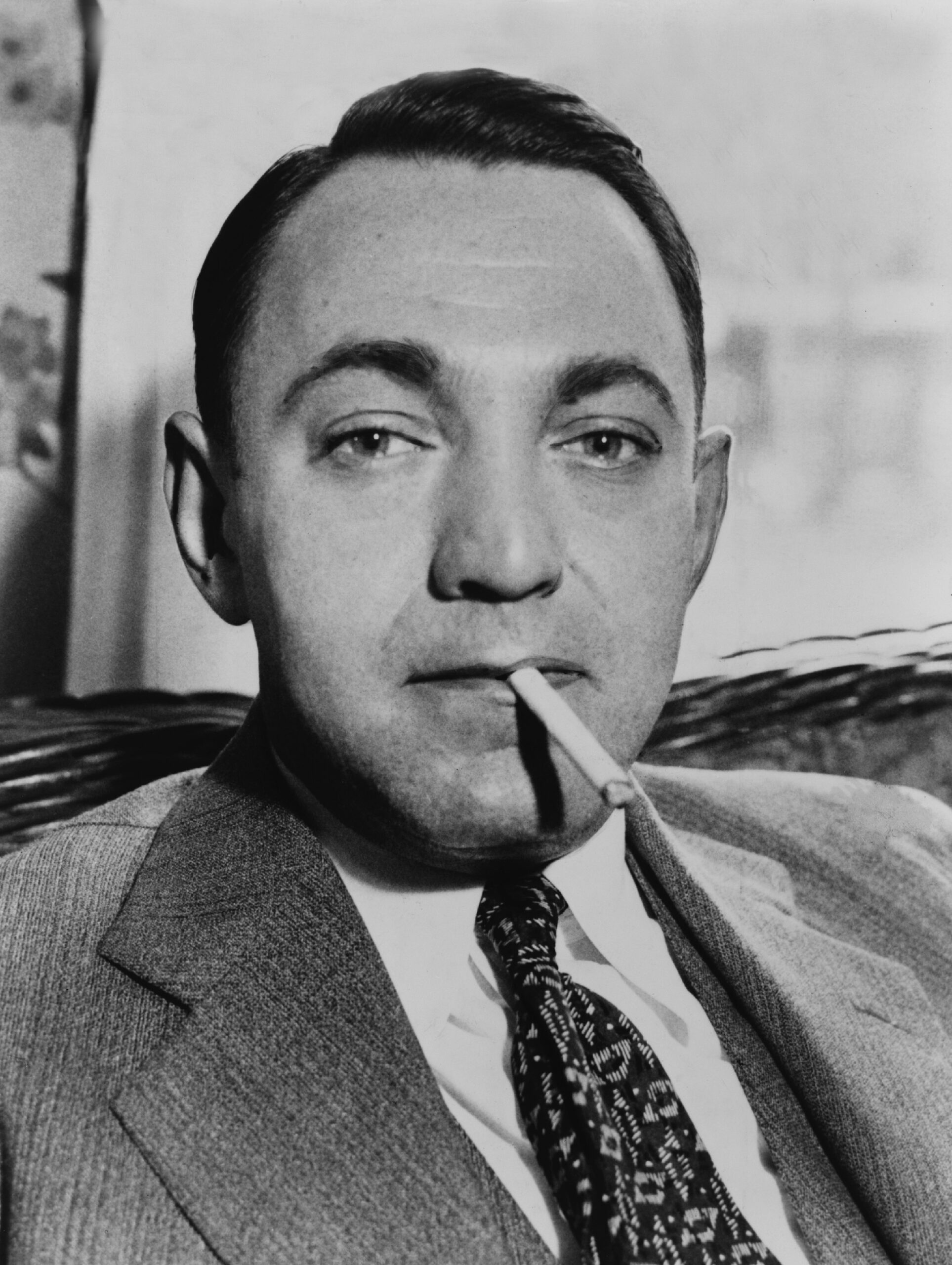
Dutch Schultz
Dutch Schultz built his name in 1930s New York through bootlegging, racketeering, and a reputation for staying one step ahead of prosecutors. When Thomas Dewey pursued him on tax charges, Schultz made a surprisingly clever move: he relocated upstate, won over locals, donated to churches, and managed to secure an acquittal from a friendly jury. For a moment, it looked like he had beaten the system by turning himself into a small-town favorite.
That victory did not last. When Dewey kept pushing, Schultz asked the Mafia Commission for permission to kill him. The Commission refused, fearing the attention that would come from assassinating a major public official. Schultz kept planning anyway, and his own underworld allies decided he was too dangerous to keep around. On October 23, 1935, gunmen shot him at the Palace Chop House in Newark. He died the next day, brought down not by the prosecutor he wanted dead, but by the mob leaders who no longer trusted him.
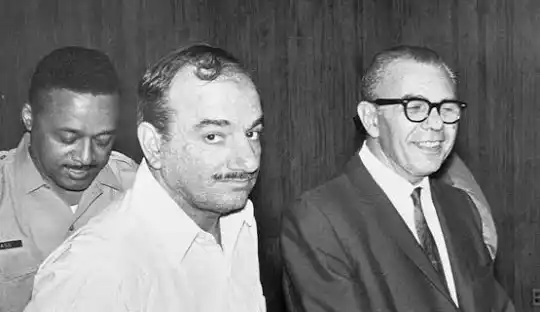
Angelo Bruno
Angelo Bruno ran the Philadelphia crime family for more than two decades, but he did it differently from many of the violent bosses around him. Known as the Gentle Don, Bruno preferred negotiation, quiet control, and avoiding the kind of headline-grabbing bloodshed that brought law enforcement pressure. His old-school restraint helped him stay in power for years, but by the late 1970s, younger members of the family saw him as an obstacle.
The biggest point of tension was money, especially narcotics. Bruno resisted pushing the family deeper into the drug trade, while others watched rival organizations make huge profits. On March 21, 1980, Bruno returned home from dinner and was sitting in his car outside his South Philadelphia rowhouse when a gunman shot him in the back of the head. The hit was ordered without approval from the Mafia Commission, and the decision helped plunge the Philadelphia family into years of chaos and revenge.
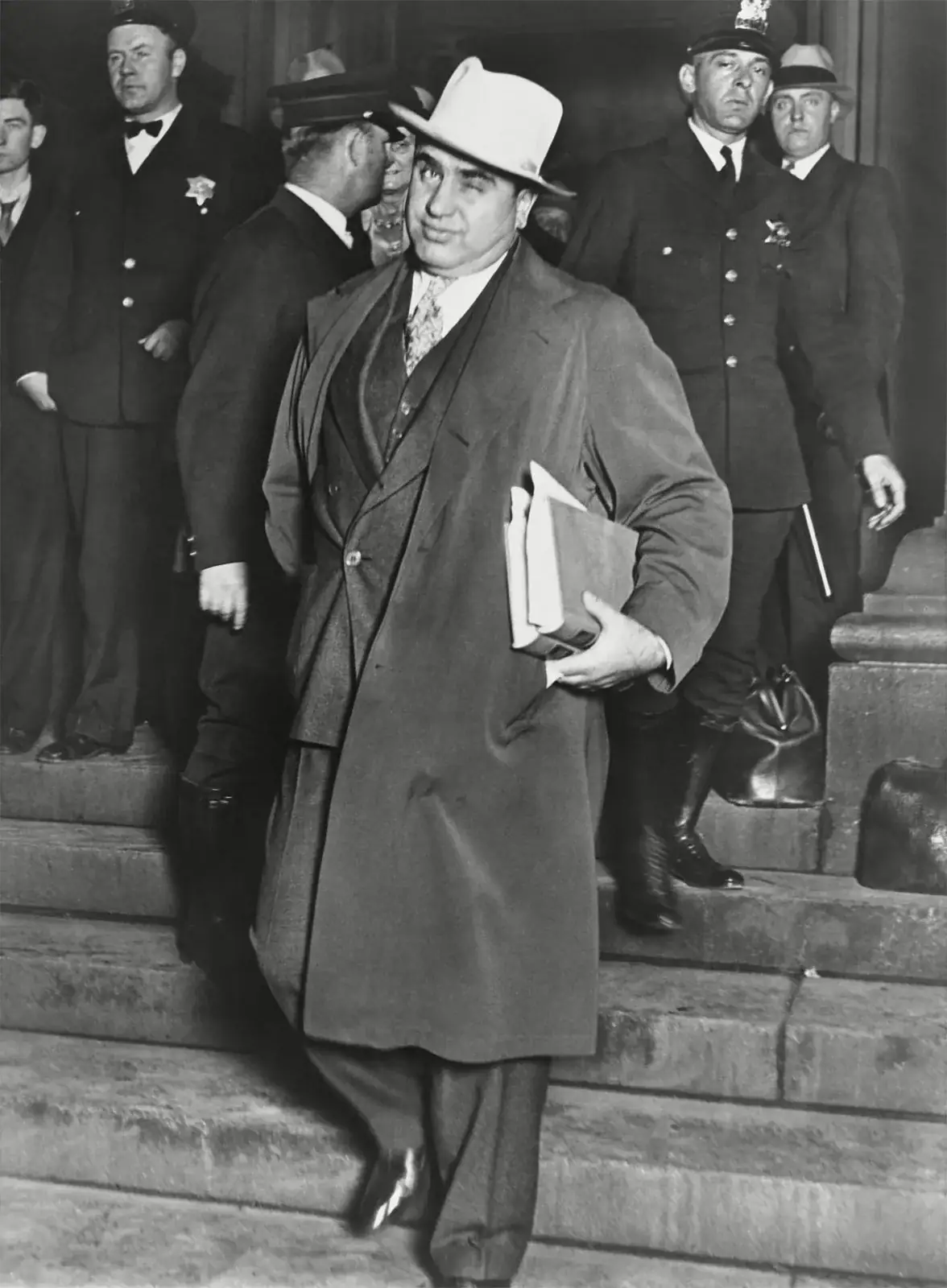
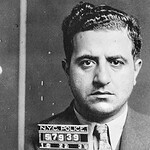
Al Capone
By the late 1920s, Al Capone was the face of organized crime in America. He controlled much of Chicago’s bootlegging trade, corrupted public officials, and became linked forever to the violence of the Prohibition era, including the St. Valentine’s Day Massacre. Capone was so powerful, and so public, that the Chicago Crime Commission named him Public Enemy No. 1 in 1930.
What finally ended his reign was not a murder charge or a racketeering case. It was tax evasion. Federal investigators built a case around the income Capone never reported, and in 1931 he was convicted and sentenced to 11 years in prison. He entered Alcatraz in 1934, already showing symptoms of neurosyphilis, and never returned to the same level of power or health. One of the most infamous gangsters in U.S. history was ultimately taken down by the IRS.
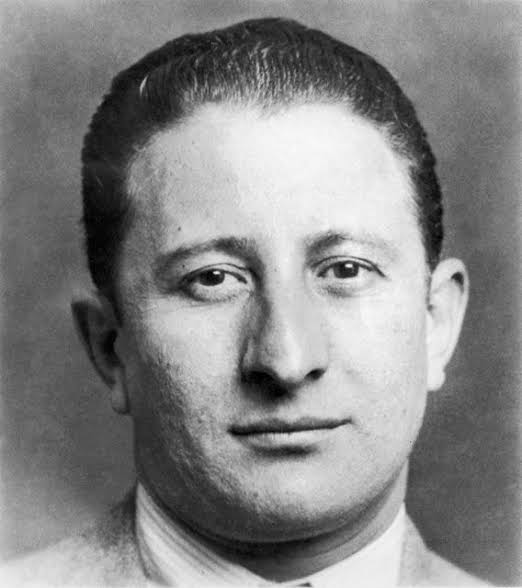
Carmine Galante
Carmine Galante was one of the most feared Mafia figures of the 1970s. Through Sicilian connections and control of heroin trafficking, he built enormous influence while making enemies across organized crime. Galante was physically small, but his reputation for cruelty made him intimidating even to other bosses.
By 1979, the Mafia Commission reportedly decided Galante had become more trouble than he was worth. On July 12 of that year, he was eating lunch at Joe and Mary’s Restaurant in Brooklyn. After the meal, he stepped outside with his cigar and was shot to death by assassins. The famous photo of Galante’s body, cigar still in his mouth, became one of the most chilling images of mob violence. His power disappeared in the time it took for gunmen to walk into position.
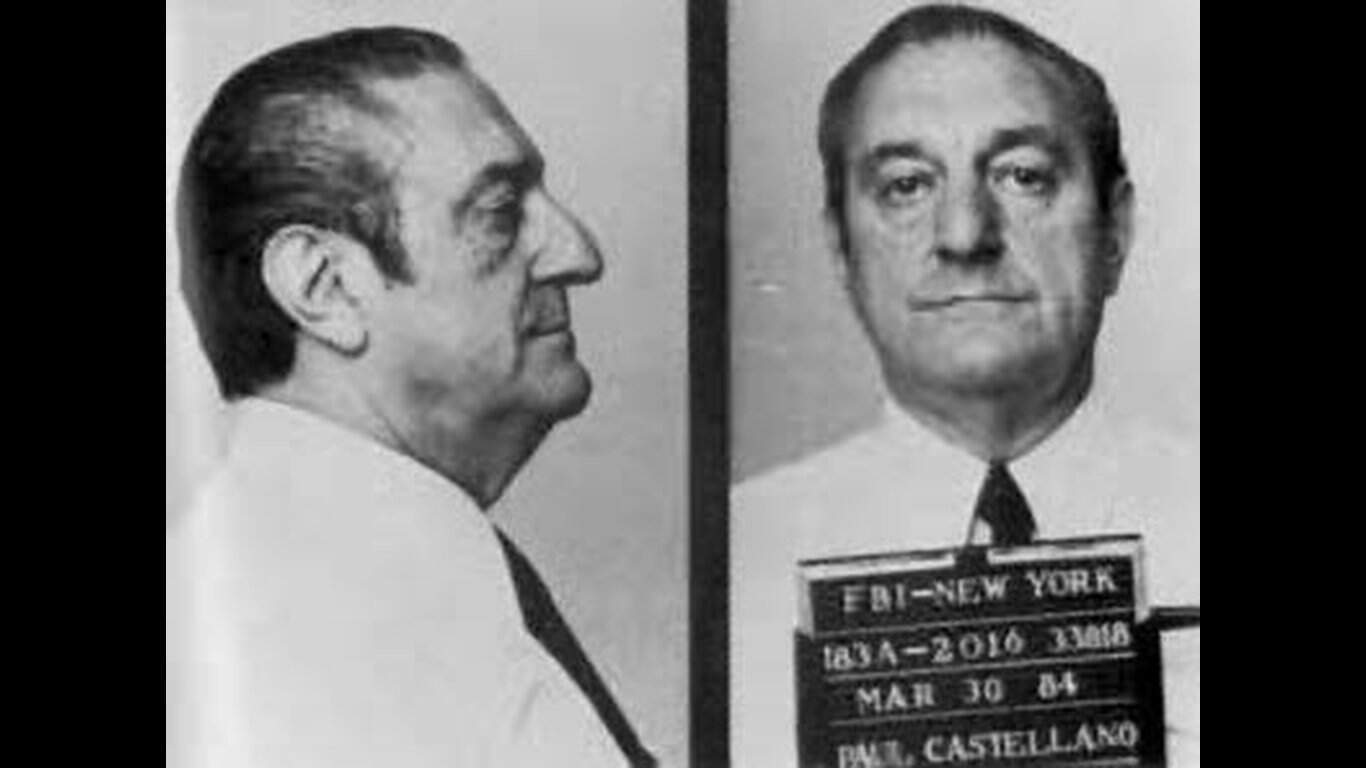
Paul Castellano
Paul Castellano led the Gambino crime family like a businessman, keeping himself above the street-level image of many earlier mob bosses. He preferred legitimate-looking fronts, white-collar schemes, and quiet control over the flashier violence associated with the Mafia. His approach made the family rich, but it also made him look distant and weak to younger members who wanted more direct action and more money.
The resentment eventually caught up with him. On December 16, 1985, Castellano arrived for a meeting at Sparks Steak House in Midtown Manhattan with his underboss, Thomas Bilotti. Before they could make it inside, gunmen shot both men on the sidewalk. John Gotti, who helped organize the killing, watched from a car nearby. Castellano was already facing federal charges, but he never made it to trial. His time at the top ended in one of the most brazen mob hits New York had ever seen.
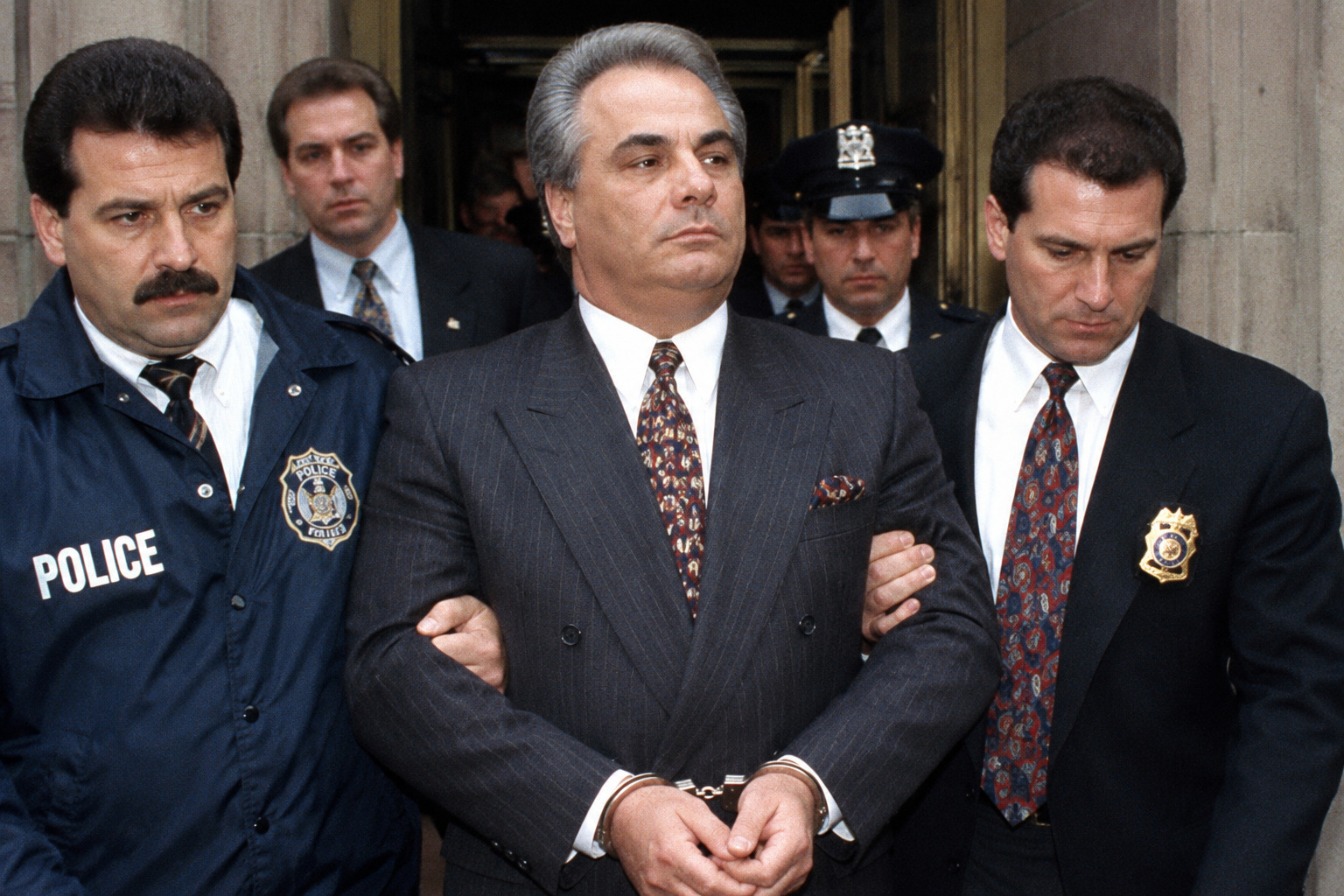
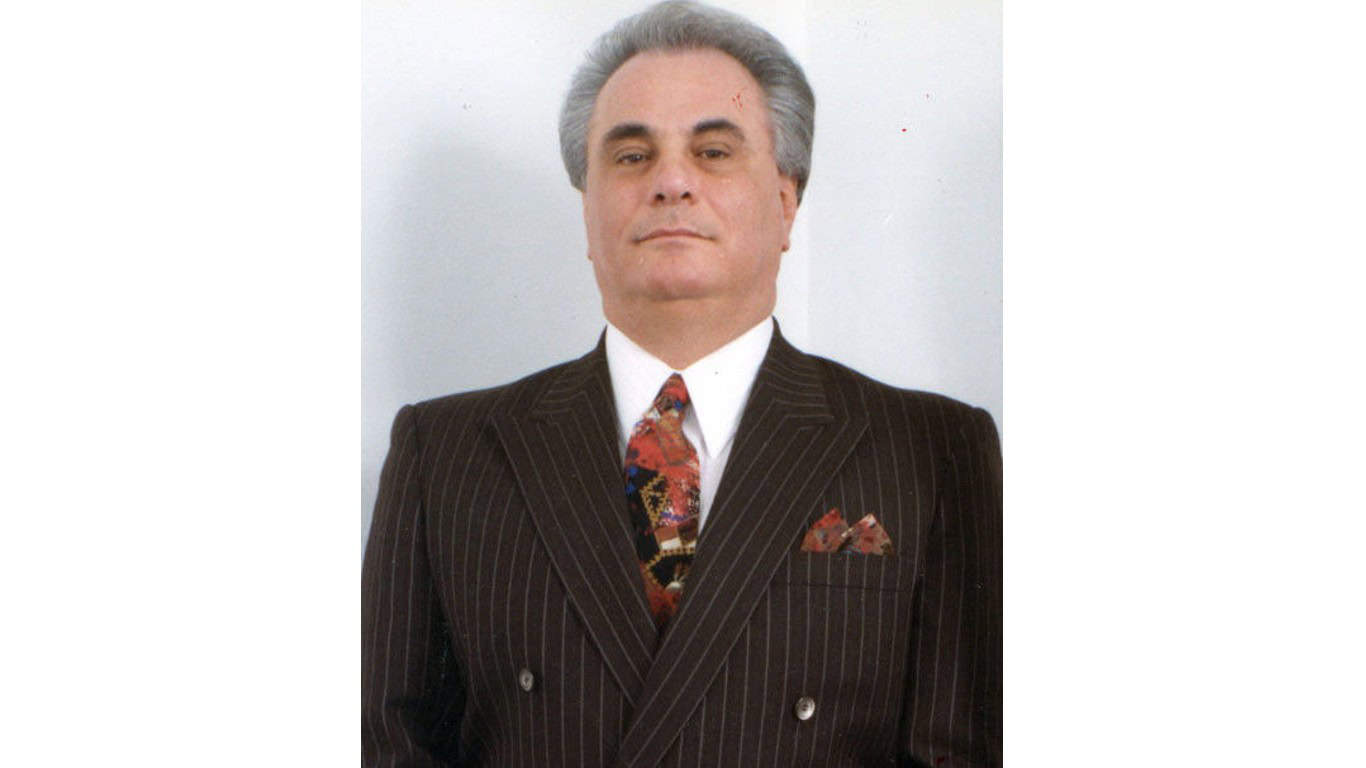
John Gotti
For years, John Gotti seemed to understand fame better than any mob boss before him. He dressed sharply, smiled for cameras, and became a tabloid fixture while repeatedly beating criminal cases in court. After three acquittals, he earned the nickname the Teflon Don because charges never seemed to stick. To the public, he looked untouchable. To law enforcement, he became the target they were determined to finally convict.
The case that ended him came in 1992. This time, prosecutors had help from his underboss, Salvatore Sammy the Bull Gravano, who turned government witness and testified in devastating detail. Gotti was convicted on all charges and sentenced to life in prison. He died behind bars in 2002. The same public image that helped make him famous also made him impossible for the government to ignore.
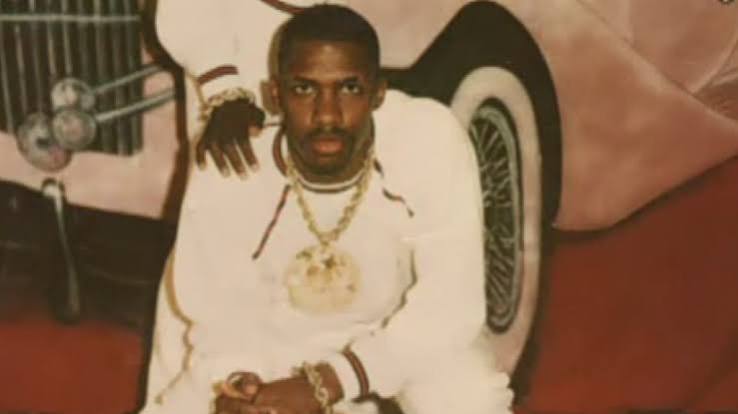
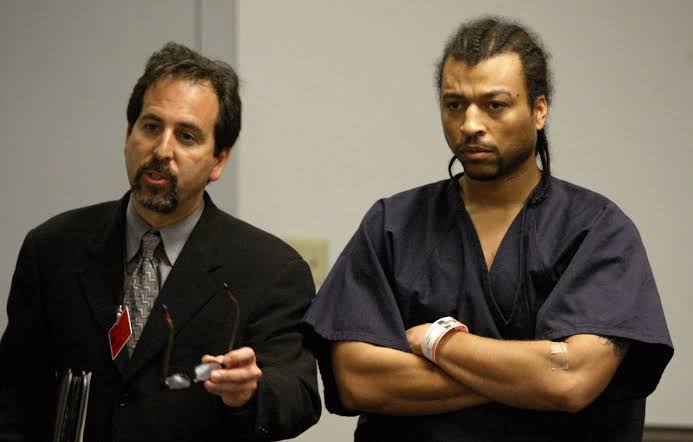
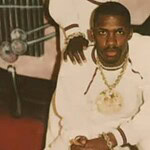
Rayful Edmond III
Rayful Edmond III rose with stunning speed in Washington, D.C., becoming one of the city’s most notorious drug traffickers while still in his early 20s. In the 1980s, his organization helped flood the city with crack cocaine, and federal officials later described him as one of the most significant drug figures in D.C. history. At his peak, Edmond was tied to Colombian suppliers and enormous amounts of money and cocaine.
His fall came nearly as fast as his rise. Edmond was arrested at 24 after a federal investigation and convicted in 1990, receiving a life sentence without parole. He later cooperated with authorities, a decision that carried its own consequences inside prison and within the world he once controlled. His story became a stark example of how quickly a young kingpin could go from running a citywide operation to spending his life behind bars.
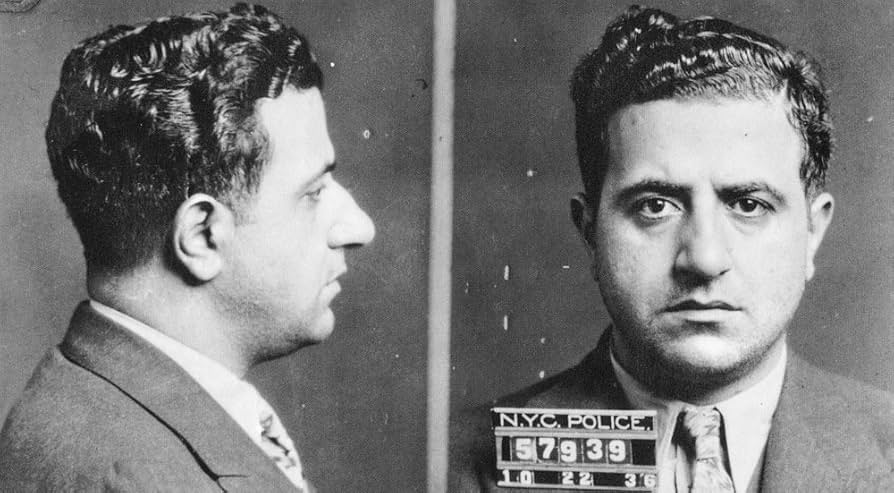
Albert Anastasia
Albert Anastasia had one of the most violent reputations in organized crime. He helped lead Murder, Inc., the enforcement arm of the national crime syndicate, and later took control of the family that became known as the Gambino crime family. His willingness to use violence earned him the nickname Lord High Executioner, and the FBI linked his organization to hundreds of killings during the 1930s and 1940s.
His own ending was just as brutal. On October 25, 1957, Anastasia was sitting in a barber’s chair at the Park Sheraton Hotel in Midtown Manhattan when two gunmen entered with their faces partially covered. They opened fire, killing Anastasia as he tried to escape the chair. No one was ever convicted for the murder. After years of inspiring fear, his reign ended in minutes, in the middle of a shave.
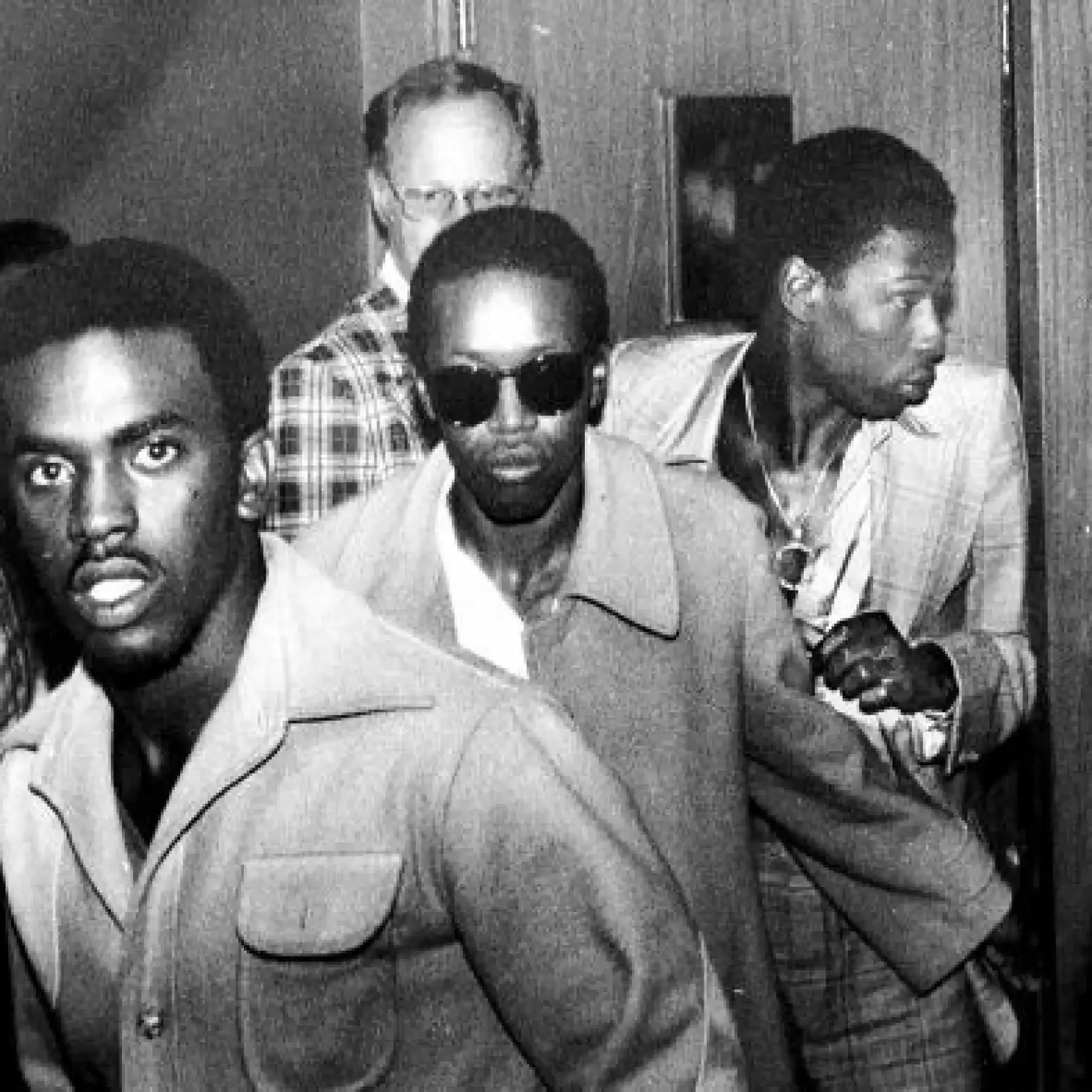
Felix Mitchell
Felix Mitchell controlled a major heroin operation in Oakland through the 1970s and early 1980s, building an organization law enforcement analysts compared to a corporation. Known locally as Felix the Cat, he reportedly earned enormous sums each week and used a structured network of dealers, managers, and enforcers to control territory. In parts of Oakland, his influence was impossible to ignore.
In 1985, Mitchell was convicted on federal drug charges and sentenced to life without parole. Less than a year later, in August 1986, he was stabbed to death in prison by another inmate. His funeral drew thousands of people in Oakland, including a procession with a horse-drawn carriage. Mitchell’s death became a symbol of both his local notoriety and the sudden end of the organization he had built.
Demetrius Big Meech Flenory
Demetrius Big Meech Flenory and his brother Terry built the Black Mafia Family from Detroit roots into a massive cocaine trafficking network that operated in cities across the country. By the early 2000s, BMF was known not only for drugs, but also for its flashy public image. Big Meech embraced hip-hop culture, parties, jewelry, and BMF Entertainment, giving the organization a semi-legitimate front and a level of visibility most criminal groups tried to avoid.
That visibility did not protect him. In 2005, federal authorities moved in with coordinated raids that helped break up the organization, with dozens of arrests followed by more than 150 people eventually charged. Big Meech received a 30-year federal sentence in 2008. The takedown looked sudden from the outside, but investigators had been working inside and around BMF for years. One morning of raids ended the public reign of one of the most flamboyant criminal organizations in modern America.