IMDB

Courtesy of Twentieth Century Fox

Courtesy of Paramount Pictures

Courtesy of The Weinstein Company

Courtesy of Warner Bros.

Courtesy of The Weinstein Company

Courtesy of Universal Pictures

Courtesy of Universal Pictures

Courtesy of Buena Vista Pictures Distribution

Courtesy of Warner Bros.
Courtesy of Buena Vista Pictures Distribution

Courtesy of United Artists

Courtesy of Miramax

Courtesy of Orion Pictures

Courtesy of Paramount Pictures

Courtesy of Columbia Pictures

Courtesy of New Line Cinema

Michael Kovac / Getty Images

Courtesy of Universal Pictures

Courtesy of TriStar Pictures

Courtesy of Buena Vista Pictures Distribution






20 of the Most Sinister Characters in Movie History
A great movie villain does not have to be the loudest person in the room. Sometimes it is the smug prison guard abusing a little authority, the smiling opportunist who will betray anyone for his own benefit, or the perfectly calm psychopath who makes everyone around him uneasy. The best of them get under your skin because the actor makes every cruel, selfish, manipulative, or downright terrifying trait feel believable. From Disney villains and corrupt authority figures to killers, tyrants, and a few characters who are simply spectacularly awful people, these are 20 movie characters audiences have found especially easy to root against.
Darth Vader
David Prowse performed Darth Vader physically in the original Star Wars films, while James Earl Jones supplied the unmistakable voice. When audiences first met Vader in Star Wars: Episode IV - A New Hope (1977), they knew little about the man behind the mask. What they saw was the Empire's terrifying enforcer, choking officers who disappointed him, hunting the Rebel Alliance, and showing almost no visible emotion while doing it. Later films gave Vader a much more complicated history, but his first impression remains one of the great villain entrances in movie history.
Guy Woodhouse
John Cassavetes plays Guy Woodhouse in Rosemary's Baby (1968), and his betrayal is what makes him so difficult to stomach. Guy begins as Rosemary's ambitious actor husband, but his career starts taking off after the couple becomes close with their strange new neighbors. Rosemary eventually realizes that Guy has knowingly helped a Satanic coven use her pregnancy for its own purposes. Selling out your spouse for professional success is already a low bar. Guy somehow finds a way underneath it.
Hans Landa
Christoph Waltz won an Academy Award for playing SS officer Hans Landa in Quentin Tarantino's Inglourious Basterds (2009). Nicknamed the "Jew Hunter," Landa tracks down Jewish people hiding in Nazi-occupied France and approaches the work with an unnerving combination of intelligence, politeness, and complete lack of conscience. What makes him especially chilling is how little ideology seems to matter compared with his own survival and advancement. He is charming when it helps him, ruthless when it helps him, and loyal only to himself.
Percy Wetmore
The Green Mile (1999) gives viewers more than one character to despise, but Percy Wetmore is in a class of his own. Played by Doug Hutchison, Percy is a prison guard who enjoys the authority his job gives him while having very little courage when someone finally pushes back. His family connections protect him, and he uses that security to bully prisoners and antagonize the guards around him. There are plenty of bigger villains in movies, but few things are more irritating than a coward who knows he can get away with being cruel.
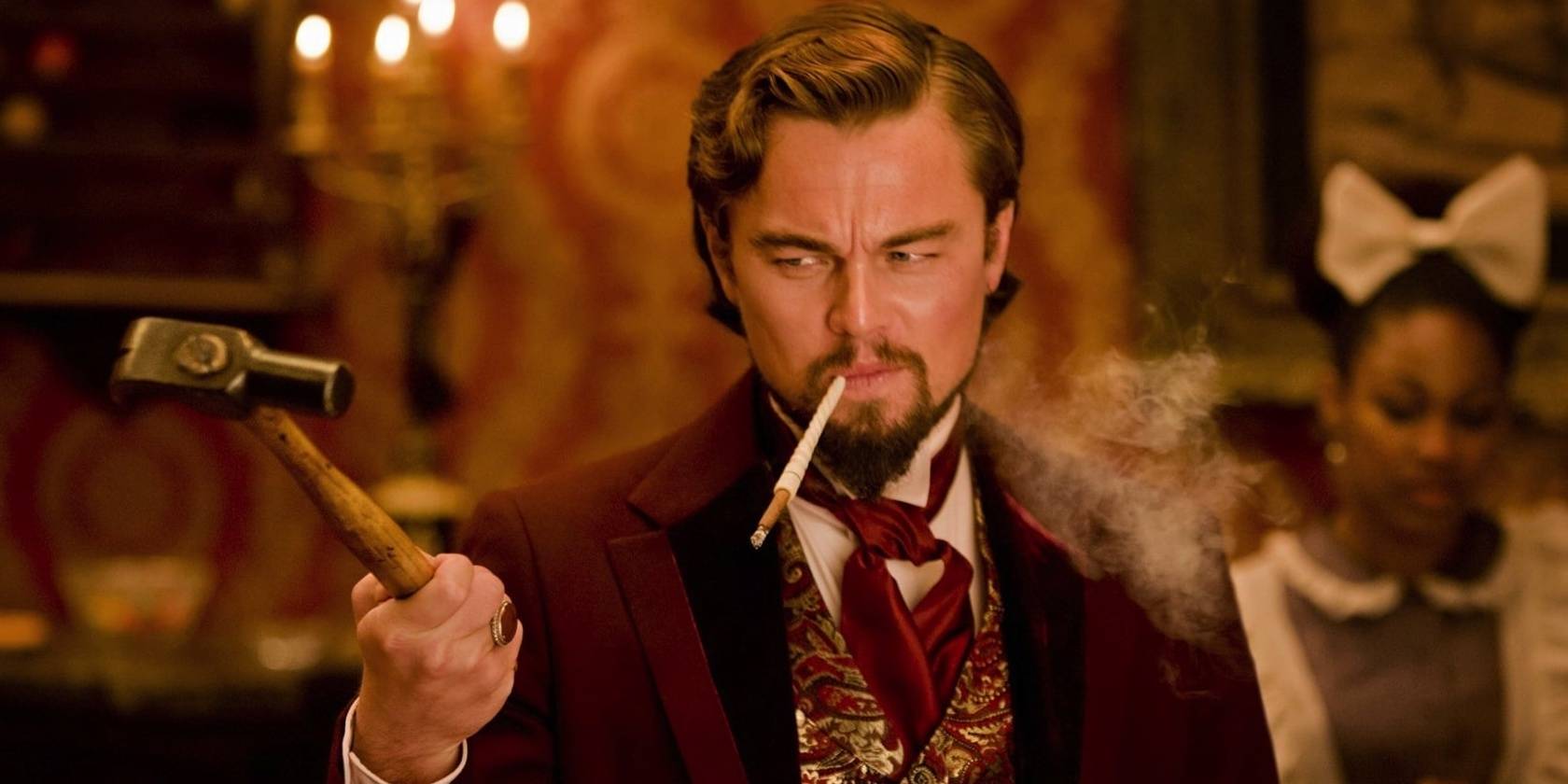
Calvin Candie
Leonardo DiCaprio plays plantation owner Calvin Candie in Django Unchained (2012). Candie thinks of himself as a refined Southern gentleman, a description nobody watching the movie is likely to accept. He enslaves people, treats them as property, and stages brutal fights between enslaved men for entertainment. His charm and elaborate manners only make the cruelty underneath them more disturbing. Candie is not misunderstood, conflicted, or secretly decent. Tarantino does not leave much room for ambiguity here.
Tony Montana
Al Pacino turned Tony Montana into a pop-culture icon in Scarface (1983), although the number of posters bearing his face sometimes obscures a fairly important point: Tony is not exactly someone the movie presents as a model for healthy decision-making. He rises from a Cuban immigrant with little money to a powerful Miami drug lord through violence, ambition, and an almost limitless appetite for more. Tony does have lines he refuses to cross, but his paranoia, brutality, and self-destruction eventually consume nearly everything around him.
Max Cady
Robert De Niro's Max Cady in Cape Fear (1991) is frightening because almost everything he does is deliberate. After serving a prison sentence for rape, Cady becomes obsessed with attorney Sam Bowden, whom he blames for his conviction. He spends years educating himself in prison and emerges prepared to terrorize Bowden and his family. Cady is intelligent, patient, violent, and absolutely committed to revenge, which makes him considerably more frightening than a villain simply acting on impulse.
Scar
Jeremy Irons gives Scar one of Disney's great villain voices in The Lion King (1994). Scar resents his brother Mufasa and covets the throne, but rather than challenge him directly, he does what Scar does best: schemes. He manipulates Simba, conspires with the hyenas, and arranges Mufasa's death before convincing Simba that the tragedy was his fault. Scar may not be the strongest lion in the Pride Lands, but he is patient, intelligent, and very good at getting other people to do his dirty work.
Alex DeLarge
Malcolm McDowell gives Alex DeLarge an unsettling amount of charm in Stanley Kubrick's A Clockwork Orange (1971). Alex is intelligent, charismatic, obsessed with Beethoven, and capable of horrific violence without much concern for the people he hurts. The film later places him through an equally disturbing attempt at forced behavioral conditioning, complicating the audience's relationship with him without erasing what he has done. Alex is fascinating to watch. Liking him is another matter entirely.
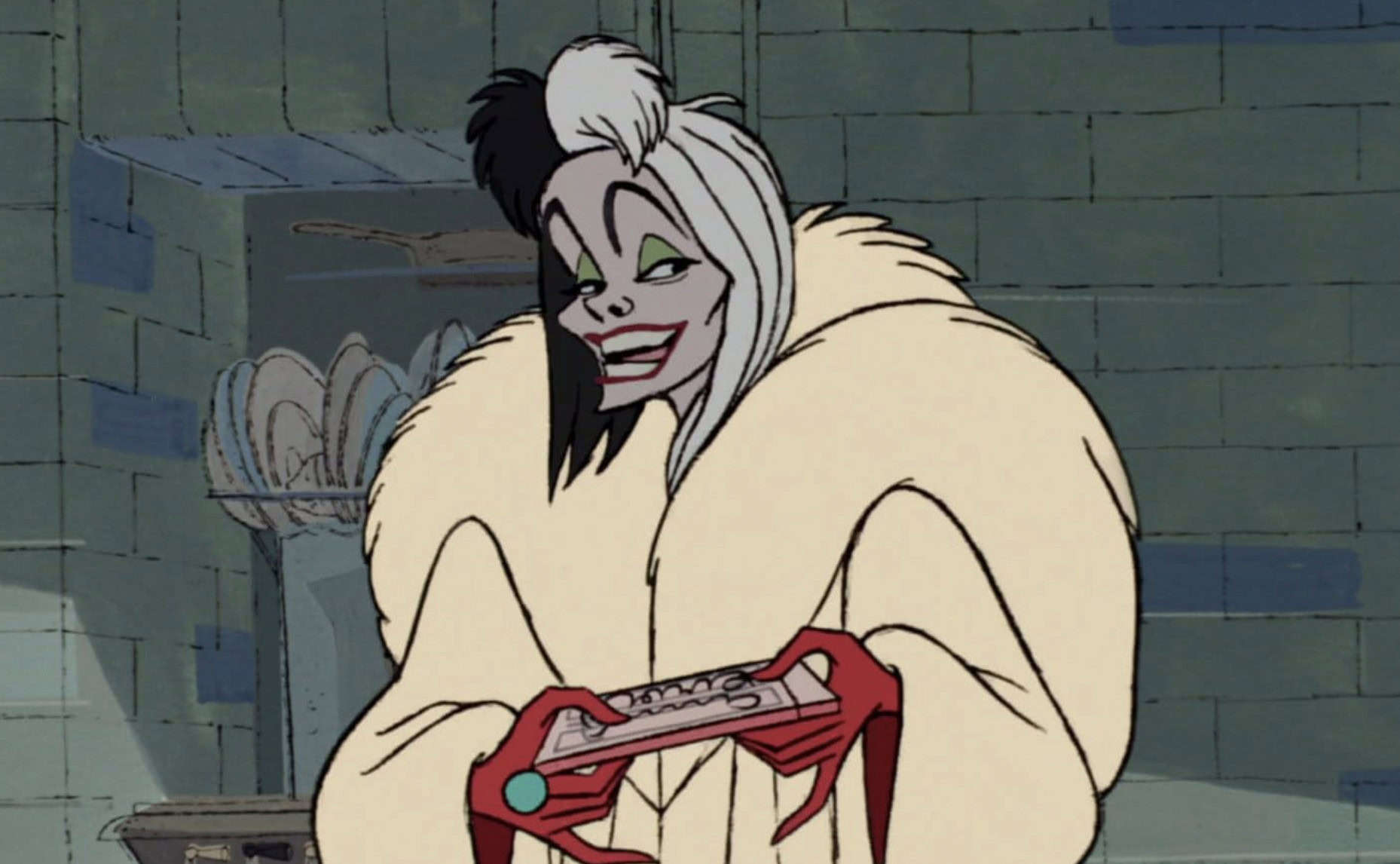
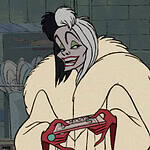
Cruella de Vil
There are complicated villains, and then there is a woman who wants to turn puppies into a coat. Glenn Close plays Cruella de Vil in Disney's live-action 101 Dalmatians (1996), throwing herself completely into the character's enormous personality, obsession with fur, and total absence of restraint. Cruella is selfish, theatrical, ruthless, and increasingly unhinged as her plans fall apart. Whatever sympathy the average movie villain might earn, targeting a house full of Dalmatian puppies pretty much takes it off the table.
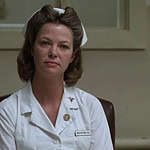
Nurse Ratched
Louise Fletcher's Nurse Ratched in One Flew Over the Cuckoo's Nest (1975) rarely needs to raise her voice. That is part of what makes her so effective. She controls the psychiatric ward through rules, humiliation, intimidation, and the power of the institution behind her, treating resistance as something to be crushed rather than understood. Her calm demeanor makes the cruelty worse because almost everything she does appears measured and deliberate. Fletcher's performance was so effective that Nurse Ratched became shorthand for cold, authoritarian control.
Anton Chigurh
Javier Bardem plays Anton Chigurh, the relentless antagonist of No Country for Old Men (2007). Chigurh kills with an eerie calm and follows a personal code that seems perfectly logical to him even when it makes little sense to anyone else. At times, he leaves life-or-death decisions to the flip of a coin, as though chance somehow removes his responsibility for the outcome. The film explains very little about who he is or where he came from. It does not need to. Bardem makes him terrifying almost immediately.
Hannibal Lecter
Anthony Hopkins needed surprisingly little screen time to make Hannibal Lecter one of cinema's most memorable villains in The Silence of the Lambs (1991). Lecter is a brilliant psychiatrist, serial killer, and cannibal being held at the Baltimore State Hospital for the Criminally Insane when FBI trainee Clarice Starling seeks his help. He is frightening not because he behaves wildly, but because he is almost always composed. Lecter studies people, identifies their weaknesses, and seems to enjoy proving that a locked cell does not prevent him from getting inside someone's head.
Alex Forrest
Glenn Close plays Alex Forrest in Fatal Attraction (1987), and what begins as an affair quickly turns into an increasingly frightening obsession. After married attorney Dan Gallagher tries to end their relationship, Alex refuses to disappear quietly from his life. Her behavior escalates from persistent contact and manipulation to stalking, threats, and violence against Dan and his family. Close gives the character enough vulnerability to keep her from becoming a simple caricature, but by the time the situation spirals out of control, Alex has become genuinely terrifying.
John Kreese
Martin Kove's John Kreese is the adult in The Karate Kid (1984) who somehow manages to behave worse than the teenagers. As the sensei of Cobra Kai, Kreese teaches his students that mercy is weakness and winning matters more than sportsmanship, restraint, or basic decency. At the All Valley tournament, he orders Johnny Lawrence to target Daniel LaRusso's injured leg and famously tells another student to "sweep the leg." Nothing says responsible youth mentorship quite like encouraging teenagers to deliberately injure each other.
Cameron Alexander
Stacy Keach plays Cameron Alexander in American History X (1998), a white supremacist leader who understands exactly how to recruit angry and vulnerable young men into his movement. He gives their frustration a target, feeds them racist propaganda, and then benefits from the loyalty and violence that follow. Alexander is particularly disturbing because he often operates from the background, influencing other people to carry his hatred into the world for him.
Moody Mahmoody
Alfred Molina plays Moody Mahmoody in Not Without My Daughter (1991), which was adapted from Betty Mahmoody's memoir about her experiences in Iran. In the film, Moody initially appears to be a loving husband and father before taking Betty, played by Sally Field, and their daughter to Iran for what she believes will be a short visit. Once there, he refuses to allow them to return to the United States and becomes controlling and abusive. Much of the film follows Betty's efforts to escape Iran with her daughter, turning Moody from a trusted spouse into the person standing between them and freedom.
Amon Goeth
Ralph Fiennes plays Amon Göth in Schindler's List (1993), and the character is all the more disturbing because he was based on a real Nazi officer. Göth served as commandant of the Kraków-Płaszów concentration camp in occupied Poland and became notorious for his brutality toward Jewish prisoners. The film depicts him casually shooting prisoners from the balcony of his villa and exercising lethal power with almost no regard for human life. Fiennes avoids turning him into a theatrical monster. His cruelty often appears frighteningly ordinary, which makes the performance harder to shake.
Miss Agatha Trunchbull
Pam Ferris plays Miss Agatha Trunchbull in Matilda (1996), based on Roald Dahl's children's novel. Calling Trunchbull a strict school principal would be putting it very mildly. She terrorizes the students, hurls children around when they annoy her, and sends misbehaving pupils to "The Chokey," a cramped punishment cupboard lined with nails. Ferris plays the role so broadly that Trunchbull is often funny, but imagine actually attending her school for five minutes and the humor disappears pretty quickly.
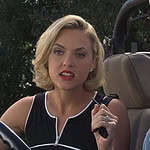
Meredith Blake
Elaine Hendrix plays Meredith Blake in The Parent Trap (1998), and compared with the murderers and monsters elsewhere on this list, her crimes are obviously on a much smaller scale. That does not make her particularly pleasant. Meredith plans to marry wealthy vineyard owner Nick Parker and makes it abundantly clear that his daughters do not fit into the future she has imagined. She is vain, manipulative, dismissive of the girls, and so transparently interested in Nick's lifestyle that Hallie and Annie barely need a reason to start plotting against her.