DC / IMDB

Courtesy of Universal Pictures
Courtesy of Warner Bros.
Courtesy of Paramount Pictures

Courtesy of Metro-Goldwyn-Mayer
Courtesy of DC Comics
marvelousRoland / BY-SA 2.0

Courtesy of Twentieth Century Fox
Phim Ảnh / BY-SA 2.0

Courtesy of Paramount Pictures
Courtesy of Twentieth Century Fox

Courtesy of Walt Disney Studios Motion Pictures
AntMan3001 / BY-SA 2.0
Courtesy of Walt Disney Studios Motion Pictures
Wikimedia Commons

Reddit Gaming
Lindsay_Silveira / BY-ND 2.0
Courtesy of Warner Bros.
kevinmcclemens / BY-ND 2.0
Courtesy of Marvel
Courtesy of Paramount Pictures











20 Movie Villains Audiences Secretly Rooted For
Every great story needs a villain—someone to boo, fear, and ultimately hope gets what’s coming to them. But every so often, a bad guy comes along who flips that script. Maybe they’re brilliantly written, wildly entertaining, or just twisted enough to be impossible to ignore. Sometimes their backstory hits a nerve. Sometimes their motives almost make sense. And sometimes, they’re simply having more fun than everyone else on screen—and we can’t help but enjoy the ride.
Whatever the reason, most of us have rooted for the villain at least once in a movie theater. These 20 characters were meant to be defeated, but plenty of viewers left the theater hoping they’d escape, survive, or at least stick around for one more scene.
Tony Montana, Scarface
Tony Montana is an underdog. He comes to Miami with nothing and claws his way to the top of a cocaine empire, stepping on everyone who gets in his way in the process. The movie is as much about his downfall as it is about his rise, and by the time he’s screaming from behind a mountain of illegal drugs, most viewers can already guess where things are going.
Despite being the protagonist, he’s obviously the bad guy. But that doesn’t stop “Scarface” posters from showing up in dorm rooms and t-shirts from being proudly worn in public. Al Pacino contributed a great deal to the character’s legendary status, playing him like a man who wanted everything and refused to apologize for it.
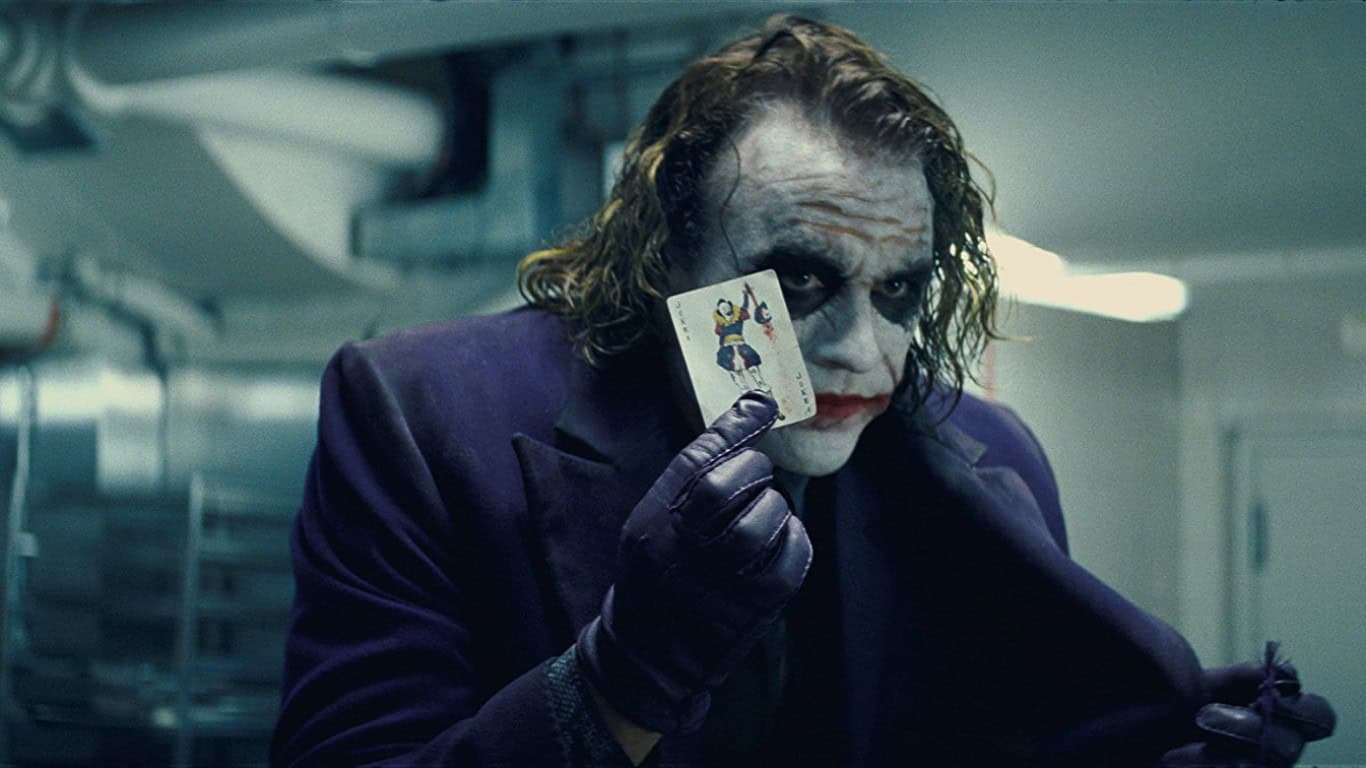
Heath Ledger's Joker, The Dark Knight
The Joker in "The Dark Knight" has no real backstory. No clear motive beyond chaos, and yet Heath Ledger's performance turned him into the character that people rewatch the movie for. One of the most interesting aspects of how the character is portrayed is how he provides different traumatic backstories as the movie develops, each contradicting the other. You think you've got him figured out, only to realise that you'll never really know what the actual story is.
Heath Ledger's Joker is terrifying, but he's also magnetic, delivering lines that became instantly quotable and stealing the show from Batman himself. Ledger's death shortly before the film's release only deepened the sense that audiences were watching something they'd never see repeated.
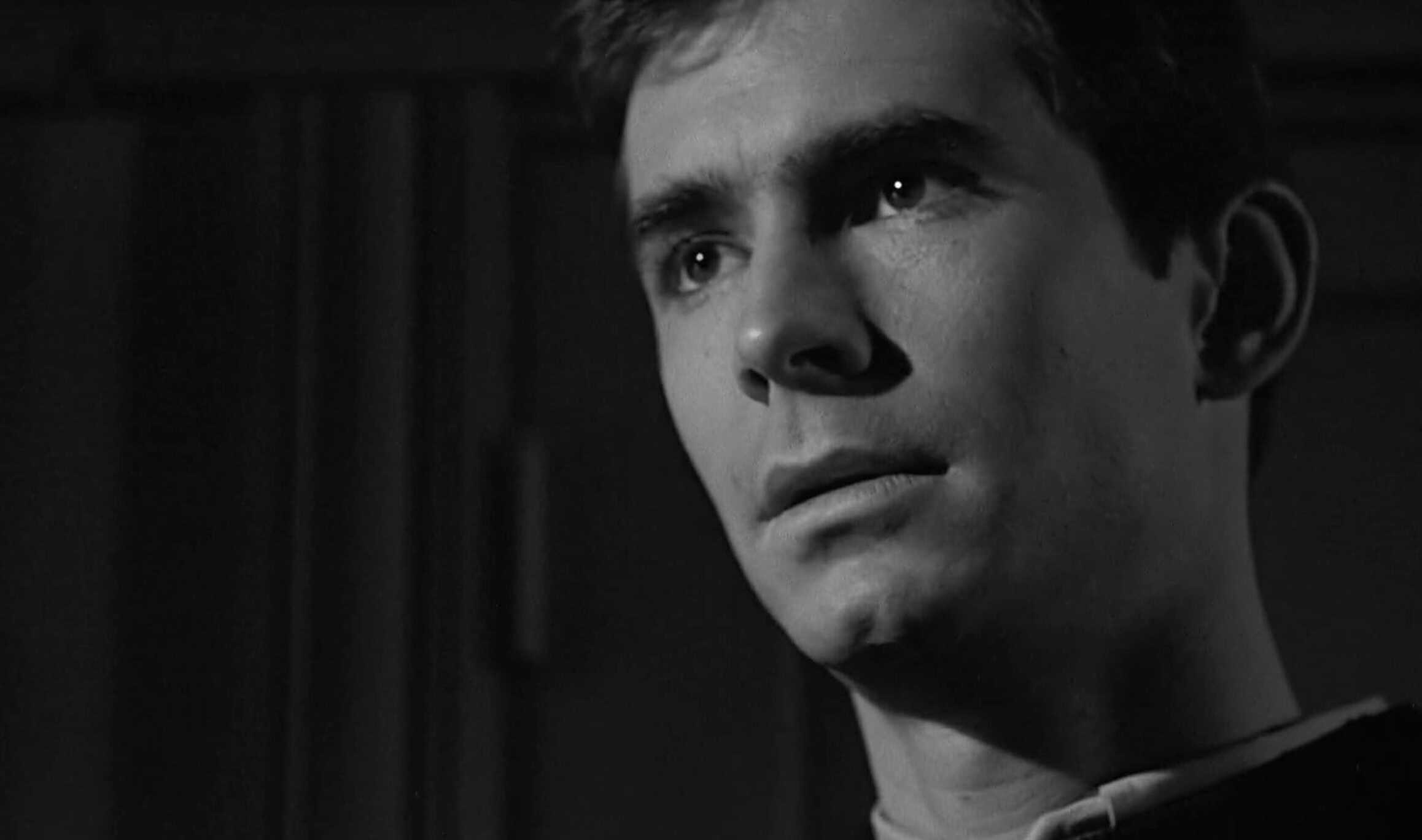
Norman Bates, Psycho
In this classic, Norman runs a roadside motel. He keeps to himself and seems like another awkward guy who doesn’t know how to be around others. That is one of the reasons Anthony Perkins' acting is so effective. He's uncomfortable. He’s polite and just a tiny bit depressed. Alfred Hitchcock spent the first half of "Psycho" making audiences like him just to pull the rug from underneath them in a twist that reframed everything they'd just watched. Even after the reveal, there's something about Norman's loneliness that makes him feel less like a monster and more like a man who is broken.
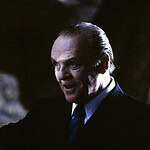
Hannibal Lecter, The Silence of the Lambs
Hannibal Lecter is a cannibalistic killer and by any reasonable measure, the most dangerous character in the movie. He's also usually the smartest person in the room. Anthony Hopkins received an Oscar nomination for his portrayal of Hannibal Lecter, and audiences came away rooting for Lecter to outwit everyone around him, hoping he would escape justice.
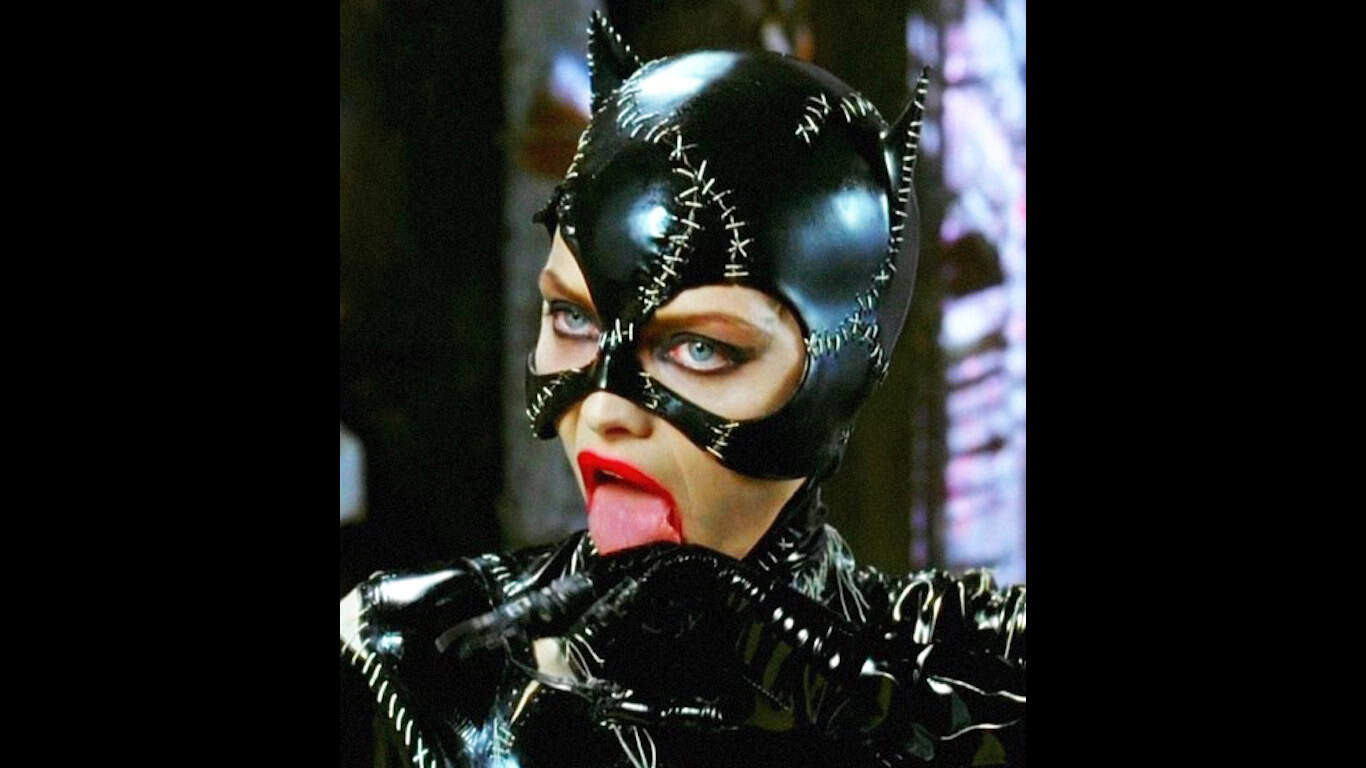
Catwoman, Batman Returns
Selina Kyle gets pushed out a window by her boss and returns as Catwoman, avenging herself and causing chaos along the way. Michelle Pfeiffer portrayed the character with a wounded fury that helped make her fight with Batman not an angelic battle between good and evil, but rather a contest between two broken characters who'd both had enough. She wasn't saving Gotham. She was getting some payback, and spectators did not mind that at all. The character itself wasn’t always loved in other movies, but here, you can’t help but root for her.
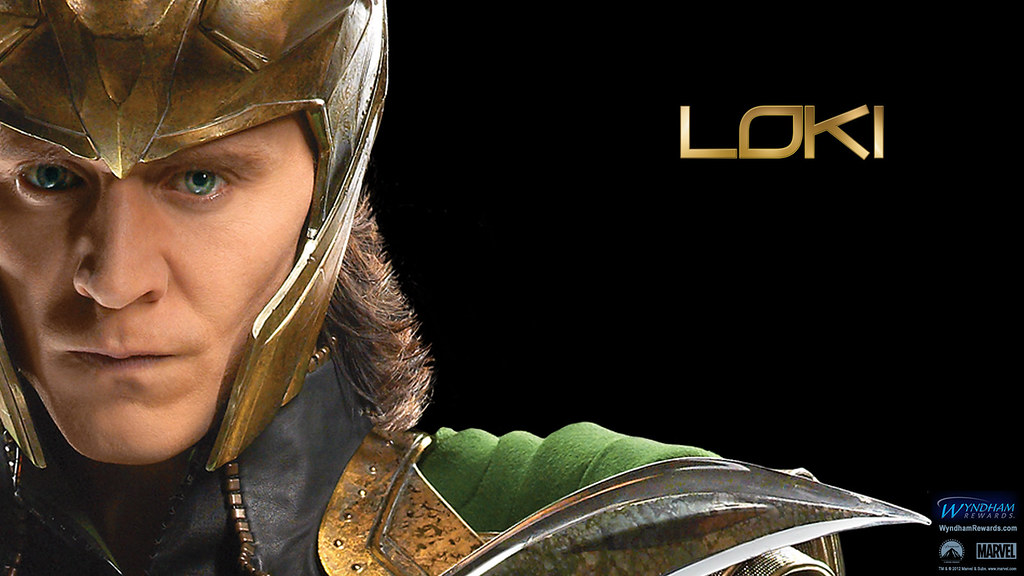
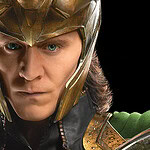
Loki, the Marvel Cinematic Universe
Loki has been the God of Mischief, a would-be conqueror, and eventually the star of his own Disney+ series. Audiences have followed him through all of it, and the connection grew deeper with each step. Tom Hiddleston portrayed Loki with enough charm and vulnerability that even his attempt to take over Earth in "The Avengers" made audiences sympathetic despite themselves. By the time Loki sacrifices himself for the people he once tried to rule, it felt less like a twist and more like the only natural outcome for what he had been building up to.
Hans Gruber, Die Hard
Hans Gruber walks into Nakatomi Plaza with a plan, a crew, and an unshakeable composure that make him one of the most quotable villains from the 80s. Alan Rickman played him as smart, dry, and almost amused by the chaos he was causing. His performance is outstanding. He is not a sympathetic character like many other examples here, but his sheer competence made viewers hope he'd pull off the heist before John McClane ruined his night.
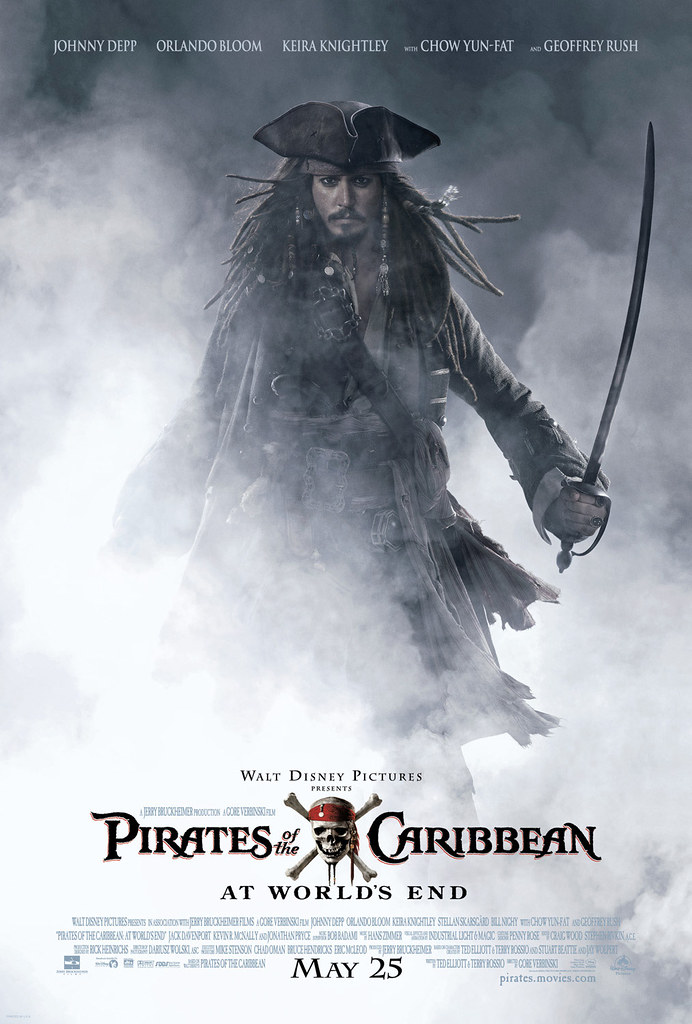
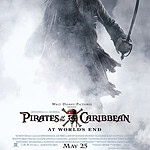
Captain Barbossa, Pirates of the Caribbean
Captain Barbossa spends the first "Pirates of the Caribbean" film as Jack Sparrow's cursed nemesis. But Geoffrey Rush's amazing performance instantly won the favor of fans. By the time the sequels came along, Barbossa had shifted from the villain to an uneasy ally. It felt less like a retcon and more like the franchise catching up to what audiences already wanted. They managed to do it in a graceful way too, giving him a backstory that resonated with audiences.
Michael Corleone, The Godfather
When the first “Godfather” movie starts, Michael Corleone wants out of the family business. By the time we get to the end, he’s running it. The audience spent three hours watching him become the very thing his dad warned him about. Another great performance by Al Pacino. Quiet, calculating. He made this character’s transformation feel less like the origin story of a villain and more like a tragedy. People don’t usually cheer for the murderers, but they cheered for Michael as he went down the path he swore to stay away from.
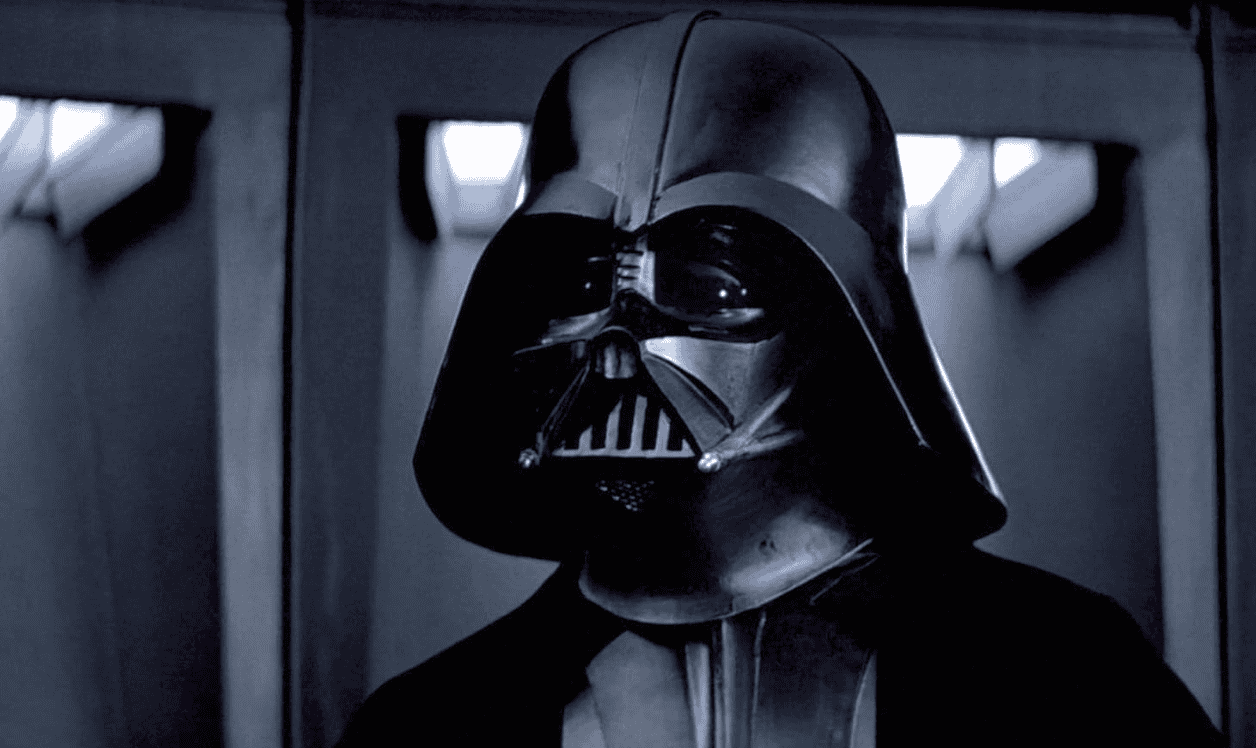
Darth Vader, Star Wars
Darth Vader spent the original "Star Wars" trilogy as the galaxy's most feared enforcer, choking subordinates nonchalantly and hunting down the rebellion with mechanical efficiency. People already loved him for his mysterious persona. But the face behind the mask was shown in "The Return of the Jedi" movie, and "Revenge of the Sith" later filled in how Anakin Skywalker got there. Audiences had decades to process that one of cinema's scariest villains was also one of its saddest stories. That’s why Vader remains the character most people picture when they think "epic movie villain."
Maleficent, Maleficent
Maleficent had been Disney's coldest villain for over 50 years. The new movie rewrote her entirely, revealing that her curse on Aurora came after a betrayal by the man who would become the king. Angelina Jolie portrayed the character with a wounded edge that turned the entire plot of "Sleeping Beauty" around.
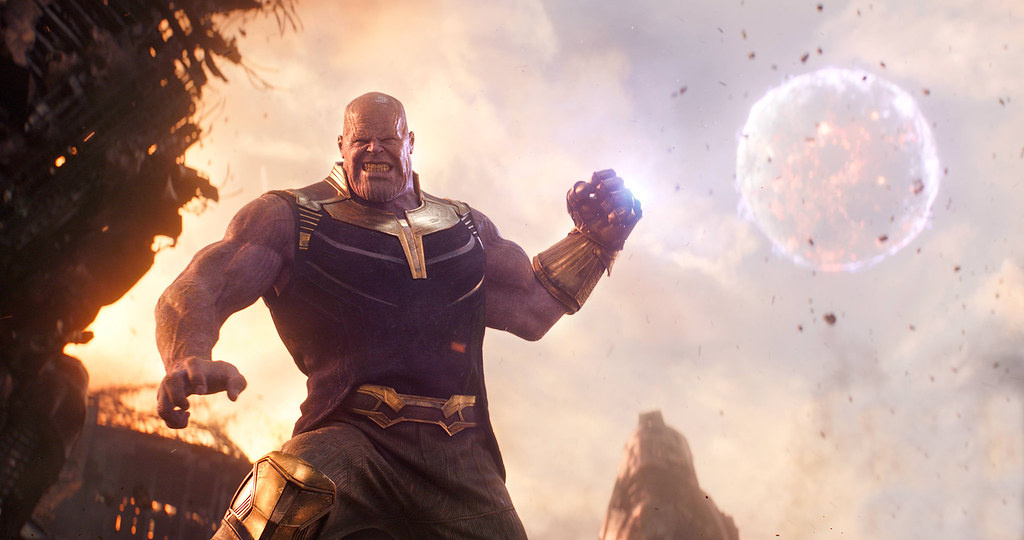
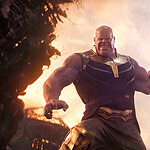
Thanos, Avengers: Infinity War
Thanos' motives are clear. He believes the universe is overpopulated and that wiping out half of all life is the only way to save it from itself. He's willing to sacrifice everything, including the only person he loves, to do it. As he said, he’s “the only one with the will to act on it.”
Audiences walked out of movie theaters half-convinced that he had a point, even while horrified by what he actually did. Few villains have managed to win an argument with so much of the audience while still losing every ounce of sympathy for their methods. Thanos is the kind of villain that does evil things because they’re necessary, not because they’re evil. At least that’s what he believes.
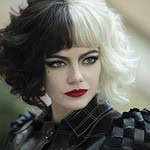
Cruella de Vil, Cruella
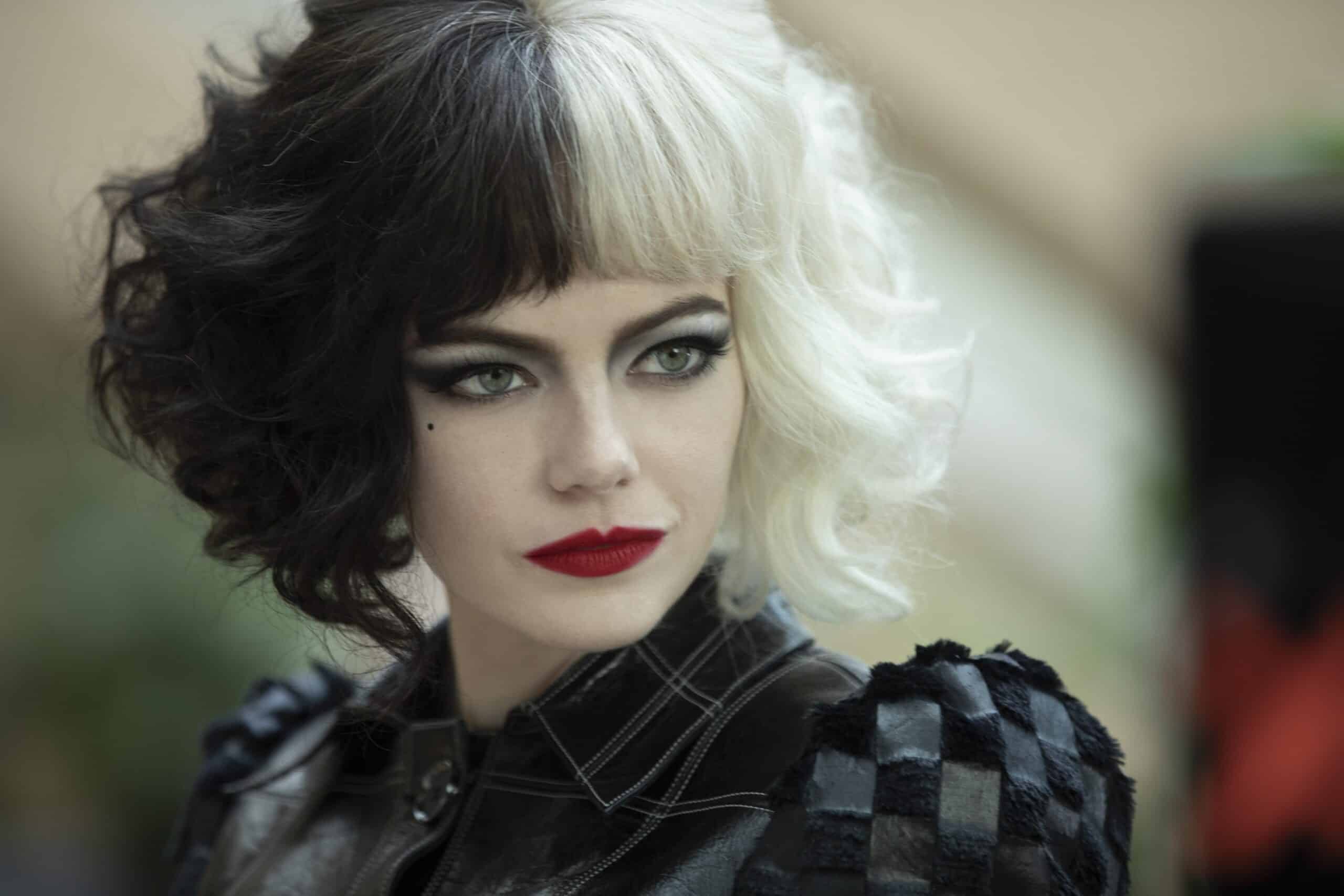
Cruella de Vil spent decades as the puppy-killing villain of "101 Dalmatians" before the "Cruella" spinoff gave her an origin story built around fashion and rebellion. Not to mention an awful mentor figure. In the film, Emma Stone portrayed a character clawing her way into an industry that wanted her gone. The film leaned heavily into style and attitude over menace. The dalmatians barely factor in, and that's sort of the point. Everyone left the theater liking Cruella more than they probably should.
Elphaba, Wicked
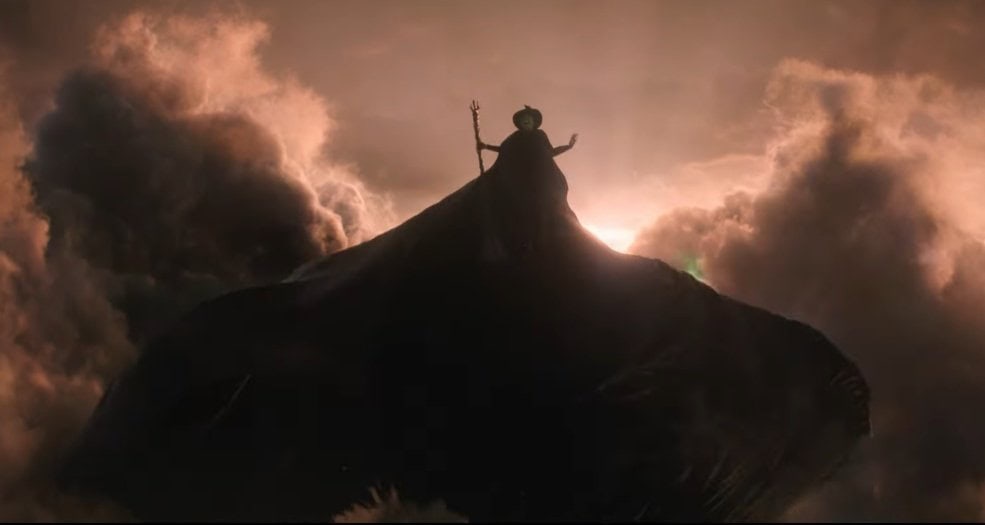
Elphaba was the Wicked Witch of the West in "The Wizard of Oz" for over 80 years before "Wicked" reframed her as a misunderstood young woman punished for being different in a society that needed someone to blame. Cynthia Erivo played her with a vulnerability that made "Defying Gravity" land as a moment of triumph rather than villainy.
Magneto, X-Men
Magneto's case against humanity in the "X-Men" films is built on a childhood spent in a concentration camp. That backstory does a lot of heavy lifting. It plays a part every time he squares off against Professor X. Ian McKellen (original trilogy) and Michael Fassbender (prequels) both portrayed Magneto as a man who truly believes he's protecting his people, even when his methods cross every line. The "Magneto was right" refrain from fans was enough that it had to be addressed in the films.
Amy Dunne, Gone Girl
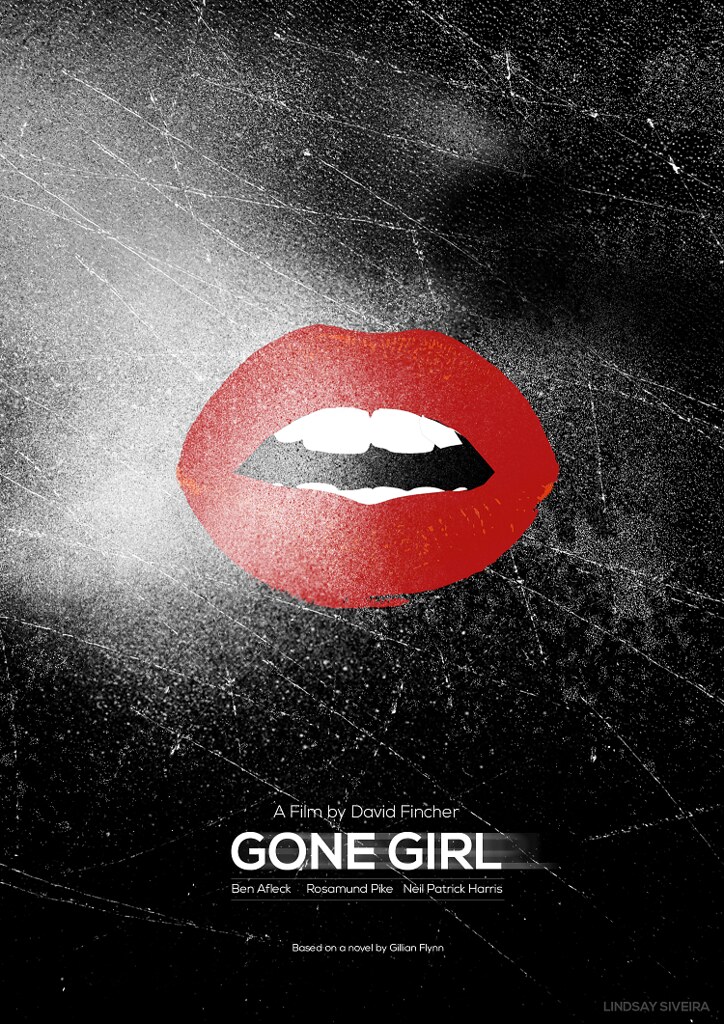
Amy Dunne fakes her own disappearance, frames her husband for murder, and manipulates nearly everyone she encounters in "Gone Girl," and Rosamund Pike played her with such icy precision that audiences couldn't help but be impressed. Her husband Nick isn't exactly sympathetic either. That fact made the film's central marriage feel less like a fight between good and evil and more like two deeply flawed people locked in combat. Plenty of viewers ended up rooting for Amy simply because she was better at the game.
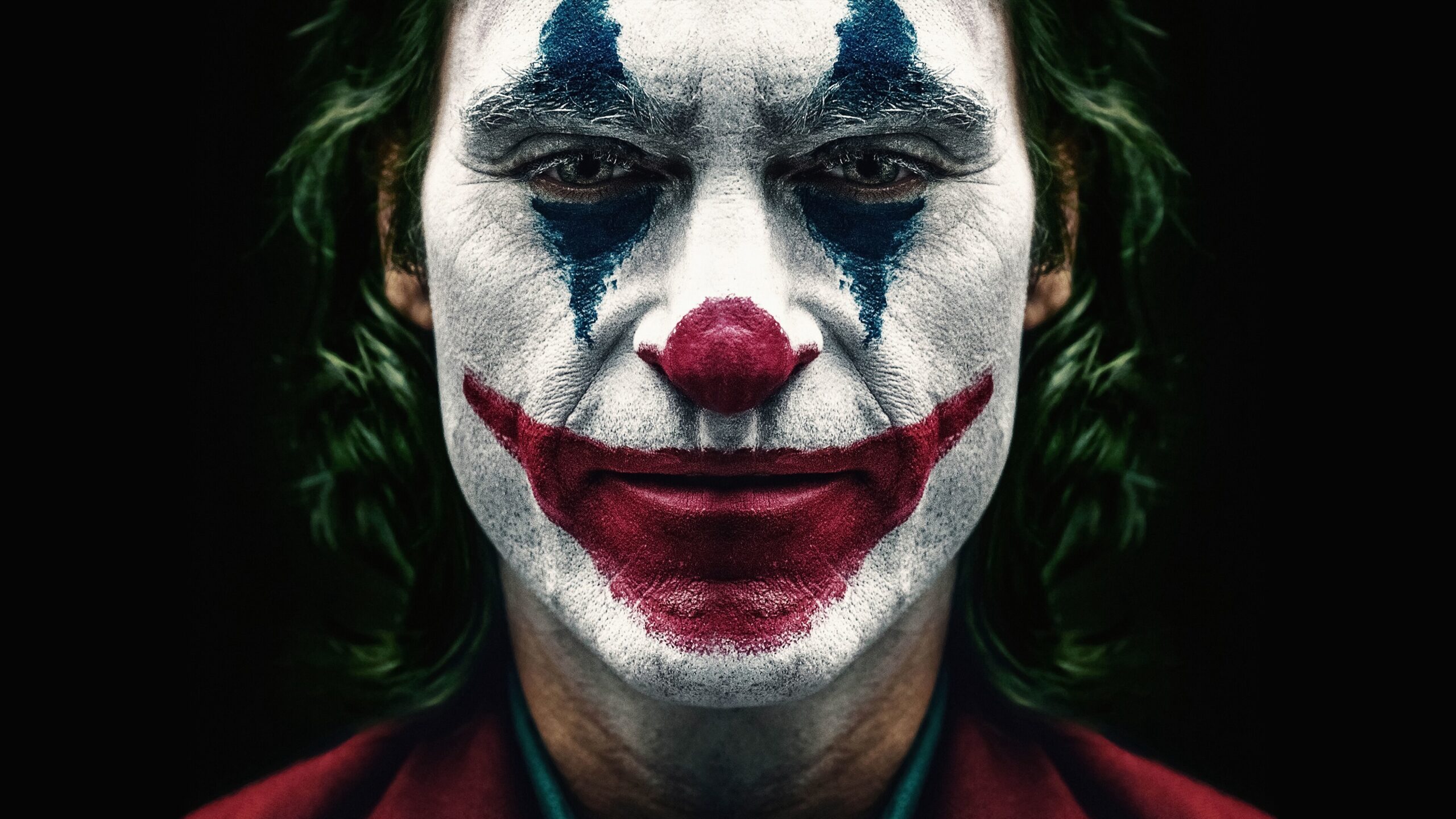
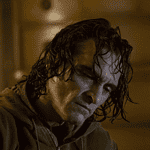
Joaquin Phoenix's Joker, Joker
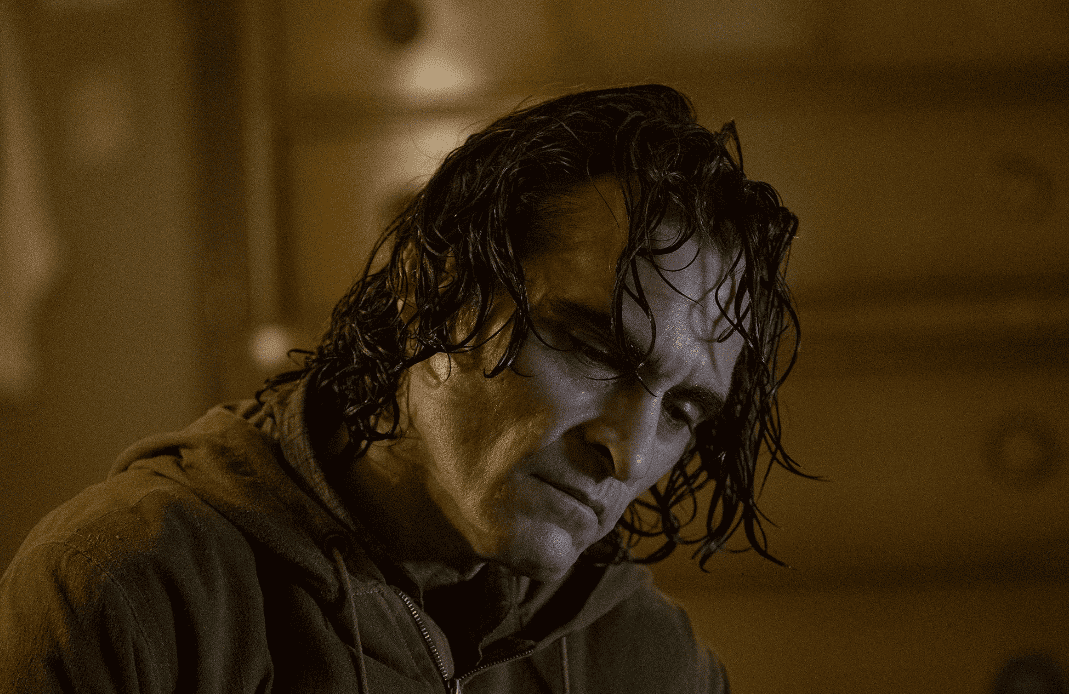
Arthur Fleck spends most of "Joker" being ignored or beaten down by a city that has no use for him. By the time he finally snapped, a surprising number of viewers found themselves on his side. Joaquin Phoenix won an Oscar for a performance that made Arthur's descent into madness feel less like a villain's origin story and more like a portrait of someone failed by everyone around him, especially by himself. The film split critics over whether that sympathy was the point or the problem, but audiences clearly felt it either way.
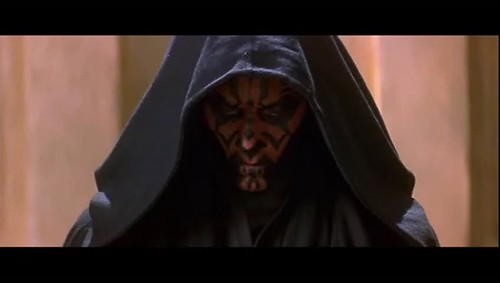
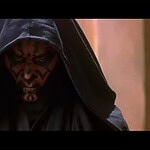
Darth Maul, Star Wars prequels
Darth Maul barely speaks in "The Phantom Menace," and he's defeated within a single movie, which is part of why fans spent years arguing he deserved more. The double-bladed lightsaber, the red and black face paint, and Ray Park's physical performance made Maul feel like a genuine threat in a prequel trilogy that didn't always deliver them. When animated shows later brought him back, audiences were thrilled, because plenty of people never felt like he got his due the first time around.
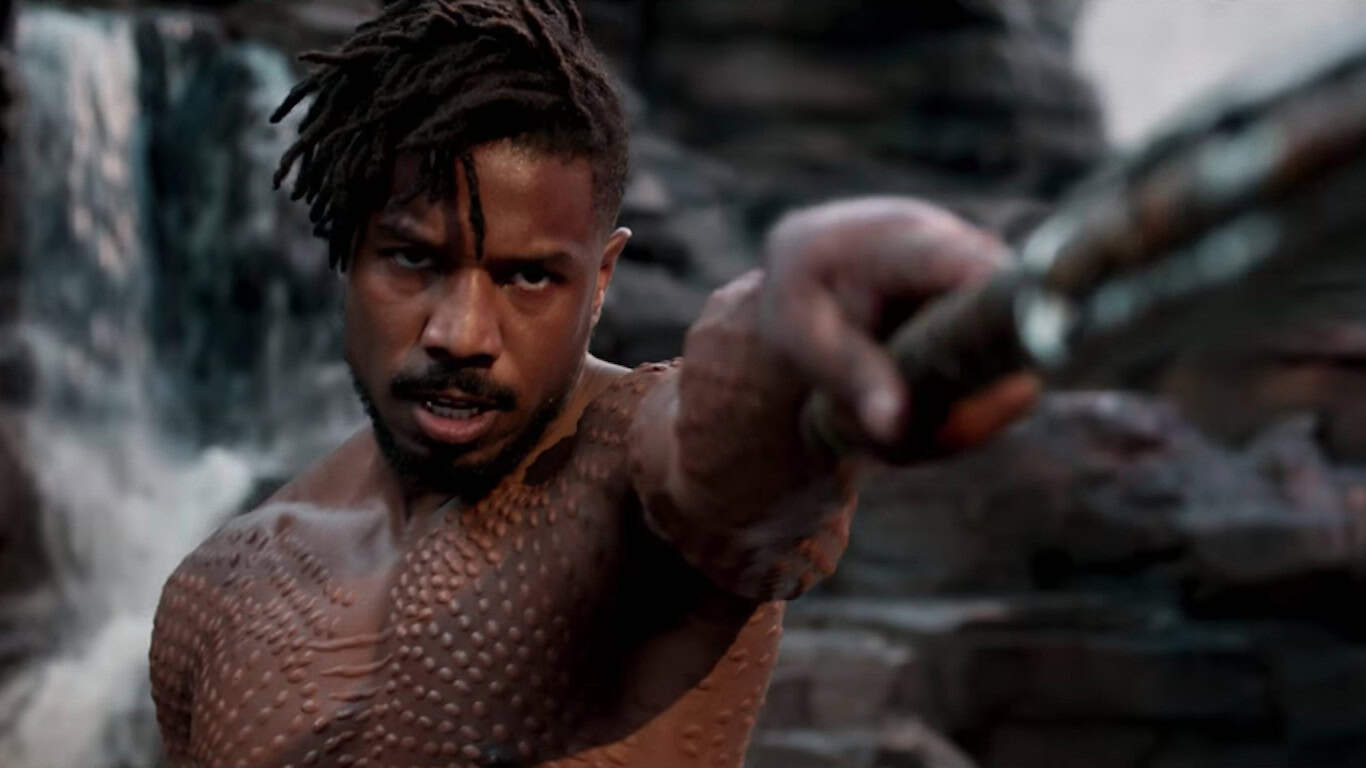
Erik Killmonger, Black Panther
Erik Killmonger's plan in "Black Panther" involves arming oppressed people around the world with Wakandan technology, and his grievance against his own family is rooted in real, painful history. The actor Michael B. Jordan played him with a mix of rage and grief through which he delivered his lines regarding jumping into the sea instead of being chained up like some prisoner. Plenty of audiences left the theater agreeing with at least part of his argument, even if they didn't agree with his methods.
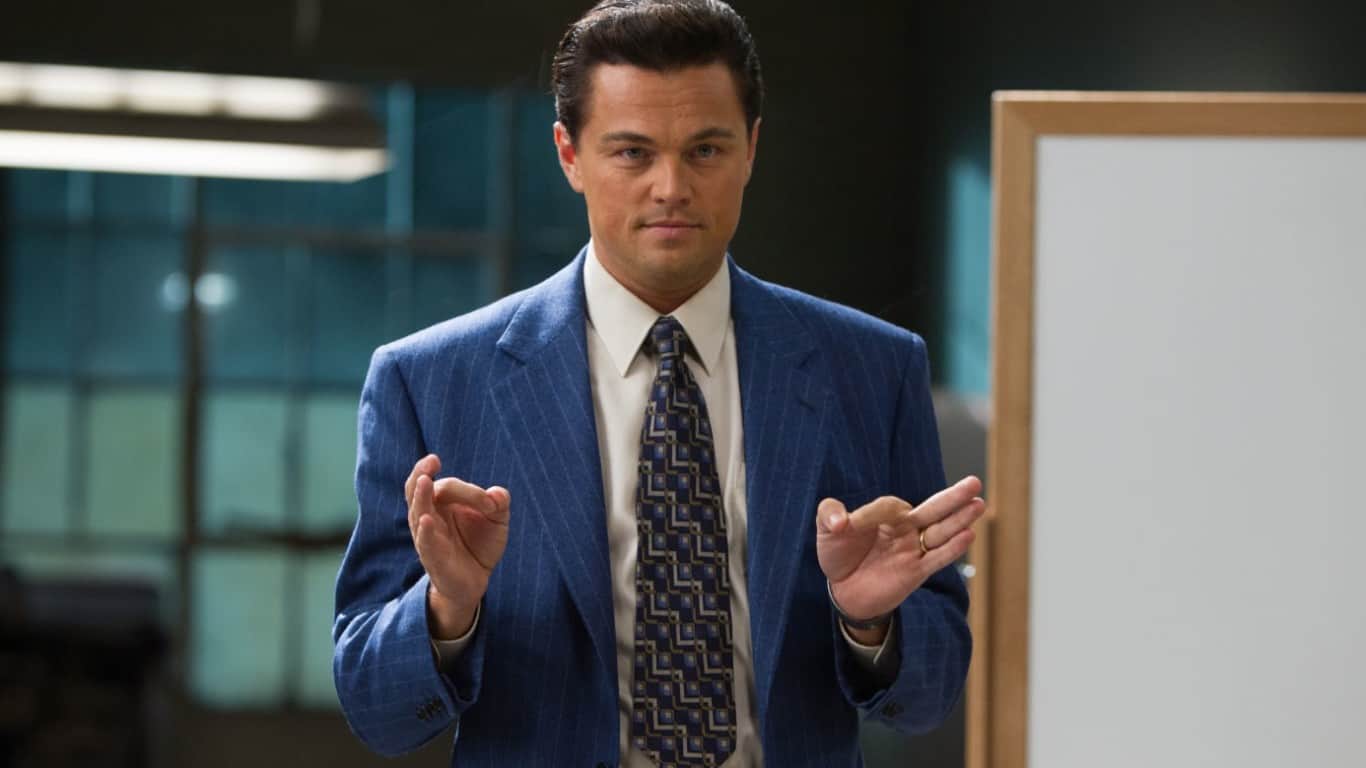
Jordan Belfort, The Wolf of Wall Street
Jordan Belfort built a fortune defrauding investors out of millions, and "The Wolf of Wall Street" spends three hours showing exactly how much fun he had doing it. Leonardo DiCaprio portrayed Belfort as charming, reckless, and almost childlike in his excess. Some critics argued the film glamorized Belfort more than it condemned him, and the fact that people went out of the theater wanting to live his life proves that criticism was spot on. Morality aside, one can’t stop but root for him throughout the movie.