
Laws are meant to keep society running smoothly, but as society changes, not every rule is meant to last. Throughout history, governments have passed laws that now seem confusing, overly specific, or downright weird. Some were responses to specific localized problems; others pertained to social norms that have since faded away. These strange laws are great way to look back on how different life used to be.
Wearing Armor in Parliament Was Illegal
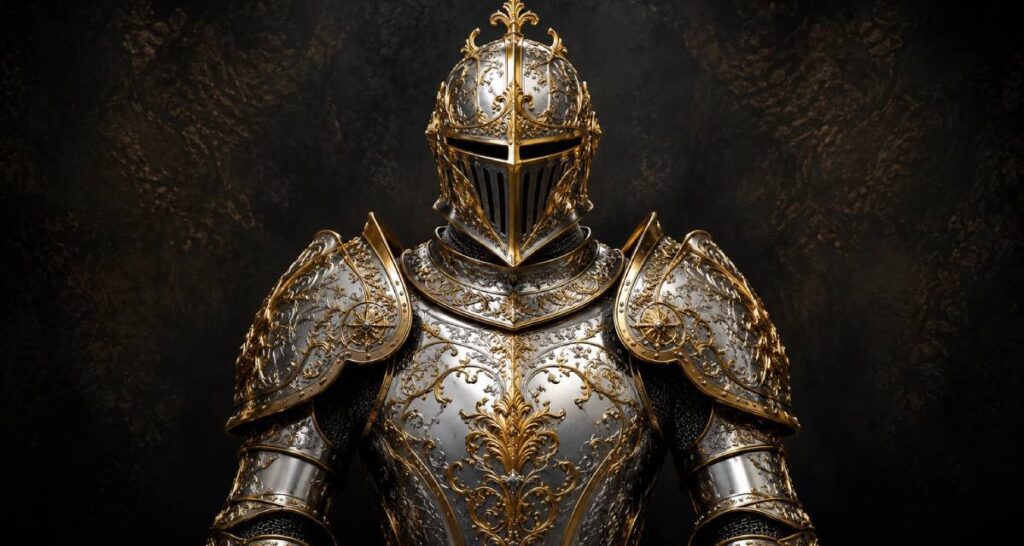
In medieval England, lawmakers didn’t want debates to go from verbal to violent. A law passed in 1313 banned anyone from entering Parliament wearing armor or carrying weapons. The rule was meant to limit both intimidation and the risk of dangerous confrontations. Although it sounds obvious today that weapons have no place in politics, it wasn’t so obvious back in the day.
Mince Pies Were Once Banned at Christmas

During the mid-1600s, England’s Puritan government thought Christmas celebrations were too extravagant. Authorities believed the holiday promoted excess instead of religious devotion. Mince pies, a popular and delicious treat associated with the holiday, were discouraged. In some places where officials wanted to eliminate Christmas festivities entirely, the pies were banned. The restrictions disappeared after the monarchy was restored.
It Was Illegal to Build Houses Without Chimneys

After destructive urban fires became a pattern, some European cities required new homes to include chimneys. Not only did these structures have to exist, but they had to be built to specific safety standards. Indoor fires without chimneys were major fire hazards. These laws helped limit the start and spread of deadly fires. It also subsequently improved indoor air quality. What seems like common sense today was once enforced as a public safety measure.
Coffee Houses Were Briefly Outlawed

In 1675, King Charles II tried to close all coffee houses in England. His argument was that they were places where people gathered to spread rumors, criticize the government, and debate politics. The public hated this law and strong backlash followed. The order was eliminated after only a few days. It was one of history’s shortest nationwide bans and proves how much people love their coffee.
Women Were Forbidden from Smoking in Public

During the early 1900s, a handful of cities temporarily adopted laws prohibiting women from smoking in public places. These rules had nothing to do with health concerns and everything to do with social expectations. It was simply frowned upon for women to be seen smoking. Many of these laws were quickly repealed or never really enforced.
Bowling Was Restricted to Protect Archery Practice
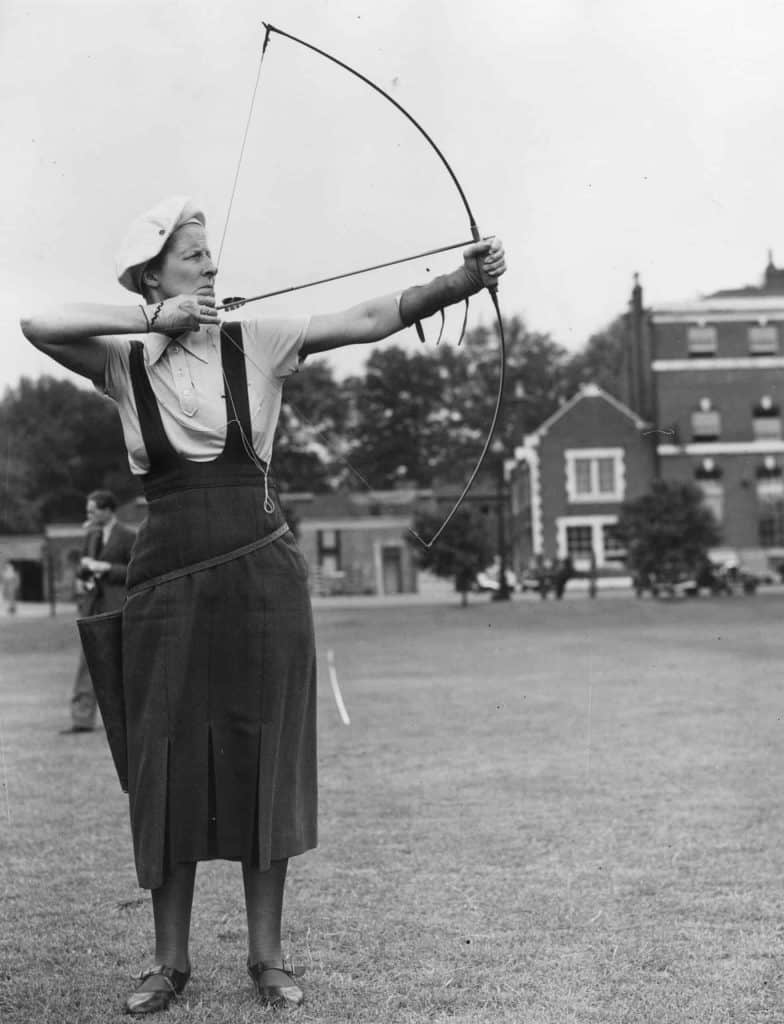
In medieval England, games like bowling were sometimes restricted because leaders wanted men do more productive things instead, like practicing archery. Skilled archers were needed for national defense, and those in charge worried that entertaining activities distracted men from military training. Several monarchs enforced these laws over the centuries. Today, it might be akin to banning social media so we all have more time for military training.
Dying Inside the Houses of Parliament Was Considered Illegal
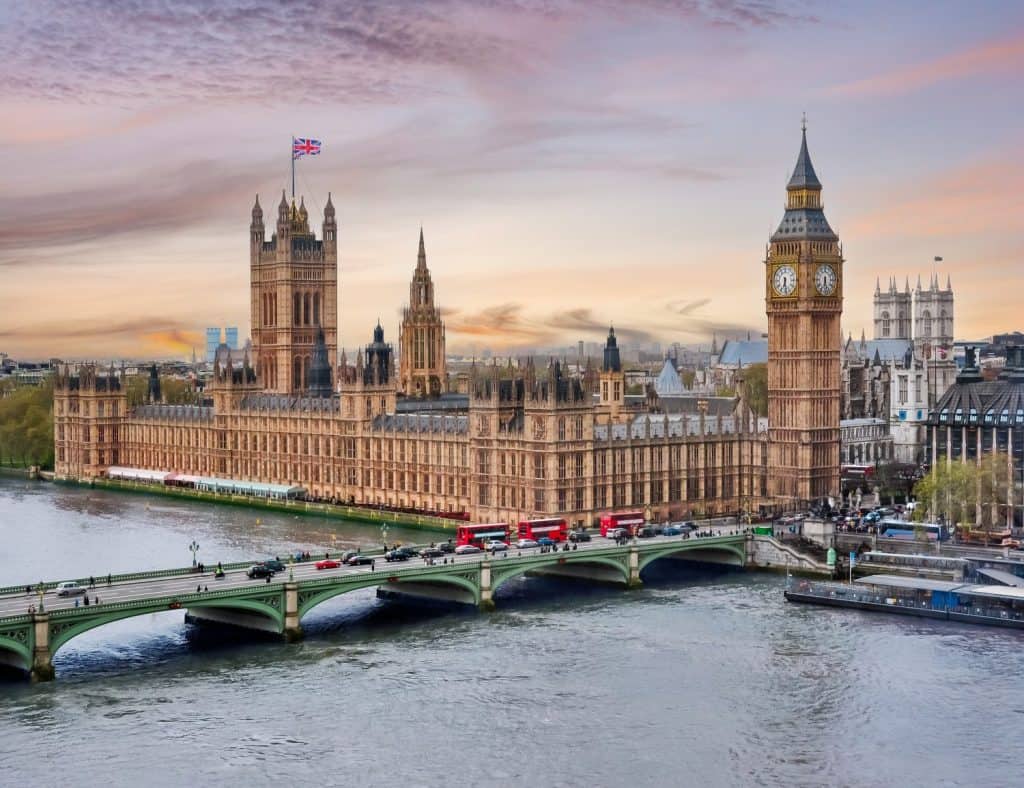
One of history’s most famous “laws” is actually more myth than reality. For years, the myth stated that it was illegal to die inside the Palace of Westminster. The reason being that anyone who died there was supposedly entitled to a state funeral. Legal experts have repeatedly explained that no law ever existed. For some strange reason, the story endures.
Wearing Excessively Fancy Clothing Was Regulated

Many European countries once enforced laws that dictated what people could wear based on their social class. Expensive fabrics, jewels, fur, and even certain colors were meant for nobles or royalty only. These laws were designed so everyone could tell social class just by looking at an individual. It kept ordinary citizens from imitating the wealthy. These laws stuck around for centuries before gradually disappearing as society became less rigidly divided by class.