Flywheel Publishing
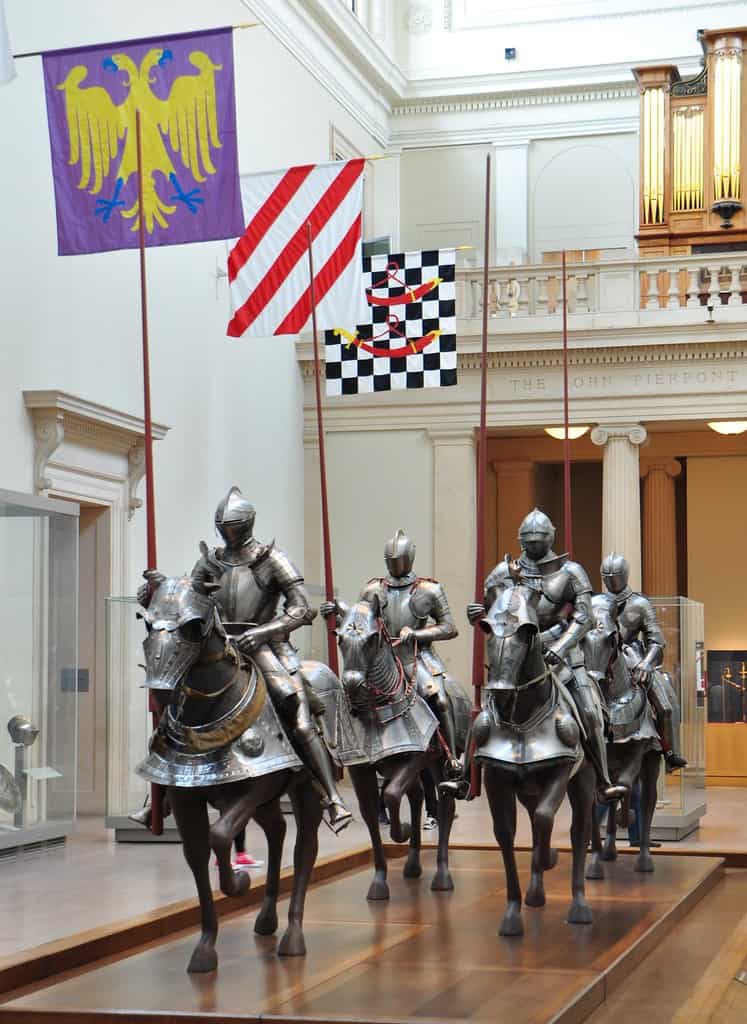
"Medieval Knights in armor" by bobosh_t is licensed under BY-SA 2.0.
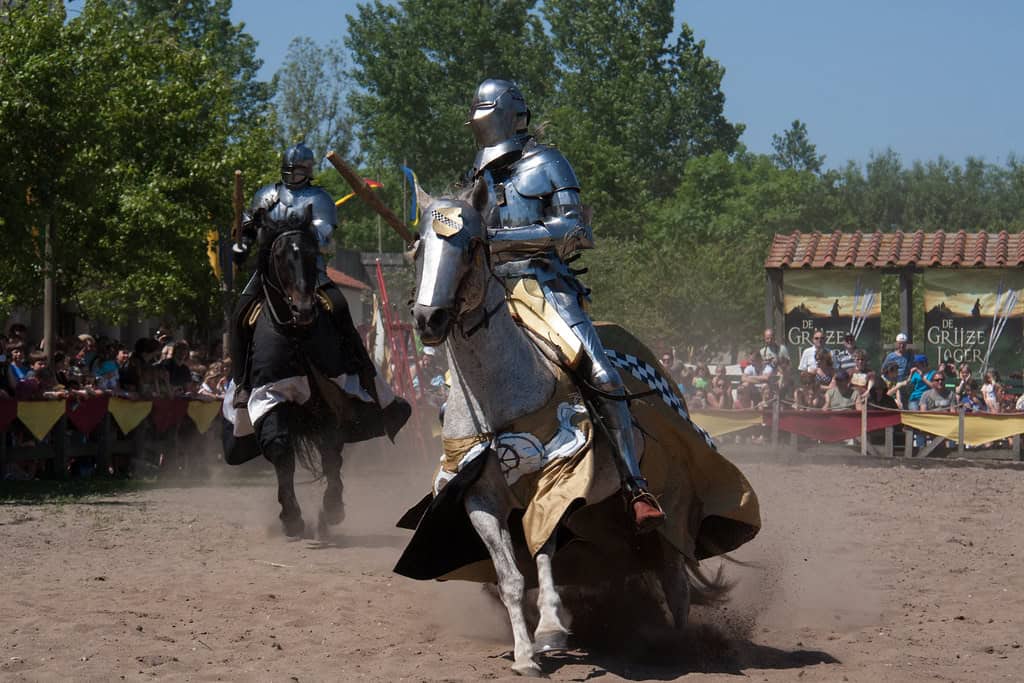
"medieval knights" by hans s is licensed under BY-ND 2.0.
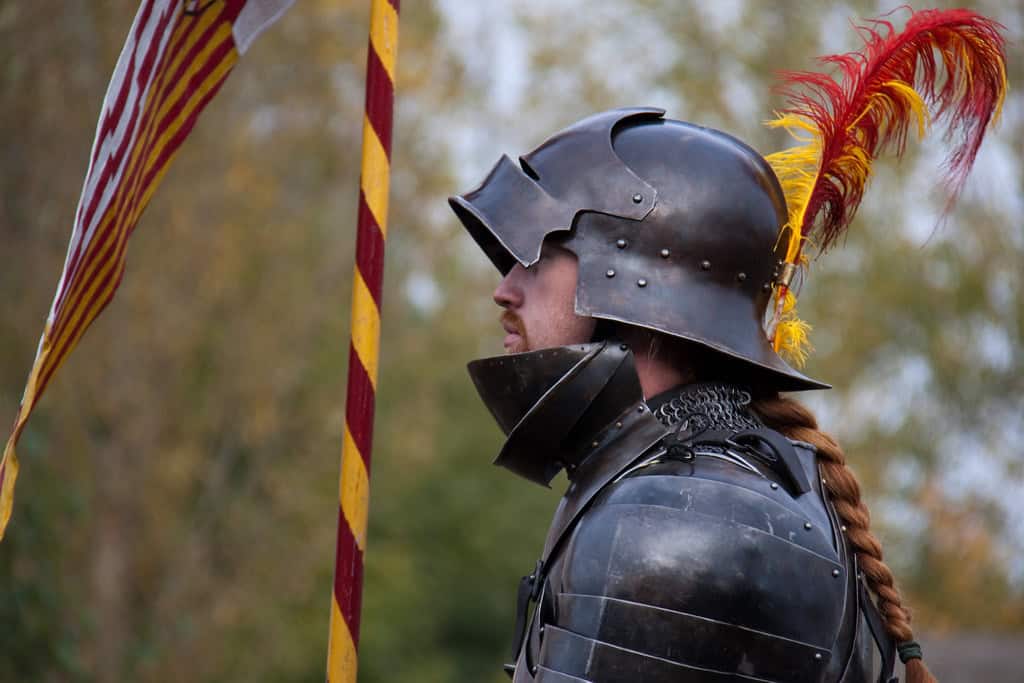
"medieval knight" by hans s is licensed under BY-ND 2.0.
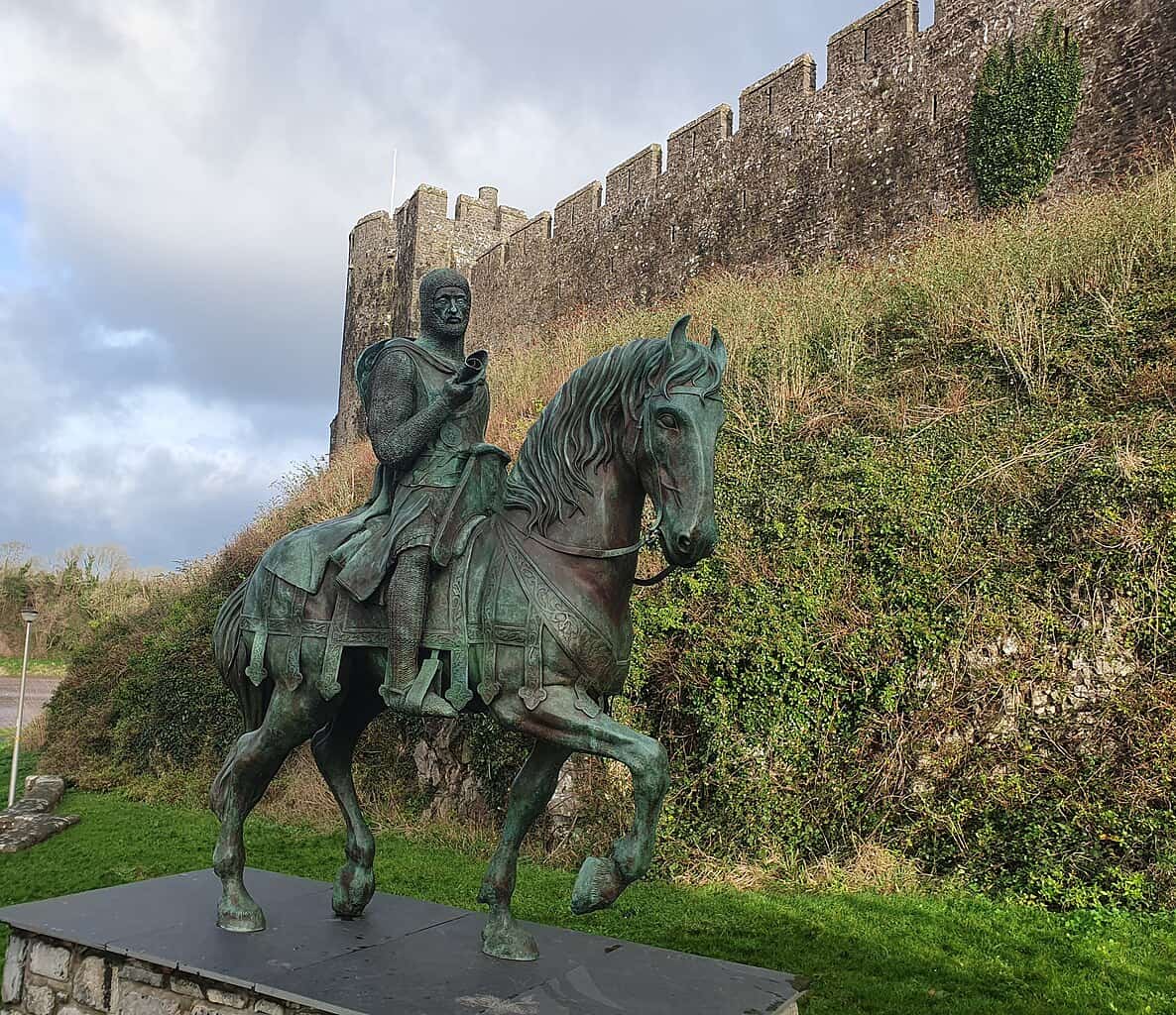
Poupipouw / CC0
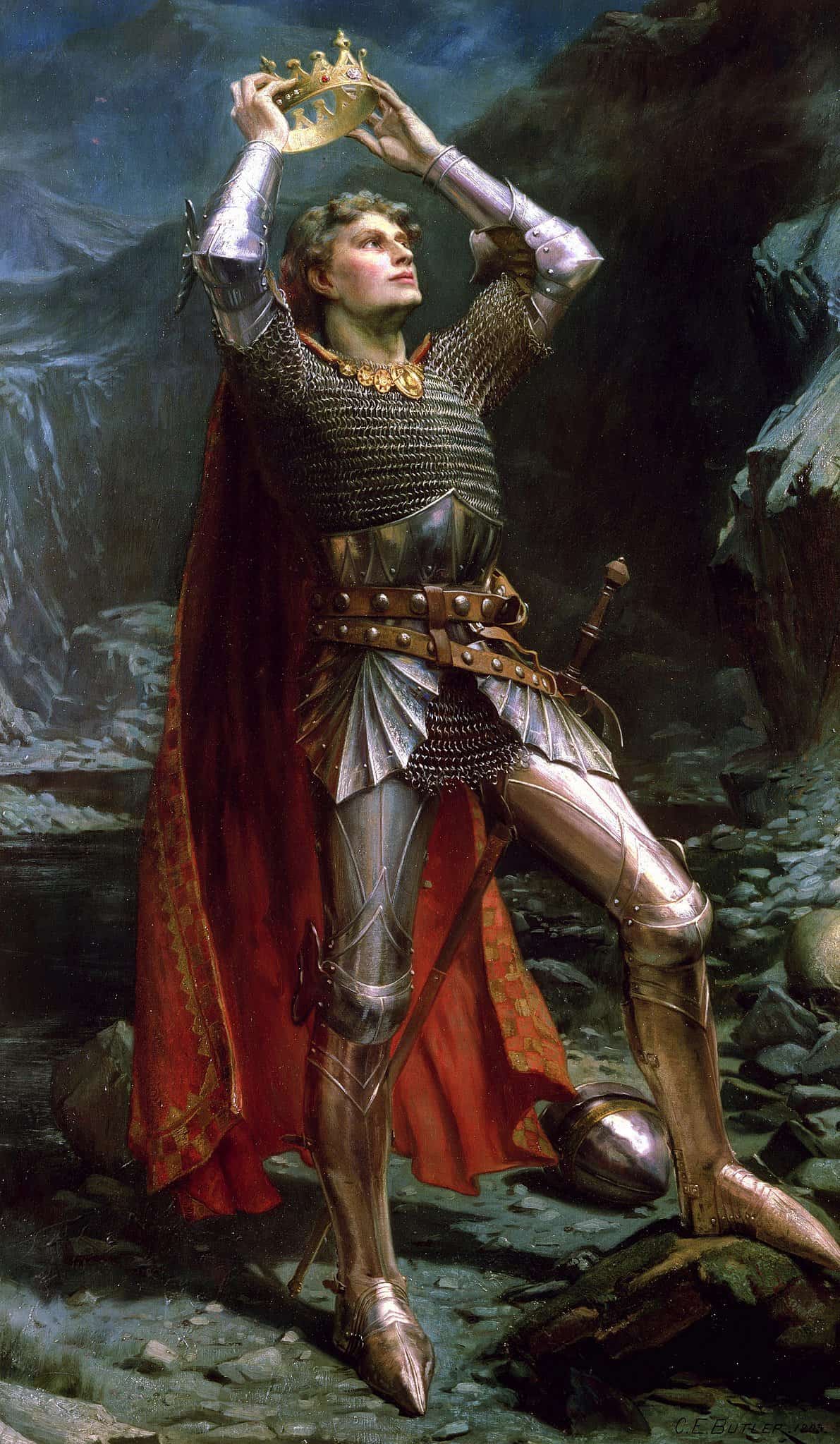
Charles Ernest Butler, Public domain, via Wikimedia Commons
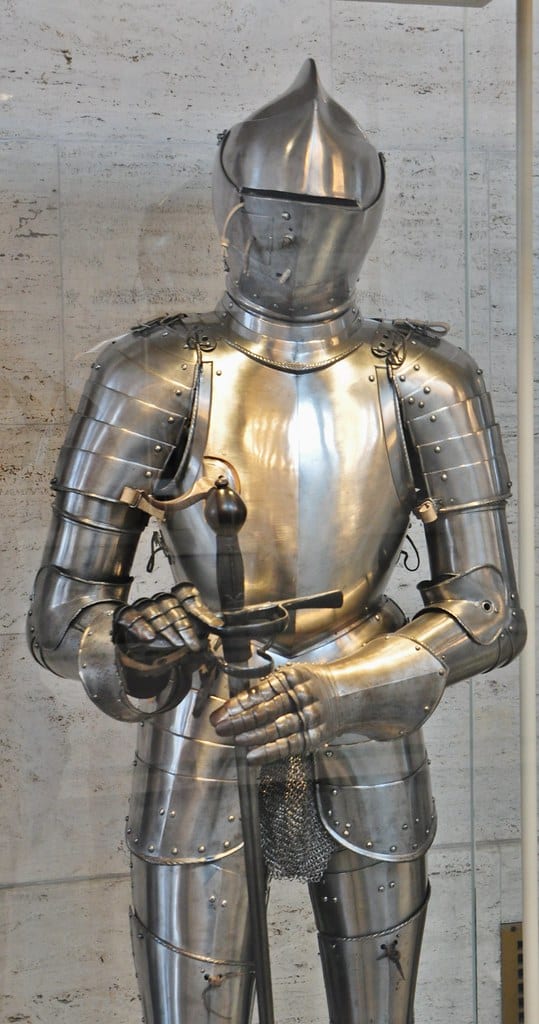
"Knight armor" by bobosh_t is licensed under BY-SA 2.0.
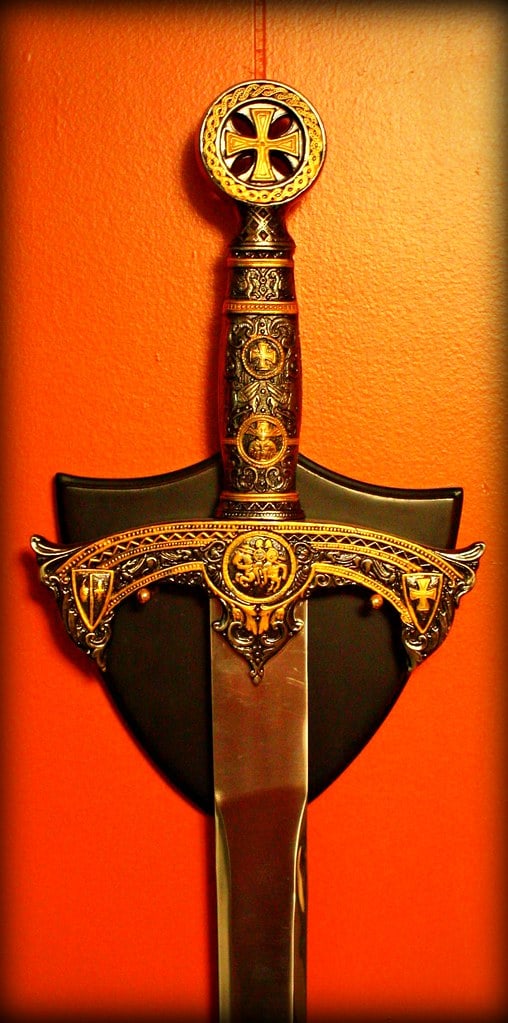
"Knights Templar Sword" by steviep187 is licensed under BY-ND 2.0.

Gorodenkoff/Shutterstock.com
Justin Wright from Vancouver, WA, United States / CC BY-SA 2.0
Josiah S/ via Getty Images

Forever Callie Media/Shutterstock.com
Gary Perkin/Shutterstock.com
dtopal/Shutterstock.com

Eduardo Estellez/Shutterstock.com
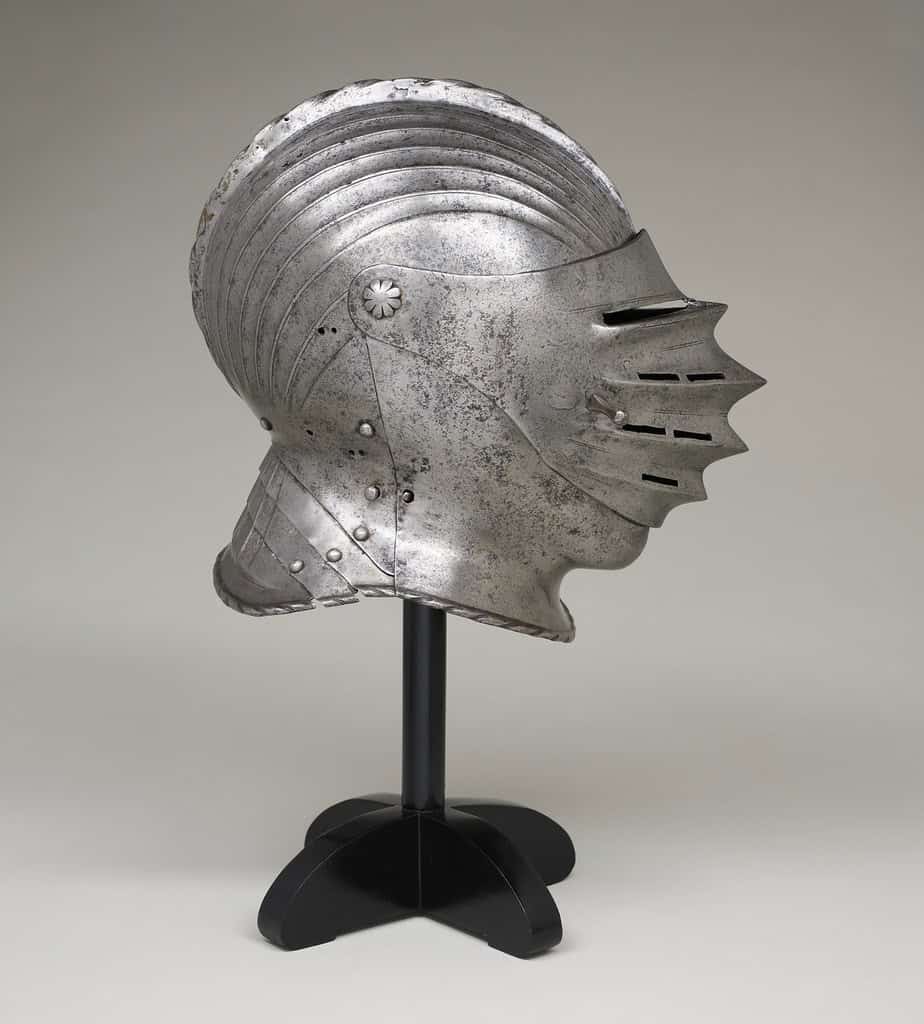
"Close Helmet of the "Maximilian" Style 1520-1525 (Renaissance)" by museado is licensed under CC0 1.0.


15 Medieval Knight Myths Movies Still Get Wrong
Medieval knights have spent centuries being polished into legend. Movies, novels, and pop culture give us warriors trapped inside impossibly heavy armor, rescuing helpless maidens, speaking like Shakespearean actors, and settling every disagreement with a joust. The real history is much messier, and usually more interesting. Knighthood changed enormously depending on the century and the part of Europe, while many of the rules we now associate with knights were ideals rather than universal laws. Here are 15 medieval knight myths that have proven remarkably difficult to kill.
Knights Were Mostly Illiterate Brutes
The idea that medieval knights knew how to swing swords but could barely recognize a written word is another stereotype that falls apart once you cover several centuries. Education varied enormously, especially between periods and social ranks. A young aristocrat's training could include weapons and horsemanship alongside manners, music, languages, reading, writing, and the culture expected at court. Literacy among the knightly classes also expanded during the High Middle Ages as royal governments, courts, and aristocratic households made written administration increasingly important. That does not mean every knight was a scholar or poet. Some were far better educated than others. The important point is that "warrior" and "educated" were never mutually exclusive categories.
A Knight's Only Job Was Fighting
War was central to the identity of medieval knighthood, so calling knights warriors is hardly a misconception. The mistake is assuming nothing else mattered. Knights could also become involved in royal and noble households, estate management, court life, local government, legal proceedings, diplomacy, and politics. In medieval England, knights served as jurors and participated in administrative and judicial work, while powerful knightly landowners could have substantial responsibilities far from a battlefield. What an individual knight actually did depended heavily on his wealth, patron, family, location, and period. Some spent much of their careers campaigning. Others discovered that being part of the medieval elite came with a surprisingly large amount of administration.
There Was One Clearly Defined "Age of Knights"
The phrase "Age of Knights" sounds wonderfully tidy. History was not. The mounted warriors who helped produce medieval knighthood developed gradually, while the social meaning of being a knight continued changing for centuries. Chivalric culture became especially influential during the High and Late Middle Ages, while the full suits of plate armor most people associate with knights arrived relatively late in the medieval story. Changes in infantry tactics, professional armies, gunpowder weapons, and government gradually transformed the knight's battlefield role, but knighthood did not simply disappear on one convenient date. The title and traditions survived long after armored cavalry stopped dominating the popular image of European warfare.
Knights Spoke Like Shakespearean Actors
If a movie knight starts throwing around theatrical versions of "thee" and "thou," there is a good chance several different periods of English history have been thrown into one pot. William Shakespeare was born in 1564, well after the lives of many of the knights people picture when they hear the word "medieval." There was no single knightly way of speaking, either. Language depended on where and when someone lived, along with social setting and purpose. In medieval England alone, English, Anglo-Norman French, and Latin all had important roles, particularly in aristocratic, legal, governmental, and written contexts. Actual medieval speech would sound unfamiliar to modern ears, but it did not consist of everyone doing an Elizabethan stage impression.
Knights Spent Their Time Rescuing Damsels in Distress
A threatened maiden waiting for a heroic knight is one of the most recognizable images of medieval romance, and that is exactly where much of the idea belongs. Chivalric literature loved adventures involving abducted women, endangered ladies, love, honor, monsters, and heroic rescues. Those stories helped shape ideas about ideal knightly behavior, but they should not be mistaken for a knight's everyday job description. Real knights were tied to military service, households, lords, property, courts, politics, and family obligations. The knight riding across the countryside hoping to discover a damsel who needs saving tells us plenty about medieval storytelling and chivalric imagination, but considerably less about how most knights spent an ordinary Tuesday.
A Knight in Plate Armor Was Nearly Invincible
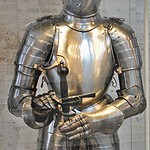
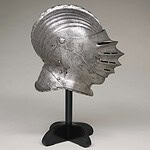
Good armor worked extremely well. That is why people spent so much money developing and wearing it. Plate could deflect or absorb blows that might otherwise have caused devastating injuries, while mail and padded layers protected areas that could not easily be covered by rigid plates. None of that made the person inside invulnerable. Armor had joints and openings needed for movement and vision, and opponents developed techniques and weapons for dealing with armored fighters. Heavy impacts could also injure someone without neatly slicing through the steel. As firearms became increasingly important, armor makers adapted again, sometimes producing heavier protection for vital areas. Medieval armor was sophisticated protective technology, not a medieval force field.
All Knights Belonged to Religious Orders
The Knights Templar, Knights Hospitaller, Teutonic Knights, and other military religious orders became some of the most famous knightly organizations in history. They were also specialized institutions, not the standard model for knighthood. Most knights were secular warriors connected to kings, nobles, households, and families rather than members of a religious order living under vows and an approved rule. There is another wrinkle that popular culture usually misses: even within the famous military orders, not every member was actually a knight. They also included sergeants, clergy, servants, administrators, and other members. The Templars may dominate modern stories about medieval knights, but they were never a stand-in for knighthood as a whole.
Knights Only Fought in Enormous Battles
History remembers battles such as Crécy, Poitiers, and Agincourt because enormous confrontations make convenient turning points. Medieval warfare involved much more than pitched battles. Knights could spend campaigns taking part in raids, patrols, sieges, garrison duty, reconnaissance, smaller skirmishes, and destructive expeditions through enemy territory. Commanders did not automatically want to gamble an entire army on one giant clash if they could achieve their objectives another way. The spectacular massed cavalry charge is one of the defining images of the Middle Ages, but for many knights, a military career included plenty of fighting that looked nothing like the climactic scene of a medieval epic.
Every Knight Was a Wealthy Landowner
Some knights controlled estates and collected revenue from land, which is where the familiar image of the knight living comfortably beneath a castle comes from. That was never the only arrangement. Medieval lords could support knights through grants of land, but landless knights also lived within aristocratic households and served powerful patrons in exchange for wages, equipment, lodging, or other support. Relationships based on kinship and personal loyalty could matter just as much as a textbook feudal land grant. A successful knight might accumulate property and status over time, but owning a castle and a sprawling estate was not part of the job description handed to every man who received his spurs.
Every Culture Had Its Own Version of European Knights
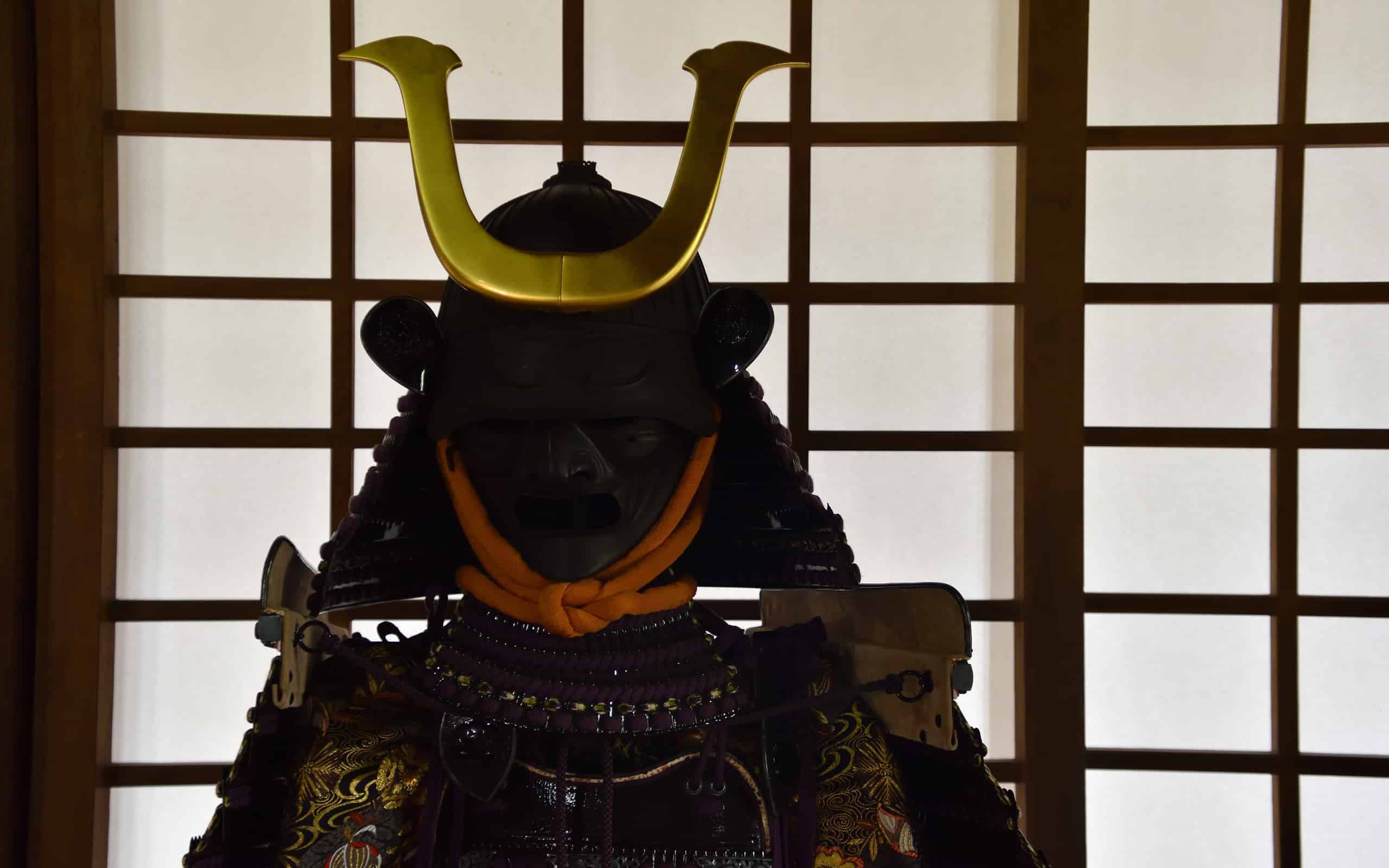
It is tempting to call samurai "Japanese knights" or describe elite Muslim cavalry as another form of European knighthood, but those comparisons can erase some major differences. The medieval knight was part of a particular European military, social, and cultural tradition. Japan's samurai developed within their own political and warrior culture. In the Islamic world, traditions such as furusiyya emphasized horsemanship, weapons, military training, and related ideals, particularly among elite cavalry such as the Mamluks. There are fascinating similarities worth comparing, but these groups were not simply regional versions of the same institution. "Knight" is most useful when describing the European tradition from which the term actually came.
Knighthood Was Automatically Inherited
Being born into a knightly or noble family certainly gave a boy a much easier path toward knighthood, but the title was not automatically passed from father to son like a last name. Prospective knights commonly spent years learning horsemanship, weapons, courtly behavior, and the duties expected of their social rank, often progressing through service as a page and squire before being knighted. Not every man who fought as a mounted man-at-arms necessarily became a knight, either. The social background of knights also changed considerably across medieval Europe, and access became more exclusive in some places over time. Family connections mattered enormously, but someone still had to be made a knight.
Tournaments Were Medieval Deathmatches
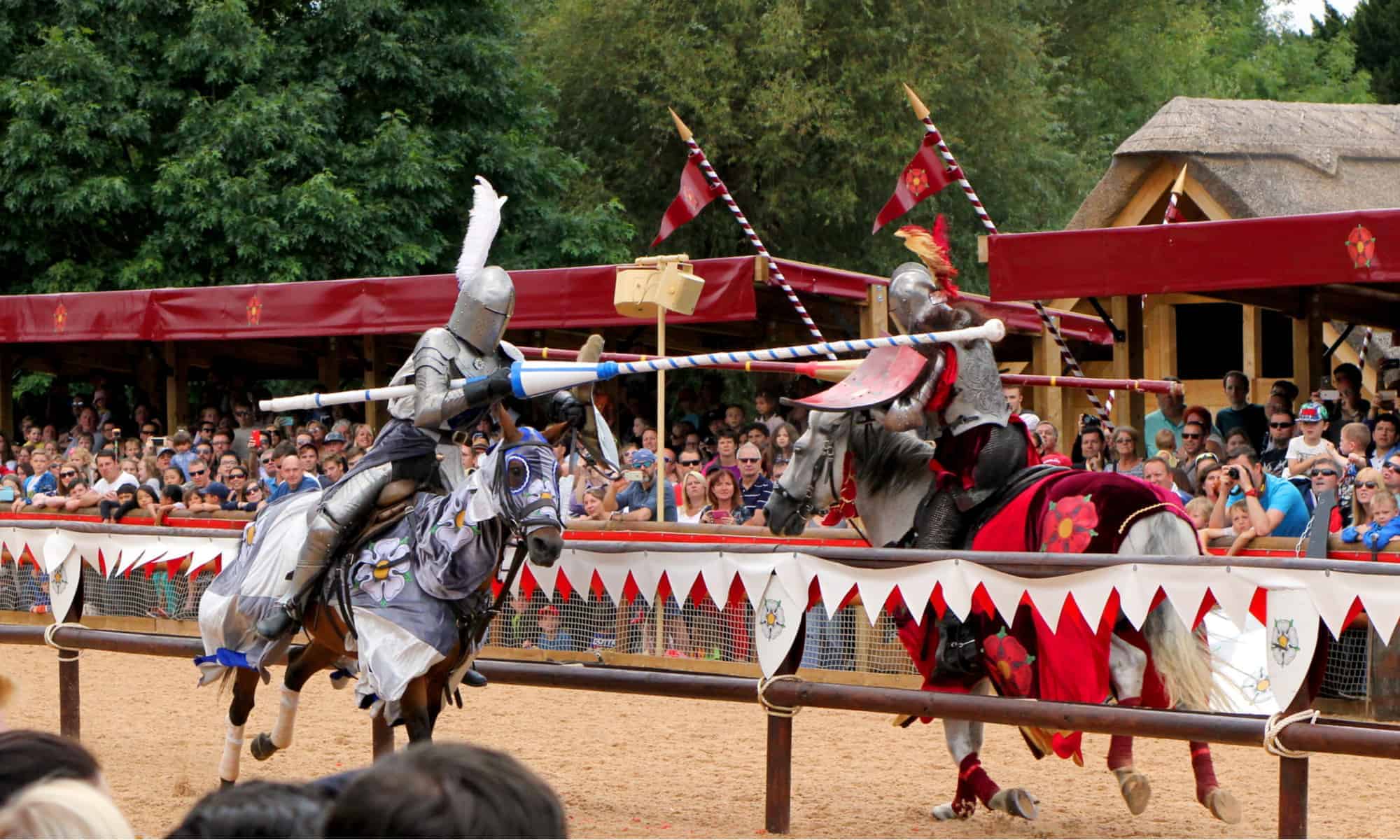
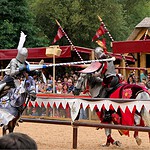
Medieval tournaments were dangerous, and people really could be seriously injured or killed participating in them. That does not mean the usual objective was to murder the person riding toward you. Early tournaments could resemble chaotic mock battles involving groups of mounted warriors, while later events became increasingly regulated and specialized. Jousts might use blunted lances, reinforced armor, barriers, and rules designed to reduce the danger. The goal could be to break a lance against an opponent, unhorse him, demonstrate skill, or win prestige. Calling tournaments harmless would be wrong, but calling them organized fights to the death goes too far in the other direction.
Only Knights Did the Fighting
Knights get most of the screen time in movies because armored cavalry looks considerably more dramatic than a supply train. They were only one part of medieval warfare. Armies could also include men-at-arms, spearmen, archers, crossbowmen, other infantry, engineers, laborers, and specialists needed to operate siege equipment and keep a campaign moving. In later medieval English armies, archers could actually make up a large share of the troops serving the crown. Knights were socially prominent and could be extremely valuable on the battlefield, but medieval wars were never simply armies of knights charging into other armies of knights.
Chivalry Was One Strict Code Every Knight Followed
There really were medieval ideas about chivalry, including courage, loyalty, reputation, generosity, Christian duty, and proper conduct. What did not exist was one universally accepted handbook listing rules that every European knight had sworn to obey. Chivalric ideals developed over centuries and varied considerably by place, period, and writer. One famous version, Léon Gautier's so-called Ten Commandments of Chivalry, was a 19th-century attempt to summarize medieval traditions rather than an actual medieval rulebook. Even the genuine ideals were exactly that: ideals. Medieval knights could be honorable, brutal, generous, treacherous, devout, greedy, or some combination of all of them.
Armor Was So Heavy Knights Could Barely Move
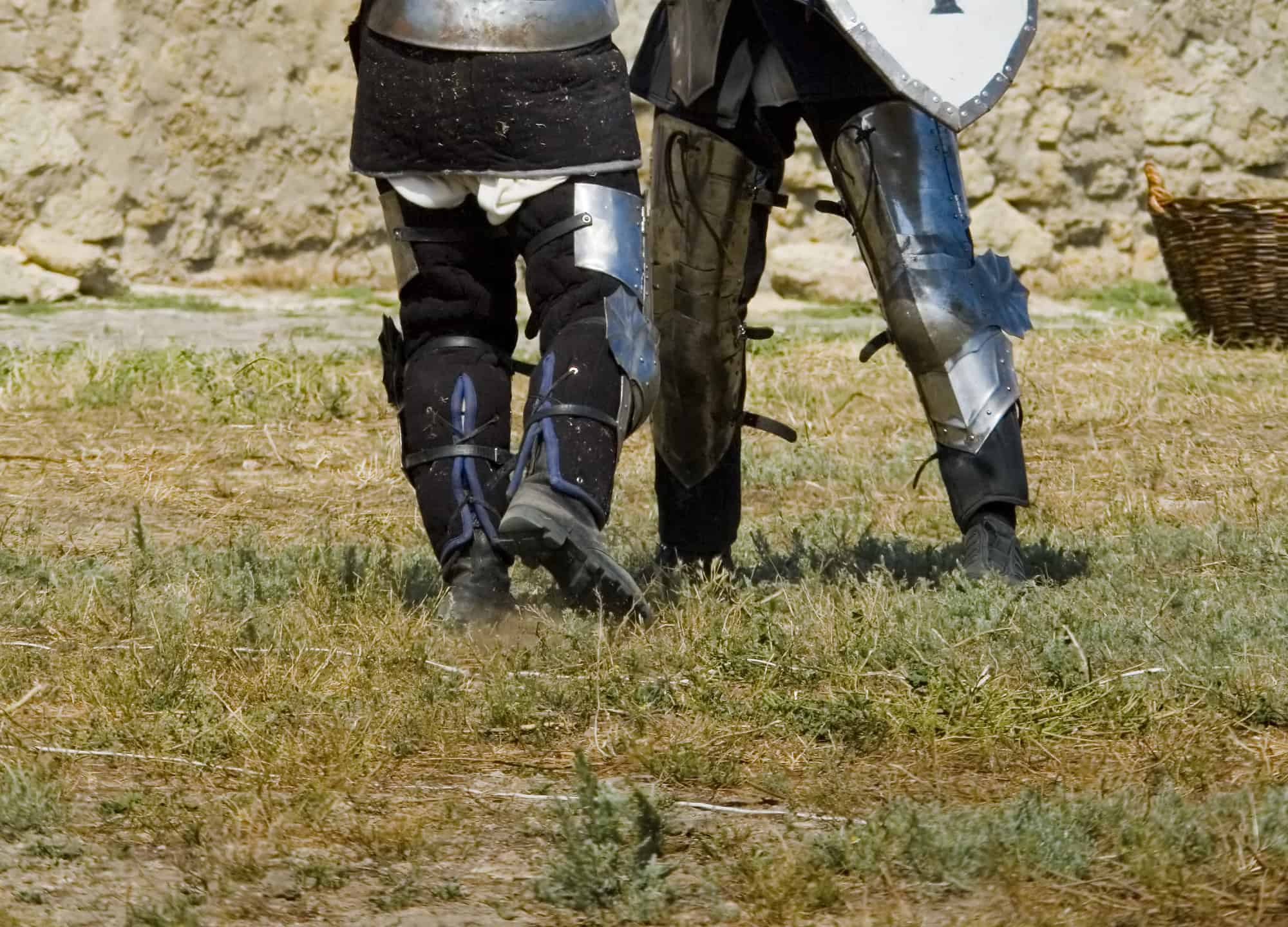
Hollywood has gotten plenty of mileage out of knights who can barely walk once they are sealed inside their armor. Real battlefield armor had to work much better than that. A complete field harness commonly weighed roughly 45 to 70 pounds depending on the period and equipment, with the load distributed across the body instead of hanging from one point. A properly fitted knight could walk, run, get back up after falling, and mount a horse. Specialized tournament armor could be considerably heavier and more restrictive, but that was equipment designed for a very specific sport. Battlefield armor that turned its wearer into a helpless metal statue would not have been particularly useful on a battlefield.