Flywheel Publishing
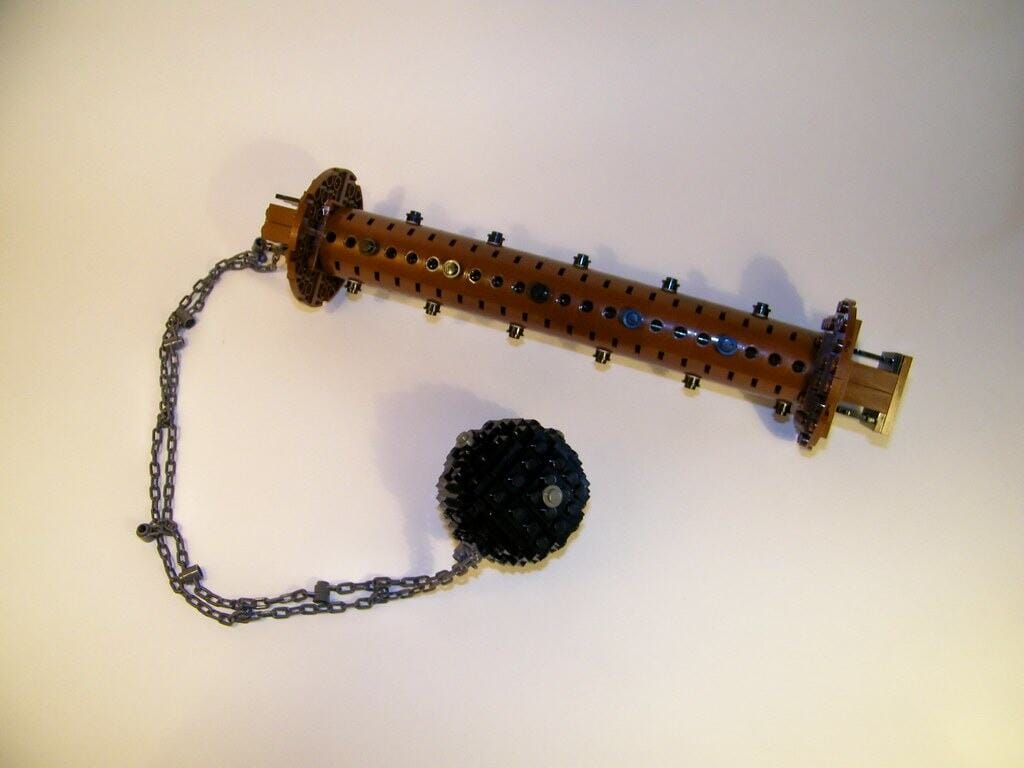
"Lego Flail" by floodllama is licensed under BY 2.0.
Picturethisllc32536/iStock.com

Forever Callie Media/Shutterstock.com
Yoshitoshi / Public Domain

SpiritArt/Shutterstock.com

Eduardo Estellez/Shutterstock.com
"Medieval mace" by quinet is licensed under BY 2.0.
iobard/Shutterstock.com
MostlyDross / CC BY 2.0
NataliaCatalina.com/Shutterstock.com


10 Historical Weapon Myths People Still Believe
Popular movies, TV shows, video games, and novels have shaped how many people imagine the weapons of the past. Some of those portrayals are rooted in real battlefield tactics, weapon designs, and historical conditions. Others take big liberties, exaggerating how weapons worked or repeating myths that have survived for centuries.
In this post, we’re breaking down 10 of the biggest historical weapon myths and what the evidence actually tells us. From swords and armor to bows, guns, siege engines, and battlefield strategy, many “facts” people repeat are far more complicated than they seem. Some weapons were more dangerous than pop culture gives them credit for, while others were far less practical than legend suggests.
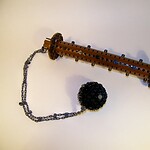
Flails Were Common Weapons
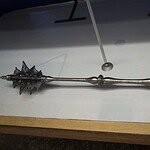
The flail is one of those medieval stock weapons that you’re sure to see watching any historical movie. Acting as a heavy spiked ball on a chain that attaches to a handle, these imposing weapons seemed sure to inflict horrible damage on the battlefield. In reality, these were quite rare. For starters, they’re highly impractical and dangerous to the user of the weapon. You’d likely run afoul of your allies on the battlefield as well. These supposedly fearsome weapons were more likely for ceremonial purposes than anything else.
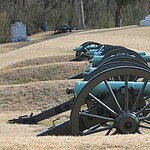
Cannons Were Difficult to Move
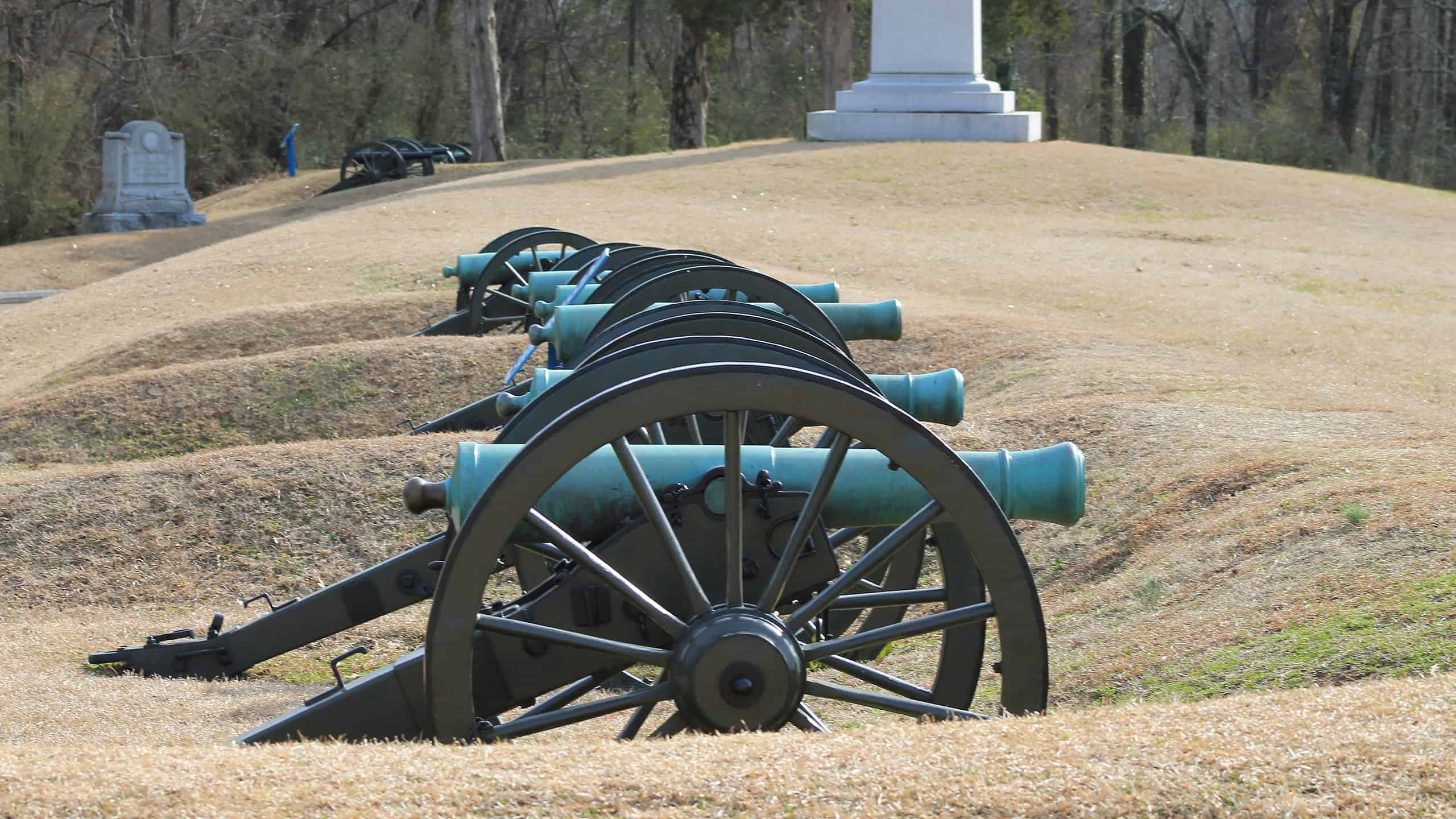
Early cannons have this reputation of being immense, heavy objects that were easily flanked by resourceful soldiers. Cannons emerged on the battlefield in the 14th century as static emplacements, before the use of wheeled gun carriages became common. The advantage of wheeled carriages were readily evident, as they were easily moved into a new firing position so they could readily resume their course of fire. Sure, some early cannons were static. These were generally employed in defensive positions, however, meaning they were meant to stay put.
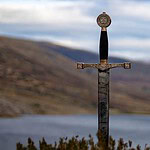
Swords Were Heavy
Swords were generally the main weapon of the aristocracy in Europe, with knights and other nobility receiving the training necessary to make the most of them. The popular misconception surrounding swords of all sorts is the sheer weight of the weapon. You’ve likely caught a movie or show where the hero goes to pick up a sword and struggles to steady it. In reality, that wouldn’t be the case. Most common swords throughout history, ranging from antiquity well into the 18th century, weighed about 2 to 3 pounds on average. Even the massive greatswords like the Zweihander out of Germany weighed less than you might expect.
Samurai Swords Could Cut Through Anything
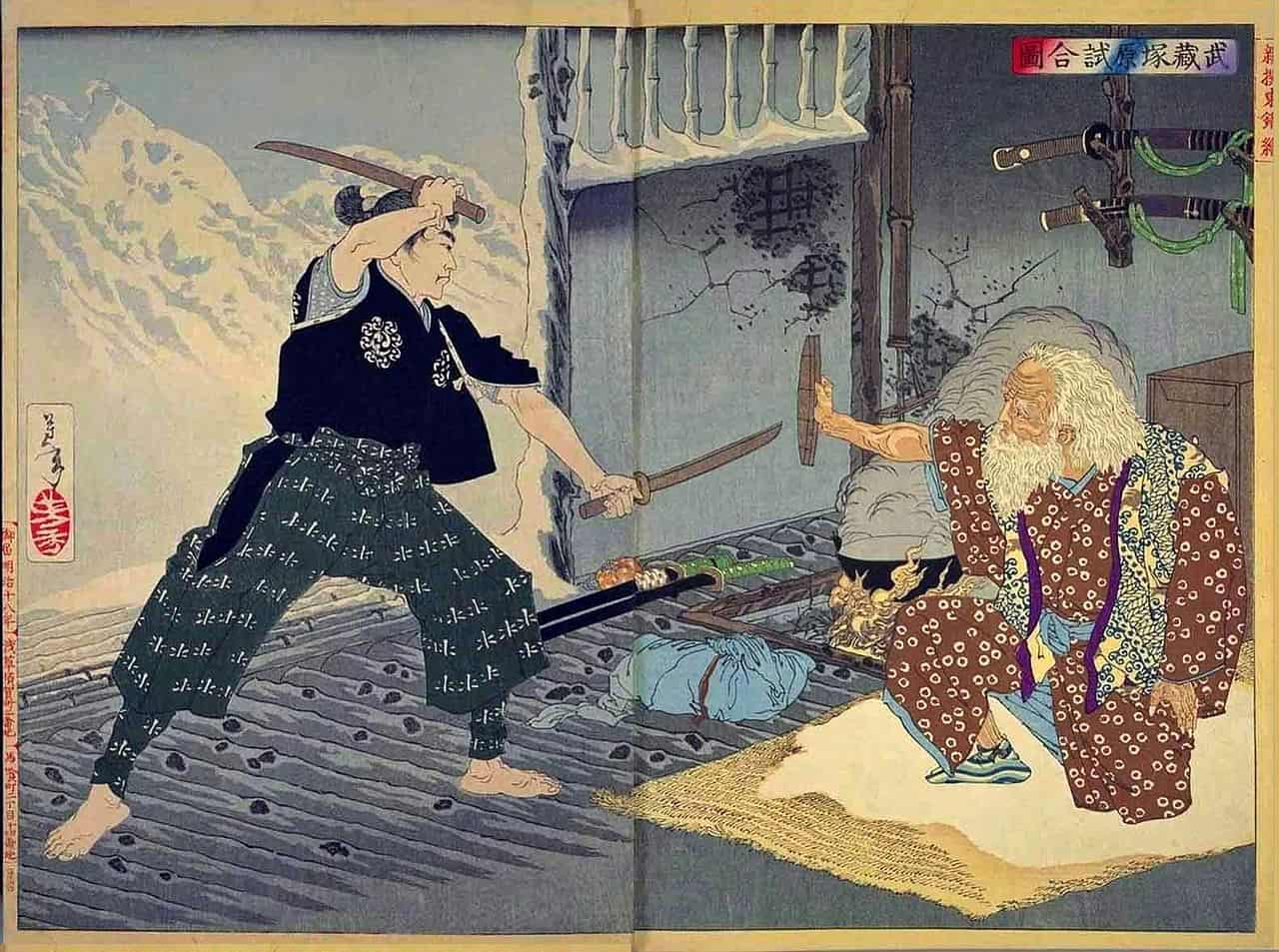
If you watch enough Japanese movies and shows, you’re likely to see a samurai sword that can cleave through anything. Yes, katana, tachi, and whatever other names you want to apply to these swords were exquisitely made and honed with a razor’s edge. However, these swords were primarily designed for slicing through lightly armored targets. When confronted with things like steel armor, they’d likely warp or fracture from the stress. Japanese swordsmiths developed highly specialized techniques, which suited their needs. European swordsmiths had different priorities and an abundance of materials to work with.
Longbows Were Used By Sharpshooters Only
A persistent fantasy trope centers on the use of the longbow as a weapon of extreme precision. It took considerable training and practice to make use of the longbow, especially when taking into account its rather heavy draw weight. The power of the longbow, the English variety especially, lies in massed formations. While a single archer is deadly, when you gather hundreds in a formation and let them fire at will, devastating things could happen to enemy formations.
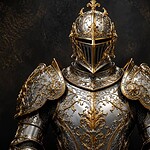
Armor Made Knights Immobilized
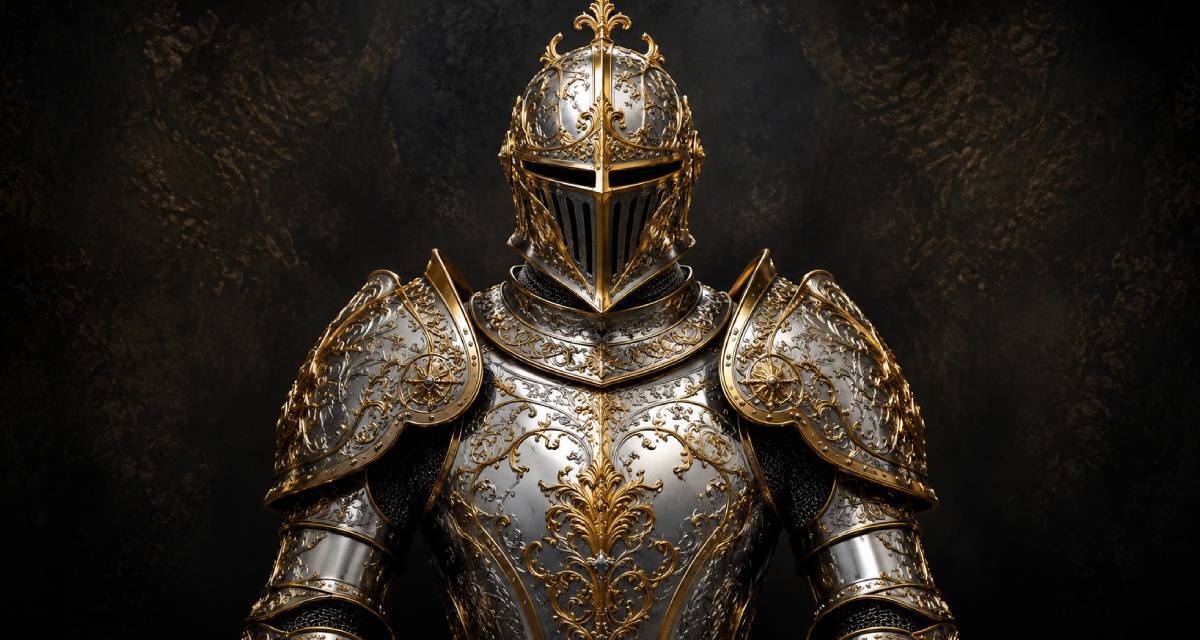
The knight encased in plate armor makes for an imposing visual, no matter the era. Cartoons have led us to believe that these armored knights were essentially just heavy sitting ducks, relying primarily on their horses to get them around. Curiously, armor was a lot lighter than you might imagine. While a whole suit of plate armor could weigh around 60 pounds on average, the weight was distributed throughout the entire body. Further, armor was quite flexible, meaning knights could routinely tumble, run, and even jump.
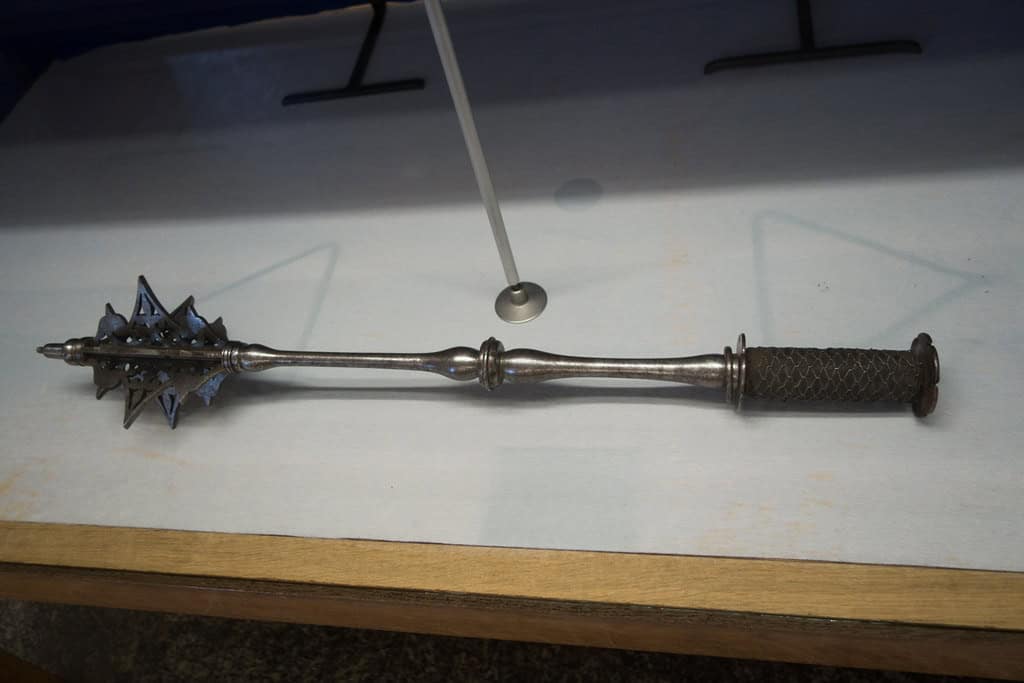
Bishops Carried Maces in Battle
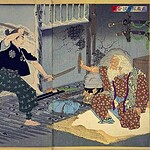
This is a relatively silly one, honestly, as the thought of religious figures toting a weapon into battle to avoid bloodshed seems purely like the invention of a fantasy author. Bishops did take to the battlefield throughout the Middle Ages and well into the Renaissance. They weren’t likely wielding just maces, but also swords, halberds, and whatever else was on hand. That said, the idea of a mace being less lethal than a sword is laughable. In the right hands, a mace can be a devastating weapon for whoever is on the receiving end, resulting in broken bones, torn flesh, and plenty of blood spilled.
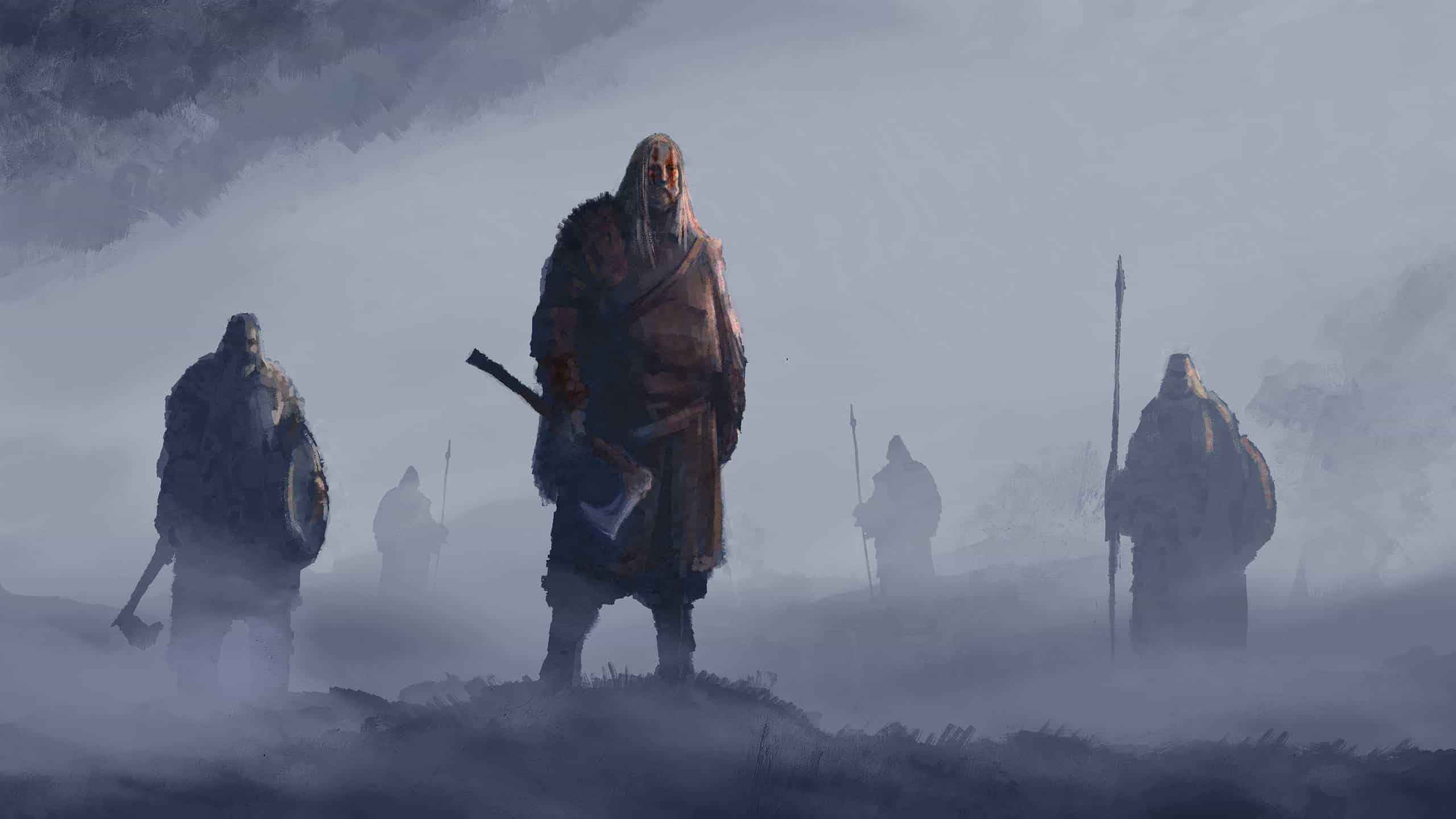
Viking Berserkers Fought Using Drugs
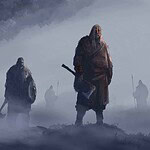
The Viking hordes eating mushrooms and entering into a berserker state is one of those ahistorical myths that has persisted despite evidence pointing to the contrary. This is largely speculative, and most Viking warbands weren’t cultivating psychedelic drugs to get ready for battle. Battle itself was a highly ritualized affair for the Vikings, so it is more likely that religious fervor and differing customs gave way to this notion of people entering bestial states thanks to drugs.
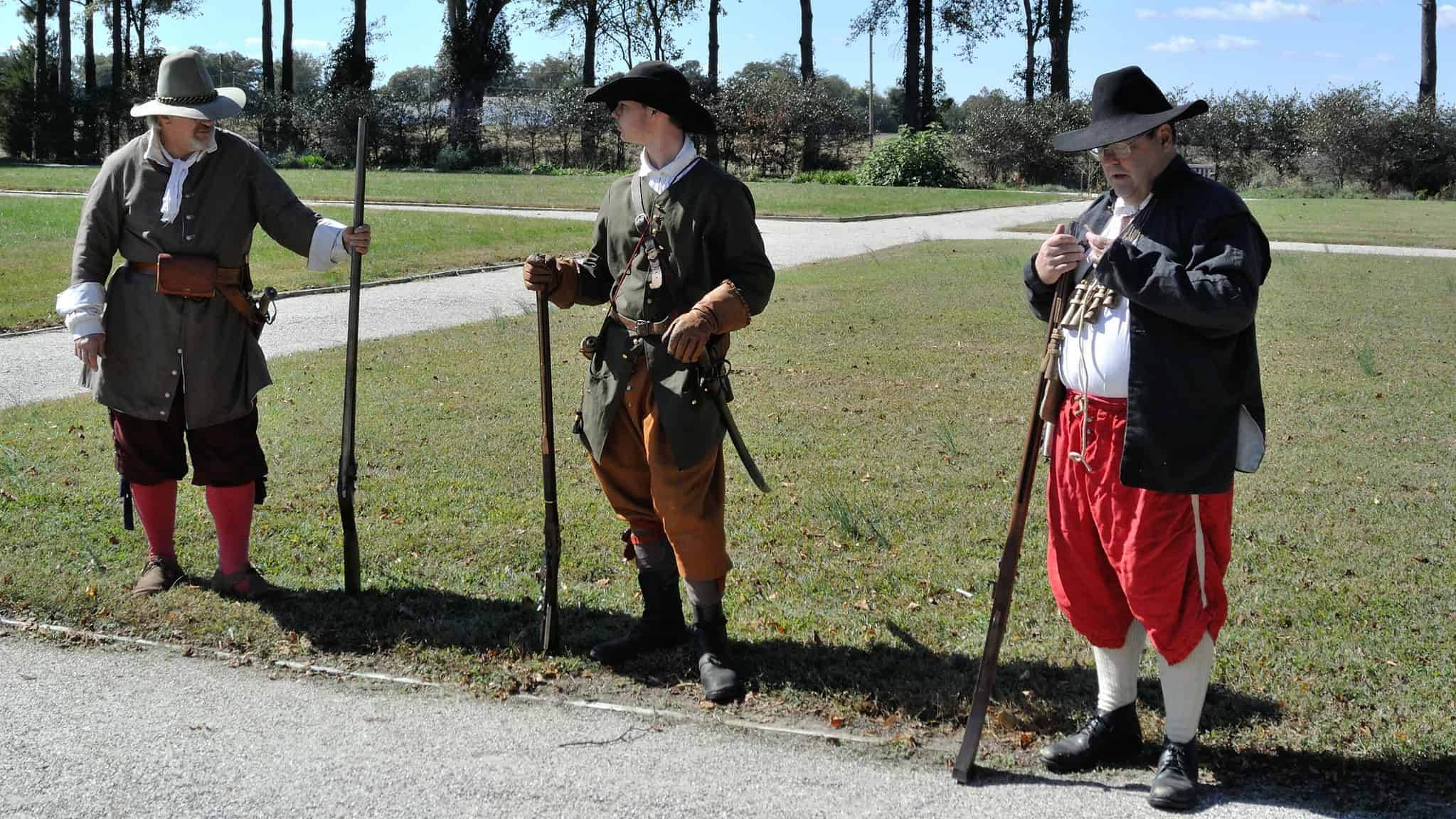
Early Firearms Were Ineffective
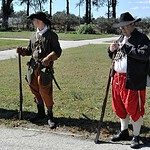
Muskets and cannons were certainly less accurate or effective than a modern rifle or artillery piece today. However, even early muskets and other firearms were devastating to be on the receiving end, readily punching through fortifications, armor, and anything else you could throw at it. Most guns were smoothbore, which made them less accurate than contemporary examples. Guns also came with noise, which readily left a psychological impact on any enemy formation. Besides, if guns were so ineffective, why did most European armors abandon plate armor and opt for pike and shot formations?
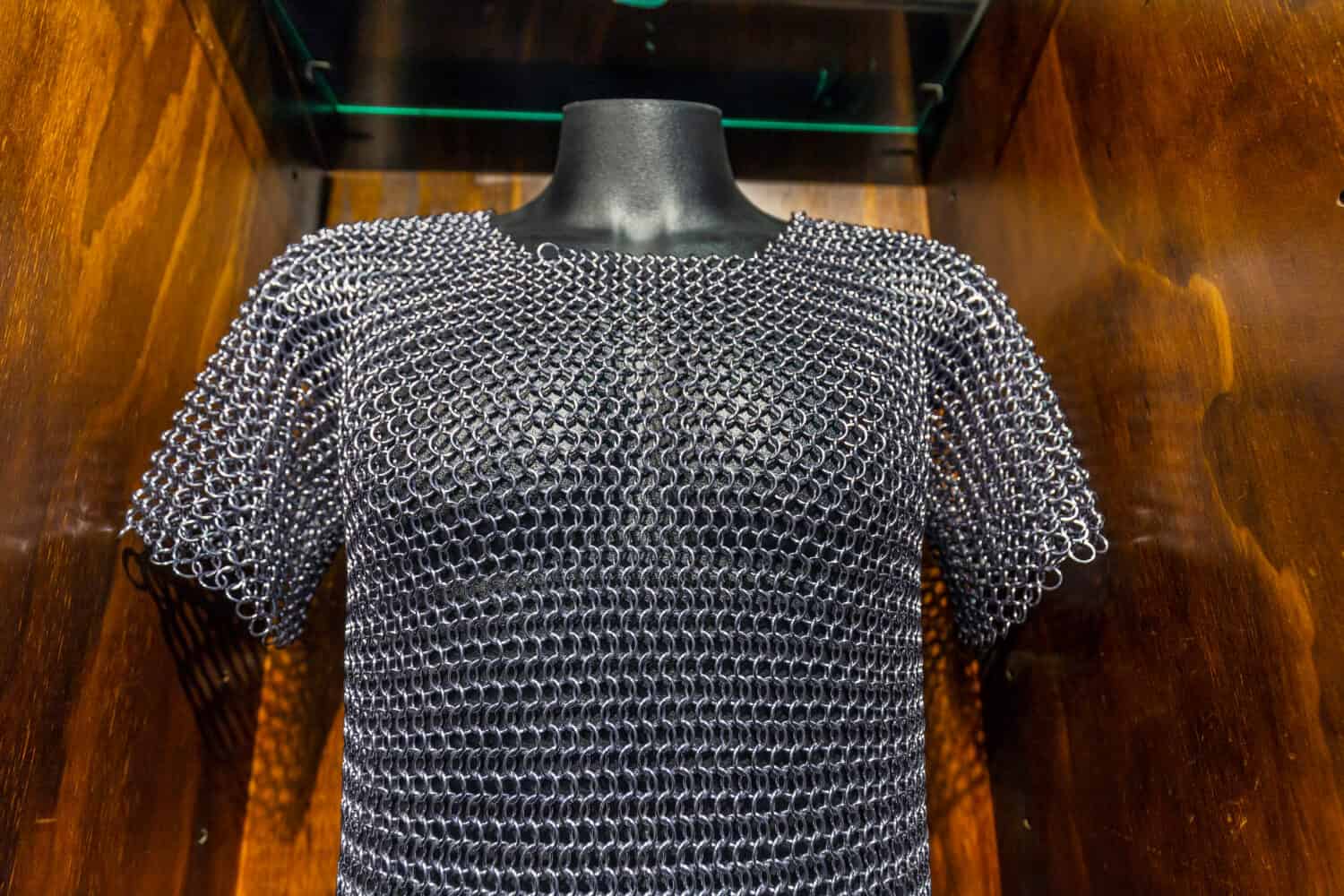
Only Knights Wore Armor
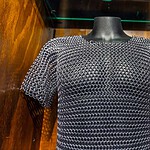
One of the persistent myths surrounding any historical warfare is the nature of armor. It is often thought that only the nobility and knights wore armor. While for the more expensive plate mail, this might be the case, that isn’t accurate in the slightest. Soldiers often wore leather, chain mail, and even padded cotton shirts to protect themselves in battle. Many foot soldiers and mercenaries would often save up for metal helmets.