
NetPix / Shutterstock.com

See page for author, Public domain, via Wikimedia Commons
Robert Harding Video / Shutterstock.com
Possibly Arthur Reginald Chaffin (1893-1954), Public domain, via Wikimedia Commons

CeltStudio / Shutterstock.com
Set of wartime photos of GC&CS at Bletchley Park, Public domain, via Wikimedia Commons
Juan Alberto Sánchez Margallo, CC BY 2.5
imaginima / E+ via Getty Images

teerayuth oanwong / Shutterstock.com







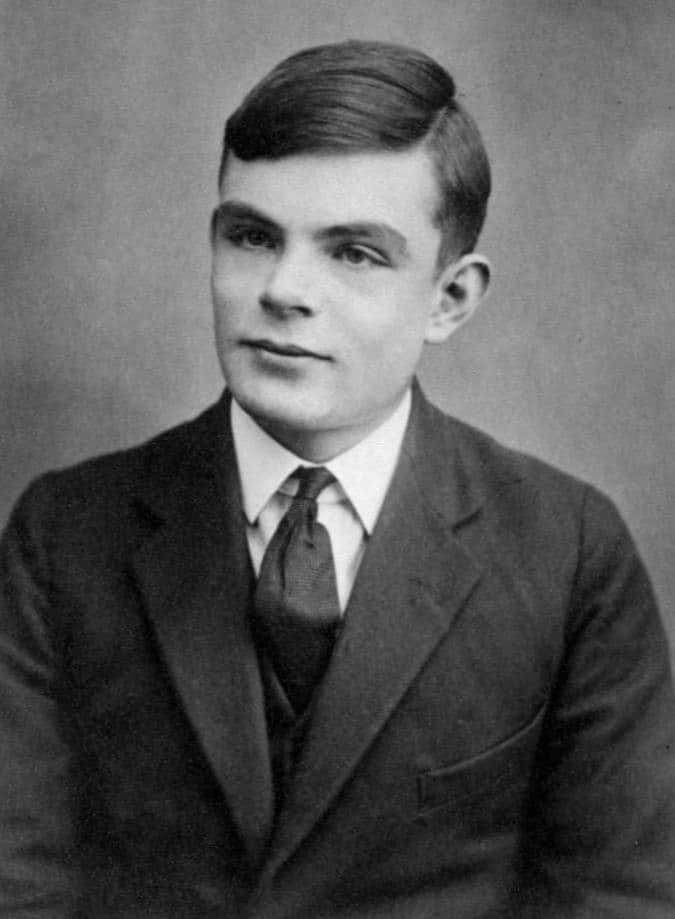
On June 23, 1912, a legend was born. Alan Turing, the father of theoretical computer science, is a big reason we now use computers and AI. This incredible mastermind only lived for a short 41 years and yet made quite an impact. To celebrate Alan Turing's birthday, let's dive into his life, accomplishments, and the impact his findings/work have on us today.
Alan Turing's Early Life
Alan Turing was born in Maida Vale, London, England. His father was in the Indian Civil Service (ICS), while his mother was a homemaker. Alan Turing lived in the area for years. He was labeled as very intelligent at a young age, and enrolled in Sherborne School, where he developed his love and passion for math. Not only was he intelligent, but he was also very athletic, cycling about 60 miles to school.
Education
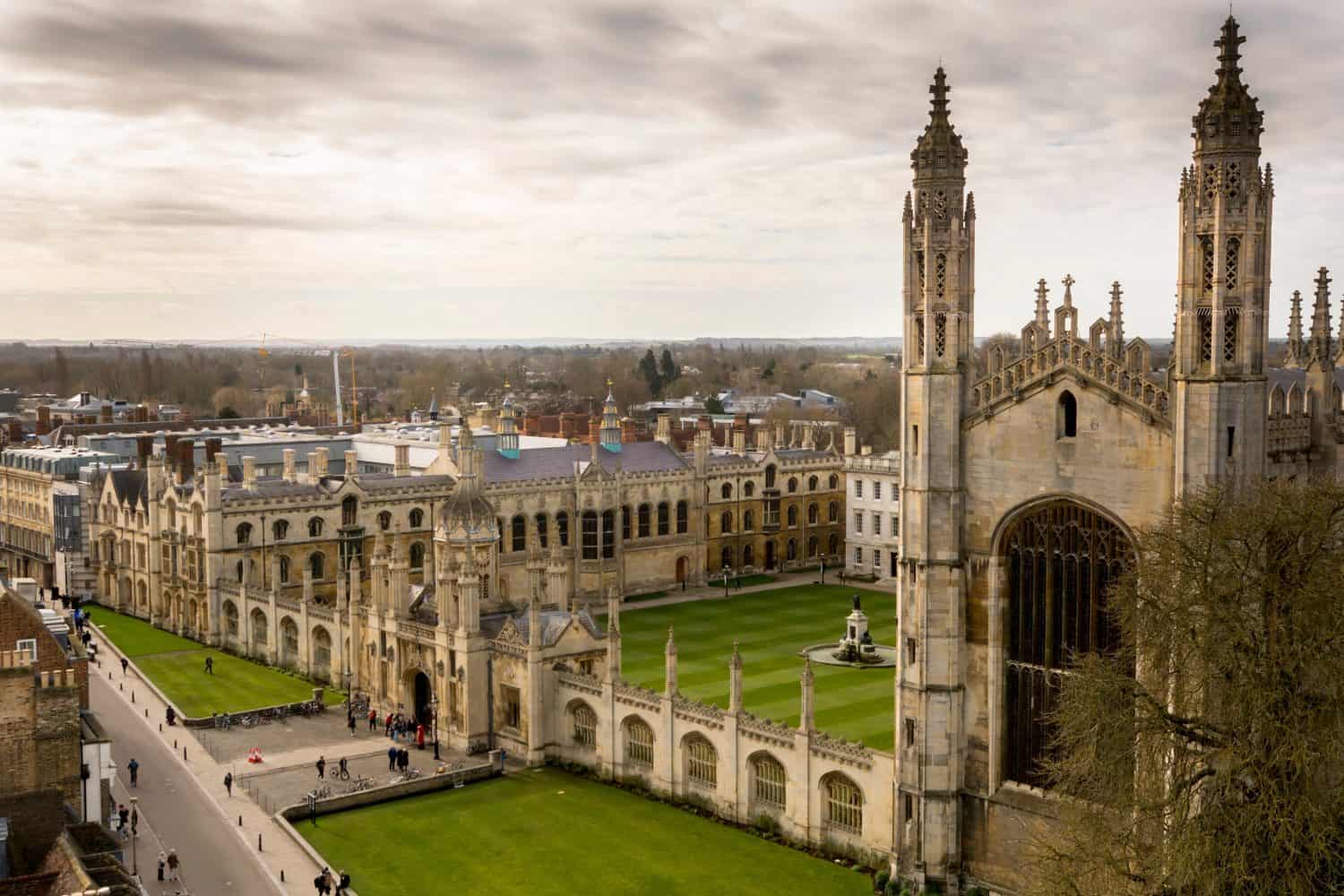
Before university, Alan Turing struggled to get along with classmates and teachers as they preferred to teach classics. His college career began at King's College at Cambridge from February 1931 to November 1934. In this program, he received first-class honours in mathematics. He completed his master's degree at the same university and was elected a Fellow of King's College, allowing him to lecture. For his doctorate, he completed it at Princeton University.
Personal Life
Alan Turing struggled in life despite his genius. For a short while, he was engaged to Joan Clarke. However, when he came out as homosexual, he ended the relationship. His sexuality during the 1940s and 50s was a hot topic and a big problem in his career. In the U.K. in 1951, homosexual acts were illegal. He was charged with "gross indecency." He pleaded guilty and was forced to take injections to reduce his libido, which altered his body a lot. Because of his conviction, he was denied entry into the United States but could roam Europe.
Turing was unjustly criminalized for his sexuality, and his life changed completely because of that one day. Decades later in 2013, Turing was pardoned for his crimes by David Cameron.
This escalated to the Alan Turing law, which allowed men who were once convicted of homosexual crimes to petition to pardon their crimes. These acts and relationships haven't been illegal in England and Wales since 1967.
Death
Alan Turing's passing was shocking. He passed away on June 8, 1954, in his home in England. A housekeeper found his body. He died of cyanide poisoning. His death was ruled a suicide, although this has been extensively questioned since.
World War II
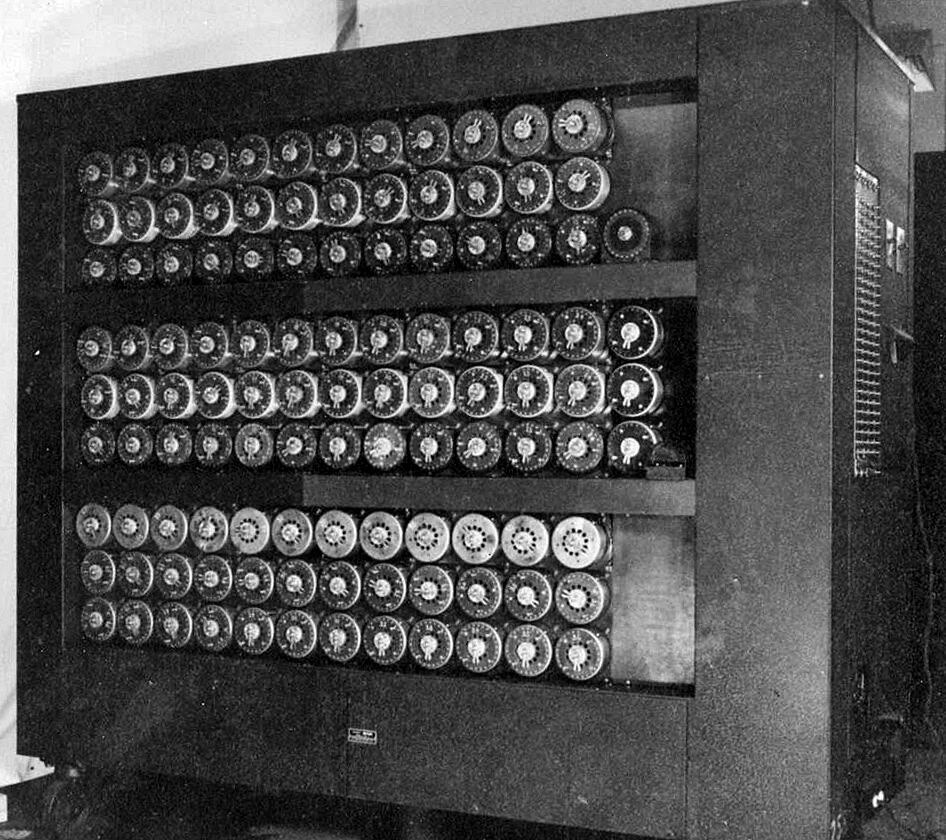
World War II buffs know Alan Turing for his incredible contributions to codebreaking. He was tasked with cracking the 'Enigma' code, which German forces used to secretly send messages. To reduce the time and work it took to decode these messages, Turing and Gordon Welchman created the Bombe.
Turing also headed the 'Hut 8' team at Bletchley, which worked on decoding and analyzing German naval signals. During this time, German U-boats were a hassle as they took out allied ships.
The Turing Test
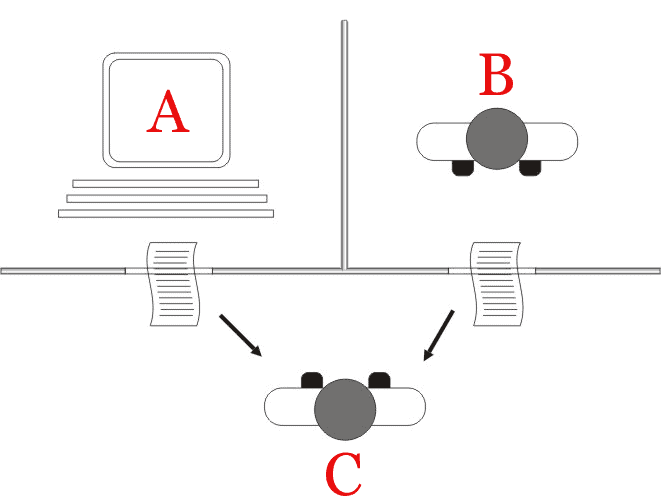
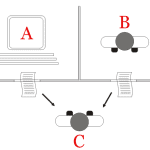
Have you ever heard of the Turing test? Originally called the imitation game, it was created by Alan Turing in 1949. It's a test to see how a machine analyzes and behaves like a human. Sound familiar? It's one of the foundational concepts of AI.
During this test, a machine and a human have a conversation. The transcript is then printed and reviewed by a human to determine which 'speaker' is the machine vs. the human. The test only analyzed how human a response was, not if the answers were correct. For a machine to pass, the human would have to incorrectly guess who was the person and who was the machine.
Turing published the test in a 1950 paper that began with the iconic question, "I propose to consider the question, 'Can machines think?'"
Early AI History
Contrary to popular belief, AI isn't a new concept. Although it's a new technological advancement, it's been a common idea/trope in movies, shows, and books. One of the first versions of AI was actually a game. Arthur Samuel created a game to play checkers. The machine played checkers without direction from a human. However, he didn't coin that phrase. Instead, John McCarthy first used the word in 1955 during a workshop at Dartmouth.
AI Now
In just seven decades, AI has grown exponentially. It is no longer just basic enough to play/randomly generate a game. Now, AI can generate images, text, and photos. It's used in research, data analysis, and everyday life. If you've recently applied for a job, you should know that AI is common for job searching. Companies use AI to review applications for specific words to move them along. Some companies even use AI chatbots to schedule interviews.