Britain has produced some of the world’s most well-known traditions, none more famous than afternoon tea. However, some other things that make British life distinctive are odd social rules, deeply ingrained habits, and traditions that have been taking place for centuries and nobody has ever bothered to question. Though Britain is made up of England, Scotland, and Wales, each with its own identity, there are certain things that feel super British. Here’s 8 of them, whether they’re charming, confusing, or a touch ridiculous.
Apologizing for Absolutely Everything
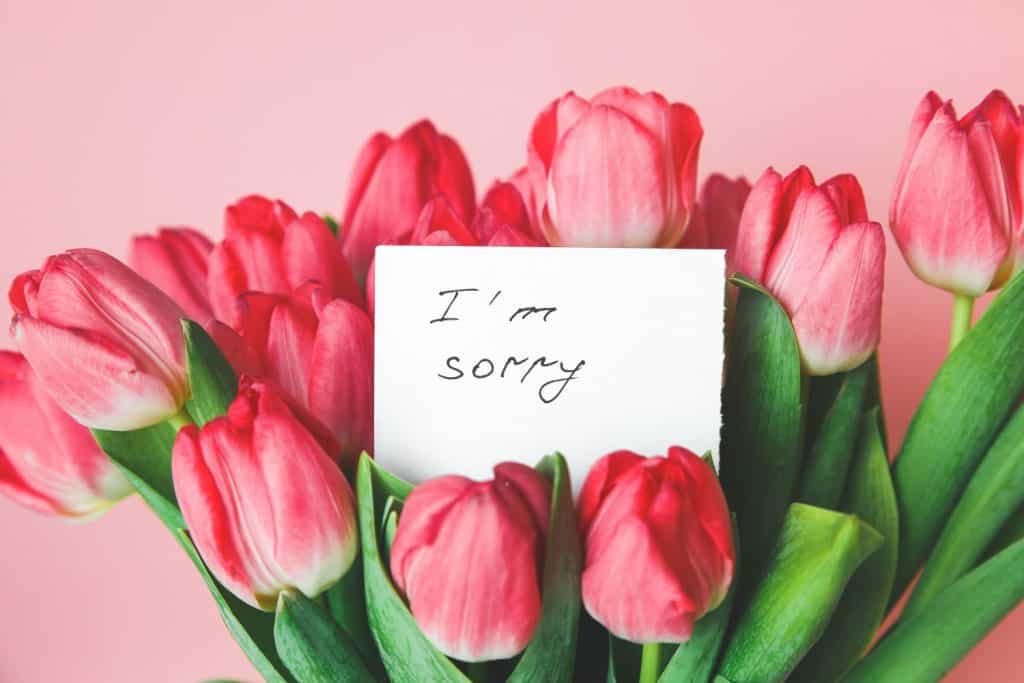
British people have a reputation for apologizing excessively, even when they’ve done nothing wrong. If someone bumps into them on the street, they might instinctively say “sorry” before the offending person has even realized what happened. The word also has extended meaning; it can be a polite request, an expression of sympathy, or even a subtle way of letting someone know they’re being annoying. Tone and delivery are everything. The tendency is indicative of a cultural preference for politeness and avoiding confrontation. It’s just the way they are, although we’re sure they’re sorry for it.
The Art of Queuing

Standing in line is hardly unique to one region, but the British have a strong attachment to doing it the right way and never breaking the rules. Whether waiting for a bus, entering a store, or buying a drink, people tend to respect the order. Cutting in line is considered seriously rude, even if it only garners a muttered comment or two. The cutter-in-line is sure to receive disapproving looks and irritated sighs, as the British also have an uncanny ability to express outrage without saying a thing.
The Full English Breakfast
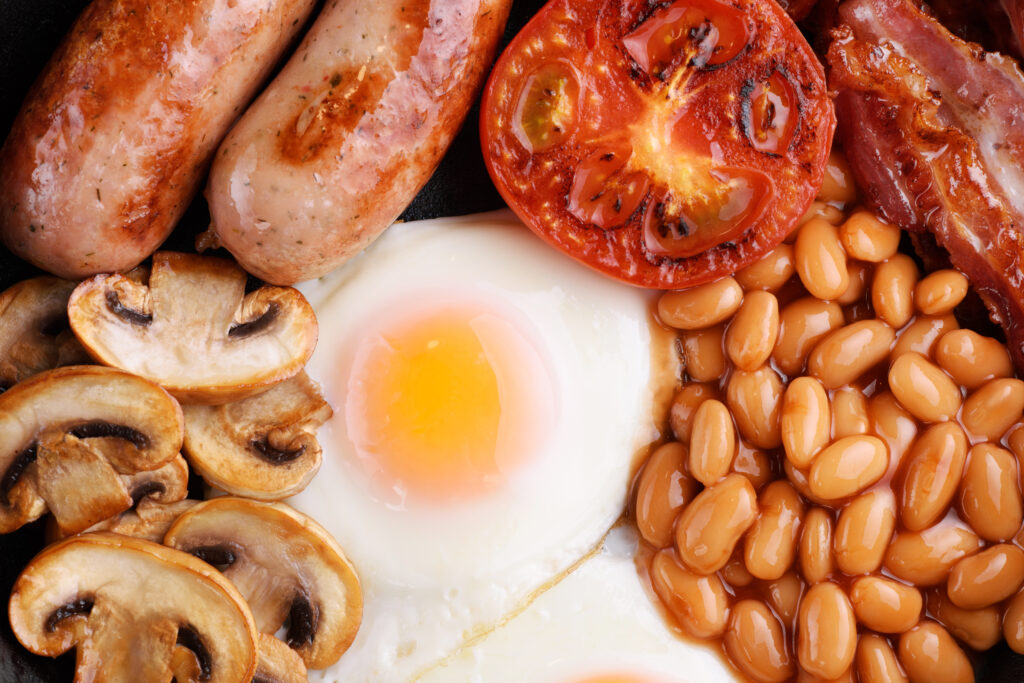
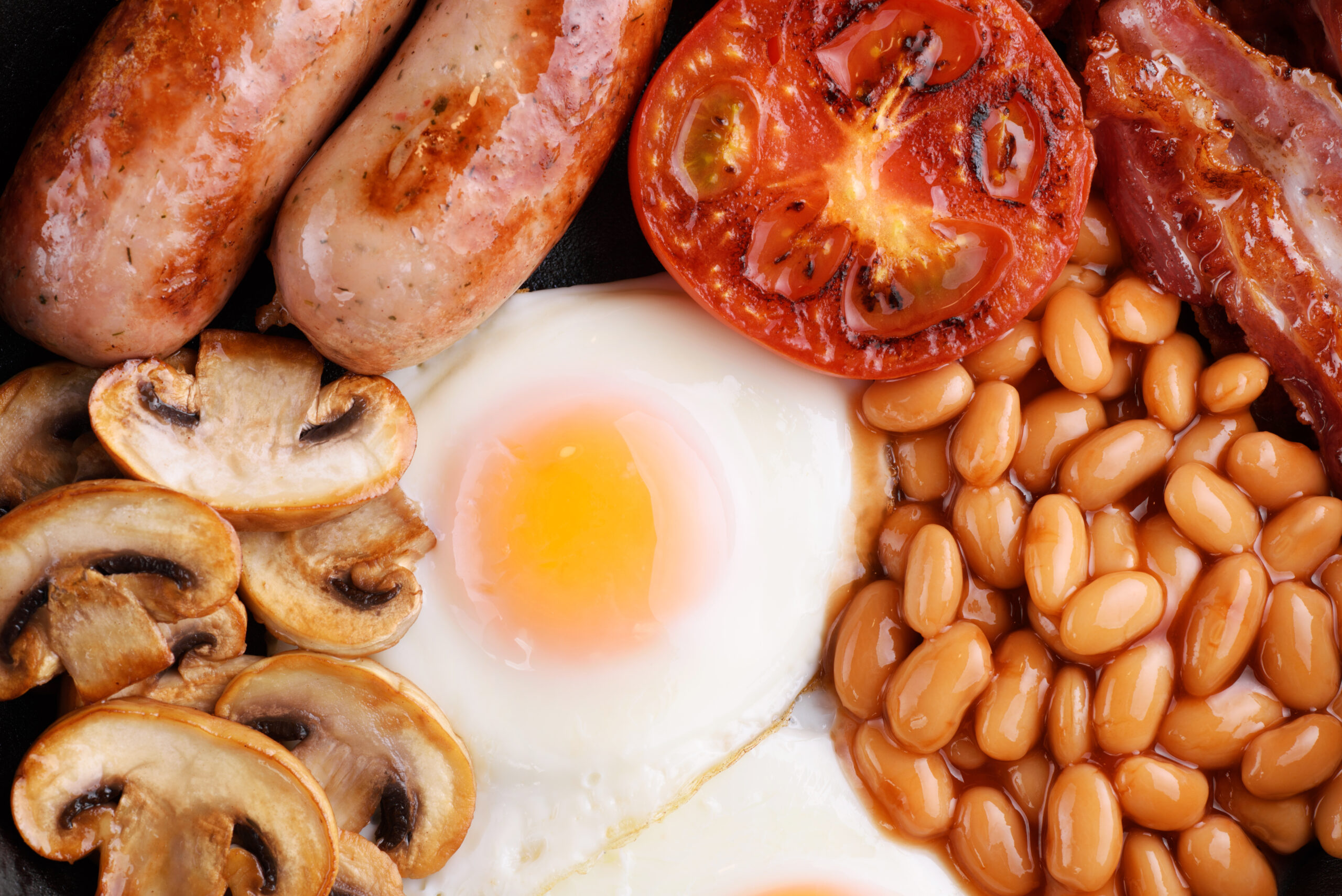
Many countries have traditional breakfast dishes, but the full English breakfast is impressive because it includes so much on one plate. Though there are regional variations, a typical serving might have bacon, sausages, fried eggs, baked beans, grilled tomatoes, mushrooms, toast, and black pudding (a type of blood sausage, despite sounding like a dessert). The dish developed over centuries, though the modern version is tied to Victorian and Edwardian dining. Those who partake might need a morning nap.
The British Pub

Pubs exist in other countries, but the traditional British public house is deeply rooted in Britain’s history and has earned a special place in the nation’s social life. Many pubs act as local gathering places where regulars go for drinks and conversation. Some of these establishments have been operating for centuries, and their architecture reflects their age. They have low ceilings, exposed wooden beams, and fun names like Ye Olde Trip to Jerusalem and The Drunken Duck.
Bonfire Night
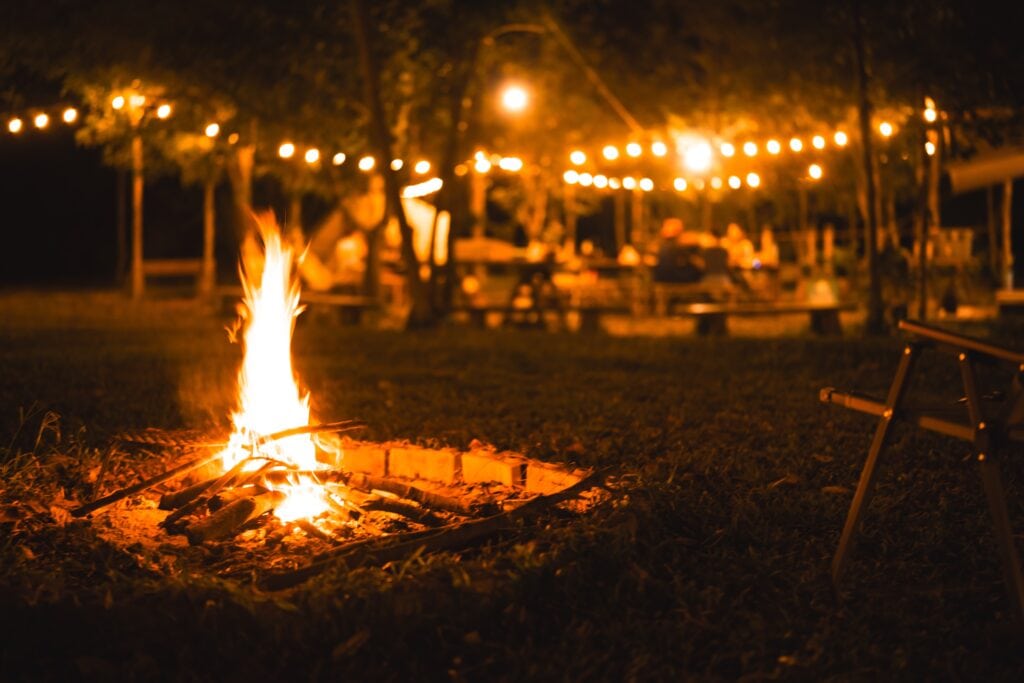
Every November 5, people in parts of Britain commemorate a very odd historical holiday: the failure of the Gunpowder Plot of 1605. This involved a group of Catholics who tried to blow up Parliament. The most famous conspirator, Guy Fawkes, was found hiding explosives under the House of Lords. Interestingly, the plot’s failure spawned an annual celebration. Bonfire Night involves fireworks, outdoor fires, and sometimes the burning of an effigy that is meant to symbolize Fawkes. It’s a pretty unusual holiday when you consider that it’s based on celebrating a failed assassination plot.
The Sunday Roast
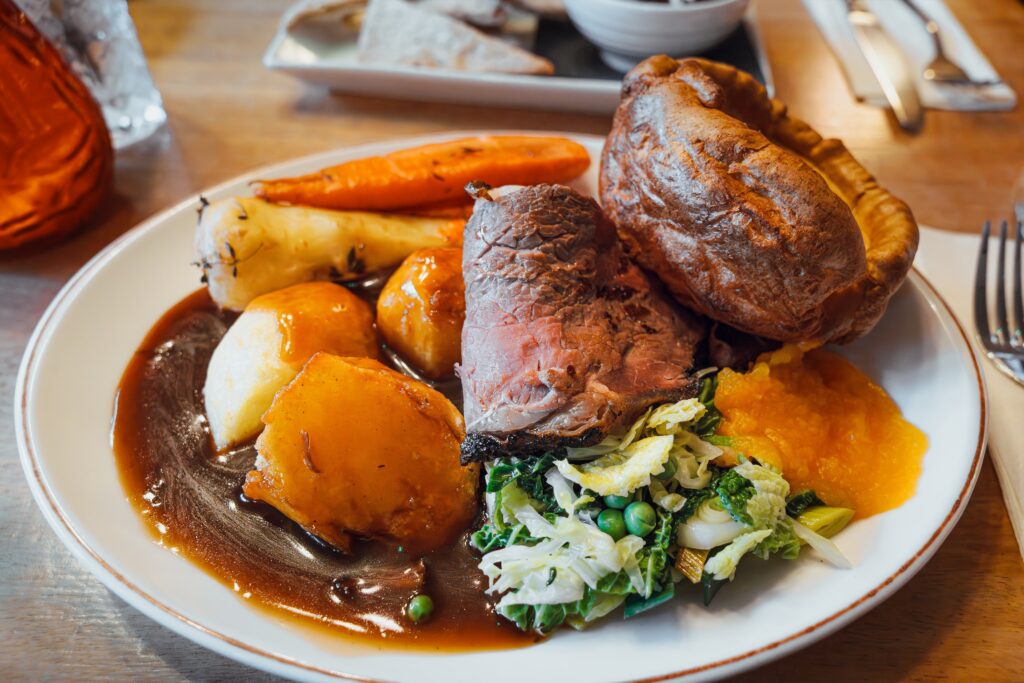
For generations, the Sunday roast has been one of Britain’s most famous food-based traditions. The meal is made up of roasted meat, potatoes, vegetables, gravy, and extras such as Yorkshire pudding (yet another British dish that sounds like dessert but isn’t sweet at all). The tradition is associated with family gatherings, relaxing afternoons, and the comfort of a home-cooked meal. Those who don’t want to spend all day preparing a feast themselves can go to their local pubs for Sunday roasts.
The Obsession with Tea
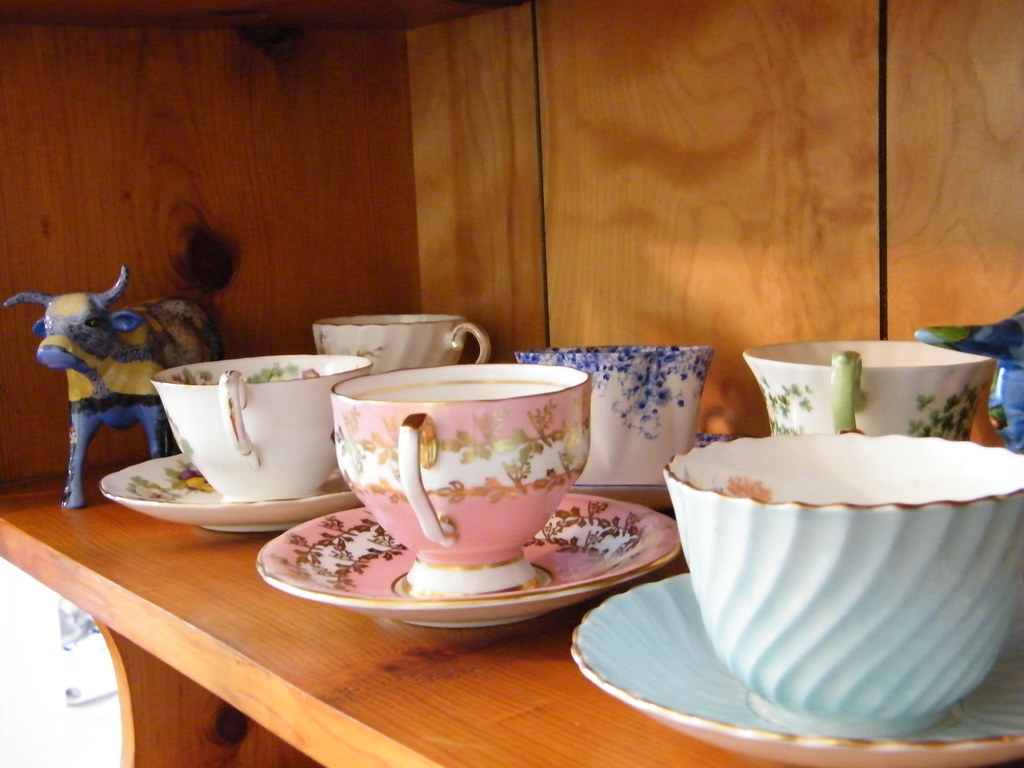
Britain’s relationship with tea is extremely special and very well established. Introduced to England during the 17th century, tea slowly became an essential part of everyday life for pretty much every citizen. It eventually surpassed coffee in popularity. Today, many British people drink multiple cups of tea in a single day. Offering a cup of tea is a normal response to just about any situation, whether someone’s visiting, you’ve had a hard day, or a bit of comfort is needed. There is even considerable debate over whether milk should be added before or after the tea is poured. Regardless of which side you’re on, it’s difficult to find a British household that doesn’t regularly “put the kettle on.”
Pantomime at Christmas
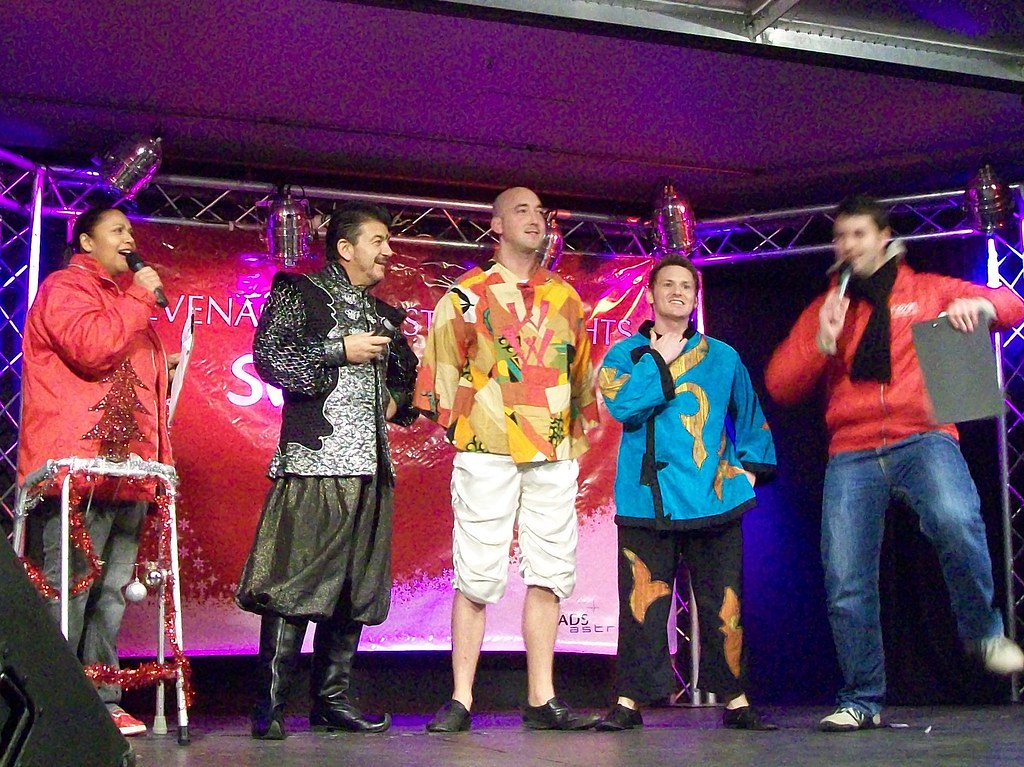
One of Britain’s most unusual holiday traditions, maybe even more so than Bonfire Night, is the Christmas pantomime. This theatrical performance has little to do with the silent acting Americans associate with mimes. British pantomimes are high-energy, comedic productions based on old-school fairy tales such as Cinderella, Aladdin, and Jack and the Beanstalk. They feature over-the-top characters, audience participation, musical numbers, and numerous jokes. Certain fun traditions are widespread, including audiences yelling “He’s behind you!” to warn a character when a bad guy sneaks onto the stage. One traditional role is the pantomime dame, a female character played by a man. For many British families, Christmas wouldn’t be complete without this wonderfully chaotic show.