Germany has given the world plenty of remarkable things, like automobiles and beer gardens. But beyond the obvious, there are certain habits and customs that are distinctly German. The country has a reputation for practicality and an appreciation for rules. They have plenty of wonderfully specific traditions that outsiders might not know about. Here are eight things that are distinctly German.
The Bread Obsession
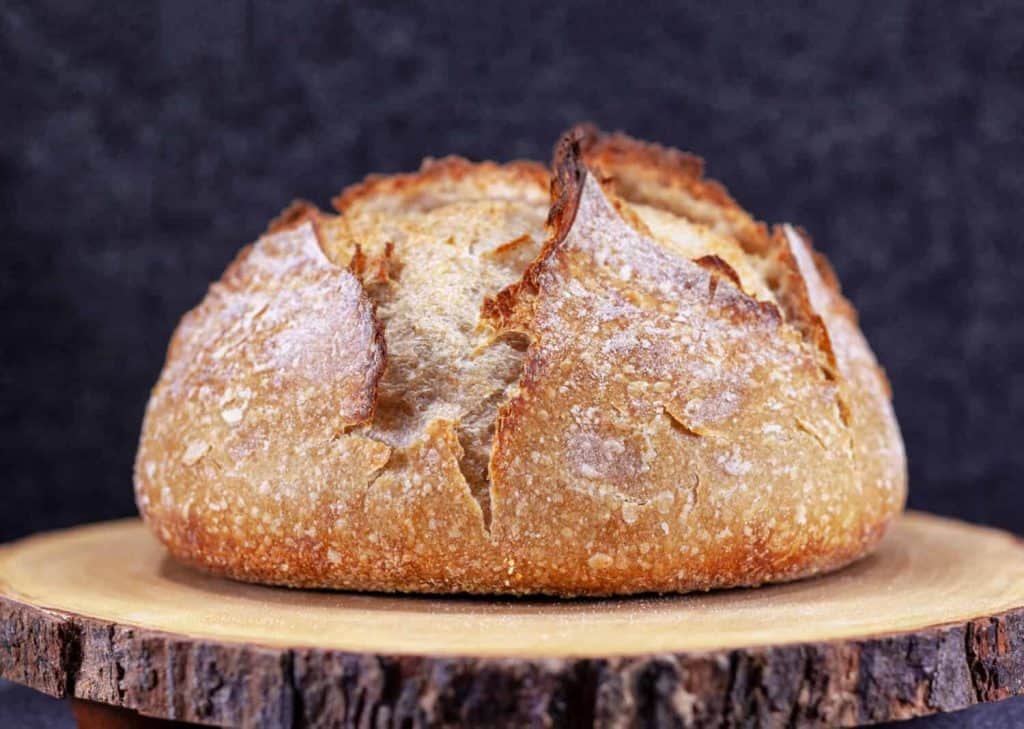
Bread is a staple in practically every country, but Germans take their breadmaking seriously. For Germans, bread has become something of a national institution. The country is home to an extraordinary variety of breads, including dense rye loaves, sourdoughs, seeded breads, and lots of regional specialties. The country’s bread culture is extremely significant, with traditional bakeries being an important part of everyday life. Many Germans judge the bread available in other countries pretty hard, claiming it’s disappointingly soft or bland. We wonder how they feel about America’s Wonder Bread?
Quiet Sundays

Many cultures view Sunday as a day of rest, but Germany takes the concept considerably more seriously than other western countries. Most supermarkets and retail stores are closed on Sunday, and regulations restrict noisy activities in residential areas. Things like mowing the lawn or home construction projects can easily result in complaints from neighbors. These customs are connected to the German concept of Sonntagsruhe, which has legal and cultural significance. For many Americans who spend Sundays running errands or catching up on chores, this might come as quite a culture shock.
The Autobahn

Germany’s Autobahn is famous around the world for its network of highways without a posted speed limit. Although many sections of the roadway have restrictions, others allow drivers to travel at whatever speed they want. These excessive speeds would lead to an expensive ticket in most other countries. However, the Autobahn isn’t simply a free-for-all where everyone drives however fast and erratically as possible. German traffic laws still exist here, like those focused on lane discipline, safe following distances, and keeping right except when passing. Still, a car legally traveling at 120 mph on a public highway is something that many visitors find unsettling.
The Schultüte Tradition
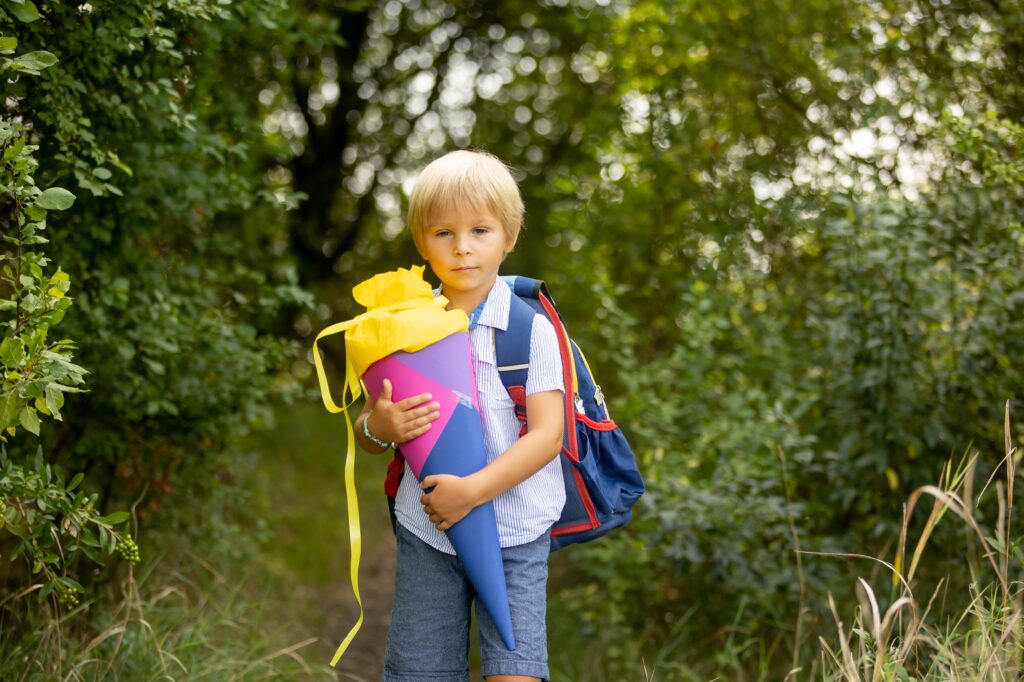
For German children, the first day of elementary school comes with a delightful tradition. Parents give their children a Schultüte, a huge decorated cone filled with candy, school supplies, toys, and gifts. The fun custom, which dates back to the early 19th century, was created to make the start of formal schooling a little more exciting. Some cones are enormous, almost as tall as the children holding them, making for some adorable first-day photographs.
The Pfand Bottle System

Germany has developed an impressive system for recycling beverage containers, known as Pfand. When buying certain bottled or canned drinks, customers pay a bit extra. This deposit can be reclaimed by returning the empty containers. Supermarkets now have automated machines that scan bottles and cans before shooting out vouchers. These slips of paper are redeemable at checkout. The system essentially gives a financial incentive to recycle. It’s also common for people to leave returnable bottles next to public trash cans so someone else can benefit from collecting the money.
Christmas Markets
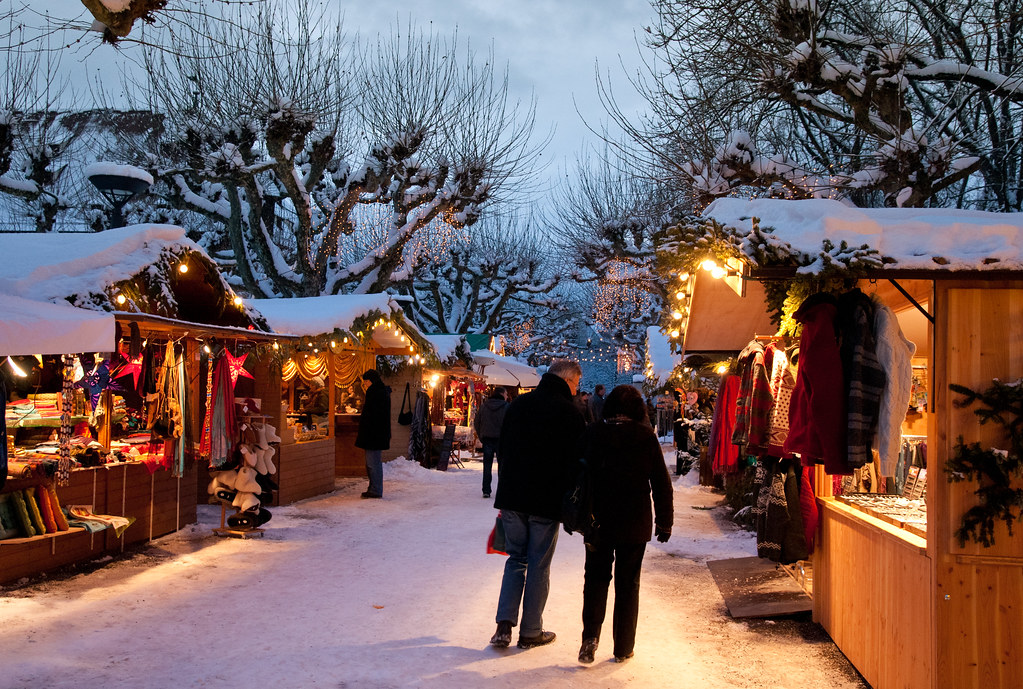
Christmas markets exist in other places, but Germany’s Weihnachtsmärkte are some of the oldest and most well-known examples. Many German towns turn their historic squares into highly festive places. The squares are filled with wooden stalls, twinkling lights, handmade ornaments, and seasonal foods. Visitors sip hot mulled wine, known as Glühwein, while looking at gifts and snacking on everything from roasted nuts to sausages. Some markets have been functioning for centuries, including Dresden’s famous Striezelmarkt, which dates to 1434! For many Germans, visiting a Christmas market is an essential part of the holiday season.
Lüften: The Art of Airing Out a Room

One particularly German habit is Lüften, the practice of regularly opening windows to let fresh air into a building. This form of ventilation prevents moisture buildup, improves air quality, and keeps a living space healthy. The practice of Stoßlüften involves opening windows all the way for about five to ten minutes to replace stale indoor air with fresh outdoor air. People do this even in the middle of winter, when temperatures are bitterly cold. To Germans, opening a perfectly cozy house to the cold is just good housekeeping.
The Love of Spargel

Every spring, Germany has an obsession with white asparagus, or Spargel. The vegetable is so popular that it is immediately celebrated as soon as it’s in season. Restaurants put out special menus, roadside stands pop up all over the place, and certain festivals are dedicated entirely to the delicious veggie. Some towns even crown asparagus queens! Unlike green asparagus, white asparagus is cultivated under the soil, so the sunlight doesn’t turn the stalks green. Traditionally, Germans serve it with potatoes, ham, melted butter, or hollandaise sauce. The season goes from April until June 24, before the country is forced to face a full nine months without its beloved vegetable.