Ivica Drusany / Shutterstock.com
Philip Rozenski / iStock Editorial via Getty Images
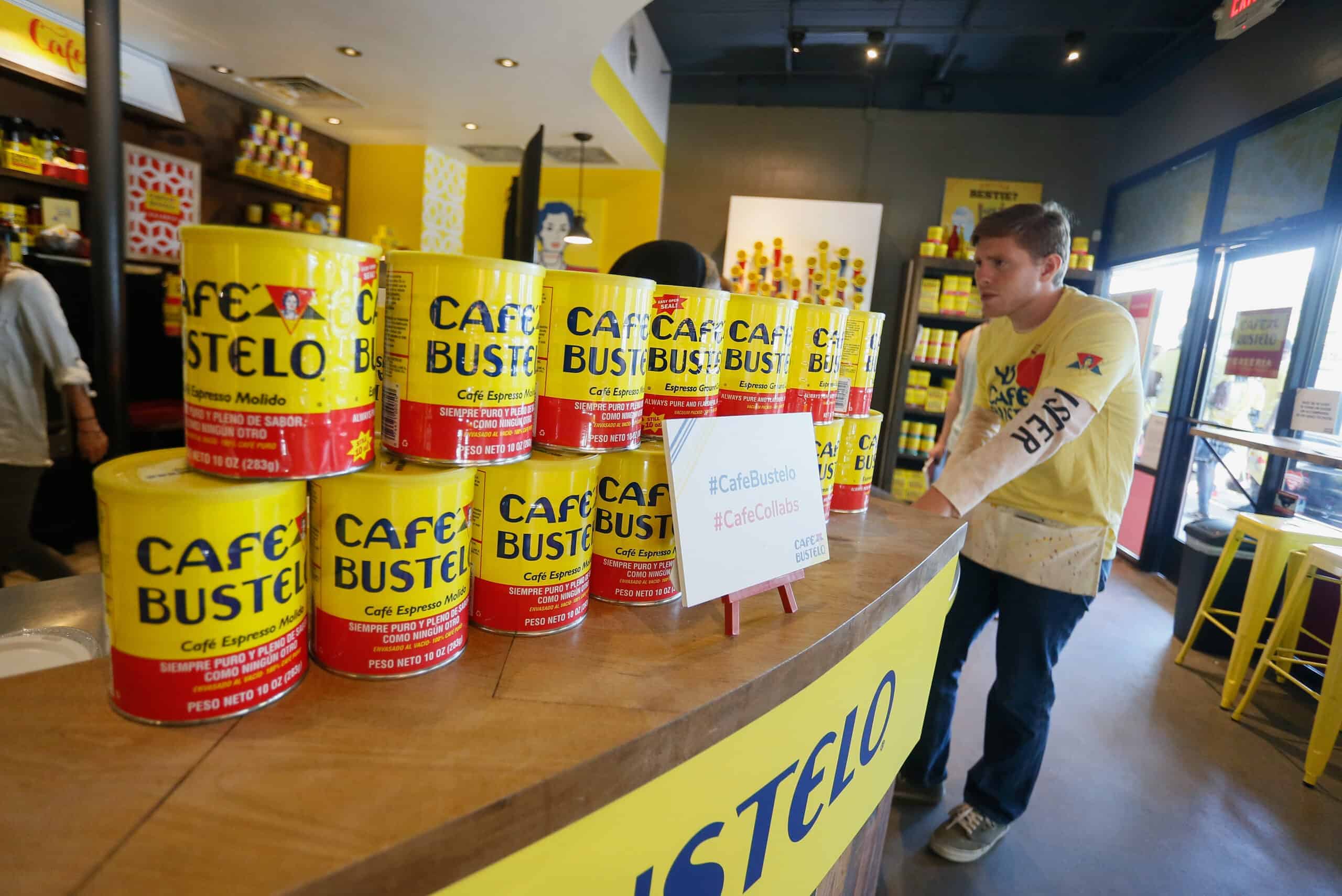
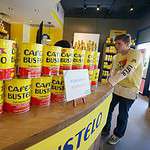
Photo by Bob Levey/Getty Images for Café Bustelo
littleny / Getty Images
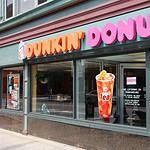
tupungato / iStock Editorial via Getty Images
Ivica Drusany / Shutterstock.com
Sergi Alexander / Getty Images Entertainment via Getty Images
aboutsung / Shutterstock.com





Multiple Starbucks locations across the U.S. have baristas on strike this week. With this in mind, it may be time to branch out and explore other U.S. coffee brands. The problem is, there are quite a few to keep track of.
As of 2023, the United States has over 40,000 branded coffee shops, with Starbucks, Dunkin Donuts, and Panera leading the market. However, even when a trip to a favorite cafe isn't possible, home brewing remains a popular choice. According to the National Coffee Association, 62% of Americans enjoy a daily cup, highlighting the nation's deep love for coffee.
Based on annual sales, 24/7 Tempo compiled a list of the 10 most popular coffee brands in the U.S. using several sources including the data site Statista, the German-based coffee information site Coffeeness, and the online recruitment site Zippia, as well as the websites of the companies listed.
Here are America's favorite coffee brands ranked.
This post was updated May 15th, 2025 to reflect Starbucks strike information.
10. Maxwell House
- Year founded: 1892
- Headquarters: Tarrytown, NY
- Annual revenue (2022): $20 million
Named for the famed Maxwell House Hotel in Nashville (now long gone), which was its first big customer, this is one of America’s oldest coffee brands. Legend had it that its memorable slogan “Good to the very last drop” was coined by President Theodore Roosevelt, but it was later revealed that an executive at General Foods, which owned the brand for years, came up with it. Maxwell House is now owned by Kraft Heinz.
9. Eight O'Clock Coffee
- Year founded: 1859
- Headquarters: Montvale, NJ
- Annual revenue (2022): $106 million
In the latter 19th century, this brand — created by the Great Atlantic Pacific Tea Company (later known as A&P, as in the once ubiquitous but now defunct supermarket chain) — accounted for almost a quarter of all coffee sales in America. In 2003 it was sold off to a private equity firm, which in turn sold it a few years later to India-based Tata Consumer Products, its owner today.
8. Café Bustelo
- Year founded: 1928
- Headquarters: New York, NY
- Annual revenue (2022): $150 million
Spaniard Gregorio Bustelo founded this brand, specializing in Cuban-style ground espresso, in Harlem, and it quickly found a ready market among Cuban immigrants in the New York area. Though it was initially sold mostly in small neighborhood markets, it eventually grew into a brand commonly found in supermarkets around the country, where it stands out on shelves with its bright yellow and red packaging. Today, it is owned by the J.M. Smucker Company.
7. Folger Coffee Company
- Year founded: 1850
- Headquarters: Orville, OH
- Annual revenue (2022): $204.7 million
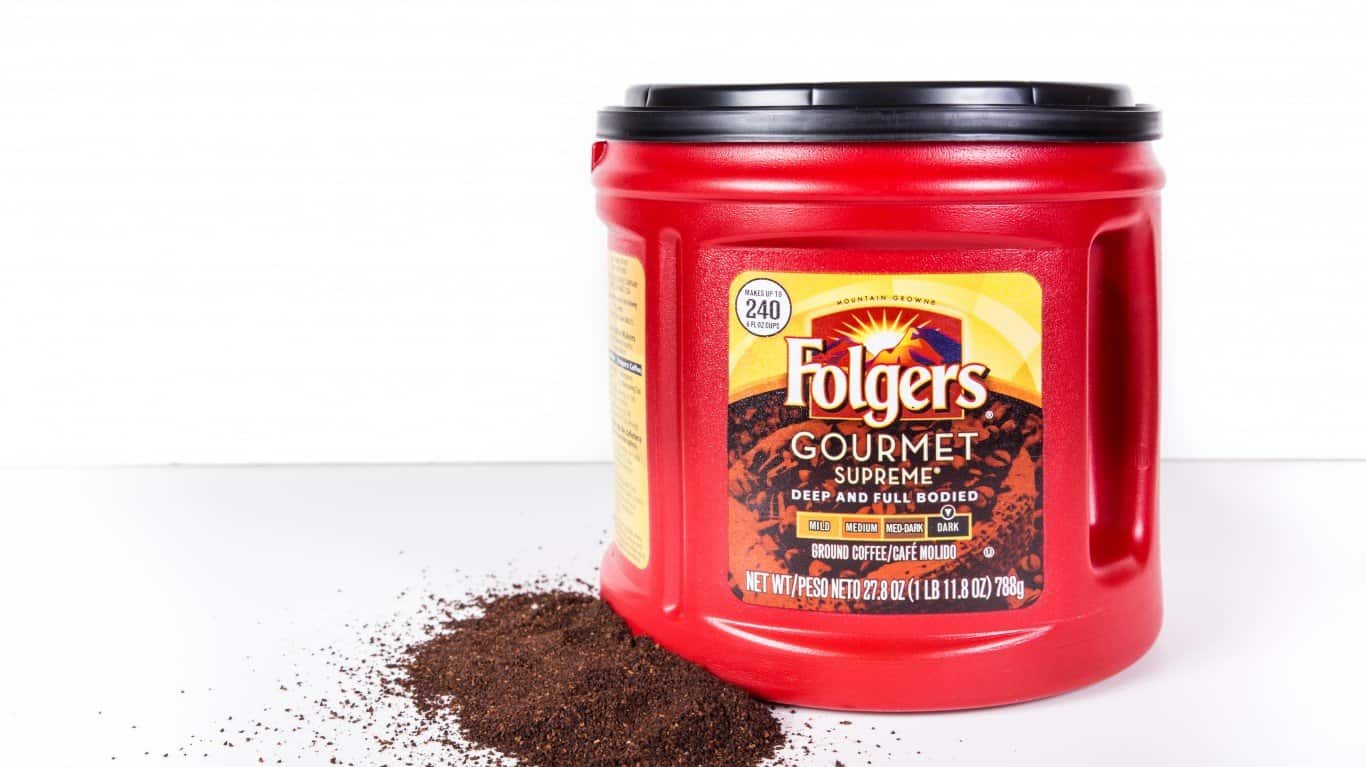
This well-known brand traces its origins to a company called Pioneer Steam Coffee and Spice Mills, founded in San Francisco by William Bovee. J.A. Folger was an employee of Bovee’s who bought into the company and eventually — in 1872 — became the sole owner and renamed it for himself. It grew into America’s leading coffee brand in the latter part of the 20th century, and remains the nation’s largest producer of ground coffee products. Like Café Bustelo, it’s now the property of the J.M. Smucker Company.
6. Caribou Coffee
- Year founded: 1992
- Headquarters: Brooklyn Center, MN
- Annual revenue (2022): $262 million
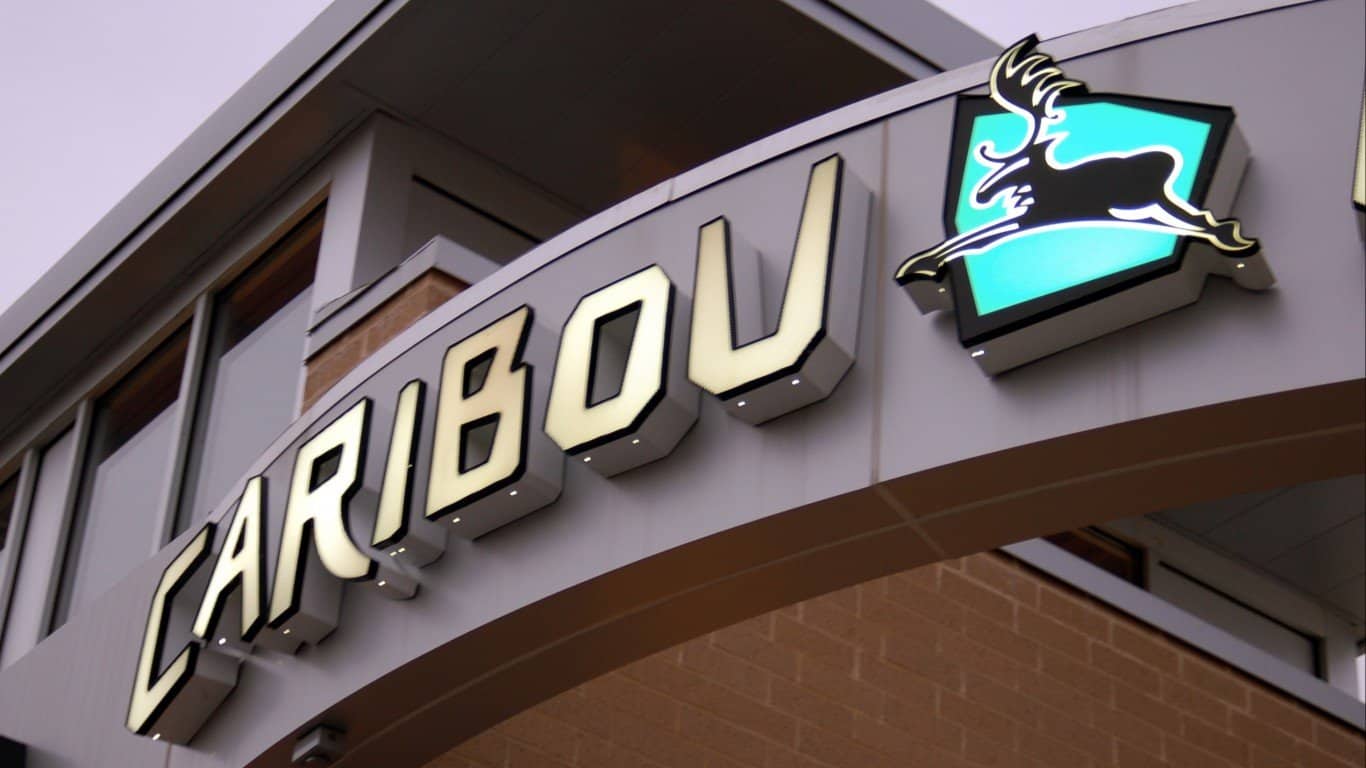
Founded by John and Kim Puckett after a backpacking trip to Alaska — where they were impressed by the sight of a herd of caribou, lending their company its name — this chain began with a single shop in the Minneapolis suburb of Edina. Today there are about 450 Caribou stores around the country, and more abroad. In 2021, the company joined with Panera Bread and Einstein Bros. Bagels to form Panera Brands — which in turn is owned by the Luxembourg-based German JAB Holding Company, whose portfolio also includes Peet’s Coffee and a majority interest in Keurig Dr. Pepper (see below for both).
5. Peet's Coffee
- Year founded: 1966
- Headquarters: Emeryville, CA
- Annual revenue (2022): $983 million
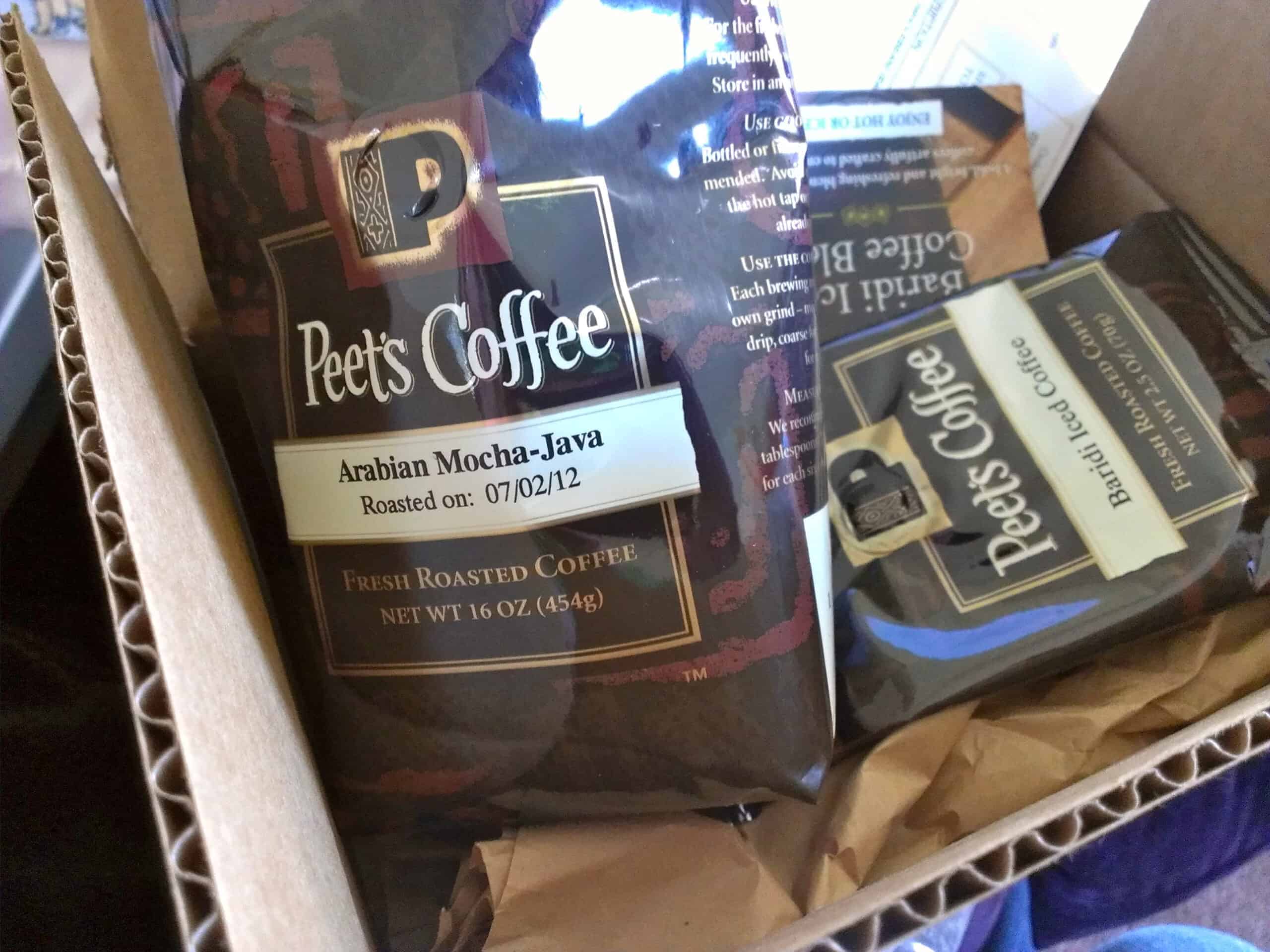
Dutch-born Alfred Peet started Peet’s as a single shop in the University of California campus in Berkeley (and just around the corner from the legendary Chez Panisse). Founded five years before the first Starbucks opened across the street from Seattle’s Pike Place Market, Peet’s was a pioneer of the so-called “second wave” of coffee purveyors, and popularized dark-roasted Arabica beans in the U.S. Today the company, with more than 230 stores around the country and a presence in an estimated 14,000 grocery stores, counts both Stumptown Coffee and Intelligentsia Coffee & Tea as subsidiaries, and is itself owned by the German conglomerate JAB Holding Company.
4. Dunkin' Brands
- Year founded: 1948
- Headquarters: Canton, MA
- Annual revenue (2022): $1.25 billion
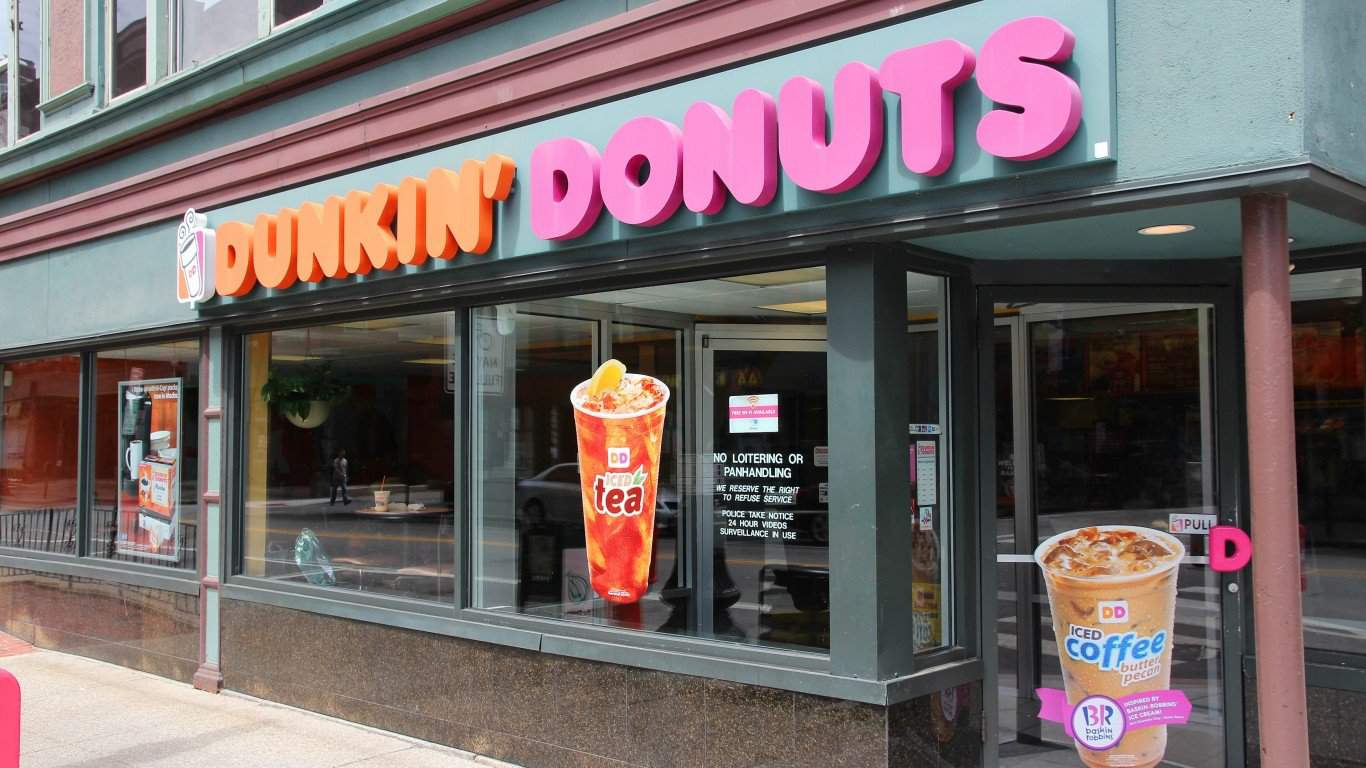
Entrepreneur Bill Rosenberg opened a coffee-and-doughnuts restaurant in Quincy, MA, under the name Open Kettle, rechristening it Dunkin’ Donuts in 1950. The simplicity of his concept proved popular and Rosenberg began franchising in 1955. In 2019, primarily because the chain’s focus shifted away from doughnuts (though they are still a part of the product line) and towards coffee beverages, the word “Donuts” was cut. Today there are 13,200-plus Dunkin’ locations across the globe, more than 9,500 of them in the U.S. The current owner is Georgia-based Inspire Brands, whose holdings also include Arby’s, Sonic Drive-In, Jimmy John’s, and Baskin-Robbins, among other chains.
3. Lavazza
- Year founded: 1895
- Headquarters: Turin, Italy
- Annual revenue (2022): $2.97 billion
The only major player in the American coffee game that’s not based in the U.S., Lavazza specializes in espresso under numerous product names, and its ground coffee and capsules (including Nespresso-compatible examples) are widely available in supermarkets all over the country. In 2021, it opened its first roasting and packing plant in America, in West Chester, PA. This year, Lavazza was named the official coffee for Princess Cruises.
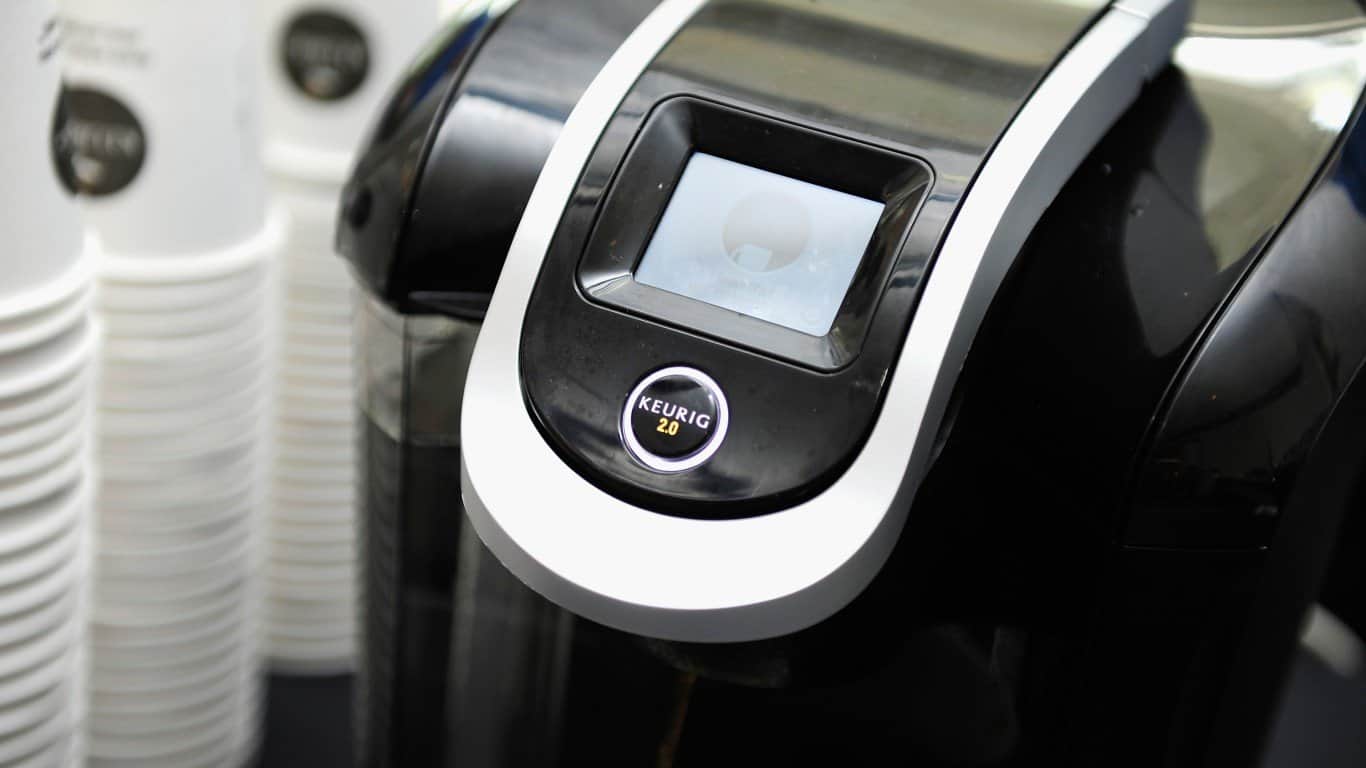
2. Keurig Dr Pepper (Green Mountain Coffee Roasters)
- Year founded: 1981
- Headquarters: Plano, TX
- Annual revenue (2022): $14.08 billion
Green Mountain Coffee Roasters was founded in 1981 by Bob Stiller as a small coffee shop in Waitsfield, VT, and over the next decade the business opened other outlets and gained more than 1,000 wholesale customers. In 1992, Peter Dragone and John Sylvan founded a company called Keurig in Boston (Sylvan said the name was Dutch for “excellence;” it actually means “elegant” or “exquisite”), to produce machines that would brew a single cup of coffee at a time, using a pre-filled capsule. Green Mountain became the first company to supply its coffee for Keurig’s “K-Cups.” Others soon followed. In 2006, Green Mountain bought Keurig, renaming the operation Keurig Green Mountain. In 2018, they merged with the Dr Pepper Snapple Group. All the other companies on this list now supply coffee for K-Cups.
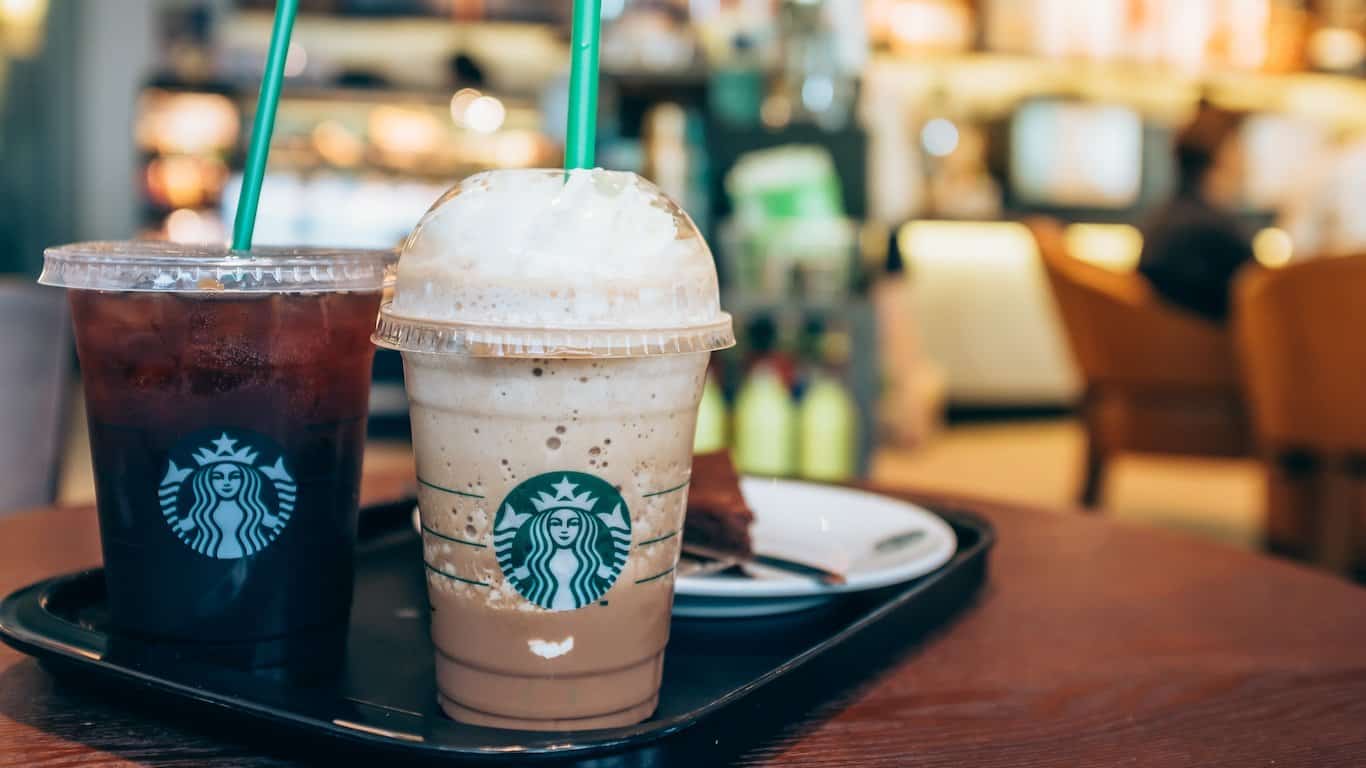
1. Starbucks
- Year founded: 1971
- Headquarters: Seattle, WA
- Annual revenue (2022): $32.25 billion
Since its founding as a single coffee bean store 50-plus years ago, Starbucks has become virtually synonymous with coffee in this country — and, increasingly, around the world. Its founders were originally inspired by the success of Peet’s in Berkeley (see above), and envisioned a similar business. One of their employees, Howard Schultz, left to open his own coffee shop, which he merged with Starbucks in 1986. Inspired by his experiences with Italy’s caffè culture, he envisioned converting Starbucks from a store selling beans into a coffee shop serving a range of coffee and tea drinks made to order. Today, it is the world’s largest coffee company by a hefty margin, it terms of both sales and number of outlets. There are more than 35,000 Starbucks locations in more than 80 countries around the world, about 16,000 of them in the U.S.