
Inside Creative House / Shutterstock.com
littleny / Getty Images
ADISAK.SHUTTER/Shutterstock.com
FotoDuets/Shutterstock.com
Michelle Lee Photography/ via Getty Images
last19 / iStock via Getty Images
Evgeny Karandaev/Shutterstock.com
littleny / iStock Editorial via Getty Images
Xeniia X/Shutterstock.com
blu_pineappl3 / Flickr
Michelle Lee Photography/iStock.com
Thinglass / iStock Editorial via Getty Images
Natasha_Kovtun/Shutterstock.com
jetcityimage / iStock Editorial via Getty Images
Rawpixel/iStock via Getty Images

7 Coffee Brands This Busy Dad Leaves on the Shelf
As a busy Dad of three, I do not need my morning coffee to come with a tasting journal and a chemistry set. I need it to taste fresh, fit the way we actually brew coffee at home, and get me through the morning without costing more than it should.
Coffee is also extremely personal, so this is not a list of unsafe or universally bad brands. These are seven familiar names I usually leave on the shelf because their most common formats, caffeine levels, roast styles, or package sizes do not work particularly well for me. Another household may love every one of them. My grocery cart has simply voted no.
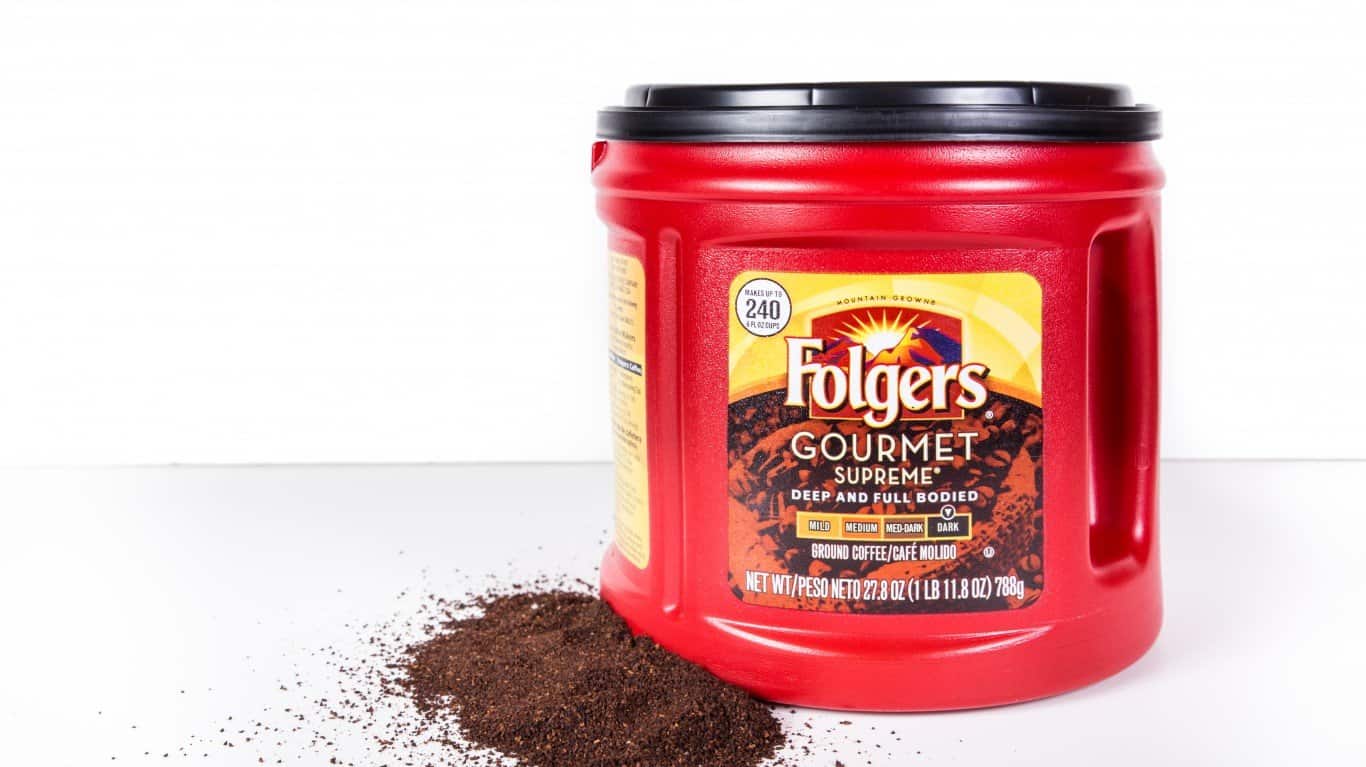
Folgers
Folgers has deep roots in American coffee, although not quite as deep as the original version of this story claimed. Its history begins in San Francisco in 1850, when 14-year-old James A. Folger went to work for William H. Bovee's Pioneer Steam Coffee and Spice Mills. Folger later took control of the business and reorganized it as J.A. Folger & Co. The brand's current lineup includes ground coffee, K-Cup pods, instant coffee, single-serve products, and ready-to-drink beverages.
Why I Skip Folgers
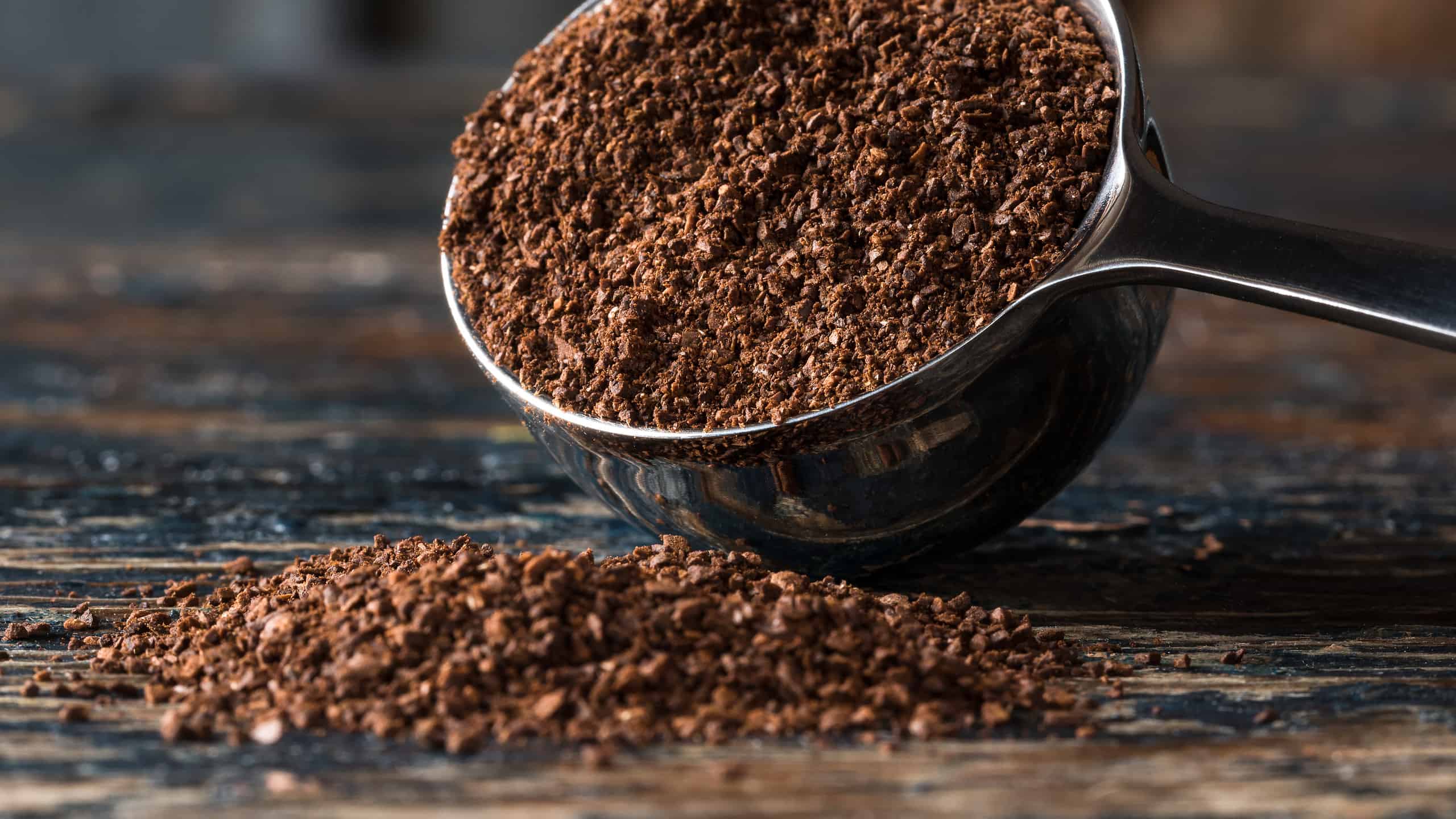
Folgers is built for convenience and consistency, two things that are genuinely useful on a chaotic morning. Its current product catalog, however, does not list a whole-bean line. I prefer to buy whole beans and grind only what I need because it gives me more control over the grind and usually produces a more aromatic cup. The Specialty Coffee Association notes that grinding dramatically accelerates the loss of gases and aroma compounds. Folgers may be easy and familiar, but that tradeoff is enough to keep it out of my regular rotation.
Maxwell House
Maxwell House has been sold since 1892 and remains one of the old guard of the supermarket coffee aisle. Kraft Heinz's current catalog includes dozens of ground coffees, instant coffees, café-style drink mixes, and K-Cup pods in roasts ranging from mild breakfast blends to darker options. In other words, this is still a convenience-first brand with enough varieties to cover almost any basic coffee routine.
Why I Skip Maxwell House
Maxwell House and Folgers occupy much of the same territory for me: affordable, familiar, and dependable, but not especially exciting. A large canister of pre-ground coffee gives me plenty of cups, yet I tend to lose interest in the flavor long before I reach the bottom. I would rather buy a smaller bag of whole beans and grind them as I go. Maxwell House is not doing anything wrong; it is simply solving a convenience problem that I no longer have.
Death Wish Coffee
Death Wish Coffee built its identity around extra-caffeinated coffee, but the brand has more going for it than a skull on the bag. Its flagship dark roast combines arabica and robusta beans and is certified organic and Fair Trade. According to the company, a 6-ounce serving brewed according to its directions contains about 180 milligrams of caffeine, although the exact amount can vary with the beans and brewing method.
Why I Skip Death Wish Coffee
The responsible sourcing is a plus, but the caffeine level makes this a poor match for the way I drink coffee. The FDA says 400 milligrams per day is an amount not generally associated with negative effects for most adults, while also stressing that sensitivity varies from person to person. One small Death Wish serving can therefore use a sizable share of that amount. Since I prefer more than one leisurely cup to one coffee-powered rocket launch, I usually choose something milder and less expensive.
Green Mountain Coffee Roasters
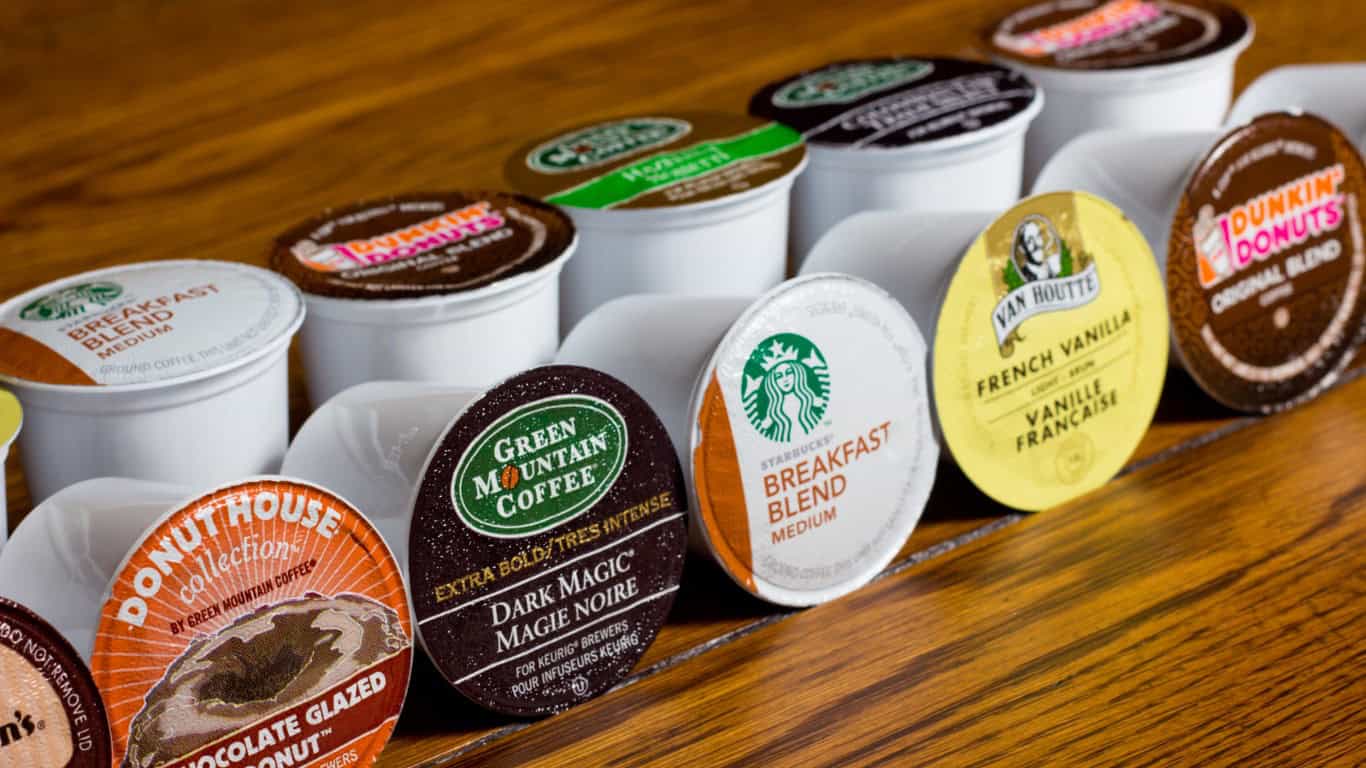
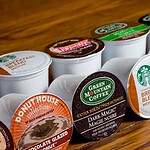
Green Mountain Coffee Roasters is closely associated with Keurig, and for good reason: Green Mountain Coffee Roasters acquired Keurig in 2006, years before the businesses became part of the company now known as Keurig Dr Pepper. The coffee brand still leans heavily toward K-Cup pods, although its current selection also includes ground and whole-bean options.
Why I Skip Green Mountain Coffee Roasters
Our family owned a Keurig, and I completely understand why people love the speed and lack of cleanup. We eventually moved away from it because the pod coffee did not have the body or strength we wanted, especially when several people were making cups every morning. The extra packaging is another drawback for me. Keurig says its pods are made in a recyclable format, but its recycling guidance also tells customers to check locally because acceptance varies. For our household, single-serve convenience simply does not outweigh those tradeoffs.
Yuban
Yuban dates to the early 1900s and remains a traditional supermarket coffee brand. One important correction from the earlier version of this story: current Kraft Heinz product documents still list Yuban, so the claim that Reily Foods owns it was incorrect. Those documents identify large canisters of Traditional Medium Roast ground coffee, including 42.5- and 48-ounce packages.
Why I Skip Yuban
The previous story claimed that Yuban had abandoned a 100% Colombian recipe for a lower-quality arabica-and-robusta blend. I could not verify that account from reliable current sources, so it does not belong here. My actual reason for skipping Yuban is much simpler: the large packages of pre-ground coffee are more than we can finish while the flavor still feels lively. A bulk canister may be a smart value for a household that goes through coffee quickly. Mine would rather have a smaller bag and a little more variety.
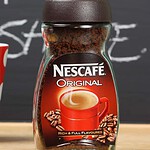
Nescafé
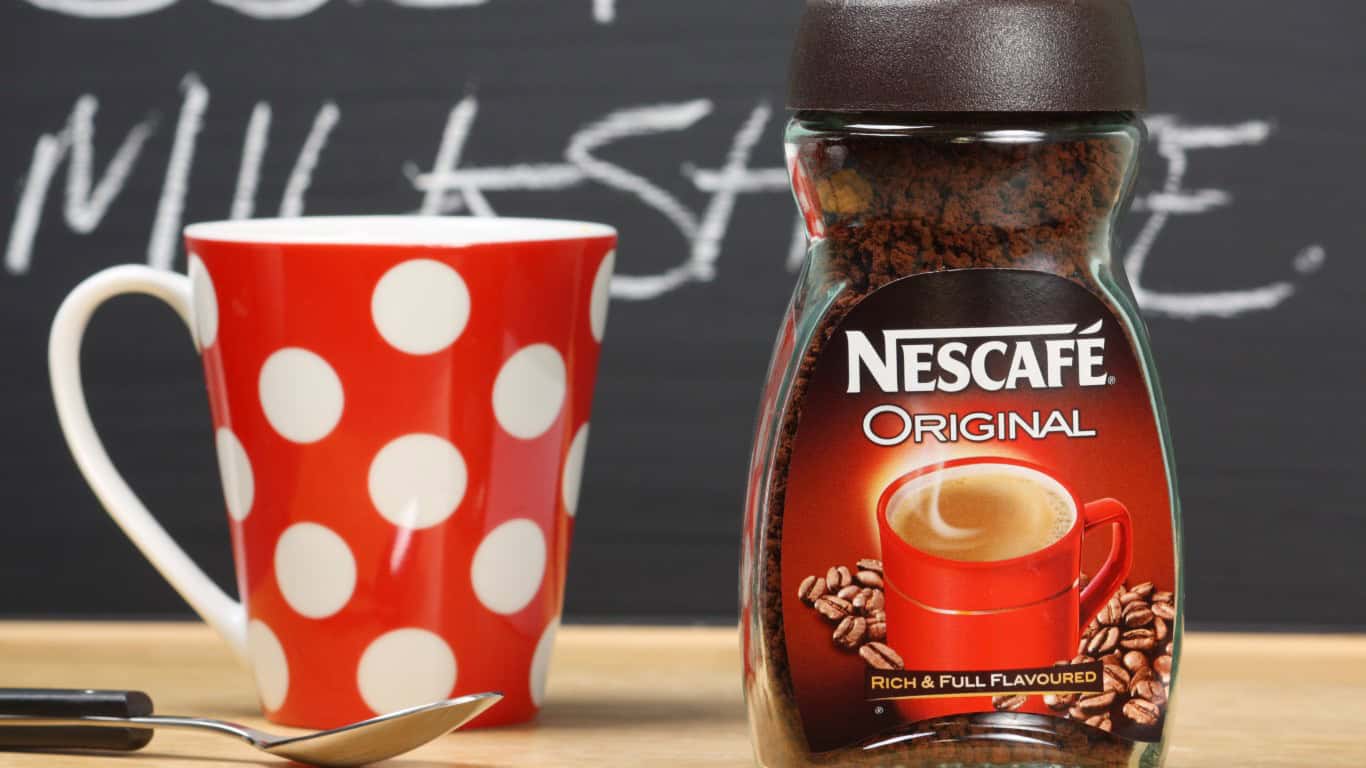
Nescafé is Nestlé's enormous global coffee brand, and its U.S. selection is broader than the old copy suggested. The current lineup includes Clásico and Taster's Choice instant coffees, Gold instant espresso, Ice Roast products, flavored varieties, decaf options, and bottled espresso concentrates. Nescafé also explains that its instant coffee is real brewed coffee that has been spray-dried or freeze-dried so it dissolves when water is added back.
Why I Skip Nescafé
Instant coffee is useful, fast, and much better than coffee snobs sometimes admit. I keep it in mind for baking, travel, and the kind of mornings when operating an appliance feels ambitious. For my everyday cup, though, I prefer the aroma and texture of freshly brewed coffee. Nescafé is designed to remove nearly every bit of effort from the process. Unfortunately for the brand, grinding beans is one morning chore I do not actually mind.
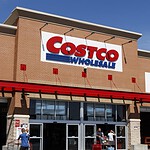
Kirkland Signature
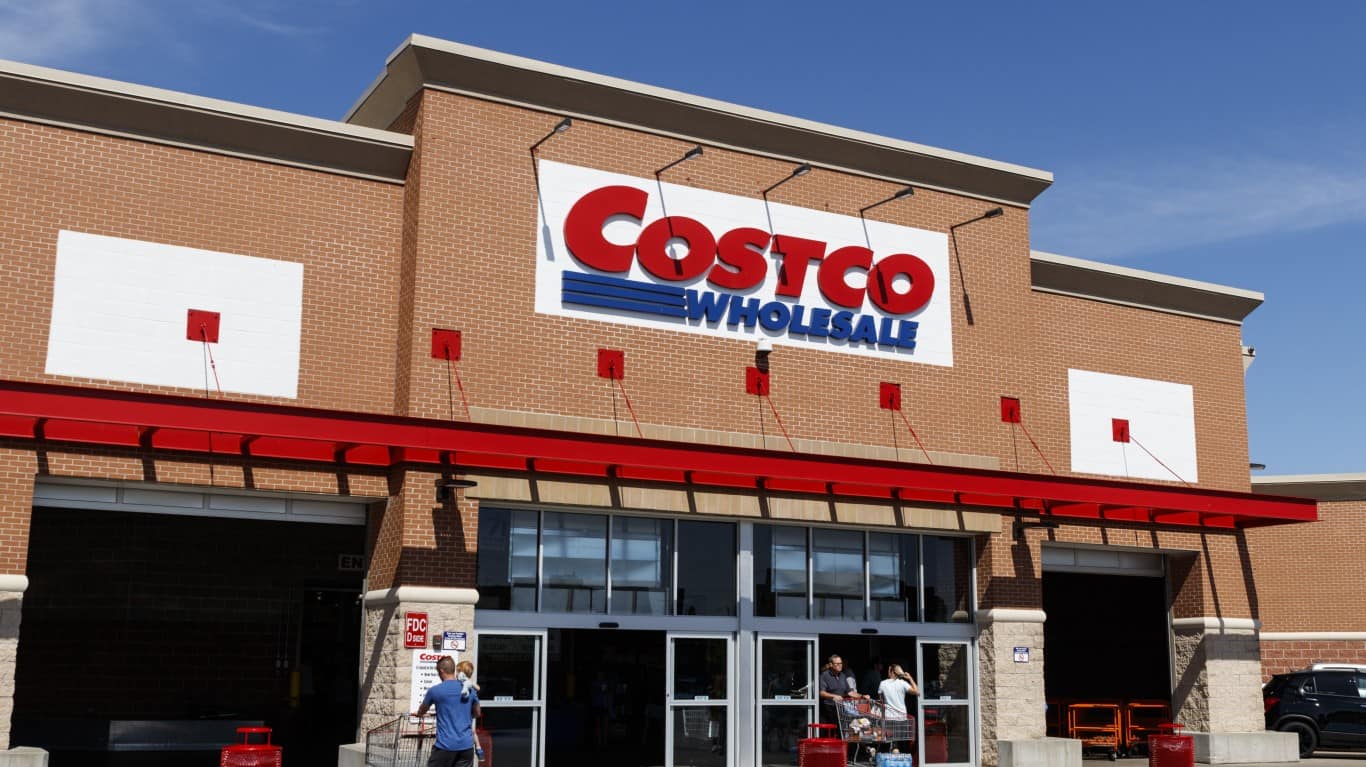
Kirkland Signature may be the best value proposition on this list. Costco's current whole-bean selection includes house, espresso, Colombian, organic, single-origin, and decaf choices. That also corrects another problem in the original story: Kirkland coffee is not limited to mass-produced pre-ground products. Many of its current coffees are sold as whole beans in bags weighing 2 to 3 pounds, with some organic varieties offered in two-packs.
Why I Skip Kirkland Signature Coffee
My issue with Kirkland coffee is not the quality or the price. It is Costco's favorite unit of measurement: an enormous amount. Even a 2-pound bag hangs around longer than I would like, and some online options arrive as two bags at once. Coffee drinkers who brew a full pot every day may get excellent value from that setup. I would rather pay a little more per ounce for a smaller bag, switch roasts more often, and avoid finding a forgotten coffee boulder in the back of the pantry six months later.