
polinaloves / Shutterstock.com
Apuva Manek / Shutterstock.com
Agung pramudita / Shutterstock.com
nvardman / Shutterstock.com
Public domain / Project Gutenberg

Lady_Luck / Shutterstock.com

Rawpixel.com / Shutterstock.com
futuristman / Shutterstock.com
freedomnaruk / Shutterstock.com
Photoongraphy / Shutterstock.com
Katherine Tan / Shutterstock.com

portumen / Shutterstock.com
Xeniia X / Shutterstock.com
Mulberry C / Shutterstock.com
Edmund Lowe Photography / Shutterstock.com
Poungsaed-Studio / Shutterstock.com

Shutterstock.com
Narong Khueankaew / Shutterstock.com

Danijela Maksimovic / Shutterstock.com

Pheelings media / Shutterstock.com








The Truth About Your Morning Brew: What Every Coffee Drinker Should Know
With around two billion cups consumed each day worldwide, coffee continues to dominate modern life. In the United States alone, it's second only to water in popularity, with brands like Starbucks leading the charge. Despite its popularity, the average person doesn't know very much about coffee, especially its origins and what makes it special.
Indeed, coffee holds a fascinating history and science beneath its frothy surface. Even the most devoted caffeine fiend may not know everything. If you're a coffee lover, what should you know about the drink that keeps you going day after day, year after year?
To uncover the most surprising truths about coffee, 247 Tempo gathered information from multiple trusted sources like the Specialty Coffee Association, Good Housekeeping, Common Room Roasters, Coffee1, World Atlas, and Cancer.org. Here are the facts that every coffee lover should know before their next cup.
This post was updated on July 23rd, 2025, to reflect additional information.
Coffee is a fruit
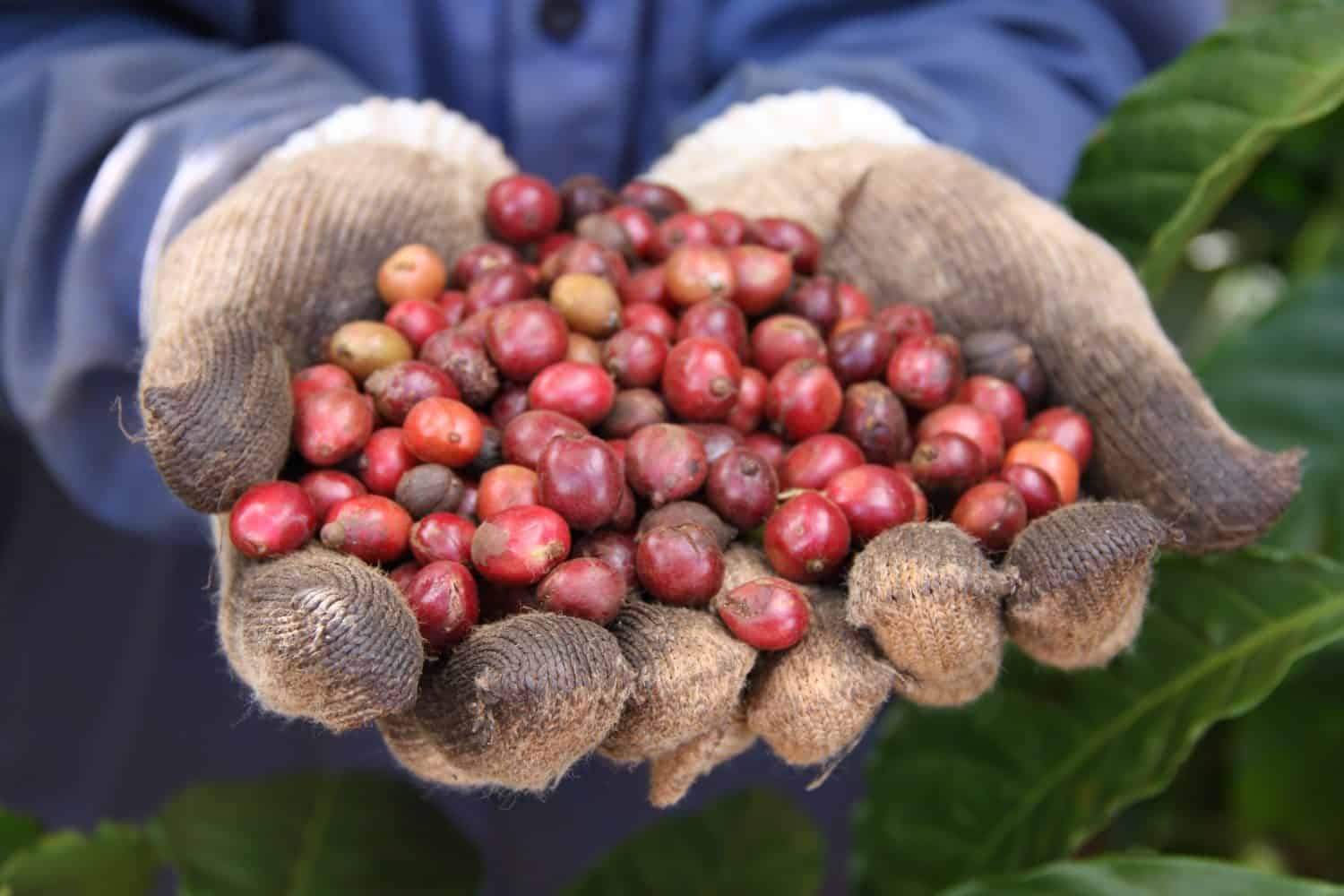
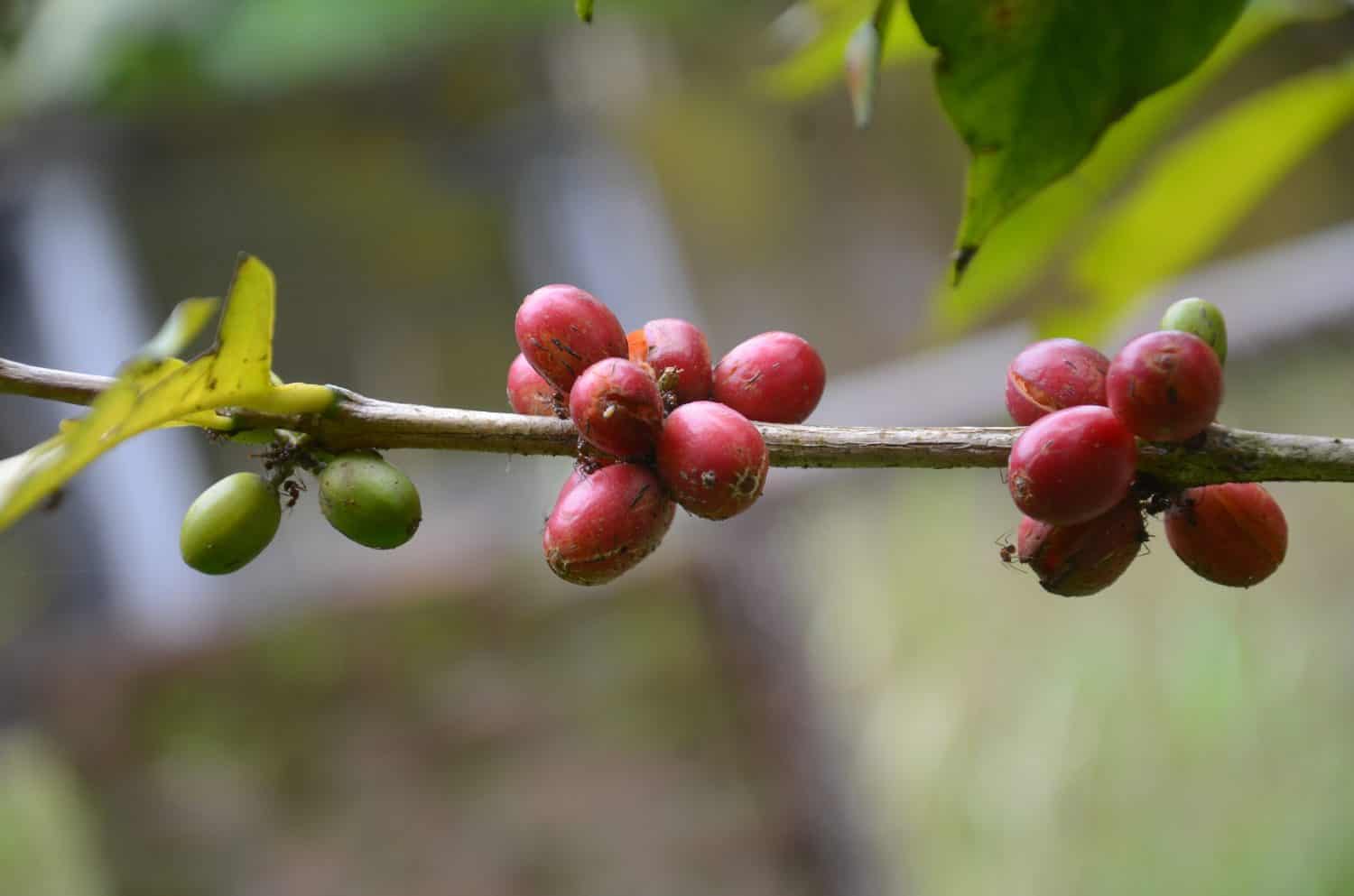
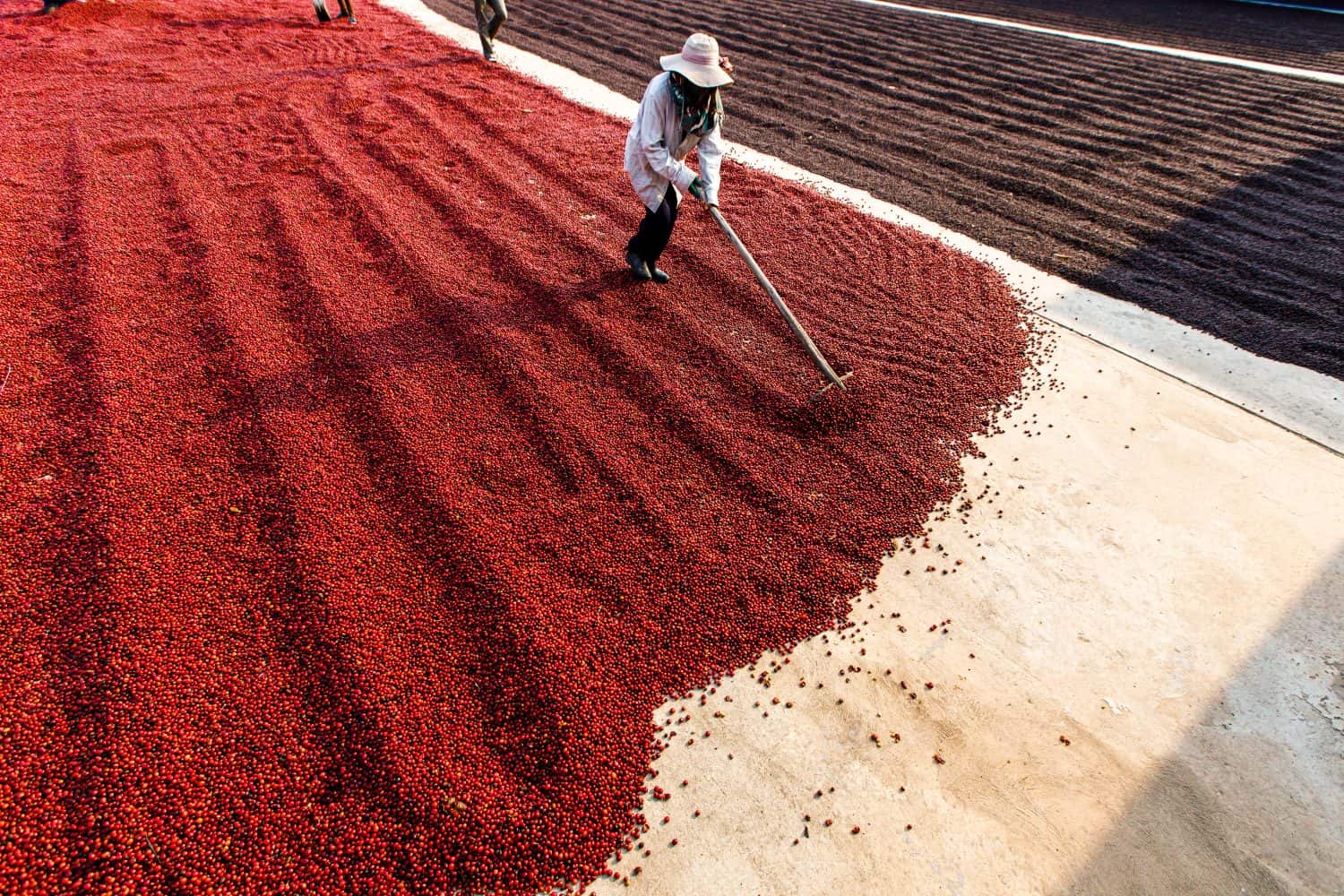
They may be called "coffee beans" but coffee comes from the pit of a red fruit called the coffee cherry. Coffee technically comes from the pip (the shell of a fruit seed), but coffee beans are so named because they resemble true beans like green beans.
Coffee is a fruit
Coffee doesn't come from a plant but rather from the Coffea genus of shrubs or small trees providing the coffee bean. Thanks to its little fruit pip, this subset of shrubs and small trees is one of the most valuable and widely traded commodity products on Earth, acting as a primary export for countries in the Caribbean, Africa, and Central and South America.
An Ethiopian farmer discovered coffee
It is alleged that an Ethiopian farmer discovered coffee. According to legend, a farmer and herdsman named Kaldi discovered the coffee tree's magical effects when he noticed his herd of goats constantly coalescing around a certain tree. Upon grazing the tree, the goats became energized.
An Ethiopian farmer discovered coffee
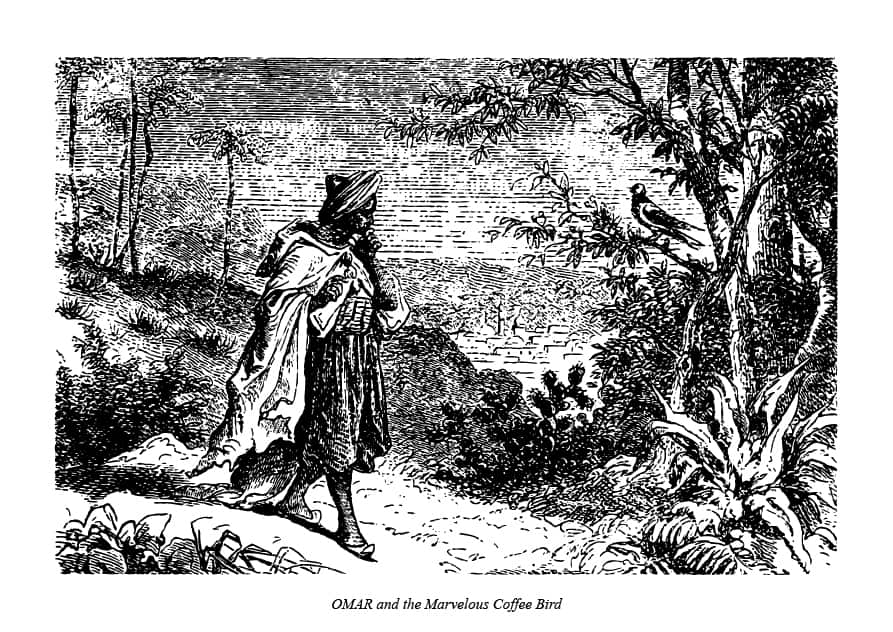
The story was not known until it was included in one of the first coffee treatises, the 17th-century "De Saluberrima potione Cahue seu Cafe nuncupata Discursus." While it's probably a safe bet to say the story is fictitious, there are other legends about the discovery of coffee. Others say it was Yemeni Sheikh Omar who, upon being exiled from Mokha discovered the coffee berries and ate them to survive.
Coffee has a more complicated flavor profile than wine
According to some estimates, coffee has at least 1,500 unique aromatic characteristics. Compared to wine, which features only 200 aromatic characteristics, coffee provides a far more complex flavor profile for your palette.
Coffee has a more complicated flavor profile than wine
The Specialty Coffee Association of America created a flavor wheel to help coffeemakers judge the often subtle variations in taste. These include flavors like apricot and chocolate, as well as more interesting ones like straw or concrete.
Moreover, professional coffee judges have a very different technique than wine sommeliers. Instead of delicately sniffing and sipping the beverage, coffee judges slurp coffee aggressively, which helps account for the wide range of flavors felt in different parts of the mouth.
Brazil produces the most coffee
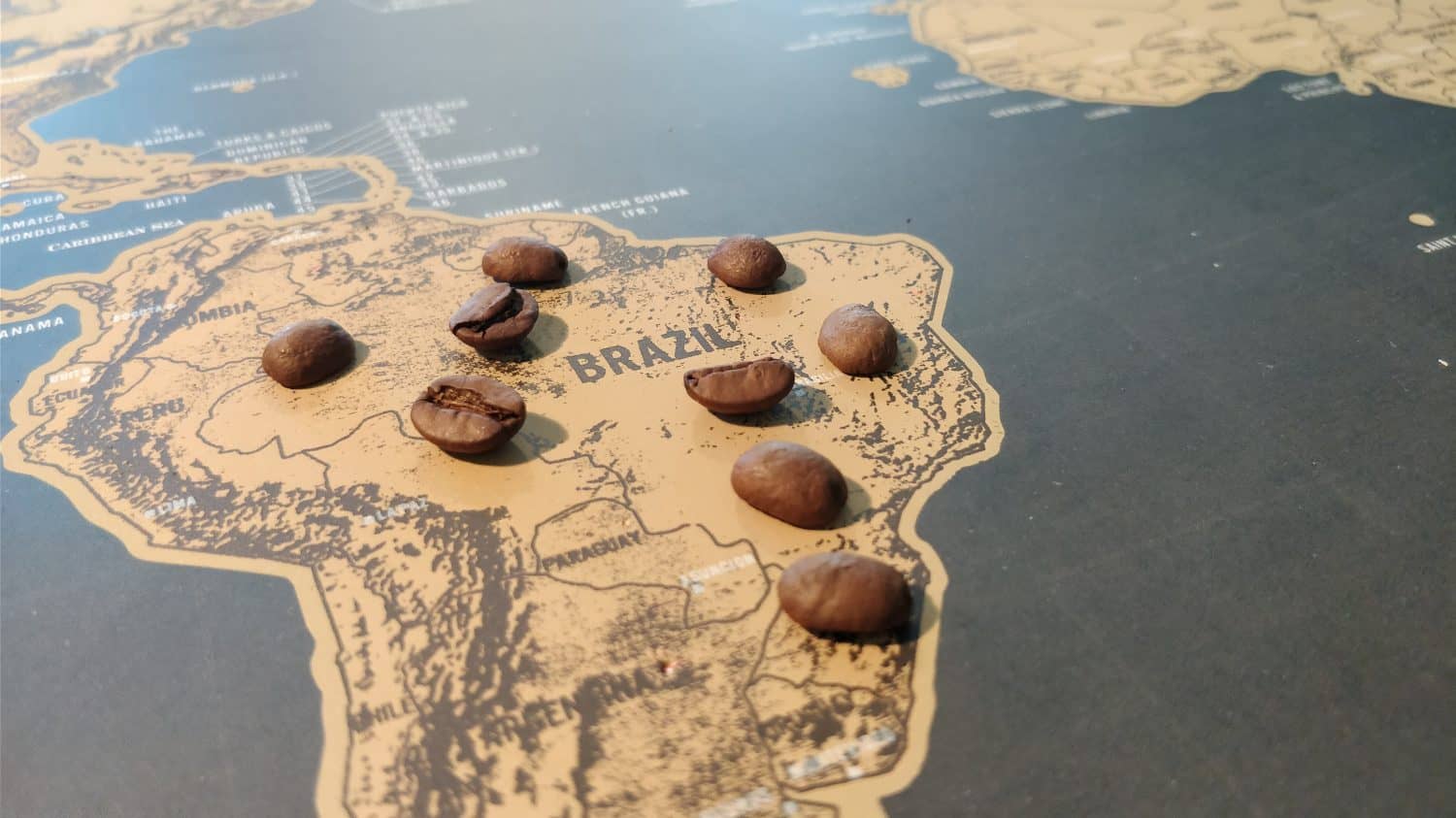
Thanks to its unique climate and soil conditions, Brazil is the perfect place to grow coffee trees on a large scale. This South American nation produces one-third of all coffee on Earth.
Brazil produces the most coffee
Brazil produced an impressive 2,592,000 metric tons of coffee beans in 2016 alone. The country is credited with being the highest producer of coffee for nearly two centuries. Vietnam comes in at number two in production, with 1,650,000 metric tons of coffee beans being produced in 2016.
Coffee uses four types of beans
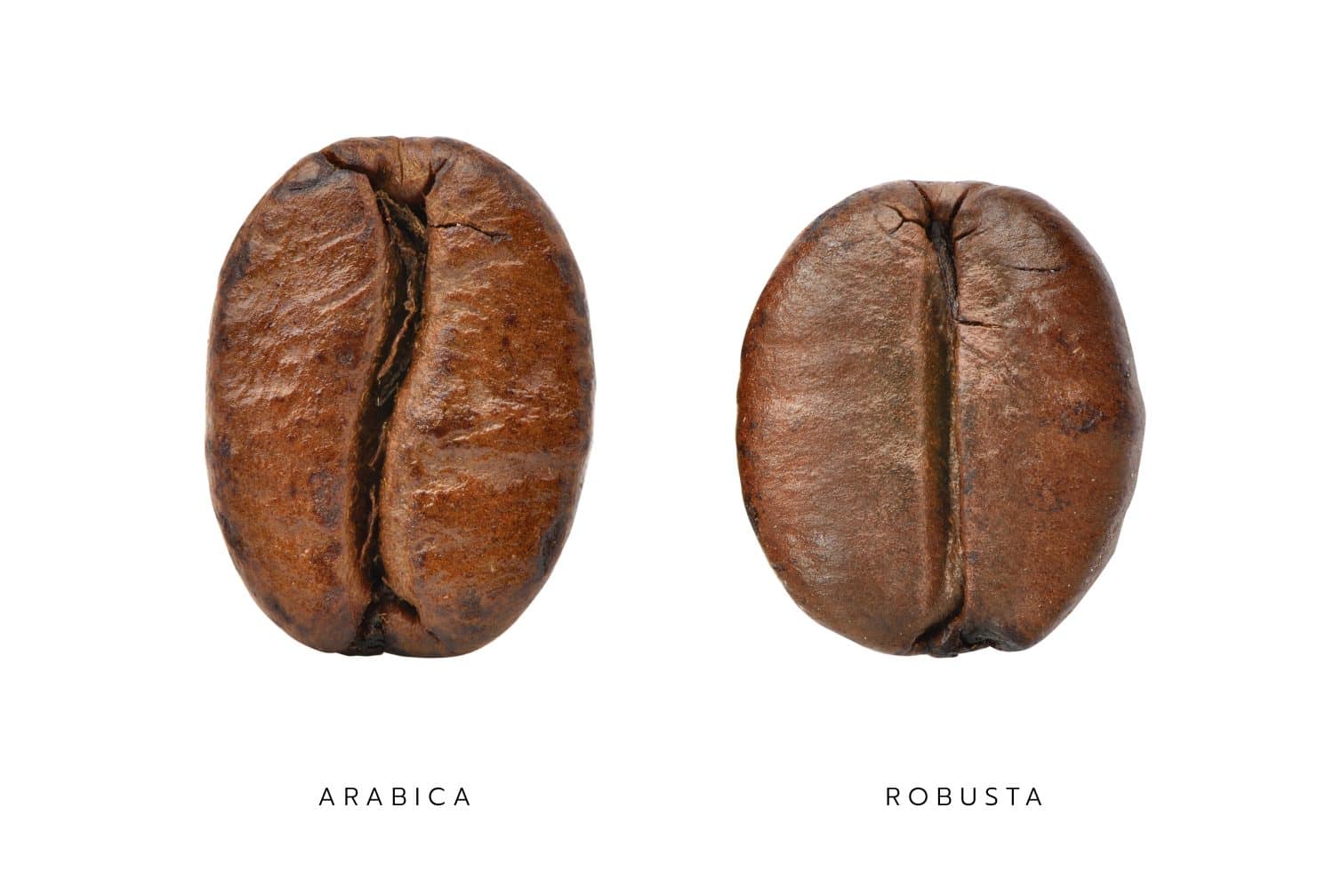
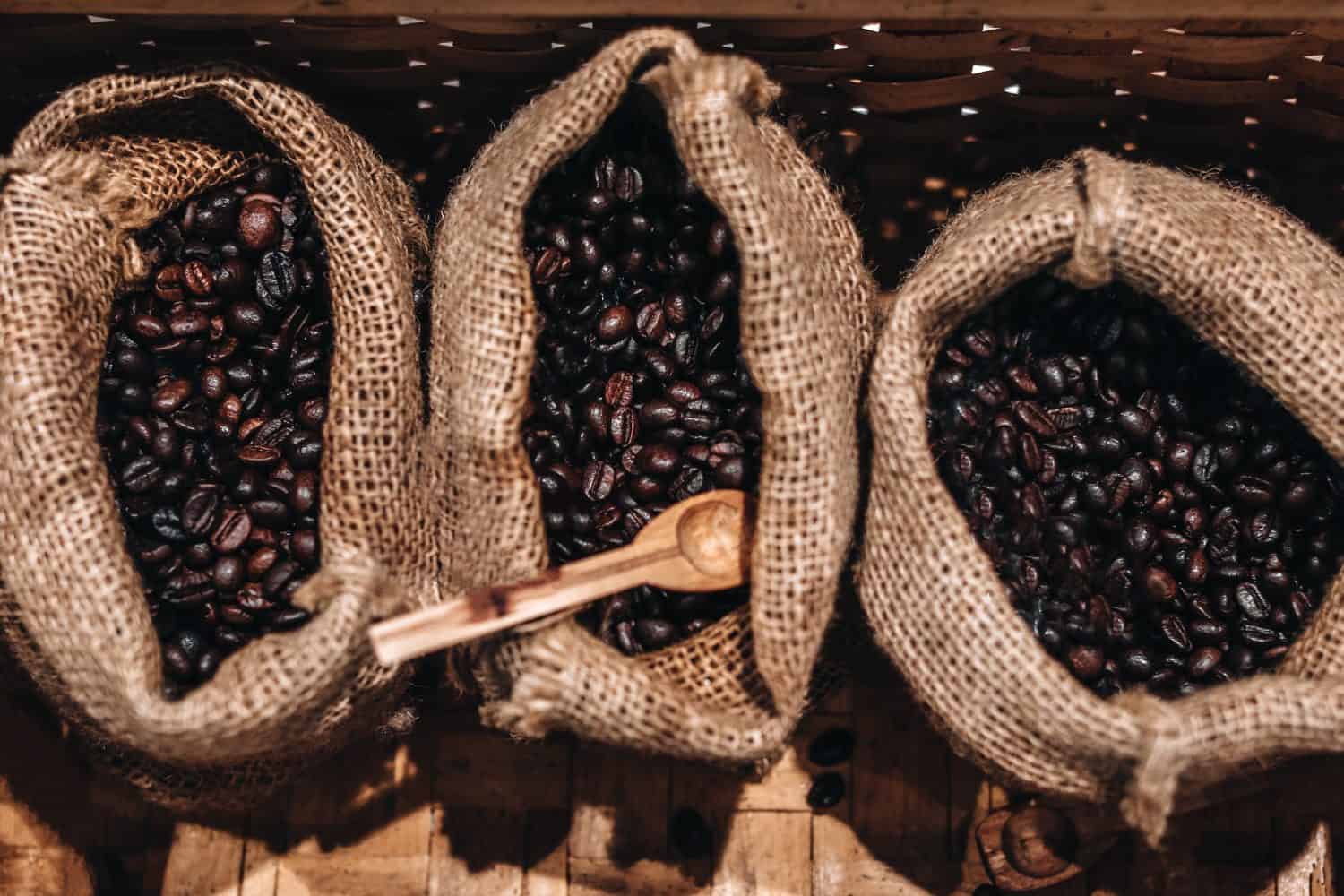
Just like different grapes produce different wines, different coffee beans can produce a variety of flavors. The most commonly used is Arabica, characterized by a slight acidity and a full-bodied flavor with hints of sweetness and flowers. The second most popular bean is Robusta, which features a higher caffeine content as well as an intense, bitter flavor. Robusta beans are more disease-resistant, making them easier to grow.
Coffee uses four types of beans
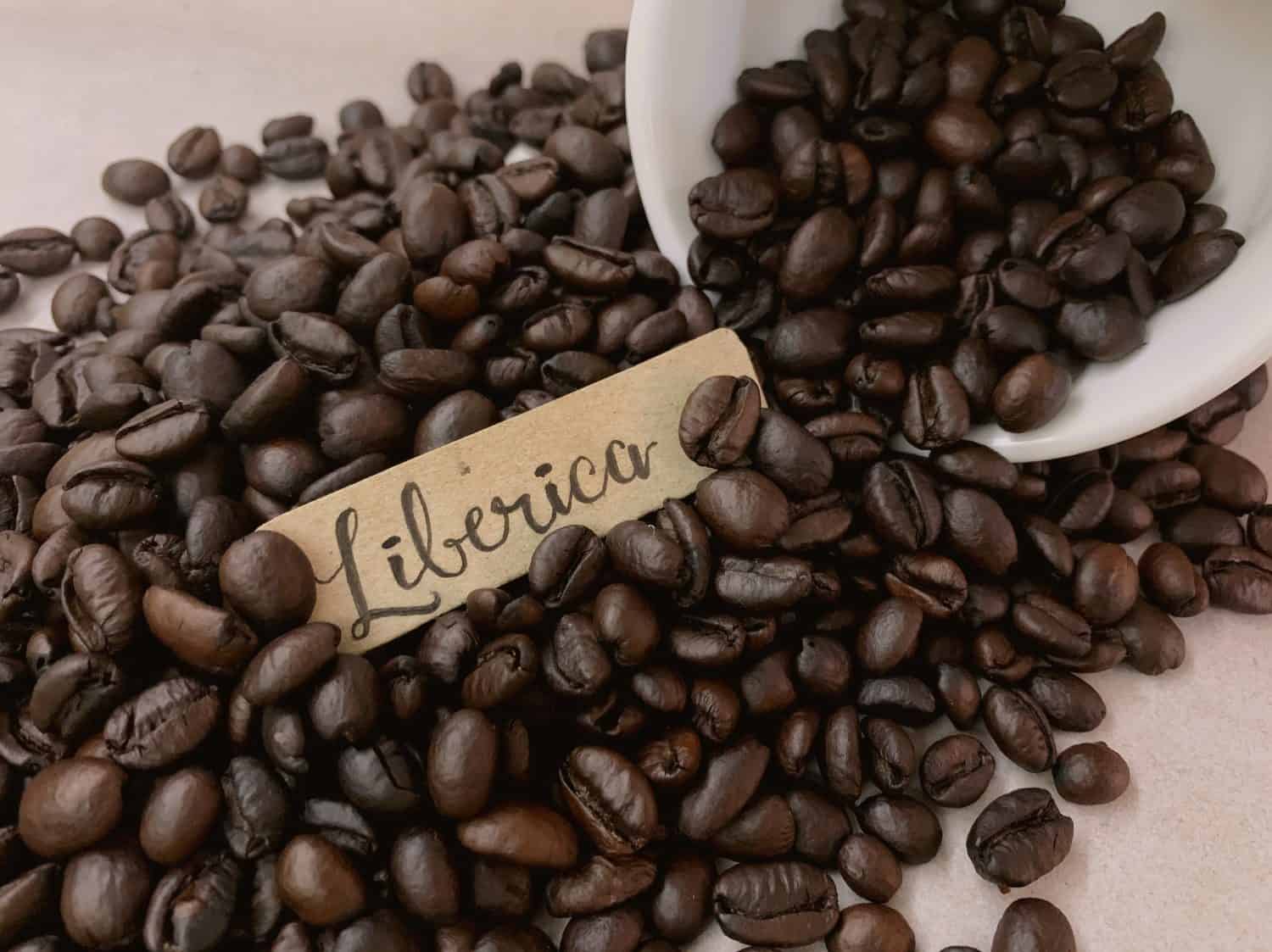
The other two types of coffee beans used are Liberica and Excelsa. Liberica beans are rare and characterized by their strong, smoky flavor. Excelsa beans grow in the same places as Liberica, namely Southeast Asia and Africa, but feature a more sweet and fruity flavor. There are countless subvarieties of these four main beans from each coffee-producing country.
A lighter roast has more caffeine
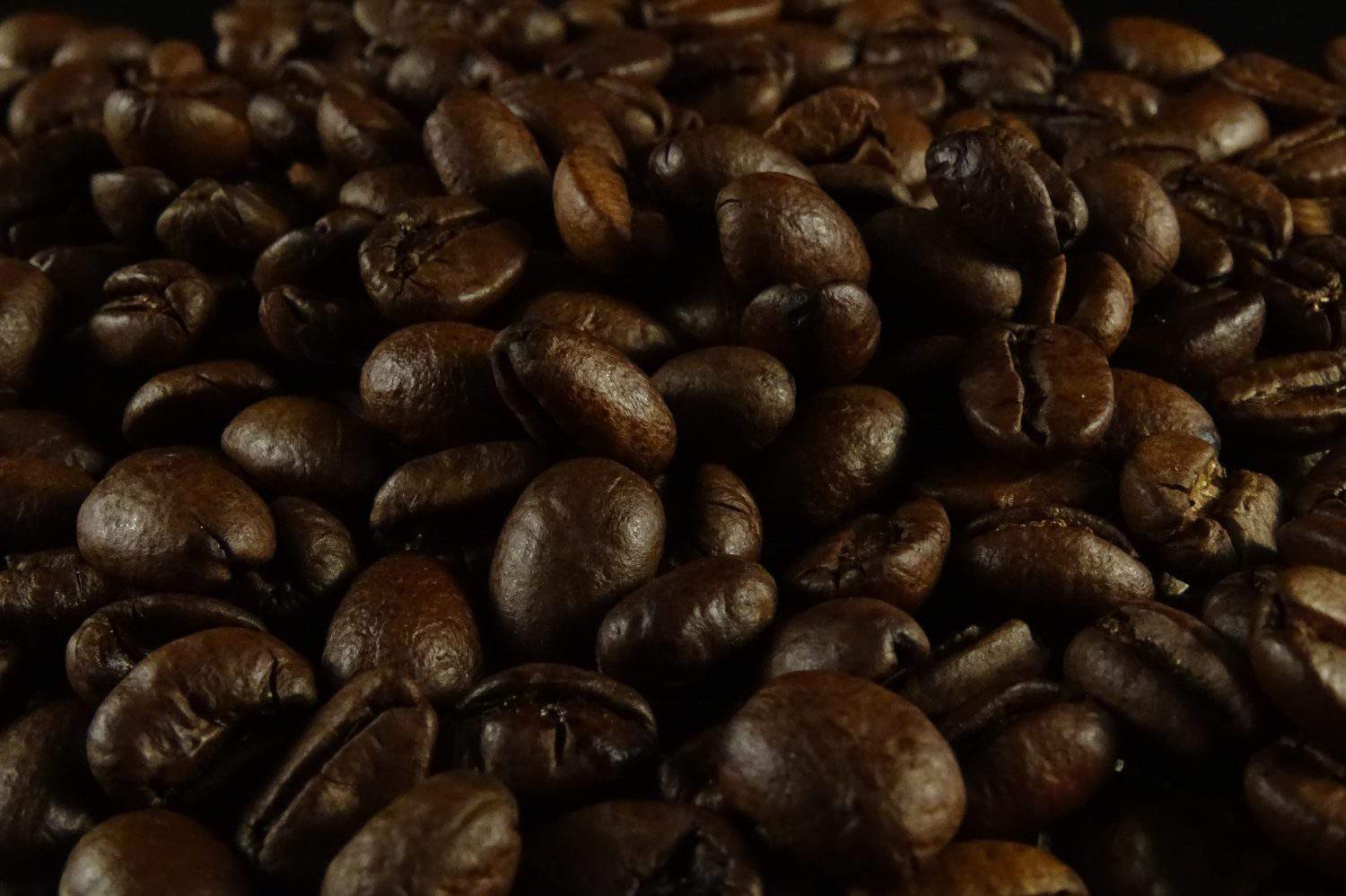
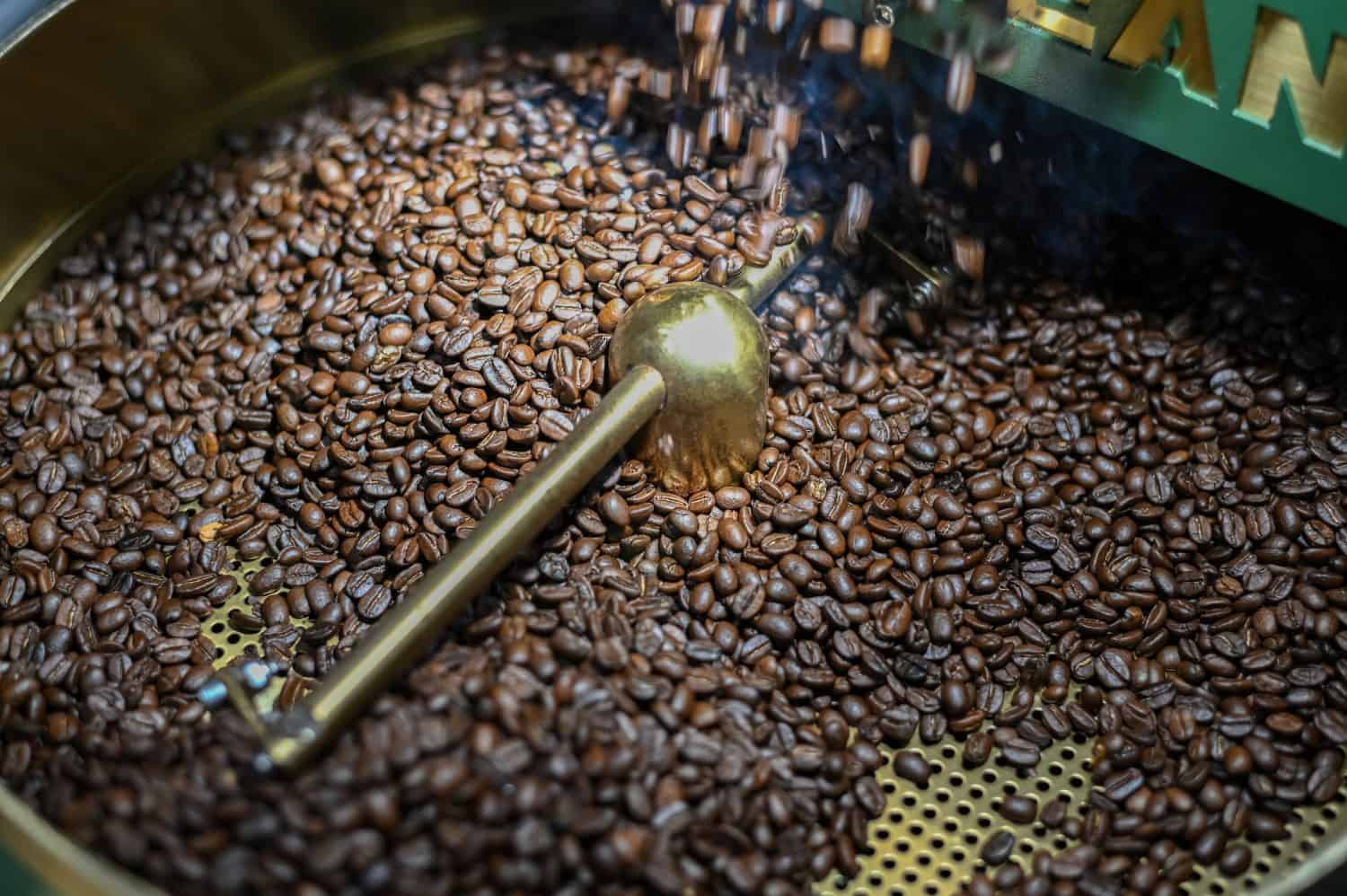
It may come as a surprise that caffeine levels depend on the roast. Lightly roasted beans have considerably more caffeine than their darker-roasted counterparts. Since caffeine is a natural feature of coffee beans, beans roasted for a shorter interval of time retain more caffeine.
A lighter roast has more caffeine
Dark roast beans have far less caffeine. Since dark roasts require a longer roasting process, less caffeine remains once the process is done. This results in a far less energizing coffee bean but a more boldly flavored and aromatic cup of java.
The most expensive coffee is $600 a pound
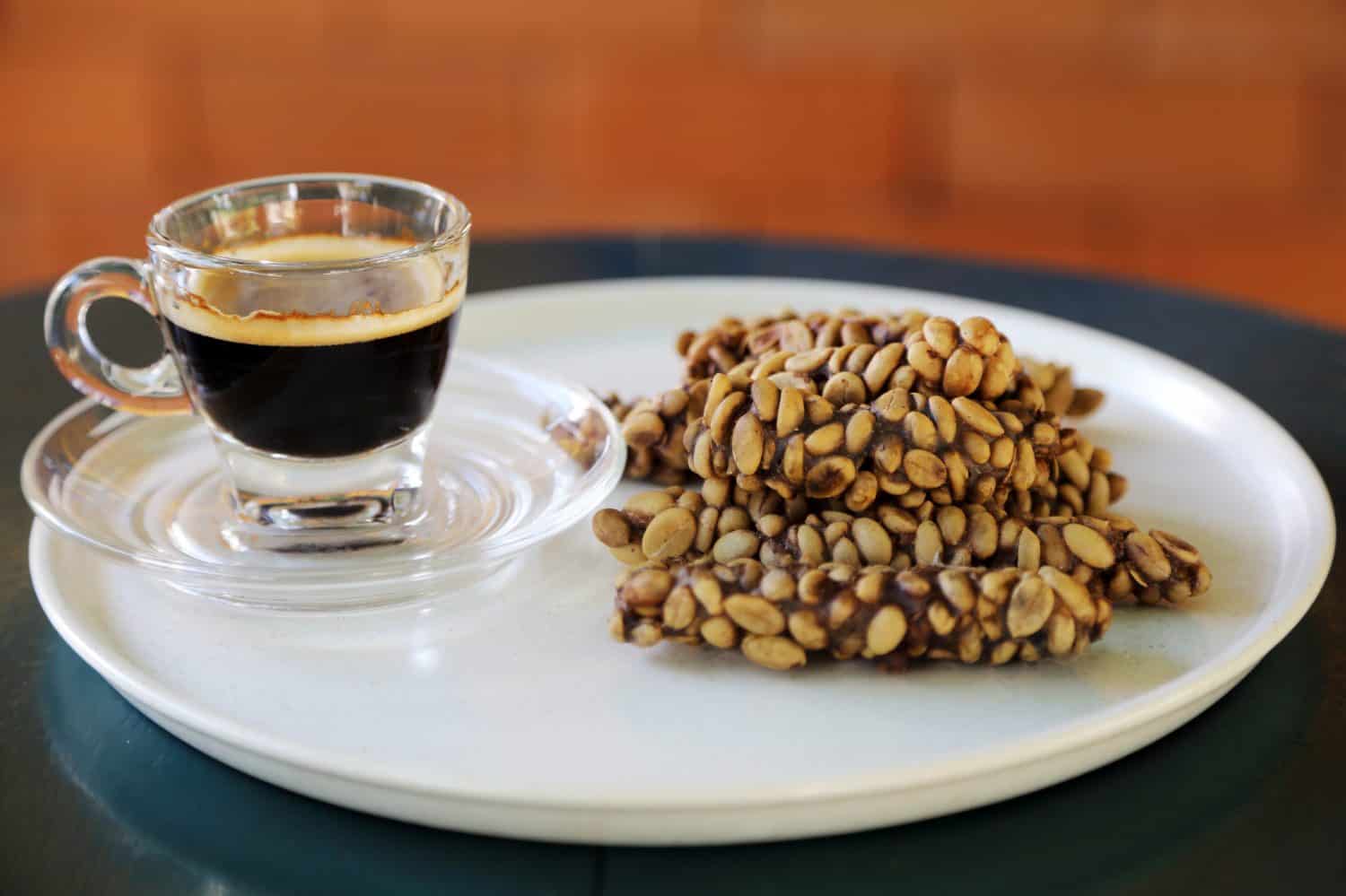
Coffee ranges in price from incredibly cheap to worth its weight in gold, and the most expensive coffee in the world costs $600 per pound. The expensive variant, named Kopi Luwak, comes from Indonesia and the way they arrive at their taste is quite fascinating. Endemic to the country is a cat-like animal called the "native Asian palm civet" that eats coffee beans before excreting them.
Farmers then collect the animal droppings and clean them before roasting them. This produces a coffee unlike any other, with a smooth, full-body flavor and intense aroma. Plus, the palm civet is picky about the beans it eats, so Kopi Luwak is also produced with higher-quality beans on average.
Only two states produce coffee
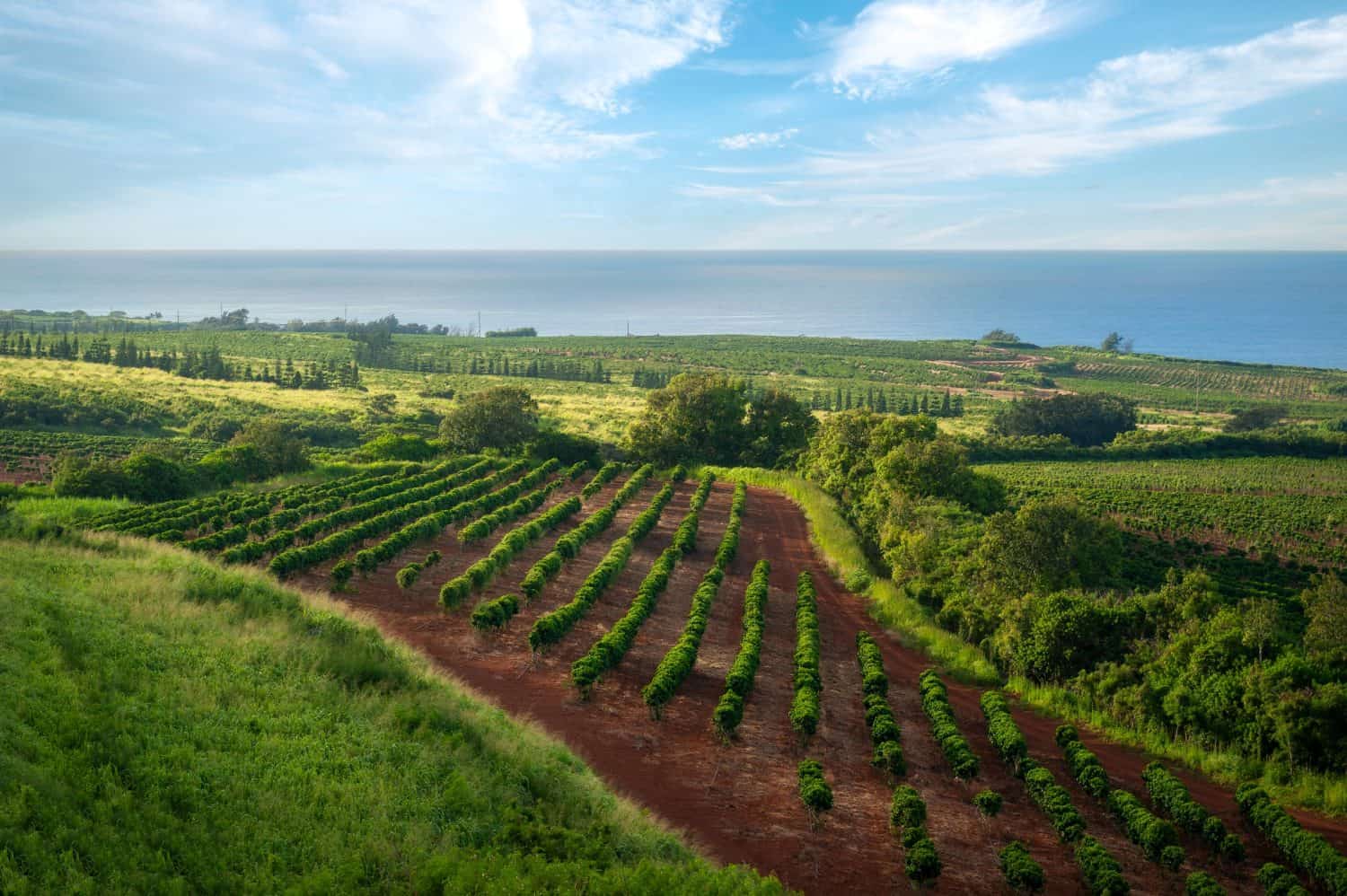
It may seem that many regions produce coffee, but the United States doesn't have a large agricultural imprint, and only a few areas are capable of production. Since coffee grows best near the equator, most of the country is unable to provide the proper climate and soil conditions for coffee trees to flourish.
Only two states produce coffee
Thanks to its proximity to the equator and subsequent growing conditions, Hawaii is the leading American coffee producer. The Aloha state produces the Kona Typica variety of coffee beans. Known for its balanced and slightly floral flavor, it tends toward a nutty cocoa taste when dark roasted.
Hawaii has in-country competition, however, as California recently began growing and selling small batches of premium coffee beans.
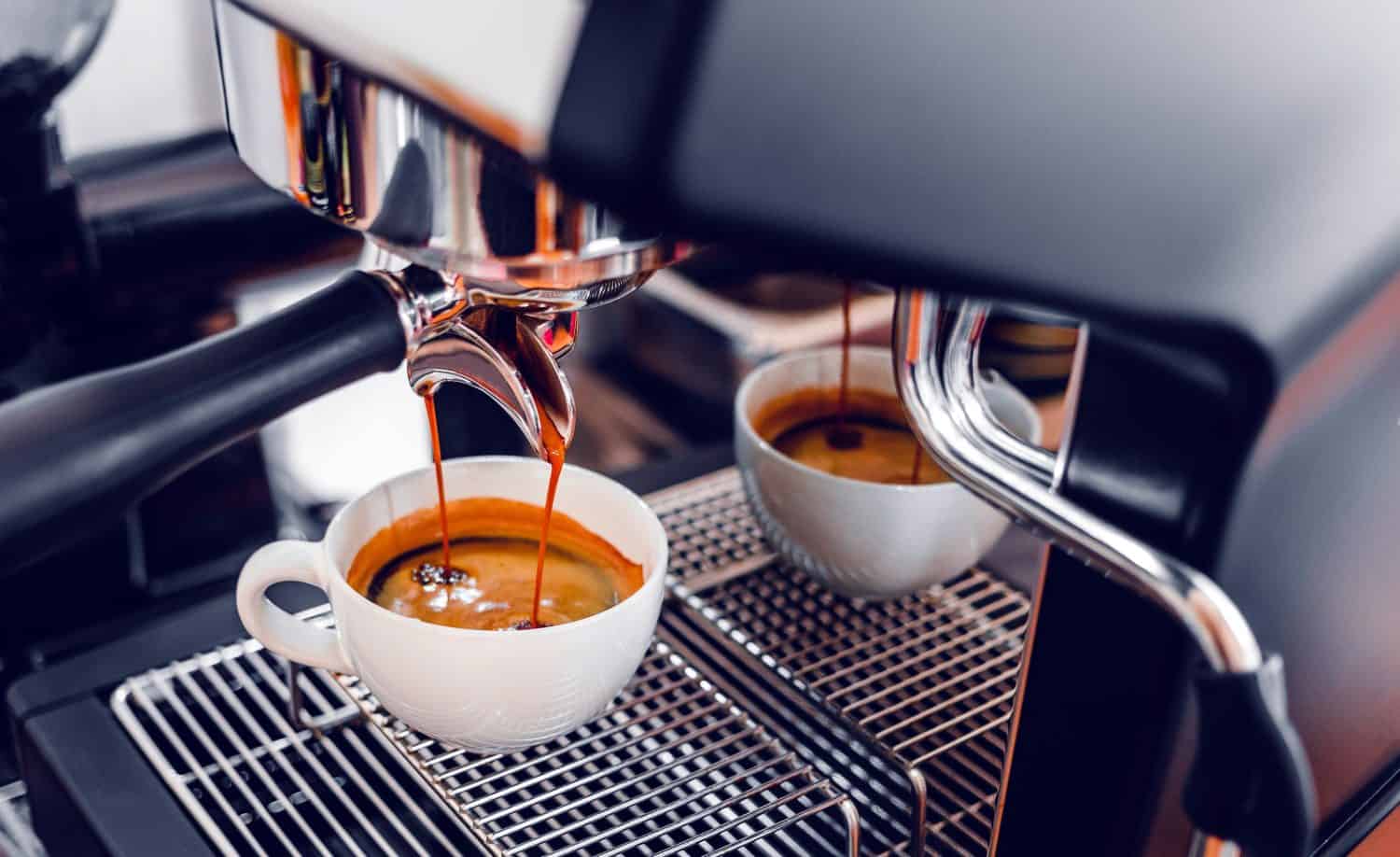
The modern espresso machine was invented in 1938
While espresso is a common method of coffee consumption and a symbol of the Italian love for quick coffee, its origins are relatively recent. The first coffee machine was created by a French inventor named Louis Bernard Rabaut in 1822. Although the groundwork of the espresso-based phenomenon of modern coffee shops is credited to Achille Gaggia in 1938.
The modern espresso machine was invented in 1938
A coffee shop owner and inventor, Gaggia sought to create an automated way of making espresso, something that was previously made by hand. To accomplish this, Gaggia experimented with different techniques before finding success with a piston-powered espresso machine. Using levers to manually press hot water through ground coffee beans, the espresso machine was born, paving the way for places like Starbucks.
Coffee prolongs longevity
Coffee may be a tasty, enlivening beverage, but it also has numerous health benefits, one of which is that it may help you live longer or, at the very least, keep your mind crisp until a later age. According to various studies, regular coffee consumption can prevent the development of Alzheimer's disease by reducing the amount of beta-amyloid in the brain.
Coffee prolongs longevity
The owners of the longest-living cat on record credited her longevity to coffee. Topping out at an incredible 38 years, the Guinness World Record holder named Crème Puff started every day with a meal of coffee, eggs, bacon, and broccoli.
Even if you're not a cat, coffee has also been shown to reduce inflammation and lower your risk of cancer.