
Coffee does not exactly need help staying popular in America. In 2026, the National Coffee Association found that 66% of American adults had coffee in the previous day, more than any other beverage, including tap or bottled water. Nearly three-quarters had consumed it within the previous week.
For something millions of us drink without giving it much thought, coffee has a surprisingly strange backstory. The “beans” are not really beans, one of its most famous origin stories is probably folklore, and some of the coffee trivia that gets repeated online simply is not true. Here are 10 coffee facts worth knowing before your next cup.
Coffee Beans Are Actually Seeds From a Fruit
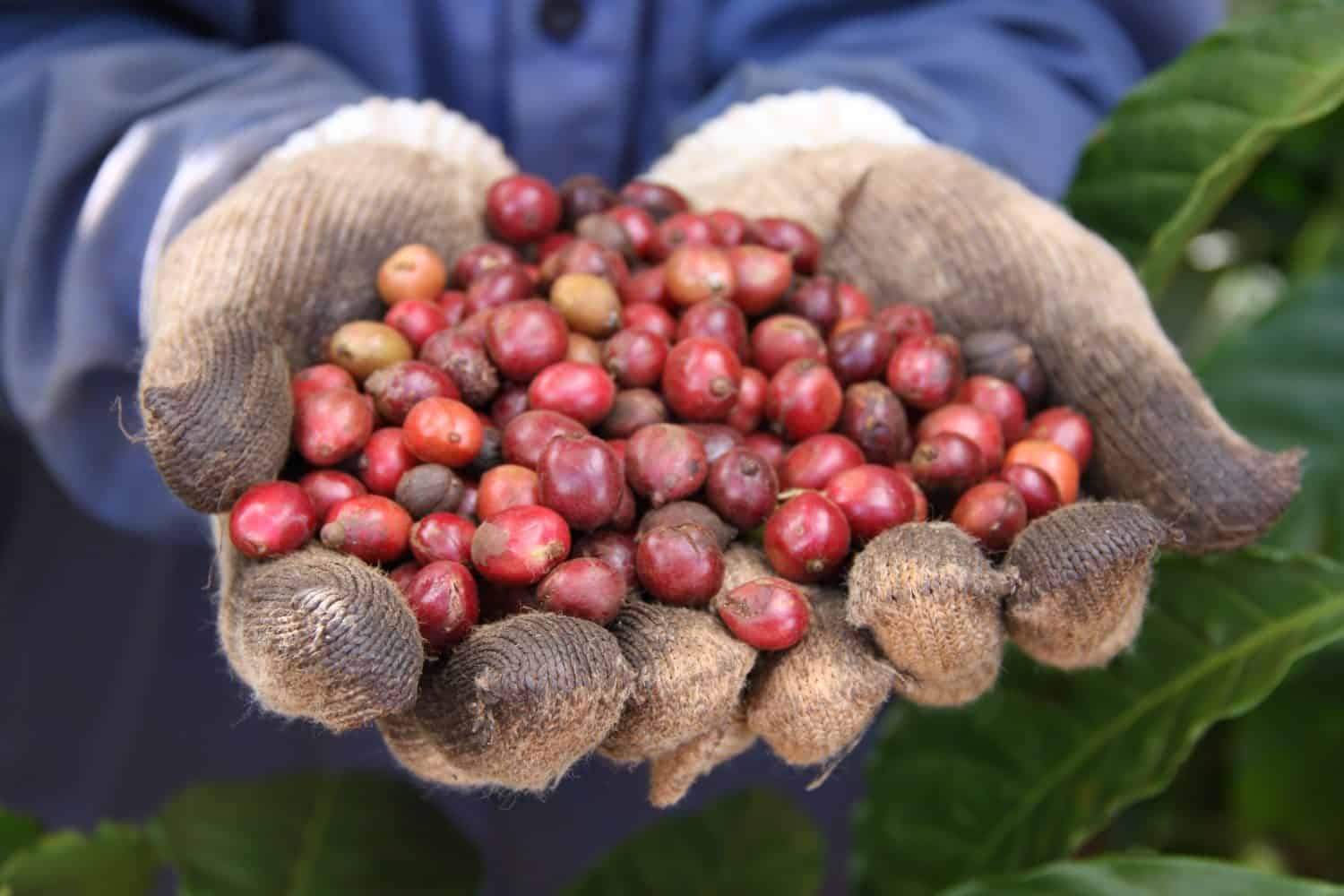
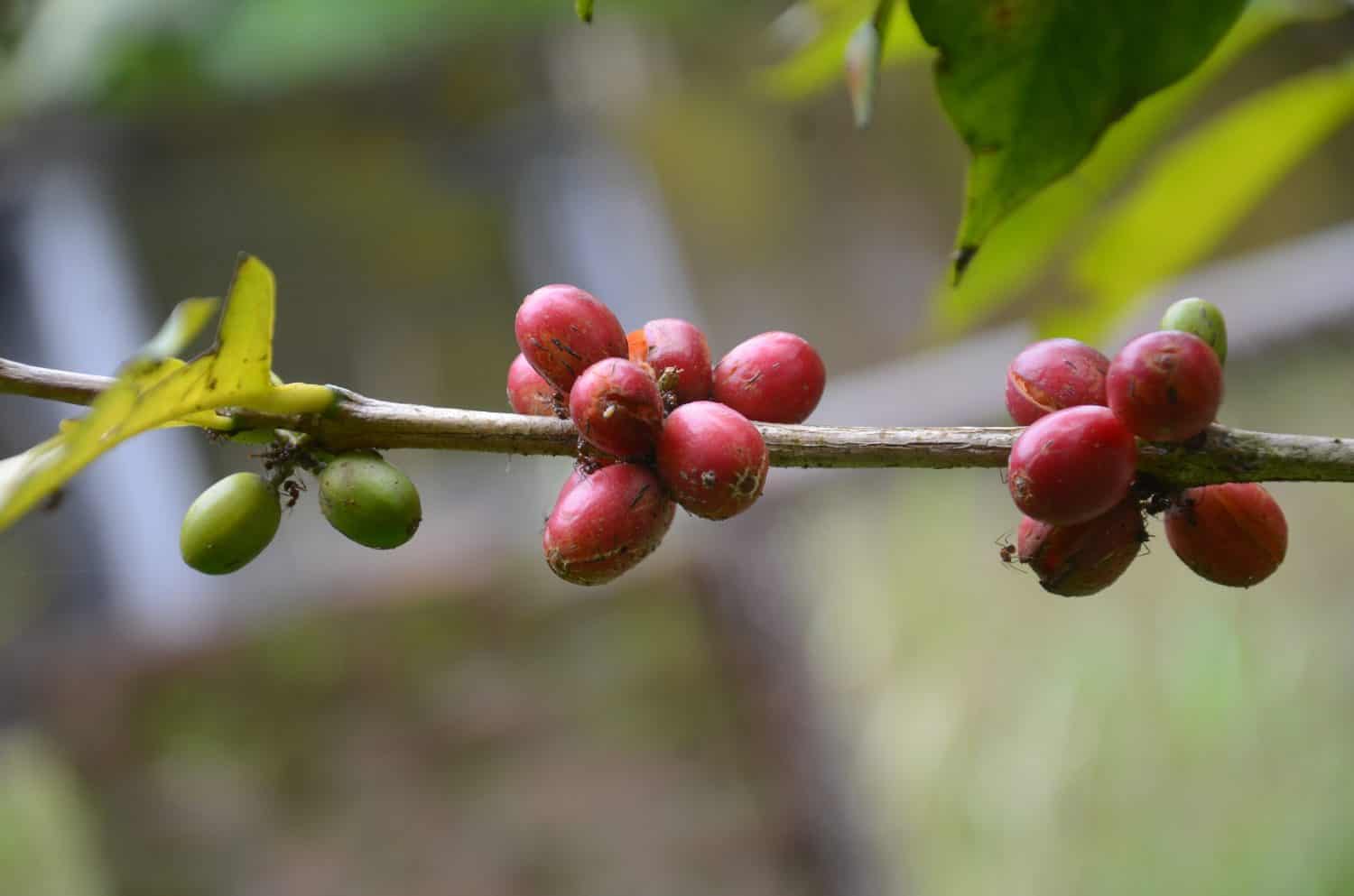
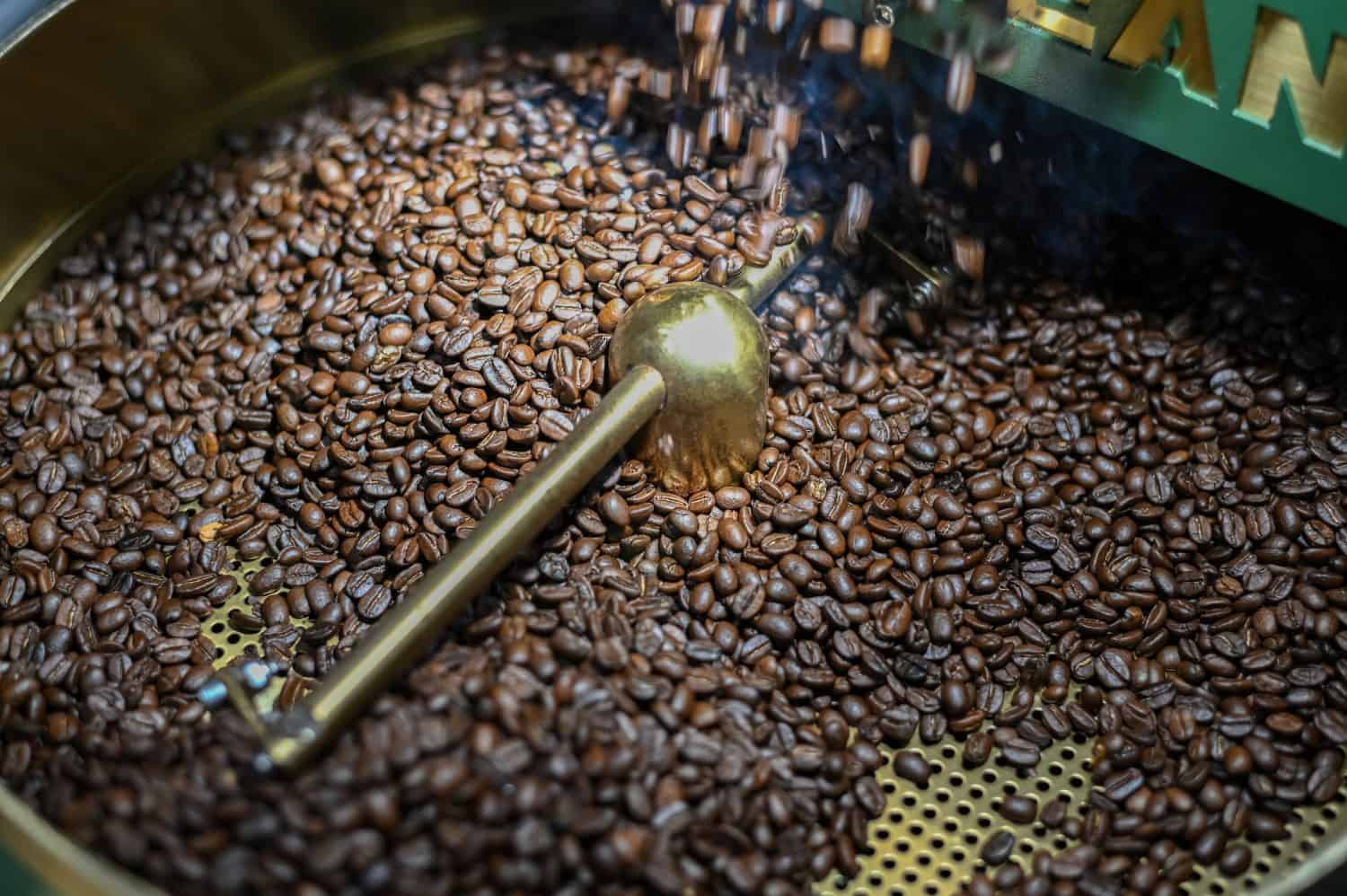
We call them coffee beans because they look like beans, but botanically they are seeds. Coffee trees produce a fruit commonly called a coffee cherry. Inside that fruit are usually two seeds, which are removed, dried, roasted, ground, and eventually turned into the drink sitting in your mug.
Coffee plants belong to the Coffea genus and can grow as shrubs or trees. They are normally pruned on farms to make harvesting easier, but some can grow more than 30 feet tall if left alone. So yes, the thing powering your Monday morning technically starts as fruit on a tree.
The Famous Coffee-Goat Story Is Probably a Legend
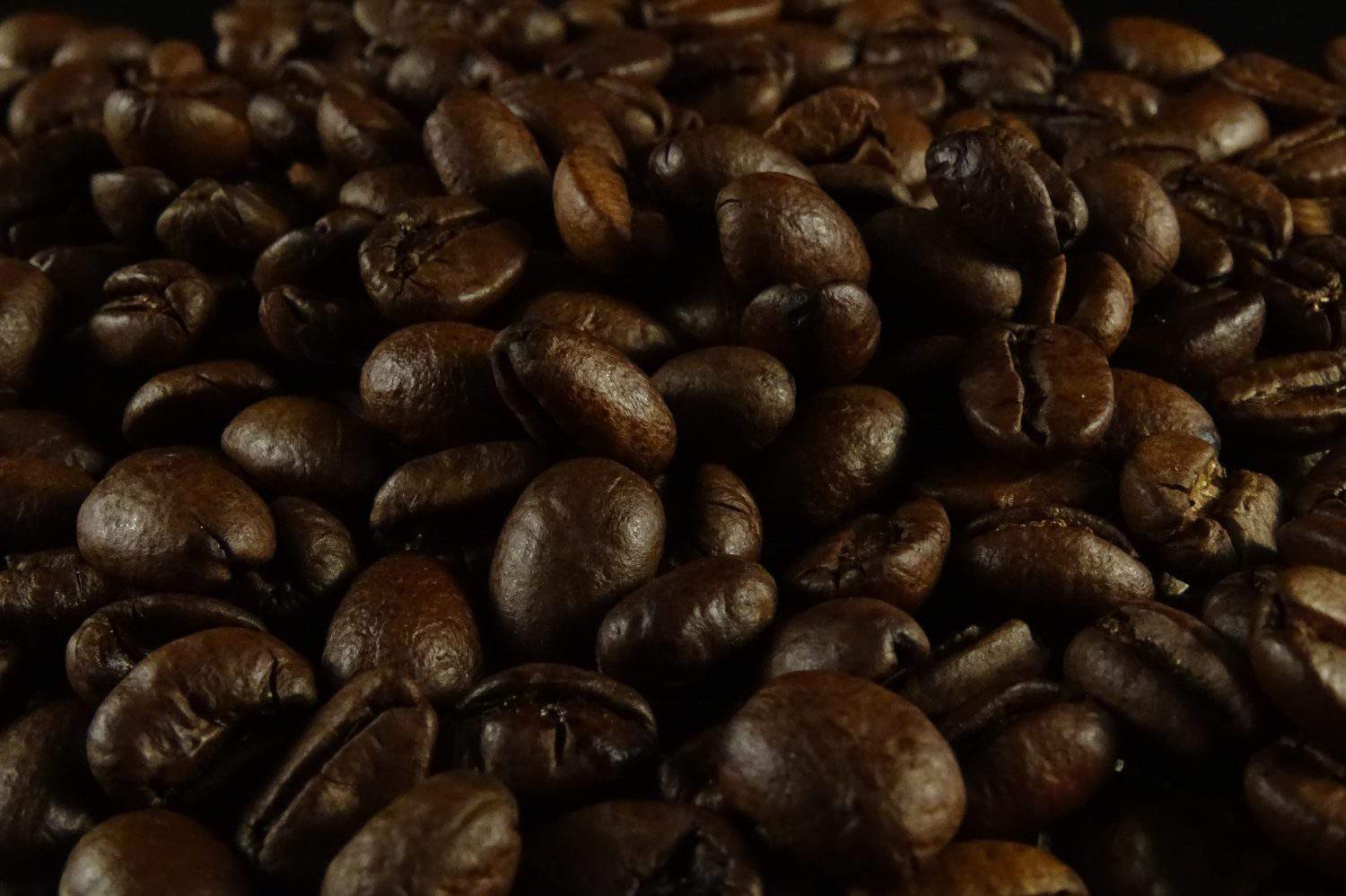
You may have heard that coffee was discovered by an Ethiopian goat herder named Kaldi, who noticed his goats becoming unusually energetic after eating red berries from a particular tree. It is a great story. It is also almost certainly not documented history.
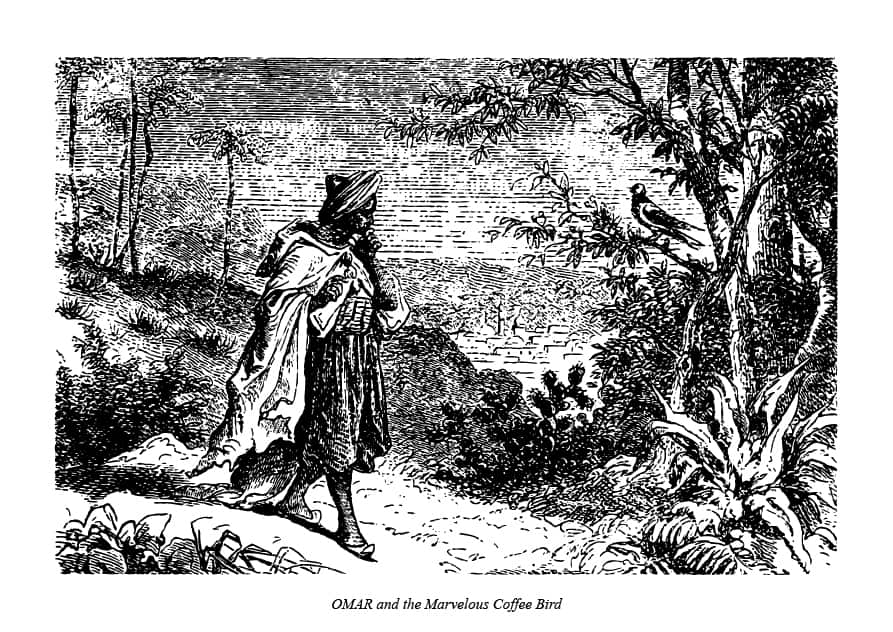
The coffee plant has deep roots in Ethiopia, but the Kaldi story does not appear in written accounts until centuries after coffee drinking was already established. Coffee cultivation and drinking are much better documented in Yemen, where it became part of religious and social life by the 15th century. There are other colorful origin legends involving religious figures and travelers, but nobody can point to one verified person who suddenly “invented” coffee.
Coffee Has a Surprisingly Huge Flavor Vocabulary

You will sometimes see claims that coffee contains far more aromas or flavors than wine, usually accompanied by very specific numbers. That comparison is much harder to defend than it sounds. What is true is that coffee can be remarkably complex.
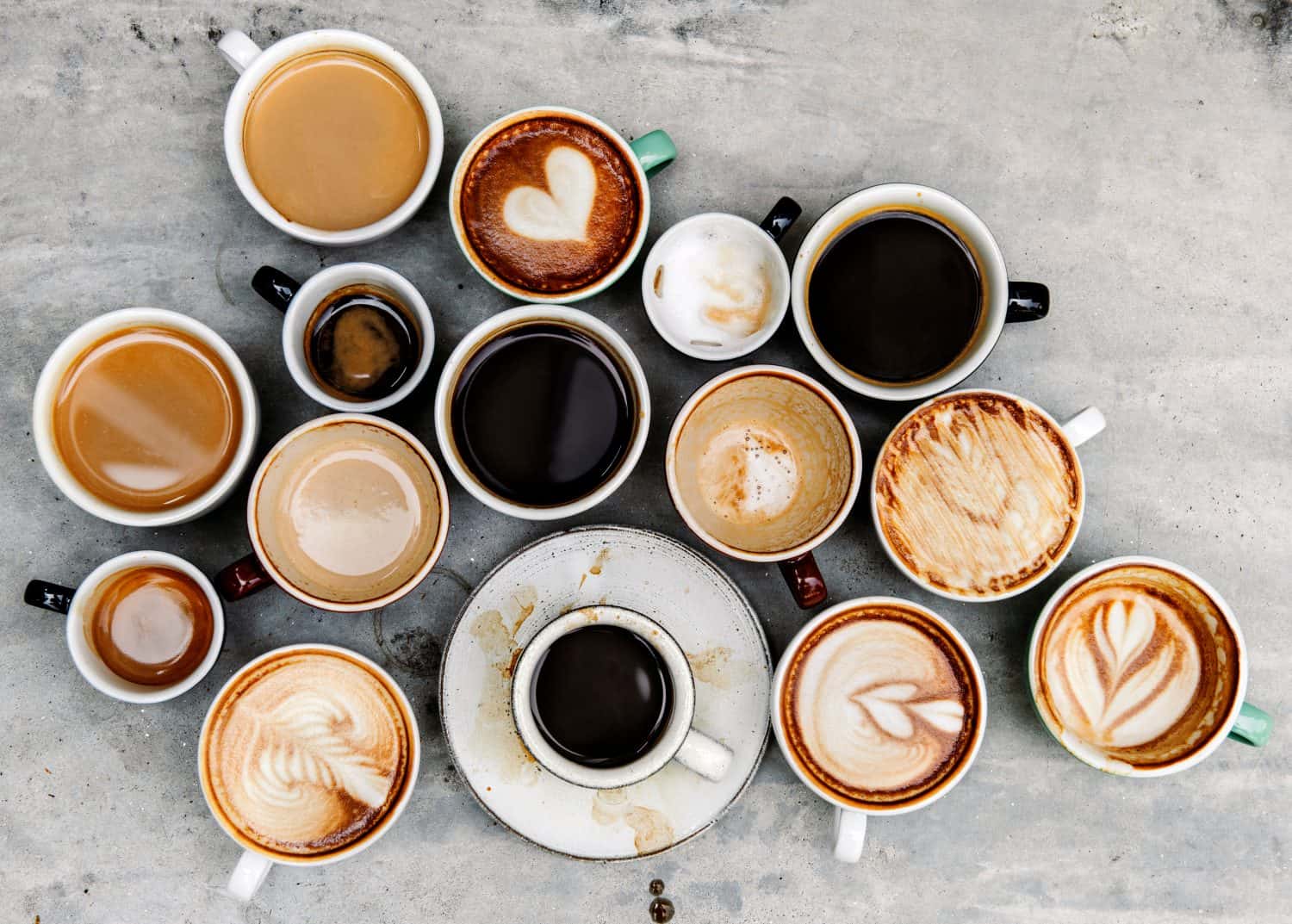
The Specialty Coffee Association and World Coffee Research developed a sensory lexicon containing 110 flavor, aroma, and texture attributes that trained tasters can use to describe coffee. Those range from familiar notes like chocolate, berries, citrus, nuts, and flowers to roasted, fermented, earthy, and vegetal characteristics.
Professional coffee tasting, known as cupping, also tends to be less delicate than wine tasting looks on television. Tasters deliberately draw coffee across the palate while evaluating aroma, flavor, acidity, sweetness, body, and aftertaste. You do not need to make dramatic slurping noises over your kitchen counter, but there is a method behind it.
Brazil Still Produces More Coffee Than Any Other Country
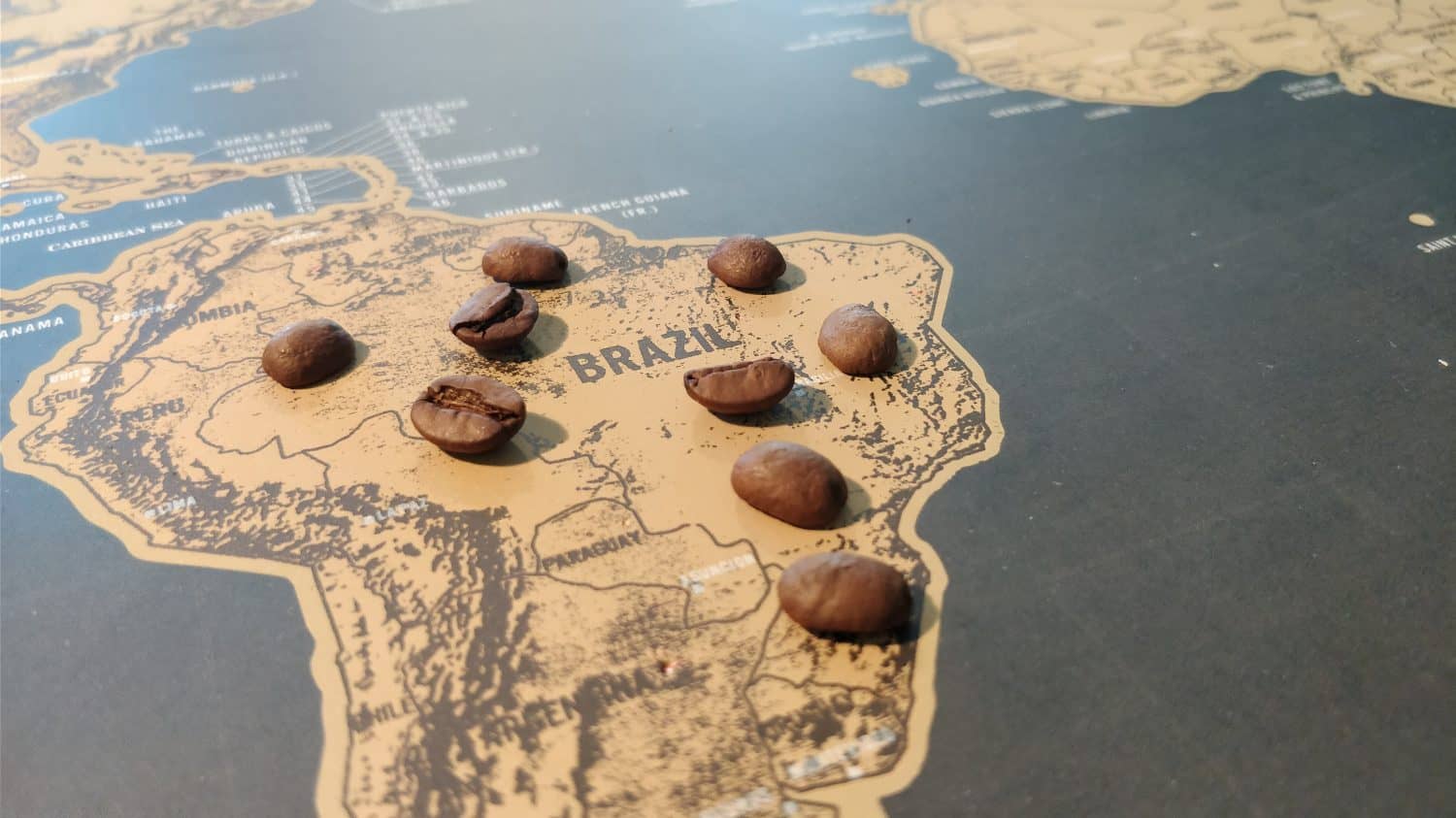
Brazil has dominated global coffee production for generations, and that has not changed. USDA estimates for the 2025-2026 marketing year put Brazilian production at about 63 million 60-kilogram bags, roughly 35% of the world’s coffee.
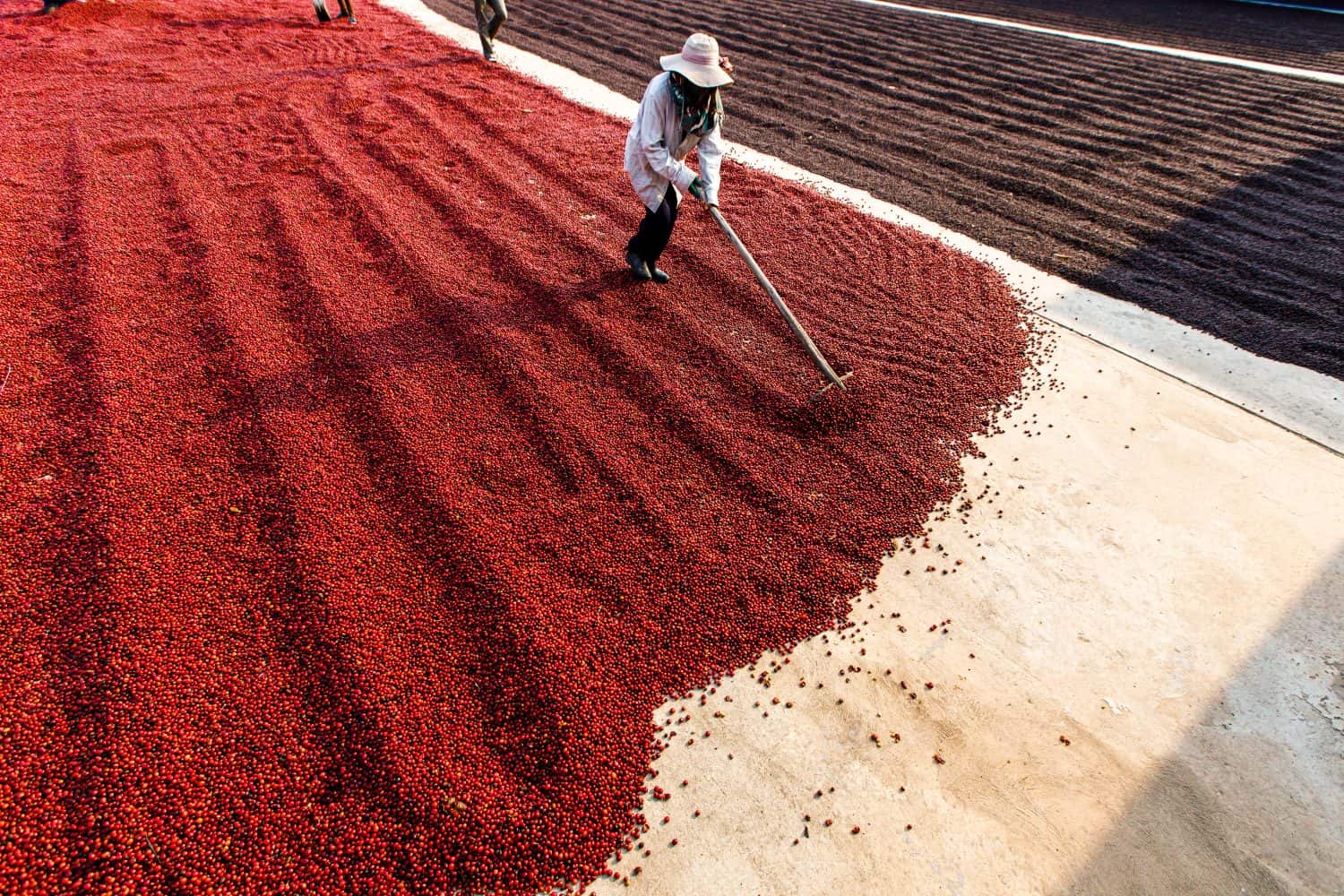
Vietnam is a distant second at about 31.7 million bags, or nearly 18% of world production. Brazil produces both arabica and robusta-type coffee, often called conilon there, across several major growing regions. The country’s enormous scale is one reason weather trouble in Brazil can quickly become a global coffee-price story.
Most Commercial Coffee Comes From Just Two Species
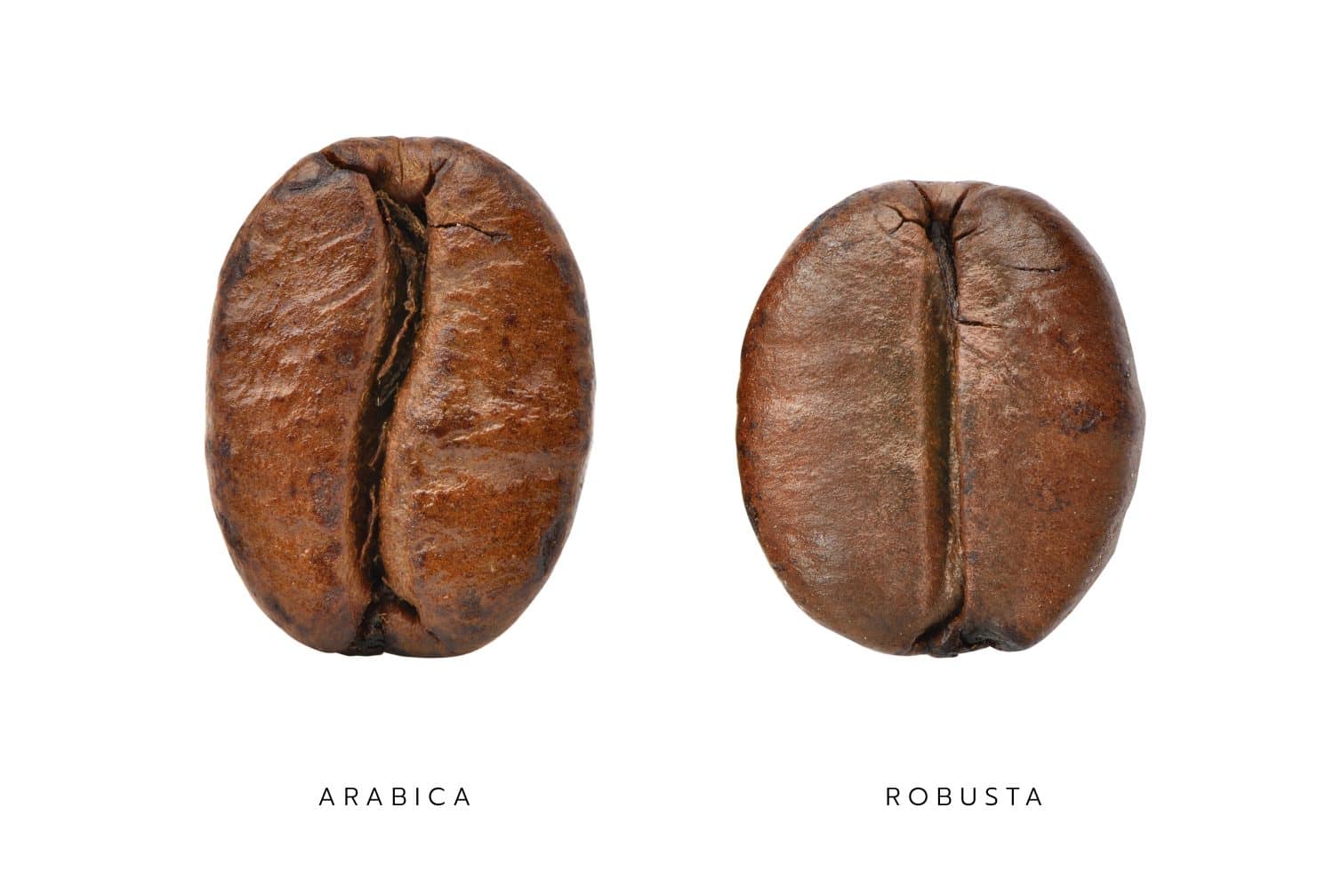
Coffee is sometimes described as coming in four basic bean types: arabica, robusta, liberica, and excelsa. That is a useful coffee-shop shortcut, but the actual botany is more complicated.
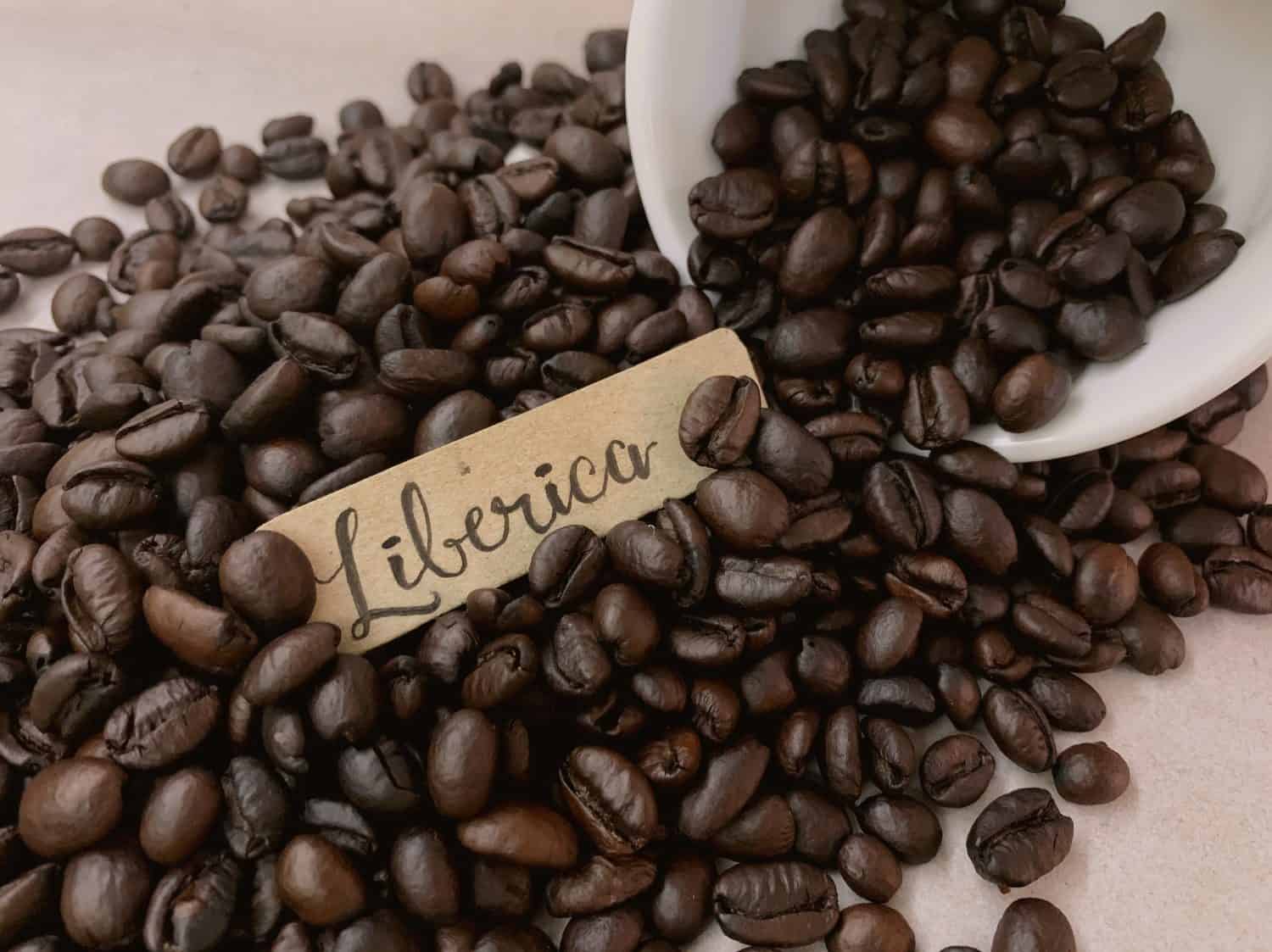
For everyday drinkers, two species dominate: Coffea arabica and Coffea canephora, better known as robusta. Together they account for more than 99% of commercially grown coffee. Current industry estimates put arabica at roughly 57% of global production and robusta at about 43%.
Liberica and Excelsa are real and increasingly interesting to specialty-coffee drinkers, but they remain niche compared with the big two. Arabica is generally associated with more delicate and complex cups, while robusta tends to contain substantially more caffeine and can tolerate hotter growing conditions and some diseases better.
Light Roast Does Not Automatically Mean Way More Caffeine

One of coffee’s most persistent debates is whether light or dark roast contains more caffeine. The answer is less exciting than either side would like: roast level alone does not give you a reliable answer.
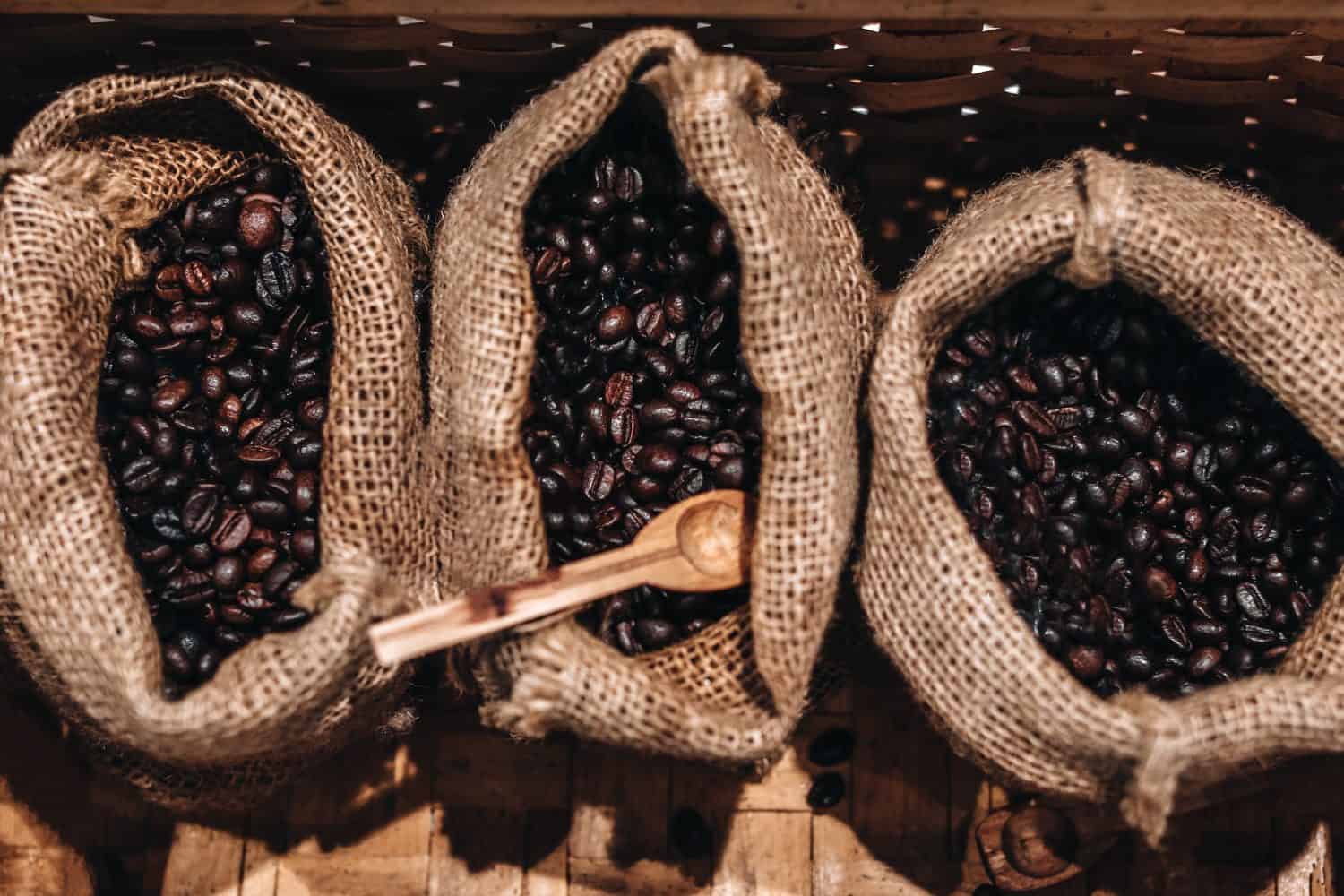
Research has found that dark-roast brews can contain somewhat less caffeine than lighter roasts under identical brewing conditions, but the difference is usually nowhere near the dramatic gap people sometimes claim. A 2024 study also found that the result could change depending on extraction. Bean variety, the amount of coffee used, grind size, brew method, and whether you measure grounds by weight or by volume can all affect how much caffeine ends up in the cup.
In other words, do not order a light roast assuming you have discovered some secret caffeine loophole.
Kopi Luwak Is Not the World’s Most Expensive Coffee
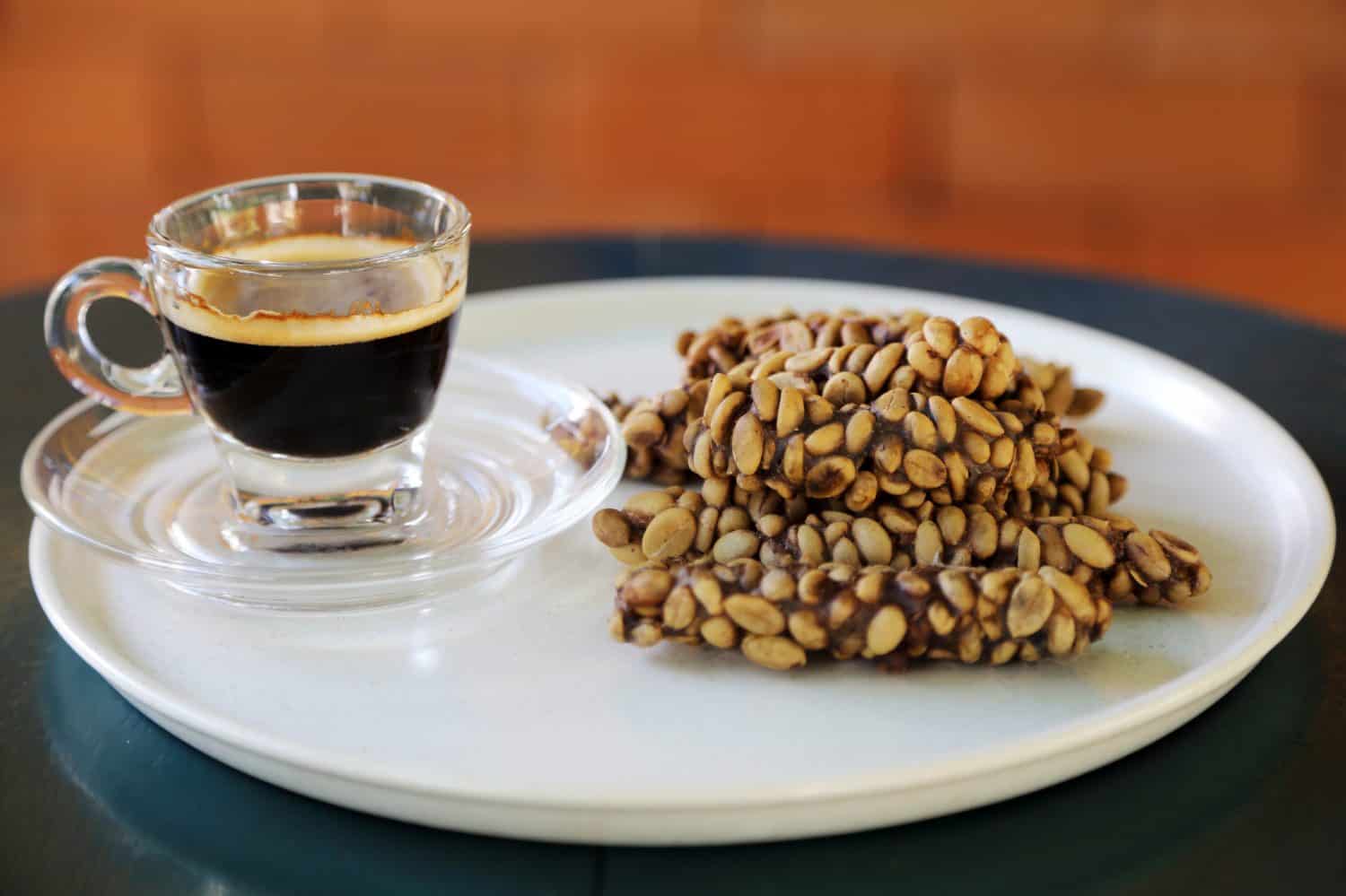
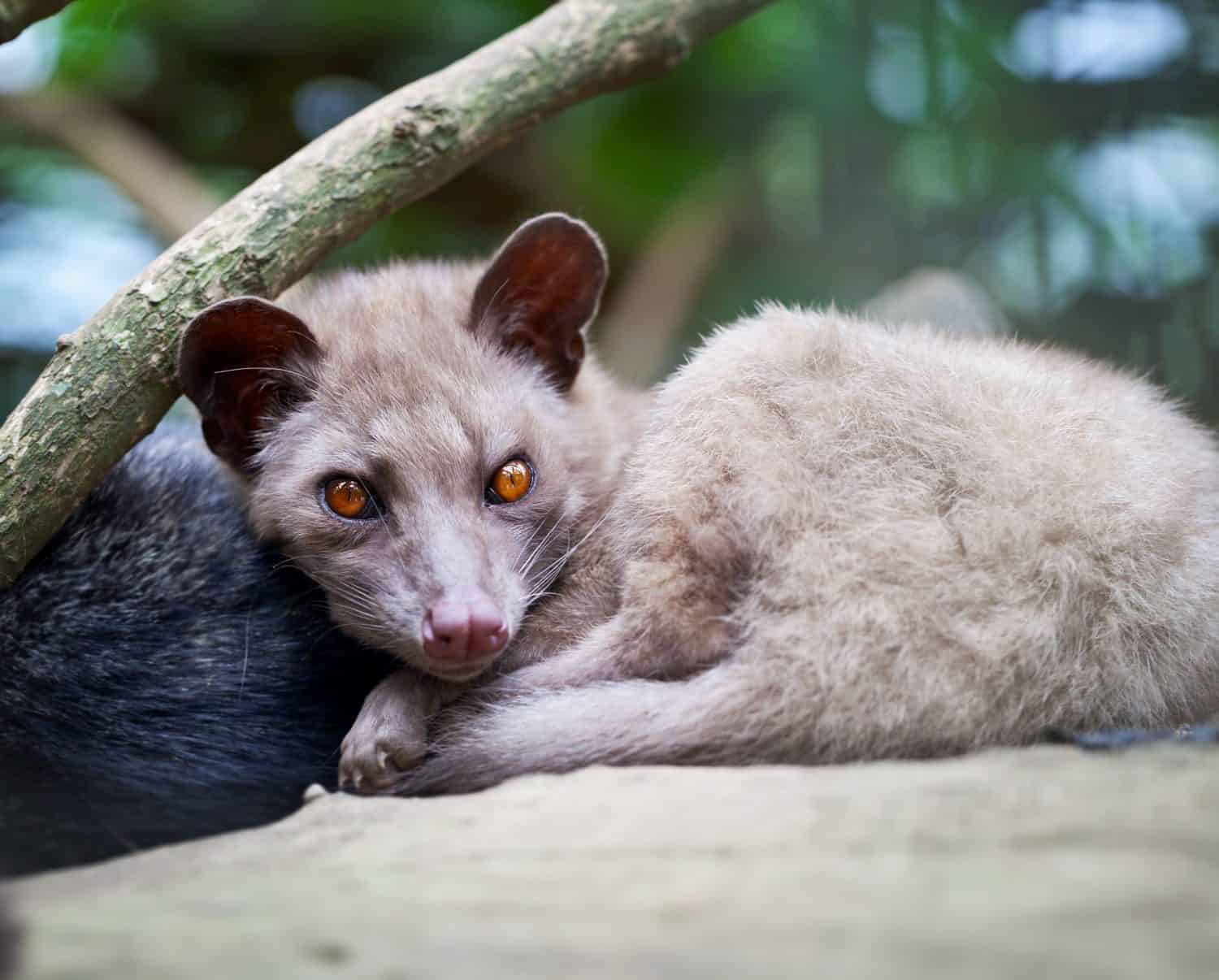
Kopi luwak may be the world’s most famous outrageously expensive coffee, but calling it the most expensive is outdated. The Indonesian coffee is made using coffee cherries eaten and excreted by Asian palm civets before the seeds are collected, cleaned, processed, and roasted.
Today’s eye-popping coffee-price records belong elsewhere. At the 2025 Best of Panama auction, a 20-kilogram lot of washed Geisha coffee from Hacienda La Esmeralda sold for $30,204 per kilogram. That works out to roughly $13,705 per pound, with the tiny lot bringing more than $604,000 in total.
That was a specialty auction record for unroasted green coffee, not what an ordinary shopper would pay for a bag at the grocery store. Kopi luwak also comes with another complication: investigations have documented serious animal-welfare problems at some operations where wild civets are captured and kept in cages to produce it.
Hawaii Is Not the Only U.S. Place Growing Coffee
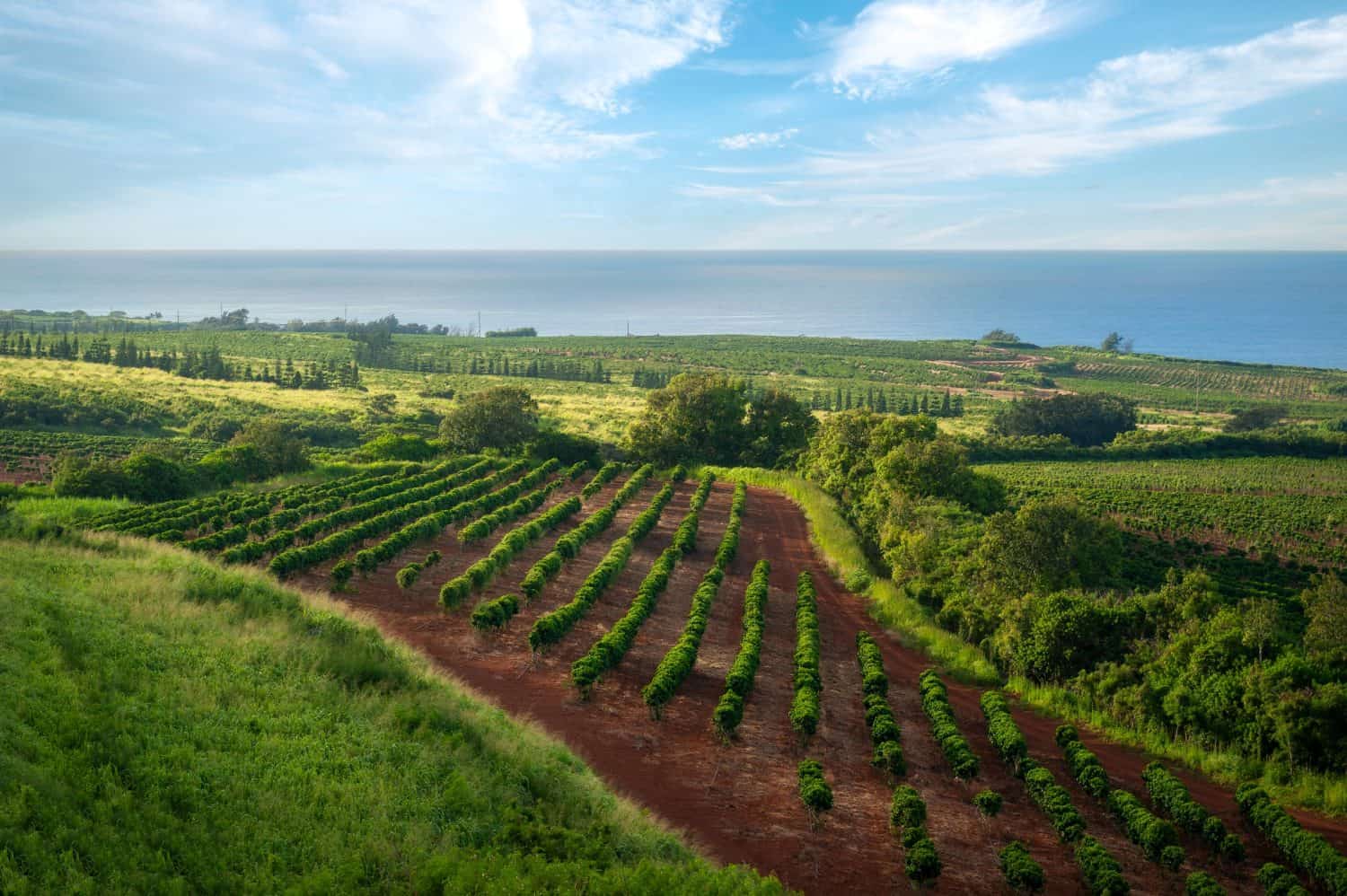
Most of the continental United States is simply too cold for commercial coffee production. That leaves America’s coffee growers operating in a handful of unusually favorable places.
Hawaii is by far the best-known U.S. producer and still has a genuine agricultural coffee industry. USDA reported about 9,100 tons of coffee cherries produced there in 2025. Puerto Rico also has a long coffee-growing tradition, particularly in the island’s mountainous interior.
California complicates the old claim that coffee grows commercially in only Hawaii and Puerto Rico. University of California researchers have documented a small but real specialty-coffee industry along the state’s southern and central coast, where farmers began selling locally grown coffee commercially in the 2010s. It remains tiny compared with Hawaii, and the United States still imports more than 99% of the coffee Americans consume.
The Espresso Machine Was Not Invented All at Once

Giving one inventor and one year credit for the espresso machine skips several important chapters. Italian inventor Angelo Moriondo patented a steam-powered machine for rapidly brewing coffee in 1884. Luigi Bezzera improved the idea in the early 1900s, including technology that could brew individual servings, and Desiderio Pavoni helped commercialize the machines.
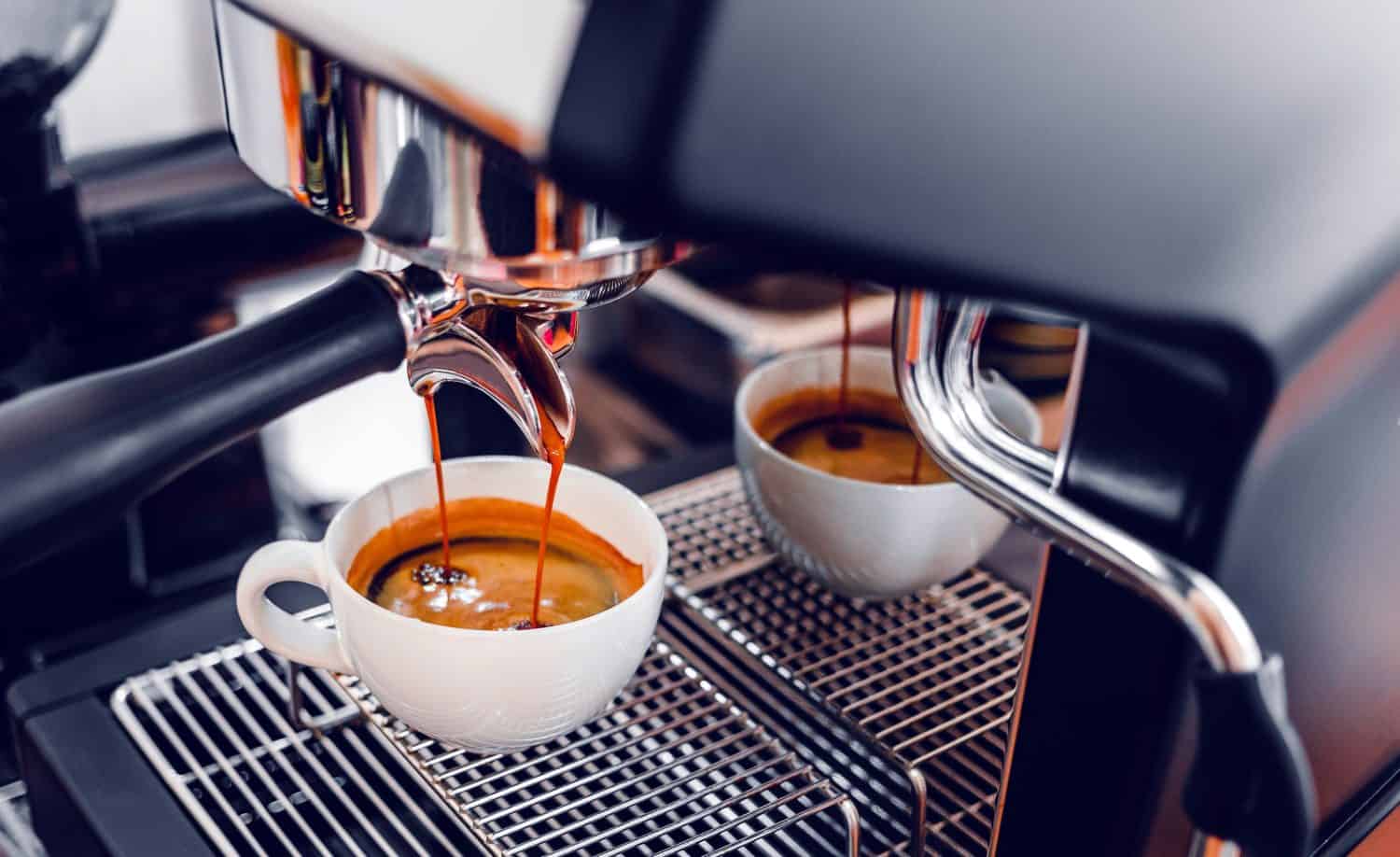
Achille Gaggia then made the breakthrough most closely associated with modern espresso. He patented his pressure-based Lampo system in 1938 and followed it with a lever-piston design in 1947 capable of producing much higher pressure. Gaggia’s first commercial machine arrived in 1948. That higher-pressure brewing helped create the layer of crema now considered one of espresso’s defining features.
Coffee Is Linked With Health Benefits, Not Miracles
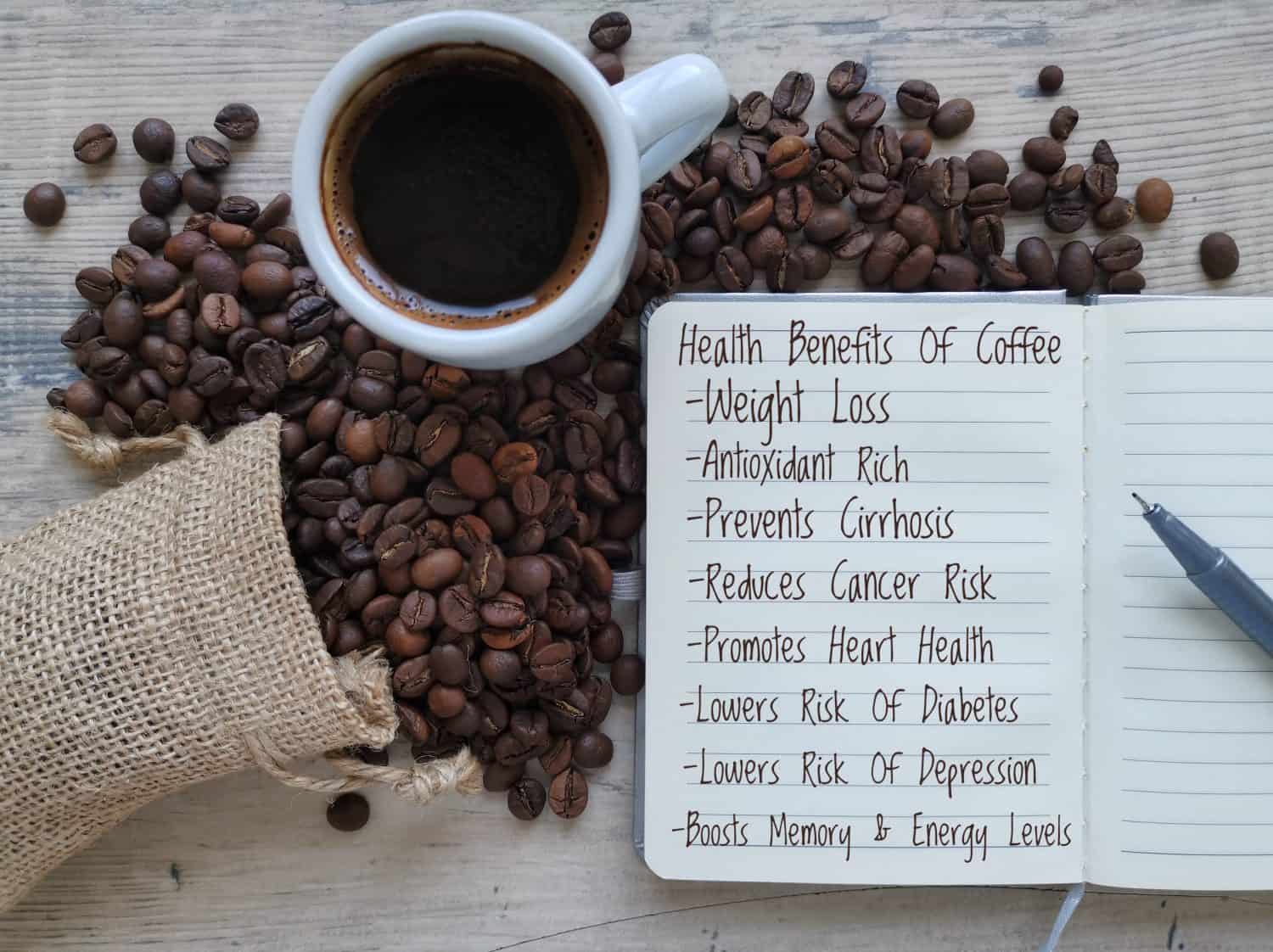
The health story around coffee is much more encouraging than it once was, but this is also an area where headlines tend to run several steps ahead of the science.

Large observational studies have repeatedly found that coffee drinkers tend to have lower rates of death from several causes than people who do not drink coffee. Researchers have also reported associations between coffee consumption and lower risks for some diseases. Association is the important word there. These studies cannot prove that coffee itself is what made people live longer.
The cancer evidence is similarly nuanced. The World Health Organization’s cancer research agency concluded that coffee could not be classified as carcinogenic to humans based on the available evidence. Studies have found lower risks for liver and endometrial cancers among coffee drinkers, while the evidence is unclear or mixed for many other cancers.
Claims that coffee outright prevents Alzheimer’s disease also go too far. Research on coffee, caffeine, and dementia has produced mixed results, with some studies finding associations between moderate consumption and lower risk while others have not. So enjoy the cup if you like it. Just do not expect your coffee maker to start practicing medicine.