Rex Gray / BY 2.0

photozims/Shutterstock.com

PeopleImages / Shutterstock.com
prilfish / BY 2.0
Rex Gray / BY 2.0

Clearphoto / Getty Images

Denny Friday Studio / Shutterstock.com
MikalaiLipski / Shutterstock.com


7 of the Strangest Things You Can Buy Around the World
Most stores are predictable. You walk in for groceries, clothes, or a new phone charger and leave with roughly what you expected. Travel far enough, though, and the shopping gets considerably more interesting. Around the world, businesses and markets sell products shaped by local traditions, regional tastes, religious practices, and occasionally somebody having an idea that sounds ridiculous until people actually start buying it.
Some of these products are everyday purchases in the places where they are sold. Others lean heavily into novelty. Either way, they can look downright strange to someone seeing them for the first time. From cans of Canadian mountain air to potatoes carrying handwritten messages, here are some of the more unusual things people can spend money on around the world.
Canned Fresh Air in Canada
Bottled water makes sense. Bottled air requires a little more explanation. Canadian company Vitality Air drew international attention by packaging air collected around Banff and Lake Louise in Alberta and selling it in pressurized containers. The company found customers overseas, including in China, where heavily polluted cities helped give the idea considerably more appeal than it might have had as a simple Canadian souvenir. The product has been marketed as a way to take a few breaths of Rocky Mountain air from almost anywhere. Whether buyers see that as refreshing or wonderfully absurd is probably beside the point. Somebody figured out how to put mountain air in a can and sell it.
Mystery-Box Vending Machines in Japan
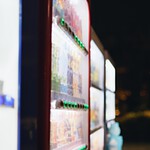
Japan's vending-machine culture goes far beyond soda and candy. Machines selling hot meals, umbrellas, toys, and other unexpected goods have all appeared over the years, and some novelty machines take the surprise one step further. Pay the posted price and a completely unknown package comes out. Examples have dispensed boxes containing toys, gadgets, household items, and assorted novelty prizes. These mystery machines are not sitting on every Tokyo street corner, but they are real. In this case, customers are not really buying a particular product at all. They are buying the suspense of finding out what they just paid for.
Bottled Cow Urine in India
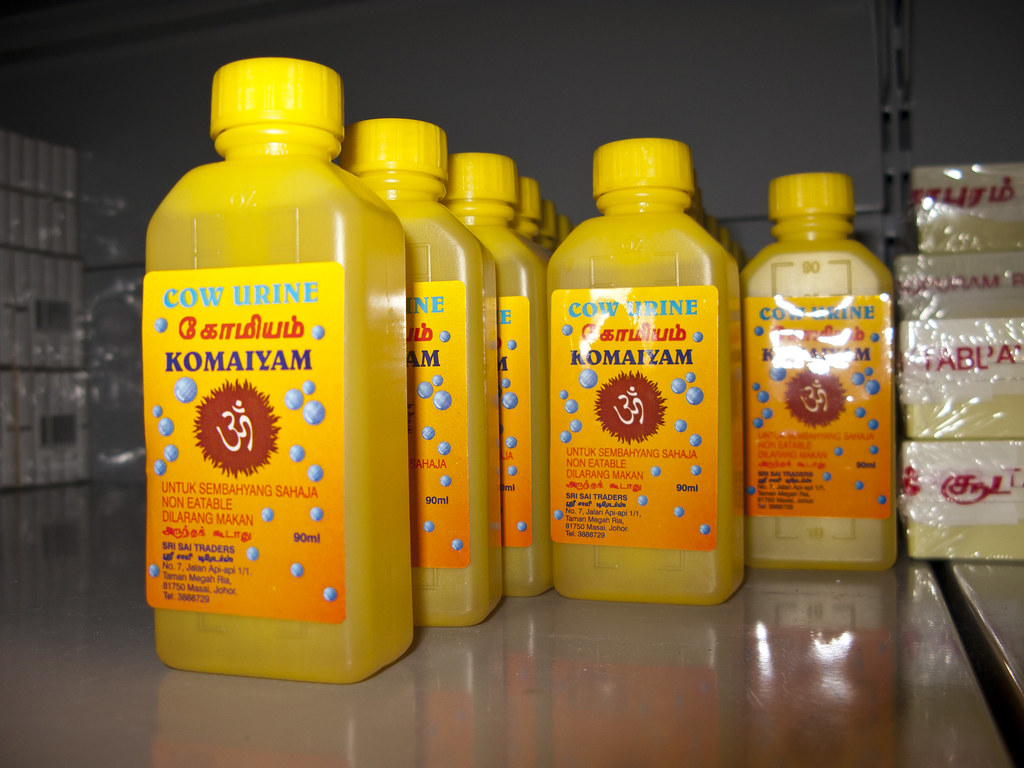
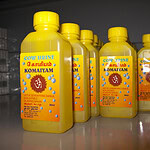
Yes, bottled cow urine is an actual commercial product in India. Known as gomutra, it has a place in some Hindu religious practices and in traditional Ayurvedic preparations. Retailers sell both filtered cow urine and distilled products known as gomutra ark, with some intended for ceremonial use and others marketed as traditional wellness products. The religious significance comes from the sacred status of cows within Hindu traditions, and gomutra may be used in purification rituals. Sellers also make a variety of health claims about it, although those claims should not be confused with established medical evidence. For shoppers unfamiliar with the tradition, seeing bottles of it on a shelf can still be quite a surprise.
Fried Insect Snacks in Thailand
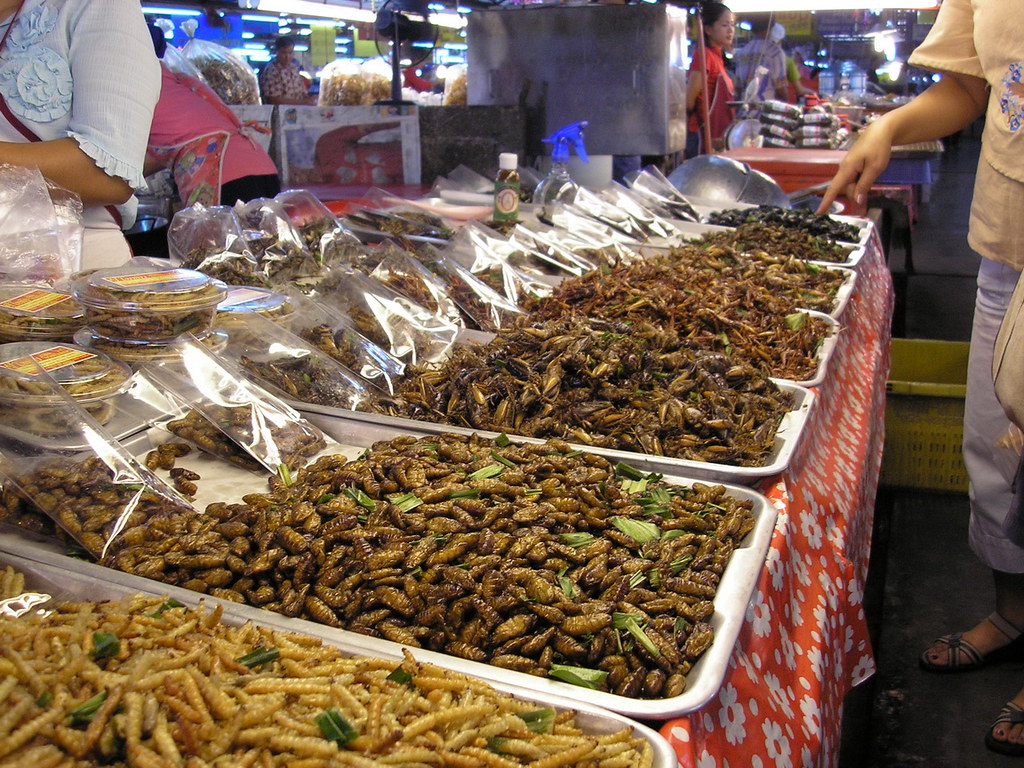
In Thailand, eating insects is not simply a stunt designed for adventurous tourists. Edible insects have been part of regional food traditions for generations, particularly in northern and northeastern Thailand, and the country has a well-established commercial market for them. Crickets, grasshoppers, bamboo worms, silkworm pupae, and other insects can be fried, seasoned, and sold as snacks at markets and street-food stalls. The United Nations Food and Agriculture Organization has documented Thailand's extensive edible-insect farming and distribution industry. Crickets and grasshoppers are often served crisp and salty, making the experience a lot closer to grabbing a bag of crunchy snacks than many first-time visitors expect.
Personalized Potato Messages in New Zealand
For the person who has exhausted every normal greeting-card option, New Zealand has another possibility: mail them a potato. Potato Post NZ lets customers put a personalized handwritten message of up to 130 characters directly on an actual potato and send it to someone elsewhere in New Zealand. The company's basic potato message currently sells for NZ$9.99, with larger gift bundles also available. Birthday wishes, congratulations, romantic messages, and anonymous jokes are all fair game. The company specifically advises recipients not to eat the potato after it has been written on and shipped, which feels like information worth mentioning before anyone mistakes the mail for dinner.
Banana Leaves Used as Umbrellas in Southeast Asia
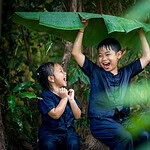
This one is more improvised tool than unusual consumer product. Across tropical regions, including parts of Southeast Asia, people have long used the enormous leaves of banana plants as quick protection from rain and sun. Historical photographs even show people simply cutting or picking a leaf and holding it overhead like an instant umbrella. The broad surface can provide surprisingly useful temporary cover during a downpour, and when the leaf is finished, there is no plastic frame or synthetic fabric to throw away. Modern umbrellas have obviously made the practice less necessary, but sometimes nature has already made a perfectly serviceable roof with a handle attached.
Edible Gold in the United Arab Emirates
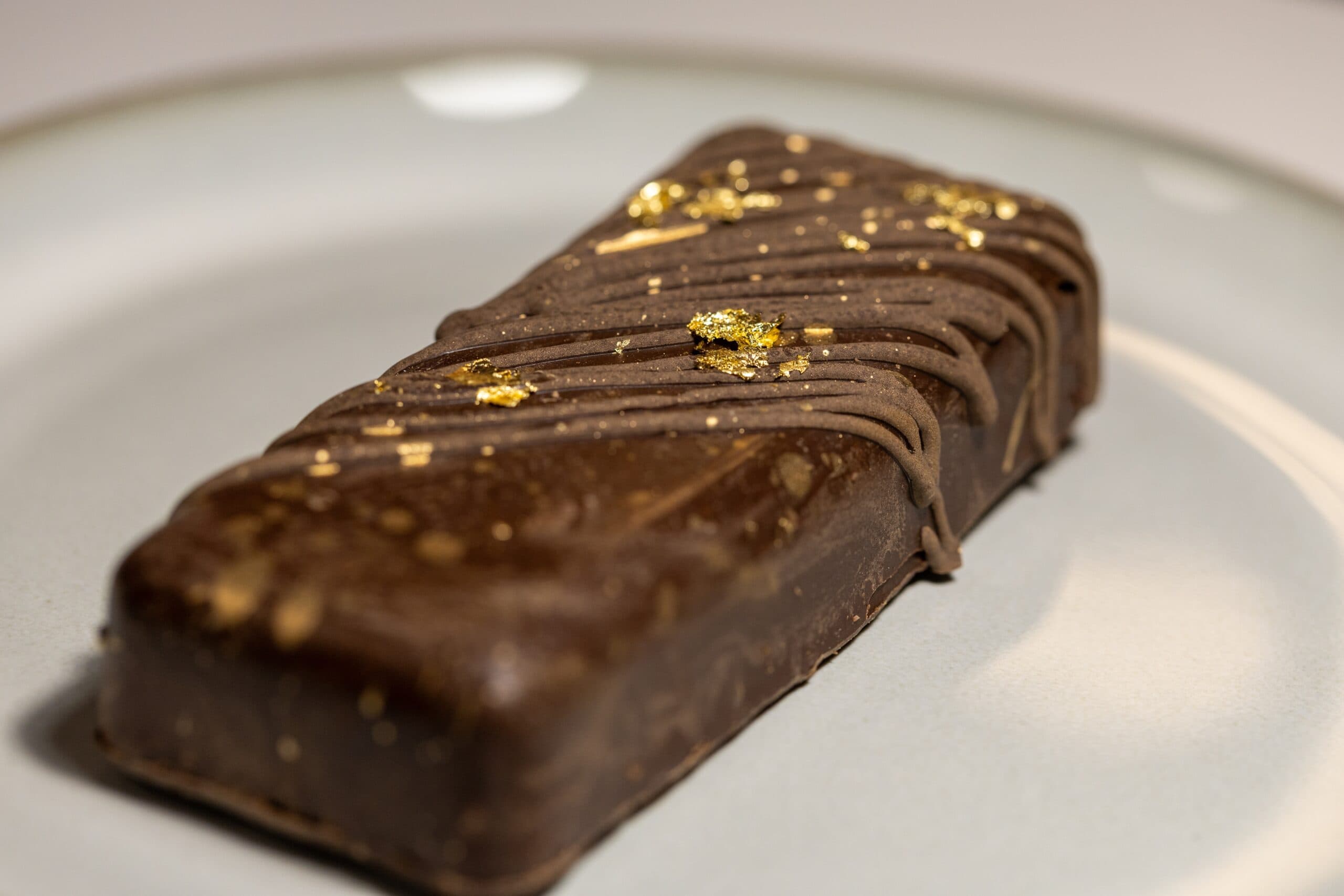
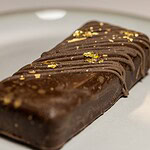
Dubai's luxury dining scene has found plenty of uses for something most people would rather keep in a jewelry box. Restaurants and cafes in the city have served dishes and drinks decorated with real edible gold leaf or flakes, including chocolate, pastries, desserts, coffee, and even burgers. The gold used for food is extremely pure and contributes almost nothing to the flavor. Its job is to look expensive, and on that front it performs beautifully. Dubai establishments have offered everything from relatively affordable pastries dusted with 24-karat gold to elaborate desserts costing thousands of dirhams. Apparently even lunch can benefit from a little precious metal if subtlety was never part of the plan.