Food is strongly tied to culture, geography, and history. A perfectly ordinary dish in one region of the world will seem strange or even disgusting elsewhere. Around the world, people consistently eat unique foods based on available local ingredients and traditions dating back centuries. In some cases, regional cuisines challenge our expectations of what food should look, smell, or taste like. Others require cringe-worthy preparation methods. These are some of the most unusual foods people actually eat around the world.
1. Hákarl
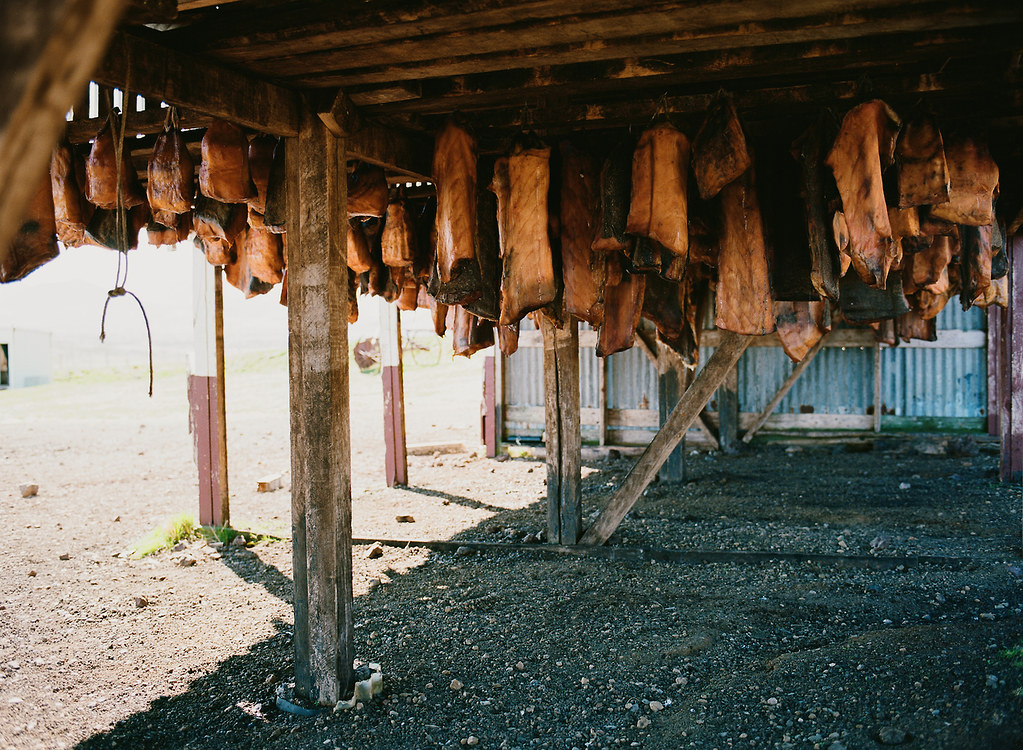
For this first food, we travel way up into Nordic Europe. Hákarl is a traditional Icelandic dish made from an animal native to the surrounding ice-cold waters: Greenland shark. Because fresh shark meat contains high levels of urea and trimethylamine oxide, it is toxic to humans when fresh. It must go through a time-consuming process of curing and fermentation before it can be safely consumed. The meat is buried or stored for months and then hung to dry. The edible version emits a strong odor that many people compare to ammonia. While those not from the island country usually can’t stomach it, some Icelanders consider it a beloved cultural food.
2. Balut
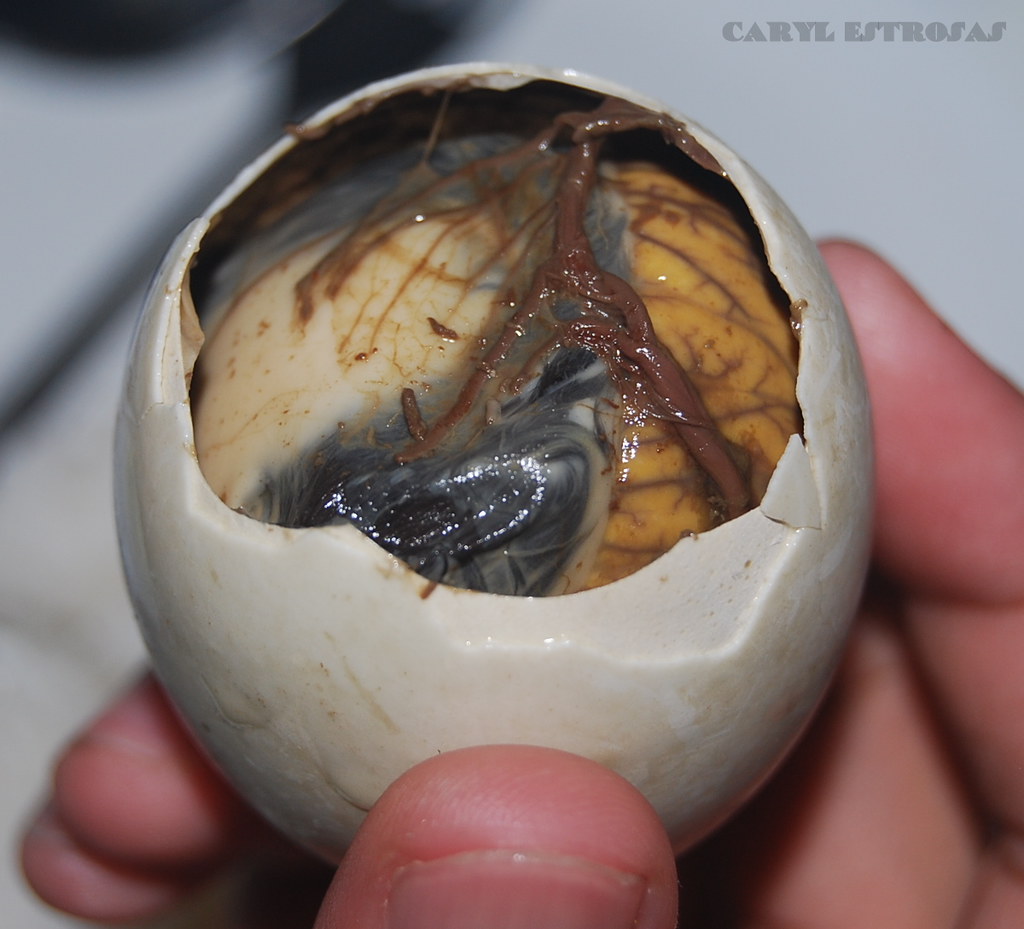
Balut is a popular street food in the Philippines and several other parts of Southeast Asia. Locals boil fertilized duck eggs before eating them directly from the shell. But these aren’t your everyday eggs; they contain a partially developed embryo, with visible duckling features and all. Many visitors struggle to overcome this aspect, staying far away from the common snack. However, millions of Southeast Asians love balut for its rich flavor and high protein content.
3. Casu Marzu
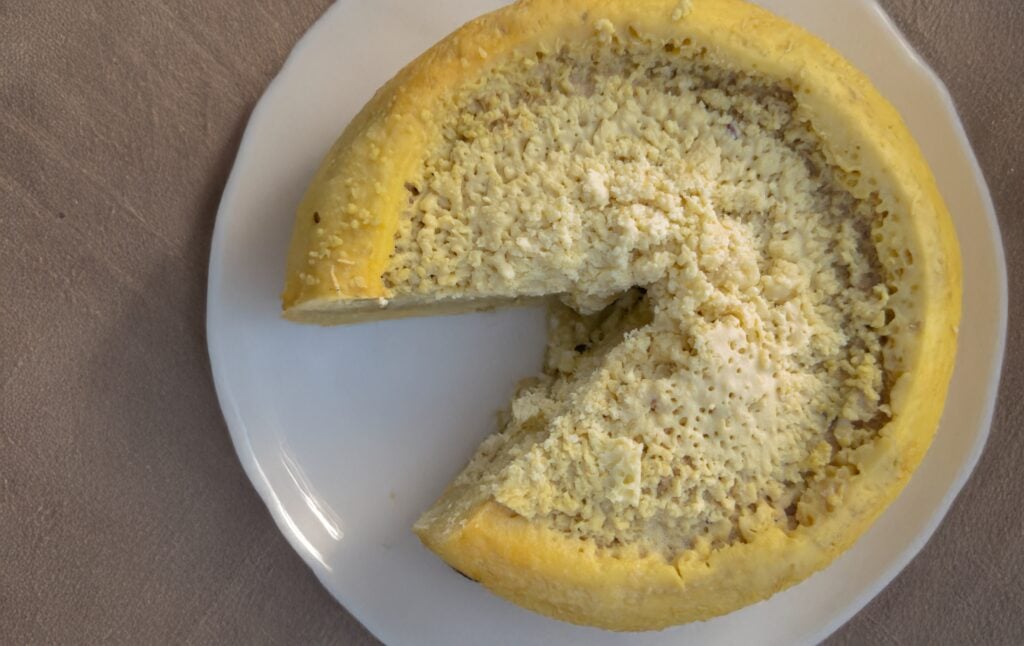
Off the southern coast of Italy lies a large, beautiful island called Sardinia. The region is home to an unusual cheese known as Casu Marzu. But how odd can a cheese really be, you ask? Well, it contains live insect larvae, otherwise known as maggots. The Italians accept this slightly off-putting feature because the larvae serve a purpose, helping break down the cheese to create an exceptionally soft, melt-in-your-mouth texture. Some die-hard fans say the cheese should be eaten while the maggots are still alive, crawling around inside. For these reasons, Casu Marzu is indeed one of the world’s most infamous cheeses.
4. Fried Tarantulas
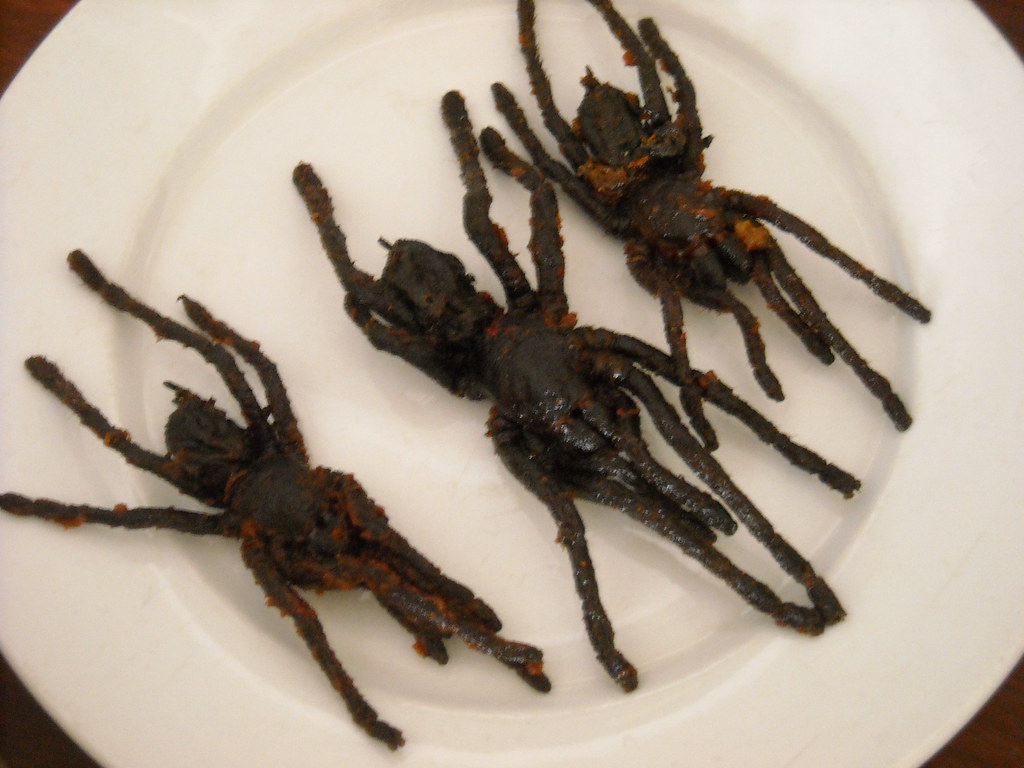
This one is likely self-explanatory, and those with arachnophobia should feel free to skip this entry entirely. In parts of Cambodia, they don’t just tolerate coexisting with spiders; they eat them. The practice of consuming spiders supposedly became common during periods of food scarcity. However, fried tarantulas are now enjoyed as a snack even in times of plenty. As with familiar fried foods, the spiders are seasoned and fried in oil until crispy. The finished product is sold in local markets. Those who partake in this weird snack describe the taste as somewhat similar to crab or chicken. For adventurous eaters only.
5. Century Eggs
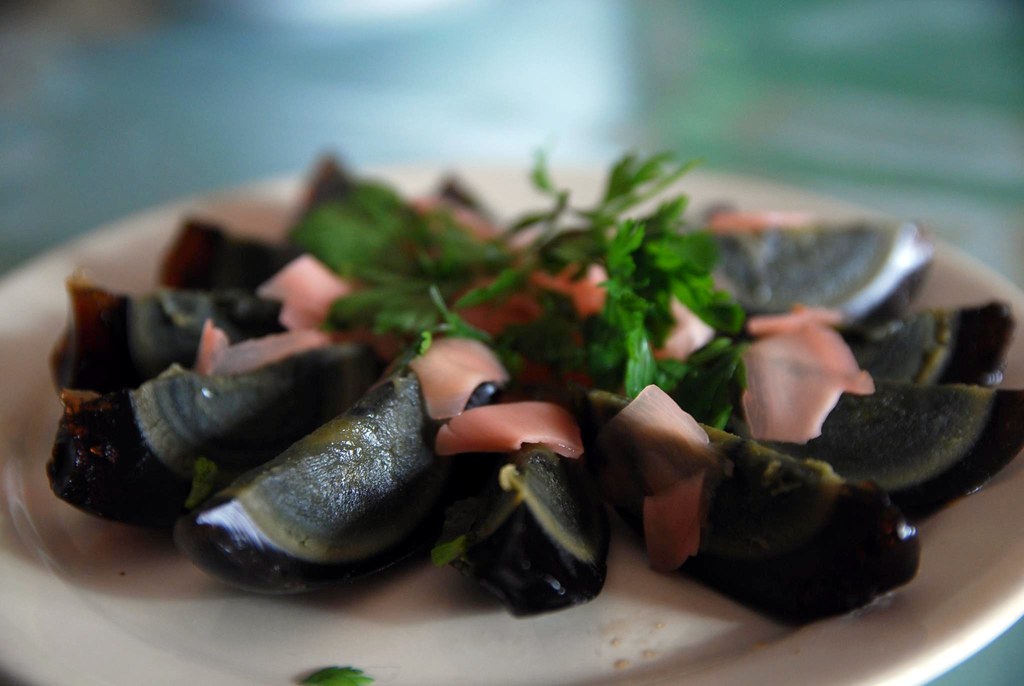
Despite the name, century eggs are not a hundred years old. However, they aren’t fresh either. This Chinese delicacy is made from duck, chicken, or quail eggs that are stored for several weeks or months in a mixture of clay, ash, and other ingredients. During the process, the yolk becomes creamy and dark while the whites turn into a jelly-like consistency. The contrasting shades are often startling to anyone outside the region who is unfamiliar with the dish. Century eggs continue to be popular throughout many parts of Asia.
6. Escamoles
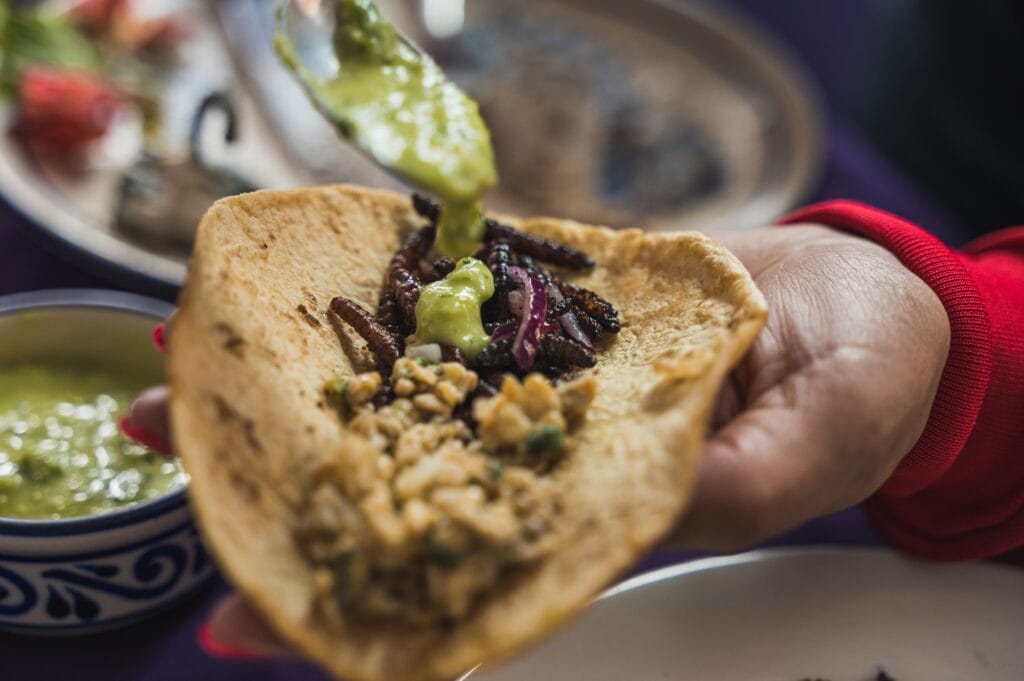
This south-of-the-border treat is strongly rooted in Mexican culture and has been eaten since the time of the Aztecs. Escamoles, or “insect caviar,” are harvested ant larvae found on the roots of agave plants. They are known for having a mild, nutty flavor and soft texture. The caviar comparison comes from the labor-intensive process, making escamoles expensive. The insect dish reminds us that delicacies come in many forms.
7. Blood Soup
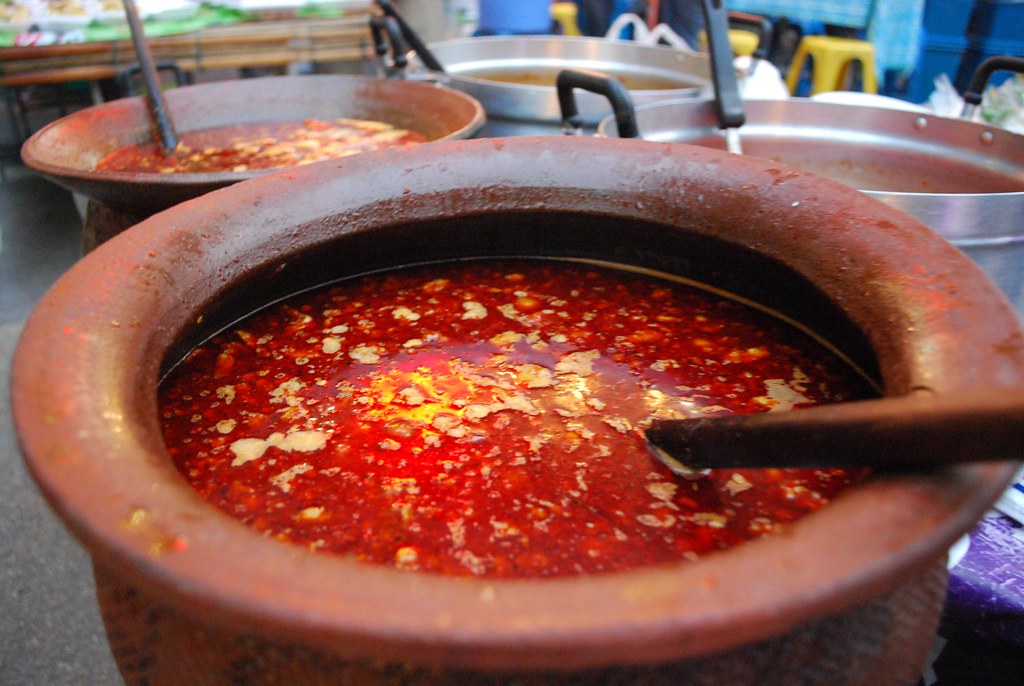
This food has one of the less appetizing names on our list. Animal blood is mixed with broth, seasonings, and other ingredients to create a hearty soup. Various forms are common in several European and Asian countries. Historically, the practice developed out of sustainability and resourcefulness. The blood was consumed as a way to avoid wasting any part of the valuable animal and its nutrients. Indeed, blood-based dishes have been consumed in many parts of the world for centuries.
8. Stinkheads
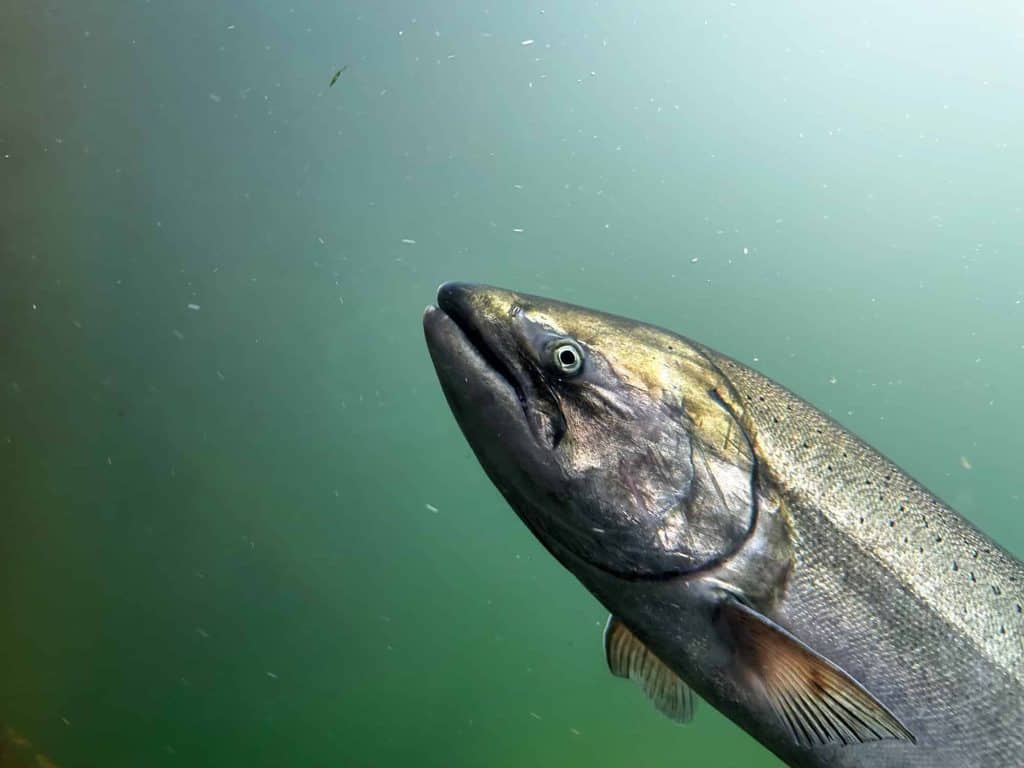
We can’t imagine a name like stinkheads is stimulating anyone’s appetite. But this traditional food is still eaten by some Indigenous communities in Alaska. The food is made by fermenting fish heads. And the finished product lives up to its name, carrying an unpleasant and overwhelming odor. However, the fermentation process also brings out distinct flavors that locals enjoy. Like many traditional foods, stinkheads are the result of generations of adaptation to the environment and available resources.