
Anadolu Agency / Anadolu Agency via Getty Images
Anadolu Agency / Anadolu Agency via Getty Images
SKapl / iStock via Getty Images

George Frey / Getty Images News via Getty Images
simonov / Flickr
Sendo Serra / Shutterstock.com

Ellgeemac / iStock via Getty Images

Kitreel / Shutterstock.com

Rich Legg / E+ via Getty Images

Dolores M. Harvey / Shutterstock.com
LifestyleVisuals / iStock via Getty Images

zef art / Shutterstock.com

kitzcorner / iStock via Getty Images









11 Myths About Guns and Ammo Some People Still Believe
Movies and television have taught us a lot about firearms. Unfortunately, quite a bit of it belongs in the same category as cars exploding from a single bullet and people flying across rooms after being shot.
Some misconceptions are relatively harmless. Others muddy conversations about firearm safety, criminal investigations, and gun laws. Even familiar terms such as "machine gun," "armor-piercing ammunition," and "silencer" are regularly used in ways that do not match their technical or legal meanings.
Here are 11 common myths about firearms and ammunition, along with what the evidence and current law actually say.
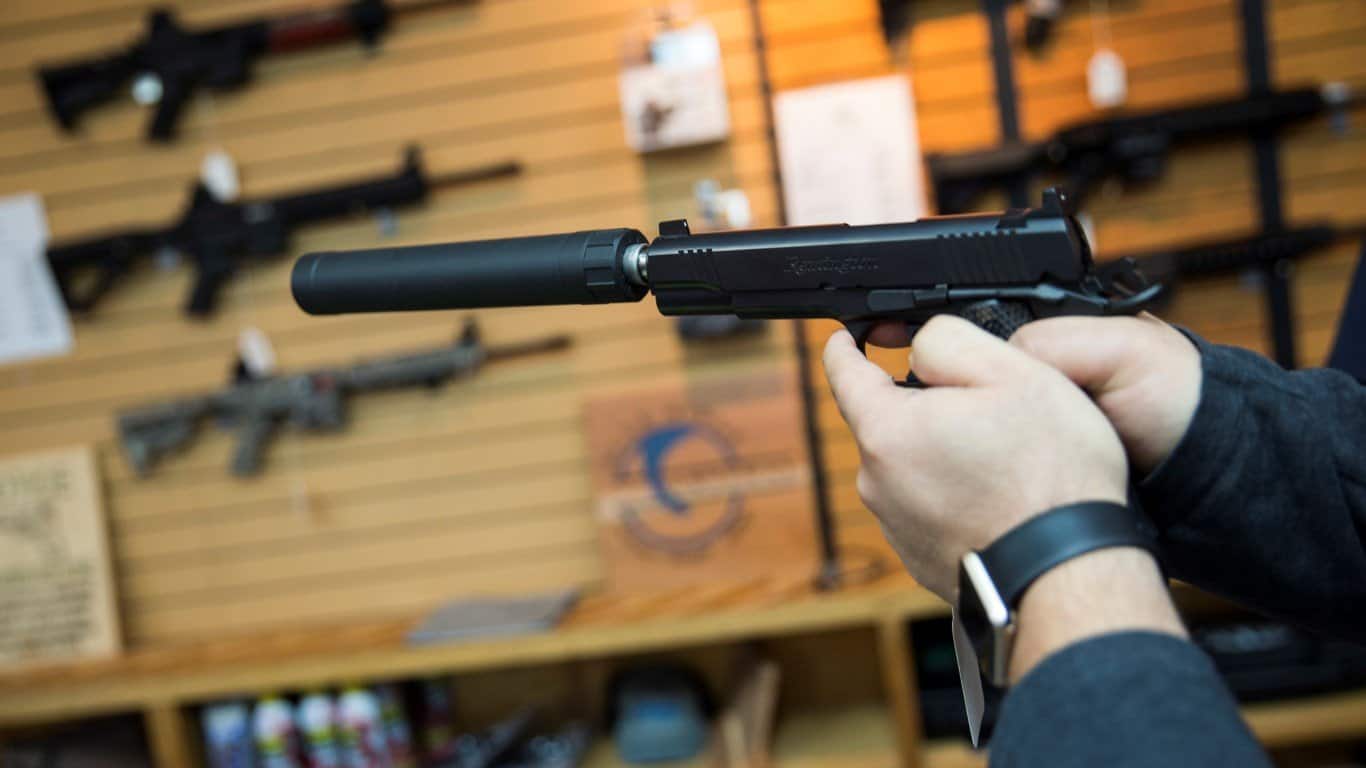
Myth: Suppressors Make Guns Nearly Silent
Hollywood has spent decades convincing us that attaching a suppressor turns a gunshot into a discreet little cough. Real life is considerably louder. Suppressors reduce the intense impulse noise produced by a firearm, which is why the National Institute for Occupational Safety and Health has discussed them as one way to reduce noise exposure at shooting ranges. They do not eliminate that noise, however. Firearm discharges can produce extremely high sound-pressure levels, and NIOSH still recommends appropriate hearing protection around gunfire. "Suppressor" is therefore a much better description of what the device actually does than the popular idea of a truly silent firearm.
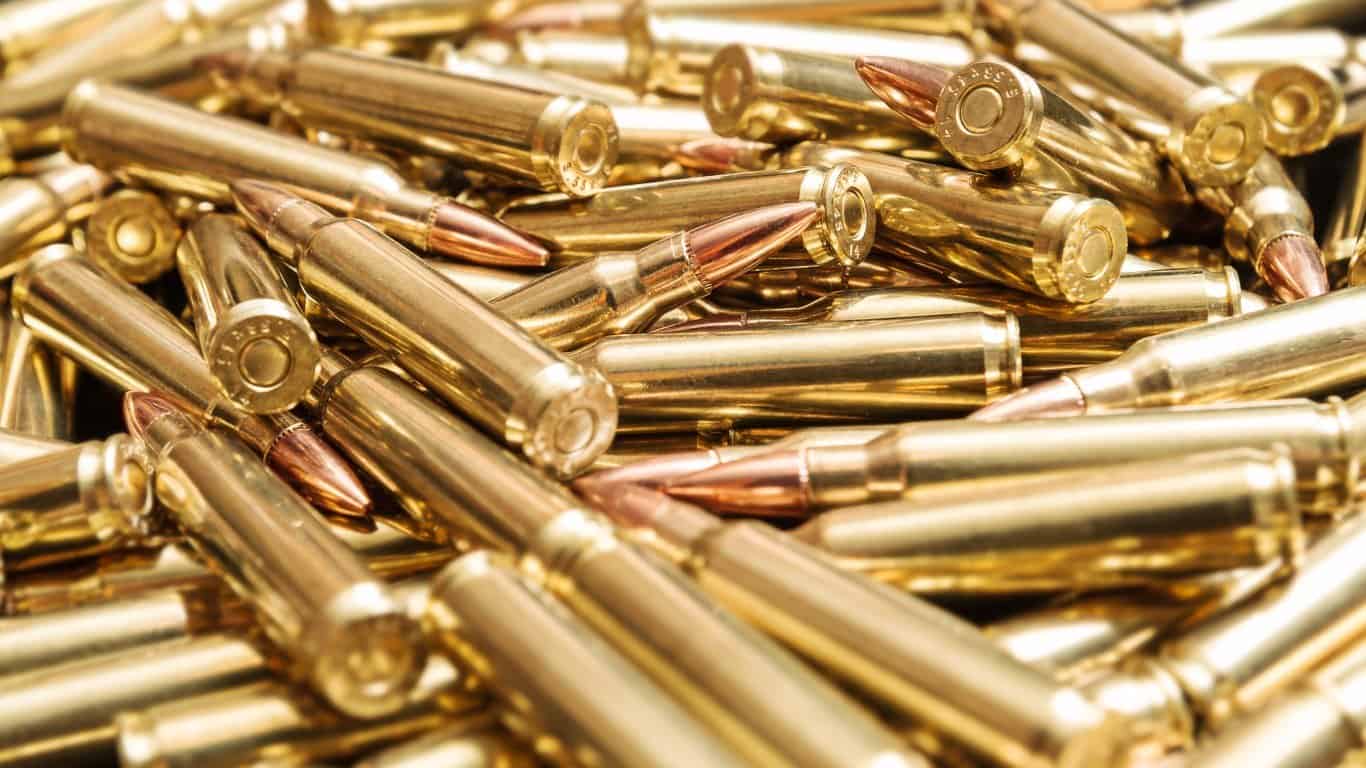
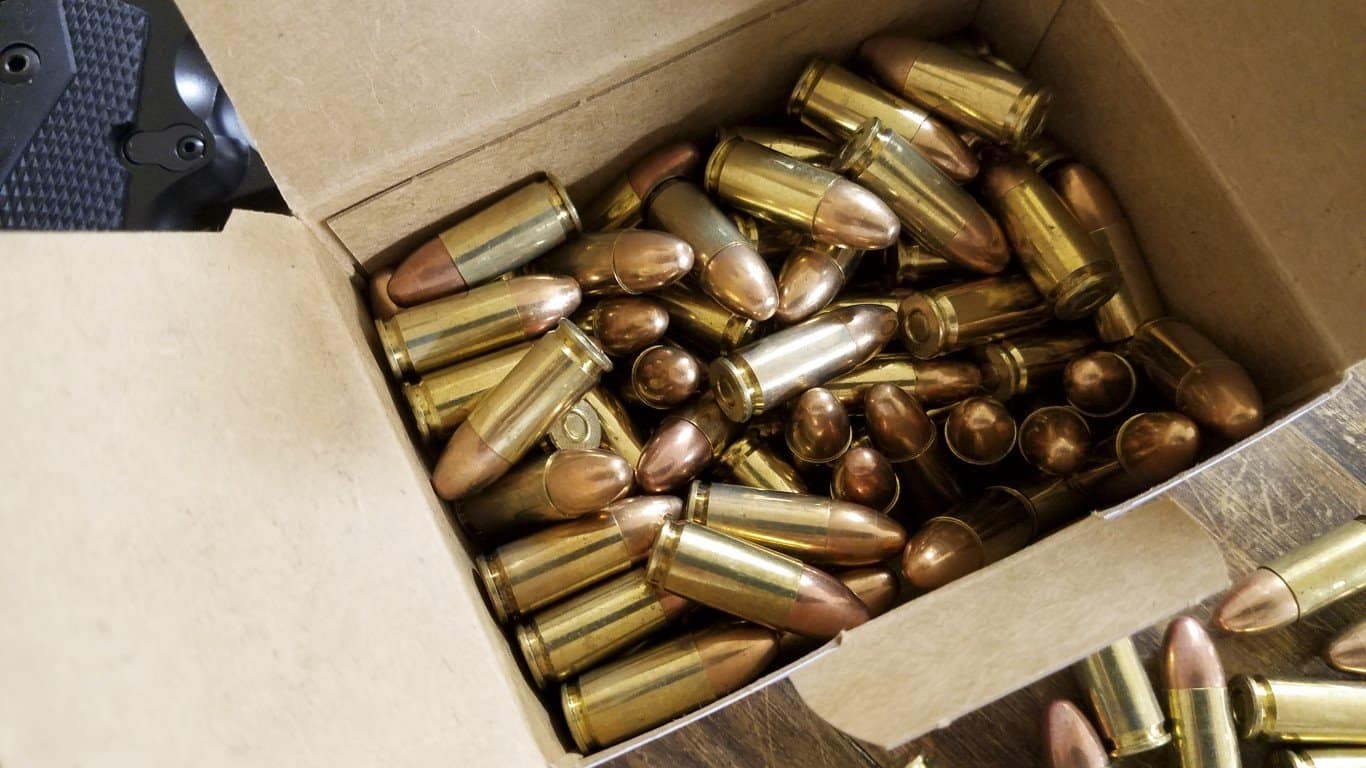
Myth: Loose Ammunition Explodes Easily
A box of ammunition is not a box of tiny hand grenades. Testing by the Sporting Arms and Ammunition Manufacturers' Institute found that sporting ammunition outside a firearm is unlikely to ignite from impacts and does not produce the kind of chain-reaction explosion often shown in movies. Ammunition exposed to a serious fire can still rupture and create hazards, so none of this means it should be treated casually. The important distinction is that a loose cartridge is not confined inside a firearm's chamber and barrel, so it does not behave the same way as a round that is fired normally.
Myth: A Semi-Automatic Rifle Is a Machine Gun
Appearance does not determine how a firearm operates. A typical semi-automatic firearm fires one round for each pull of the trigger. A machine gun, under federal law, is capable of firing more than one shot automatically with a single trigger function. Machine guns have been federally regulated since the National Firearms Act of 1934, and another major restriction arrived in 1986. Federal law generally prohibits civilian possession or transfer of machine guns that were not lawfully possessed before May 19, 1986, apart from limited government and licensed-industry exceptions. A rifle may resemble a military firearm while operating very differently.
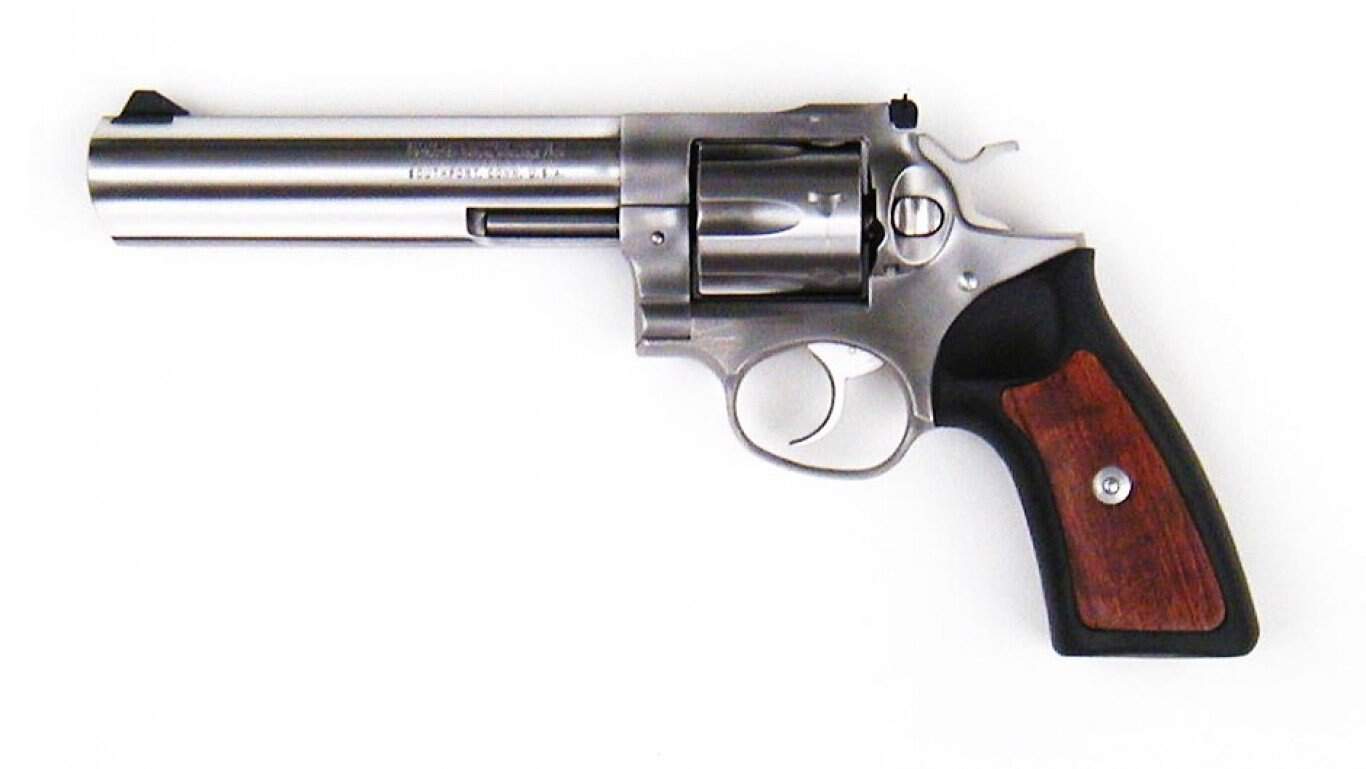
Myth: Caliber Alone Determines What a Gunshot Will Do
There is no single handgun caliber that guarantees a particular outcome after someone is shot. That does not mean caliber is irrelevant. A study published in JAMA Network Open examining criminal shootings in Boston found that victims shot with larger-caliber firearms had a higher likelihood of dying than those shot with smaller-caliber firearms. At the same time, gunshot injuries vary enormously depending on the number and location of wounds, projectile characteristics, medical response, and other circumstances. The neat "stopping power" rankings often thrown around in popular culture simplify a complicated and potentially deadly medical reality.
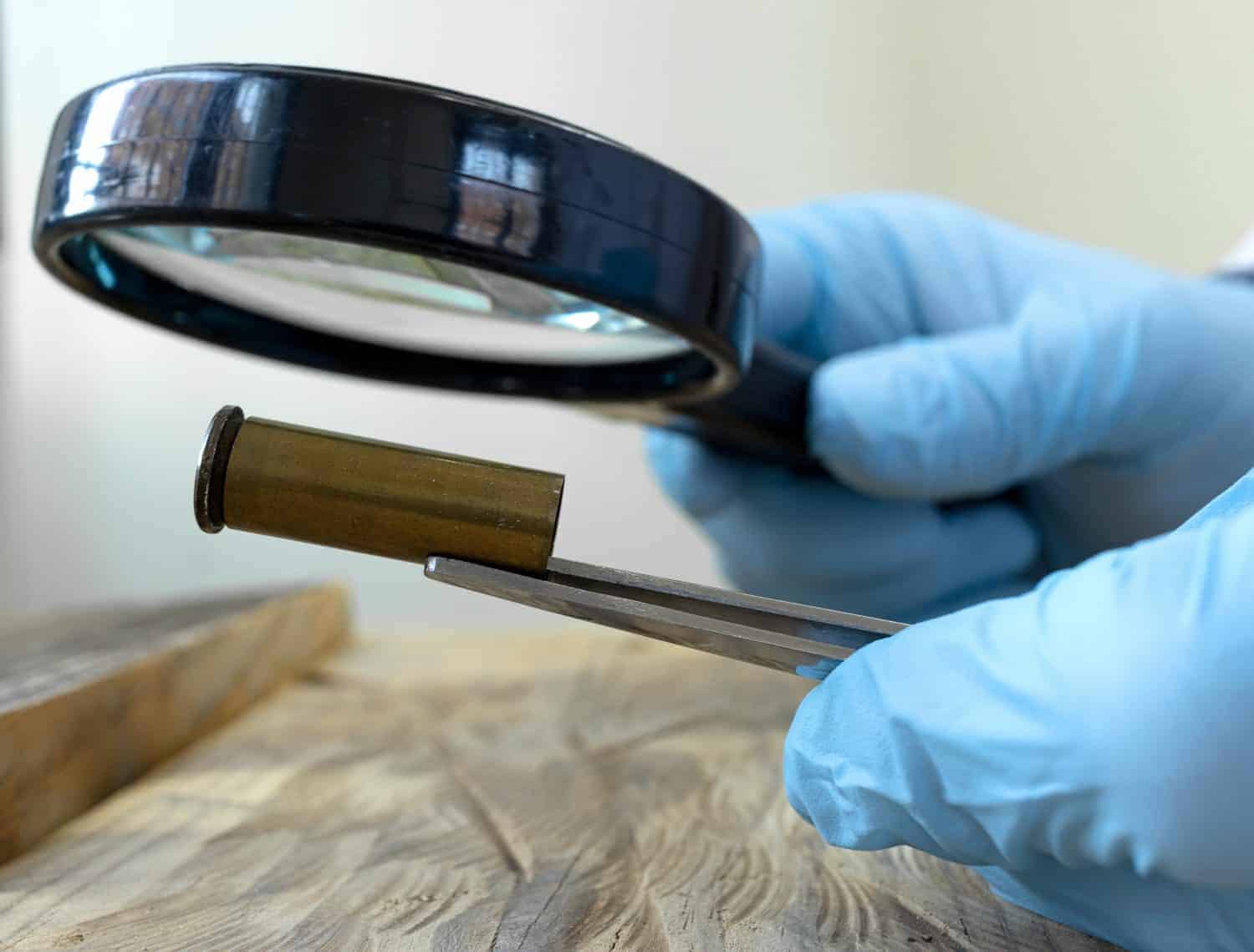
Myth: Ballistic Matches Are as Certain as Fingerprints
Crime dramas love the moment when an examiner looks into a microscope and declares that a bullet came from one particular gun, case closed. The real science is more complicated. Firearms can leave microscopic marks on bullets and cartridge cases, and trained examiners compare those marks with samples produced by a suspected firearm. NIST notes that traditional comparison methods allow an examiner to offer an expert opinion, but they do not provide a numerical measure of certainty comparable to DNA analysis. Recent research has also found that the difficulty and quality of the evidence can affect examiner decisions. Firearm examination can be valuable evidence, but "ballistic fingerprint" makes the process sound far more absolute than it really is.
Myth: Modern Firearms Never Need Maintenance
Modern materials and manufacturing have made many firearms highly resistant to wear and corrosion, but "low maintenance" is not the same thing as "no maintenance." Residue, moisture, dirt, and ordinary mechanical wear can still affect a firearm over time. There also is not one universal cleaning schedule that applies to every model or every owner. The Sporting Arms and Ammunition Manufacturers' Institute recommends following the manufacturer's instructions for the specific firearm. That is considerably more useful than the internet's two favorite maintenance schedules: "after absolutely every use" and "basically never."
Myth: Smart Guns Are Still Science Fiction
The idea of a firearm that recognizes an authorized user has been around for decades, but it is no longer purely hypothetical. Colorado-based Biofire began delivering its biometric Smart Gun to its first customers in August 2024. The company's system uses fingerprint and facial recognition, and Biofire said in 2025 that the handgun had cleared requirements for delivery in all 50 states. That does not mean smart guns have become mainstream. They remain a tiny part of the U.S. firearm market, and the category does not yet have anything resembling the decades of real-world use behind conventional firearms. The technology exists. It just has not taken over the gun counter.
Myth: A Bullet Only Matters If the Target Is Nearby
Movies tend to blur together two very different ideas: how far a projectile can travel and how far someone can reliably hit an intended target. Accuracy varies with the firearm, ammunition, sights, environment, and the person using it. A missed shot also does not simply become harmless once it passes the intended target. Bullets can continue traveling a substantial distance, which is why one of the fundamental rules of firearm safety is knowing both the target and what lies beyond it. The movie version, where every round conveniently stops somewhere just outside the camera frame, is not a safety principle worth borrowing.
Myth: Anything That Penetrates Armor Is Legally "Armor-Piercing"
"Armor-piercing" sounds self-explanatory, but under federal law it has a specific technical definition. The statute generally focuses on certain handgun-capable projectiles or projectile cores made from designated materials, along with some heavily jacketed handgun projectiles. Federal law restricts the manufacture and importation of ammunition meeting that definition and limits sales by manufacturers and importers, with specified exceptions. That is different from saying every rifle cartridge capable of defeating some type of protective vest is automatically illegal armor-piercing ammunition. Body armor also comes in different protection levels, so whether a projectile penetrates it depends on more than the label on the ammunition box. State laws may impose additional restrictions.
Myth: Ammunition Has One Simple Expiration Date
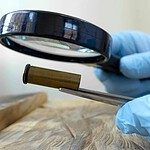
Ammunition does not behave like a carton of milk with one universally accepted expiration date. Storage conditions matter enormously. SAAMI recommends keeping ammunition cool, dry, away from excessive heat, moisture, solvents, and other contaminants, and inspecting it for corrosion or physical damage. Individual manufacturers may give their own guidance. Federal and Remington, for example, both describe roughly a 10-year shelf life for properly stored loaded ammunition, while other manufacturers note that ammunition kept under controlled conditions can remain functional much longer. The safest takeaway is not that every cartridge becomes useless on a particular birthday, but that its condition and the manufacturer's recommendations matter.
Myth: Gunfire Works Like It Does in the Movies
Action movies would be considerably shorter if gunfire behaved realistically. An ordinary bullet striking a vehicle does not reliably turn the entire car into a fireball, and people who are shot do not get launched several feet backward by some special force that somehow leaves the shooter standing still. Ricochets are real, but their behavior depends on the projectile, surface, angle, and other variables rather than the conveniently choreographed shower of sparks seen on screen. Entertainment exaggerates all three because realistic physics rarely provides the director with quite enough explosions.
The Bottom Line
Firearms are already a complicated enough subject without movie physics, sloppy terminology, and half-remembered internet claims getting mixed into the conversation. Some common beliefs contain a grain of truth. Others fall apart once you look at the science or the actual law. Whether someone owns firearms or has never handled one, getting the basic facts right makes discussions about safety, crime, technology, and public policy considerably more useful.