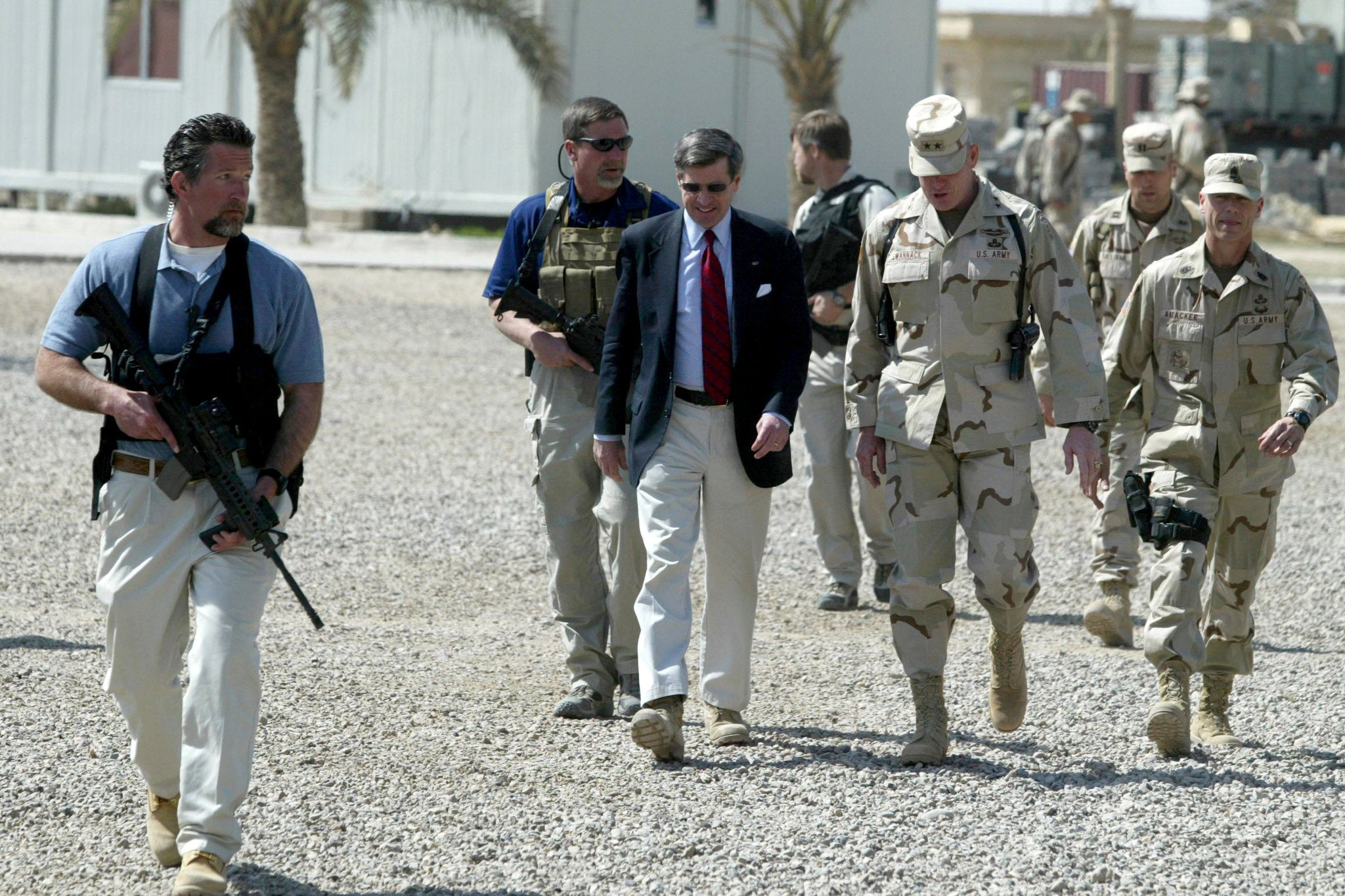
Blackwater PMC
breakermaximus/Shutterstock.com
enkoff / iStock via Getty Images
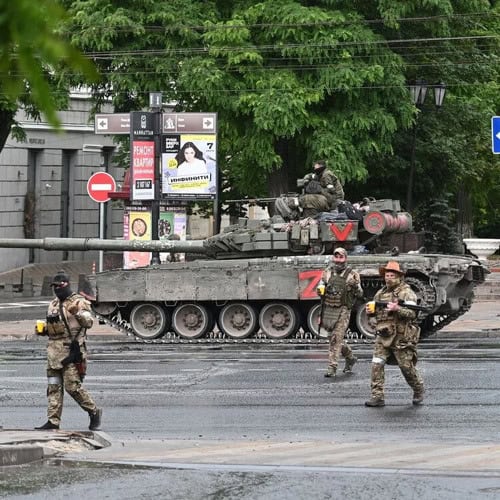
"Wagner group rebellion" by Brunchadd is licensed under CC0 1.0.
SpetsnazAlpha / CC BY-SA 3.0
santoelia/Shutterstock.com

ElenaR/Shutterstock.com
"security" by followtheseinstructions is licensed under BY-SA 2.0.
1000 Words/Shutterstock.com

RollingEarth / E+ via Getty Images
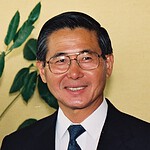
"Visit of Alberto Fujimori, President of Peru, to the CEC (cropped)" by Christian Lambiotte / European Communities, 1991 / EC - Audiovisual Service is licensed under BY 4.0.

"Soldiers visit Durani, dismantle old tank [Image 2 of 4]" by DVIDSHUB is licensed under BY 2.0.
XiXinXing/Shutterstock.com
ÐлекÑÐ°Ð½Ð´Ñ Ð¡ÐµÐ¼ÐµÐ½Ð¾Ð² / iStock Editorial via Getty Images


From Blackwater to Wagner: Inside Private Security Forces
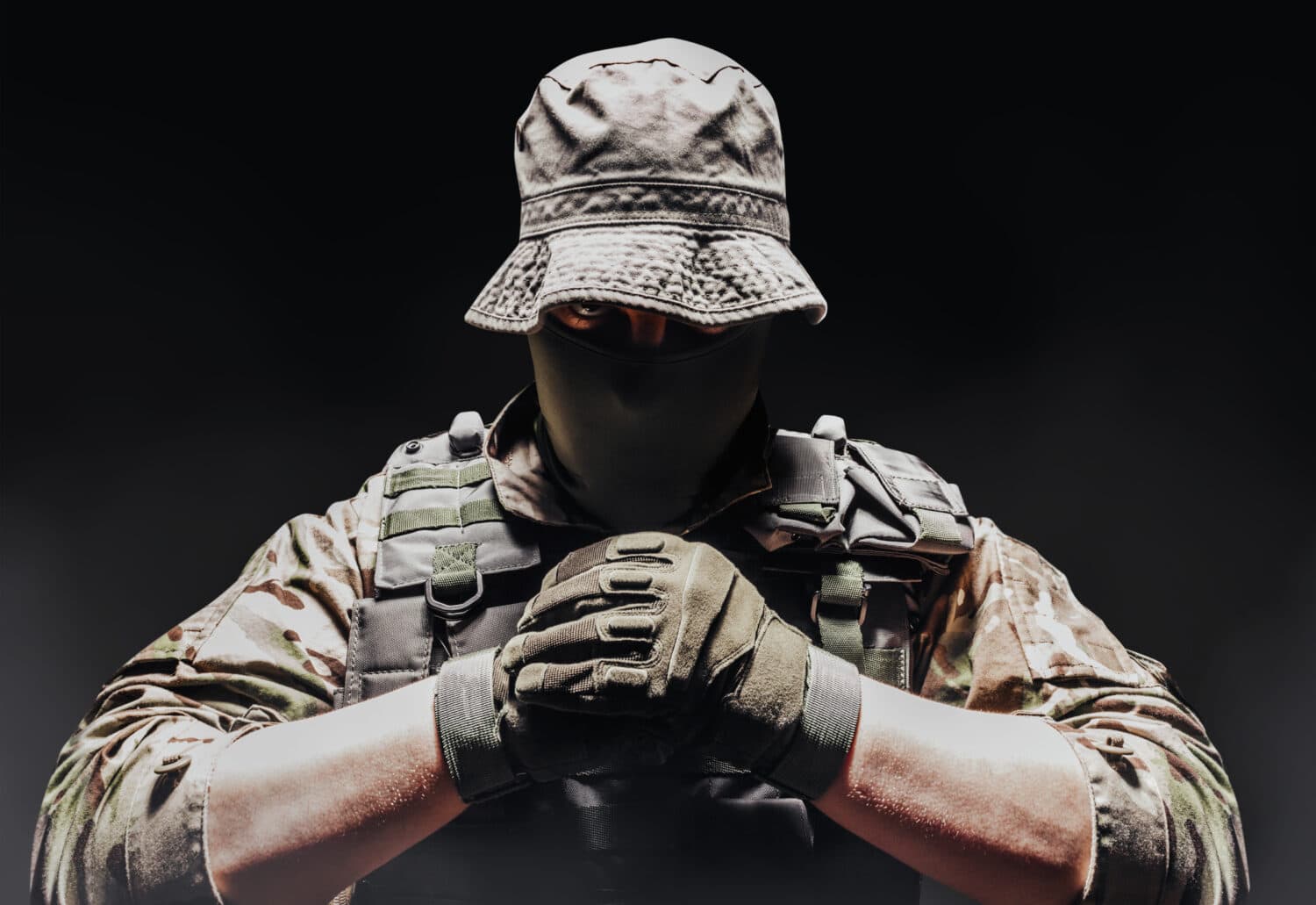
Mercenaries, military contractors, and private security companies tend to get lumped together, but they are not interchangeable terms. The modern private security world stretches from companies providing guards, risk assessments, and security technology to contractors that train military forces and paramilitary groups that have fought directly in wars.
That distinction matters when comparing organizations as different as Russia's Wagner Group, the company once known as Blackwater, global security giant G4S, and firms working behind the scenes in places such as Iraq and Africa. Some have become famous for combat operations. Others are closer to multinational security businesses with hundreds of thousands of employees.
Here is a closer look at several of the biggest and most recognizable names associated with the modern private military and security industry, including what they actually do, where they came from, and where they stand today.
What "Private Military Company" Actually Means
There is no neat international line separating a private military company from a private security company. The International Committee of the Red Cross uses the broader term private military and security companies, or PMSCs, for businesses offering military or security services. Those services can include armed protection, guarding people and facilities, maintaining weapons systems, advising or training local forces, and sometimes participating much more directly in armed conflict. That also means calling every private contractor a "mercenary" is an oversimplification.
Why Governments and Companies Hire Them
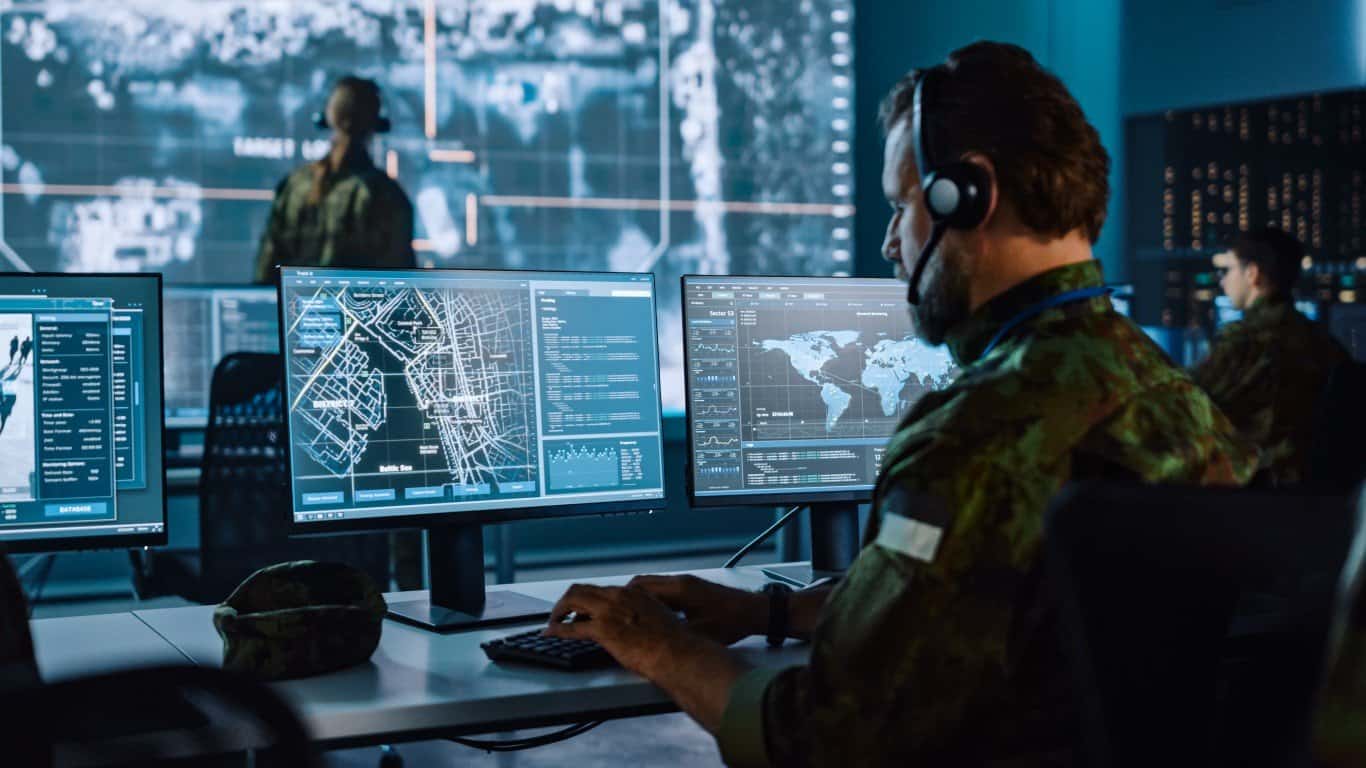
The appeal is specialization. Private security contractors can provide armed guards, convoy and facility protection, military or police training, intelligence and risk analysis, logistics, communications support, and other services without a government or corporation having to build that capability from scratch. Some companies operate almost entirely in conventional commercial security. Others work in conflict zones where the difference between security work and military operations becomes considerably less tidy.
Wagner Group After Yevgeny Prigozhin
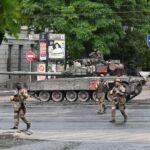
Wagner became one of the world's most notorious private military forces through operations in Ukraine, Syria, and several African countries. Its future changed dramatically after leader Yevgeny Prigozhin led a short-lived mutiny against Russia's military leadership in June 2023. Prigozhin and Wagner commander Dmitry Utkin were among 10 people killed in an Aug. 23, 2023 plane crash. Russia subsequently brought much of the network under tighter state control, and Wagner withdrew from Mali in June 2025 as the Kremlin-controlled Africa Corps took over. Wagner-linked operations nevertheless persisted in the Central African Republic.
Wagner Was Never Entirely "Private"
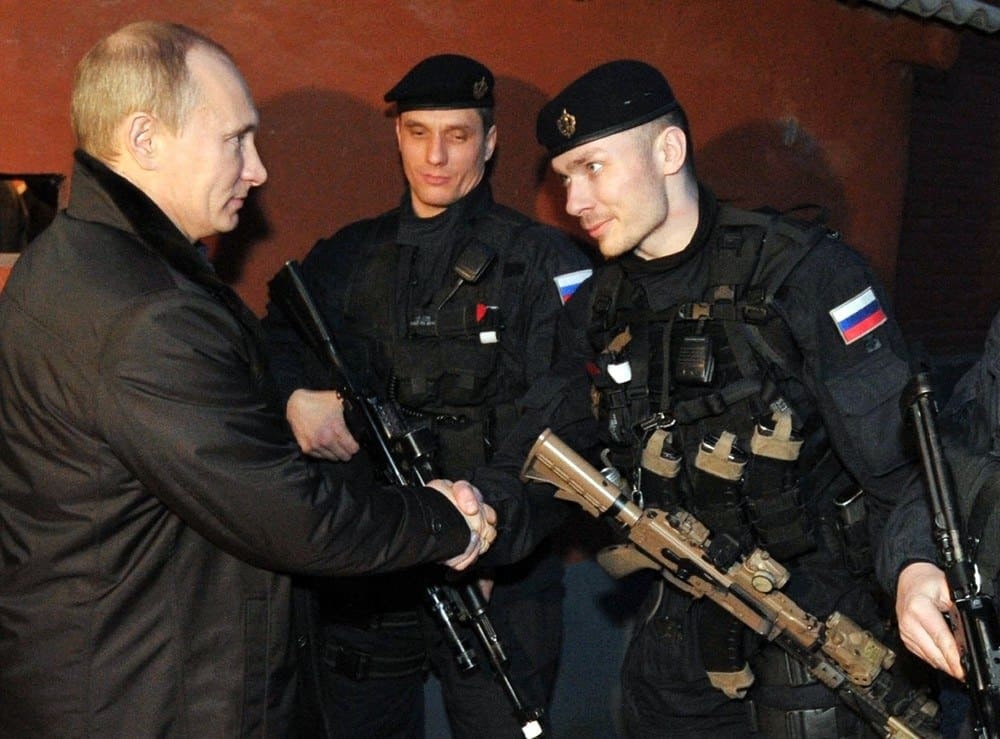
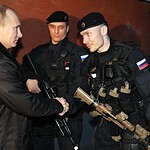
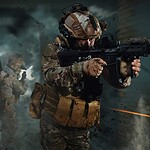
For years, Moscow kept its relationship with Wagner deliberately murky. Then Vladimir Putin publicly acknowledged in 2023 that the Russian state had financed the group, saying it paid Wagner 86.26 billion rubles for maintenance and incentive payments between May 2022 and May 2023. Wagner-linked companies were also tied to gold, diamonds, timber, and other commercial interests in Africa. The image here shows Russia's Alpha Group, an FSB special operations unit rather than Wagner itself, an important distinction when looking at Russia's overlapping state and paramilitary security apparatus.
Blackwater Became the Name Everyone Knew
Founded by former Navy SEAL Erik Prince in the 1990s, Blackwater grew from a North Carolina training business into one of the most recognizable security contractors of the Iraq War. Its reputation was permanently shaped by the Sept. 16, 2007 Nisour Square shooting in Baghdad. The U.S. Justice Department said Blackwater guards killed 14 unarmed civilians and wounded numerous others, and four former guards were later convicted on federal charges related to the shooting.
From Blackwater to Academi to Constellis
The corporate history after Blackwater gets complicated quickly. Blackwater became Xe Services in 2009. Its core training and security-support business changed ownership in 2010 and was renamed Academi in 2011. Academi later became one of several companies brought together under Constellis in 2014. Constellis stresses that it is not Blackwater and did not acquire the entire former Blackwater organization or its branding. Apollo Global Management led a 2016 acquisition of Constellis, but that is outdated today. Following a 2020 restructuring and a 2024 recapitalization, Constellis says it is owned by investment funds and private investors.
G4S Is a Security Giant, Not a Private Army
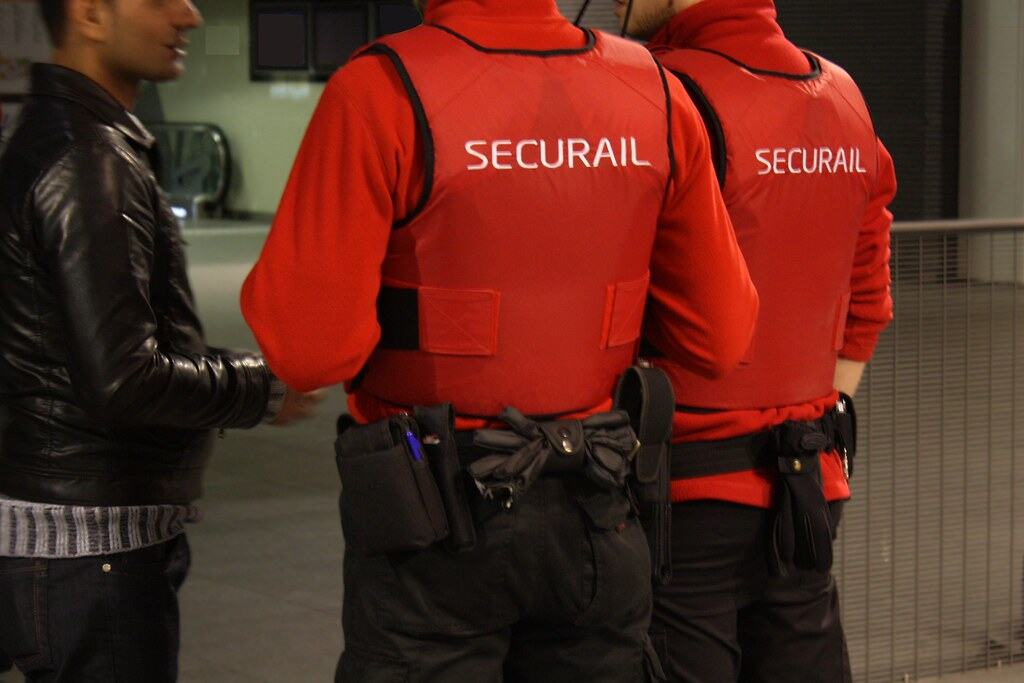
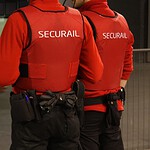
G4S illustrates why the entire private security industry cannot simply be described as mercenaries. Allied Universal acquired the London-based company in 2021 for £3.8 billion, and G4S now operates as Allied Universal's international business. The combined organization says it employs more than 760,000 people across more than 100 countries and territories and generates roughly $23 billion in annual revenue. Its work includes security guards, technology systems, cash services, risk consulting, facilities management, and other commercial security services.
From Airports and Stadiums to High-Tech Security
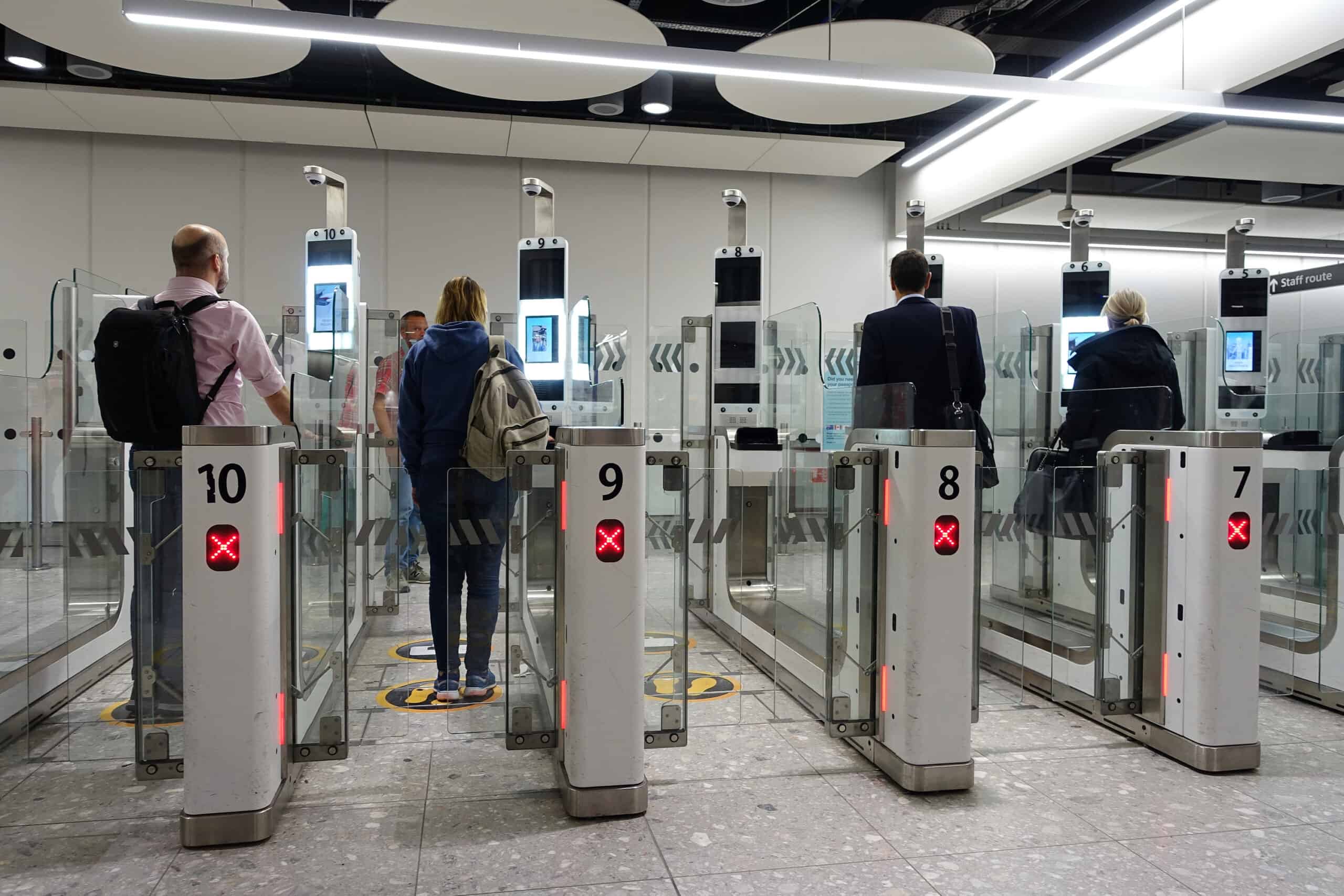
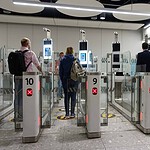
G4S works across airports, ports, commercial facilities, infrastructure, government services, and major events, combining human security personnel with access control, monitoring, and other technology. Its scale has not made it immune to major failures. Just before the 2012 London Olympics, G4S acknowledged that it could not supply all the security personnel it had contracted to provide. Thousands of British military personnel ultimately helped cover the shortfall, and a parliamentary committee placed responsibility for the failure squarely on G4S.
Erinys Built Its Name in Iraq
Erinys became closely associated with the private security boom that followed the 2003 invasion of Iraq. Erinys Iraq Limited says it has operated in the country since 2003 and today describes itself as a risk-management services provider. Its clients have included international oil companies, oilfield businesses, diplomatic missions, government agencies, embassies, NGOs, and commercial organizations. That is a very different business model from a force such as Wagner, even though both have been discussed under the broad private-security umbrella.
Peru Had Already Lived Through Two Decades of Conflict
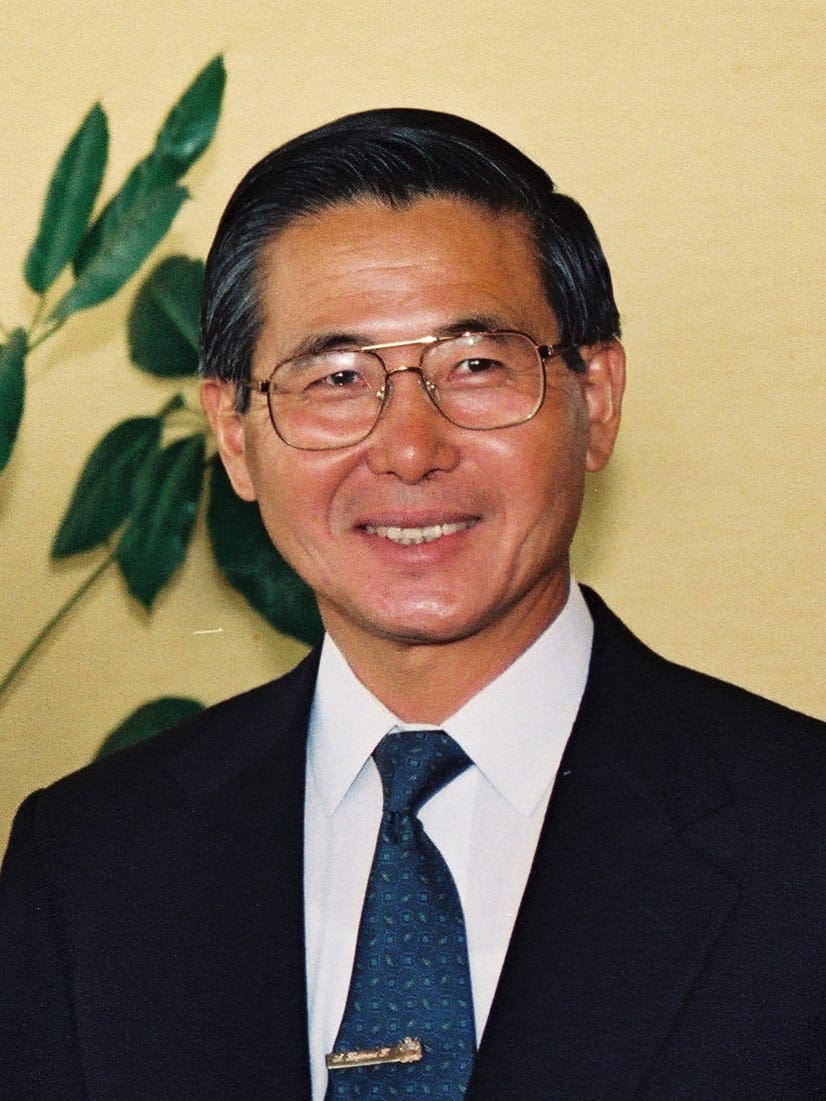
The rise of Peruvian security contractors came after an extraordinarily violent period in the country's history. Peru's Truth and Reconciliation Commission describes the years from 1980 to 2000 as an internal armed conflict involving Shining Path, the Tupac Amaru Revolutionary Movement, and government forces. The commission estimated roughly 69,280 people died or disappeared and identified Shining Path as the principal perpetrator of deaths and disappearances. Police captured Shining Path leader Abimael Guzmán on Sept. 12, 1992, a major turning point in the conflict.
Defion Recruited Peruvians for Security Work in Iraq
Defion Internacional later became part of the contractor pipeline feeding personnel into Iraq. A United Nations working-group report documented Defion acting as Triple Canopy's representative in Peru, selecting workers and handling travel, contracts, banking, and other administrative arrangements for Peruvians sent to Iraq. The report said Defion had selected hundreds of Peruvian personnel and also provided training. Because reliable current corporate information on Defion is limited, it is more accurate to describe its documented historical role than to present it as one of the world's largest active contractors today.
Frontier Services Group Took a Different Path
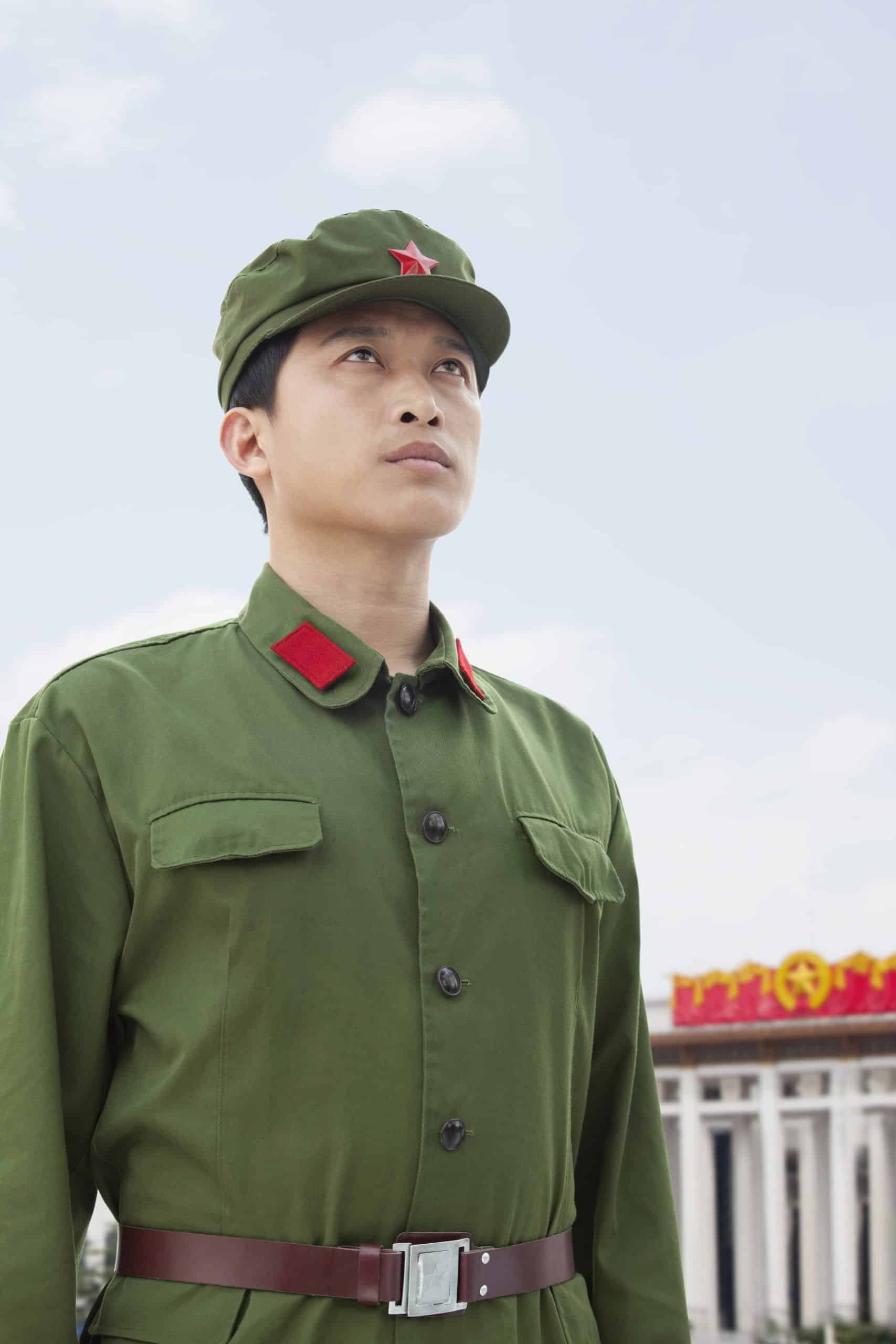
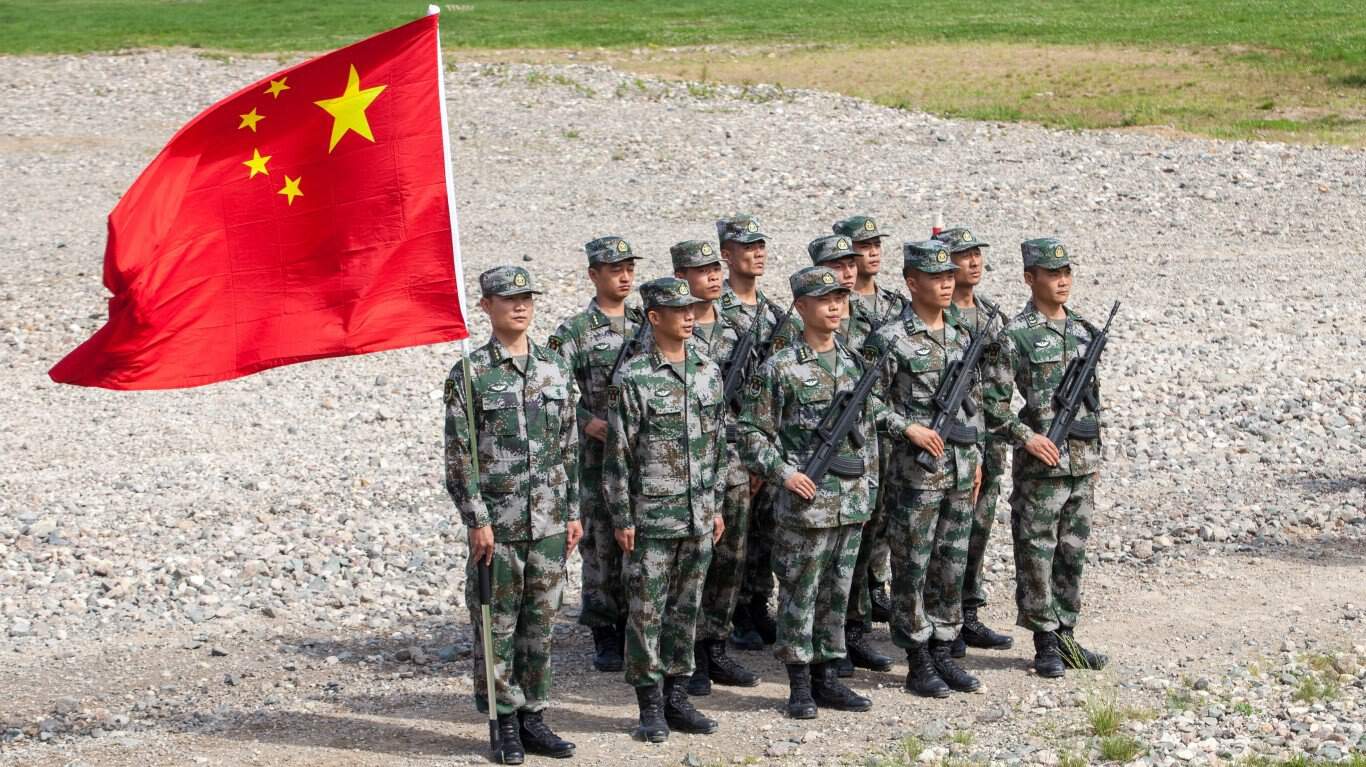
Frontier Services Group has one particularly eye-catching connection to this world: Blackwater founder Erik Prince helped establish the Hong Kong-listed company and led it for years before leaving in 2021. FSG has since become much more closely associated with Chinese commercial interests. Its 2025 annual report lists CITIC Limited as an indirect substantial shareholder with a roughly 25.28% stake and describes overseas security as the company's core business, particularly in Africa and Asia. FSG reported HK$651 million in revenue for 2025.
Frontier Services Group Is Also in a U.S. Export-Control Fight
In June 2023, the U.S. Commerce Department's Bureau of Industry and Security added Frontier Services Group to its Entity List as part of a group of entities accused of providing training to Chinese military pilots using Western and NATO sources. Placement on the list creates strict licensing requirements for U.S.-controlled exports. FSG has repeatedly denied the allegation and says its operations are unrelated to the activity described by U.S. authorities. The company remained on the export-control list in 2026, making this an active dispute rather than a settled finding of wrongdoing.