Los Angeles finds itself once again at the center of a storm of protest, with current ICE demonstrations drawing massive crowds and sparking national debate. What began as rallies in front of the downtown federal building has expanded into full encampments, freeway blockades, and confrontations with law enforcement as well as the National Guard.
The tension of today reflects a long lineage of unrest in Los Angeles, where protests have often grown into riots and drawn state or federal response. What distinguishes L.A. as a city of hope is the scale and symbolism of its public demonstrations. With its diverse communities and global profile, the city has hosted some of the largest marches and most violent riots in U.S. history.
Today, 247 Tempo takes a close look at Los Angeles’s history of riots, rallies, and so much more, including what’s currently happening in the heart of the city. Let’s begin with the existing ICE protests and travel back in time through L.A.’s defiance.
ICE Protests in Los Angeles (2025)

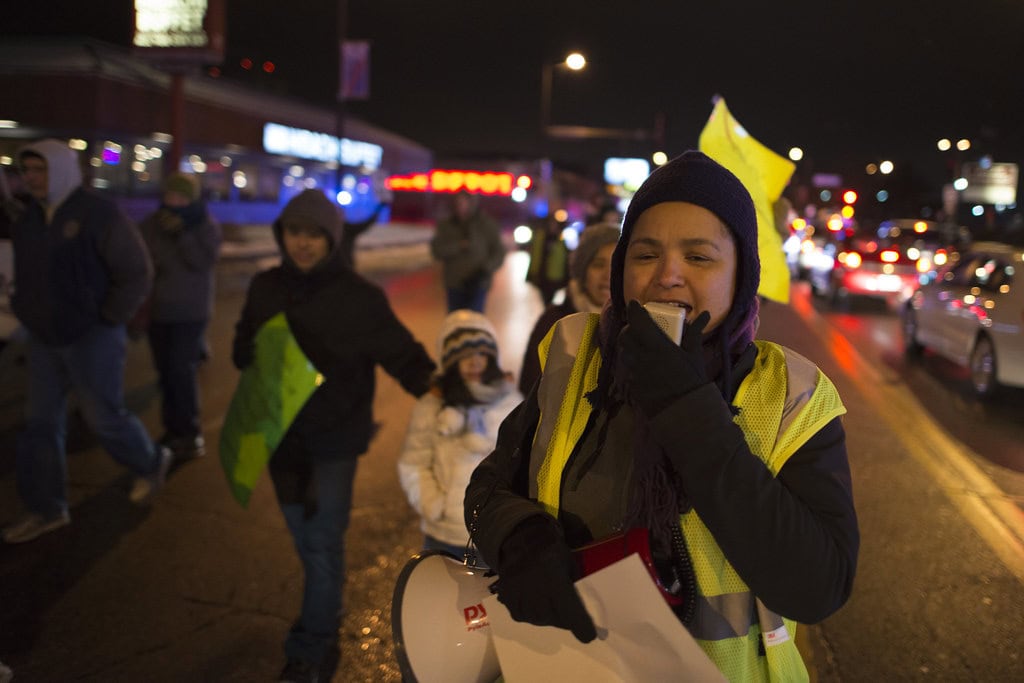
In June 2025, large-scale protests erupted outside ICE offices in downtown Los Angeles and at the Adelanto Detention Center. Activists are demanding an end to all detentions and deportations, citing recent whistleblower reports of abuse and neglect inside these facilities. The protests have drawn thousands and include hunger strikes, encampments, and freeway blockades. Law enforcement has made multiple arrests, and the National Guard has been placed on standby amid escalating tensions.
George Floyd Protests (2020)

In the wake of George Floyd’s murder, Los Angeles saw weeks of intense protests throughout the city. Demonstrations began peacefully but were followed by widespread looting, clashes with police, and curfews. The California National Guard was deployed to restore order in several neighborhoods. These events reshaped local politics and reignited calls for police reform and racial justice.
Occupy LA (2011)

Inspired by Occupy Wall Street, Occupy LA protesters camped out in front of City Hall to protest economic inequality. The movement remained peaceful for weeks before LAPD dismantled the encampment in a coordinated overnight raid. While there was no National Guard presence, the scale of the protest was significant. It marked one of the largest non-violent protest movements in recent city history.
May Day Protests (2007)

The 2007 May Day immigration protest in MacArthur Park turned violent when LAPD officers clashed with demonstrators and journalists. The police response, which included rubber bullets and batons, sparked widespread condemnation. Though the National Guard was not deployed, the event prompted a major internal investigation. It remains a key moment in L.A.’s protest history, especially for immigrant communities.
Rodney King Riots (1992)

After four LAPD officers were acquitted in the beating of Rodney King, Los Angeles exploded in violent unrest. Over six days, riots claimed more than 60 lives, injured thousands, and caused over $1 billion in damage. The California National Guard, U.S. Army, and Marines were deployed to restore order. This remains the largest riot in L.A. history and a defining moment in race relations nationwide.
Watts Riots (1965)

The Watts Riots erupted after an incident involving police and a Black motorist in South Los Angeles. Lasting six days, the riots resulted in 34 deaths, 1,000 injuries, and massive property damage. The National Guard was called in to quell the violence. The event became a symbol of racial inequality and urban unrest in America.
Chicano Moratorium Protest (1970)
The National Chicano Moratorium against the Vietnam War brought over 20,000 people to East L.A. in a peaceful march. The event turned violent when sheriff’s deputies moved in, leading to riots and the death of journalist Ruben Salazar. While the National Guard was not called, the protest marked a critical point in Latino civil rights history. Tensions with law enforcement remained long after the march.
Zoot Suit Riots (1943)

During World War II, racial tensions flared in Los Angeles between U.S. servicemen and Mexican-American youth known for wearing zoot suits. The riots lasted several days and involved beatings, arrests, and the stripping of zoot suits in public. The National Guard was mobilized to help restore order. These riots reflected deep-seated racism and hostility toward Latino communities.
Sunset Strip Curfew Riots (1966)

In 1966, young people gathered on the Sunset Strip to protest the city’s enforcement of a 10 p.m. curfew targeting underage clubgoers. Tensions escalated into clashes with police in what became known as the Sunset Strip Riots. No National Guard deployment occurred, but the event inspired a countercultural response. It marked a turning point in youth activism and music scene politics.
Anti-Vietnam War Protests (1972)

Large-scale protests erupted across Los Angeles in the early 1970s in opposition to the Vietnam War. Demonstrations at college campuses and city centers drew thousands. While generally peaceful, some events were met with police force and crowd control tactics. The National Guard was not deployed, but city and state agencies prepared for potential escalation.
L.A. Teachers’ Strike Protests (2019)

During the 2019 teachers’ strike, tens of thousands marched for increased school funding and better wages. Protests remained non-violent and were praised for their organization and public support. Though no military presence was needed, the scale of participation was notable. The strike led to key policy concessions from the school district.
Immigrant Rights March (2006)

Hundreds of thousands of people marched in Los Angeles in support of immigrant rights, making it one of the largest demonstrations in U.S. history. The protests were peaceful and diverse, featuring families, labor unions, and community organizations. Law enforcement maintained a low profile, and no National Guard assistance was required. The event catalyzed national discussions on immigration reform.
Anti-Iraq War Protests (2003)

As the Iraq War began, massive demonstrations were held across Los Angeles. Protesters gathered at federal buildings and major intersections to denounce military action. Although the demonstrations caused traffic and led to some arrests, they remained largely peaceful. No military presence was needed, but the protests had a lasting cultural impact.
Justice for Ezell Ford Protests (2014)

After LAPD officers shot and killed Ezell Ford, a mentally ill Black man, protesters rallied throughout South L.A. and at City Hall. Demonstrators called for police accountability and transparency. Protests remained mostly peaceful but were monitored closely by law enforcement. The case fueled the broader Black Lives Matter movement in the city.
MacArthur Park ICE Protests (2018)

Following national outcry over family separations at the border, MacArthur Park became a major site for anti-ICE protests. Demonstrators included immigrant families, clergy, and legal advocates. Police maintained a presence, but no military assistance was required. The protests drew national attention to L.A.’s status as a sanctuary city.
Anti-Trump Inauguration Protests (2017)

Thousands took to the streets of Los Angeles in January 2017 to protest Donald Trump’s inauguration. Rallies occurred at LAX, City Hall, and various downtown locations. While largely peaceful, a few confrontations occurred with police. The National Guard was not deployed, but heightened security was maintained citywide.
Women’s March LA (2017)

The first Women’s March in L.A. saw over 750,000 participants advocating for gender equality, reproductive rights, and civil liberties. It was one of the largest protests in city history and remained entirely peaceful. Law enforcement facilitated the event without incident. The march set the tone for sustained activism during the Trump presidency.
Black Lives Matter Plaza Protest (2021)

Protesters created an unofficial BLM Plaza near L.A. City Hall in early 2021, staging daily actions for police reform and racial equity. The demonstrations remained largely peaceful but attracted intense police surveillance. No National Guard deployment occurred, but city officials were on alert. The plaza became a symbol of ongoing grassroots resistance.
Ceasefire Protests at Federal Buildings (2024)

Amid global unrest, Los Angeles hosted multiple ceasefire protests in front of federal buildings and consulates. Activists called for peace in Gaza and Ukraine, attracting diverse coalitions. Events were peaceful, though police monitored them closely. The protests emphasized international solidarity and L.A.’s role as a hub of global activism.
Justice for Andres Guardado Protests (2020)

The fatal shooting of 18-year-old Andres Guardado by L.A. County Sheriff’s deputies sparked large protests in Compton and downtown. Demonstrators demanded an independent investigation and the release of bodycam footage. Some rallies saw brief confrontations but remained mostly peaceful. National Guard units were prepared but ultimately not deployed.