Every culture has its own specific traditions to celebrate the big transition from childhood to adulthood. Some of these milestone events involve celebrations with loved ones, while others challenge young adults in difficult ways, encouraging them to participate in activities that show courage, endurance, or responsibility. Each tradition reflects the cultures’ values and history. Though these rituals are often deeply important to locals, they can look odd or even shocking to outsiders. Here are eight fascinating coming-of-age traditions from around the world.
1. Quinceañera (Latin America)

A quinceañera celebrates a young girl’s fifteenth birthday in Latin American cultures. But this birthday bash takes parties to a whole new level. These festivities are so elaborate and expensive, they are more on par with a modern-day wedding than a birthday party. The event often includes a religious ceremony, extravagant dresses, fancy food, and dancing. Family members and friends come from all over to congratulate the special young lady on entering adulthood. The birthday celebration is truly one of the most memorable milestones for women in Hispanic communities.
2. Bullet Ant Gloves (Brazil)

In one corner of South America, one tradition comes with a great deal of pain. As young as 13 years old, males of the Sateré-Mawé people of the Amazon participate in a ritual involving bullet ants. While many ants come with painful stings, this particular insect is known for having perhaps the most agonizing sting in the animal kingdom. For the coming-of-age ceremony, the ants are woven into gloves with their stingers facing inward. Boys must wear the gloves for several minutes, enduring repeated stings so painful they cause shaking and temporary paralysis. Completing the challenge many times over is seen as a sign of readiness to enter adulthood.
3. Seijin no Hi (Japan)
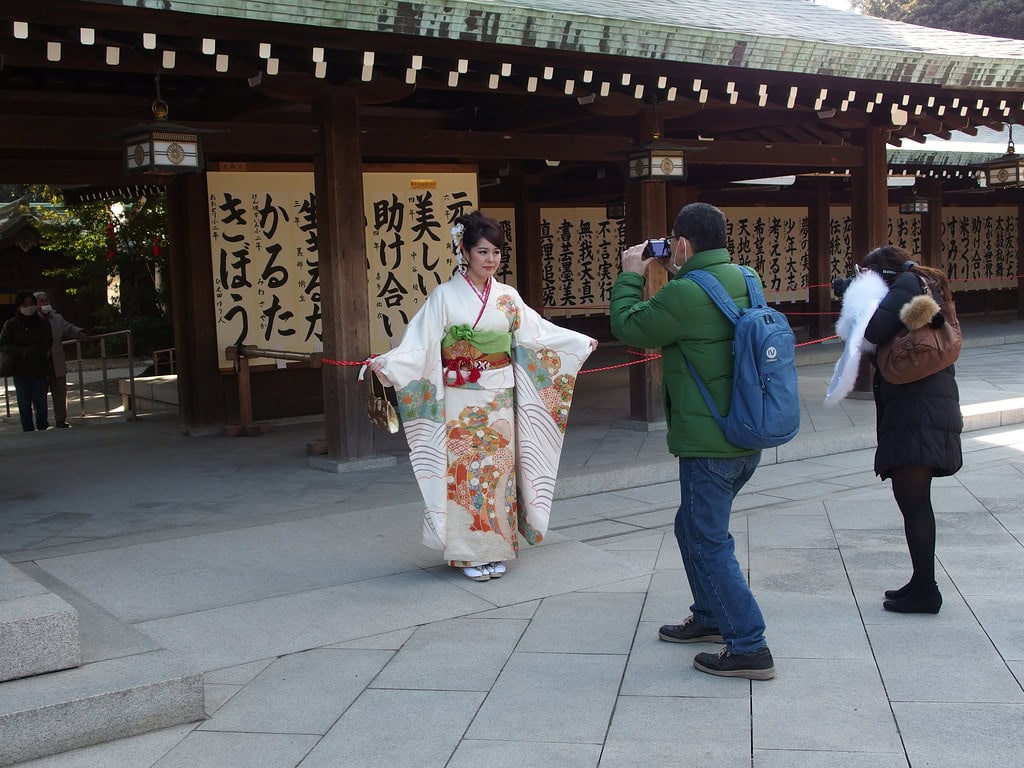
Japan annually celebrates Coming of Age Day, also called Seijin no Hi. After reaching adulthood, young men and women attend ceremonies. These events are not put on by family members; instead, they are large-scale festivities hosted by local governments. Many participants don traditional clothing, with ladies wearing kimonos and men sporting formal suits. The celebrations acknowledge leaving childhood behind and taking on responsibilities associated with being of age. Families further the fun by taking photographs and organizing their own private parties.
4. Bar and Bat Mitzvah (Jewish Tradition)

In Jewish communities, turning 13 is a major celebratory event, known as a Bar Mitzvah for boys and a Bat Mitzvah for girls. At this important stage in life, youth commemorate taking responsibility for their own religious studies. Participants often read from sacred texts and lead religious services. Family and friends gather to give gifts and dance joyfully. It has been an important rite of passage for Jewish youth for centuries.
5. Tooth Filing Ceremony (Indonesia)
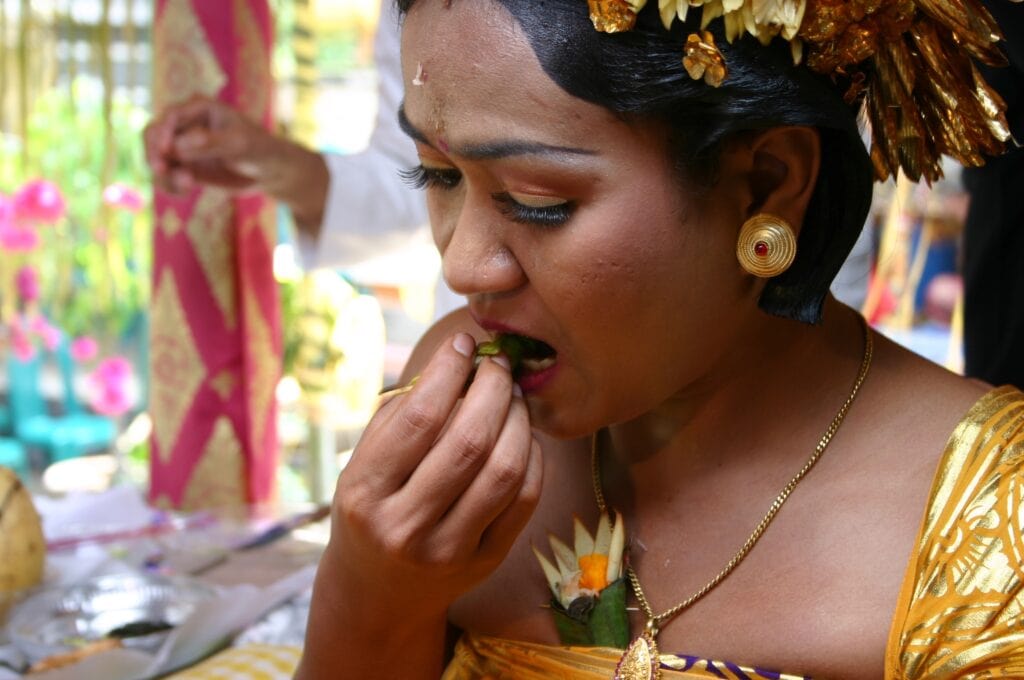
Teeth aren’t usually cause for celebration, but for a select group of people in Indonesia, teeth are the focal point of a major life milestone. For the Hindu Balinese, a tooth-filing ceremony known as Metatah marks the divide between adolescence and adulthood. The Balinese believe sharp canines represent animalistic tendencies and negative traits. By filing down six upper teeth, the young people are symbolically reducing greed, anger, and jealousy, while taking a major step toward maturity and spiritual enlightenment. Before and after the ceremony, loved ones throw elaborate parties for participating youth.
6. Eagle Hunting Apprenticeship (Mongolia)
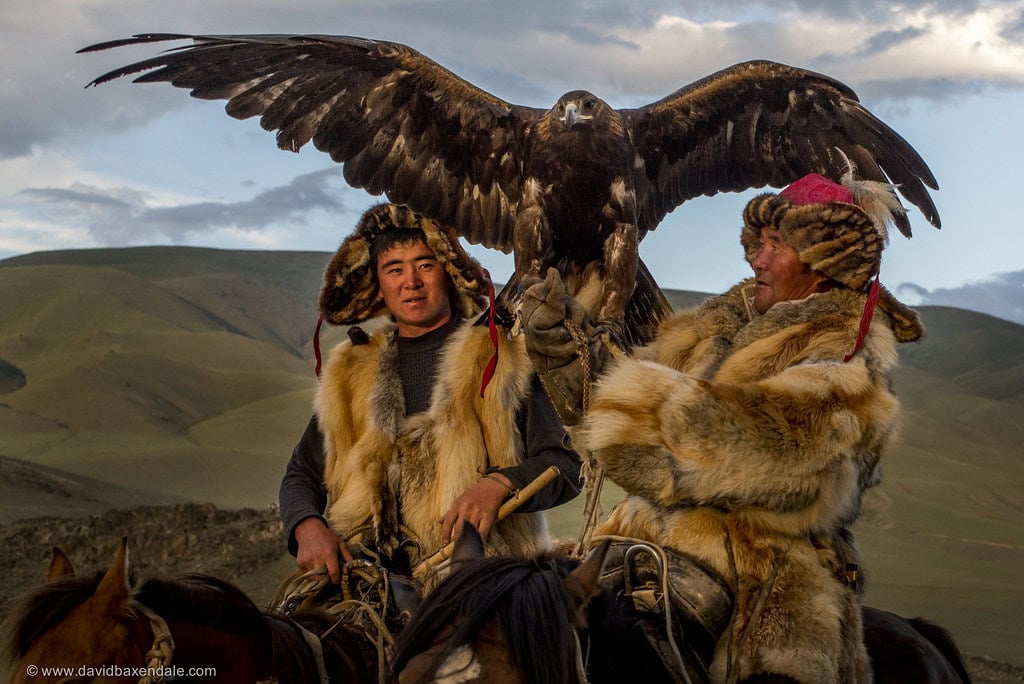
In parts of Mongolia, specific families have used eagles to hunt for centuries. Young people from these traditional eagle-hunting families begin learning longstanding techniques of the trade. Training involves bonding with golden eagles, developing trust and cooperation with the fierce birds. Ultimate success requires mastering the designated skills, as well as learning patience, dedication, and responsibility. The ongoing practice preserves a cultural heritage that has existed for centuries.
7. Vision Quest (Indigenous Peoples of North America)
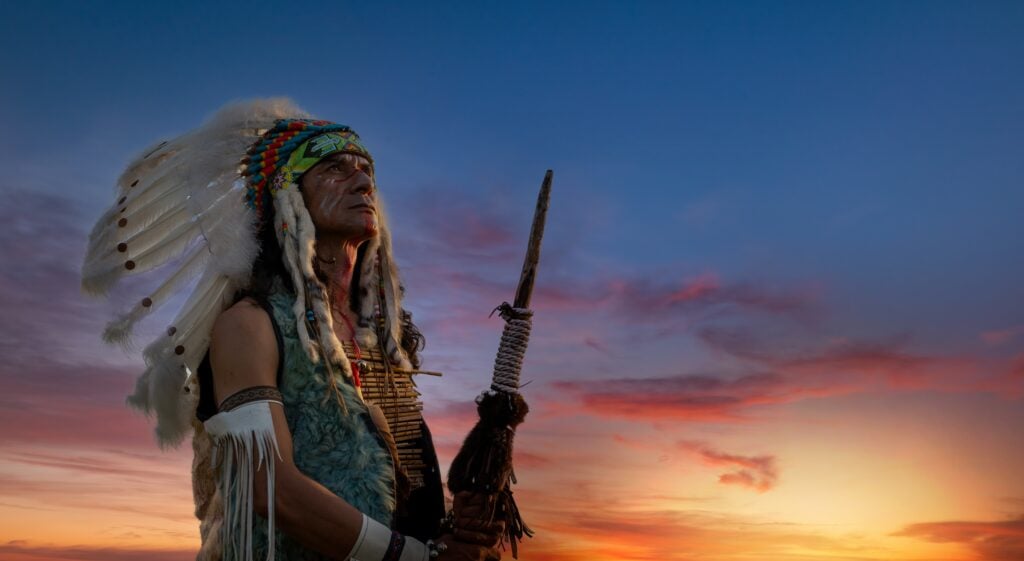
Many Indigenous cultures in America practice vision quests starting in young adulthood. Adolescents embark on a solo journey into nature seeking guidance and self-discovery. The experience involves spiritual practices like fasting, prayer, or meditation. Participants hope to be granted perspective into their life purpose and future community roles. While quests vary across cultures, the main goal of personal growth remains the same.
8. Jumping Over Cattle (Ethiopia)

The Hamar people of Ethiopia engage in a ceremony known as Ukuli Bula. During this odd ritual, young men run across the backs of many cattle lined up side by side. If they can accomplish the stunt multiple times without falling, it is an indication of readiness to marry and an ability to handle adult responsibilities. The African ceremony often comes with parties and other large community celebrations.