Chaay_Tee / Getty Images
2010 Getty Images / Getty Images Entertainment via Getty Images
2015 Getty Images / Getty Images News via Getty Images
2020 Getty Images / Getty Images Entertainment via Getty Images
2008 Getty Images / Getty Images News via Getty Images
AnnaTamila / Shutterstock.com
2003 Getty Images / Getty Images News via Getty Images
2011 Getty Images / Getty Images Entertainment via Getty Images
learesphoto / Shutterstock.com
2023 Getty Images / Getty Images Entertainment via Getty Images
2017 Getty Images / Getty Images News via Getty Images
2024 Getty Images / Getty Images News via Getty Images
Mario Tama / Getty Images News via Getty Images
2024 The Recording Academy / Getty Images Entertainment via Getty Images
2007 Getty Images / Getty Images Entertainment via Getty Images



14 Fashion Brands That Were Once Everywhere, Then Fell Out of Favor
The world of fashion moves quickly, and the pieces that stunned on runways yesterday can become things of the past just as fast. Some brands manage to reinvent themselves, while others never fully recover when shoppers, financing, or retail habits change. Consider American Apparel, for instance. Its provocative marketing and Made-in-USA identity helped make it highly visible in the 2000s, but financial strain and leadership turmoil were followed by two bankruptcy cases. The original retail operation disappeared, even though the American Apparel name lives on under a new owner.
In some cases, changing tastes and declining mall traffic proved too difficult to overcome. In others, debt, expensive store networks, ownership changes, or strategy mistakes accelerated the decline. And not every name on this list actually vanished. Several survive today as licensed, online, or relaunched brands, while Abercrombie & Fitch pulled off a genuine comeback. What they have in common is a dramatic change from the version of the brand shoppers once knew. Chances are, you may have once been a devoted customer yourself, only to later wonder what happened to an old favorite.
This list looks back at clothing brands and retailers that lost the retail or cultural dominance they once enjoyed, whether through bankruptcy, changing ownership, licensing deals, or major shifts in strategy. Some still exist today, but in a very different form.
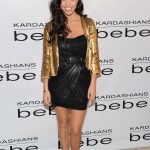
Bebe
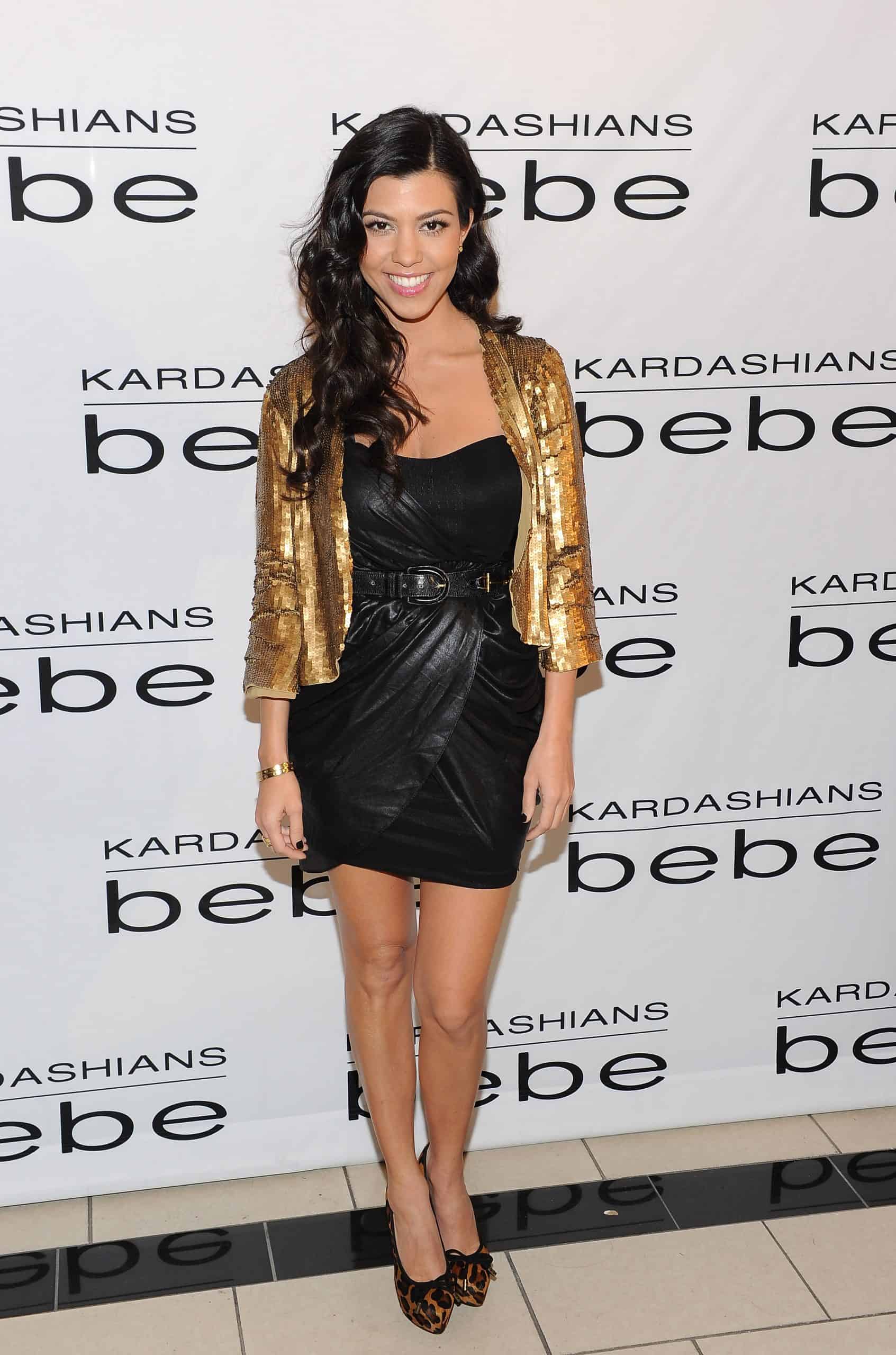
Bebe was the ultimate brand for young, trendy women, with fashion-forward looks that ran from party attire to clubwear. Its sexy styles made it a familiar name for shoppers who wanted to be the "it girl" wherever they went. But the retail operation eventually ran into serious trouble. In 2017, Bebe closed all of its U.S. retail stores by May 31 and transferred its website, international distribution agreements, and other brand assets as part of a broader restructuring. The brand didn't disappear. Bebe.com remains active today, and Bebe products continue to be sold through licensing, department and specialty stores, and licensed stores in international markets.
Wet Seal
Wet Seal was another mall staple aimed at teen girls and young women looking for fast-moving fashion at affordable prices. By 2014, the business still had hundreds of stores and more than $500 million in annual revenue, but its problems were already mounting. The Wet Seal Inc. filed for Chapter 11 bankruptcy protection on Jan. 15, 2015, and emerged under new ownership after a restructuring. The turnaround didn't last. Wet Seal filed for Chapter 11 again in February 2017 as its remaining stores were being closed. Gordon Brothers ultimately purchased the Wet Seal intellectual-property portfolio for $3 million. The name survived through later online and licensing efforts, but the nationwide mall chain shoppers remember was gone.
Nine West
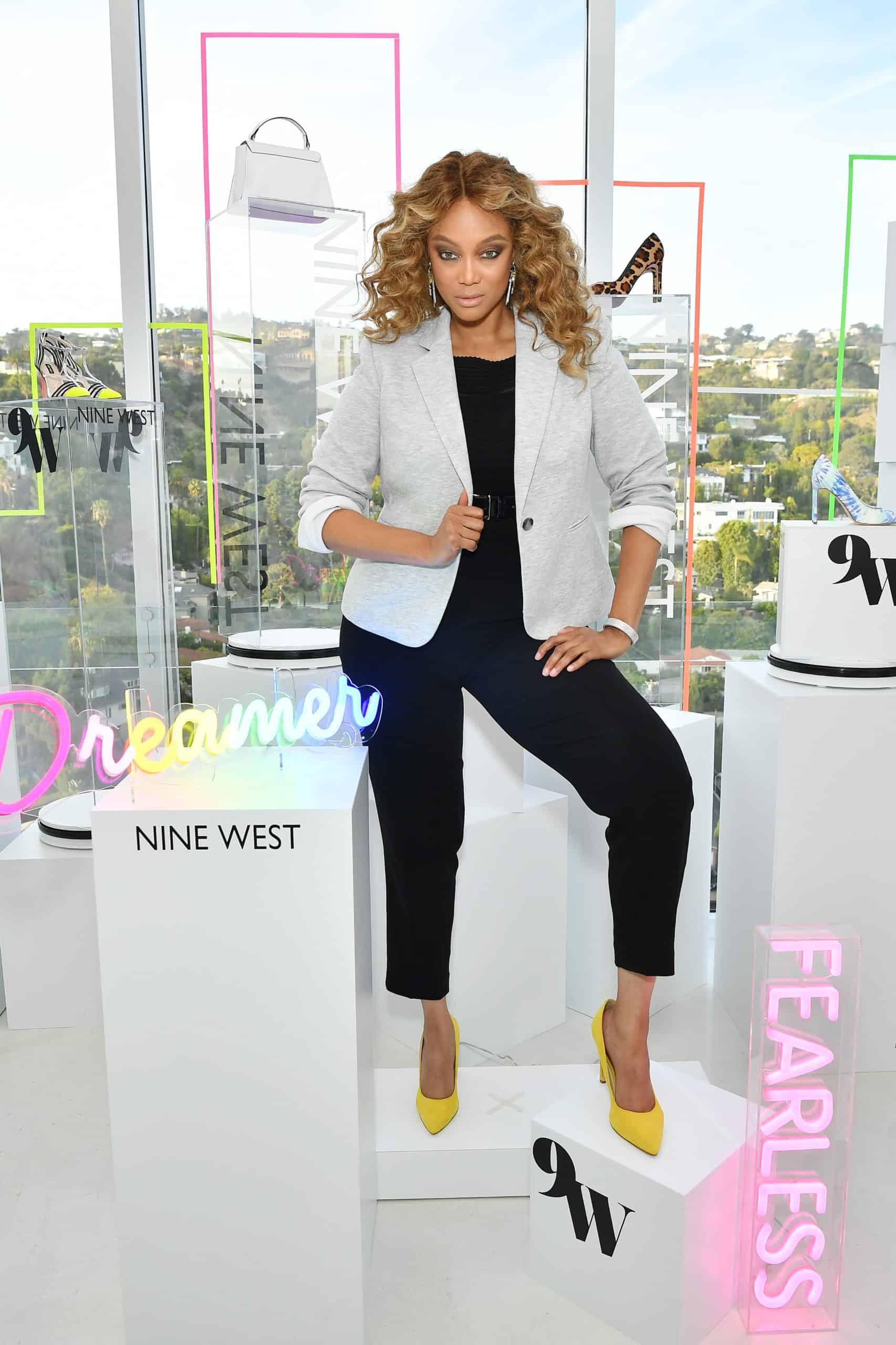
Nine West became best known for footwear but grew into a broader fashion and accessories business. By 2018, however, parent company Nine West Holdings needed to overhaul its capital structure. On April 6 of that year, the company filed for Chapter 11 bankruptcy protection and announced plans to sell the Nine West and Bandolino footwear and handbag businesses. After a competitive bankruptcy auction, Authentic Brands Group emerged as the successful bidder with an offer valued at more than $340 million in cash and other consideration. That was not the end of Nine West. The label remains part of Authentic's portfolio today and continues through licensing and retail partnerships. The corporate structure changed dramatically, but the brand itself never vanished.
Mervyn's
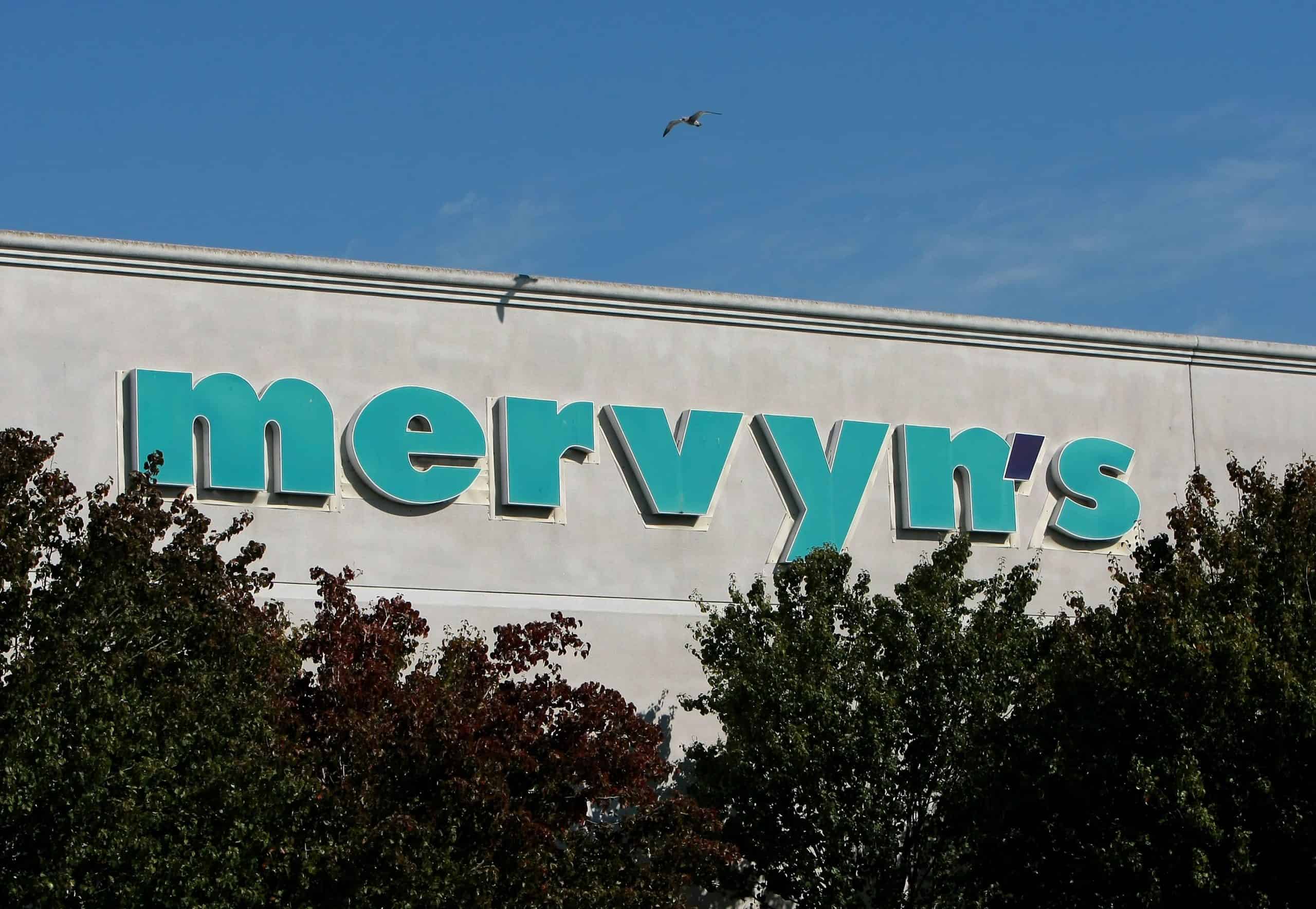
This popular department store was a go-to for budget-conscious families looking for clothing and other everyday goods. Target sold Mervyn's in 2004 to an investment consortium that included Sun Capital Partners, Cerberus Capital Management, and Lubert-Adler/Klaff. At the time of the sale, Mervyn's had 257 stores in 13 states. Four years later, on July 29, 2008, Mervyn's filed for bankruptcy protection. In October, the company announced plans to liquidate its merchandise, auction its store leases, and wind down the business. By Dec. 28, 2008, the liquidation of its remaining 149 stores had been completed. Unlike some other names on this list, the Mervyn's chain never came back.
Delia's
Delia's was built for teenage girls, selling clothing, footwear, and accessories through catalogs, mall stores, and eventually e-commerce. That combination made it one of those brands closely tied to a particular era of teen fashion, but the company couldn't keep the business afloat. Delia's filed for Chapter 11 bankruptcy protection on Dec. 7, 2014, and a bankruptcy court authorized store-closing sales later that month. Its intellectual property and other brand assets were subsequently put up for sale. The original retail company was finished, but Delia's didn't disappear completely. The name was later revived, and Dolls Kill still lists dELiA*s by Dolls Kill among its brands today.
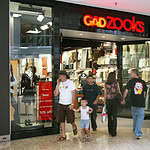
Gadzooks
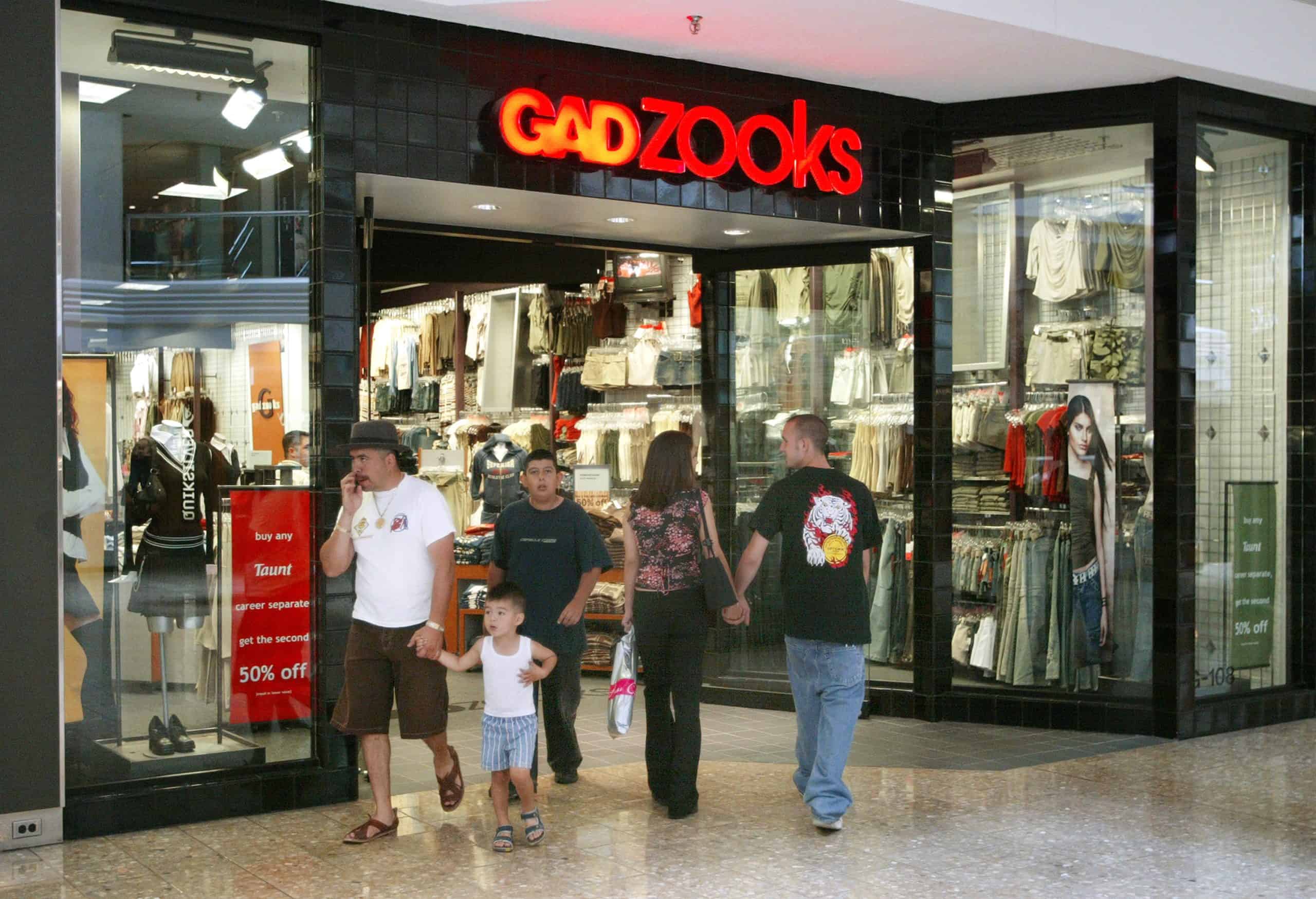
Gadzooks was a familiar mall stop for young shoppers looking for trendy casual clothes. By the early 2000s, though, the company was struggling. Gadzooks later told investors that negative sales trends following its conversion to an all-female merchandise assortment, worsening liquidity, supplier concerns, and intense competition were among the problems hurting the business. The company filed for Chapter 11 bankruptcy protection on Feb. 3, 2004. Forever 21 stepped in the following year, with an affiliate agreeing to buy substantially all of Gadzooks' operating assets in a bankruptcy sale valued by Gadzooks at more than $33 million. The deal included the company's remaining retail operations, but Gadzooks did not survive as an independent chain.
Bongo
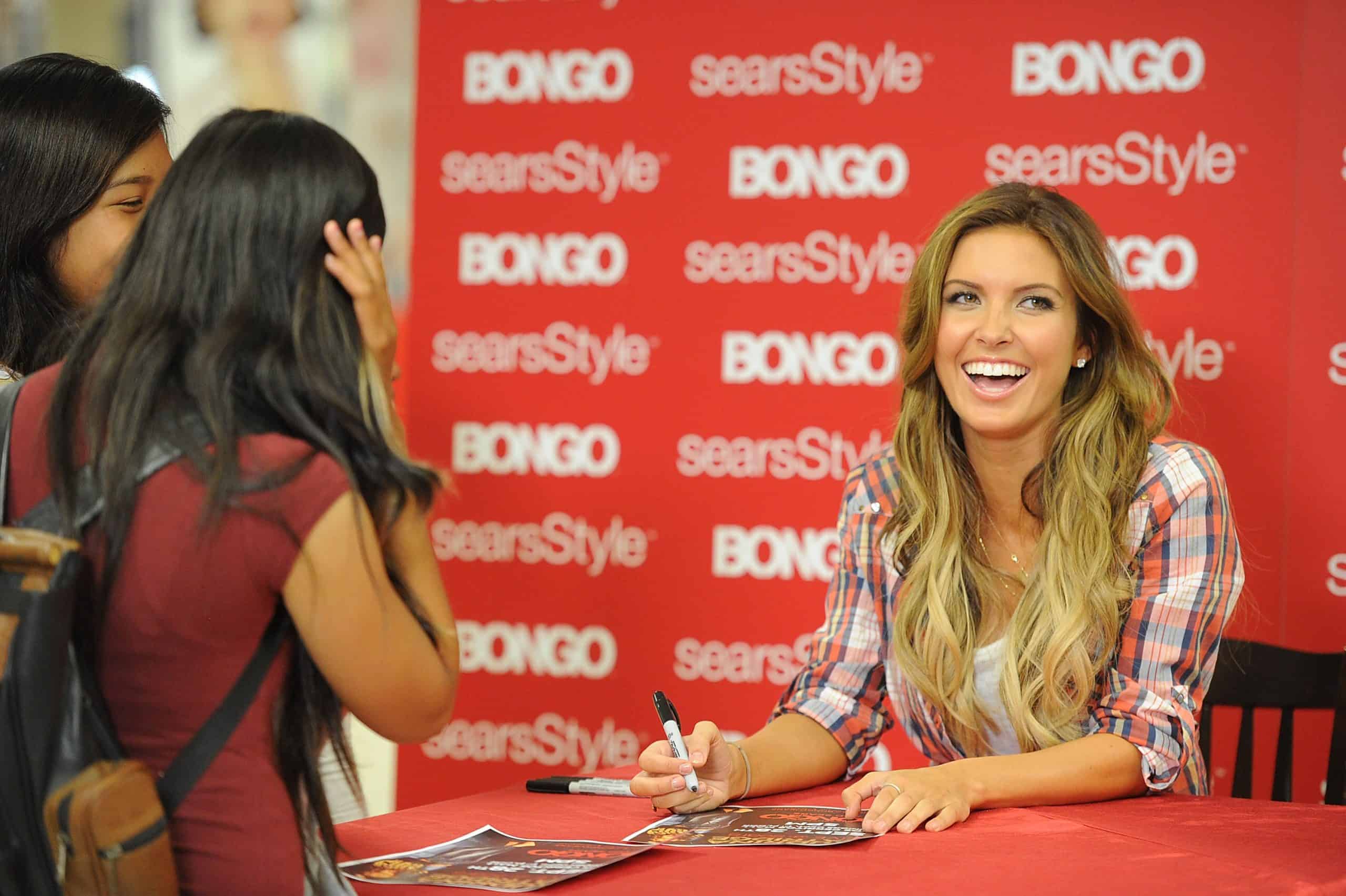
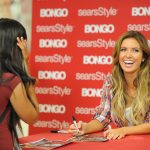
Trendy denim is what Bongo was all about. Established in 1982, the brand built much of its identity around casual denim and expanded into other clothing, footwear, and accessories. The company that later became Iconix Brand Group acquired Bongo in 1998 and began shifting its business toward a licensing model in 2003. Bongo footwear was licensed out that year, followed by its jeanswear business in 2004. That meant Bongo increasingly lived through licensed products rather than a stand-alone operating company. The label is still active today. Iconix continues to list Bongo in its fashion portfolio, so while its days as a dominant youth-fashion name have faded, the brand itself never completely went away.
Chic Jeans
Chic Jeans became a familiar name in affordable women's denim, offering styles meant for shoppers who wanted fashionable jeans without a high-end price tag. By the early 2000s, Chic was part of VF Corporation's jeanswear portfolio alongside much bigger names such as Wrangler and Lee. VF reported that Chic products were offered through national and regional discount chains. Over time, however, the label lost the mainstream visibility it once enjoyed. The name was not simply phased out altogether. Current U.S. Patent and Trademark Office records identify Wrangler Apparel Corp. in connection with multiple CHIC trademark registrations, including the long-running core CHIC mark. The trademark lives on even if the jeans are much harder to spot than they once were.
FUBU
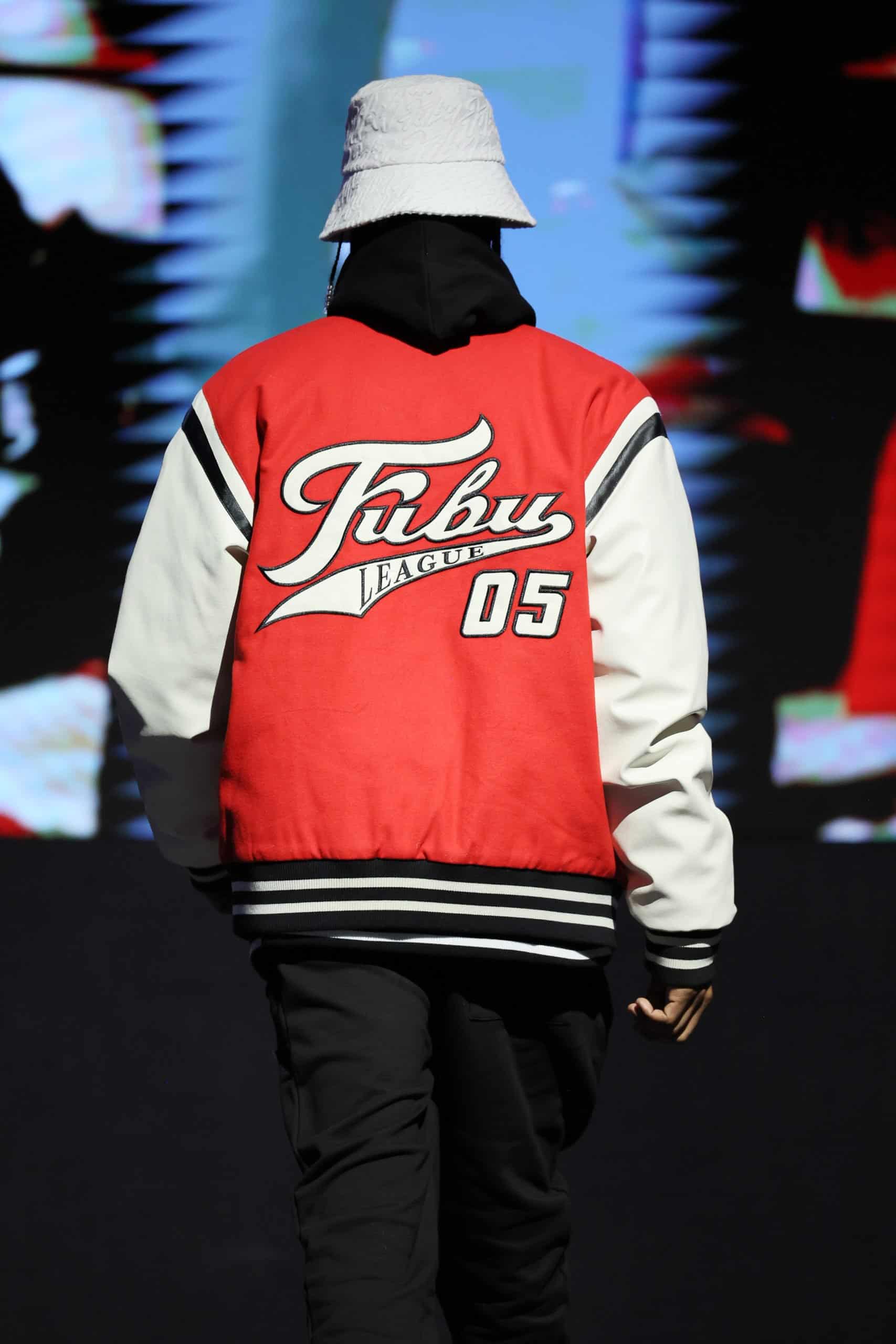
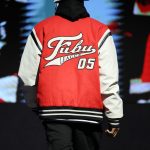
FUBU stands for "For Us, By Us." Daymond John and three friends from Hollis, Queens, launched the sportswear brand in 1992, and its connection to hip-hop culture helped turn it into one of the defining streetwear labels of the decade. LL Cool J famously wore a FUBU hat in a Gap commercial, giving the brand an enormous dose of exposure. At its peak, FUBU generated more than $350 million in annual retail sales. But too much inventory in the U.S. eventually pushed merchandise into clearance and discount channels, hurting the brand's position. Rather than disappearing completely, FUBU shifted much of its attention to international markets such as Europe and Asia and later announced a U.S. comeback in 2020. The brand still exists today, even if its cultural dominance is far removed from its peak.
American Apparel
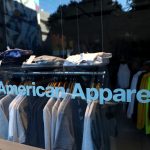
American Apparel, established in 1989, built its image around basic clothing, Made-in-USA manufacturing, "sweatshop-free" positioning, and famously provocative advertising. Financial strain and management turmoil eventually caught up with the company. In June 2014, the board suspended founder Dov Charney as CEO and announced its intent to terminate him for cause amid an investigation into alleged misconduct. Following that investigation, the board terminated him for cause in December. American Apparel filed for Chapter 11 bankruptcy protection in October 2015 and again in November 2016. Gildan Activewear later won a court-supervised auction for the American Apparel brand and certain assets with an approximately $88 million cash bid, completing the acquisition in February 2017. The old retail chain is gone, but American Apparel remains an active Gildan-owned brand today.
Forever 21
This store was the ultimate fast-fashion stop where young shoppers could find trend-driven clothes at affordable prices. Forever 21 expanded rapidly, opening hundreds of stores and building an international presence, but the huge retail footprint eventually became difficult to sustain. After an earlier bankruptcy, Authentic Brands Group, Simon Property Group, and Brookfield acquired Forever 21 in 2020. The rescue did not permanently fix the U.S. retail operation. F21 OpCo and two affiliates filed for Chapter 11 bankruptcy protection on March 16, 2025, and store-closing sales followed as the U.S. operating business wound down. The Forever 21 brand itself remains alive under Authentic. In September 2025, Authentic announced new U.S. e-commerce and wholesale partners and described Forever 21 as a digital-first brand, while physical shopping continues through international stores and pop-up activations.
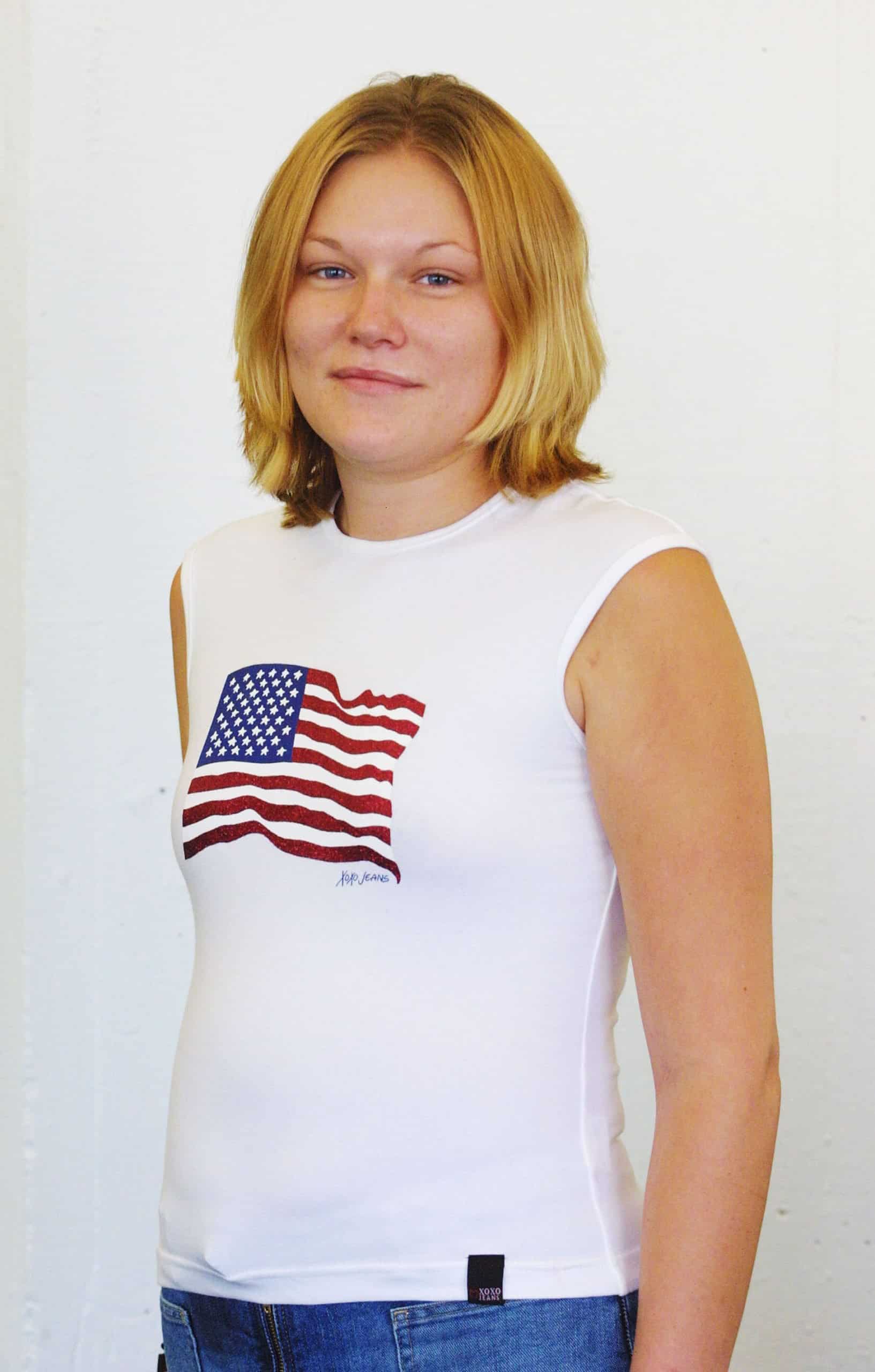
XOXO
XOXO was a familiar young women's fashion label in the 1990s and early 2000s, and the name expanded beyond clothing into accessories and other product categories. Its mainstream visibility eventually faded as shoppers moved on to newer labels, but the brand was never simply phased out. Global Brand Holdings continues to maintain and protect a portfolio of XOXO trademarks, including registrations covering clothing and related products, and U.S. Patent and Trademark Office records show the company actively defending the name in trademark proceedings as recently as 2026. XOXO is a good example of a label that largely disappeared from the fashion spotlight while its brand identity and intellectual property continued in the background.
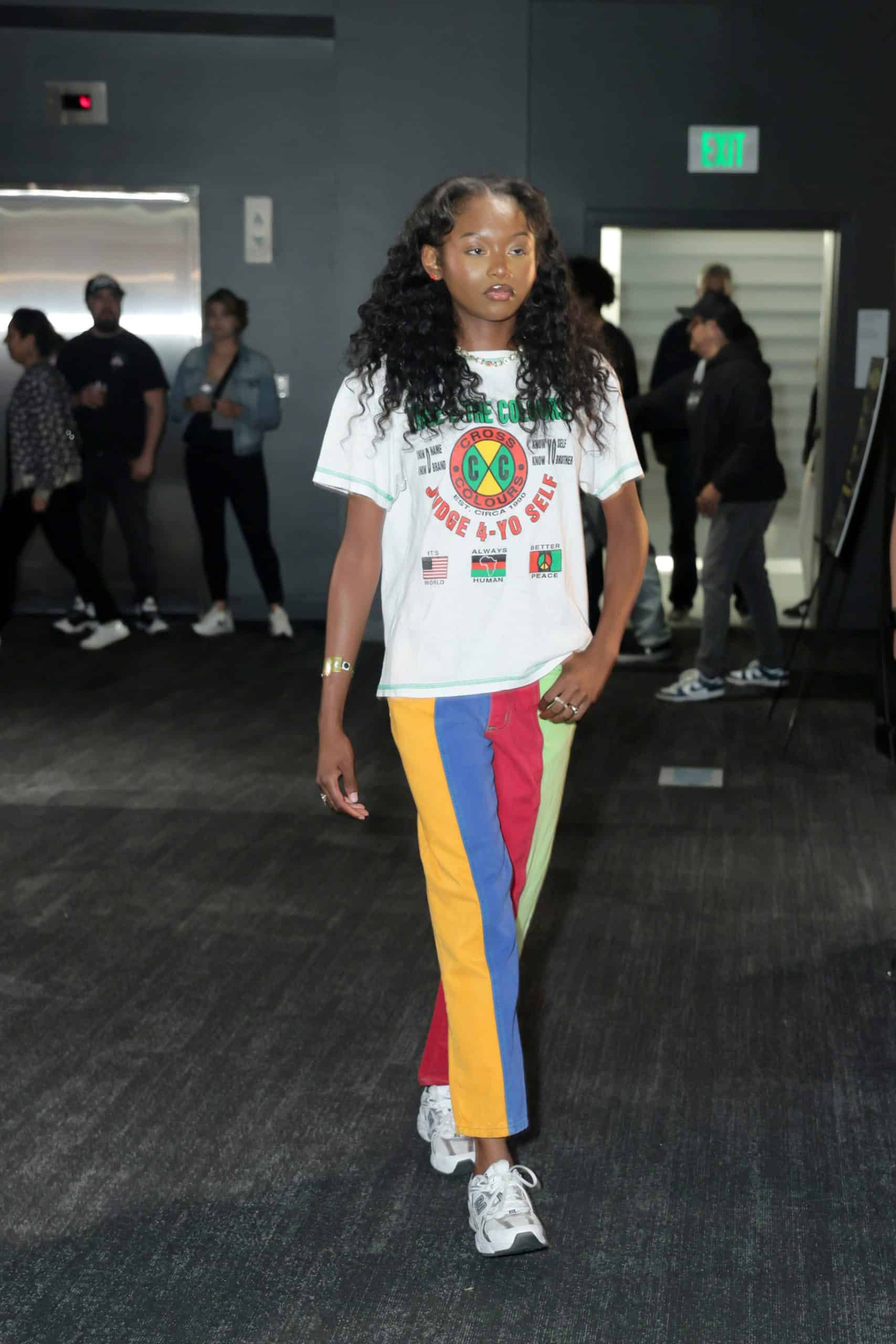
Cross Colours
Cross Colours was founded in 1989 by Carl Jones and Thomas "TJ" Walker and became one of the defining labels of early-1990s hip-hop fashion, pairing brightly colored clothing with its "Clothing Without Prejudice" message. Celebrities and musicians embraced the brand, and its founders later recalled annual sales climbing above $100 million. The original run came to an abrupt end after major retail partner Merry-Go-Round announced it was filing for bankruptcy, leaving Cross Colours with millions of dollars in merchandise it could neither recover nor get paid for. The operation shut down, and Jones and Walker went on to separate projects. They reunited in 2014 after hearing renewed demand for the brand and brought Cross Colours back. The label remains active today, selling new and retro-inspired collections through its online store.
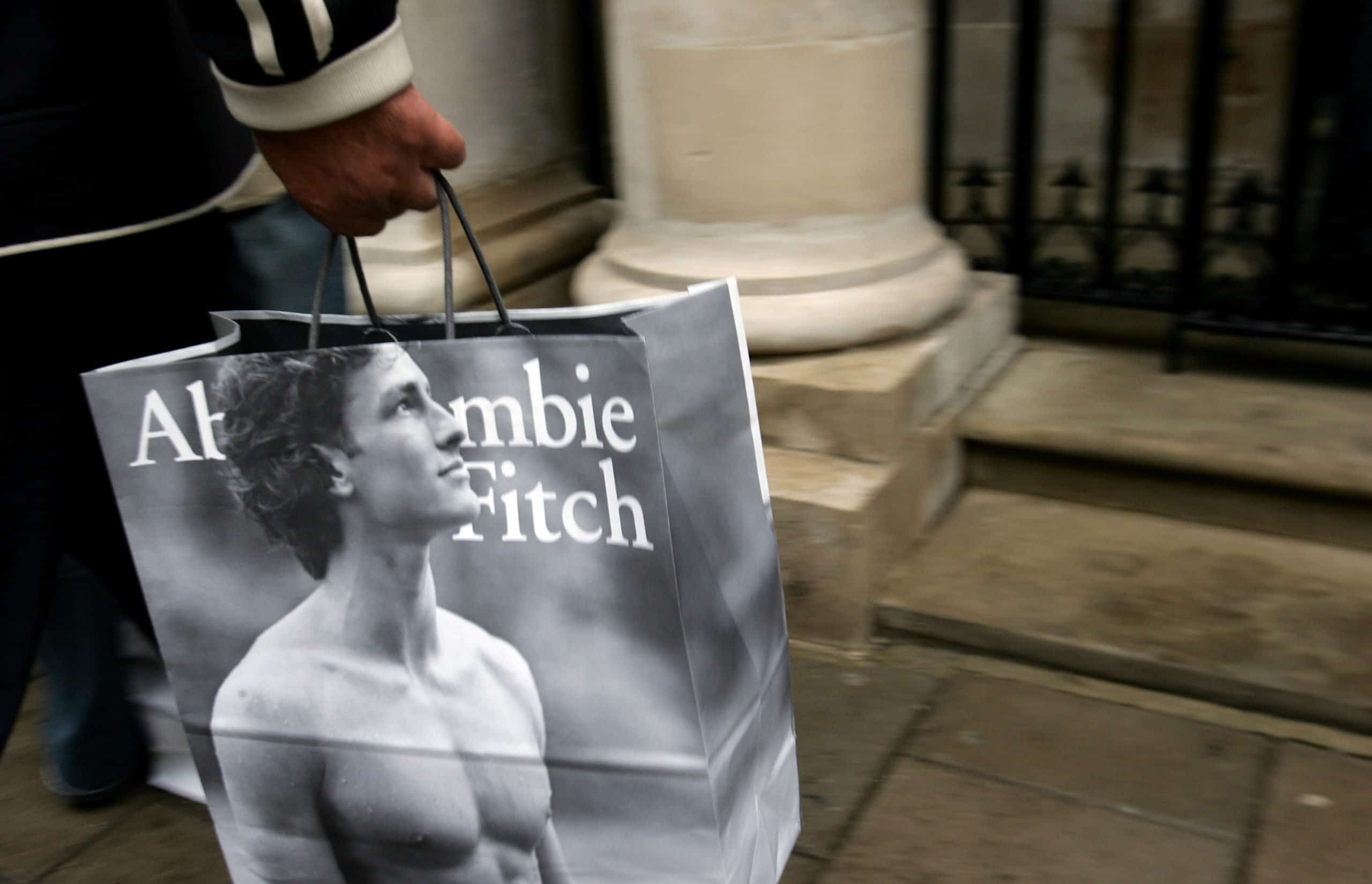
Abercrombie & Fitch
Abercrombie & Fitch is the odd one out on this list because, after a long decline, it managed to come roaring back. David Abercrombie founded Abercrombie Co. in 1892 as an outdoor specialty retailer selling camping, fishing, and hunting gear. Much later, Abercrombie & Fitch became the youth-oriented apparel brand generations of mall shoppers remember, but its carefully controlled image also generated serious controversy and legal challenges. In 2004, the U.S. Equal Employment Opportunity Commission and private plaintiffs reached a $50 million resolution of cases alleging discriminatory recruiting, hiring, and employment practices. A separate religious-discrimination case involving the company's "Look Policy" reached the U.S. Supreme Court, which ruled 8-1 in the EEOC's favor in 2015. The company later changed direction. Fran Horowitz became CEO in 2017, and Abercrombie says it rebranded for the modern customer in 2019. This is no longer a faded brand: Abercrombie & Fitch Co. reported a record $5.27 billion in fiscal 2025 net sales, including about $2.52 billion from the Abercrombie brand family.