Reddit - Vintage Memories
Marc Wathieu / BY 2.0
ell brown / BY 2.0

Bokeh Blur Background / Shutterstock.com
chocolatedazzles / BY 2.0
JeepersMedia / BY 2.0
qnr / BY-SA 2.0

PeopleImages / Shutterstock.com

Zoran Jesic / Shutterstock.com
Oli-Eugen / Shutterstock.com
Sirbouman / Shutterstock.com

DuxX / Shutterstock.com

ECLIPSE PRODUCTION / Shutterstock.com
MikeKalasnik / BY-SA 2.0
Daquella manera / BY 2.0
MikeKalasnik / BY-SA 2.0

Asian Isolated / Shutterstock.com
dr.Barmely / Shutterstock.com
Phillip Pessar / BY 2.0

Cherdchai101 / Shutterstock.com

Master1305 / Shutterstock.com










20 Stores You Saw Everywhere in the ’90s but Almost Never See Today
The 1990s retail landscape had its own rhythm: the music store near the food court, the video shop on the way home, the discount chain anchoring a shopping center, and the toy store kids could spot from halfway across the mall. These places were more than somewhere to buy stuff. For a lot of people, they were part of the weekly routine.
Then the retail map changed. Some chains collapsed in bankruptcy. Others were bought, renamed, or slowly whittled down as online shopping, digital media, big-box competition, debt, and changing consumer habits rewrote the business. A few names on this list technically survive in one or two locations, but they are a long way from their 1990s footprint. Here are 20 stores that once seemed to be everywhere and are now gone or nearly gone.
Sam Goody
Sam Goody was one of the defining mall music chains of the CD era, with hundreds of locations under Musicland by the 1990s. It was the kind of place where you went in for one album and somehow left carrying a bag. The chain sold CDs, cassettes, movies, and plenty of impulse buys to generations of mall shoppers.
Musicland changed hands several times. Best Buy acquired it in 2001, sold it to Sun Capital Partners in 2003, and Musicland filed for Chapter 11 bankruptcy in 2006. Trans World Entertainment then bought most of its remaining assets and converted many Sam Goody stores to FYE. But Sam Goody is not quite extinct. The St. Clairsville, Ohio, location closed in 2025, while the Rogue Valley Mall store in Medford, Oregon, remains open as of 2026, making it the last store still carrying the Sam Goody name.
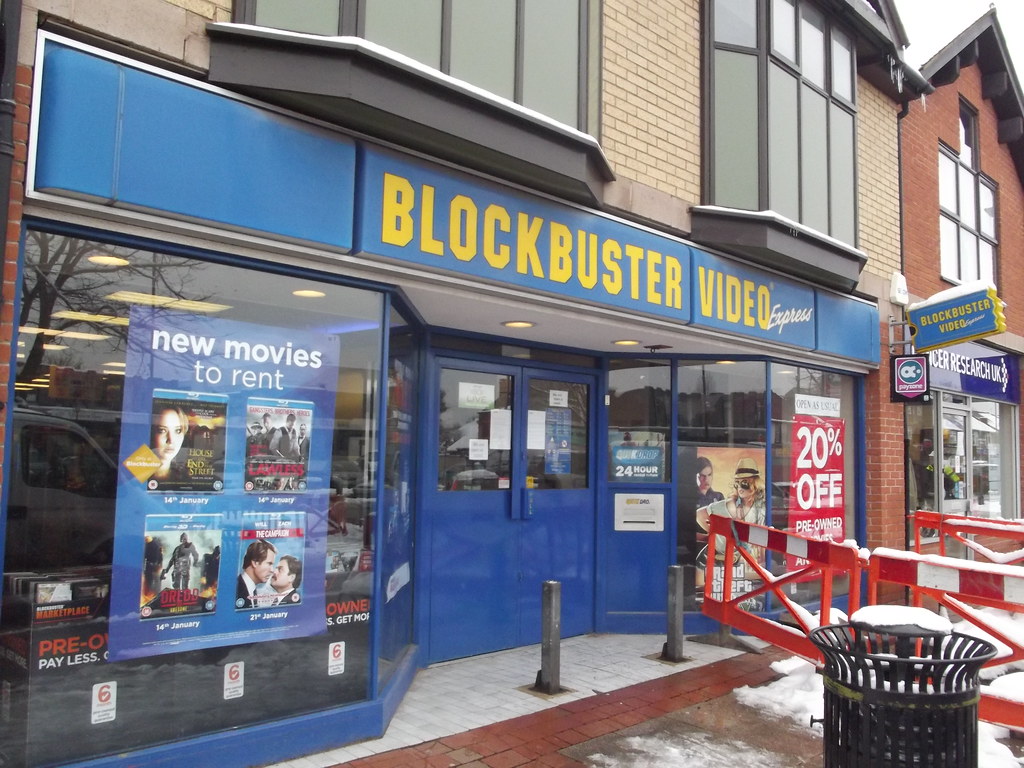
Blockbuster Video
Blockbuster was once about as close as a retailer could get to being synonymous with movie night. At the end of 2004, the company reported roughly 9,100 stores in the United States, its territories, and 24 other countries. In the 1990s, wandering the aisles and hoping the new release you wanted was still in stock was basically part of the experience.
In 2000, Netflix co-founders Reed Hastings and Marc Randolph pitched Blockbuster on buying their still-small DVD-by-mail company for $50 million and letting Netflix run Blockbuster's online rental business. Blockbuster declined. A decade later, Blockbuster filed for Chapter 11 bankruptcy. Dish Network eventually closed the remaining company-owned U.S. stores in 2014, while franchise locations hung on longer. By 2019, the Bend, Oregon, store was the last Blockbuster in the world. It is still operating in 2026.
Montgomery Ward
Montgomery Ward was founded in 1872 by Aaron Montgomery Ward and became one of the pioneers of American mail-order retail. The company introduced a money-back satisfaction guarantee in the 1870s, and in 1939, employee Robert L. May created Rudolph the Red-Nosed Reindeer for a Montgomery Ward Christmas promotion. The chain had more than 500 stores by the end of the 1920s. Its decline came much later. Montgomery Ward filed for Chapter 11 bankruptcy in 1997, emerged in 1999, then announced in December 2000 that it would liquidate. The last stores closed in 2001, ending the original retail chain after roughly 129 years.
Tower Records
Tower Records was less of a quick mall stop and more of a destination for people who really cared about music. Founded in Sacramento in 1960, the chain expanded across the United States and overseas. Tower first filed for Chapter 11 bankruptcy in 2004, emerged, and then filed again in August 2006. A liquidator bought the U.S. business that October, and all 89 remaining American stores closed by the end of the year. The international story is a little different: operations such as Tower Records Japan survived separately, so the brand did not disappear everywhere when the U.S. stores went dark.
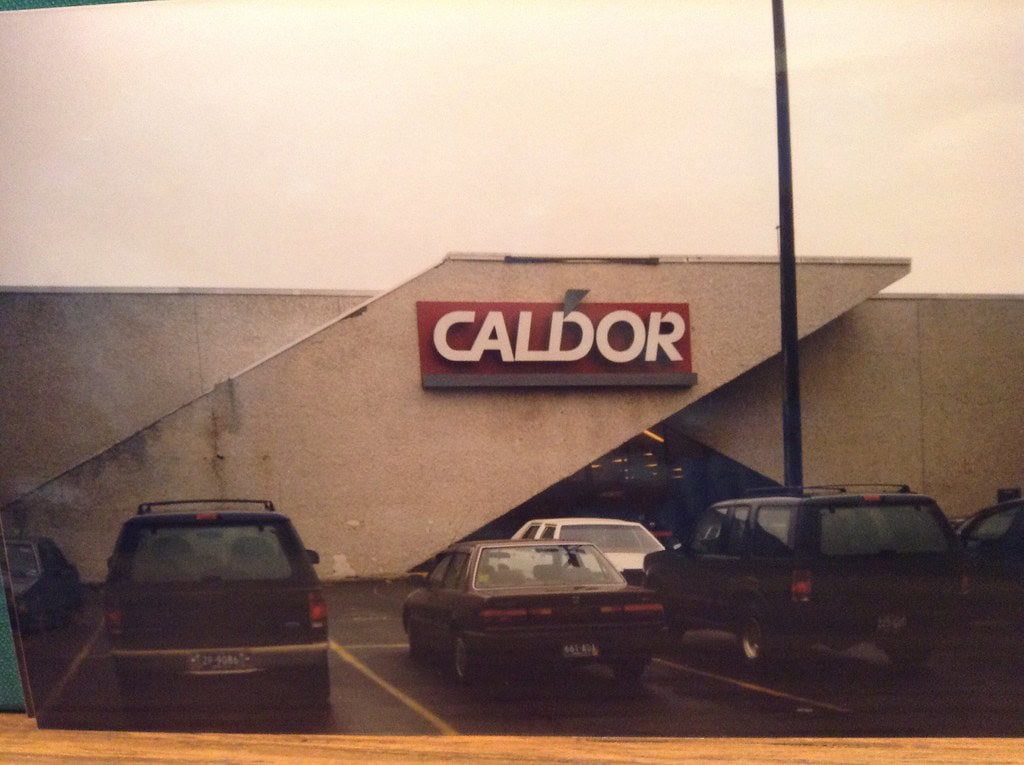
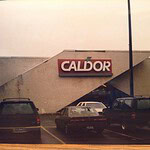
Caldor
Caldor built a loyal following across the Northeast and Mid-Atlantic and was widely nicknamed the "Bloomingdale's of discounting." It operated 166 stores when it filed for Chapter 11 bankruptcy in September 1995. The hoped-for turnaround never stuck. In January 1999, Caldor announced it would liquidate its 145 remaining stores in nine Eastern states after creditors rejected its reorganization plan. Going-out-of-business sales wrapped up that spring.
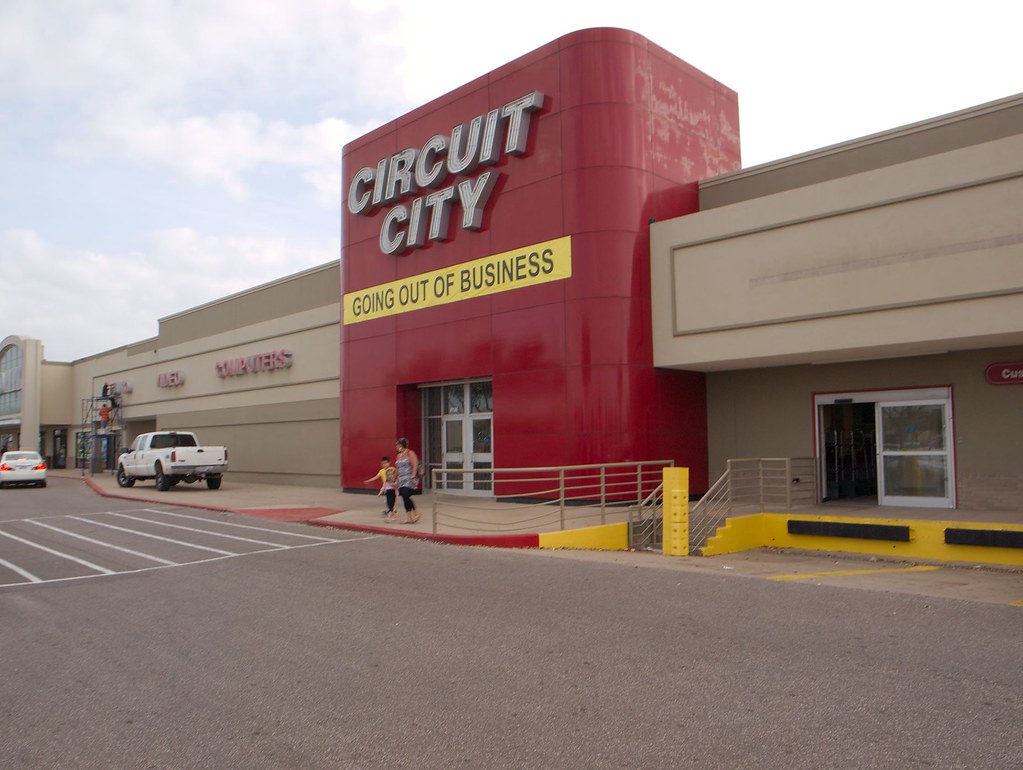
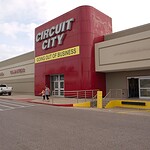
Circuit City
Circuit City became one of America's biggest electronics retailers, with 655 U.S. stores in 2007. Some of the decisions made during its decline became business-school cautionary tales. In 2003, Circuit City eliminated commissioned sales and cut about 3,900 commissioned sales positions. Then, in March 2007, it dismissed 3,400 higher-paid store employees and said they would be replaced with lower-paid workers. Those moves were not the chain's only problem, but they did little to help. Circuit City filed for Chapter 11 bankruptcy in November 2008 and liquidated its remaining U.S. stores in 2009.
Camelot Music
Camelot Music was another familiar stop for 1990s mall shoppers. Founded in Massillon, Ohio, in 1956, Camelot grew into a major music retailer, but the numbers can be a little misleading. By May 1998, Camelot Inc. operated 455 stores, including 305 Camelot Music locations and 150 stores under The Wall name. Camelot had filed for Chapter 11 bankruptcy in 1996 and emerged the following year. In 1998, it was acquired by Trans World Entertainment, which eventually consolidated many of its music-store brands under the FYE name. Camelot faded away through acquisition and rebranding rather than one sudden shutdown.
Borders Books & Music
Borders Books & Music was the kind of store where you could disappear into the aisles for an hour and forget why you came in. At the start of 2011, Borders still operated 489 superstores, along with 126 smaller-format bookstores and 27 airport locations. One decision that has followed the company into retail lore came in 2001, when Borders stopped operating its own e-commerce store and entered a deal that made Amazon the merchant of record for sales through Borders.com. That was far from the chain's only problem, but it became symbolic of how quickly bookselling was changing. Borders filed for Chapter 11 bankruptcy in February 2011 and liquidated its remaining stores later that year after failing to find a buyer.
Ames Department Stores
Ames grew aggressively through acquisitions, and one deal changed the company almost overnight. In 1988, it bought the 392-store Zayre chain, pushing Ames to roughly 700 stores. The added debt and problems integrating the acquisition helped send Ames into Chapter 11 bankruptcy in April 1990. It emerged in 1992 and later started expanding again, but the comeback did not last. Ames filed for Chapter 11 a second time in August 2001, and in August 2002 it announced plans to liquidate its remaining 327 stores.
Suncoast Motion Pictures
Suncoast was Musicland's mall-based movie store, packed with VHS tapes, DVDs, anime, and movie merchandise. At the end of fiscal 2003, Musicland reported 383 Suncoast stores in 47 states and Puerto Rico. Musicland filed for bankruptcy in 2006, and Trans World Entertainment acquired most of its remaining assets before closing or converting many locations. Suncoast, however, never vanished completely. As of 2026, two locations remain, one at Jacksonville Mall in North Carolina and another at the Mall at Fairfield Commons in Beavercreek, Ohio, where it operates alongside FYE.
Service Merchandise
Service Merchandise used a catalog-showroom format that now feels like retail from another planet. Customers browsed displays, placed an order, and employees retrieved much of the merchandise from a stockroom. The model once supported about 400 stores, but the company struggled badly by the end of the 1990s. Service Merchandise filed for Chapter 11 bankruptcy in March 1999 and spent the next few years cutting stores and product categories. In January 2002, with 218 stores still operating, the company announced it would liquidate and shut down the entire chain that spring.
CompUSA
If you bought a family computer in the 1990s, there is a decent chance CompUSA was somewhere on your shopping list. The chain grew to at least 229 locations at its peak, selling computers, software, components, and enough accessories to keep you wandering for a while. In 2007, CompUSA began a major retrenchment that included closing 126 stores, and by the end of that year its owner announced plans to wind down the remaining retail operation. But that was not quite the end. Systemax acquired the CompUSA brand, its e-commerce business, and up to 16 stores in 2008, then used the name on additional former TigerDirect locations. In 2012, Systemax retired the CompUSA storefront brand and converted the remaining stores to TigerDirect.
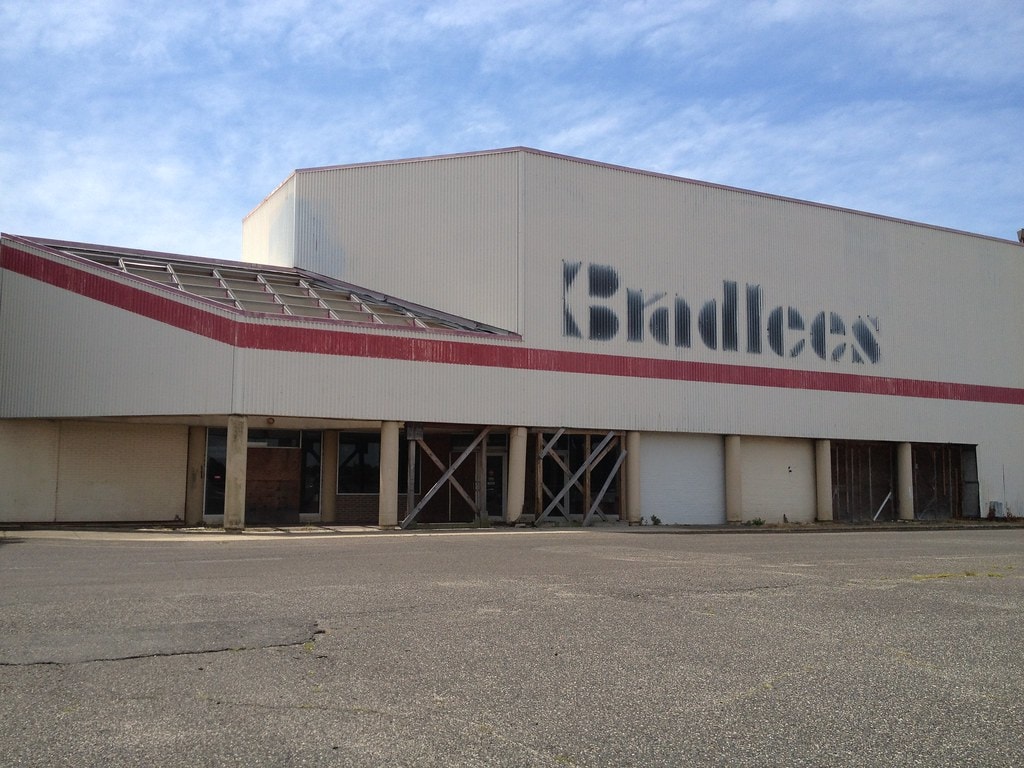
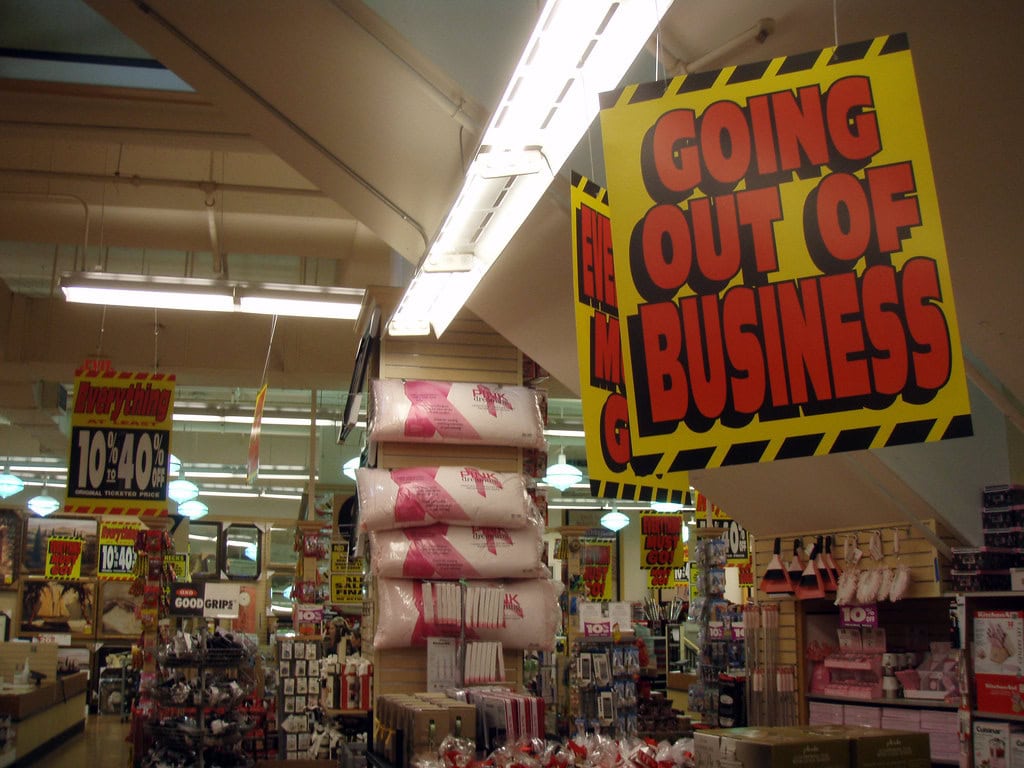
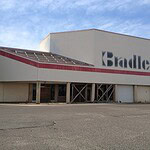
Bradlees
Bradlees was a familiar discount-store name across New England and the Mid-Atlantic, selling clothing, housewares, electronics, toys, and plenty of everyday basics. The chain first filed for Chapter 11 bankruptcy in 1995 and emerged in 1999, but the recovery was short-lived. Bradlees filed again in December 2000 amid weak sales, tighter credit, and a difficult retail economy. Its 105 remaining stores entered liquidation, with the final locations closing in March 2001.
Linens 'N Things
Linens 'N Things was one of Bed Bath & Beyond's biggest rivals and had 589 stores across the United States and Canada at the end of 2007. Apollo Management had taken the company private in a $1.3 billion leveraged buyout in 2006. By May 2008, Linens 'N Things was in Chapter 11, citing a weakening housing market, tight credit, and declining consumer spending. After closing stores and failing to find a buyer, the company moved to liquidate its 371 remaining locations in October 2008. The physical chain disappeared, although the name later resurfaced online.
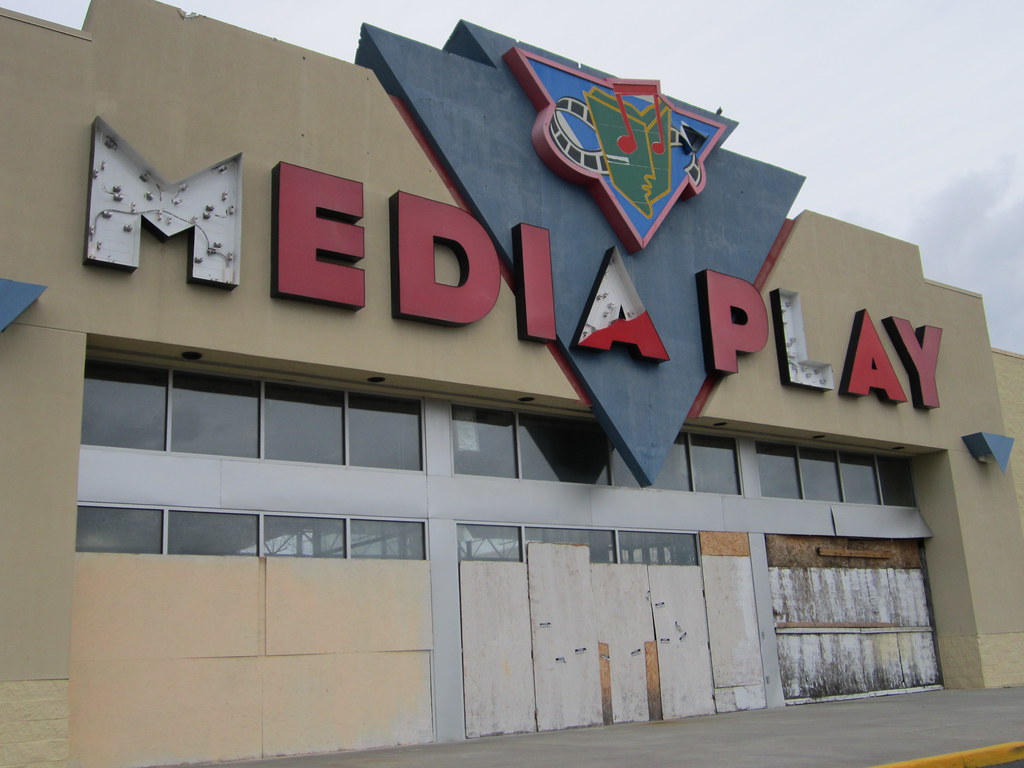
Media Play
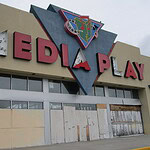
Media Play tried to put nearly every form of entertainment under one enormous roof: books, music, movies, video games, software, and electronics. In fiscal 2003, its stores averaged about 45,300 square feet, and Musicland still operated 76 of them. By December 2005, only 61 remained, and Musicland announced that all of those would close by late January 2006. The company said Media Play had been unprofitable for years as it faced pressure from big-box and discount retailers, online shopping, and weakening music and movie sales. Musicland itself filed for bankruptcy in January 2006, just as the last Media Play stores were disappearing.
Zany Brainy
Zany Brainy built its name around educational toys, science kits, children's books, and games. After buying rival Noodle Kidoodle in 2000, the company had 187 stores in 32 states, but the expansion helped strain a business that was already losing money online. Zany Brainy filed for Chapter 11 bankruptcy in May 2001. Right Start acquired most of its assets later that year and eventually became FAO Inc. after buying FAO Schwarz. The combined company ran into trouble of its own, and in December 2003 it announced that the remaining 89 Zany Brainy stores would be liquidated by early 2004.
Hills Department Stores
Hills was a major regional discount chain across the Northeast, Midwest, and Great Lakes states, and plenty of former shoppers still remember the slogan "Hills is where the toys are." The company had already survived one Chapter 11 bankruptcy, filing in 1991 and emerging in 1993. By November 1998, Hills operated 155 stores in 12 states when Ames bought the entire chain.
That distinction matters because Hills did not simply go bankrupt in 1999 and disappear. Ames acquired the company and converted nearly all Hills locations to the Ames name by the end of 1999. Then Ames ran into financial trouble of its own, filing for bankruptcy in 2001 and liquidating in 2002. So Hills disappeared first through acquisition and rebranding, while many of the stores that replaced it were swept up in the collapse of Ames a few years later.
Warner Bros. Studio Stores
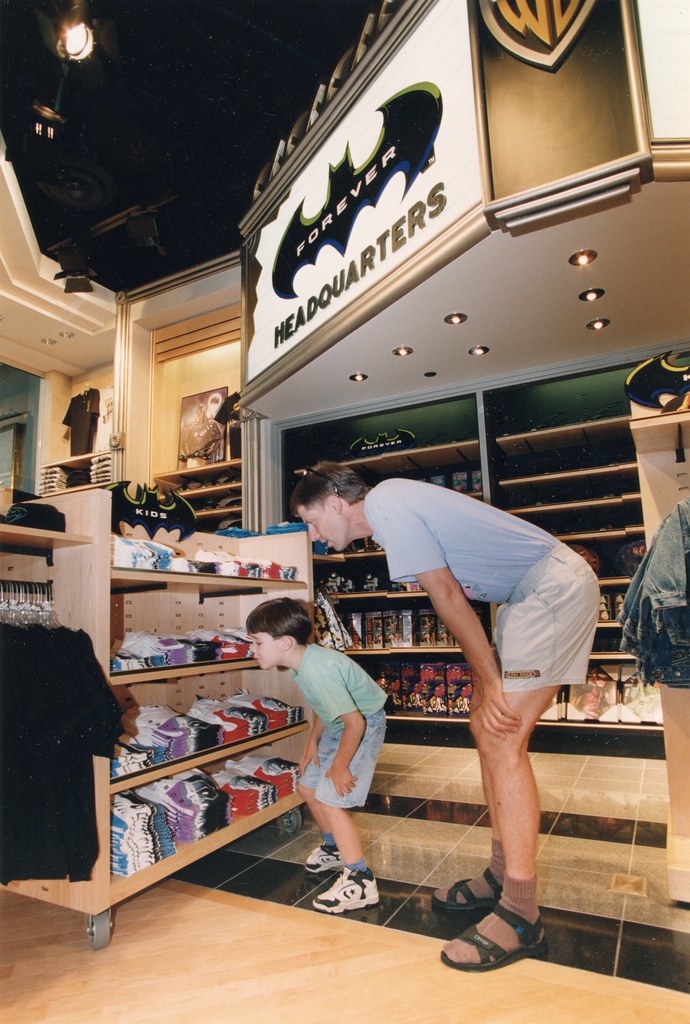
The Warner Bros. Studio Store debuted in 1991 and turned characters such as Bugs Bunny, Batman, and other Warner properties into a full-blown mall retail experience. By early 2001, the chain had about 130 locations. Contemporary reporting suggests the stores had performed well in their early years but were struggling by the time America Online and Time Warner completed their merger. The new company tried to find a buyer, and when that failed, it announced in July 2001 that the remaining U.S. stores would close by the end of October. About 3,800 jobs were affected.
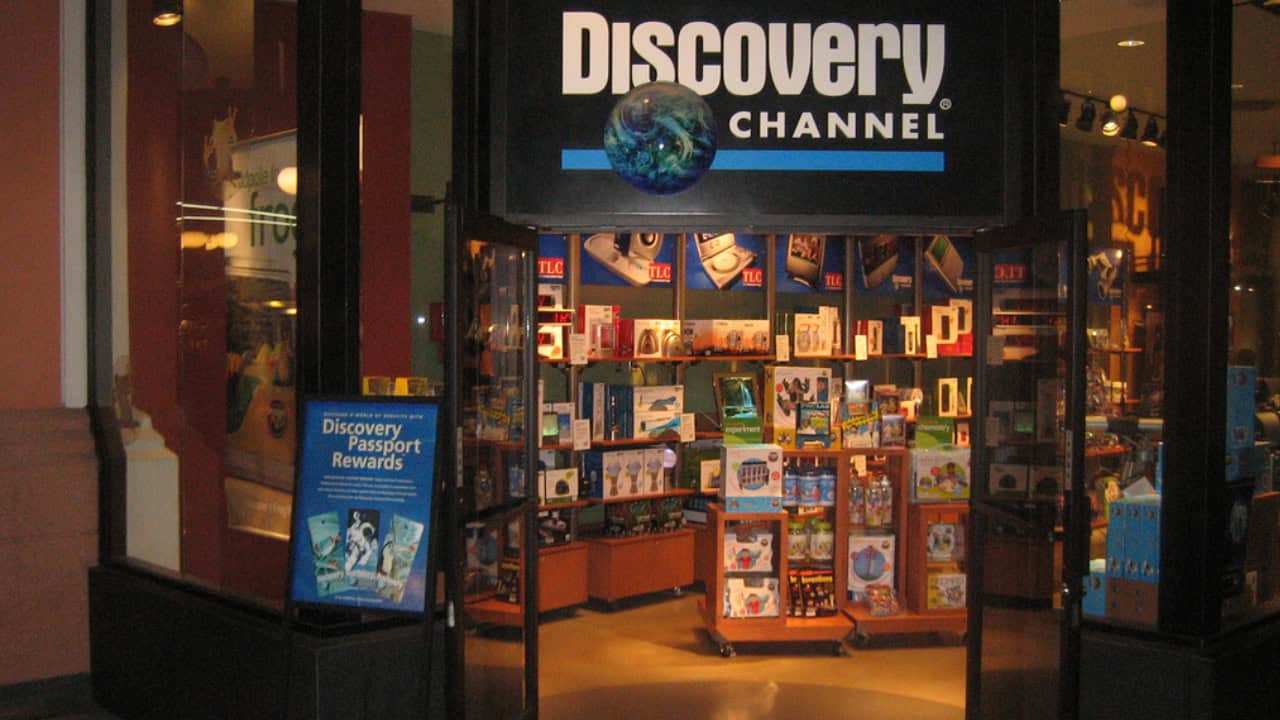
Discovery Channel Store
The Discovery Channel Store brought the network's science-and-nature identity into malls with telescopes, science kits, books, globes, DVDs, and other educational merchandise. In May 2007, Discovery Communications announced it would close all 103 of its mall-based and stand-alone stores as part of a broader restructuring. The closures were completed during the third quarter of that year. Discovery shifted more of its merchandise business toward online sales, licensing, catalogs, and outside retailers, making this less a case of the stores losing their identity and more a corporate decision to get out of owned-and-operated retail.
Merry-Go-Round
Merry-Go-Round Enterprises became a giant in teen fashion by betting heavily on whatever young shoppers wanted next. At the time it filed for Chapter 11 bankruptcy in January 1994, the company had 1,445 stores nationwide, but that figure included several banners, among them Merry-Go-Round, Chess King, Cignal, and DeJaiz. Its strength had been spotting fashion trends quickly. When tastes shifted and merchandising bets started missing, that same dependence on the next big thing became a serious problem.
The collapse was fast, just not quite overnight. Merry-Go-Round spent nearly two years trying to reorganize. In November 1995, it announced plans to close 375 stores and eliminate the Chess King division. By February 1996, the company had given up on a turnaround and moved to liquidate. Going from a 1,445-store retail empire to liquidation in a little more than two years was still an astonishing fall. The chain that made its living chasing trends finally got caught on the wrong side of one.