Before streaming took over the world, Friday night entertainment often involved a trip to Blockbuster. Families wandered the genre-specific aisles of VHS tapes and DVDs while arguing over what movie to rent, sometimes hoping the latest new release had not already disappeared from the shelves. The smell of popcorn, the glowing blue-and-yellow signs, and the urgency of returning movies before late fees kicked in became part of an entire generation’s weekend routine. While Blockbuster may be mostly gone, the chain still holds a surprisingly nostalgic place in our collective memory.
Blockbuster Once Had More Than 9,000 Stores
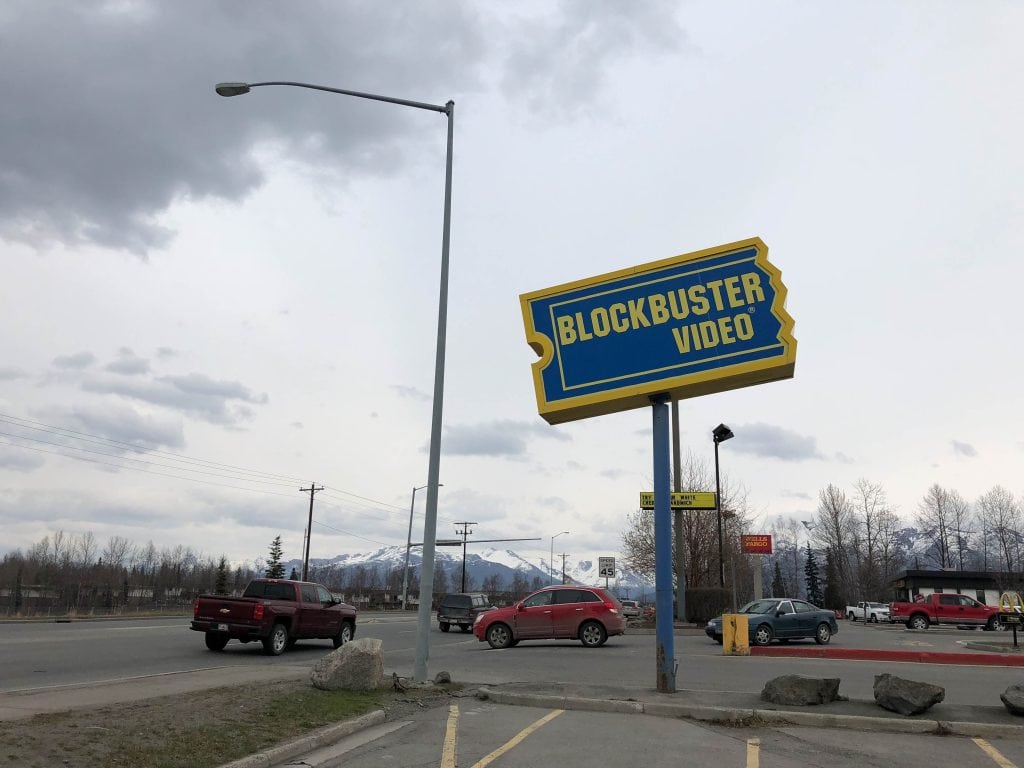
At its peak, Blockbuster was absolutely everywhere. By the early 2000s, the company operated more than 9,000 stores around the world and employed tens of thousands of people. Much like Starbucks today, it felt like there was a Blockbuster every few miles. It was basically impossible to imagine a future where the giant video chain would ever disappear.
Netflix Was Once Offered to Blockbuster
One of the most famous business mistakes in entertainment history happened when Netflix approached Blockbuster in 2000. Netflix reportedly offered to sell itself to Blockbuster for around $50 million. Blockbuster executives declined the deal because they did not think online rentals had much of a future. That decision aged poorly. In hindsight, this decision now looks about as painful a business mistake as it gets.
Late Fees Made the Company a Fortune

Blockbuster’s late fees became legendary. Entire childhood memories were built around parents yelling, “We have to get this back tonight!” Millions of customers rushed to return movies before cutoff times to avoid extra charges. Even though it didn’t take long to drop the VHS in the convenient return slot, we still often managed to forget. At one point, late fees reportedly made the company hundreds of millions of dollars annually.
It Was a Social Event

Blockbuster was not just a store; it was practically a weekend hang. Wandering the aisles searching for the perfect movie became a ritual for many households. And everyone else you knew was doing the same thing, so you’d frequently bump into neighbors and friends. Many locations stayed open late into the night, especially on Fridays and Saturdays, so it was the place to be post-dinner. Younger generations may never fully understand the oddly specific excitement of finding one final copy of a popular movie still sitting on the shelf.
Employees Had to Memorize New Releases and Recommendations

Working at Blockbuster required more movie knowledge than some people realize. Employees were often expected to recommend films and know what new releases had just arrived, including who was in them and why they were noteworthy. Some employees became local movie experts for regular customers who relied on them for help selecting a film. In many ways, they functioned like human versions of modern streaming algorithms.
The Famous Blue-and-Yellow Design Was Carefully Chosen
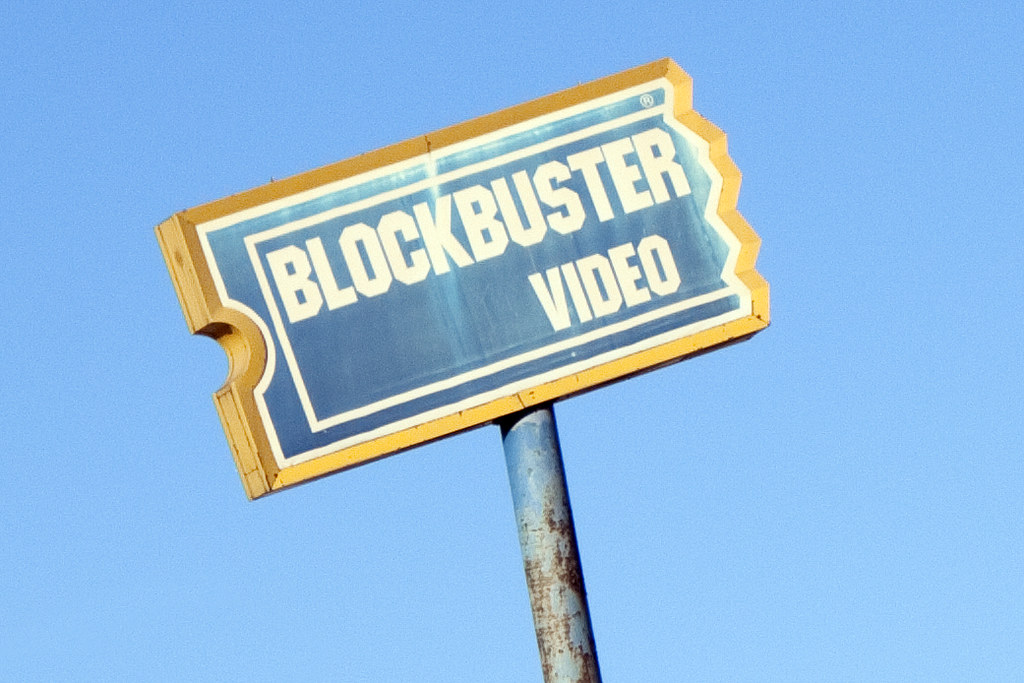
Blockbuster’s familiar bright blue-and-yellow branding was designed to resemble an old-fashioned movie ticket. The company wanted stores to feel fun, theatrical, and instantly recognizable from the road. Even decades later, many people can still picture the logo without trying. Few logos became as closely tied to 1990s entertainment culture.
Blockbuster Helped Popularize “Movie Night” Culture

These days, movies are often watched on a whim. If someone is bored, they might hop on Netflix to fill their night. But long before streaming platforms, families often preplanned entire evenings around renting movies from Blockbuster. You’d have to ask family members when they wanted to take a trip over to the local Blockbuster, discuss which genre they might be interested, debate the merits of specific picks, and decide on appropriate snacks. You might also consider if you want to invite friends over for the occasion, and when you planned to start the video. In many households, “movie night” was an actual event rather than something casually done in the background.
Blockbuster Briefly Tried Its Own Streaming Service
As streaming technology began changing entertainment, Blockbuster attempted to adapt. The company launched mail-order rentals and later experimented with streaming services to compete with Netflix (after realizing their fatal business mistake). Unfortunately for Blockbuster, the company reacted too slowly to changing technology and customer preferences. Their failure to predict changing times made them obsolete.
It’s Not Completely Gone

Today, a single Blockbuster store still remains open. Located in Bend, Oregon, the surviving store has become both a tourist attraction and a nostalgia museum for fans of physical movie rentals. Visitors can still browse shelves of movies and pretend it’s 1999 again. For many people, stepping inside feels like time travel.