For many cultures around the world, weddings are one of the most important celebrations. And since weddings have been happening for centuries, they tend to come with longstanding traditions. While Americans exchange vows and toss the bouquet, other cultures have their own unique customs. These traditions likely seem odd to outsiders, but they are often quite meaningful to participants. They can have deep symbolic meaning related to luck or unity. Wedding traditions vary drastically across cultures. While some are lighthearted, others are taxing; while many are small moments within a broader ceremony, others take over the entire event. It’s remarkable that many of these ancestral customs survived modernization and continue to be practiced today. Here are eight wedding traditions from around the world that might surprise you.
1. Kidnapping the Bride (Romania)
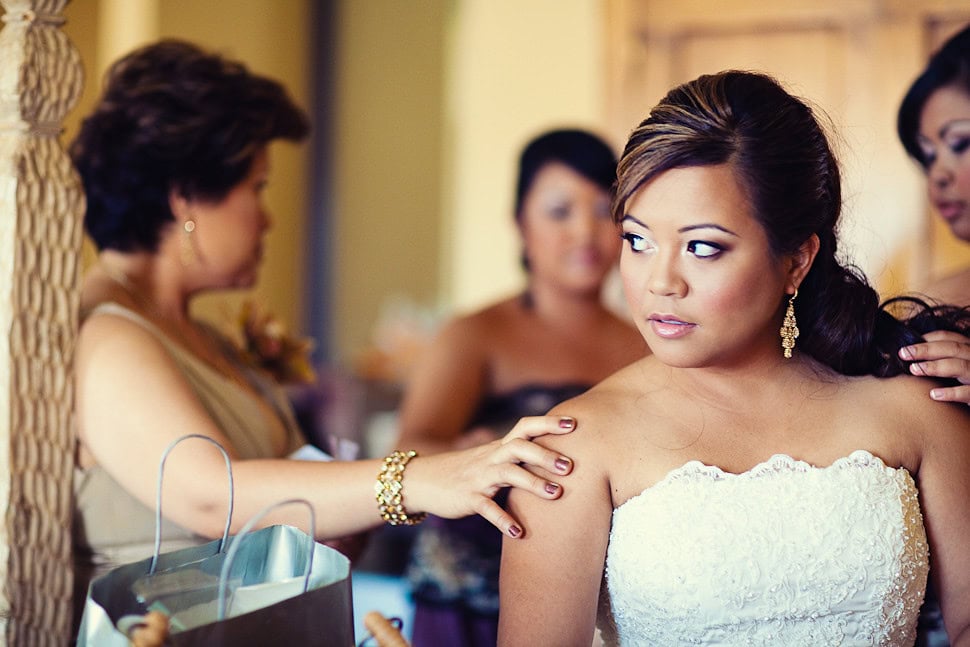
In Romania, family members must guard the bride closely or she may go missing. In the middle of the wedding festivities, friends attempt to jokingly “kidnap” the bride. To get her back, the groom must offer a sort of ransom in the form of gifts or by completing goofy challenges. The custom is lighthearted and entertaining, and many of the faux abductions last only a short time before the bride is returned. The tradition dates back a long time and remains popular at Romanian weddings.
2. Sawing a Log Together (Germany)
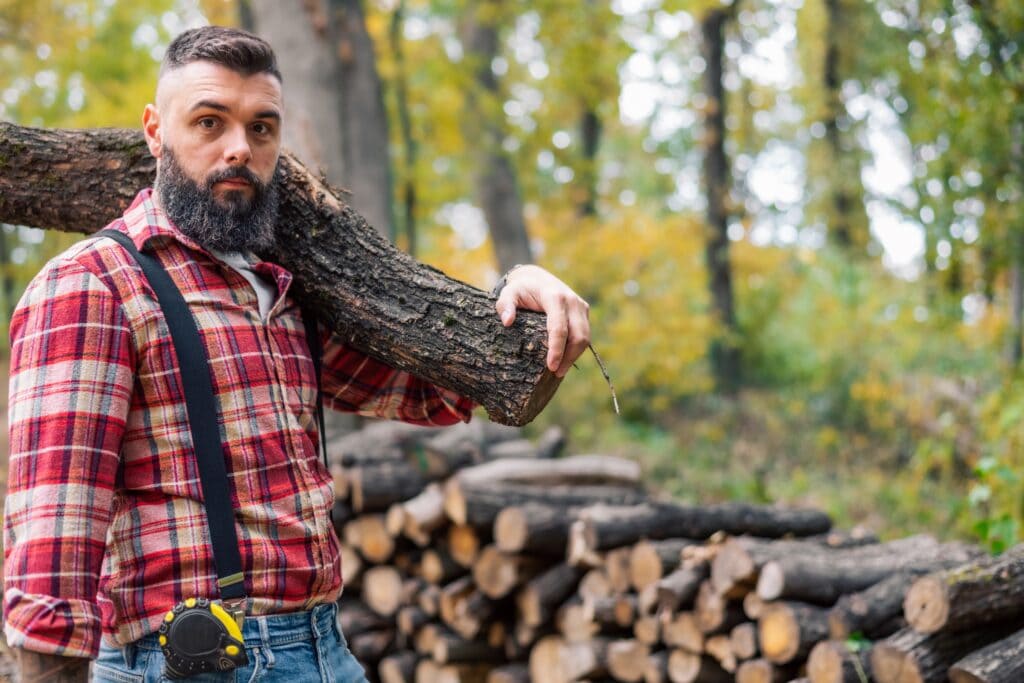
Nothing says romance like slicing through a giant piece of wood. Some German couples engage in a ceremony called Baumstamm Sägen immediately following the wedding. Using a specialized two-person saw, the newlyweds work together to saw through a large log. The lumberjack-inspired task symbolizes cooperation in marriage. Successfully completing the challenge shows the couple’s ability to work as a team. It is essentially the husband and wife’s first joint project in their marriage. Guests usually cheer and clap as the sawing comes to an end and the log splits in two.
3. Stealing the Groom’s Shoes (India)
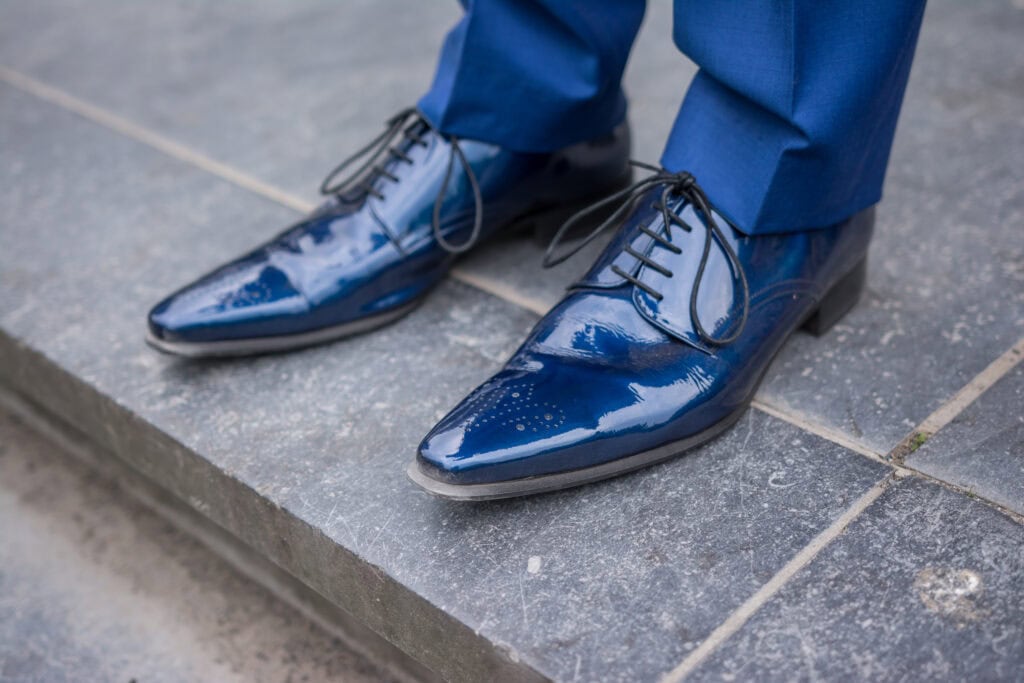
In many Indian weddings, the bride’s family engages in an odd sort of theft. They try to steal the groom’s shoes during the ceremony. The groom’s people work as security, guarding the young man’s footwear. If the shoes are successfully stolen, the husband has to pay his new in-laws to get them back. It’s a bit of a shoe ransom, if you will. The game is designed to help break the ice between the two families, which makes sense, as small talk is easily avoided when a crime is taking place. Today, the odd practice is still one of the most anticipated at Indian weddings.
4. Blackening the Bride and Groom (Scotland)

In parts of Scotland, the bride and groom undergo a form of hazing. Friends and family are tasked with covering the couple in messy substances. They may use molasses, syrup, rotten eggs, or other sticky and smelly materials. The filthy couple is then paraded through town in the back of a truck while enduring good-natured teasing, almost like a modern-day Roast. The tradition is known as “blackening.” According to its history, this strange custom prepares the couple to handle the difficulties of married life together. If the couple can endure the messy and embarrassing experience, then maybe they will be tough enough to handle the hardships of marriage. Those involved in the process consider it an entertaining part of the wedding experience.
5. Breaking Dishes (Germany)

Destroying perfectly good dinnerware is all part of the fun in Germany. Before some weddings, family and friends gather for an event known as Polterabend. During this destructive festivity, guests aggressively break plates, pottery, and other ceramic items. If this isn’t odd enough, it is the bride and groom’s job to clean up the mess. As with the other German custom of coordinated lumberjacking, the cleanup symbolizes teamwork. And the broken pieces are thought to bring good luck. Interestingly, glass is avoided because it is believed to bring bad luck.
6. Crowning Ceremony (Greece)
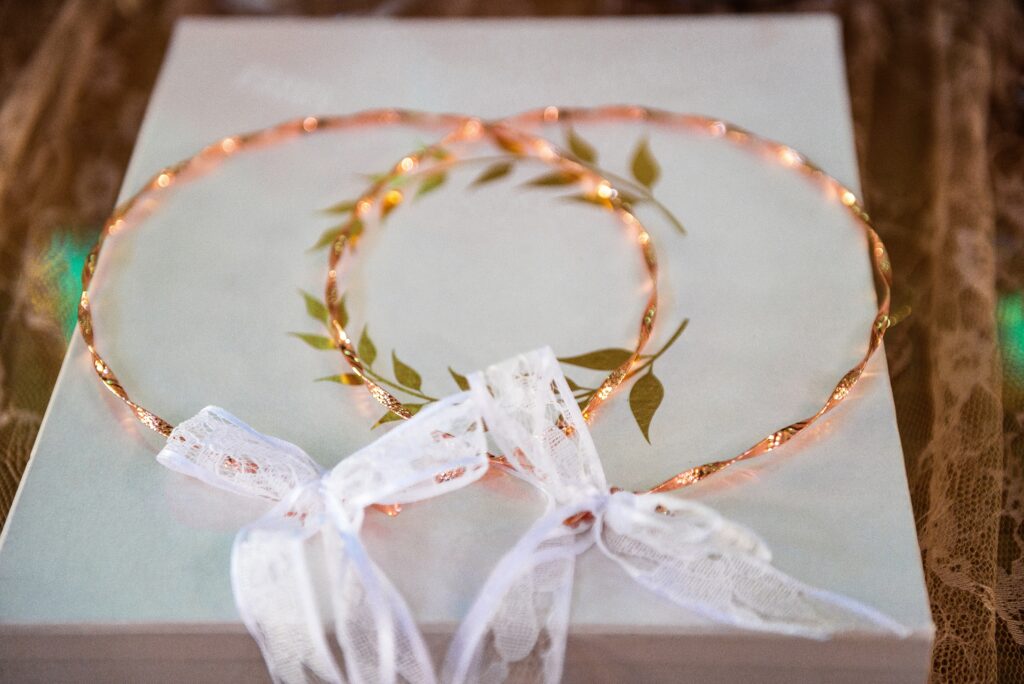
Traditional Greek Orthodox weddings include a crowning ceremony. The bride and groom are adorned with decorative handmade crowns connected by a long ribbon. The adjoined head pieces represent the couple’s new journey together as king and queen of their household. During the ceremony, the crowns are swapped between the bride and groom several times, perhaps showing a flexible switching of roles within the marriage. The ritual symbolizes unity and shared responsibility.
7. Jumping the Broom (Africa and U.S.)
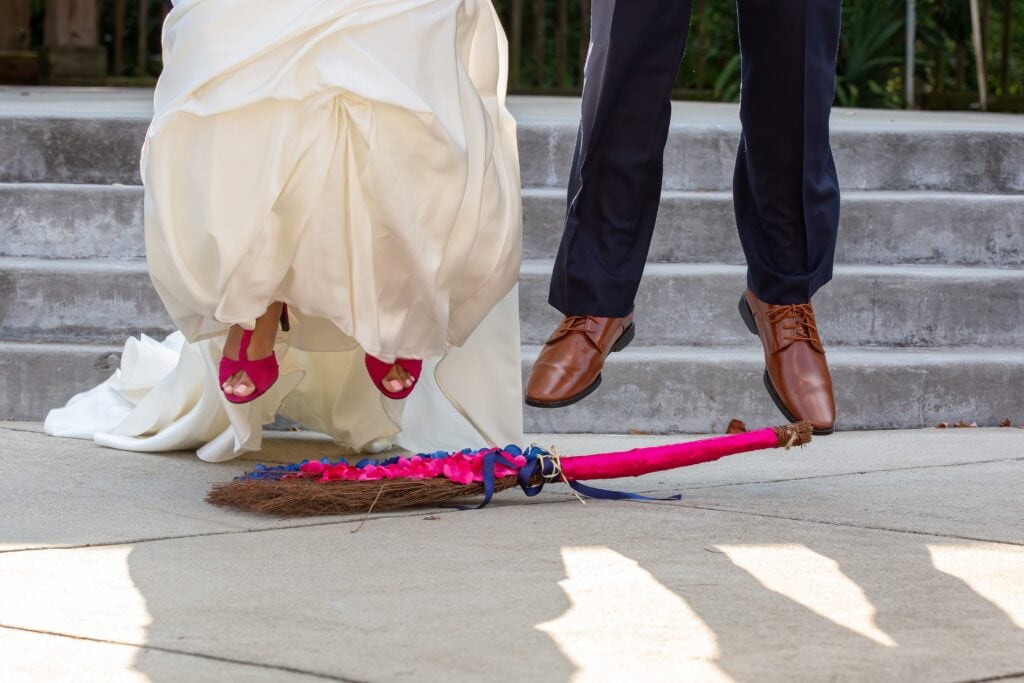
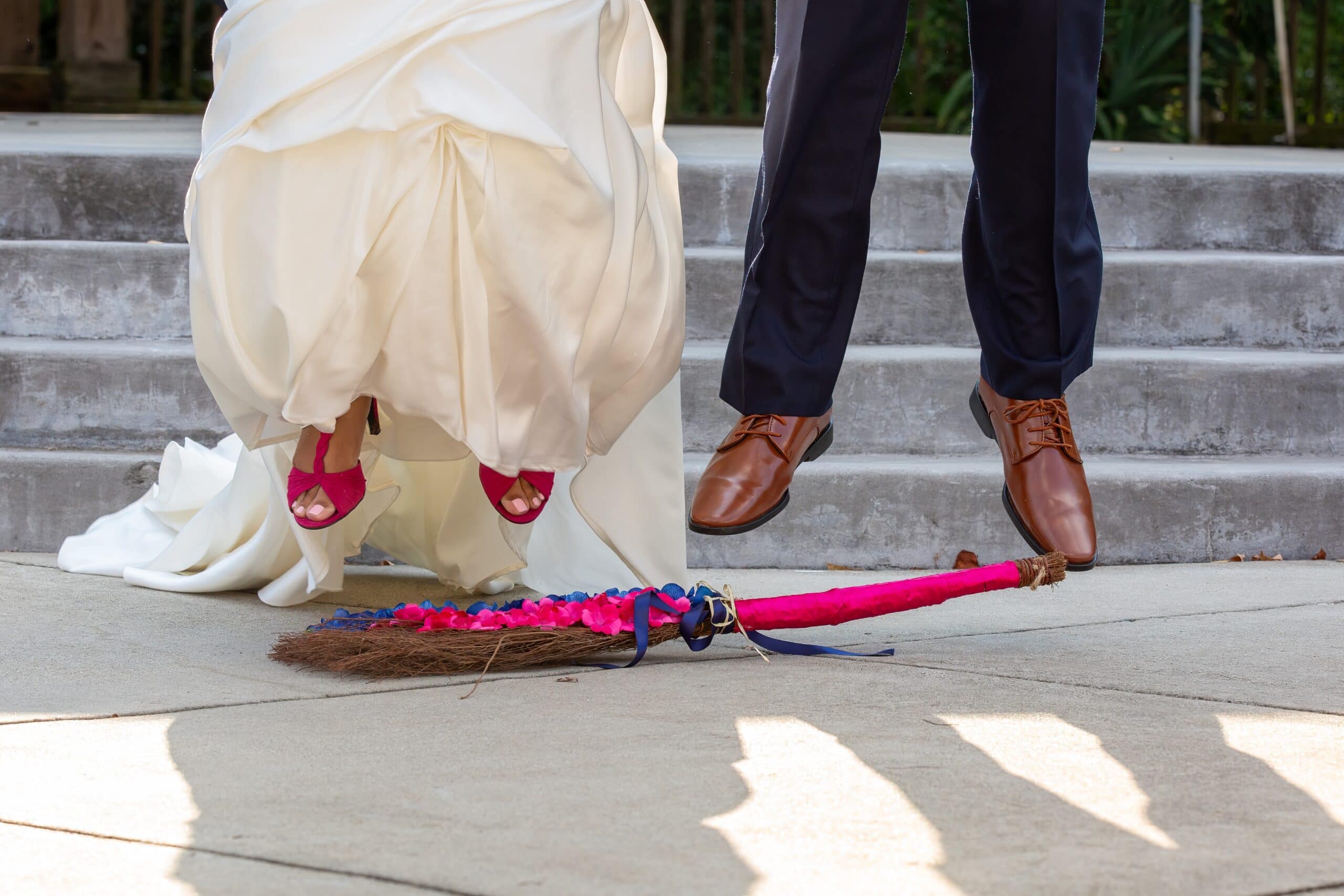
While jumping the broom originated in Africa, today it is practiced by African Americans in the U.S. and beyond. At the conclusion of the wedding ceremony, the newly married couple jumps over a broom in unison. Sort of like crossing the threshold, the act symbolizes beginning a new chapter of life and establishing a household. The tradition actually gained renewed popularity fairly recently as couples wanted a way to honor their heritage. Today, this ritual is a memorable post-ceremony activity.
8. Crying Ritual (China)

In China’s Sichuan Province, some members of the Tujia continue to practice a wedding custom called “crying marriage.” About a month before the wedding, the bride is supposed to literally cry for a set period each day. As the date grows closer, female relatives join the tearful bride, creating a sort of weeping in unison. While crying is closely connected to grief, the ritual is actually meant to express joy and gratitude for the approaching union. In this region of China, the ability to cry beautifully was seen as a sign of emotional depth.