Andrii Anna photographers / Shutterstock.com
MrT HK / BY 2.0

Capturebyrob / Shutterstock.com
drewleavy / BY-SA 2.0
Jirka Matousek / BY 2.0
Andrii Anna photographers / Shutterstock.com
pjan vandaele / BY 2.0
imagestockdesign / Shutterstock.com
Vicky Brock / BY-SA 2.0




Summer Festivals with Strange Origins
Summer festivals are colorful celebrations packed with music, food, and local traditions. What many people do not realize is that some of these lighthearted, family-friendly events began for very strange reasons. Modern festivals have been inspired by things like ancient religious rituals, food fights, and even pest control attempts. Over time, these unusual events evolved into famous annual gatherings purely for entertainment. These festivals are so popular that they attract visitors from all around the world. Here are eight summer festivals whose beginnings are much odder than their modern-day celebrations suggest.
La Tomatina (Spain)
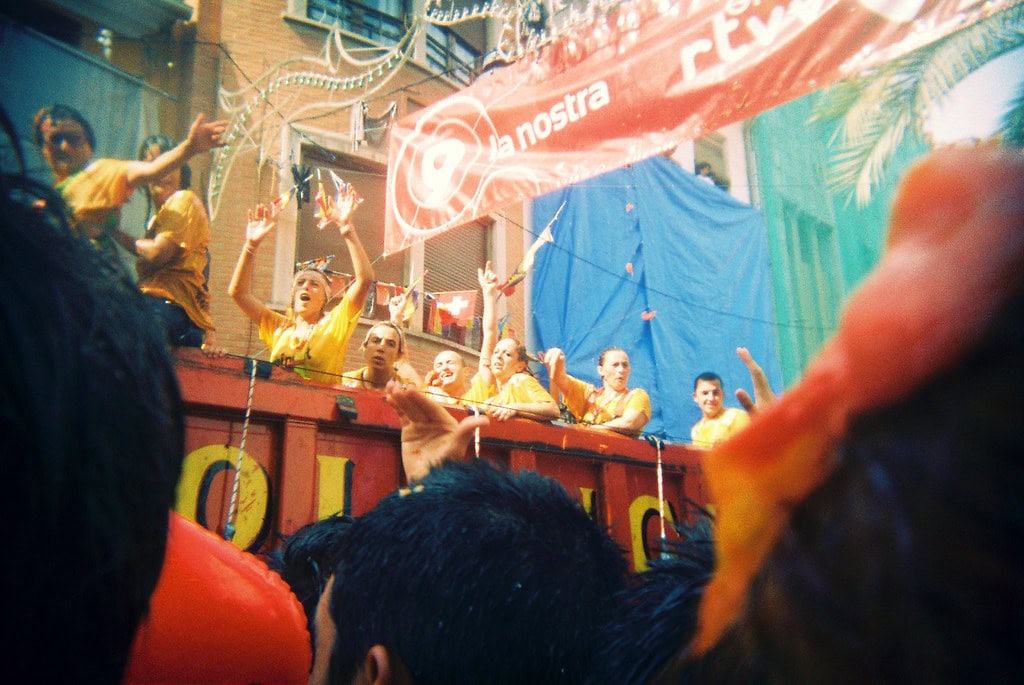
Today, La Tomatina is famous for its massive group tomato fight. The fruit throwing event takes place in the streets of Buñol, Spain. Thousands of participants toss mushy, overripe tomatoes at friends and family simply for the fun of it. First timers who assume being pummeled with produce can’t possibly be a good time are in for quite an awakening. The beloved event is full of laughs and merriment. The festival reportedly began in 1945 when a brawl broke out during a local parade. People grabbed tomatoes from a nearby market stand and began throwing them. The spontaneous scuttle turned into a food fight. It eventually became a tradition, despite several government attempts to stop it. What started as a very real conflict became one of the world's most famous (and messy) summer festivals.
Cooper's Hill Cheese-Rolling (England)
Every year, competitors chase a wheel of cheese down a hill in Gloucestershire, England. The incline is steep, so Participants tumble and crash as they race after the speedy cheese rapidly rolling down the hillside. No one is entirely certain how such a bizarre event began, but historians believe it dates back centuries and may have roots in ancient fertility rituals. Others believe it may have marked the arrival of summer. How cheese plays into those factors, no one knows. Others say it used to be burning bundles of brush they rolled down the hill, until some clever participant decided cheese would be more fun to chase. Regardless of its origin, the event remains one of the weirdest traditions in the world.
Night of the Radishes (Mexico)
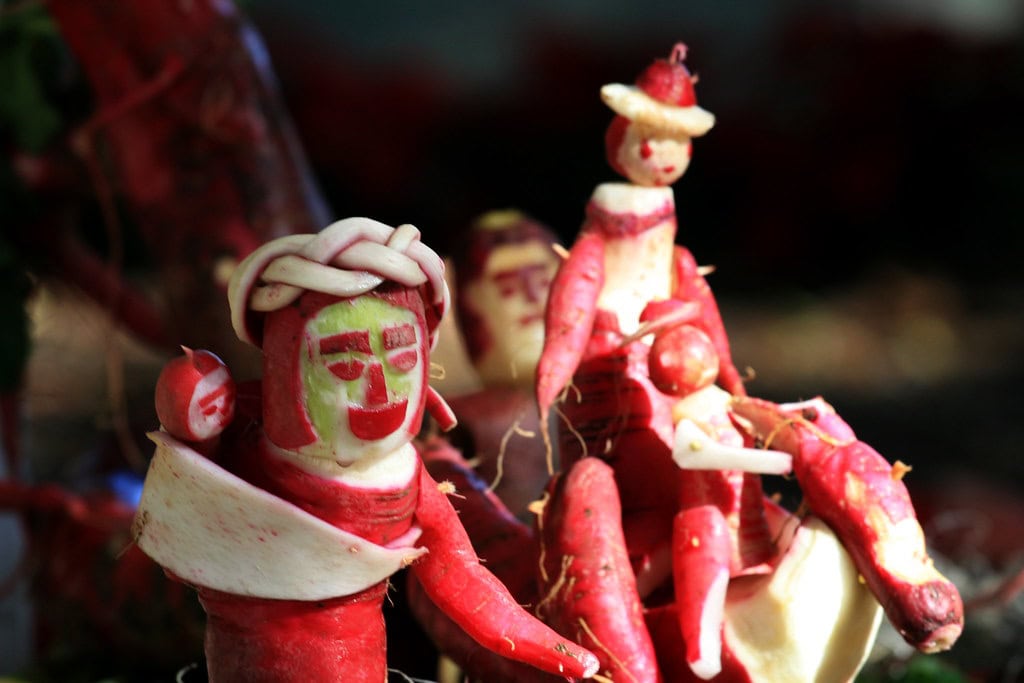
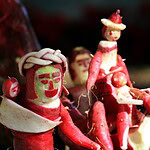
Although held in December today, this unusual festival is heavily tied to agriculture traditions and used to be celebrated during harvest time. In order to attract patrons to their market stalls, farmers in Oaxaca began carving oversized radishes into figures. Over time, the vegetable artwork became increasingly elaborate, as farmers grew more competitive with their creations. This clever but odd marketing strategy later turned into an official festival. Visitors now come to admire extremely intricate radish sculptures depicting things like detailed animals and complex scenes. The creativity is rather extraordinary!
Boryeong Mud Festival (South Korea)
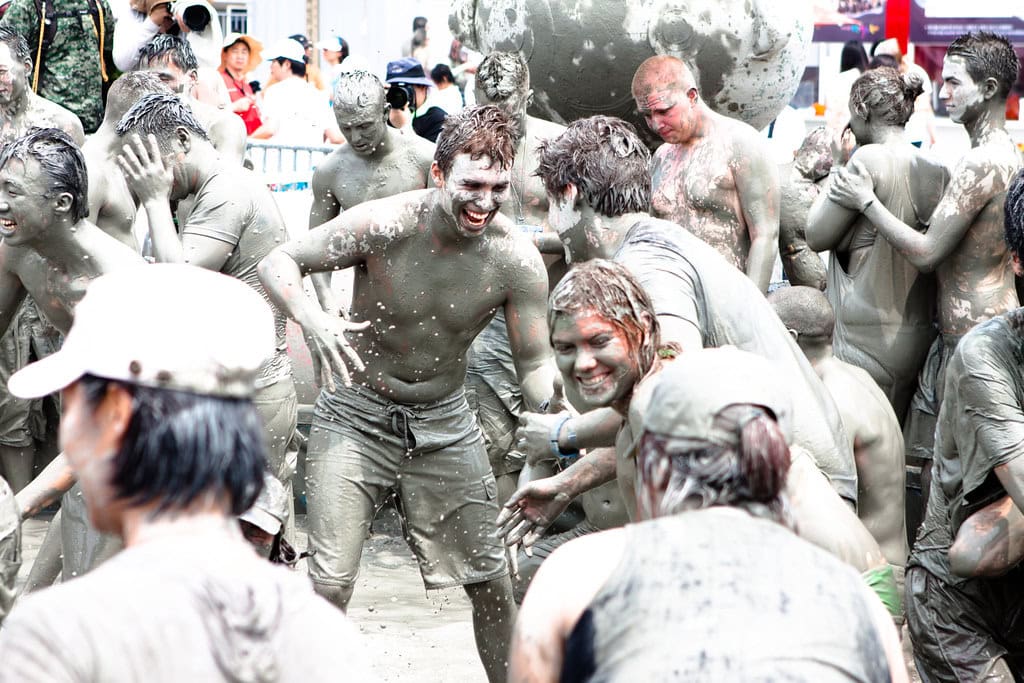
The Boryeong Mud Festival attracts those willing to completely cover themselves in mud. The celebration began as recently as the 1990s. Believe it or not, it originated as a marketing campaign for local mud-based cosmetics. The festival was meant to highlight the supposed skin benefits of the region's mud, which is rich in minerals. The once simple advertising aim became a major international event. It turns out, people really enjoy caking themselves with mud. Today, people travel from all over to engage in mud-based activities, like mud wrestling, mud slides, and mud-themed games.
Ivan Kupala Night (Eastern Europe)
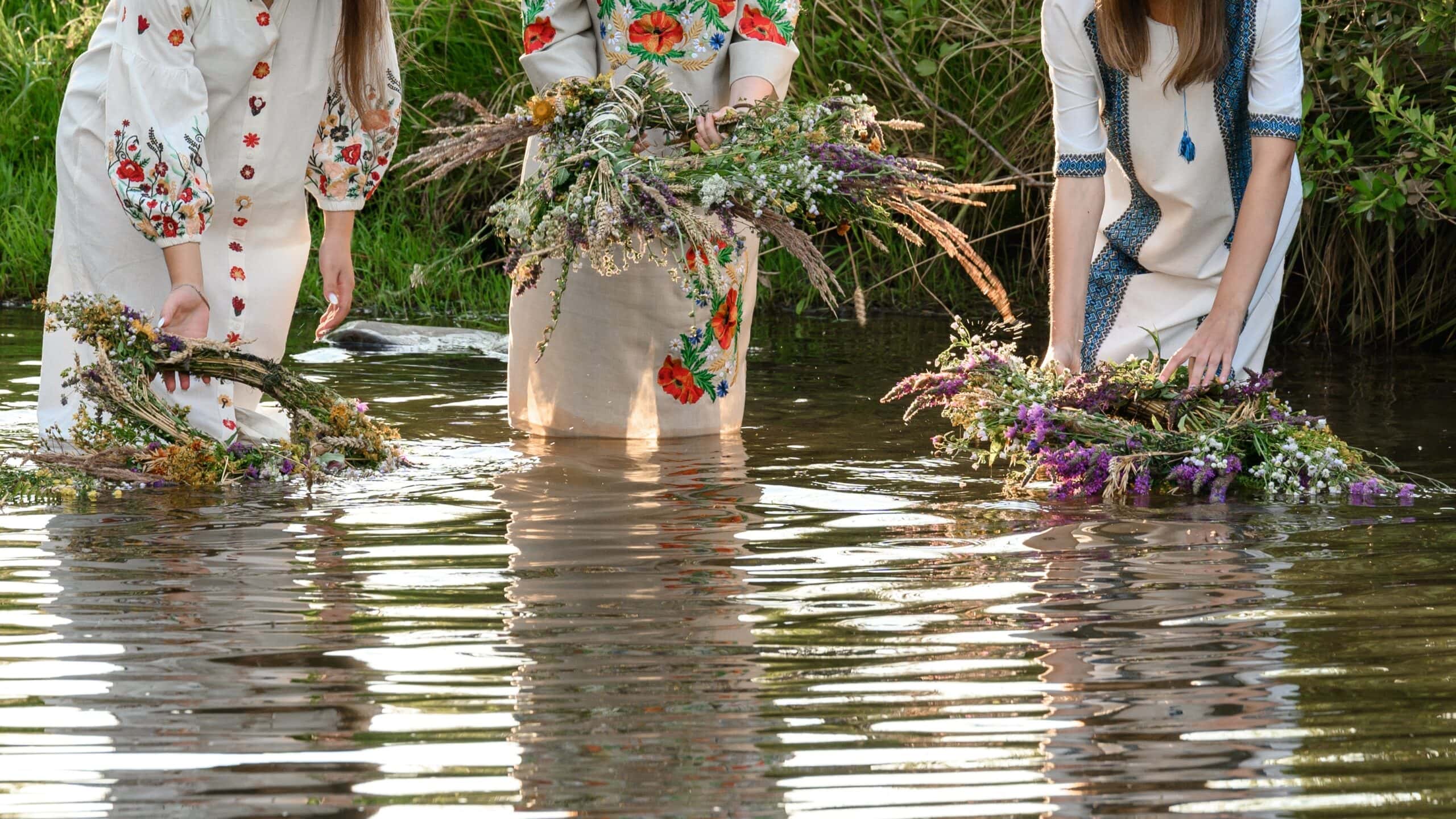
This midsummer festival isn't attached to just one location. It is celebrated in several Eastern European countries. Its origins date back to ancient pagan rituals involving aspects like fertility, fire, water, and the summer solstice. Participants traditionally engage in an assortment of seemingly random activities, including jumping over bonfires, floating flower wreaths down rivers, and searching for the mythical blooming fern flower. According to folklore, the one to find the magical blossom gains good fortune and secret knowledge. The pagan beliefs later blended with Christian influences to form one of Europe's oldest and most fascinating summer events.
Obon (Japan)
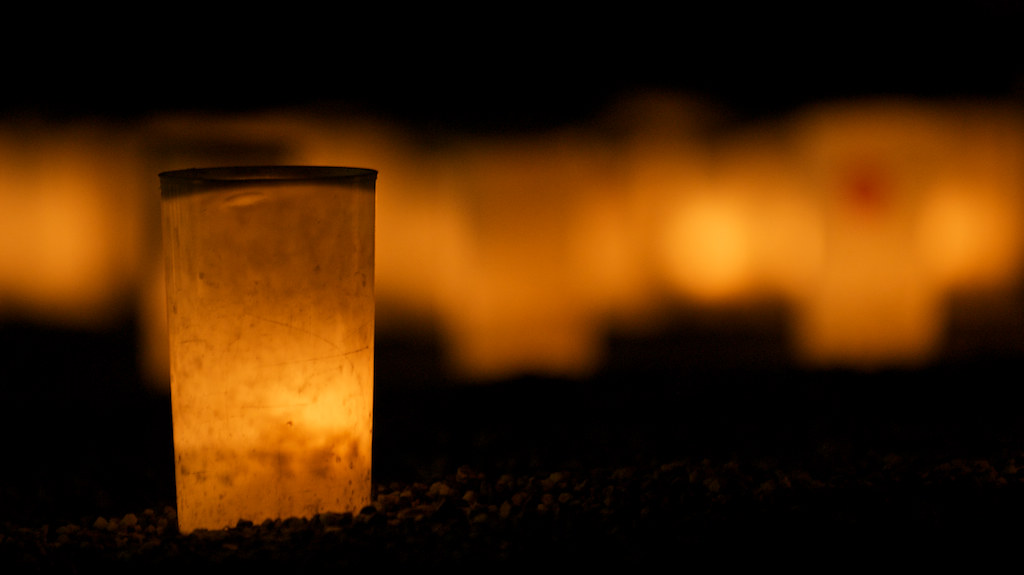
Obon is a summer festival honoring the spirits of those who have passed, primarily ancestors. According to Buddhist tradition, this magical period allows the spirits of the dead to return to Earth and visit the living. Families light beautiful lanterns meant to guide the spirits from their resting place. They also perform traditional dances called Bon Odori. The festival ultimately comes from a legend about a disciple who desired a way to ease the suffering of his deceased mother. It evolved into one of Japan's most anticipated summer celebrations.
Running of the Bulls (Spain)
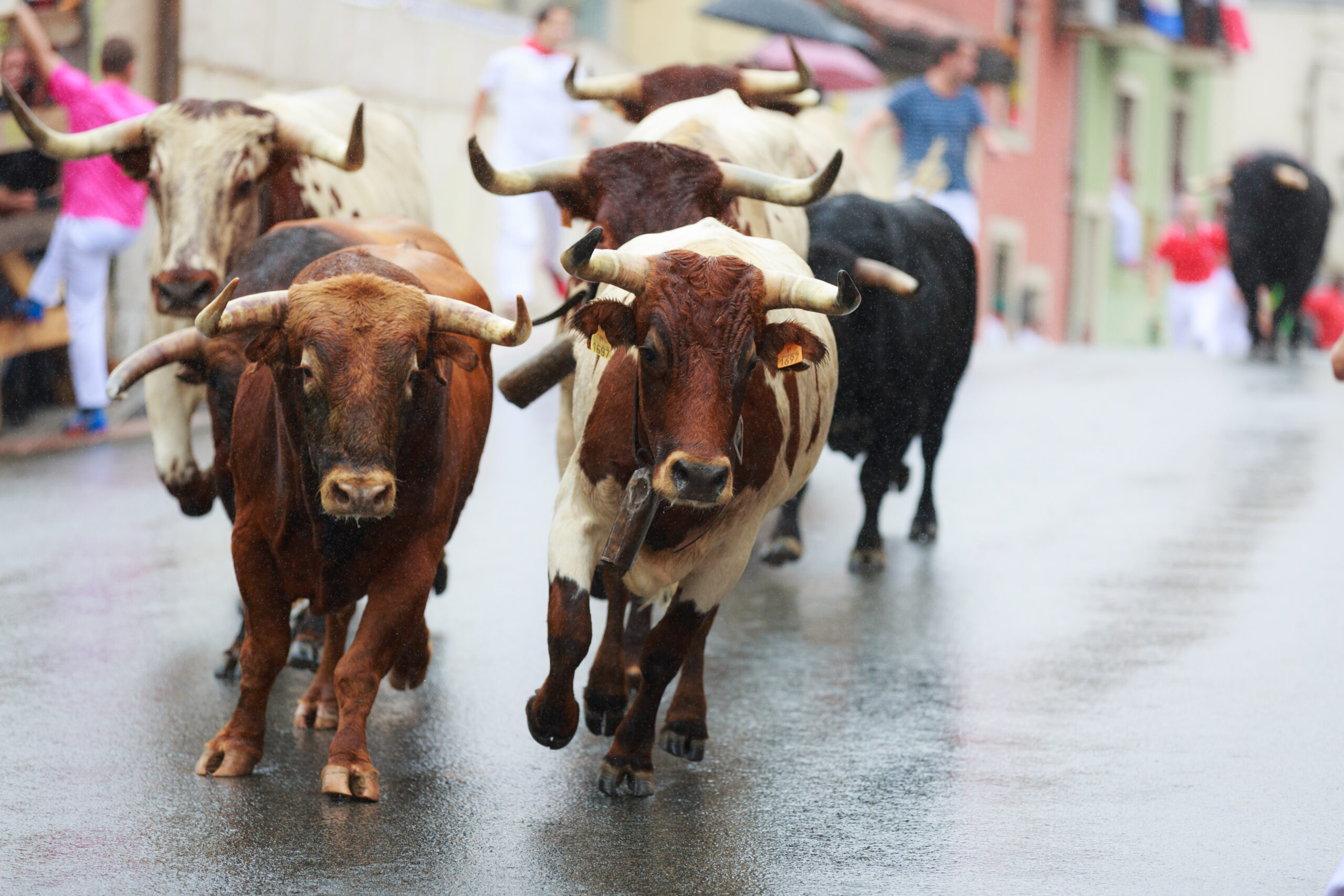
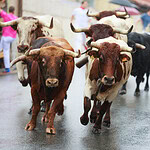
The famous bull run in Pamplona is part of a larger festival called San Fermín. The tradition originally developed out of a task that was merely practical for the people of Spain: moving bulls through city streets to the bullring. Boastful young men began running beside the powerful animals to show courage and skill. Now, the practice is a formal event that draws hordes of both spectators and participants. What started as basic livestock management eventually became an internationally known demonstration.
Up Helly Aa (Scotland)
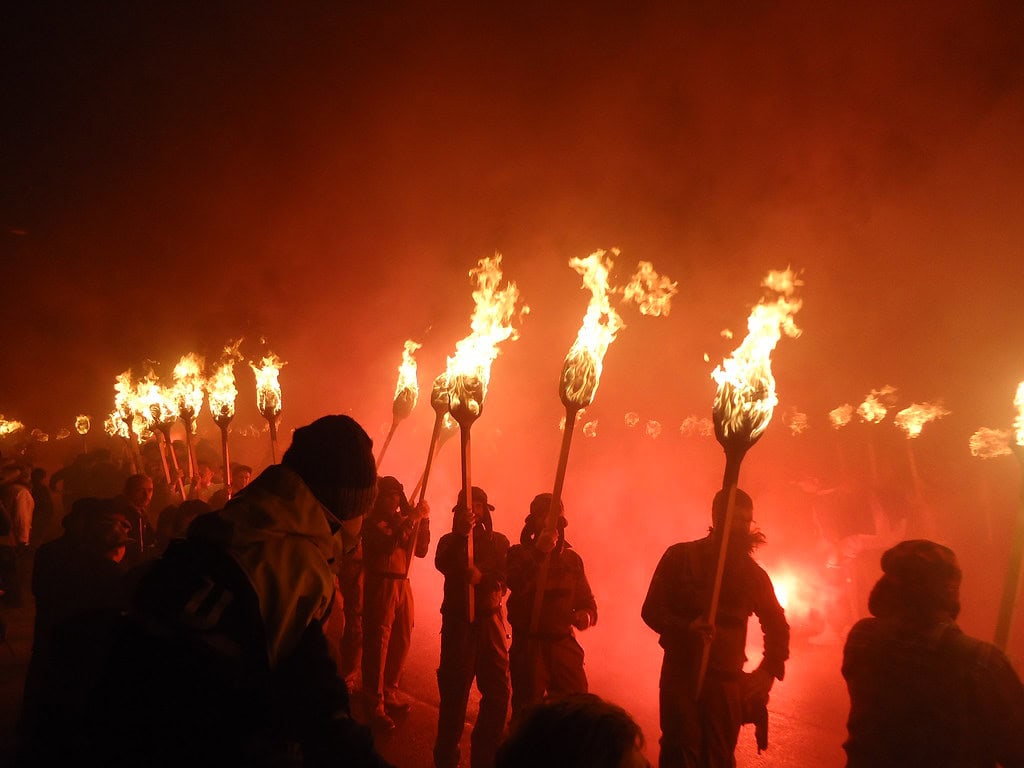
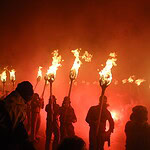
While the modern Viking fire festival of Up Helly Aa now takes place in winter, its roots can be traced back to much older Scandinavian traditions that took place in midsummer. This warm weather celebration involved bonfires and seasonal get togethers. Ancient Norse communities marked the transitions between seasons with fire ceremonies in an effort to deter pesky evil spirits. In addition to keeping evil at bay, these gatherings helped strengthen social networks and celebrate the beauty of a changing season. Today, those ancient traditions survive in the form of organized festivals like Up Helly Aa. The evolution is a reminder that many current celebrations have surprisingly old and unusual beginnings.