wrangel / iStock via Getty Images
lirtlon / iStock via Getty Images
Lester120 / iStock via Getty Images
USO / Getty Images
Cat (CC BY 2.0) by Kevin Dooley
CreativeNature_nl / iStock via Getty Images
Jess Wealleans / iStock via Getty Images

alexxx1981 / E+ via Getty Images

guenterguni / E+ via Getty Images

michelangeloop / iStock via Getty Images
tschuma417 / iStock via Getty Images
wrangel / iStock via Getty Images
Enjoylife2 / Getty Images
erniedecker / iStock via Getty Images
Fotosmurf03 / iStock via Getty Images
stanley45 / iStock via Getty Images
Francisco Martins / iStock via Getty Images
JAH / iStock via Getty Images
suefeldberg / iStock via Getty Images















Many feel that creatures, critters, wildlife, and animals as a whole, lack any cognitive abilities. Sayings like "dumb as an ox" and "pig-headed" have obvious implications but they aren't entirely accurate. Oxen and pigs are just two of the many animals with surprisingly high intellects that have been fascinating scientists for decades.
Many researchers believe that these animals with surprisingly high intellects can solve problems, recognize themselves in a mirror, and display adaptive behaviors, in addition to other fascinating tricks, and might even equal humans in brainpower. This was evidenced in a 2021 study known as the marshmallow test, where a cuttlefish passed a cognitive test designed for human children.
Several animals possess impressive forms of intelligence, from tool use to impeccable memorization skills to innate sonar abilities. Some of these smart animals are unexpected, while others, like primates and dogs, are well-known for their intelligence. (These are dog breeds known for their intelligence.)
To compile a list of animals with surprisingly high intellects, 24/7 Tempo reviewed dozens of news articles about studies in which animals were subject to tests to determine their level of intelligence. Our sources include Smithsonian Magazine, ScienceDirect, ScienceDaily, and BBC Earth.
Here are the animals with surprisingly high intellects:
African Gray Parrot
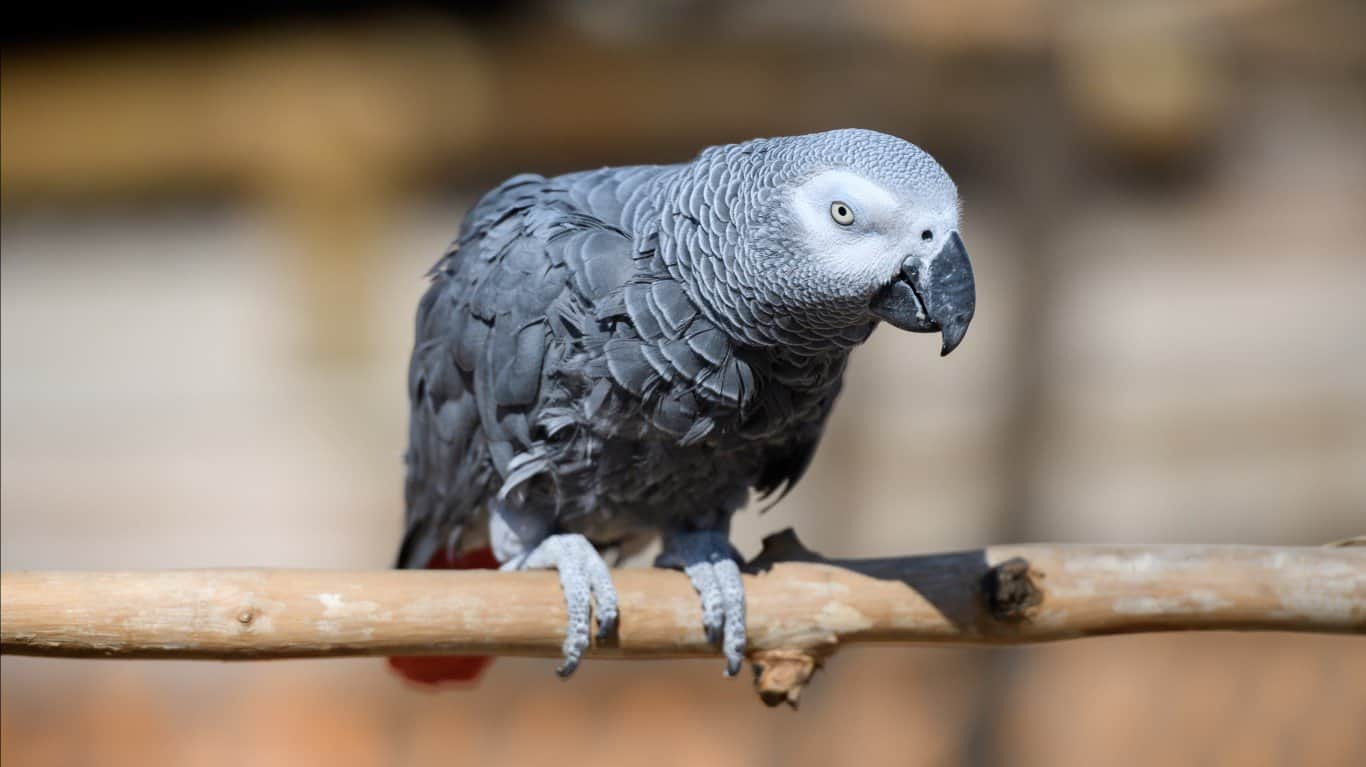
The ability to learn language is a sign of intelligence, and African gray parrots are smart enough to learn English words. One of them, Alex, trained by comparative psychologist Dr. Irene Pepperberg, had a vocabulary of over 100 words. Alex could also distinguish between shapes and colors.
Ants (when working together)
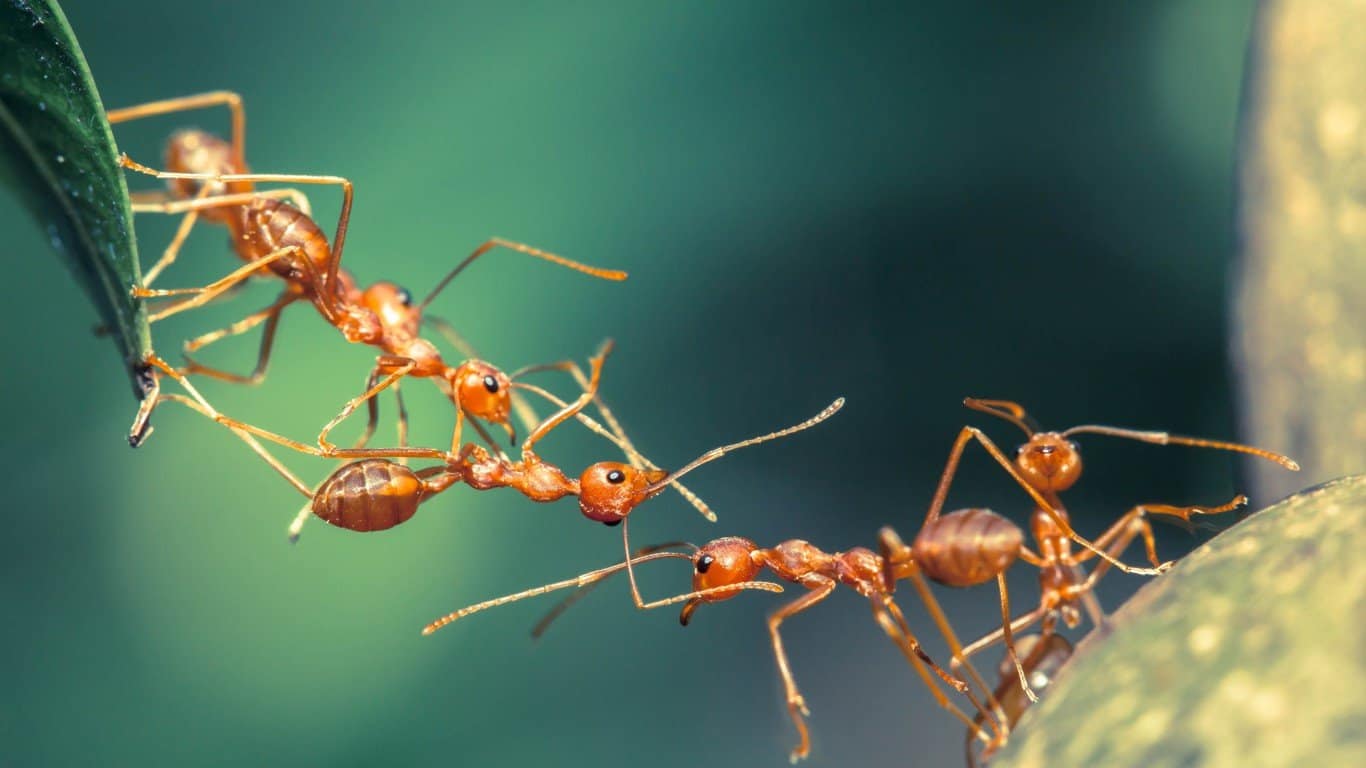
Imagine having the intelligence to design, engineer, and construct a bridge on the spot. Colonies of ants do just this, using their bodies to form living bridges. A 2015 Princeton study examined this phenomenon, finding that the collective action of the colony was so powerful that it could influence "swarm" robotics.
Bees (when working together)
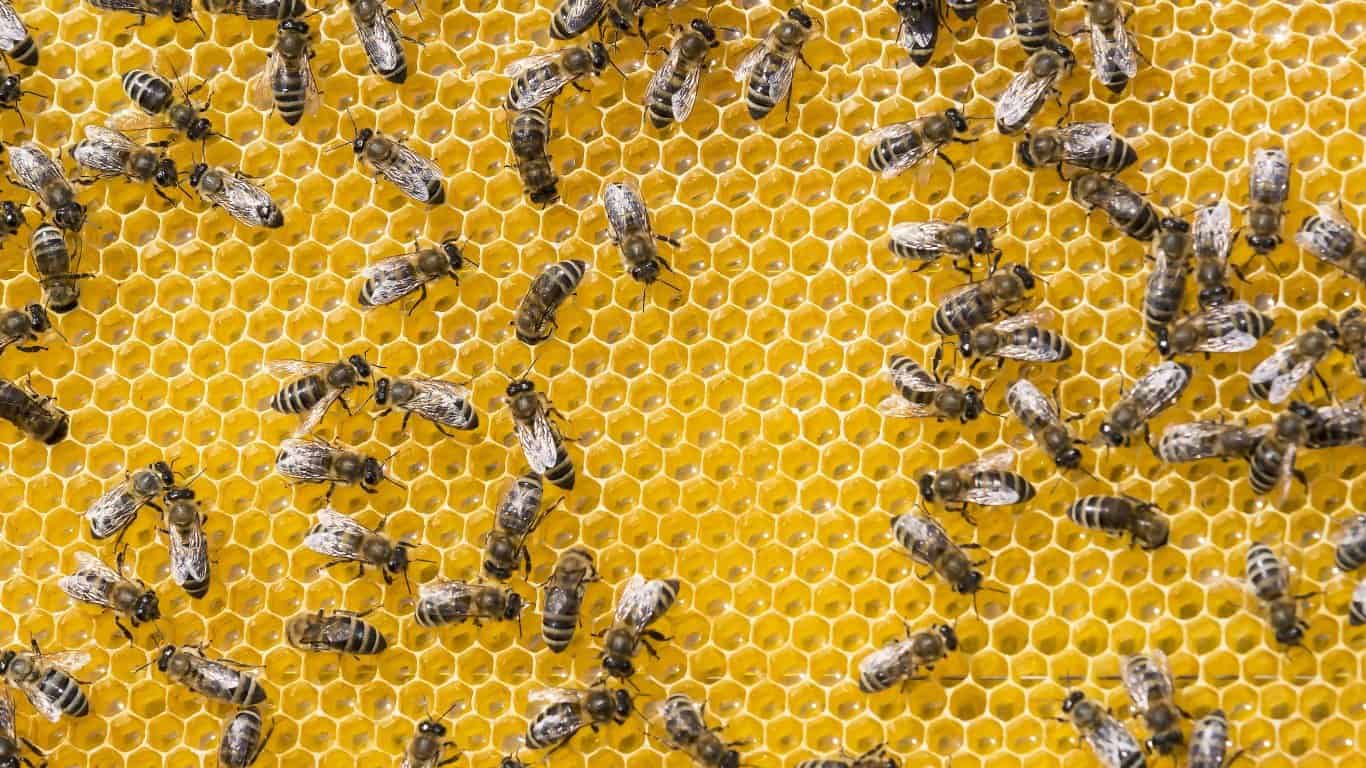
Science Fiction author James H. Schmitz first used the term "hive mind" to describe the idea of a group of individuals operating from a single intelligence, much like a hive of bees. Bees live true to this idea, working together to create their habitats, share food, and maintain safety. Their collective intelligence even helps prevent maladaptive information from spreading too far.
Bonobo
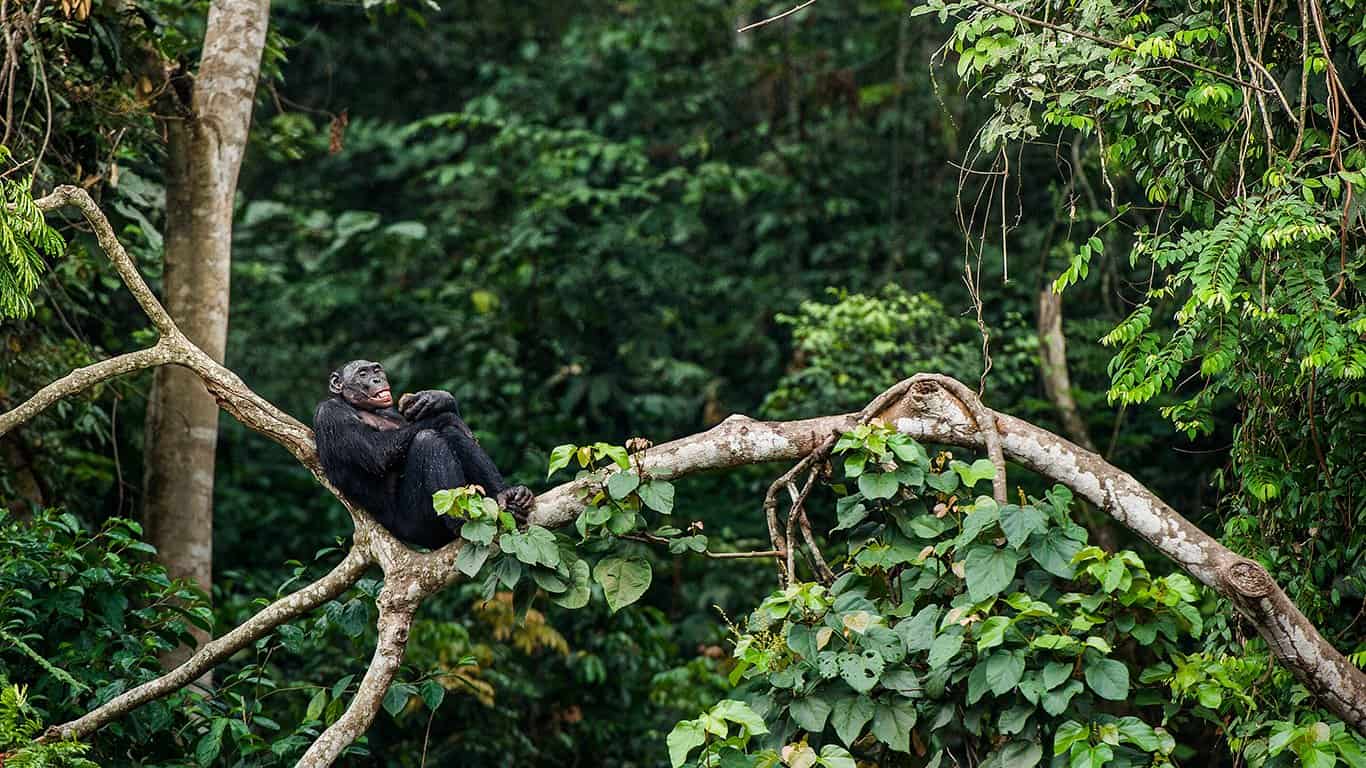
The bonobo is an incredibly intelligent great ape, native to the Democratic Republic of Congo. In bonobo societies, females are in charge, and physical aggression is less common than with chimpanzees. One study demonstrated that bonobos show empathy toward others.
Cat
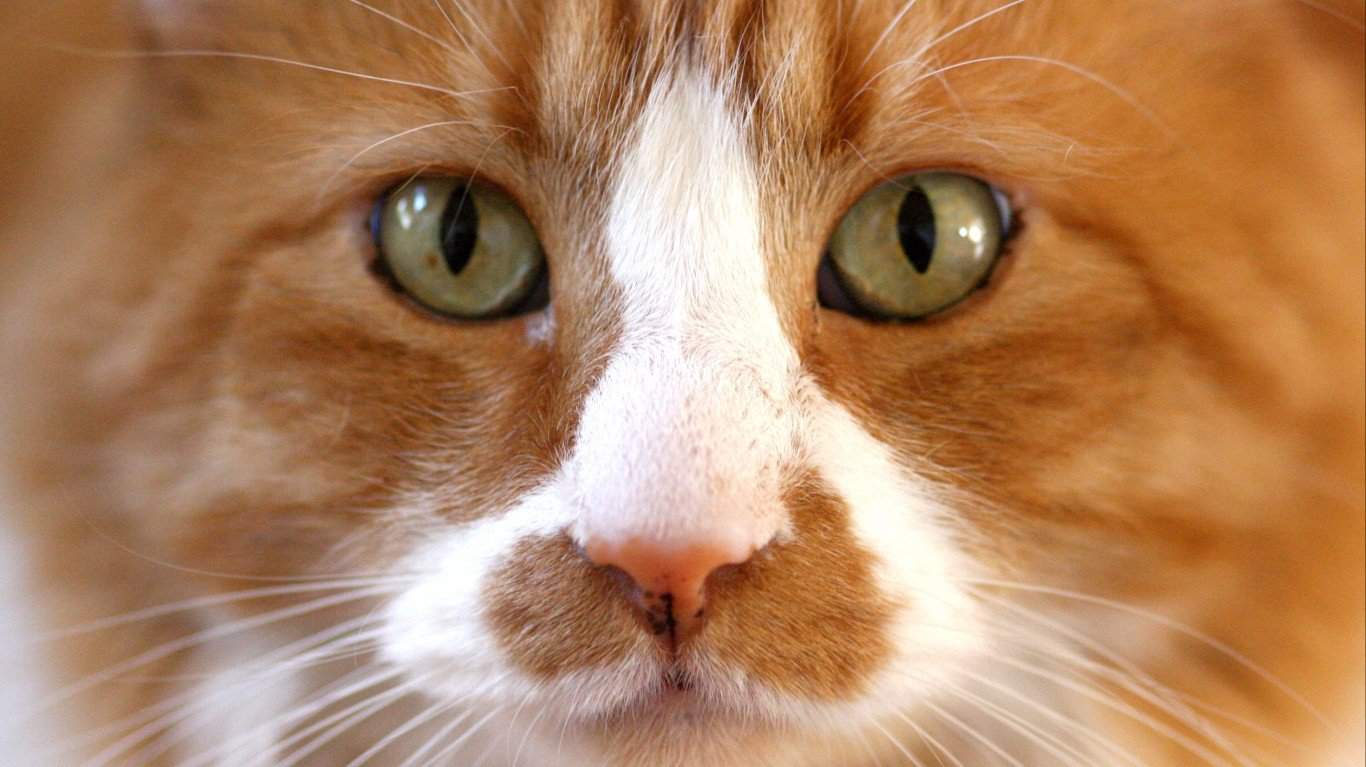
Cats have nearly double the number of brain neurons as dogs, yet dogs are better known for their intelligence. This might be because the number of canine intelligence studies far outnumber cognitive studies about cats. In fact, cats are highly intelligent, excelling at memory, object permanence, and learning new information.
Chimpanzee
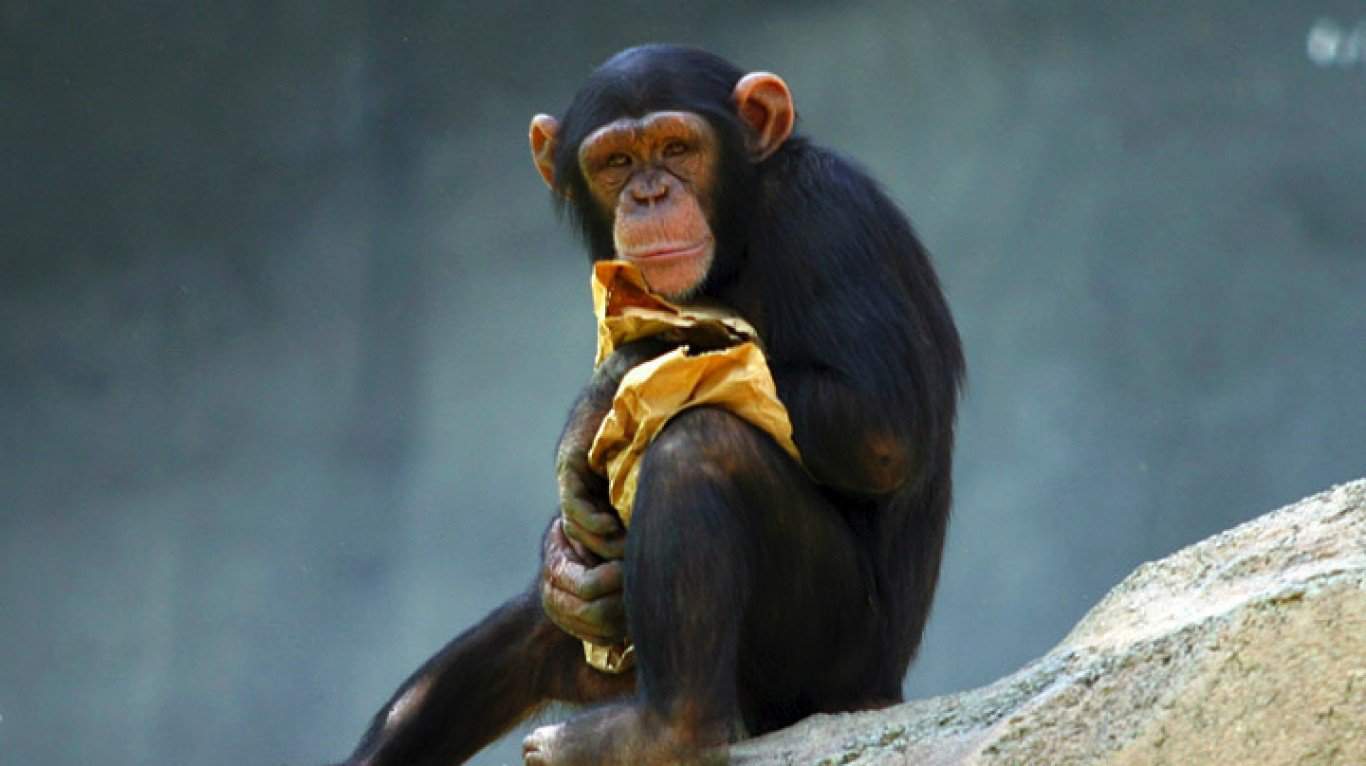
The utilization of tools is a sign of higher intelligence. Of all non-human animals, chimpanzees are the most skilled at tool use. Researchers note that Savanna chimpanzees use at least 26 tools while hunting, with some tools involving five steps of preparation. Chimpanzees also demonstrate intelligence through communication, empathy, compassion, and even respect for elders.
Crow
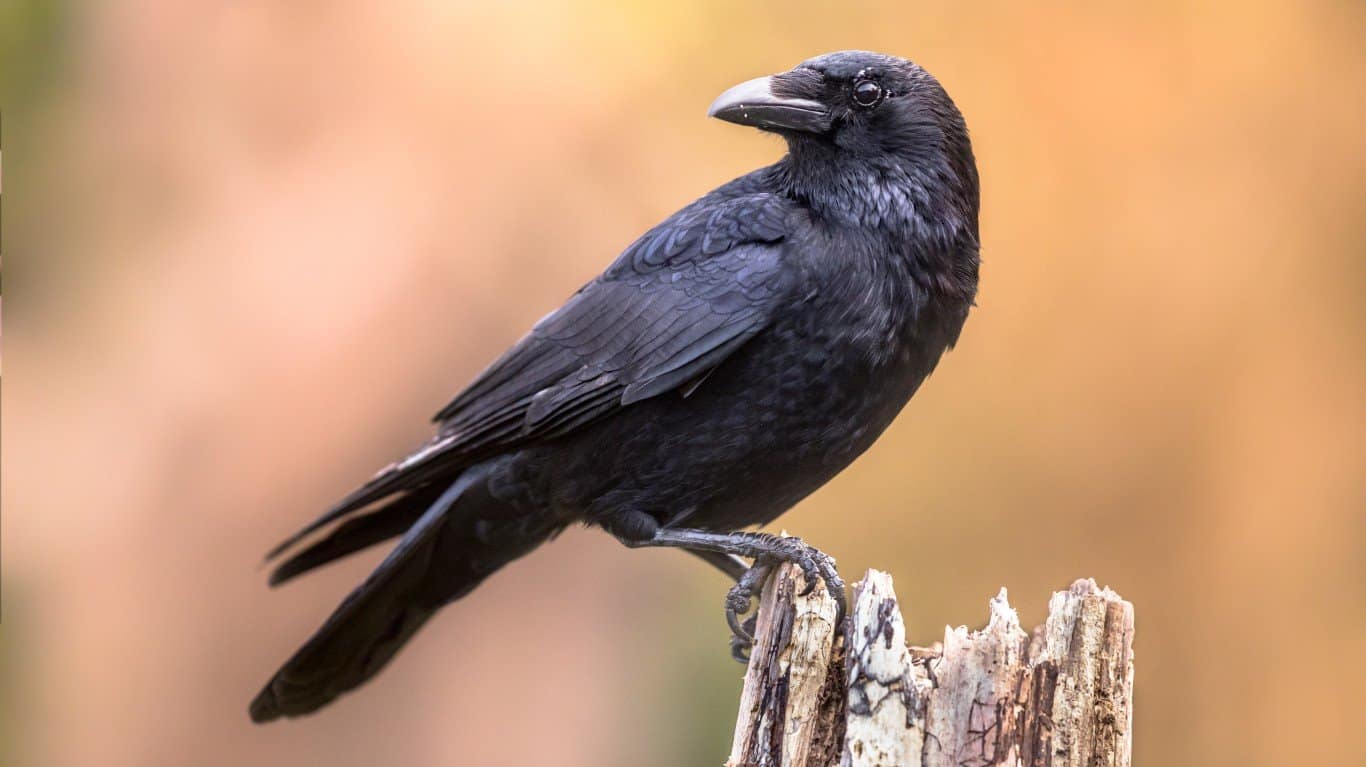
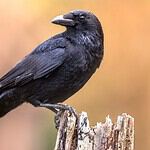
Another tool-master, the crow is a highly intelligent bird. Crows can recognize human faces and solve complex problems and puzzles using tools. One study found that crows are about as smart as a seven-year-old human.
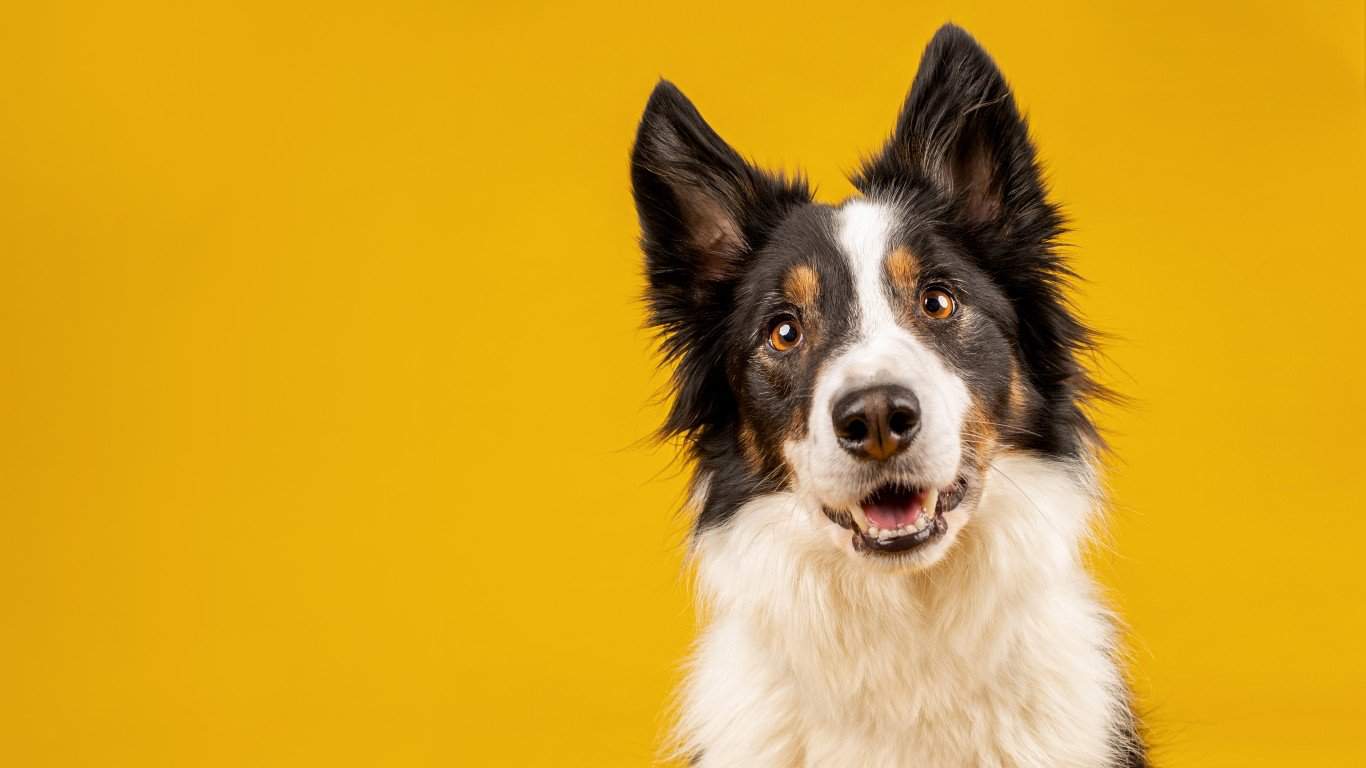
Dog
Few non-human species have been the subject of as many cognitive studies as man's best friend. Examples of canine intelligence span the ability to perform tricks, learn English grammar, and remember the names of over 1,000 toys. Some research suggests that dogs are more like humans than non-human primates.
Dolphin
"The Simpsons" once aired an episode in which dolphins took over the world, highlighting the sea mammal's notable intelligence. Dolphins can remember faces for at least 20 years. They communicate through echolocation, a form of sonar that can detect characteristics of objects hundreds of yards in the distance. The U.S. Navy has employed the help of dolphins in seeking out undersea mines.
Elephant
Elephants possess remarkable intelligence expressed through empathy, memory, and even grief. Elephants can remember those who have caused them harm and can distinguish between different human languages and genders, and they mourn their dead.
Goat
Goats may not come to mind as highly intelligent animals, but a 2016 study found that they're quite smart. In the study, goats employed complex communication skills by intensely staring at a human to ask for help retrieving a treat. Another study demonstrated that goats can solve puzzles.
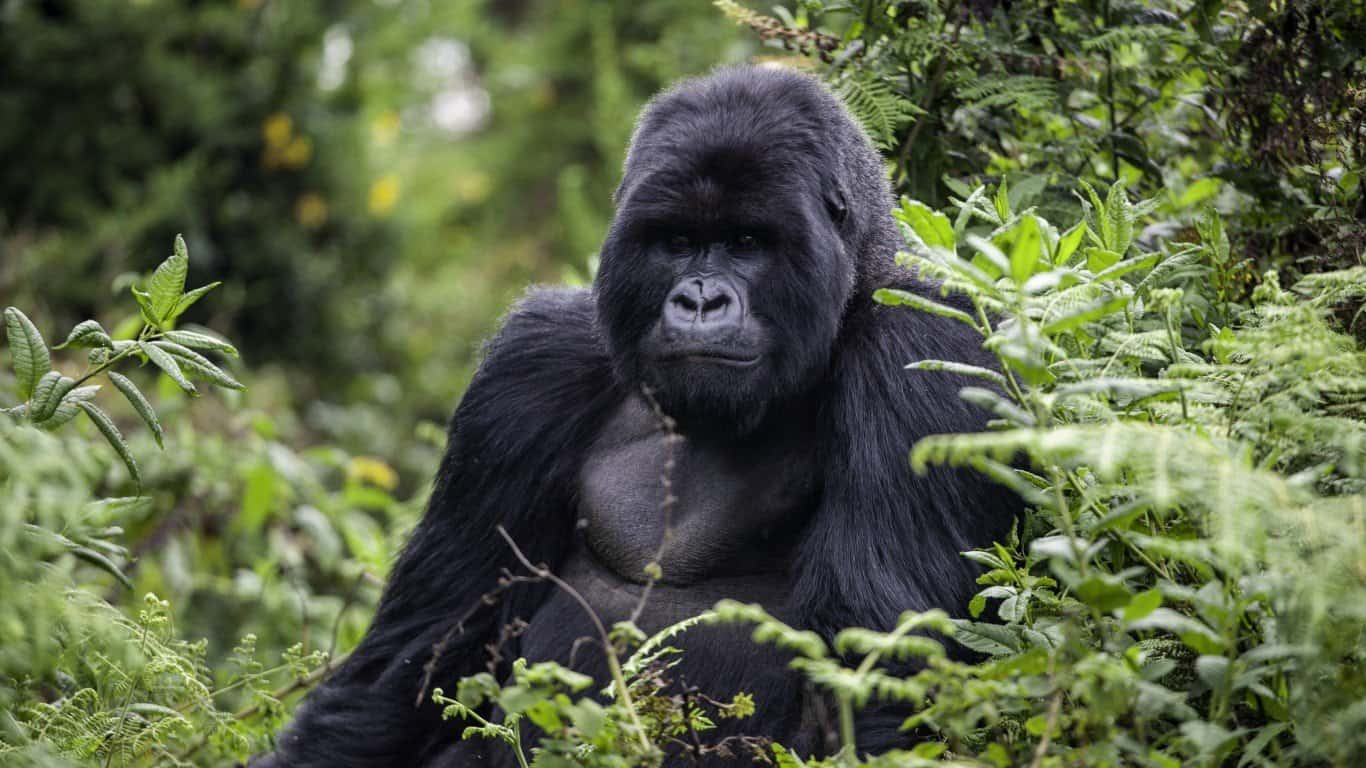
Gorilla
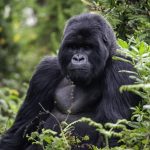
Koko the Gorilla famously learned to communicate with humans using sign language. Gorillas demonstrate their intelligence through their language skills and object use. Some gorillas use a stick to eat ants to avoid being stung, and others have made ladder-like structures to help their young reach high places.
Octopus
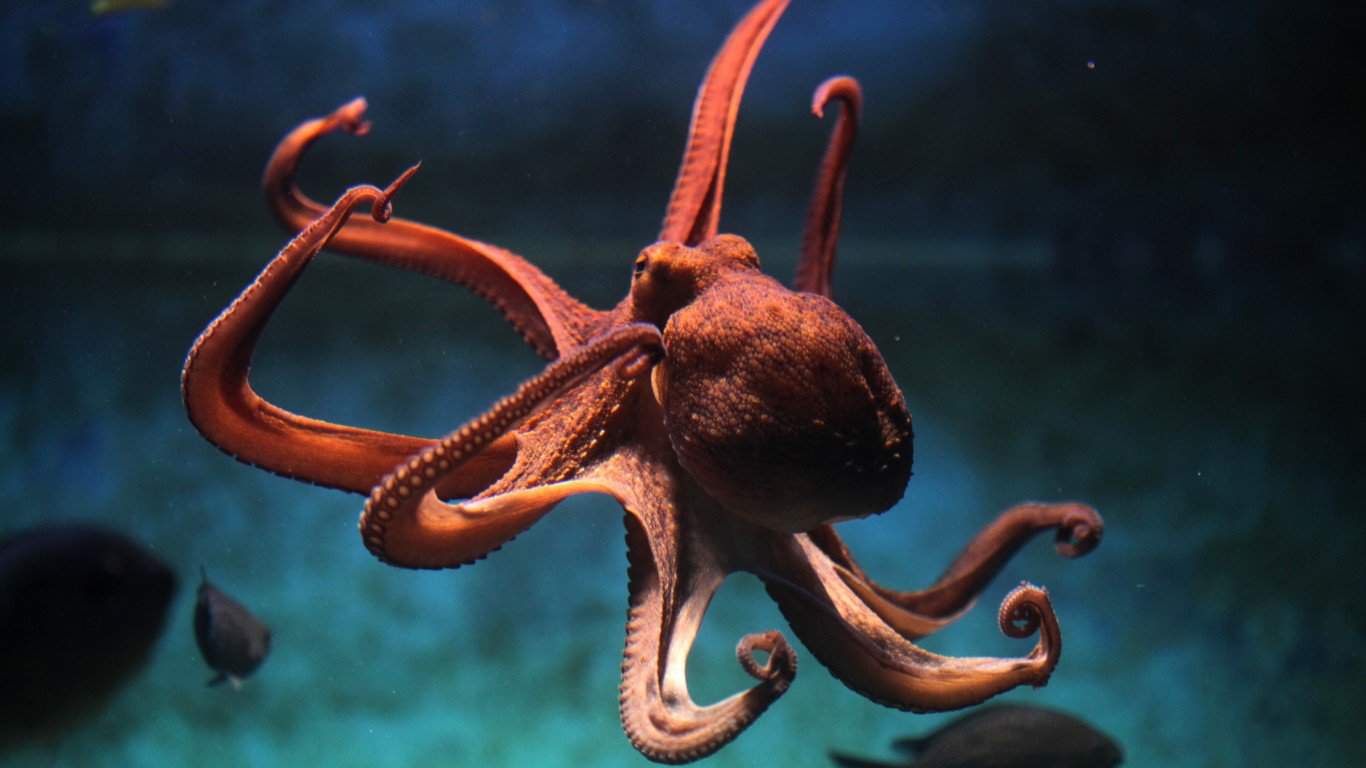
Octopuses, part of the cephalopod class, have a brain with nerves that extend to each of their eight arms. Research has shown that while an octopus's brain may give a centralized order, each arm has enough brain power to decide how to execute it. Octopuses are able to solve puzzles, use tools, and even recognize human faces.
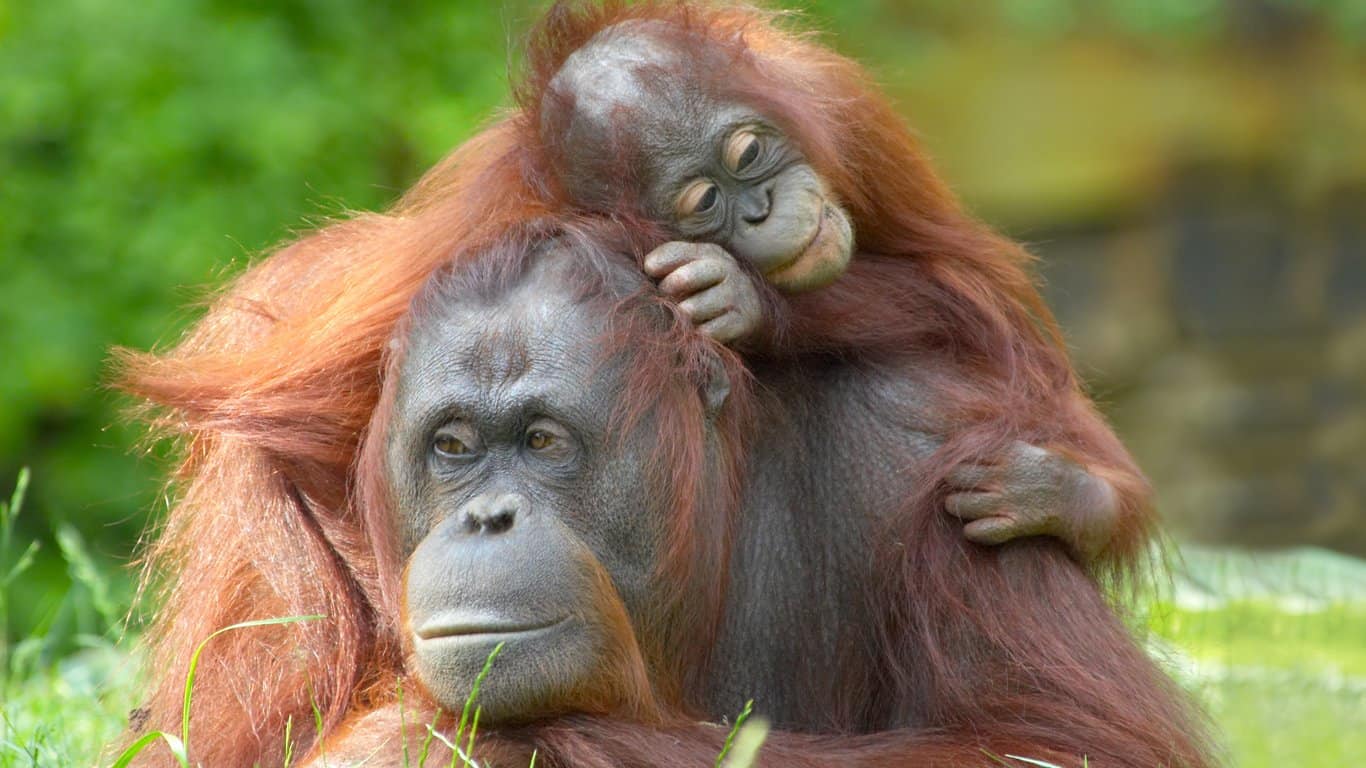
Orangutan
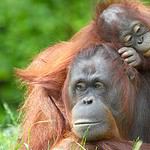
Humans share 97% of their genome with orangutans, a type of primate predominantly found in Southeast Asia. Orangutans are socially intelligent, and a 2009 study observed two orangutans exchanging tokens to obtain something they wanted, much like a bartering system.
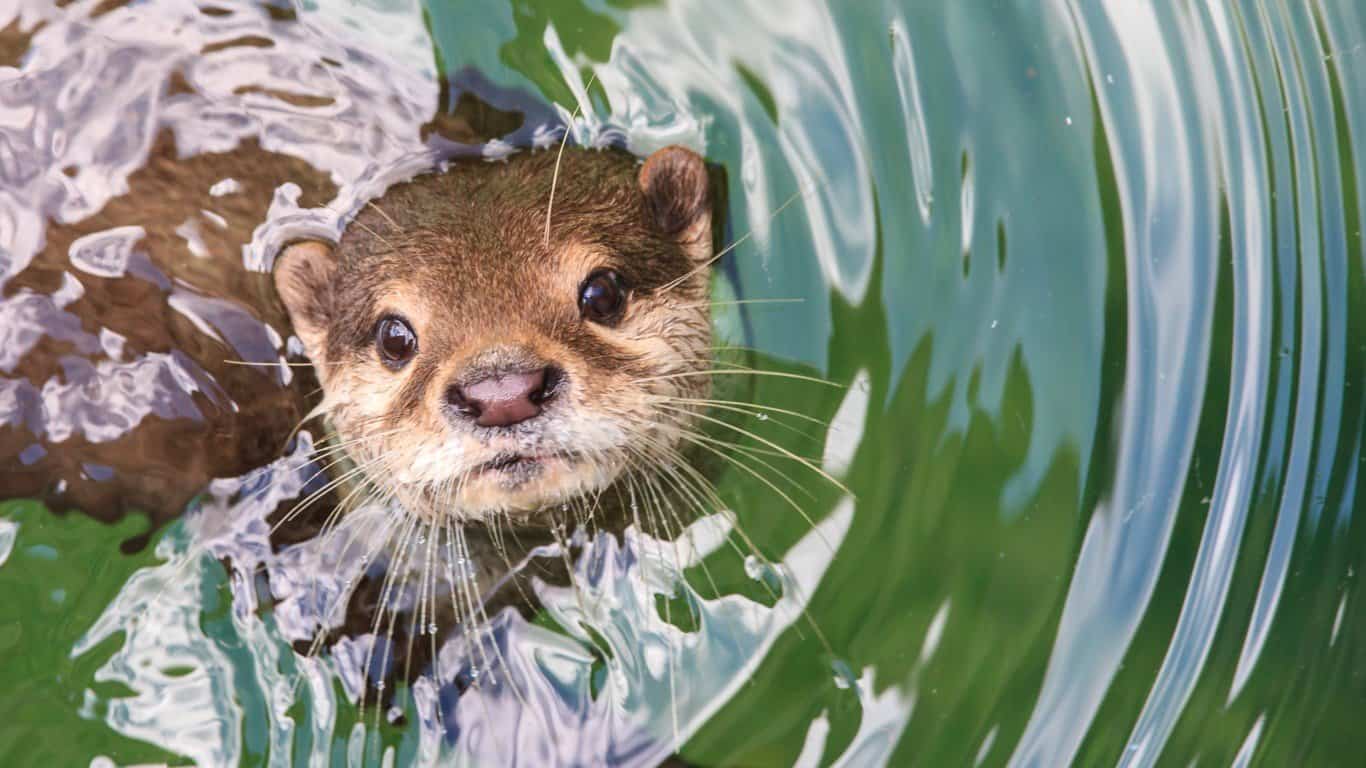
Otter
Otters are no strangers to using tools. They use rocks to break open shells while feeding and can stack cups and even play basketball. Some scientists suspect otters might be smarter than dolphins.
Pig
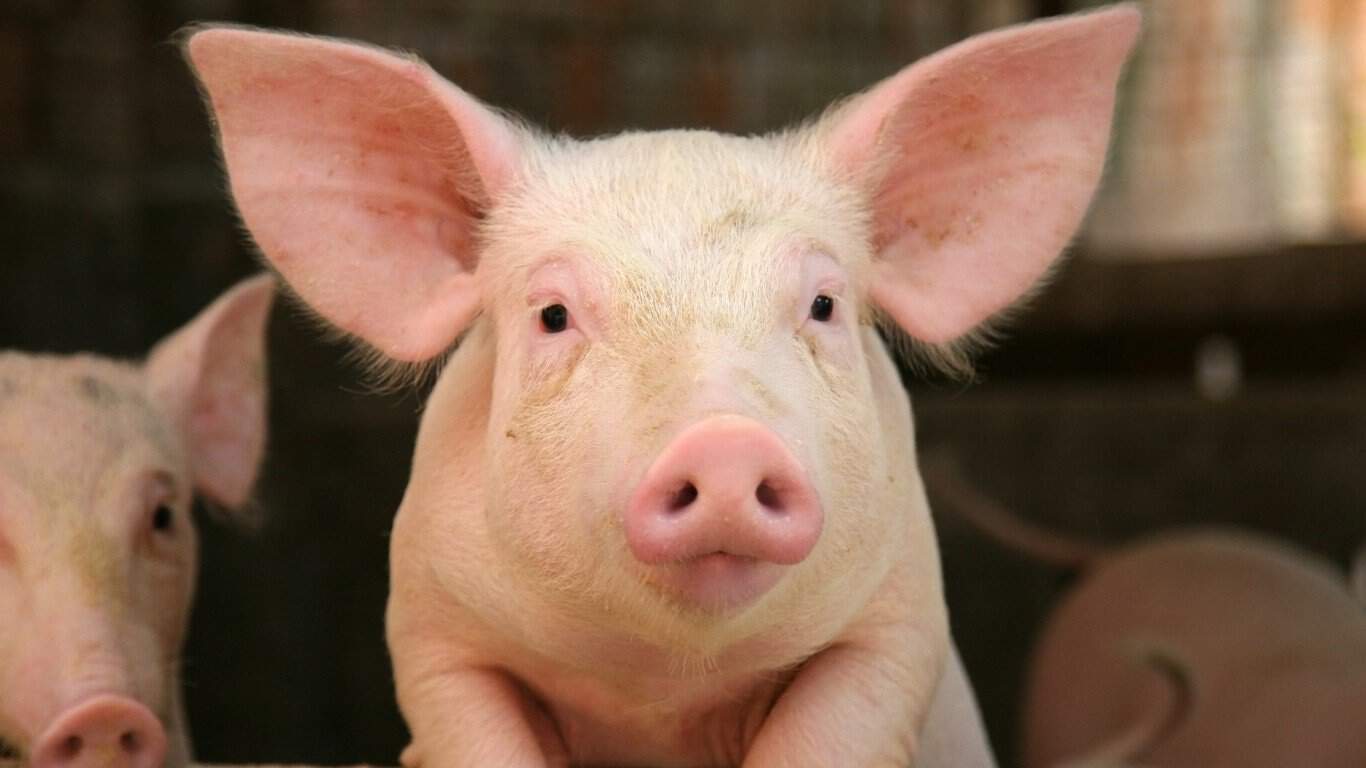
Pigs can't fly, but they can play video games. Researcher Stanley Curtis created a short video game for pigs to play in hopes that this skill might lead to a pig-friendly form of communication. In another study, piglets were smart enough to locate food using a mirror image reflection, a concept that even young human children struggle with.
Pigeon
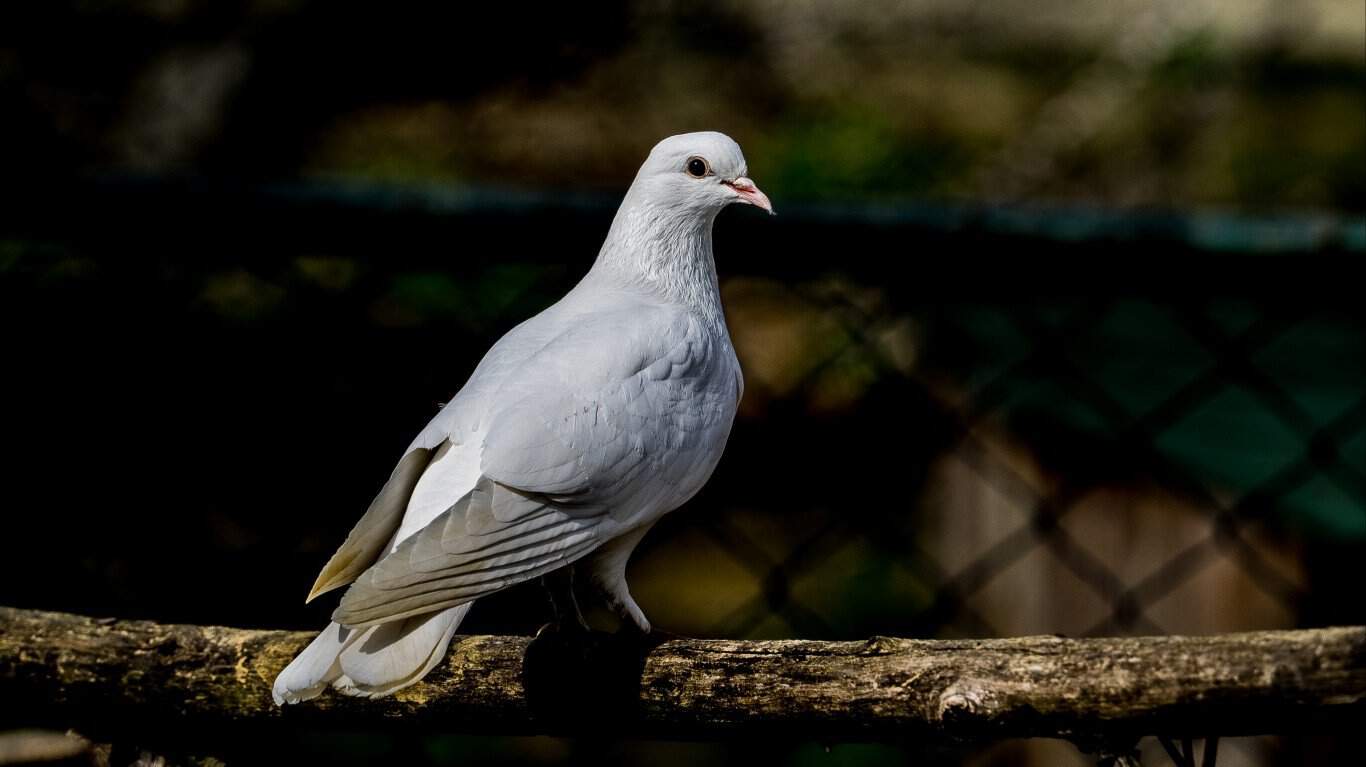
Urbanites may think of pigeons as a nuisance, but pigeons are one of the most intelligent birds. One study found that pigeons are better at recognizing themselves than a three-year-old human child is. Another study demonstrated pigeons' ability to differentiate between Monet's and Picasso's paintings. During World War II, carrier pigeons were trained to transport messages across long distances.
Racoon
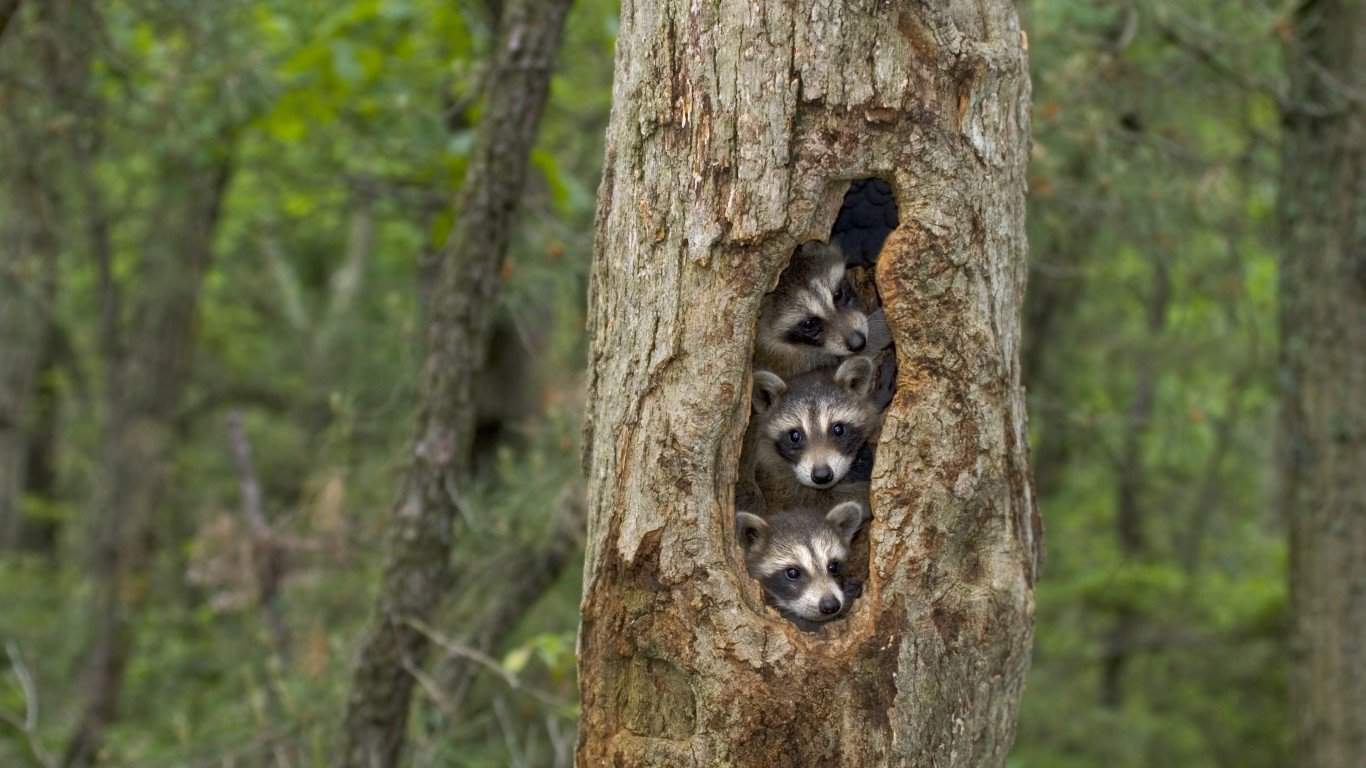
Any family with raccoon garbage bandits knows the problem-solving expertise of a raccoon. Raccoon brains have a surprisingly high number of neurons, on par with those of a dog. Some studies rank raccoon intelligence higher than a dog's.
Rat
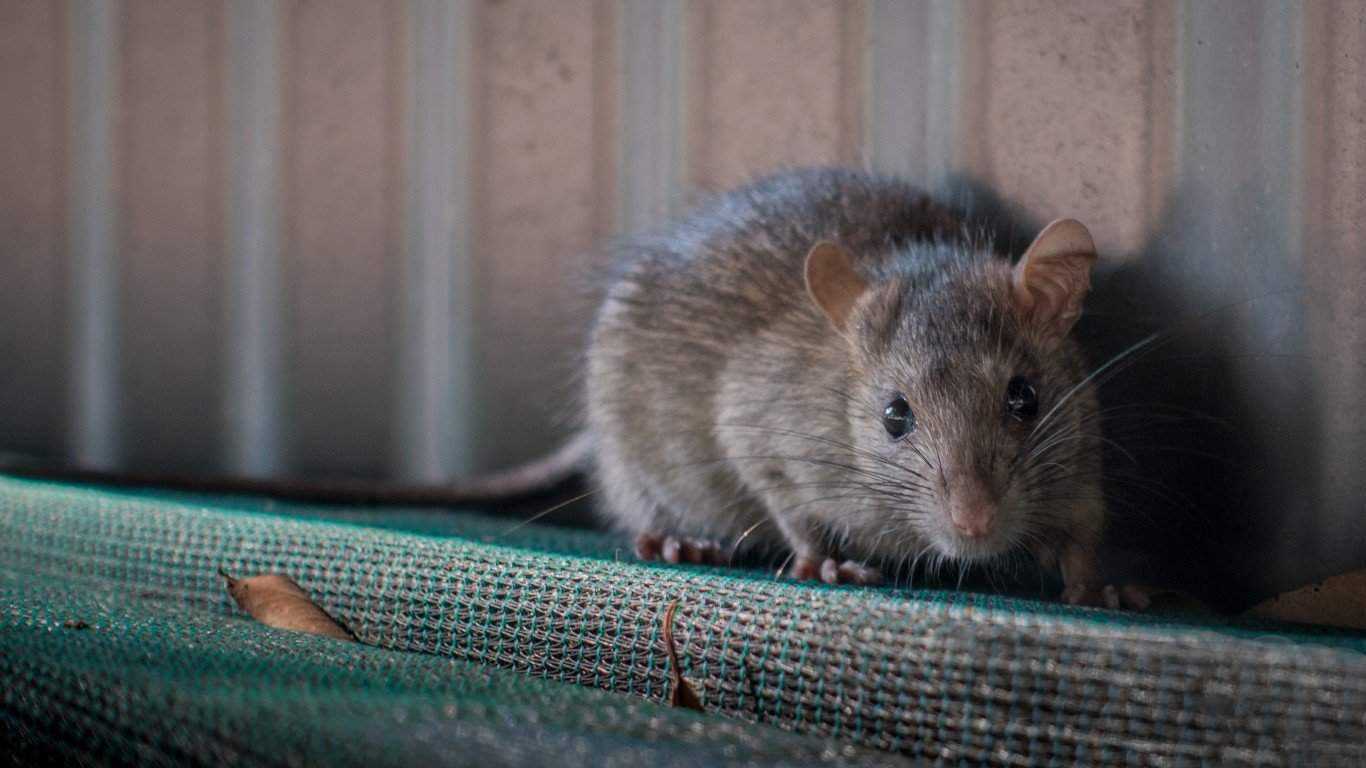
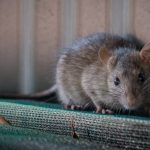
Rats are terrifying to some, but outside of sewers and subways, they are incredibly smart and empathetic animals. Rat studies have shown displays of metacognition, the ability to have awareness about one's own thoughts, and the ability to make decisions based on that self-knowledge. Rats can also be trained, will socialize with one another, and will attempt to avoid hurting other rats.
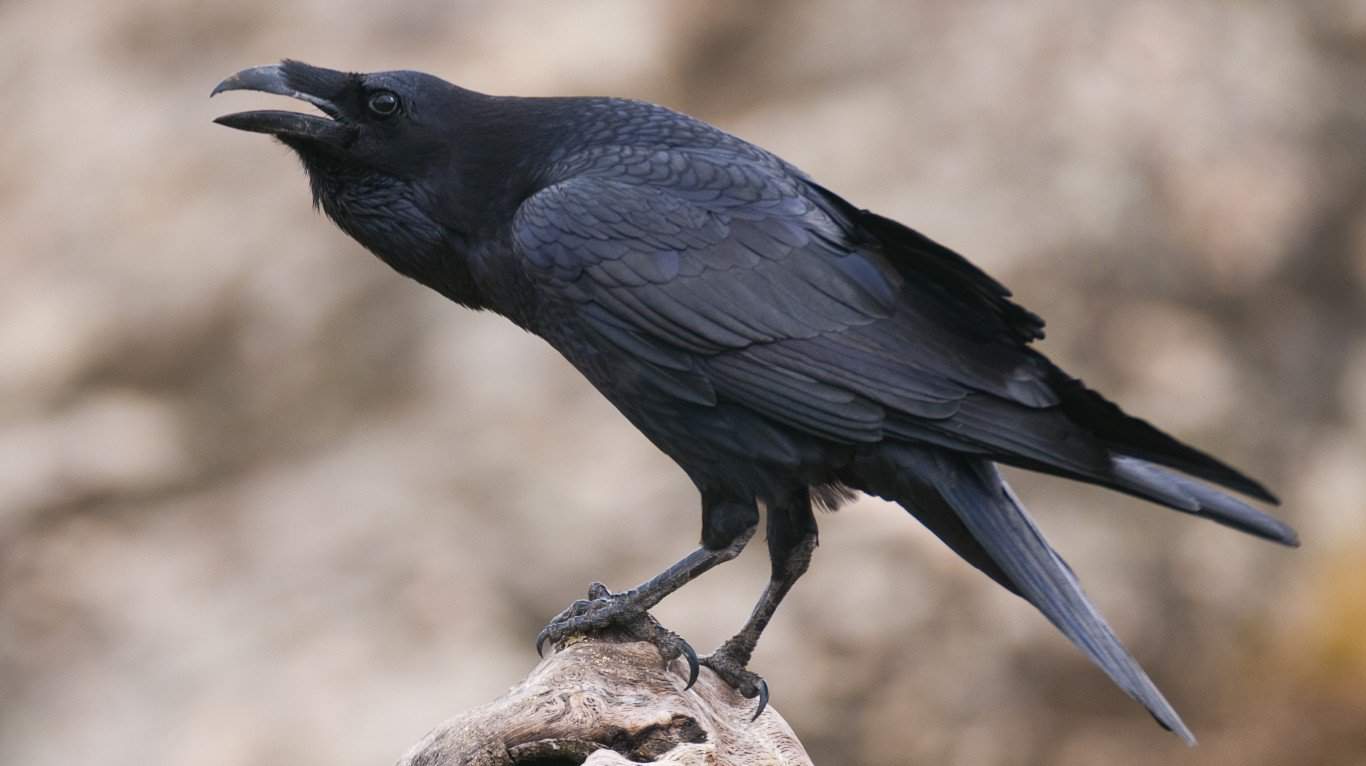
Raven
Much like crows, ravens are one of the smartest birds in the animal kingdom. A 2020 study found that by the age of four months, they have cognitive abilities on par with those of the great apes. Ravens can use tools, solve complex problems, have sharp memories, and plan for the future.
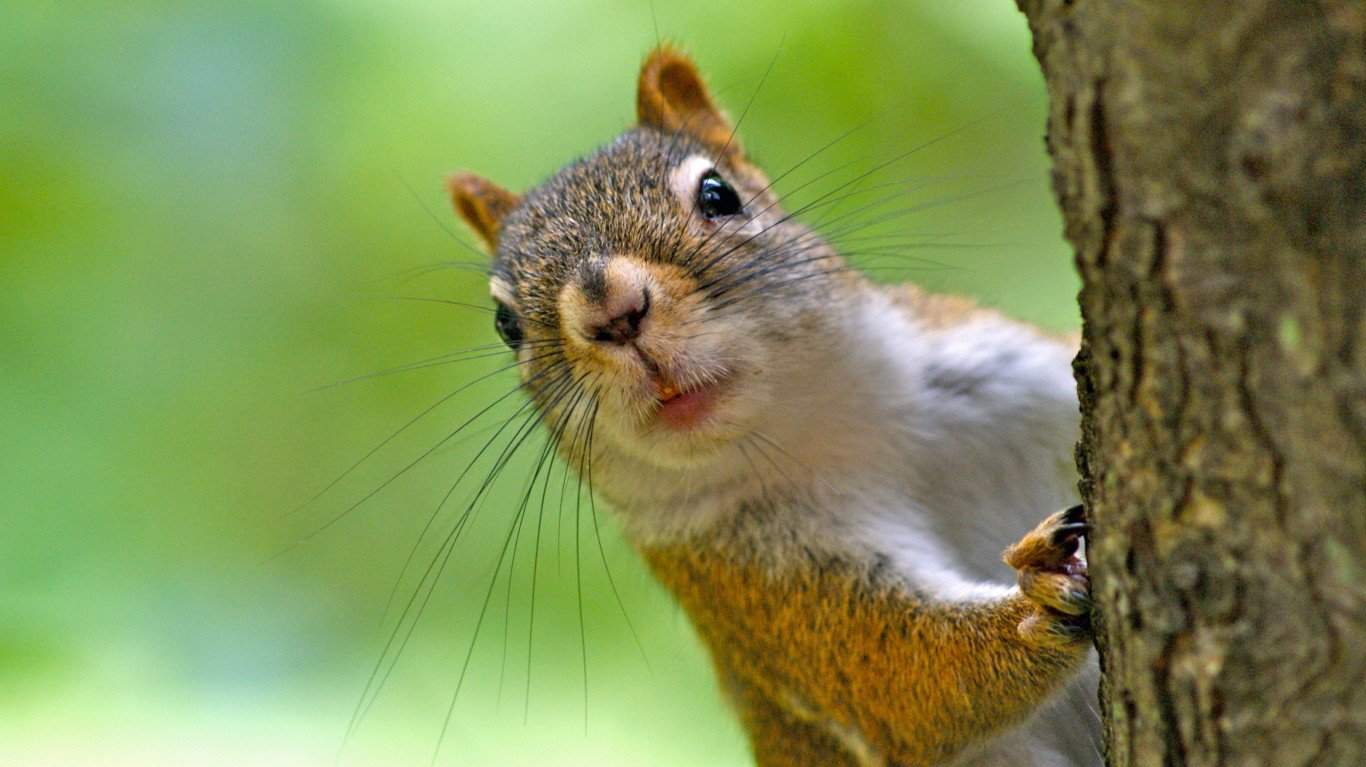
Squirrel
Homeowners may find hundreds of holes across their lawns as winter approaches, some stuffed with acorns, and some empty. Squirrels are to blame. This witty, deceptive caching is where squirrels fake-hide nuts to prevent other animals from stealing their winter food stash. Squirrels also use their intelligence to organize food in specific ways, and have even used rattlesnake scent to ward off predators.