StormChaser Inc

Cammie Czuchnicki / Shutterstock.com

Stephen Lovekin / Getty Images Entertainment via Getty Images

Public Domain / Wikimedia Commons
Courtesy of Discovery Channel
Warren Faidley / The Image Bank via Getty Images
Jonathan Saruk / 2011 The Weather Channel / Getty Images News via Getty Images
Capturing Adventure / Shutterstock.com

niratsn2510 / Shutterstock.com

Courtesy of Discovery Channel


9 Storm Chasers Who Changed How We See Severe Weather
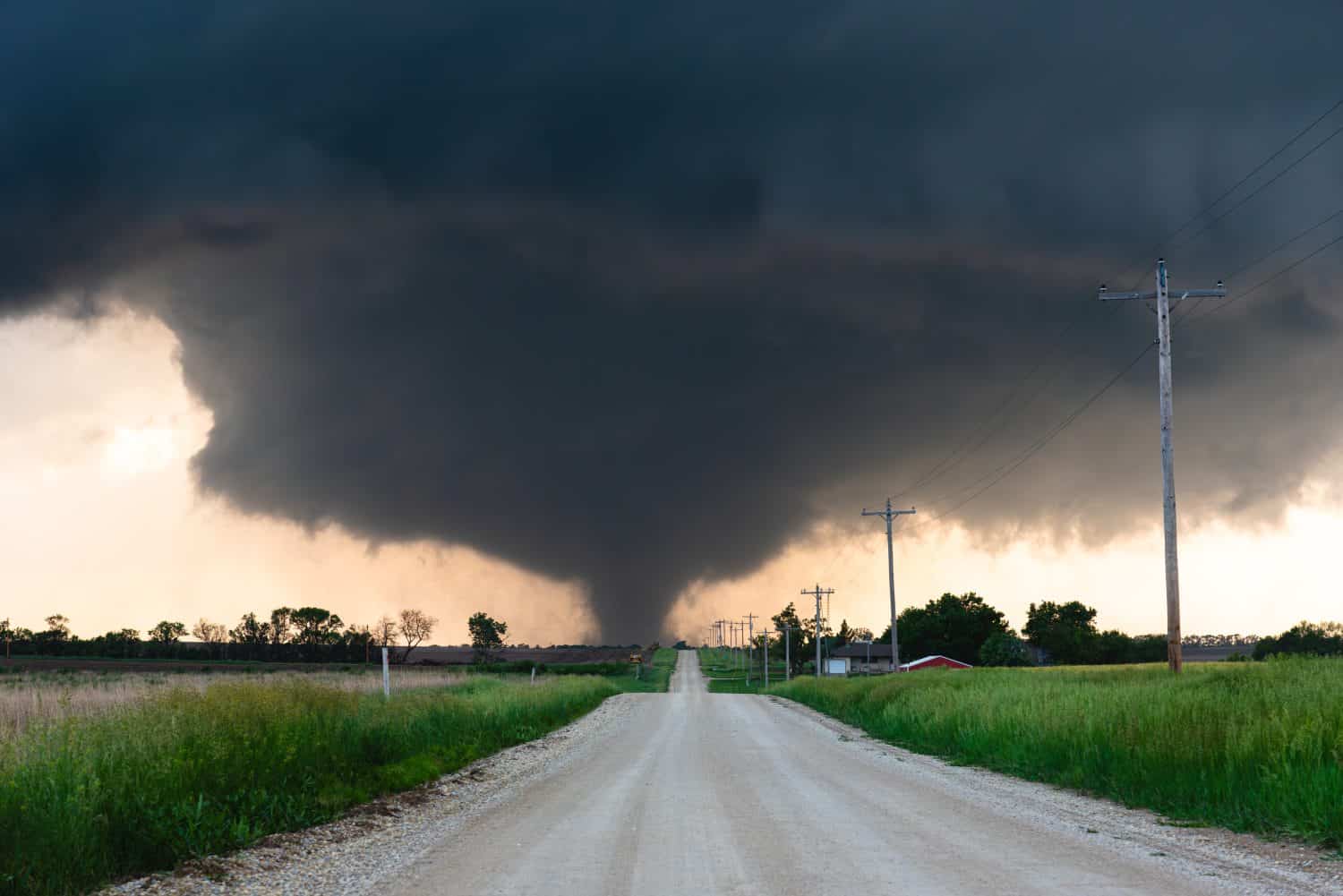
Most people see a tornado warning and start thinking about shelter. Storm chasers head in the other direction. Some chase severe weather for scientific research or public safety, while others do it to document storms through photography, video, forecasting, or live reporting.
Modern storm chasing has roots going back much further than reality television. Dedicated chasers were pursuing severe thunderstorms by the 1950s, and federally funded scientific storm-intercept teams began working on the Great Plains in the early 1970s. Since then, better radar, mobile instruments, armored vehicles, cameras, and eventually smartphones have completely changed what people can observe from the field.
For this updated look at some of the best-known storm chasers, 24/7 Tempo reviewed National Weather Service records, scientific and historical sources, official biographies, and accounts from the people involved. Some became famous for scientific research. Others made their mark through television, filmmaking, photography, or decades spent following severe weather across the country.
Storm Chasing Is Usually a Passion, Not a Career
Chasing severe storms carries serious risks.
It is possible to make money from storm chasing, but very few people make a living doing it. The National Weather Service says most chasers pursue storms as a hobby, while a smaller number earn income through photography, video, tours, media work, forecasting, or scientific research.
It is also dangerous. The National Weather Service does not endorse recreational storm chasing and warns that the hazards go well beyond tornadoes. Heavy rain, hail, lightning, flash flooding, poor visibility, changing storm motion, and ordinary traffic can all turn a chase dangerous in a hurry.
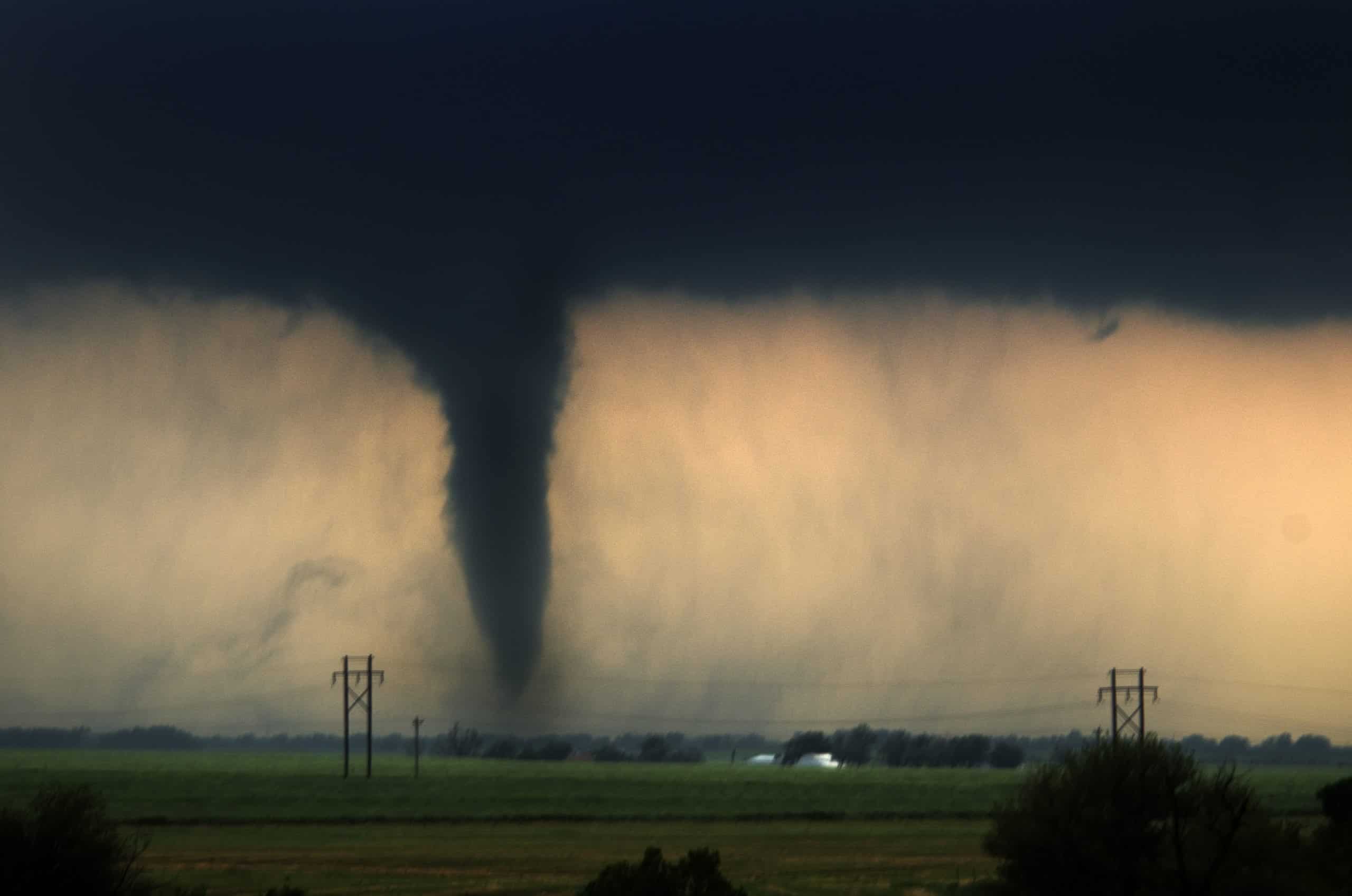
The risks became painfully clear on May 31, 2013, when the enormous El Reno tornado in Oklahoma killed eight people. Among them were tornado researcher Tim Samaras, his 24-year-old son Paul, and meteorologist Carl Young. Scientific field research can provide valuable information about severe storms, but that should not be confused with the idea that anyone with a radar app and a full tank of gas needs to chase one.
Reed Timmer
Reed Timmer has chased tornadoes, hurricanes, blizzards, flash floods, and other extreme weather.
Reed Timmer is one of the most recognizable storm chasers of the television and internet era. His Team Dominator biography says he has observed more than 800 tornadoes over more than two decades of chasing, along with hurricanes, flash floods, winter storms, and other extreme weather.
Timmer was studying meteorology at the University of Oklahoma when he encountered the devastating Bridge Creek-Moore tornado in 1999. One important detail often lost in retellings is its rating. The Enhanced Fujita scale did not take effect until 2007, so the May 3, 1999 tornado was officially rated F5, not EF5. Timmer was a freshman at OU at the time.
He later became a major figure on Discovery Channel's Storm Chasers and developed the Dominator series of heavily modified storm-intercept vehicles. The Dominator 3 is designed to make close-range observations while carrying meteorological instruments and cameras. Timmer has continued chasing and broadcasting severe weather long after the television series ended.
Tim Samaras
Tim Samaras, his son Paul, and colleague Carl Young were killed by the 2013 El Reno tornado.
Tim Samaras approached tornadoes as both a storm chaser and an engineer. Rather than simply photographing tornadoes from a distance, he designed rugged instruments that could be placed directly in their paths to measure conditions near the ground, an extraordinarily difficult place to collect reliable data.
Samaras founded and led TWISTEX, short for Tactical Weather Instrumented Sampling in/near Tornadoes EXperiment. Working with researchers including Bruce Lee, Catherine Finley, William Gallus, and others, the team deployed hardened pressure recorders and mobile weather stations around tornadoes. The project produced scientific research on pressure, wind, temperature, humidity, and near-surface conditions around tornadic circulation.
On May 31, 2013, Samaras, his son Paul, and TWISTEX colleague Carl Young were overtaken by the El Reno tornado in Oklahoma. The tornado grew to a record 2.6 miles wide and changed speed and direction rapidly. All three were killed. Samaras was 55. His work remains important because it demonstrated that meaningful measurements could be collected from extraordinarily difficult locations inside and near tornadoes.
Sean Casey
Sean Casey spent years trying to film a tornado from inside an armored vehicle.
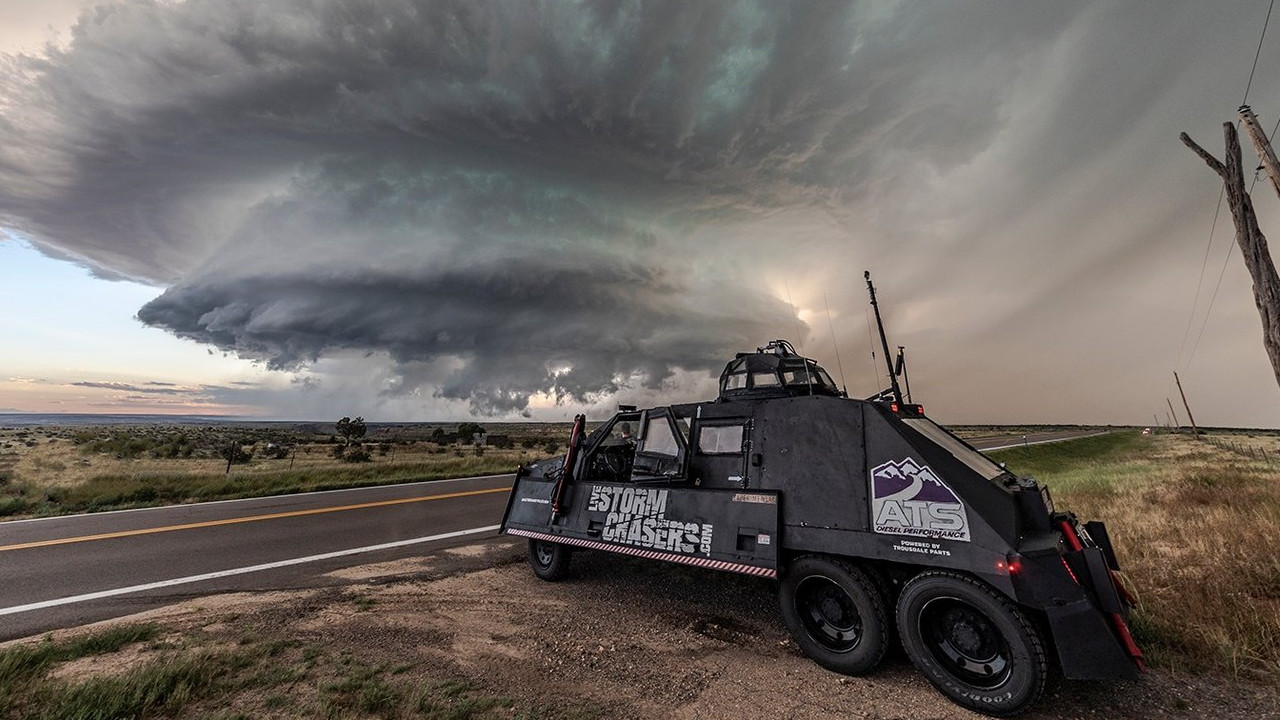
Filmmaker Sean Casey set himself a fairly difficult cinematography goal: capture giant-screen footage from inside a tornado. To make that possible, he designed the Tornado Intercept Vehicle, or TIV, an armored vehicle built to position an IMAX camera extremely close to a tornado while providing its crew far more protection than an ordinary vehicle.
Casey's pursuit became one of the main storylines of Discovery Channel's Storm Chasers. He eventually built TIV 2, a roughly seven-ton vehicle equipped with armor, protective windows, deployable panels, and ground-anchoring systems.
After years of trying, Casey's crew finally captured the footage they wanted during a 2009 tornado intercept in Wyoming. Using the TIV, the filmmakers recorded the tornado passing directly over their position. The footage became part of the 2011 giant-screen documentary Tornado Alley, which also followed scientists from the VORTEX2 research project.
Ronan P. Nagle
Ronan P. Nagle worked with Sean Casey on both Storm Chasers and Tornado Alley.
Ronan P. Nagle's contribution to storm chasing is closely tied to Sean Casey and the Tornado Intercept Vehicle project. The two met while attending film school in the 1990s, and Nagle eventually joined Casey's long-running effort to capture giant-screen footage from inside a tornado.
Nagle worked as a producer on Discovery Channel's Storm Chasers and as an executive producer on Tornado Alley. He also drove the TIV during the team's 2009 Wyoming intercept, putting the vehicle into position as the tornado crossed directly over it.
One distinction belongs to someone else, however. Guinness World Records currently credits storm chaser Roger Hill with the record for the most tornadoes sighted by one person, with 676 verified tornado sightings between 1987 and 2017. Nagle's documented place in storm-chasing history comes from his filmmaking, production work, and years spent helping Casey pursue the TIV project.
Jim Cantore
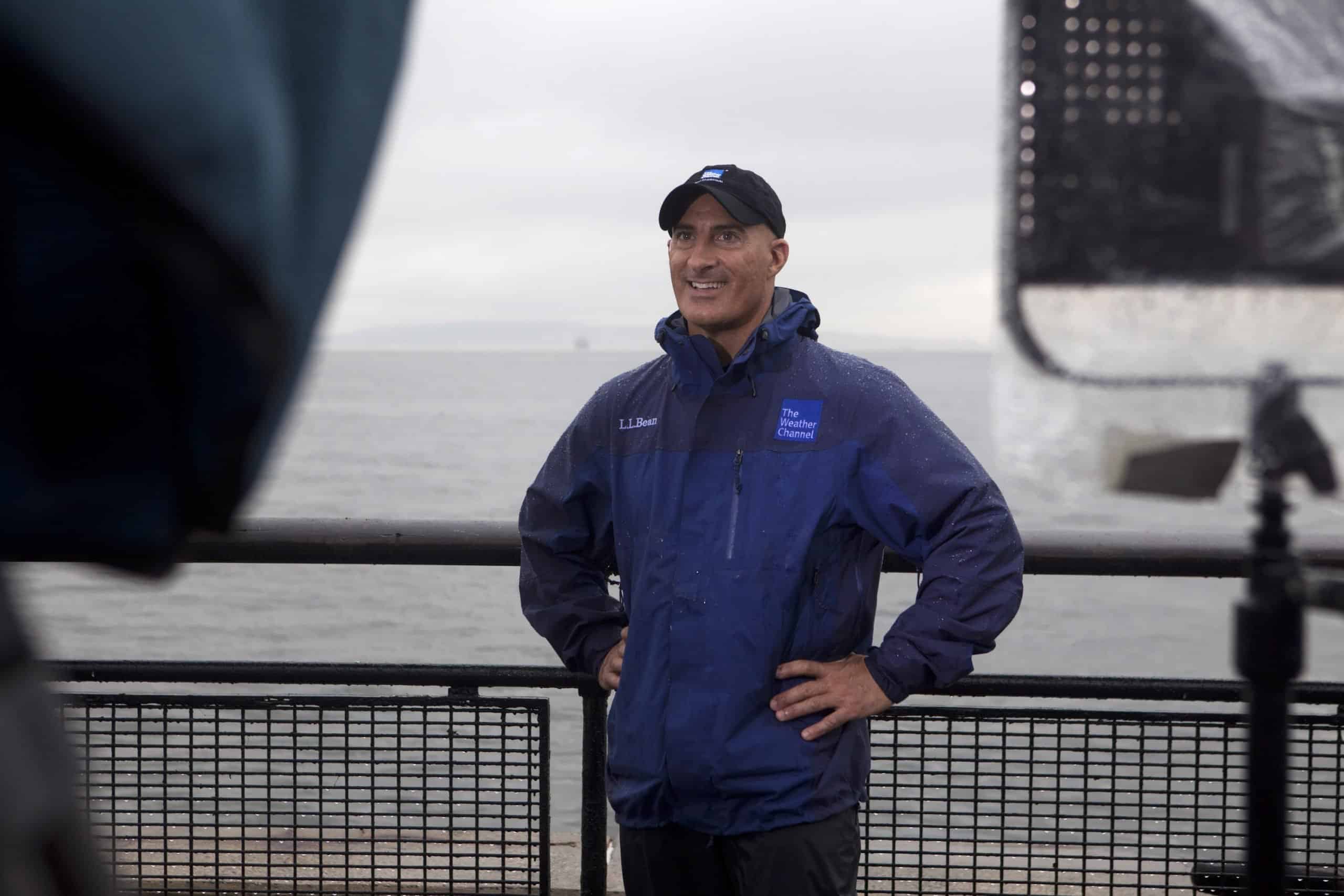
Jim Cantore has spent decades reporting from major hurricanes, winter storms, and other severe weather events.
Jim Cantore is better described as a broadcast meteorologist and storm reporter than a traditional recreational storm chaser, but few people are more closely associated with standing outside when the weather turns ugly.
Cantore joined The Weather Channel immediately after graduating from Lyndon State College in 1986. Over the following four decades, he became one of the network's most recognizable meteorologists, reporting in the field during hurricanes, tornadoes, blizzards, floods, and other major weather events.
His assignments have included Hurricanes Katrina, Sandy, Matthew, Irma, and Dorian, along with events outside severe-weather coverage such as the Olympics, NASA launches, NFL games, PGA tournaments, and the Winter X Games. In 2014, Cantore was elected a Fellow of the American Meteorological Society.
David Hoadley
David Hoadley is widely regarded as one of the pioneers of modern storm chasing.
David Hoadley is often called the father or pioneer of modern storm chasing, but he was not quite the first. NOAA's Storm Prediction Center says the late Roger Jensen is believed to have been the first person to actively seek out severe thunderstorms and tornadoes, beginning in the upper Midwest in the 1950s.
Hoadley's place in the history of chasing is still hard to overstate. He began chasing storms from Bismarck, North Dakota, in 1956 when he was 17. This was long before smartphones, mobile radar, GPS, or even convenient access to weather data. Hoadley relied on Weather Bureau information, paper maps, radio, visual observations, and a lot of forecasting by hand.
He later founded Storm Track in 1977, a publication that became an important meeting place for the growing storm-chasing community. Scientific storm interception was developing alongside the hobby. Federally funded research teams began chasing storms across Oklahoma in 1972, and their study of the Union City tornado in 1973 became an important early example of combining field observations with Doppler radar.
Mike Hollingshead
Mike Hollingshead built a career around photographing severe storms across the Great Plains.
Mike Hollingshead took a different route into storm chasing. Rather than becoming known primarily for research instruments or television, he built his reputation with photographs of supercells, tornadoes, lightning, and the enormous storm structures that roll across the Great Plains.
Hollingshead dates his first actual storm chase to May 16, 1999, when he pursued a tornadic storm in western Iowa. He continued chasing as a hobby before leaving his regular job in 2004 and attempting to make storm photography his full-time work.
It worked. His photographs have appeared in major publications, including on the cover of National Geographic, and in television and film productions. Some of his storm images have also gone viral for less flattering reasons, repeatedly being reposted online with false claims that they showed major hurricanes or other disasters. Hollingshead's work is a reminder that storm chasing has documented severe weather not only as science or news, but also as landscape photography.
Joel Taylor
Joel Taylor became widely known through Discovery Channel's Storm Chasers.
Oklahoma native Joel Taylor studied meteorology at the University of Oklahoma, where he met Reed Timmer. The two became longtime storm-chasing partners, with Taylor frequently serving as a driver while the team pursued severe weather across the Great Plains.
Taylor joined Discovery Channel's Storm Chasers in 2008 and became a familiar part of Timmer's team. His knowledge of the roads and his calmer approach behind the wheel offered something of a counterweight to Timmer's much more animated style. The pair also appeared together in other storm-chasing projects.
Taylor died on January 23, 2018, at age 38 while aboard a cruise ship. His death was unrelated to storm chasing. Fellow chasers remembered him for his passion for severe weather and for the years he spent traveling Tornado Alley with Timmer and other members of the storm-chasing community.