ksteffens / iStock via Getty Images
Photo Contributor Piyaset/shutterstock

Piyaset / Shutterstock.com
trekandshoot/Shutterstock.com

tupungato / iStock via Getty Images
Dorothea Lange / Keystone / Getty Images)
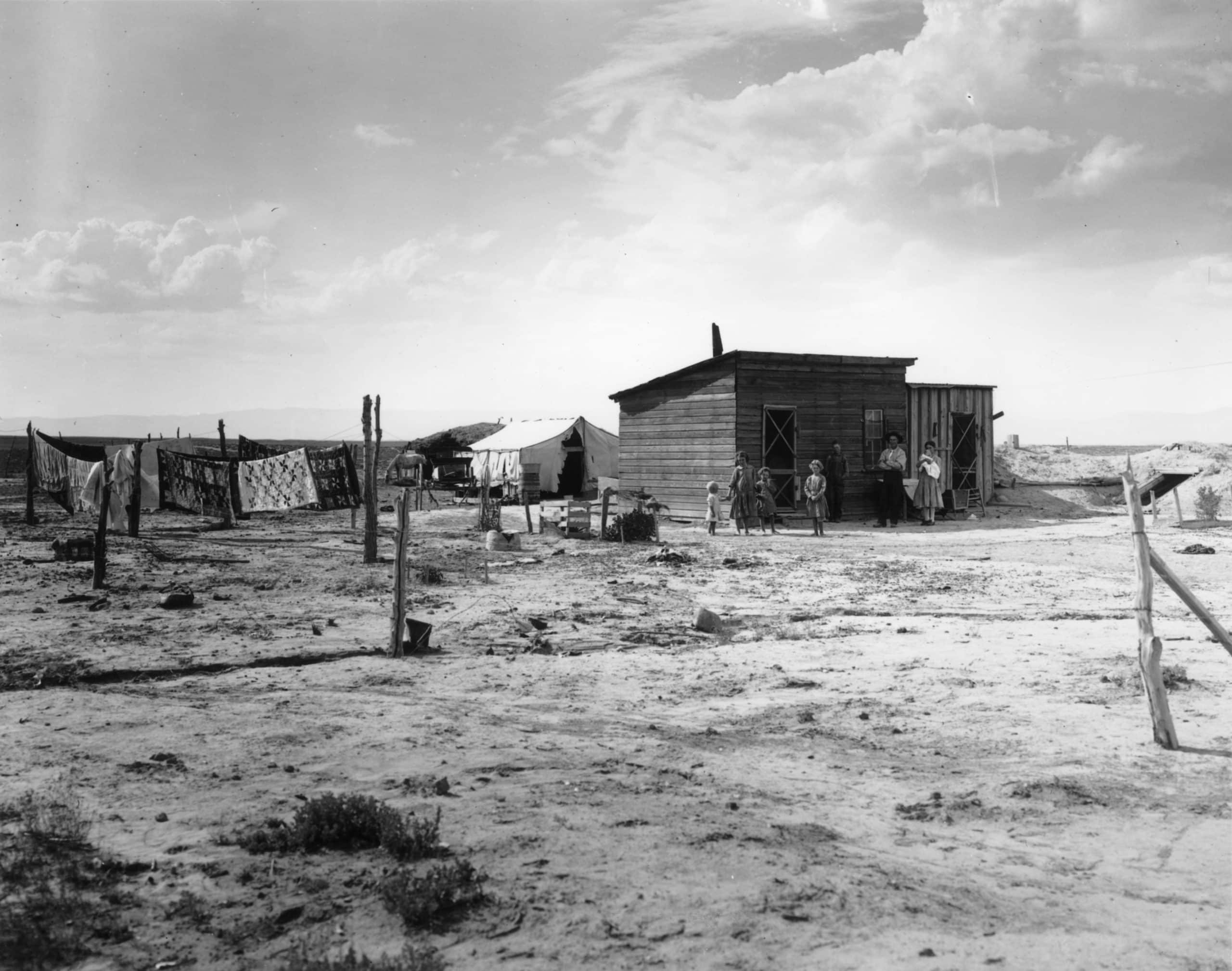
Photo by MPI/Getty Images
JJ Gouin / iStock via Getty Images
cstar55 / E+ via Getty Images
Toomko / Shutterstock.com
Getty Images / Getty Images News via Getty Images
Mike Hardiman/Shutterstock.com
US Dept of Agriculture
Hypervision Creative / Shutterstock.com






America's Worst Drought Eras and How 2026 Compares
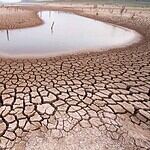
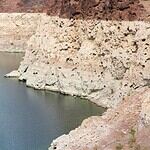
Drought does not arrive with the drama of a hurricane or tornado. There is no single moment when the sky changes and everyone knows trouble has started. Instead, the rain stops coming, soil dries out, reservoirs fall and problems that initially seem temporary can stretch across months or even years.
American history includes several drought eras that became much bigger than a bad growing season. The Dust Bowl reshaped the Great Plains, the drought of the 1950s changed the way states such as Texas planned for water, and a sprawling drought beginning in the late 1990s eventually engulfed much of the country. Now 2026 has become another major drought year. Here is how the country's biggest drought episodes compare, and where the current one fits.
First, What Actually Counts as a Drought?
A drought is more complicated than simply having a stretch without rain. NOAA's National Integrated Drought Information System generally defines drought as a shortage of precipitation lasting long enough, usually a season or more, to create a water shortage.
That also means drought is relative to the place experiencing it. A rainfall deficit that creates serious problems in one region may be completely normal somewhere much drier. Scientists compare current conditions with what is typical for that particular location and time of year.
There Is More Than One Kind of Drought
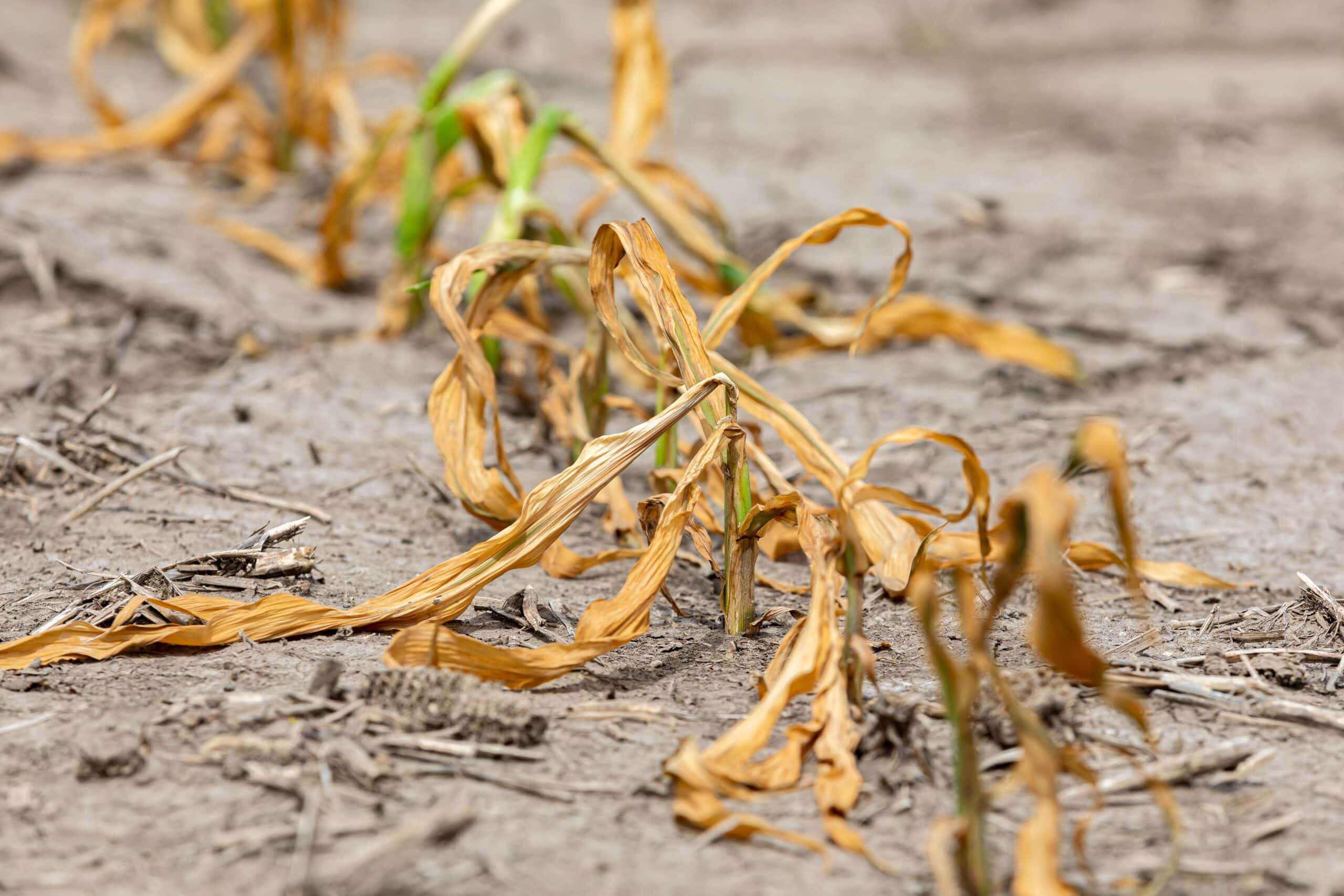
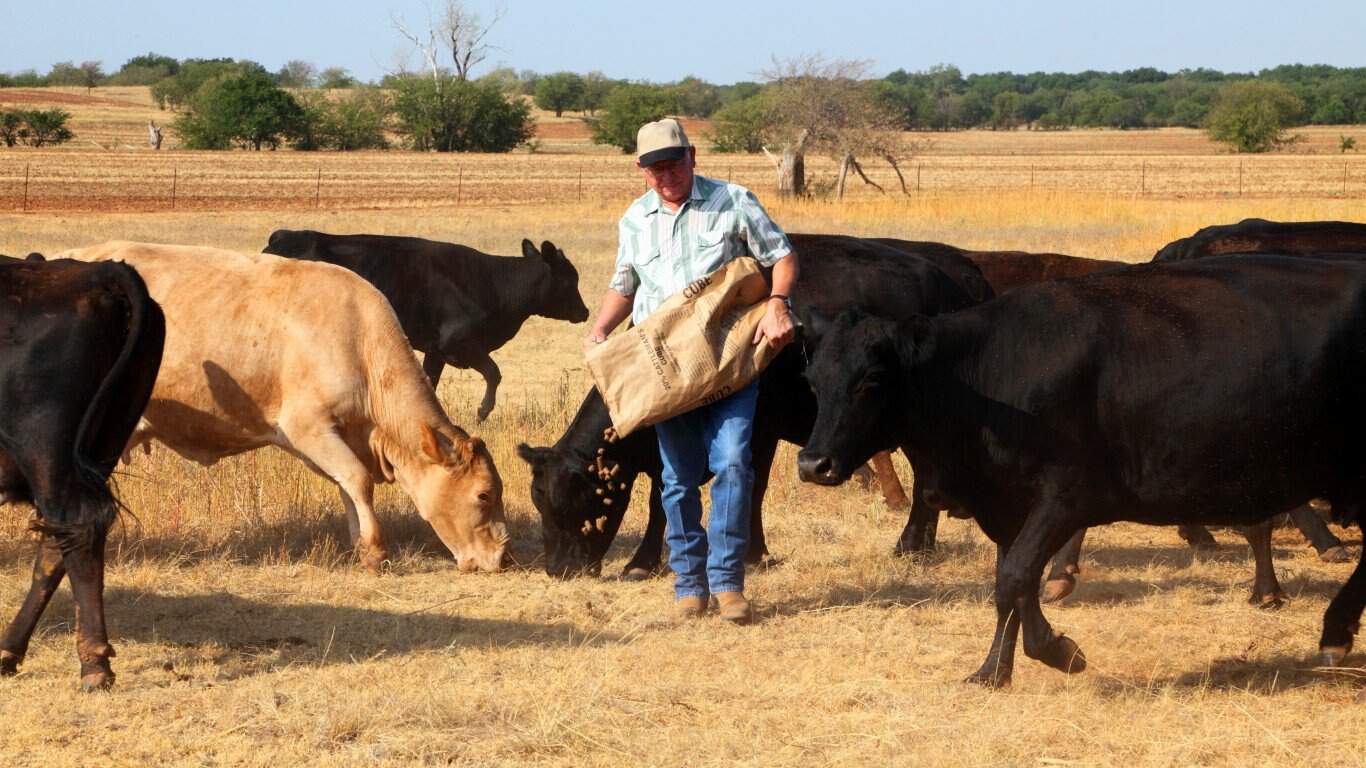
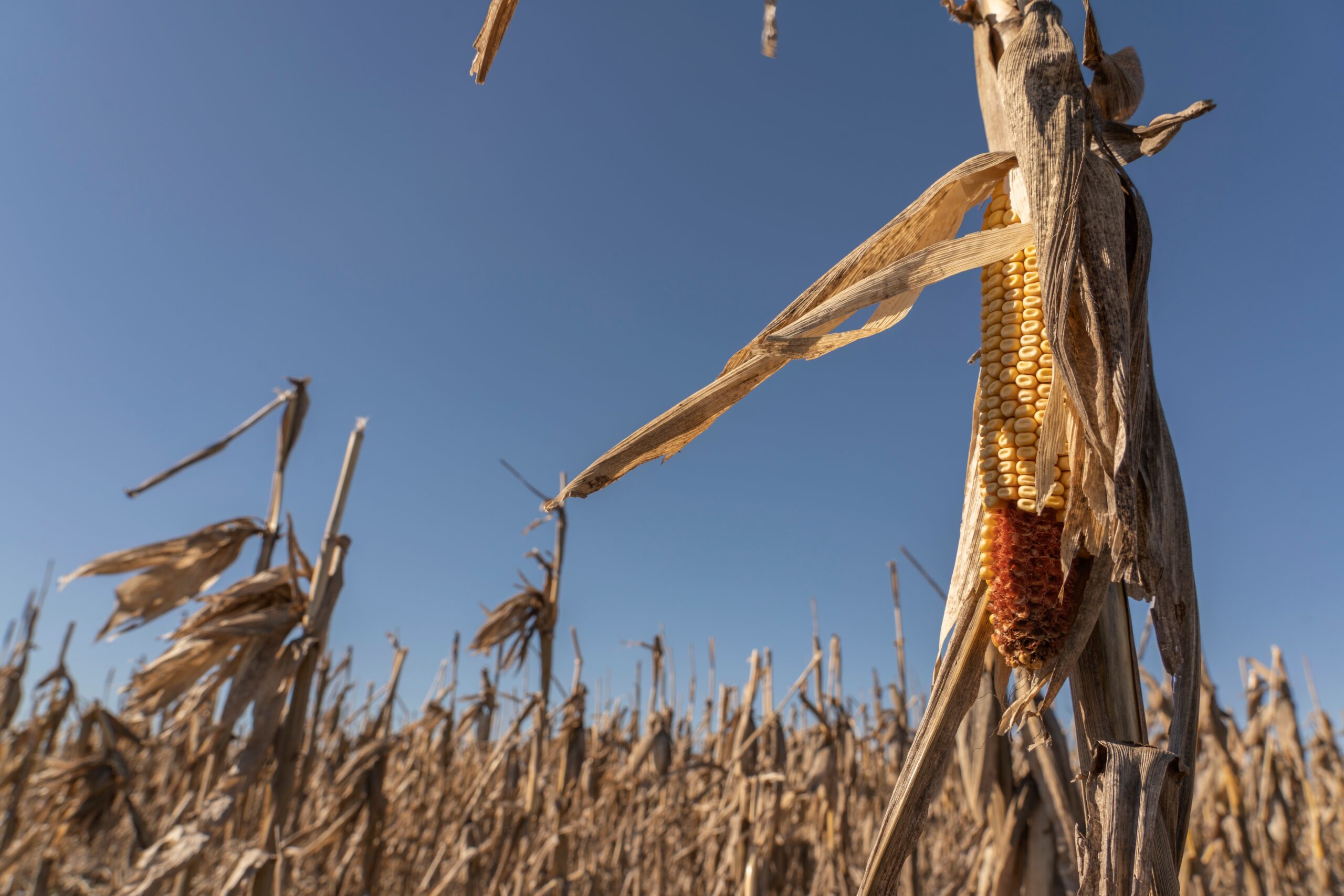
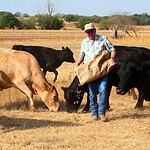
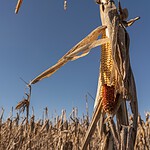
That is why two people can talk about "the drought" and mean slightly different things. Meteorological drought focuses on unusually dry weather. Agricultural drought shows up when soil moisture begins hurting crops and livestock, while hydrological drought affects rivers, reservoirs and groundwater.
There are also ecological and socioeconomic effects. A drought can damage habitat, increase pressure on water systems, disrupt navigation or agriculture and eventually hit household and business costs. It is less one single event than a water shortage spreading through different parts of everyday life.
Three Drought Eras Tower Over the Modern U.S. Record
NOAA climatologist Richard Heim examined the national drought record from 1900 through 2014 and identified 13 major drought episodes. Three stand apart because of just how long they lasted: the 1930s Dust Bowl era, the drought of the 1950s and the early 21st-century drought.
Each lasted at least 99 months and, at its peak, affected more than 60% of the contiguous United States. They did not look exactly alike, though. Some regions could be suffering exceptional dryness while completely different parts of the country were unusually wet.
The Longest Drought Episode Was Not the Dust Bowl
This is where the numbers get interesting. In Heim's national analysis, the early 21st-century drought episode ran from June 1998 through December 2014, or 199 months. The broader 1930s episode ran from July 1928 through May 1942, lasting 167 months, while the 1950s drought lasted 99 months from July 1949 through September 1957.
That does not automatically make the 1998–2014 episode "worse." The 1930s drought reached the largest share of the country at its peak, while the 1950s drought covered the greatest average area over its lifetime. Drought severity depends on what exactly you are measuring.
The Dust Bowl Became America's Defining Drought Disaster
No American drought is more famous than the Dust Bowl. Severe drought struck the Great Plains during the 1930s, but a lack of rain alone does not explain the enormous clouds of soil that eventually became known as "black blizzards."
Years of extensive plowing, overgrazing and removal of native prairie grasses had left enormous stretches of topsoil exposed. When prolonged drought arrived, vegetation disappeared and powerful Plains winds had very little holding that soil in place. The result was an environmental disaster layered on top of the Great Depression.
The Damage Went Far Beyond Dust Storms
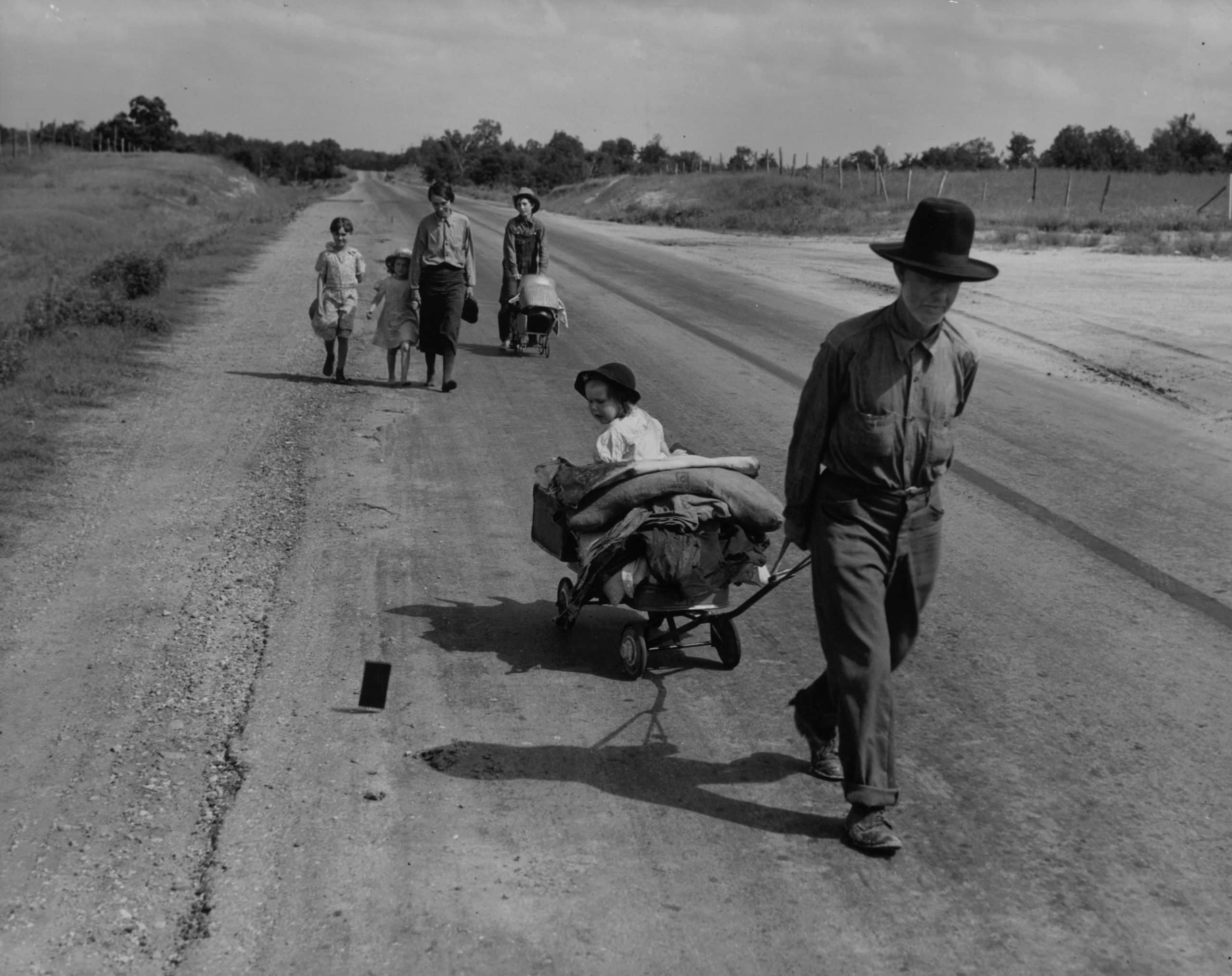
Crops failed, farms lost productive soil and families across the Great Plains were forced to reconsider whether they could stay. Large numbers left states including Oklahoma, Texas, Kansas and New Mexico looking for work and a chance to rebuild somewhere else.
The disaster also changed American agriculture. Federal soil-conservation efforts expanded dramatically during the 1930s, encouraging practices designed to reduce erosion and keep more soil and moisture on the land. The Dust Bowl became a lesson in what happens when an extreme climate event collides with vulnerable land-management practices.
The 1950s Drought Was Less Famous but Incredibly Severe
The drought that dominated much of the 1950s never became embedded in American culture quite like the Dust Bowl, but climatologically it was enormous. NOAA-backed research describes it as one of the most widespread, severe and sustained droughts the United States has experienced.
It hit the southern and central Plains especially hard. In Heim's national comparison, the 1950s episode had the greatest average drought area of the three giant drought eras, meaning an unusually large portion of the country stayed dry for an unusually long time.
Texas Still Plans Around the 1950s Drought
Texas provides a good example of how one drought can permanently change public policy. The state still considers the 1950s event its statewide "drought of record" for water-planning purposes.
The crisis helped push Texas toward a much more organized approach to water. The Texas Water Development Board was created in 1957, and today's state water plans still ask a basic question: would Texas have enough water if drought conditions comparable to the 1950s happened again?
The Early 21st Century Produced a Different Kind of Drought
The drought episode beginning in 1998 did not look like one unbroken brown patch covering the entire country for 16 years. Instead, regional droughts repeatedly developed, faded and shifted while enough of the United States remained dry for researchers to treat the period as one broader national episode.
That distinction matters. Heim found that the 1998–2014 episode had more short-duration drought and more areas experiencing wet conditions at the same time than the drought eras of the 1930s and 1950s. It was a patchier event, but an extraordinarily persistent one.
By 2012, Drought Covered About Two-Thirds of the Lower 48
The scattered regional droughts came together dramatically in 2012. By the end of September, roughly two-thirds of the Lower 48 was experiencing drought, creating a national-scale event that drew comparisons with the 1930s and 1950s.
There was another major difference: heat. The early 21st-century drought episode was substantially warmer overall than either of the earlier drought eras. Higher temperatures increase evaporation and the amount of moisture the atmosphere can pull from soils and plants, meaning heat can make an existing precipitation deficit much harder on the landscape.
Modern Drought Is About Rainfall and Increasing Heat
A drought still needs a moisture shortage, but temperature increasingly influences how damaging that shortage becomes. Warmer air raises evaporative demand, pulling moisture more quickly from soil, vegetation and surface water.
That does not mean every part of the United States will simply become drier. Some regions are projected to receive more precipitation. But NOAA notes that continued warming can increase agricultural drought risk even where long-term rainfall changes are less certain, while the Southwest faces particularly serious long-term drying risks.
2026 Has Become a Major Drought Year of Its Own
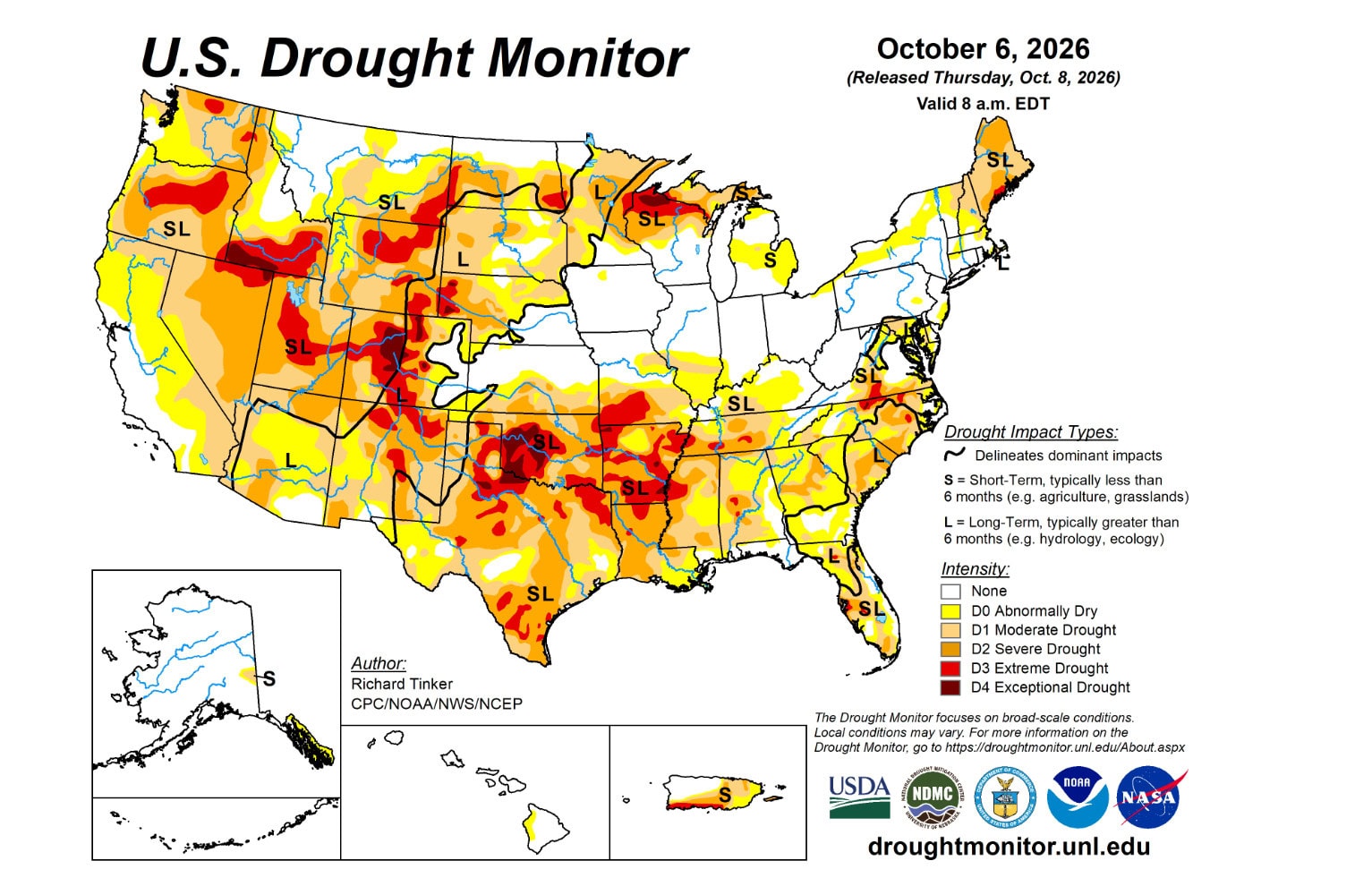
The current year deserves an entry, although it is far too early to put 2026 in the same historical category as drought eras that lasted many years. The Lower 48 just experienced its warmest June-through-August period in records dating to 1895, while widespread dryness helped drought expand across a huge portion of the country.
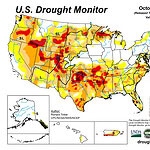
By September 29, about 59% of the contiguous United States was in drought. Heavy rain then brought substantial improvement to parts of the Southern Plains, Southwest and Southeast, but as of October 7, 2026, 55.21% of the Lower 48 was still classified in drought. About 99.6 million people were living in affected areas, with moderate drought or worse present somewhere in 41 states.
It Is Too Soon to Call 2026 Another Dust Bowl
The numbers are striking, but historical droughts are judged by more than how much of the map is brown during one particularly bad week. Duration, intensity, geographic reach, water shortages, agricultural damage and how long conditions persist all matter.
So 2026 belongs in the conversation as a major current drought year, not yet as a fourth member of America's three great modern drought eras. Whether it eventually earns that distinction will depend on what happens next, especially in areas where long-term drought has survived despite short bursts of beneficial rain.