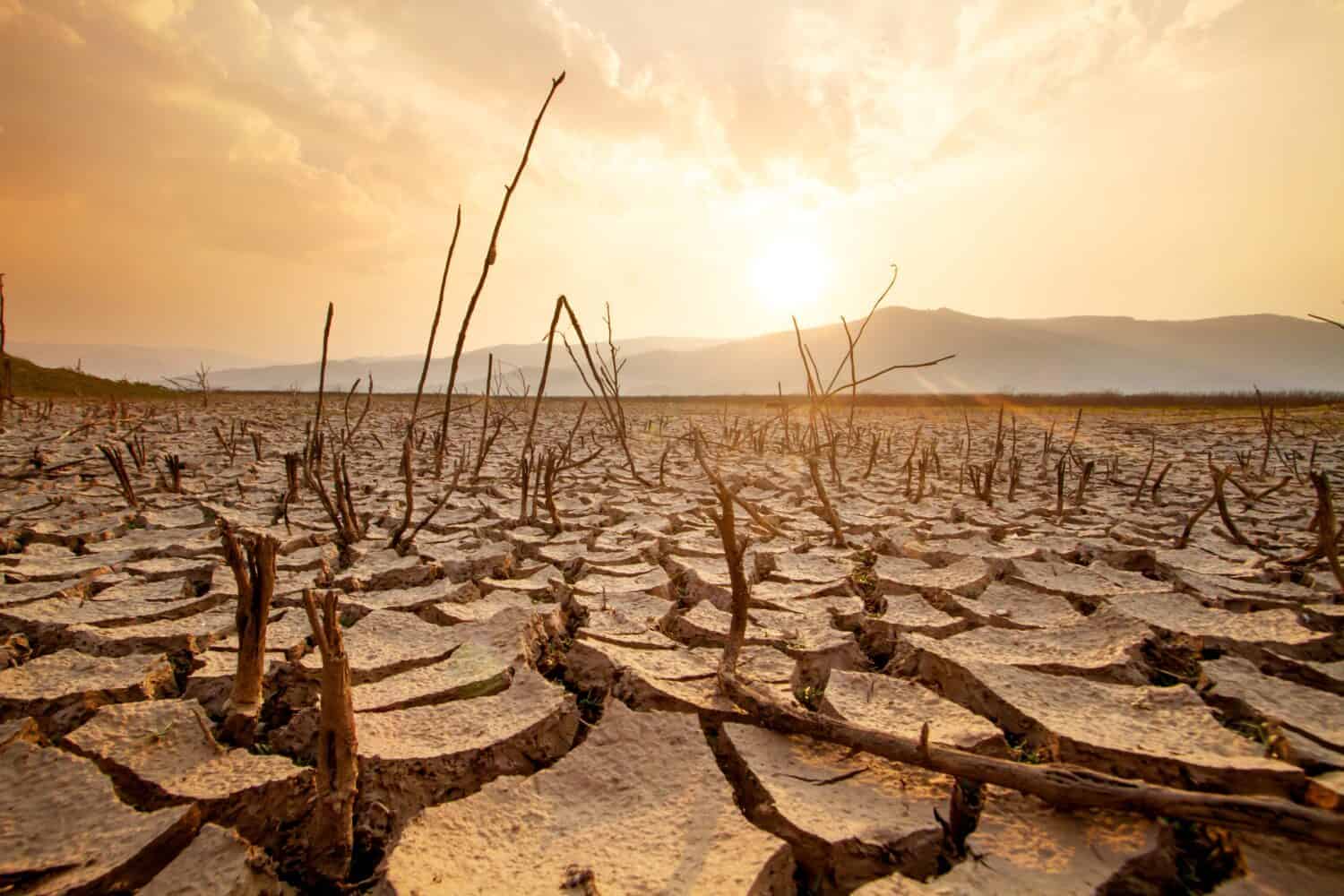
The megadrought gripping the southwestern United States has been worsening for the past 22 years. Although the idea of such a drought might seem fascinating, it poses serious dangers. Driven by a lack of rainfall, with many scientists pointing to climate change as a contributing factor, this drought has had catastrophic effects — draining key water reservoirs, destroying thousands of trees, ravaging forests, and forcing multiple governors to declare states of emergency.
Will this drought come to an end, or only worsen this year?
To better understand the megadrought that challenges the Southwest, 24/7 Tempo reviewed various science and weather-related sources, including drought.gov, the Clark Science Center, Live Science, and National Geographic.
This post was updated May 30, 2025 to reflect additional information.
Here’s why the southwestern U.S. struggles as a megadrought dries up resources:
What Is a Megadrought?
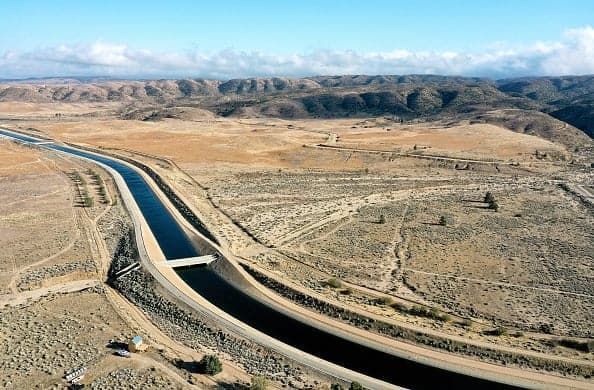
The megadrought in the Southwest that was widely reported during 2022 and continues to cause issues today has been around in some capacity for the past 22 years. The devastation has been intense and the longevity is what defines a megadrought. It’s any drought that’s been continuous for two decades or longer. This particular megadrought is the driest since the year 800. The most recent megadrought that affected the world since then was a similar one in the late 1500s.
What Are the Negative Effects of a Megadrought?
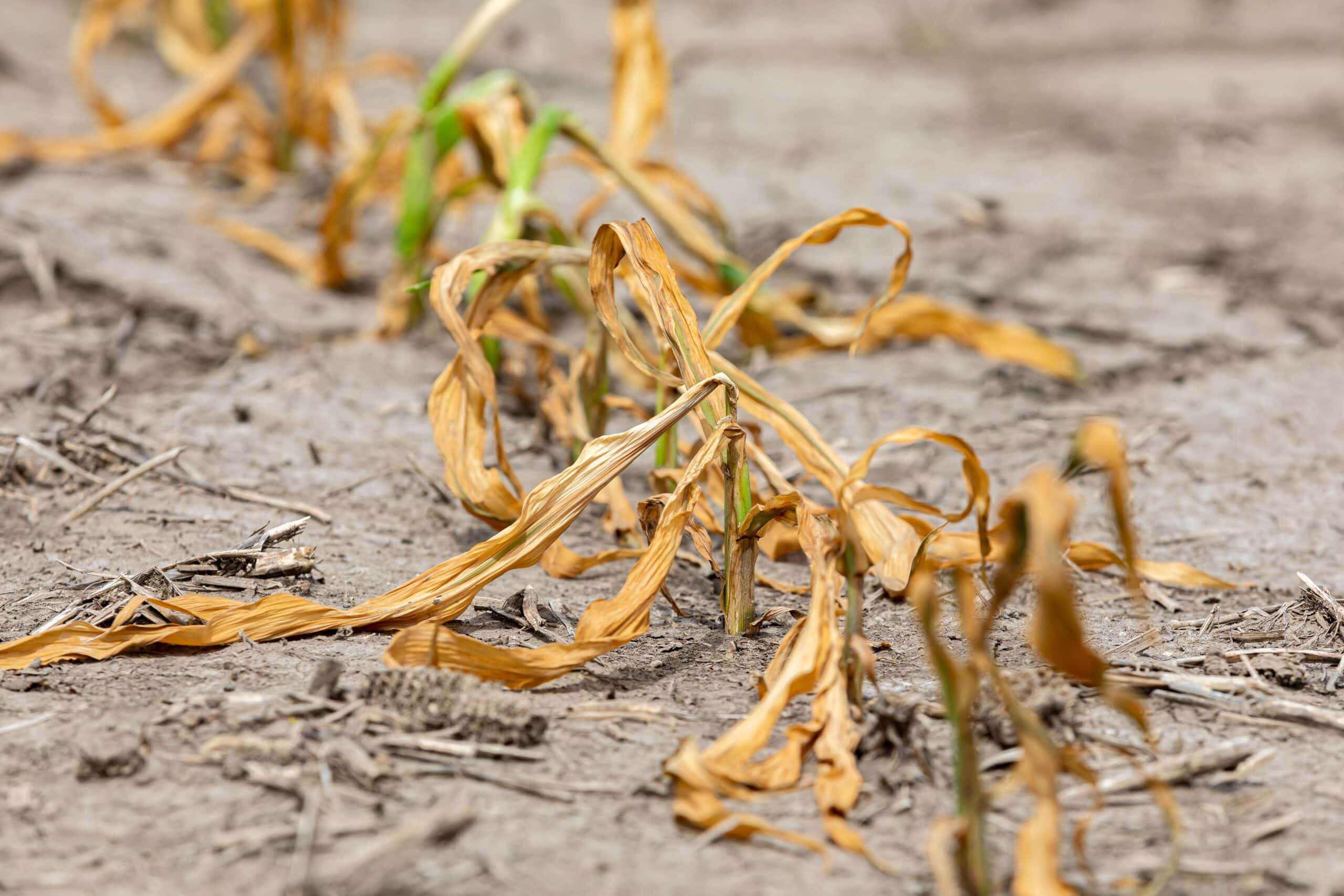
A drought is an unnaturally long period of dry weather, and when left unchecked, it can cause long-lasting effects. It dries out the landscape, causes damage to crops, leads to water shortages for the residents, and creates other irreversible damage. The issues are so severe that in the case of this megadrought, many places, including California, declared a state of emergency. In many cases, an extreme drought can get so bad that citizens need to ration their water. Farmers also typically struggle, and failure to grow food could mean issues for the people who call the region home.
What Caused the Megadrought in the Southwest?
Like many other megadroughts throughout time, experts believe that this drought was simply the result of low precipitation levels and high temperatures. The most extreme weather-related issues occurred between the summer of 2020 and 2021. Scientists believe that the higher temperatures are a direct result of climate change. They also believe that the reduced precipitation is due to a variety of factors, including changes in the ocean temperatures, landscape changes, and variations in the jet stream, among other possible issues. People in the area using too much water over a long period of time can also lead to drought.
Climate Change Has an Effect
Researchers believe that part of the reason for the megadrought is due to climate change. They believe that climate change has disrupted the water cycle, meaning the extreme heat is evaporating the water from the ground at a faster rate, so any rainfall that does occur is not sufficient. Also, they believe that climate change is disrupting the ocean currents and wind patterns, which is leading to infrequent rainfall. Finally, the region is receiving lots of precipitation at once or none at all, and it’s not enough for the Southwest to escape the drought.
How Researchers Can Determine the Intensity of a Drought
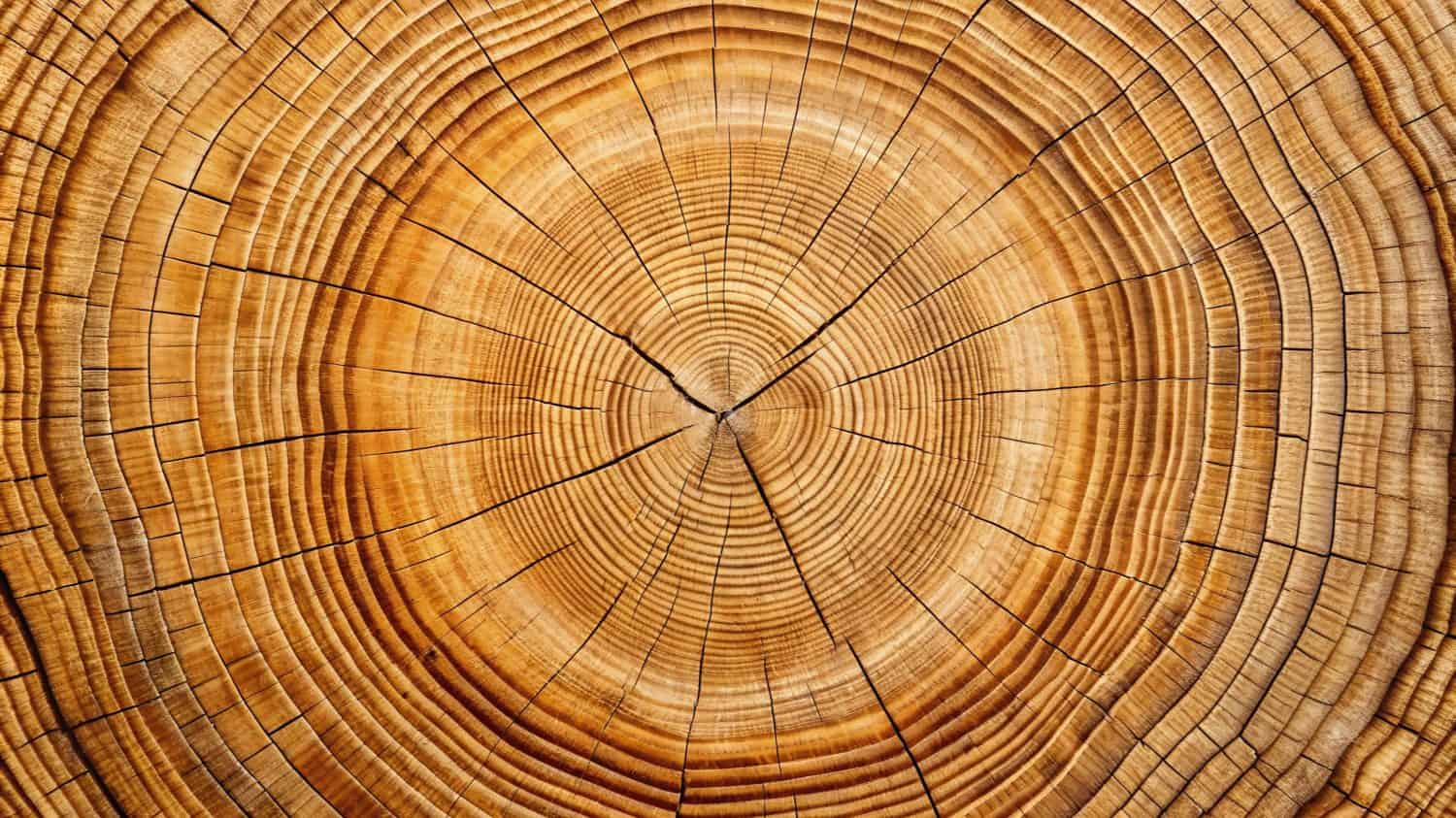
There are many factors that researchers can measure to determine the severity of a drought. One is how long it has been between rainfall, but that also depends on the area. In a tropical climate, a week without rain could constitute a drought. However, according to Drought.gov, the general rule is a precipitation deficit of over six months. Another way that researchers can detect the severity of a drought is by looking at the rings on the trunk of a tree. The rings can give insight about soil moisture levels going over long timespans.
The Megadrought Has Caused a Major Soil Moisture Deficiency
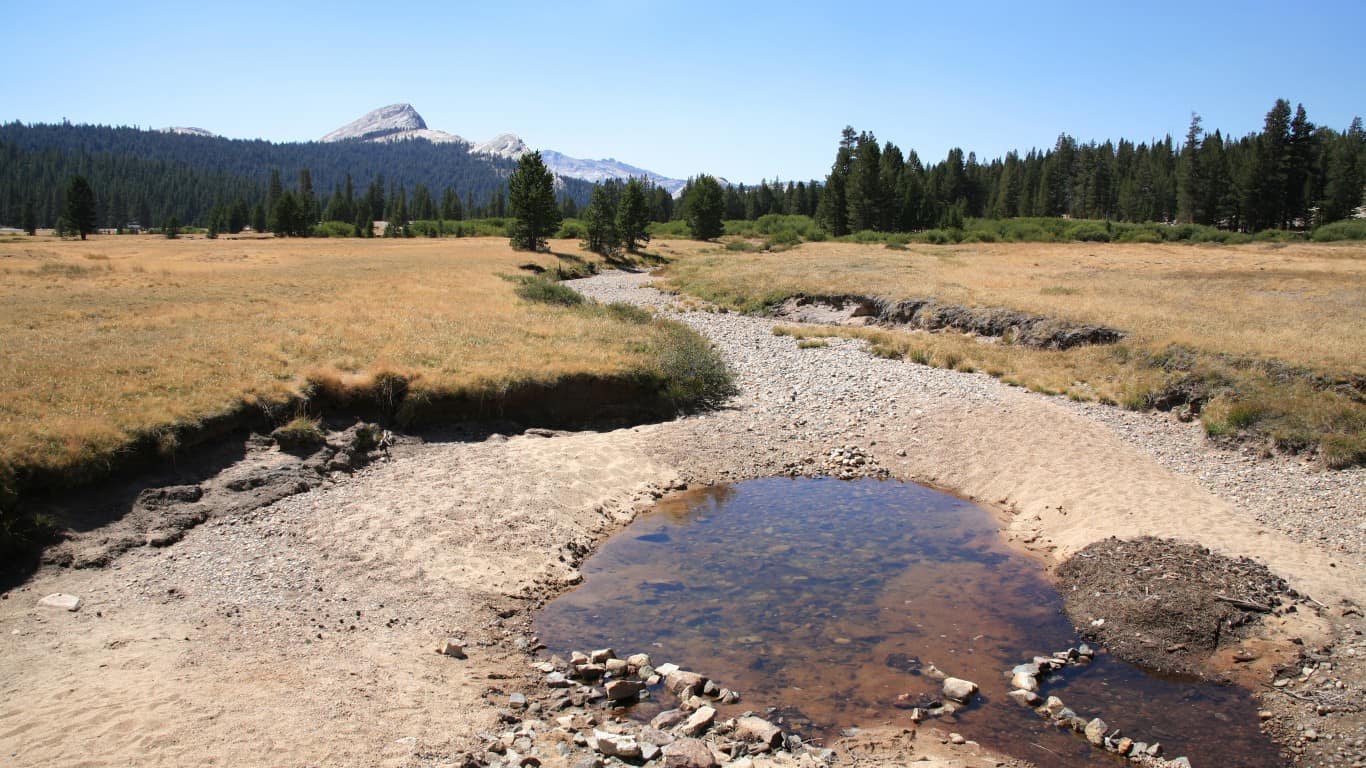
The tree-ring analysis has proven what many scientists believed, which is that this megadrought has caused a major soil moisture deficiency. It’s so extreme that it’s twice as bad as any drought that has occurred during the 1900s or during any of the other megadroughts of the past 12 centuries. When the soil is dry, growing food or finding water can be difficult. While some of the soil moisture defense in the Southwest is expected, researchers believe that much of the dryness is related to human-caused climate change.
The Megadrought Is Reducing the Water Supply
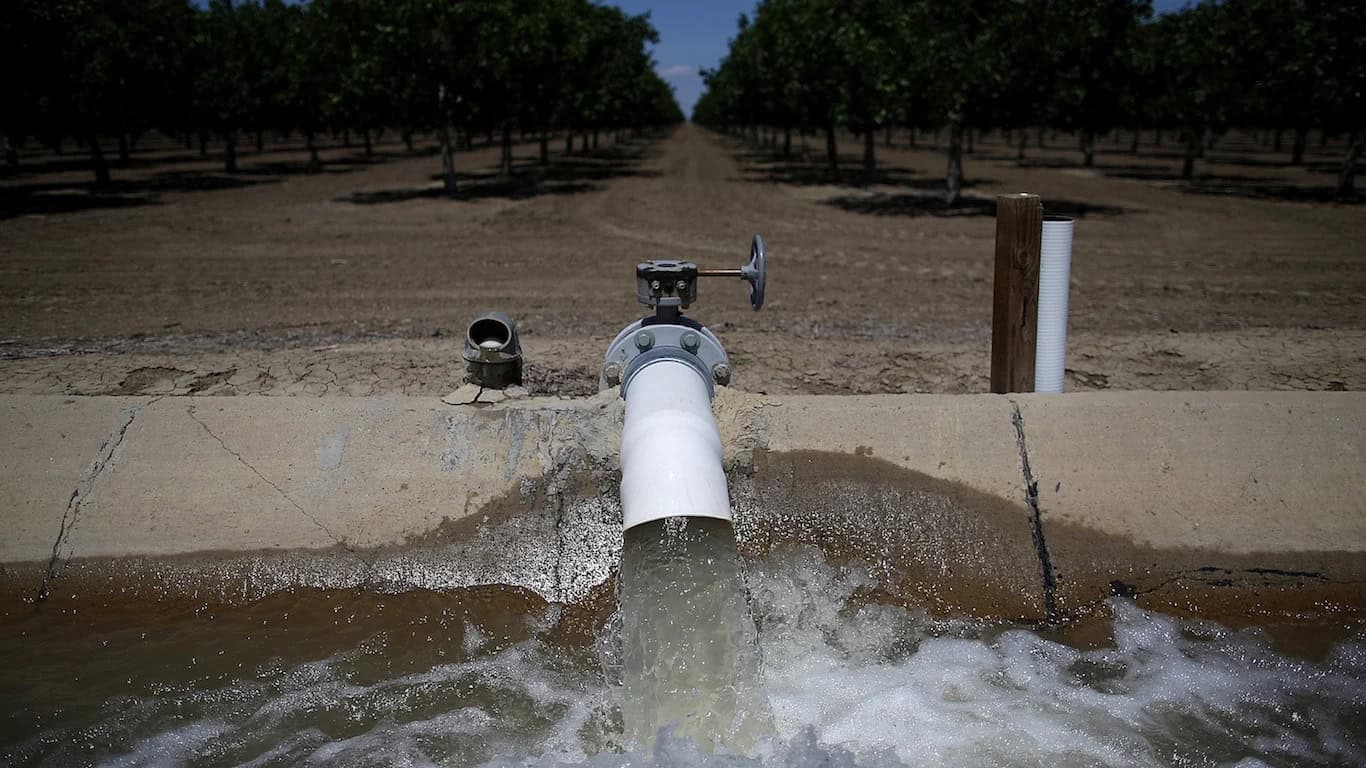
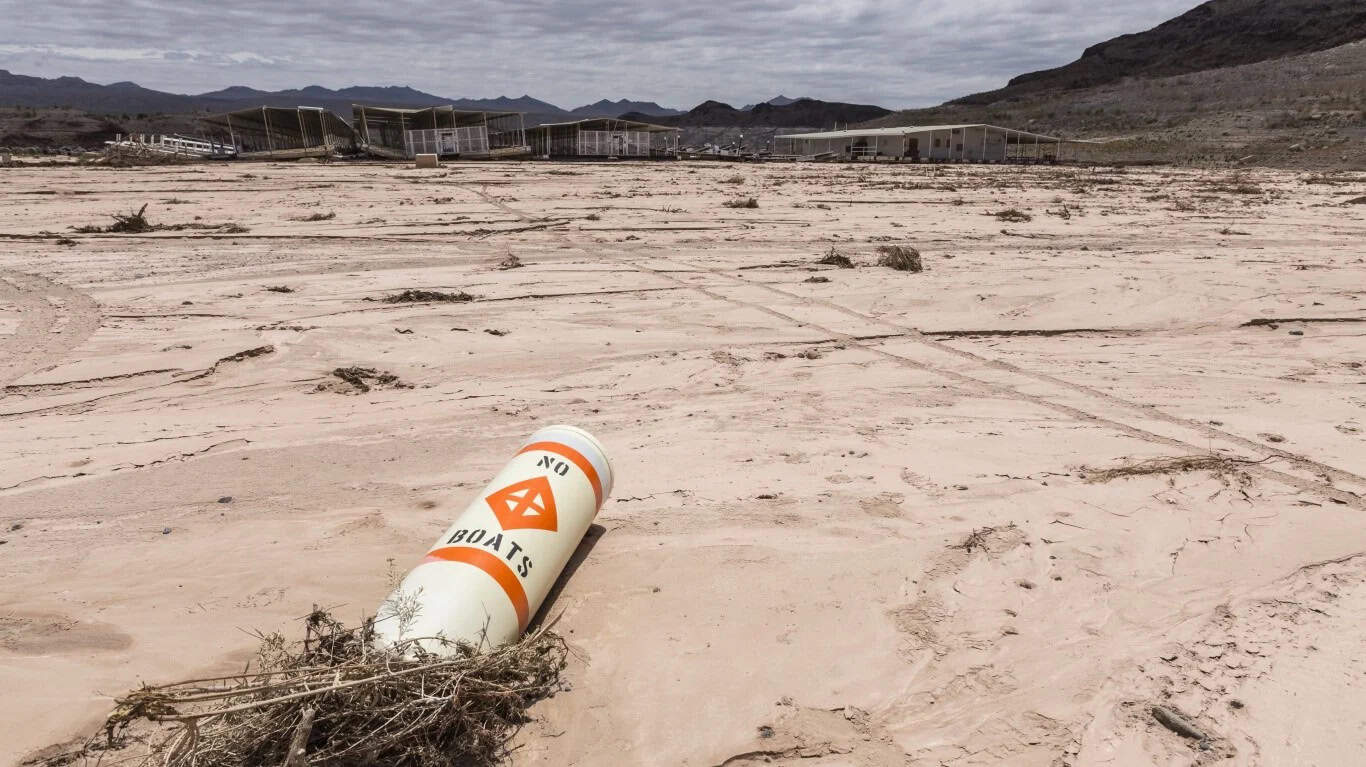
A drought will drain the water supply, and it’s causing major issues in the Southwest. As of 2021, two of the largest water reservoirs in the entire country, Lake Powell and Lake Mead, have dipped down to the lowest levels since reporting began. Because of the shortage, authorities in the area have had to take drastic measures. Officials cut water allocations to various Southwest states. Then, Gov. Gavin Newsom declared a state of emergency and asked Californians to reduce water usage by 15%.
The Drought Is Also Affecting the Forests

The drought is having such catastrophic effects on the Southwest that it’s starting to change the appearance of the area, especially when it comes to the forests. In what’s called the aridification of the West, low levels of moisture in the soil are causing trees to die off at a record pace. Plus, the drought conditions are leaving the existing trees more vulnerable to diseases and pests that are further killing them off. Once the trees die, they create dry and flammable wood, which contributes to wildfires and makes the situation worse.
Could There Be an End to the Megadrought?

In early 2024, there seemed to be some hope or normalcy when record rainfall began in the Southwest and went on for several weeks. However, while the precipitation has improved some of the conditions, it hasn’t completely eliminated the issue, and the megadrought persists. Plus, the new rain has not improved the water availability in California, Nevada, or Arizona. It doesn’t help that much of the rainfall in California is going directly into the ocean. According to experts, the only way to get completely out of the drought conditions will be to have several more years of above-average rainfall.
The Chances of a Future Drought
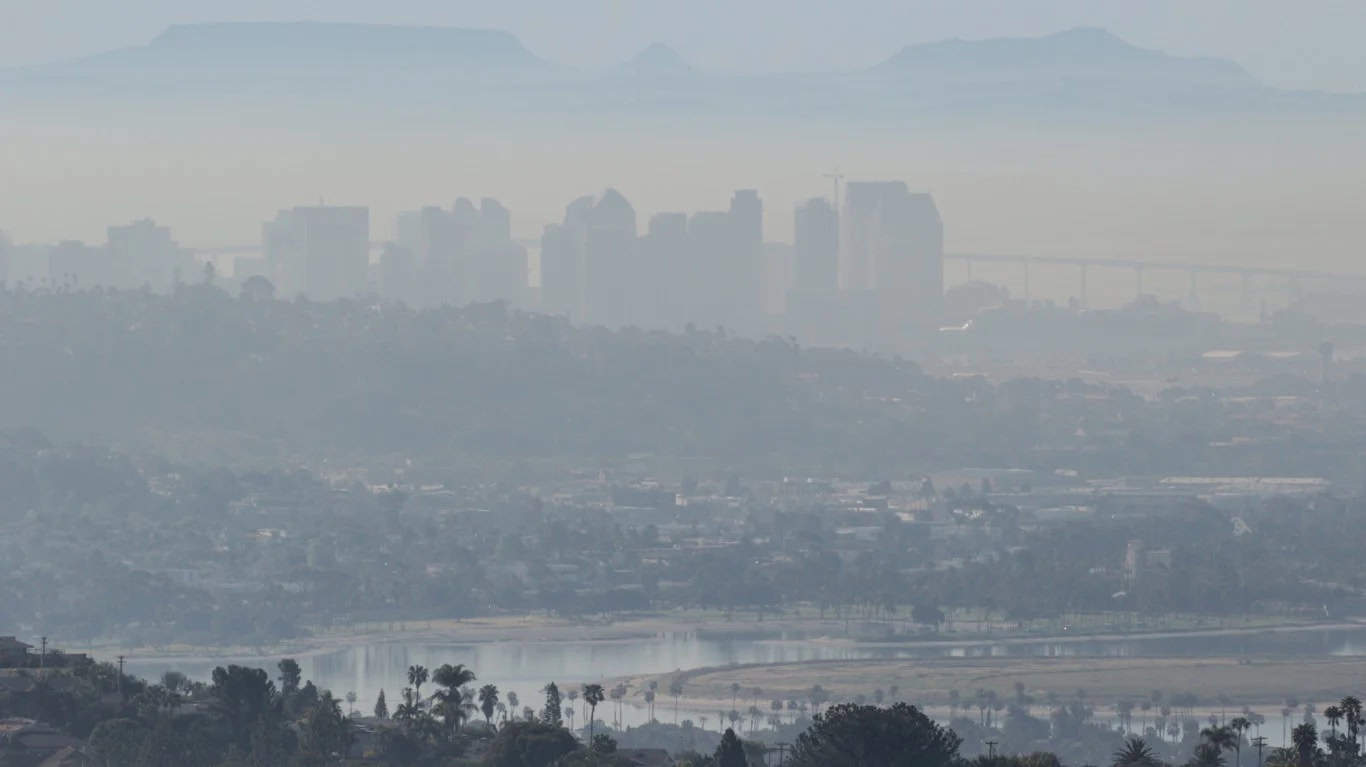
Recently, researchers looked into the possibility of other megadroughts occurring in the Southwest in the future, and the news was less than promising. The issue is with global warming. Even if the Earth continues to warm at a moderate pace, there’s still a 50% chance of another megadrought in the future. It’s another reason why it’s vital that everyone does their part to reduce waste and take care of the planet.
Past Major Megadroughts
This megadrought in the Southwest is not the only one to ever cause havoc like this. In the past, there have been other megadroughts, such as the drought that took place in Southeast Asia from 1344-1367, which many believe lasted 800 years. In 1540, a megadrought in Europe led to the dysentery epidemic. Many researchers believe that a megadrought in Virginia was a contributing factor to the Lost Colony of Roanoke Island. (If you want to learn more, check out this list of the other drought-stricken areas that are just now making miraculous comebacks.)
The image featured at the top of this post is ©Piyaset / Shutterstock.com.